
 By
By  August 26, 2025


How does the Building Safety Act 2022 expand your legal duties for managing damp and mould in residential buildings?
The Building Safety Act 2022 doesn’t just tweak procedures—it overhauls the legal landscape for anyone responsible for a residential building. Damp and mould, often treated as minor irritants in the past, now move centre-stage as recognised building safety risks. This shift means you are no longer simply fixing problems when they erupt. You’re required to anticipate, document, and actively prevent moisture issues as part of your statutory responsibilities.
There’s no silent escape clause for just maintenance now—moisture trouble puts your whole building and business in the firing line.
For owners, managers, or those maintaining flats, houses, and apartment blocks, the Act makes damp and mould part of your core obligations under building safety law. It tightly cross-references the Housing Health and Safety Rating System (HHSRS), drawing clear legal links between the condition of your property’s structure and the day-to-day health of tenants, alongside fire and structural safety. Guidance is now explicit: routine checks, real evidence, transparent reporting, and ongoing prevention.
Damp and Mould: Compulsory Risks, Not Cosmetic Headaches
You must approach damp and mould with the seriousness you’d apply to gas leaks or electrical failures. The Building Safety Act 2022 instructs that:
- Scheduled Inspections Are Mandatory: Reliance on tenant complaints is legally inadequate. Use moisture metres, thermal imaging, and specialist inspections at regular intervals—and record each action scrupulously.
- Every Response Must Be Documented: Each observed or reported problem triggers a legal duty for prompt action. All repairs, assessments, follow-ups, and communications should be precisely logged and timestamped.
- Ongoing Monitoring Isn’t Optional: Keep detailed logs capturing each action, test result, and photographic record, showing your ongoing attention.
- Clear Resident Communication: Notify tenants whenever damp or mould is found, and provide updates throughout the resolution process.
Personal Responsibility—Not Just Corporate Risk
The Act locates legal responsibility with designated individuals, not just faceless companies. If you’re named in compliance documents or the “responsible person” per fire or safety law:
- Fines, official warnings, or prosecution can hit if damp or mould endangers anyone’s health or safety.
- Insurance claims and mortgage agreements increasingly demand robust, joined-up compliance—failure can mean financial exclusion.
Extra Scrutiny for Tall, Historic, and Risk-Prone Properties
If your building exceeds 18 metres, is listed, or is known for complex moisture risk, expect heightened regulatory pressure. Moisture must be on the risk register beside fire and structural issues, accompanied by evidence logs as robust as those for any life-safety hazard.
Moisture leaves fingerprints. Regulators—and your next surveyor—will ask for proof, not promises.
Major Regulatory Shifts—Side-By-Side View
A simple table illustrates how your compliance duties have changed:
| Compliance Duty | Post-2022 Legal Requirement | Evidence You Must Provide |
|---|---|---|
| Inspections | Mandatory, on schedule | Survey reports, metre logs |
| Repairs | Immediate, thorough | Photos, dated sign-offs |
| Monitoring | Ongoing, traceable | Logs, repeat observations |
Leaving it to memory or a contractor’s invoice is now a major financial and reputational risk—full documentation is your first line of defence.
Damp and mould: How do they directly threaten fire safety—and what does the law demand you do about it?

Moisture doesn’t announce itself with flames, but it quietly undermines every passive and active element of your fire safety defences. Unchecked dampness isn’t just an aesthetic or health issue—it can dismantle fire barriers, corrode alarms, and turn minor leaks into liabilities capable of disabling your entire protection plan.
Let damp persist, and your fire systems may surrender behind closed doors—leaving no margin for mistakes when it matters.
Both the Building Safety Act 2022 and the Regulatory Reform (Fire Safety) Order 2005 spell it out: any risk that could encourage fire spread, block exits, or damage alarms must be eliminated and evidence-proven. As moisture attacks surfaces and systems, the manager or owner shoulder direct responsibility.
The Domino Effect: How Damp and Mould Erode Fire Safety
- Swollen or Decayed Fire Doors: Dampness swells seals and frames, creating gaps or stuck exits. “Certified” doors may fail at the moment of truth.
- Compromised Alarms and Wiring: Moisture leads to corrosion, rust, and electrical shorts. False alarms multiply—or worse, detectors go dead.
- Attack on Compartmentation: Mould and salts attack plaster, drywall, and ceiling voids, opening up hidden fire routes.
- Service Risers and Ducts: Where condensation collects in risers or service chases, it quietly degrades fire separation and leaves open pipes for fire to travel.
The Law: Merge Your Damp and Fire Controls—Or Fail Both
Your legal duty is not to treat damp and fire as parallel tracks. You must:
- Flag every moisture issue as a *potential fire breach* in your logs.
- Attach evidence of repairs—photos, reports, post-action tests—across both your damp and fire safety files.
- Mandate that any post-repair review ensures fire barrier integrity is restored, with written verification.
- Update your formal risk assessments and building safety case at every step.
Table: Moisture Red Flags That Undermine Fire Safety
| Moisture Problem | Fire Safety Harm | Your Legal Duty |
|---|---|---|
| Rot or swelling in doors | Compartment fails | Replace, record action |
| Damp in alarm/controls | System may not trigger | Inspect, evidence fix |
| Damaged plaster/walls | Hidden fire breach | Renew, certify, log |
Insurers, lenders, and auditors now expect you to prove every fix attaches to both compliance systems. Managing moisture is now core fire prevention—no exceptions.
How do effective property managers synchronise damp, mould, and fire safety compliance?

Fragmented, separate files and part-time fixes spell legal risk. The days of handling moisture, fire, and other safety checks as disconnected chores are gone. Modern law and industry best practice expect you to integrate these processes—making them bulletproof against oversight, dispute, or miscommunication.
If your records live in silos, so do your risks. Gaps in documentation become cracks in your legal armour.
Seamless, Auditable Compliance: What It Looks Like
1. Unified Risk Assessment
Combine damp and fire checks—each fire risk survey should explicitly cover likely moisture issues, from basements to roof spaces.
2. Single Evidence Chain
Use one digital log for every inspection, survey, or fix—staff and contractors enter results into a shared database, not isolated reports.
3. Shared Documentation and Audit Paths
Tie all records—surveys, photos, follow-ups, and certificates—together, allowing traceable escalation for any issue affecting either system.
4. Whole-Building Training and Response
All staff, contractors, and even tenants are coached to spot both damp and fire risks, report quickly, and access clear escalation points.
5. Post-Repair Review
Any fix for damp gets a fire safety check and vice versa—each action, from new plaster to a replacement door, passes both compliance gates, with signatures to match.
Compliance Integration Table
| Step | Damp & Mould Action | Linked Fire Safety Response |
|---|---|---|
| Risk Survey | Flag, measure, log | Cross-reference fire files |
| Repair | Document action | Barrier re-test |
| Review/Audit | Repeat, update logs | Unified audit trail |
A joined-up approach eliminates blind spots and openly demonstrates, to regulators and insurers alike, that you’re ahead of the game—not scrambling behind.
What inspection and documentation standards now prove compliance for both damp and fire safety?
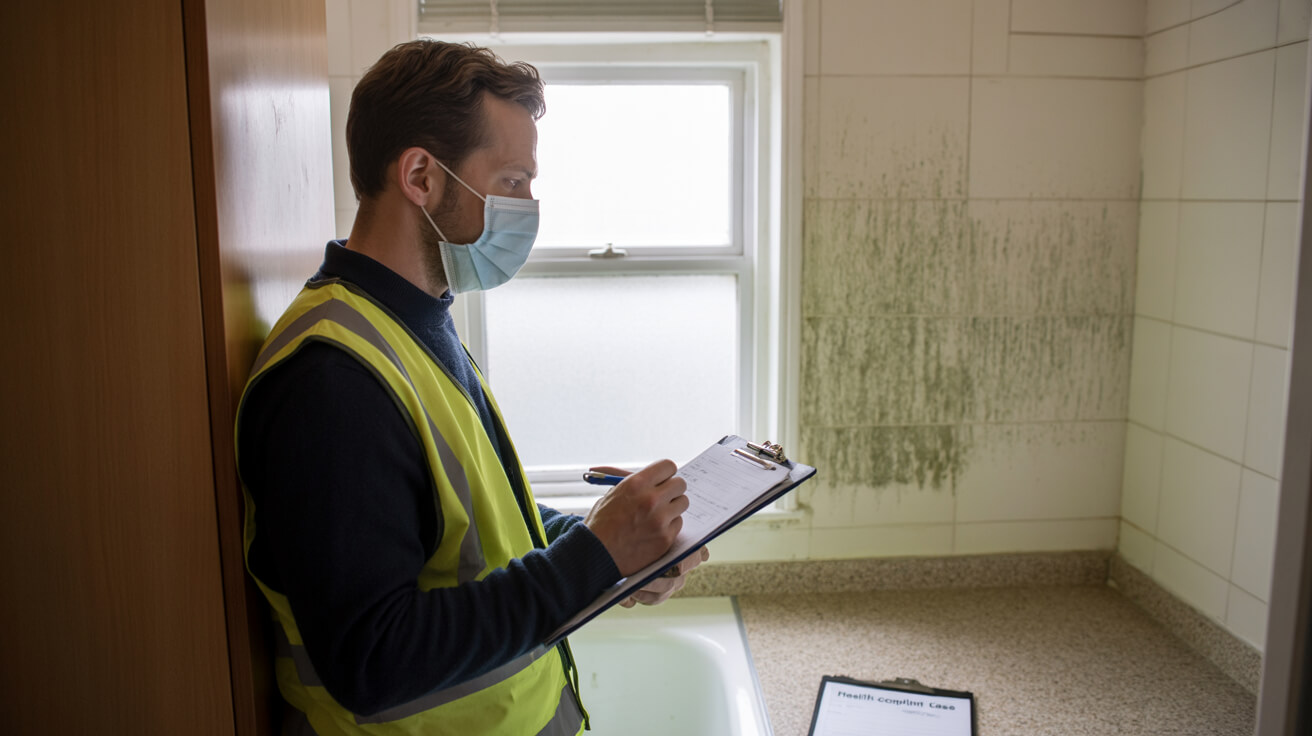
“Proof or nothing”—that’s the era you’re in. Regulators, lenders, and insurers want up-to-date, evidence-backed records covering all moisture and fire risk management. Paper promises or half-filled spreadsheets won’t withstand scrutiny, and they put both your finances and reputation on the block.
Incomplete or outdated files don’t just slow you down—they are a magnet for penalties and lost business.
Build An Audit-Ready Documentation Pack
- Comprehensive Inspection Logs: Every survey or check is logged with date, method (metre, imaging), result, and reviewer.
- Before/After Evidence: Each remedial action is illustrated with photos, test readings, and contractor sign-offs.
- Integrated Safety Case File: All risks and their status are covered in one place, regularly updated, and easily referenced.
- Resident and Authority Correspondence: Every notice, risk warning, and result is documented—no vague records or out-of-date letters.
- Financial Proof: Insurance, loan, and mortgage compliance files clearly cite integrated risk control and name specific standards.
Day-to-Day Moves That Secure Your Compliance
- Use digital log systems that enforce mandatory fields—no holes, no accidental gaps.
- Audit for stale, missing, or duplicate records every quarter.
- Back-scan all old paperwork into searchable archives, ready for instant access.
Evidence Table: Minimum Documentation for a Smooth Audit
| Record Type | Damp Covered? | Fire Covered? | Why It Matters |
|---|---|---|---|
| Inspection logs | Yes | Yes | Overlap, chronology, traceability |
| Repair evidence | Yes | Yes | Proof of action, legal defence |
| Risk assessments | Yes | Yes | Shows systems are joined-up |
| Tenant/authority comms | Yes | Yes | Demonstrates transparency |
If your documentation can’t pass these checks, neither will your compliance case.
Why does joined-up compliance define your reputation and financial outcome as a property manager or owner?

Every stakeholder—tenants, contractors, lenders, insurers, even local authorities—sees your compliance records as a reputational scorecard. Gaps, messy files, or slow responses trade your long-term value for short-term ease. Systematic, integrated damp and fire compliance isn’t just about avoiding fines—it’s the lever for attracting premium tenants, better financing, and top-flight partnerships.
Patch-and-hope is a red flag; joined-up records are magnets for trust and opportunity.
What the Market Sees
- Residents: Expect fast, honest, and traceable management of moisture risks—no more ignored emails or hidden leaks.
- Lenders/Surveyors: Require a clear, complete audit trail before approving funding for purchase, refinance, or development.
- Insurers: Insist on integrated risk control—separate, manual logs increase your premium and claim risk.
- Professional Partners: Rate your reputation on your systems—not your promises.
What’s at Stake When You Fall Short
- Lower asset values due to flagged risks on surveys or withheld finance.
- Failed insurance claims and higher premiums.
- Word-of-mouth damage—bad reviews or agent blacklists.
Table: Stakeholder Impacts of Compliance Strength
| Stakeholder | Past Standard | Modern Expectation |
|---|---|---|
| Residents | Fast fix, few notes | Full journey tracked, shared |
| Lenders | Closing certificate | Live, joined audit trail |
| Insurers | Annual renewal | Real-time, digital proof |
Unlocking the best market outcomes requires systematic proof, not lucky timing.
Where do managers and agents most often stumble into compliance failure under the new regime?
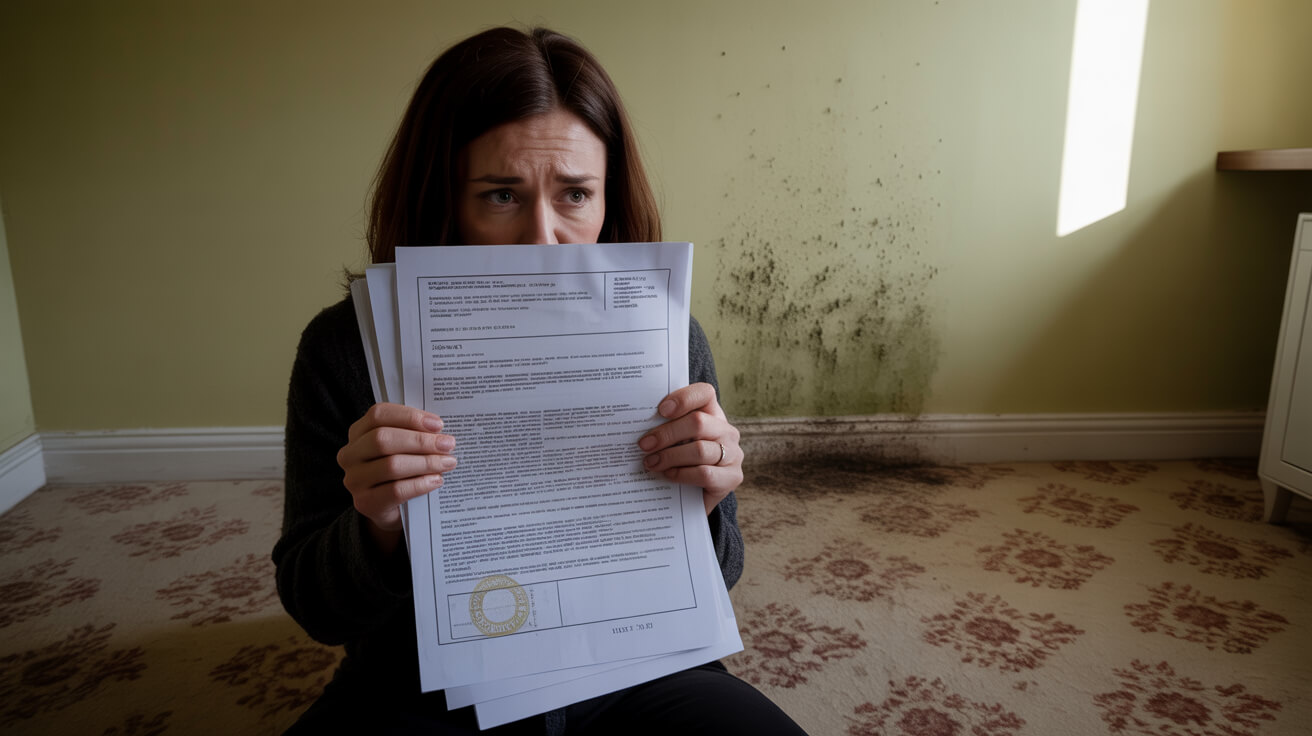
Common cracks in routine breed costly failures. Most non-compliance isn’t about regulatory ignorance—it’s about process gaps, confusion over responsibility, or steady neglect of everyday checks.
Every missing page in your records is an open door for claims, fines, or dispute.
Where Risks Hide and How to Close the Door
- Split Records: Moisture and fire issues logged separately—no one connects the dots or sees compounding problems.
- Cleaning Up Loose Ends: Repairs completed but lacking proof, tenant feedback, or fire re-testing. Gaps breed missed hazards.
- Unclear Responsibility: When everyone’s sort-of in charge, no one owns the problem or the process.
- Inherited Defects: Problems “buried” in acquisitions or missed during handovers soon become your new fines or insurance headaches.
- Outdated Mindsets: Sticking with old-maintenance cycles misses critical legal shifts and undercuts your evidence.
Slam the Door on Future Fines
- Move all records to central, digital systems with audit trails—ensure simultaneous access for all compliance types.
- Assign and regularly refresh a named compliance lead, fully trained and publicly accountable.
- Run scheduled, outside-led audits—cross-team and cross-specialism.
- Update all staff and contractors with new legal and scaffold compliance training.
Ask yourself—if an auditor arrived tomorrow, could you prove each building’s safety instantaneously, or would you scramble?
What are the best strategies for future-proofing your compliance as legal expectations continue to evolve?

The pace of compliance updates isn’t slowing. With damp and mould now statutory building safety risks, fire, energy, and health hazards will continue merging under ever-stricter demands for proof and integration. Owners and managers who design for tomorrow—anticipating overlap and new requirements—can outpace risk rather than react to it.
Buy yourself peace-of-mind—defend your assets with future-proof systems now, not retrofits under pressure later.
Five Ways To Stay Ahead—Not Just Out Of Trouble
- Adopt Unified Compliance Platforms: —digital tools that join damp, fire, structural, and health risks in one file.
- Train for Risk Crossover: —ensure every inspection, refit, and staff member sees through the “double lens” of overlapping risks.
- Specify All-Risk Materials and Upgrades: —from fire-rated, moisture-proof doors to breathable, durable finishes.
- Make Stakeholder Partnership Your Culture: —regularly invite tenants, lenders, and contractors into education and reporting programmes.
- Select Specialist Partners Who Prove It: —demand joined-up compliance records from every consultant, contractor, and surveyor you hire.
Property values, insurability, and rentability now depend directly on your ability to stay ahead—tomorrow’s requirements are winners’ secret advantage today.
Protect your property and reputation—work with Sussex Damp Experts today

Integrated compliance is not a box-ticking exercise; it’s your property’s shield against loss, legal action, or reputational harm. Sussex Damp Experts brings together forensic inspections, digital audit trails, and experienced team support—helping owners, agents, and managers keep every asset legally safe and market-ready. We handle the science and the system so you can focus on building trust, value, and peace of mind.
You can wait for a fine or dispute—or you can act now. Book your compliance review or targeted property assessment with us. The next audit, inspection, or transaction won’t catch you off guard. With Sussex Damp Experts on your team, your assets, tenants, and reputation are always a step ahead.
Frequently Asked Questions
What are the real legal exposures if damp and mould breach both fire and housing compliance rules?
A damp patch isn’t just a comfort issue—it can land you on the wrong side of both fire and housing laws. When moisture damages fire compartments or spreads mould near escape routes, enforcement can now come from two directions at once: the Housing Act (health standards) and the Fire Safety Order or Building Safety Act (fire protection duties). Recent reforms force landlords and agents to prove that both risks are tracked together. If compliance logs or inspection notes sit in silos, overlooked moisture might unravel your entire defence, triggering escalating fines, insurance rejection, or even criminal charges.
Moisture migrates; so does your liability, unless every repair, survey, and supplier report sits in a single, auditable chain.
How does asset type affect your risk profile?
High-rise flats, shared blocks, conversions, and heritage buildings all multiply the odds that a simple damp issue will cross compliance boundaries. Services run together, hidden compartments age unpredictably, and listed status blocks easy fixes—leaving you exposed on both fronts if your documentation isn’t watertight. Proactive cross-checks and joined compliance records are your only safeguard when both the council and fire brigade scrutinise your files.
How does joining up damp and fire compliance prevent insurance and audit disasters for property owners?
Regulators and insurers now expect evidence that you spotted and stopped “chain reaction” risks—damp triggering fire damage, and vice versa. If logs show only isolated fixes, claims often fail. Digitally joined-up reports, geo-tagged surveys, and repair notes tracked through a single system create the audit trail you need to prove proactive action.
According to the UK Insurance Ombudsman (2023), over 70% of disputed property claims involving damp or fire failed not because repairs weren’t done, but because the records didn’t show linked checks or evidence of follow-up steps. That means you need to show how each moisture repair flagged potential fire implications, and how any barrier or alarm upgrade was checked for new damp routes.
What joined evidence wins in a dispute?
- Photos and log entries that tag both fire and moisture fixes, with timestamps and signatures
- Notifications and repair timelines automatically cross-referenced by property and repair event
- Resident alerts and post-repair feedback confirming risks were explained and resolved
- Full audit history, exportable for inspectors or insurers on demand
Enlisting a provider like Sussex Damp Experts, with industry-standard digital systems, means you no longer risk a claim denied by paperwork gaps.
Which inspection routines actually shut down both recurring damp and fire faults?
Rigid annual inspections let risks creep back in. Effective routines demand cross-disciplinary surveys—every fire door is checked for moisture ingress, and every damp zone gets a fire safety once-over. Coordinated inspections after leaks, structural repairs, or high-moisture events preempt problems from spiralling between systems. Digital calendars, automated reminders, and immediate log updates shrink blind spots.
| Inspection Module | Legal Minimum | Sussex Best Practice |
|---|---|---|
| Damp survey | Annually | Quarterly, plus post-repair |
| Fire door/compartment checks | 6 months (FSO) | Quarterly |
| Cross-system follow-up | After incidents | Within 24 hours |
A single unlogged leak can wipe away six months’ inspection work—unless your system alerts you before enforcement does.
What equipment boosts assurance your checks cover both compliance fronts?
- Multi-function metres for both damp and fire barrier assessment
- Digital logbooks and photo records, instantly uploadable to a single platform
- Mobile rota apps with task verification and follow-up prompts
- Infrared vision for spotting cold bridges or hidden routes behind walls
Every missed inspection leaves a detectable footprint for regulators; a joined-up schedule removes all guesswork.
What documentation is now non-negotiable to survive joint damp and fire scrutiny in an audit or claim?
Inspections and repairs don’t count if you don’t have a joined, tamper-proof record of what was done, when, and how both risks were managed together. Council officers, insurers, and tenant lawyers all want to see—and easily follow—a single evidential chain. Paper files scattered in three departments or unsigned digital folders are the fastest way to fail.
Documentation that stands up today always:
- Cross-links fire and moisture events (“Door frame corrected for damp, fire rating tested and certified in same visit”)
- Includes before/after evidence, report signatures, and even SMS/email notifications where possible
- Tracks both tenant and professional sign-off, often with geo-tagged or QR-coded records
- Provides digital resilience: encrypted backup, exportable records, and audit trails showing every edit
Freedom of information data from East Sussex (2023) found that the majority of failed audits were due not to missing work, but to missing linkage between records—a fixable problem with the right technology and workflow.
Why do tall, listed, or multi-use buildings have amplified compliance challenges for moisture and fire?
Complex sites mean complex pitfalls. A hidden mould route or unlogged leak can undermine months of fire integrity work—or vice versa. Older walls, cavity runs, and conservation demands introduce unpredictable variables, while stacking regulation from planning and heritage offices tightens the noose. In East Sussex, the fire authority confirmed that nearly nine out of ten compliance actions in heritage or multi-occupancy buildings stemmed from historic moisture migration degrading fire protection.
When your building’s structure crosses a century and a set of codes, ordinary risk control won’t cut it.
Which specialist practices help keep risk and reputation in check?
- Use compliance-grade engineers with both heritage and regulatory credentials—BS 6576, conservation law, fire compartmentation skills
- Share survey plans early with conservation officers or fire regulators, gaining proactive feedback
- Schedule six-monthly system reviews, not just after a problem—early review catches issues before audits do
- Digitally tag risks by location and update compliance logs in real time, with photos and sign-offs linked between trades
Partnering with firms trained in advanced damp and fire recordkeeping—such as Sussex Damp Experts—helps turn complex exposure into robust assurance.
How can managers future-proof their compliance systems as regulation accelerates and standards tighten?
The benchmark is no longer box-ticking—it’s documented, digital, and everyone on-site is accountable. Adopting a unified digital records system that logs all damp and fire activity creates a defensible compliance chain—one that can adapt to new laws or insurance directives overnight. Keeping ahead means requesting yearly risk audits, scheduling staff cross-training for both moisture and fire duties, and only signing off contractors who provide joined evidence for every intervention.
Regulators move quickly, but your records can move faster—integrate now or risk getting left behind.
Which steps lock in long-term, audit-proof compliance?
- Upgrade to an integrated cloud platform that flags and links damp and fire risks in every log
- Train all site and management staff to report, record, and follow up on both compliance types
- Expand maintenance logs to register system dependencies—ensure a repair in one area prompts a check in the other
- Partner exclusively with providers equipped for digital, joined-up reporting and ongoing compliance monitoring
Securing a compliance upgrade audit from Sussex Damp Experts ensures your property is not just safe and compliant today, but ready for every shift in the rulebook tomorrow.

