
 By
By  August 26, 2025


Can Landlords Legally Lose Out When Tenants Withhold Rent Over Damp?
Damp isn’t just a maintenance headache—it’s a legal and financial tripwire for landlords across Sussex. The moment a tenant spots mould, peels back flaking paint, or breathes in persistent must, you’re in a race: Tenant Rights To challenge poor conditions vs. your readiness to respond. Some landlords assume a small patch of damp is a mere nuisance, easily smoothed over or argued away. In truth, it’s the crack that opens a flood—giving your tenant grounds to escalate, agencies weight to intervene, and your income a direct threat. The Landlord and Tenant Act 1985 isn’t there to pick sides; it’s built to keep properties fit for human habitation, and to punish those unprepared. The flipside? Landlords with sharp process, clear evidence, and expert support can close disputes before they cost a penny—sometimes before they even start.
“One unanswered complaint today becomes a council order tomorrow. Damp favours the fastest, never the forgetful.”
It’s not a question of if you’ll face a rent-withholding standoff. It’s how you’ll win it.
What Are a Landlord’s True Legal Duties for Damp Under the Landlord and Tenant Act 1985?

Section 11—the bedrock duty—expects you to keep your property’s structure, exterior, plumbing, and heating in sound, habitable condition. Damp, whether rising, penetrating, or internally caused by condensation, squarely lands in this required repair zone. This isn’t a box-ticking exercise. If a wall’s “sweating,” window frames rot, or black mould creeps behind the wardrobe, you must take timely action—not wait for the next tenant turnover.
You’re responsible for:
- Proactively inspecting and maintaining against damp: caused by leaks, poor seals, or faulty design.
- Reacting quickly: to tenant reports of damp, condensation, or related disrepair.
- Addressing not just superficial fixes, but root causes: —permanently.
- Keeping a documented trail: of every inspection, repair, and communication.
Failure to comply triggers HHSRS “category 1” risk flags, council notices, and, in severe cases, Rent Repayment Orders and statutory fines (Landlord and Tenant Act 1985, Section 11; Homes (Fitness for Human Habitation) Act 2018). Forget “wait and see.” The Act, and the courts, demand anticipation and concrete action.
If your record is missing, your defence evaporates. Every delay—each week a leak is left unchecked—raises your risk that tenants, council, or insurers will move first and control the outcome.
Does the Law Really Let Tenants Withhold Rent for Damp—Or Is That Just a Myth?

The short, legal answer: tenants can’t unilaterally stop paying rent because of damp—even if the property feels uninhabitable. Unless there’s a clear court order, written agreement, or a sanctioned “repair and deduct” process, any withheld rent becomes arrears, not a valid protest. Many tenants mistakenly believe that an unresolved repair gives them licence to pause payments. In fact, it simply increases the likelihood that you—armed with the right documentation—can serve a Section 8 notice and begin formal possession proceedings (citizensadvice.org.uk/housing/repairs-and-housing-conditions/common-problems/repairs-damp).
“Paper outlasts protest. Rent still matters, even if the house feels damp to the core.”
What often slips through the cracks is the need for formal process. For a rent deduction to be legal, tenants must:
- Notify landlords *in writing* of the repair, giving reasonable time to fix.
- Obtain *explicit permission* for any deduction, or a court’s written authorisation.
- Document all related communications, costs, and failed attempts at landlord action.
Without this chain, “withheld rent” simply counts as debt—and makes a tenant’s legal position much weaker in subsequent actions. This isn’t a landlord pipe dream; it’s spelled out in law and in every major housing advice channel. Your smartest move? Meet each complaint with fast, evidence-backed action. Tenants prefer resolution over escalation 9 times out of 10—if you make ownership obvious.
What Steps Turn a Damp Complaint from Legal Threat into Resolved Routine?
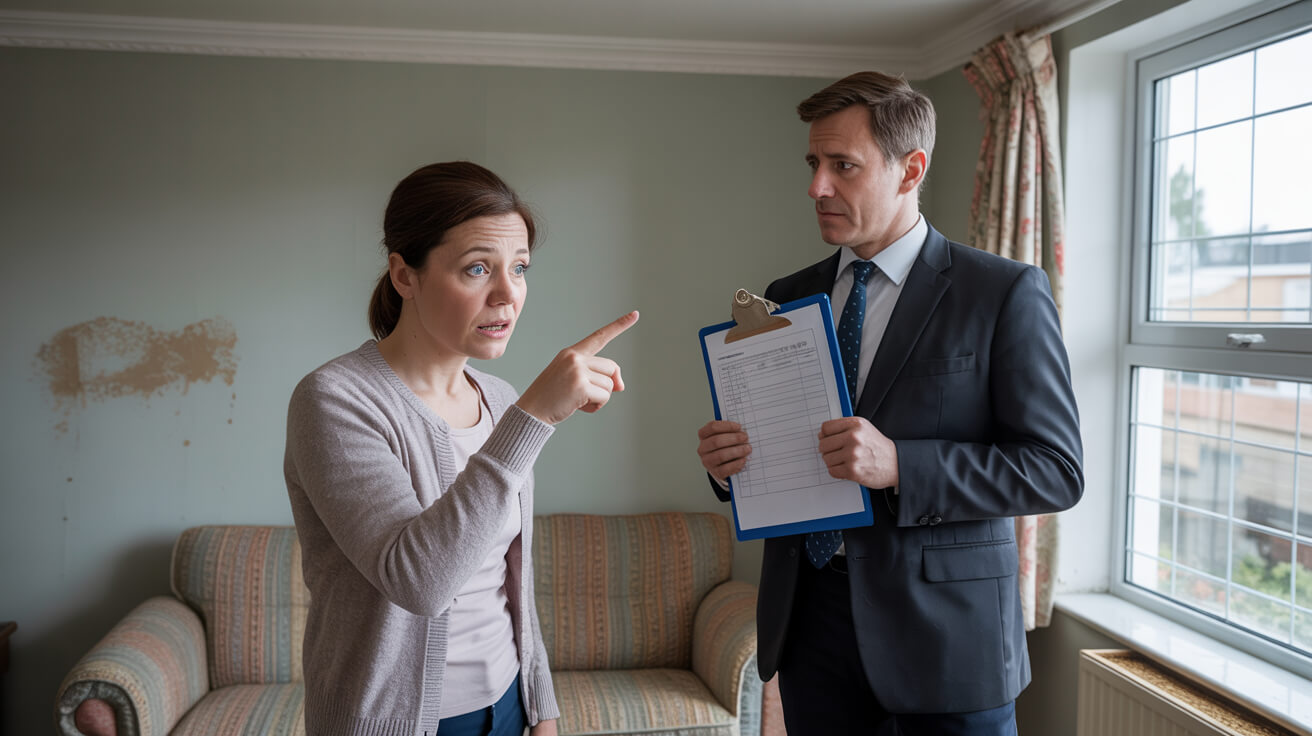
Speed and structure are your first line of defence. From the moment a tenant raises even the smallest sign of damp, the legal clock starts ticking. The best landlords follow a proven, council-ready workflow:
1. Log Every Report Instantly
A phone call, WhatsApp, or note through the letterbox—capture it at once. Digital folders are your ally: save all photos, texts, and emails from the start.
2. Respond in Writing—Fast
A same-day written response, acknowledging receipt and outlining next steps, slams the door on “landlord ignores us” claims. This email forms your timeline’s anchor point.
3. Engage Accredited Surveyors for Diagnosis
DIY fixes or handyman reports rarely survive scrutiny from agencies, tribunals, or insurers. Bring in a specialist like Sussex Damp Experts—ideally with BS 6576 or PCA credentials—for survey and written diagnosis. Their reports carry legal weight.
4. Update Tenants and Document Progress
Outline what’s happening, how soon, and what disruption to expect. Keep tenants looped in with each new step—delivered by email or letter. Every update buys you good faith and forms your “chain of evidence.”
5. Collate and Safeguard All Compliance Documents
Keep EPCs, “How to Rent” guides, gas safety, and repair certs in digital order. A missing document is sometimes all a lawyer or council needs to make things expensive for you.
Each step you skip fuels risk. The steps you follow, and the files you can show, are the difference between an escalated complaint and a dispute resolved by common sense.
“The quickest reply, backed by evidence, makes complaints evaporate. Silence turns molehills into council mountains.”
Where Do Most Landlords Trip Up When Rent Gets Withheld Over Damp?
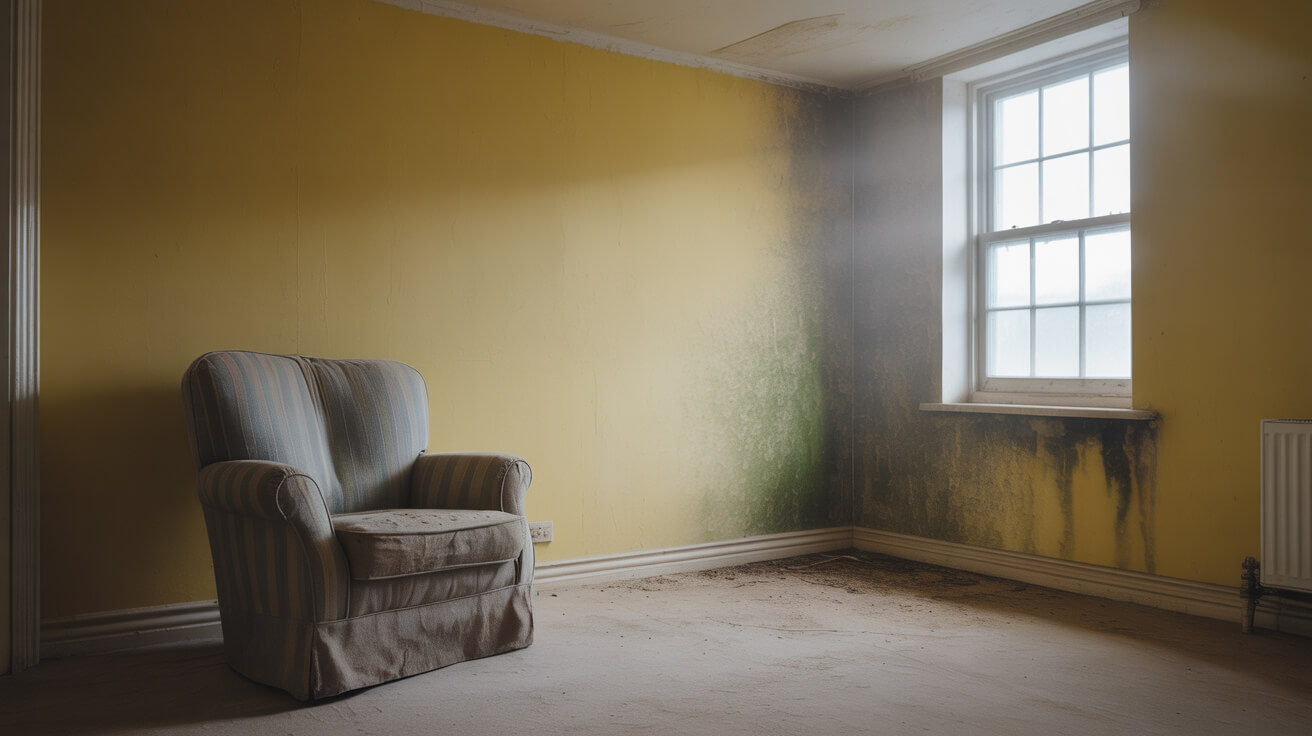
The damage rarely comes from villainy; it’s usually caused by patterns of omission and half-fixes. These are the pitfalls even experienced landlords fall into:
- Verbal agreements only: “We’ve sorted it with the tenant.” This melts away fast at a council hearing.
- Incomplete repairs or amateur fixes: Unaccredited work or “patch-up” paint jobs are picked apart by surveyors and insurers.
- Missed 14-day window: Councils act algorithmically—no response within 2 weeks sets off formal investigation, especially under HHSRS.
- Gaps in compliance docs: One misplaced EPC, gas certificate, or dated “How to Rent” guide hands lawyers ammunition.
- Missing audit trail: The past matters—keep every email, letter, and photo. Missing pieces shred your case.
Once lost, time and documentation can’t be rebuilt. Rely on proactive process, not personality—a well-managed record beats good intent in any tribunal.
What Actually Happens Once Councils or Environmental Health Intervene in Damp Disputes?

When the HHSRS or Environmental Health get involved, you’re operating under a new set of rules—and pressures. Identified mould or persistent damp triggers an official hazard, often “Category 1,” meaning a clear legal risk to health exists. From here, several things can happen:
- Improvement notice and legal deadline: Council issues a notice to complete repairs in a fixed period, usually 14–28 days.
- Forced repair and “works in default”: If you miss that window, the council can step in, do the repairs themselves, and bill you. Costs are usually higher than private rates.
- Fines and rent repayment orders: Repeated non-compliance, especially after a notice, can incur heavy financial penalties—often several months’ rent or more.
- Suspension of letting rights: In worst cases, you can be barred from re-letting or even risk prosecution.
Documentation—inspection reports, repair evidence, surveyor credentials—becomes your legal shield. Most council escalations and legal costs arise when evidence or responsiveness is lacking.
“Damp doesn’t just erode your building. Without records and speed, it erodes your defences—fast.”
How Can Sussex Damp Experts Prevent Rent Disputes from Escalating?

Sussex Damp Experts bring order to chaos. Our process locks down every angle that a tenant dispute or council inspector can target.
Gold-Standard Surveys—Accepted Everywhere
We issue survey and diagnostic reports written to BS 6576 and PAS 2035 standards. Our analysis pinpoints root causes, eliminating guesswork. Councils, mortgage lenders, and insurers accept our findings.
Evidence At Every Stage—From Start to Sign-Off
We provide full evidence packs: mapped damp areas, photo logs, written diagnosis, repair recommendations, and proof of remedial work. These can be shared with tenants or councils, making most disputes dissolve.
Compliance, Clarity, and Speed—The Complete File
From your first enquiry to final aftercare, we supply every certificate, warning, and warranty required. Our system stores your compliance in one place—ready for random council checks or insurance reviews.
Strategic Advice—Beyond the Basics
We offer advice on tenant communication, repair scheduling, and defensive documentation—custom-fit to your unique property and legal risks. Owners who turn to us reduce their risk of claim, fine, or income interruption.
Bringing in a damp specialist isn’t just for emergencies—it’s your fastest, hardest shield against rapidly spiralling legal action.
What Should Landlords Do Right Now to Shut Down Damp-Related Rent Withholding?

Choose control before chaos. If you’re dealing with complaints (or see a dispute coming), these steps close most cases fast—and prevent future headaches:
- Book a compliant damp survey—fast.: Surveyor-grade inspections, written up for legal and lender scrutiny, are your anchor in any dispute.
- Archive every communication and repair step.: Use digital folders, scan all paperwork, and timestamp every action.
- Fix the root, not just the stain.: Address water ingress, leaks, or poor ventilation for good—tenants, agencies, and insurers all check this.
- Deliver full reporting direct to tenants and, if needed, the council.: Transparency cools conflict.
- Wrap your repairs with aftercare and warranties.: Your “paper fortress” will outlast fleeting frustration.
“Every hour spent preparing now saves you days of future fire-fighting and bills you can avoid.”
Sussex Damp Experts: The Landlord’s Smartest Defence in a Damp Dispute
Damp triggers more than just repair bills—it brings legal risk, anxious tenants, and the looming power of local councils. But with Sussex Damp Experts on your side, you’re prepped before problems become threats. Our inspection and reporting process is recognised by lenders and agencies across Sussex. Our compliance-first approach closes the document gaps councils hunt for and makes your position tribunal-proof from day one. Instead of fighting uphill with scattered notes and uncertain timelines, get the gold standard—our evidence packs, warranty-backed work, and expert aftercare mean you never battle alone.
Letting damp linger quietly multiplies your risk. Take command, close your gaps, and show every stakeholder—tenant, council, or solicitor—you run properties like a pro. With Sussex Damp Experts, you fix more than the wall. You protect your income, status, and legal security—permanently.
Don’t let a single case of damp threaten your rental income or peace of mind. Protect your properties and reputation—book a compliance-grade damp survey with Sussex Damp Experts today.
Frequently Asked Questions
What legal backfires await if tenants stop paying rent due to damp or mould?
Withholding rent in response to damp, no matter how grim the black patches or leaks, puts tenants on a steep legal slope. Unless there’s a formal court order or a written landlord agreement, rent arrears trigger eviction powers for landlords—fast. English and Welsh tenancy law is blunt: if you allow arrears to build, you lose leverage and risk Section 8 eviction, not relief. Even glaring repair failures won’t excuse non-payment unless statutory formalities are followed to the letter.
Stalling rent is like trading your keys for frustration—documented process, not protest, keeps you in control.
How does the law weigh arrears versus repair disputes?
- Arrears take priority: Just eight weeks’ missed rent can lead to legal notice under Section 8, while your mould complaint waits unresolved.
- Eviction risk compounds: Rent debt can result in County Court Judgments, blocking future rentals and damaging credit for years.
- Evidence over emotion: Judges expect a documented timeline—repairs requested, access allowed, payments kept up—not skipped steps or withheld rent.
What if a landlord ignores genuine complaints?
- Keep paying rent regardless—even while escalating the damp problem.
- Send written complaints and request clear repair timeframes.
- Escalate through Environmental Health if necessary, armed with logs, photos, and ideally a BS 6576-standard survey.
- Avoid ad hoc “repair and deduct” attempts unless directed by legal advice—courts rarely accept DIY solutions as a first resort.
Making a stand for safe housing should never end with homelessness or a lasting financial stain. Strengthen your position with independent, compliance-ready survey evidence—Sussex Damp Experts provide exactly that, should your landlord drag their feet.
Which evidence shields landlords from risk if rent is withheld in a mould dispute?
A landlord’s defence against damp complaints hinges not on promises, but on a bulletproof paperwork chain. Section 11 of the Landlord and Tenant Act 1985 requires maintenance, but when disputes escalate, it’s method, not motive, that counts. The savviest property owners respond to all tenant reports in writing, commission BS 6576 or RICS-accredited surveys, and meticulously file every repair, invoice, and email. These build a compliance shield that stands up to councils, insurers, and courts alike.
In a damp dispute, your strongest witness is a compliance folder—every document is a brick in your legal wall.
Which records turn the tide in your favour?
- Prompt written replies: Acknowledge every damp-related report within 14 days, no exceptions.
- Get third-party certified surveys: Independent, surveyor-standard evidence trumps verbal repair deals.
- Track the repair process to completion: Keep receipts, before-and-after photos, and warranty papers all together.
- Communicate at every stage: Continuously inform tenants about scheduled works, completion timelines, and aftercare responsibilities.
- Maintain compliance certificates: Have EPCs, gas safety, and deposit records to hand.
Landlords who can present this portfolio often resolve disputes before court, and even avoid fines or enforcement notices altogether. Booking a compliance survey with Sussex Damp Experts ensures all these bases are covered—supporting landlords across audit, insurance, and Environmental Health investigations.
How do councils actually intervene when a damp and rent dispute lands on their desk?
When damp issues reach the council, the Housing Health and Safety Rating System (HHSRS) kicks in. Environmental Health officers don’t just accept complaints—they scrutinise reports, inspect properties, and grade risks. If your mould, leaks, or persistent damp receive a “category 1 hazard” classification, councils wield hefty powers: they can order repairs, levy fines up to £30,000, or reclaim rent—all without a court’s say.
Council action follows proof and process; whoever shows a stronger paper trail, wins the day.
What drives an Environmental Health decision?
- Inspection of both sides: Officers assess both tenant claims and landlord records—communication logs, survey results, and repair evidence all weigh in.
- Rapid response to risk: Health-linked cases—homes with children, elderly, or asthma sufferers—are often escalated faster.
- Statutory repair orders: Improvement notices mandate fixes within weeks; if landlords fall behind, the council completes works and reclaims costs.
- No automatic rent relief: Only courts can adjust or pause rent obligations—tenants must still pay while the process runs.
Accredited surveys from Sussex Damp Experts are recognised across all local authorities—arming either party with council-grade evidence to support fair, fast resolutions.
What prevention systems keep damp headaches from blowing up into legal battles?
Smart landlords know the best dispute is the one that never happens. Proactive control—annual compliance surveys, digital record-keeping, regular maintenance routines—creates a fortress against complaints. By routinely inspecting gutters, drains, windows, and monitoring indoor humidity, you cut off most problems before they ever reach a tenant’s inbox, let alone a courtroom.
What structures build landlord resilience?
- Annual accredited surveys: Document moisture, salt levels, and risk areas before they’re problems.
- Central digital records: Digital compliance packs put every certificate, invoice, and photo at your fingertips for surprise audits or tenant queries.
- Proactive maintenance schedule: Track servicing and cleaning of all moisture-prone components—including guttering, drains, and extractor fans.
- Tenant education packages: Provide guides on using extractor fans, controlling condensation, and flagging early warning signs.
- Routine aftercare: Schedule follow-up checks after repairs; offer clear next-inspection timelines.
A 2023 NRLA study found these systems cut average dispute times by 70% and comforted tenants enough to reduce complaints. Sussex Damp Experts sets up this entire process, helping property leaders stay quiet heroes by minimising drama and maximising audit-readiness.
Where do landlords’ processes most often unravel in damp litigation, and what’s the fix?
The most common cause of expensive legal loss over damp is not hostility, but small cracks in process—missed deadlines, ignored emails, incomplete repairs. Courts don’t hunt for bad intentions, but for missing paperwork and professional gaps. Using non-accredited handymen, forgetting to file gas safety or deposit documents, or failing to close the loop on repairs gives ammunition to tenants, legal aid firms, and insurance loss adjusters alike.
You win these disputes by nailing professional standards and never giving process short shrift—not by relying on goodwill alone.
Where do procedural failures hurt most?
- Communication lapses: If complaints aren’t acknowledged in writing, the council presumes inaction.
- Skipping third-party surveys: Only formal diagnosis is trusted by authorities and insurers.
- Timeframe indifference: Courts take a dim view of sluggish replies (14 days for acknowledgement, 28 days for repairs).
- Gaps in compliance: Missing EPCs, gas certs, or deposit protections expose holes in legal defences.
Landlords protecting their reputation and portfolio take a forensic approach: never rely on memory, always have an audit trail, and use PCA or BS 6576-certified partners for every step. Sussex Damp Experts provides survey-to-warranty solutions that seal these cracks, ensuring smoother compliance and greater peace of mind.
How do Sussex Damp Experts future-proof your property portfolio and keep disputes miles away?
The surest legal insulation for your properties is a compliance process that’s visible, robust, and relentlessly professional. Sussex Damp Experts combine forensic surveys, digital evidence systems, and statutory-standard aftercare into a seamless protective net. Every repair or survey yields not just a fix, but an instantly retrievable proof pack ready for council, court, or insurance review.
What gives property managers and landlords the edge?
- Accredited diagnosis: All inspections are conducted to BS 6576, HHSRS, and PAS 2035 standards—no guesswork, just measurable results.
- Readiness for audit: Every property enjoys a living compliance folder: warranty docs, moisture logs, maintenance calendars, and before-and-after photos.
- Rapid response templates: Legal, tenant, and letting agent process guides are on tap, helping you move quickly and confidently in any scenario.
- Aftercare by design: Repairs link to clear aftercare schedules and reminders—keeping portfolios consistently “audit-ready.”
Sussex Damp Experts doesn’t just solve surface damp—they transform your compliance into a competitive asset. Book a survey or audit now and experience a property operation built to thrive, not just to react.

