
 By
By  August 26, 2025


What Are Your Real Rights When Damp and Mould Strike in Rented Homes?
Damp stains and sudden whiffs of mould in a rented property can set off a chain reaction—anxiety, confusion, frustration. If you’re a tenant, it’s natural to wonder: Am I stuck footing the bill for repairs? Is speaking up for a dry home risking my tenancy? Legends fly around—landlords blaming “your lifestyle,” whispers that flat-out withholding rent will fix everything. Strip those myths away. The real story? The law is quietly stacked in your favour—but only if you know how to use it.
Damp only becomes a landlord’s headache when the law is followed and the proof is clear, not just when tenants complain.
The Landlord and Tenant Act 1985 doesn’t let landlords off the hook for building integrity issues. With recent updates like the Homes (Fitness for Human Habitation) Act 2018, persistent damp and black mould are now on the official hazard list—meaning they must be addressed, not brushed off (Legislation.gov.uk). But knowing your rights isn’t enough. The system rewards tenants who track every request, keep receipts, and build undeniable evidence. Proving that you’ve documented repair communications and given the landlord proper access triggers a process with real teeth.
How the Law Protects Tenants: Responsibilities, Process, and Proof
You don’t need to be a legal expert—just systematic. If a leak is dripping from the roof, the walls are sweating, the damp proof course is faulty, or you’re battling persistent condensation caused by poor building design, the law says that’s the landlord’s job to fix. Hand-over-hand, the process looks like this: Notify your landlord in writing, give access for repairs, collect photo evidence, and record all correspondence. Tenancy agreements can’t waive away these basic rights. When you follow process and stick to written proof, you set in motion legal protections the landlord cannot sidestep.
Who Pays—and Who Proves—in Damp Disputes? Landlord Liability Versus Tenant Blame
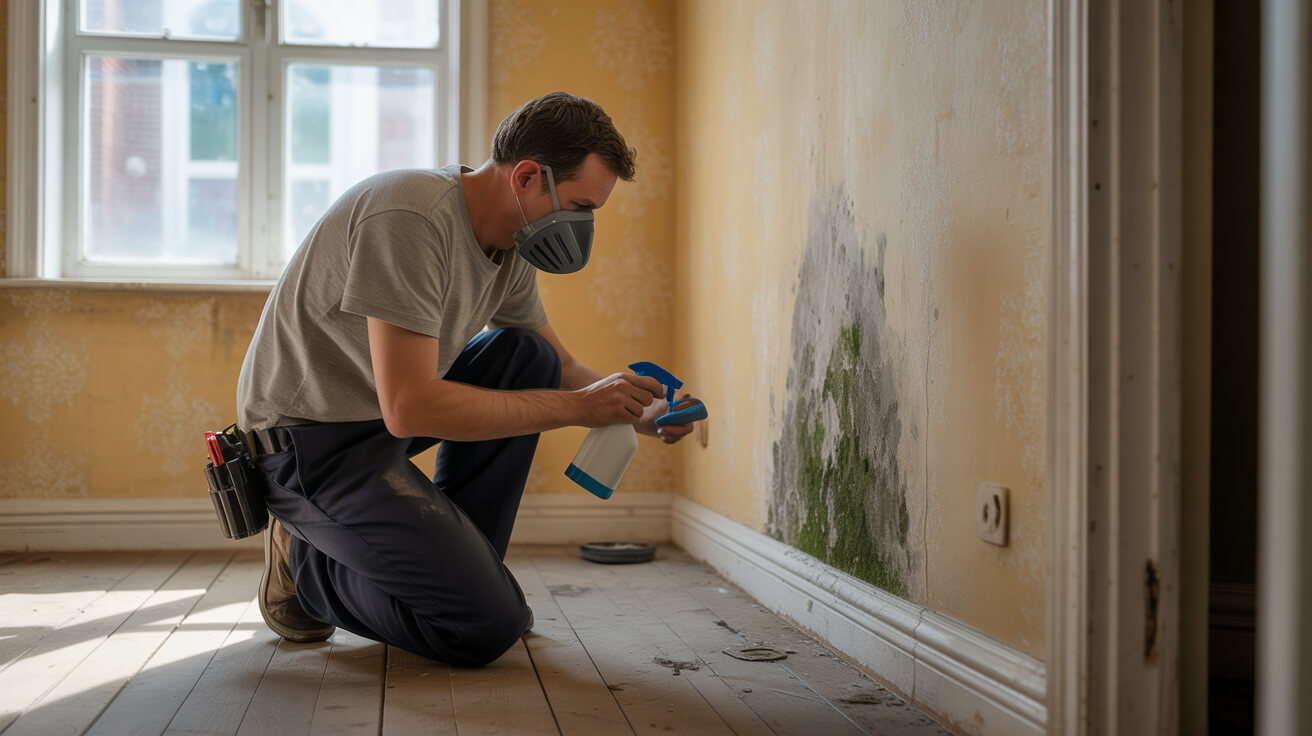
It’s easy to feel like you’re on your own when stains creep across the ceiling or your child develops a cough from black mould in their bedroom. But in British law, damp isn’t a grey area. If the cause is a defect in the structure or exterior, your landlord must pay for repairs. No amount of finger-pointing about your lifestyle holds water if the real problem is a broken vent, a missing damp proof course, or blocked air bricks.
Claims of “tenant lifestyle” are hollow unless the landlord can show you blocked repairs or ignored written advice.
When disputes get serious, evidence is everything. Councils, Citizens Advice, and surveyors will ask: Is ventilation adequate? Are insulation and windows failing? Is there an independent survey proving construction defects? If the root cause is structural or design-related, the landlord must shoulder the cost. Only in rare, well-documented cases of tenant neglect—ignoring repeated written advice, refusing access for inspections—will liability shift onto you. In practice, that’s almost never how these disputes shake out.
Root Cause Always Trumps Blame
Question number one: Would the problem exist in a reasonably maintained home? If professional reports, landlord records, or a council survey say no, landlords can’t blame tenants. Even when condensation is present, courts look for evidence of poor building envelope, design flaws, or failed insulation before judging in the landlord’s favour.
Is Withholding Rent a Good Way to Force Repairs? The Law’s Uncomfortable Truth

You might hear that holding back rent “shows you mean business.” In reality, it’s the fastest path to eviction. Unless a court directly authorises it—or you have unimpeachable legal advice—stopping rent payments usually puts you on the wrong side of Section 8 eviction (Citizens Advice). Miss two months’ rent and your landlord gains immediate grounds to eject you, regardless of the underlying dispute.
Stop paying rent and you give your landlord the upper hand—pay, document, and escalate instead.
What Counts as Unbeatable Evidence?
Winning cases (or settlements) comes down to a cold paper trail:
- Timestamped photos: tracking the spread or severity of mould and damp.
- Saved written requests: (emails, WhatsApp, certified letters).
- Maintenance incident logs: documenting losses or tenant efforts.
- Medical records or notes: if family health is being compromised.
Discipline in record-keeping wins sympathy—and legal protection—when push comes to shove. If you keep up payments and can prove you’ve given every opportunity for access and repairs, you occupy the legal high ground if councils or courts get involved.
Why Written Notices—Not Calls—Are the Trigger for Real Action

Phone calls and casual texts have a vanishingly small impact if you end up in a legal showdown. Every housing expert (Shelter, Citizens Advice, even Environmental Health officers) will tell you: Put all requests, evidence, and references to regulations in writing. Attach clear photos, tie your case to specific law—especially Section 11 of the Landlord and Tenant Act 1985—and use official letter templates when available. A basic email chain or two can shift the momentum in your favour.
Sending written proof signals fairness and respects the legal process. It also impresses councils and authorities who are often overwhelmed with vague or verbal complaints. This kind of paper trail acts like a fast-track ticket—noise gets ignored, documentation gets results.
Written records flatten disputes fast—calls and casual texts are easy to ignore or dispute later.
When to Escalate: Calling in the Council
If you’ve sent formal letters and nothing’s fixed, don’t wait months stewing in damp. Your local council’s Environmental Health must investigate “category 1 hazards” like mould or structural damp. Under the Housing Health and Safety Rating System (HHSRS), they can issue repair notices, fine landlords, or intervene directly. Tenants who keep detailed, polite correspondence, and continue paying rent, often see fastest results—especially once you invoke council support.
When Can You Withhold Rent or Deduct Repairs? Why These Moves Are Rarely the Answer

Blogs and social channels are awash with risky advice: just fix the problem, keep the bill, and deduct it from rent. In truth, the law only allows this in exceptional, high-risk situations. The criteria are strict: repeated, traceable written requests; clear, written warnings to the landlord in advance; and documented legal guidance confirming your right to proceed.
Only after this, and in the face of total non-response or urgent threat, can you commission repairs and reclaim the cost. Even then, you need professional invoices, top-grade proof, and—ideally—independent legal clearance. Skip any step and you risk eviction, forfeiture of your deposit, or legal action from the landlord. Always check with Citizens Advice or a housing solicitor before travelling this narrow path.
The Proven, Low-Risk Ways to Resolve Damp and Keep Secure
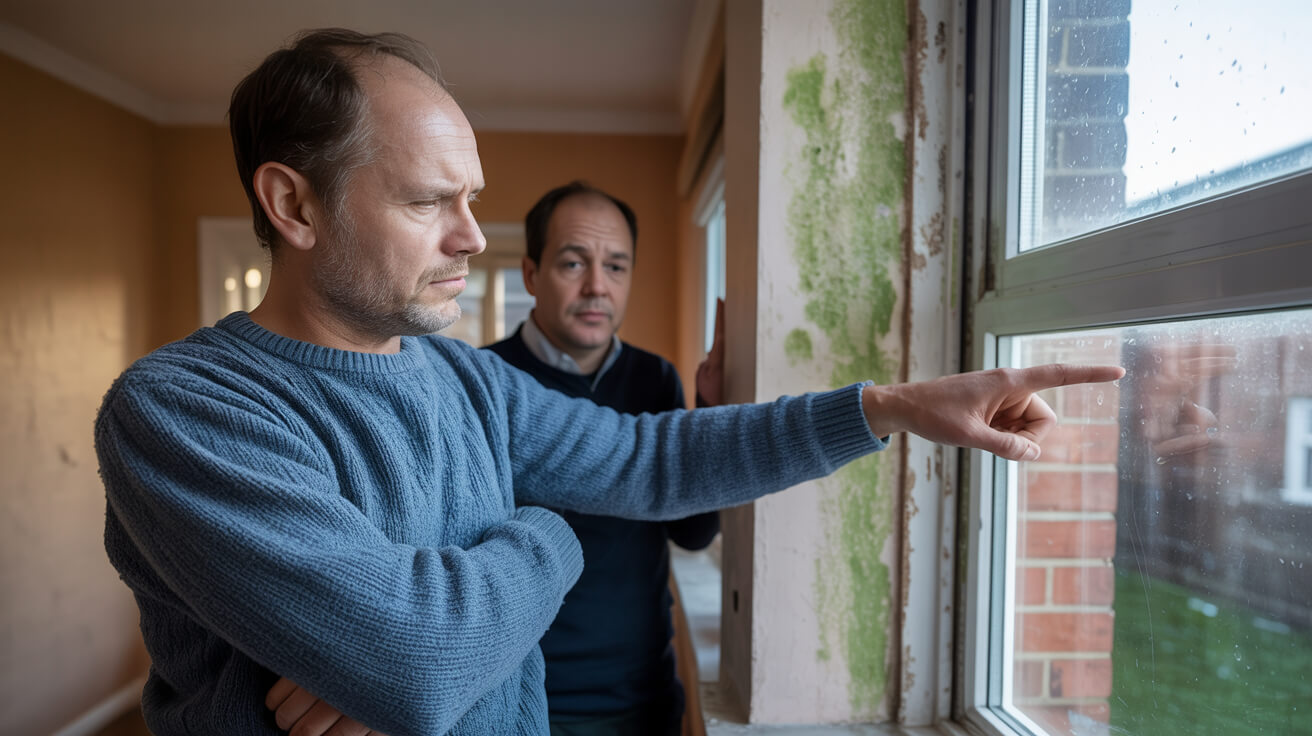
Want to solve damp permanently and keep your tenancy secure?
- Escalate formally to your local authority: HHSRS orders carry real legal muscle.
- Obtain a professional survey: Independent, PCA/BS6576-standard damp reports stop disputes and speed up repairs.
- Claim compensation for provable loss: Courts can award damages if your health or property suffers due to slow repairs—but only if you have a clear evidence trail.
Professional surveys and paper trails end disputes faster than arguments ever will.
The Power of a Professional Damp Survey
A professionally accredited damp diagnosis—quoting PCA or BS6576 standards—translates a messy argument into a clear technical finding. These reports are accepted by councils and courts as hard evidence. They unlock insurance and mortgage support, and landlords suddenly lose room to manoeuvre. Sussex Damp Experts specialise in delivering such reports, giving you a practical edge and speeding up your case when the pressure’s on.
Your Stepwise System: Getting Damp and Mould Fixed Without Courtroom Drama

When facing damp, skip the drama and win with process:
- Take dated photos as soon as symptoms appear:
- Log every request and reply in writing:
- Cite relevant law in your first written notice:
- Cooperate fully with inspections—no excuses:
- Bring in the council environmental health if deadlines slip:
- Order a PCA or BS6576-compliant damp survey if stonewalled:
- Keep rent payments going—legal leverage goes to zero if you fall into arrears:
- Never attempt repairs or hold back rent without expert legal advice:
Systematic action keeps your case clean—and your tenancy and deposit intact.
Action and Risk Table—Tenant Choices in Perspective
Before picking your strategy, see how major moves stack up for risk and reward:
| Action | Legal Risk | Impact Level |
|---|---|---|
| Evidence gathering | None | Maximum |
| Written notice | None | Triggers protocol |
| Council escalation | Low | Drives solutions |
| Rent withholding | Extreme | Quickest eviction |
| Pro survey | None | Authority proof |
You control the process. Measured, systematic action wins. Panic and threats usually do the opposite.
The True Shift—Why a Professional Damp Survey Reshapes the Power Dynamic

Demanding dry, safe accommodation isn’t risky when you work the system smartly. A PCA- or BS6576-grade damp survey quickly recasts a muddled dispute as a compliance failure needing prompt action. These reports carry regulatory weight, make “who’s to blame” plain, and prompt faster resolution or compensation—especially when matched with a watertight written record and evidence of tenant cooperation.
Sussex Damp Experts provide this edge statewide—our certified surveyors and methodical evidence have persuaded reluctant landlords, resolved council cases, and established solid repair roadmaps for years. Tenants, buyers, property managers and solicitors count on us for impartial reports that actually lead to action. If you need a safe, dry home and financial protection, the right survey and the right process can make it happen—without needless risk or drama.
Secure Your Damp Survey with Sussex Damp Experts Today
Waiting out damp damages health, property value, and peace of mind. Sussex Damp Experts have helped tenants, landlords, agents, councils and surveyors across East Sussex slice through “he said, she said” disputes with forensic evidence and plain-English, regulatory-standard survey reports. Our credentials—PCA, BS6576—carry legal authority. The process is clear: book an accredited damp survey, receive actionable recommendations, and escalate only with full evidence behind you.
You can cut through confusion, avoid legal pitfalls, and secure a safe, dry home with the right team and right evidence. Start with Sussex Damp Experts. Your rights—protected, documented, and enforced.
Frequently Asked Questions
What turns a damp problem in a UK rental into the landlord’s legal duty instead of the tenant’s concern?
The legal onus for fixing damp or mould swings firmly onto your landlord whenever the source tracks back to flawed construction, insufficient damp proofing, or ventilation failures—none of which are classed as tenant “lifestyle” issues under UK law. Statutes including Section 11 of the Landlord and Tenant Act 1985 and the Homes (Fitness for Human Habitation) Act 2018 set a clear baseline: if structural faults are found to be underlying causes, your landlord must take action, no matter the tenancy type or length. While landlords may sometimes point to condensation from daily living, only credible diagnostics can establish whether improper ventilation, leaks, or building weaknesses—not your habits—are to blame. Council-backed inspections and third-party damp surveyor reports typically decide which side the burden lands on; courts and local authorities overwhelmingly treat persistent or hazardous damp as a landlord obligation when building defects are in play.
Legal responsibility follows the water’s path—show a source in the building, and the repair becomes theirs, not yours.
How can you prove the cause sits with the landlord?
- Collect photographic or video evidence of ingress, staining, or damaged finishes.
- Obtain a BS6576-compliant or PCA-accredited damp survey highlighting structural weaknesses, leaks, or failed damp proof courses.
- Present council HHSRS investigations or Environmental Health reports confirming the cause is not lifestyle-driven.
Even in “grey area” cases, evidence that consistently points back to failed building fabric will turn the legal tide in your favour, placing the duty—and the deadline—squarely with the owner or letting agent.
What documentation sways councils and courts?
- Dated repair requests, tenant logs, and landlord responses.
- Specialist reports isolating the technical source of moisture or mould.
- Council-issued legal notices prompted by housing health risk.
Not sure what’s structural? Sussex Damp Experts’ diagnostics deliver the missing link between you and a repair order that sticks.
Which precise actions unlock council intervention when a landlord delays on damp or mould repairs?
Your pathway from ignored complaint to council-backed action starts with a meticulous evidence chain—not just urgent phone calls or frustrated texts. Photograph issues at multiple stages, keep a symptom diary, and formally notify the landlord in writing (letter or email) citing the exact legal standard breached. If acknowledgement or repair doesn’t arrive within two to four weeks, escalate by submitting all records to your local council’s Environmental Health team. Councils use the Housing Health and Safety Rating System (HHSRS) to investigate, and they can issue improvement notices, carry out repairs at the landlord’s expense, or bring prosecution in clear-cut cases of neglect. Allowing reasonable property access for inspection is vital—refusal slows the process and may weaken your position. Throughout, pay rent on time to remain protected under the law.
An organised paper trail—photos, date-marked complaints, and survey evidence—triggers council action when phone calls go nowhere.
What evidence formats do authorities prefer?
- Sequential photographs coupled with timestamps
- Copies of all communications and formal repair requests
- Independent surveyor’s report, preferably to BS6576, which clarifies cause and urgency
If you need step-by-step help, Sussex Damp Experts provide not just the survey, but guidance for making your council complaint stick and templates for correspondence that meet official thresholds.
How do you avoid process pitfalls?
- Keep all evidence digital and secure
- Request written confirmation of landlord receipt
- Engage support from advisory bodies (Citizens Advice, Shelter) early if you anticipate trouble
A systematic escalation—document, notify, escalate, repeat—compounds weight in your favour until an external authority steps in.
What dangers do tenants face if they stop paying rent due to unresolved damp or mould problems?
Missing or withholding rent is almost never supported in UK tenancy disputes—even when conditions are tough. Under UK law, if you fall two months into arrears, landlords gain immediate grounds to start Section 8 proceedings, often resulting in fast-track eviction and lasting credit damage. Courts rarely favour tenants who withhold rent unless you have proven every attempt at legal escalation, and even then, the route is littered with hurdles; only the “repair and deduct” method is allowed, and it demands written proof of the landlord’s absolute refusal and strict cost accounting. Derailing your payment record almost always hurts you more: eviction, County Court Judgments, loss of your deposit, and difficulty securing future tenancies are common results—even if the property was objectively suffering from damp or mould.
Stopping rent does not fix damp—it simply puts you first in line for eviction, not for repair.
What’s the safe strategy when repairs lag?
- Document every issue professionally (photographs, surveys) and keep all correspondence
- Escalate in writing to the local council with all supporting materials
- Retain receipts if you arrange urgent works—get clear legal advice before spending on repairs yourself
A robust documentation-and-escalation protocol, not self-help payment stops, secures the best route to remedy and compensation where deserved.
When is withhold-and-deduct ever justified—and how risky is it?
- Only allowed with strong paper trail, formal written requests, and legal consultation
- Highest risk of deposit loss and court costs if protocols are not followed exactly
When in doubt, prioritise securing a technical diagnosis—then escalate through the council or legal channels rather than risking your tenancy by pausing payments.
What chain of consequences follows if tenants withhold rent over unresolved damp—regardless of the underlying problem?
Withholding rent because of persistent damp or mould may feel just, but it sets in motion a rapid chain of risk. After two months’ arrears, your landlord can start accelerated possession proceedings (Section 8 or Section 21), speedily ending your tenancy. The hammer blow doesn’t stop at eviction: County Court Judgments (CCJs) from unpaid rent compromise your credit for years, damaging future rental, mortgage, or even simple contract applications. Landlords frequently withhold tenancy deposits to cover outstanding rent, and many letting agents use tenancy databases to block future renting to people with arrears history. If the case reaches court, you may face legal costs, and landlords typically win compensation for lost rent unless you can show strict legal compliance in repair requests.
Arrears are the landlord’s shortcut to control—tenancy, reputation, and financial prospects all risk damage when rent is withheld.
What smart moves shrink your risk?
- Pay rent as normal while escalating the complaint with full evidence
- Maintain all communication in writing—build a defensive timeline
- Explore rent repayment or compensation only after official findings support your claim
Protest through paperwork, not missed payments; a tenant with evidence, legal advice, and proactive escalation routes has far more leverage and protection than one in arrears.
Can tenants ever claw back rent?
- Where councils or courts explicitly find landlord liability for statutory breaches, rent repayment orders become possible—but only after independent investigation, rarely as the first solution
Protection comes from proof and legal process, not withheld payments.
Which legal and technical evidence types most compel quick repairs or orders by authorities in damp and mould disputes?
Actionable evidence transforms tenant frustration into enforceable orders. Authorities and courts are moved not by anger but by systematically gathered, layered proof. The gold standard is a professional surveyor’s report to BS6576 or PCA specification—these isolate structural causes and recommend statutory remedies. Strong supporting evidence includes dated photo logs (before and after), medical records tying health symptoms to property conditions, and chronological records of every communication with your landlord or managing agent. HHSRS (Housing Health and Safety Rating System) reports or Environmental Health notices supplied by local authority surveyors have legal bite, especially if tied to statutory breaches. If repairs are attempted and fail, log both the process and outcome.
Tenants armed with accredited reports and a clear timeline rarely face delays—courts and councils follow facts, not feelings.
What concrete steps build evidence that wins?
- Commission an independent, council-accepted survey (ideally Sussex Damp Experts or BS6576 accredited)
- Catalogue all symptoms with regular, date-marked images
- Bundle all communication, council correspondence, and repair actions in a single file
Medical evidence becomes decisive when it connects the dots—statements documenting asthma, respiratory issues, or skin symptoms linked to mould raise council pressure and potential for tenancy compensation.
What role do technical standards play?
- Reports referencing PAS2035, BS8102, or BS6576 lend leverage—these guide both council officers and the courts
- Council findings based on these standards carry higher weight and faster enforcement, especially when repairs are urgent
Take the guesswork out; a survey from Sussex Damp Experts transforms emotional stress into authoritative, actionable mandate.
How do council-grade damp surveys from Sussex Damp Experts shift power dynamics for tenants when repairs are denied?
Getting a damp and mould assessment from a BS6576-certified, PCA-accredited surveyor—such as Sussex Damp Experts—completely reframes the dispute. Unlike generic maintenance reports, these surveys clinically dissect the property’s flaws: detailed moisture mapping, forensic salt analysis, and substrate-specific diagnostics confirm whether the building, not your lifestyle, is causing the issue. Their reports cite British Standards, include technical imagery, and give local authorities everything required to issue improvement notices, demand court-validated repairs, or enable tenant compensation. Landlords lose deniability, councils act faster, and letting agents drop “tenant blame game” defences once the technical report hits the file. Successful survey-driven cases frequently conclude before a tribunal or hearing. Insurance providers, too, are likelier to underwrite or approve claims built on independent, recognised reporting.
The right survey doesn’t just diagnose damp; it closes the argument—landlords comply, councils enforce, and tenants regain safe, habitable homes.
What makes Sussex Damp Experts’ reports uniquely powerful?
- Survey protocols designed for both tribunal and council standards—no loopholes for landlords to exploit
- Step-by-step guidance included, from preparing your first complaint through to securing final signoff and warranty
- Actionable photography and evidence pack, ensuring every technical and legal box is ticked
Booking a survey with Sussex Damp Experts is more than diagnosis—it’s documented authority that earns compliance, compensation, and peace of mind for tenants at any stage of dispute.

