
 By
By  August 26, 2025


Can Reporting Damp and Mould Actually Change Your Legal Power in a Higher-Risk Building?
Most people think reporting damp or mould is a slow grind—lost emails, call-centre fob-offs, and months of waiting while the problem soaks in. Not anymore. If you live in, manage, or own a “higher-risk building” in England or Wales, new 2023 regulations turn a written complaint into a legal lever. The clock starts ticking the moment you speak up: delay, and every party upstream—landlords, agents, block managers, or even housing associations—risks fines, forced repairs, and a legal paper trail that’s hard to shake.
A higher-risk address turns your written damp complaint into a deadline, not a wish-list. Delay, and the fines start rolling.
Where once tenants and leaseholders begged for action with little weight, today’s law hands real power to the party who documents the problem properly—whether that’s you as the owner, the managing agent, council staff, or any resident who wants protection. The key is knowing whether your building qualifies and how a formal written report shifts the dynamic instantly.
What Counts as a ‘Higher-Risk Building’—and Why Does Status Matter More Than Ever?

A “higher-risk building” (HRB) is not just any flat or block. As of the 2023 regulations, a HRB is defined as any residential building in England or Wales that’s at least 18 metres tall, or includes at least seven stories and two or more permanent flats or maisonettes (GOV.UK). Hotels, care homes, and military quarters don’t count—just long-term residences.
The building’s status isn’t set in stone. Extensions, loft conversions, changes in use, or even updated council guidance can pull a block in—or out—of the higher-risk pool. If in doubt, you have the right to written confirmation from your managing agent, freeholder, or local authority. This paperwork is more than a simple label: it determines your route for repair, your legal advantage, and the speed at which issues—especially damp and mould—must be addressed.
Once a building is officially ‘higher-risk’, there are no soft excuses. Written complaints demand action inside the legal timebox.
What’s Different for Tenants, Leaseholders, Owners, and Agents?
- Tenants: Secure a written record, and your repair timeline is immediate—councils and landlords must respond fast, on the record.
- Owners and Leaseholders: You inherit both new rights and new duties—documentation decides whether councils act for you or against you.
- Block and Letting Agents: Your reputation, compliance status, and ability to keep contracts can now depend on handling damp reports within set legal limits.
- Local Authorities, Housing Associations, Contractors: Every written issue logged can spark estate-wide reviews; missing a single case can trigger broader enforcement.
Whatever your role, ignoring higher-risk status is no longer an option. Knowing it—and documenting it—means you’re ready to act, not just react.
Why Damp and Mould Are Treated as Emergency Hazards in Higher-Risk Buildings
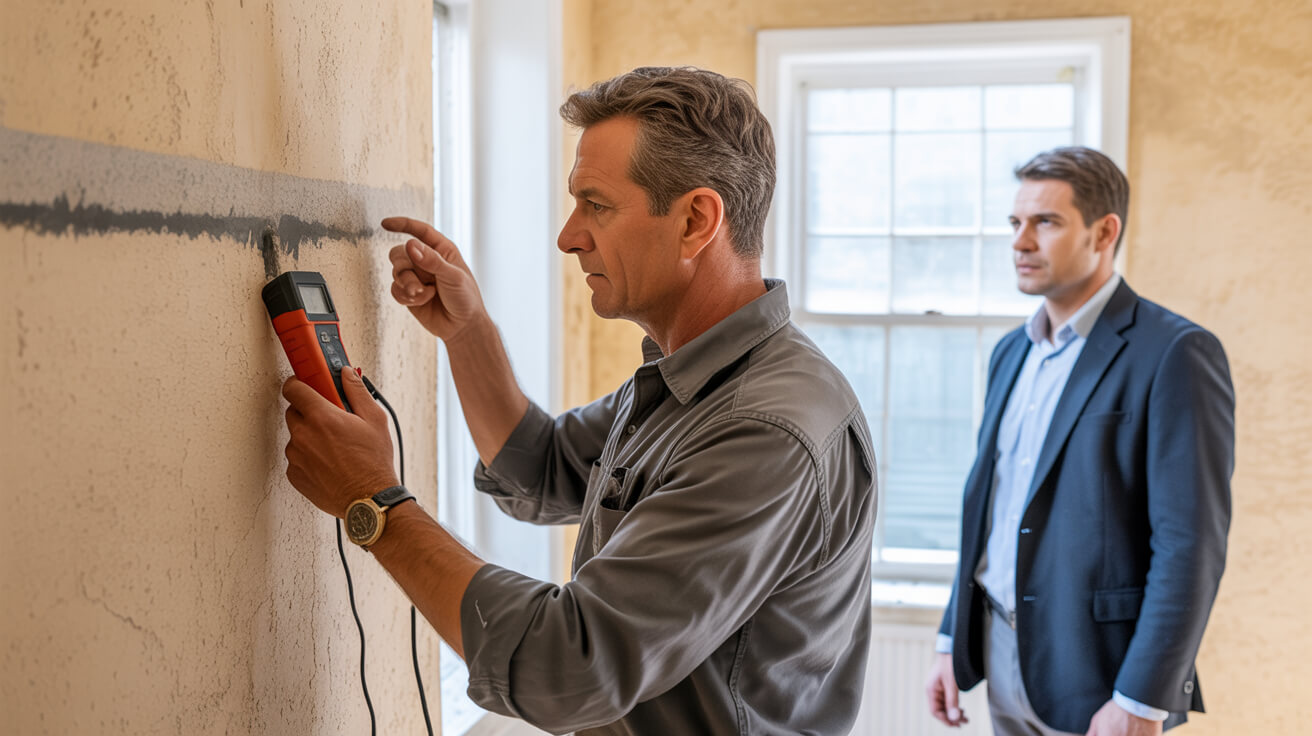
Damp patches, black mould, and persistent musty smells are more than aesthetic headaches in large residential blocks. In the context of Higher-Risk Buildings Damp, these problems are presumed to be urgent, Category 1 hazards under the Housing Health and Safety Rating System (HHSRS). That’s not legal jargon—it’s a direct legal command: significant damp or mould is a health emergency, not just a repair issue.
The system assumes damp and mould WILL harm health—owners must prove otherwise or fix fast. There’s no room for delay.
This isn’t bureaucracy talking. Decades of NHS and academic data tie damp and mould to asthma flare-ups, persistent coughs, infections, and increased hospital visits—especially for children, older people, and those with respiratory problems. A single patch can be the trigger for an entire building audit.
How Does Emergency Status Affect Everyone Involved?
- Tenants: Your written report activates legal protections. Council inspections have bite and deadlines.
- Landlords and Agents: You must keep a watertight paper trail—case tracking, photos, letters. No more handshake fixes or “I’ll get round to it”.
- Block Managers: One issue in a single flat can force a sweep of every unit. Block-wide action means fast, visible response is in your self-interest.
- Owners and Buyers: Damp flagged on surveys can sink sales, freeze mortgage approvals, or land you with insurance hikes.
A complaint isn’t just a request any more—it’s the start of a process with tight timelines and consequences.
What Deadlines and Laws Actually Guarantee? The “Awaab’s Law” Breakthrough
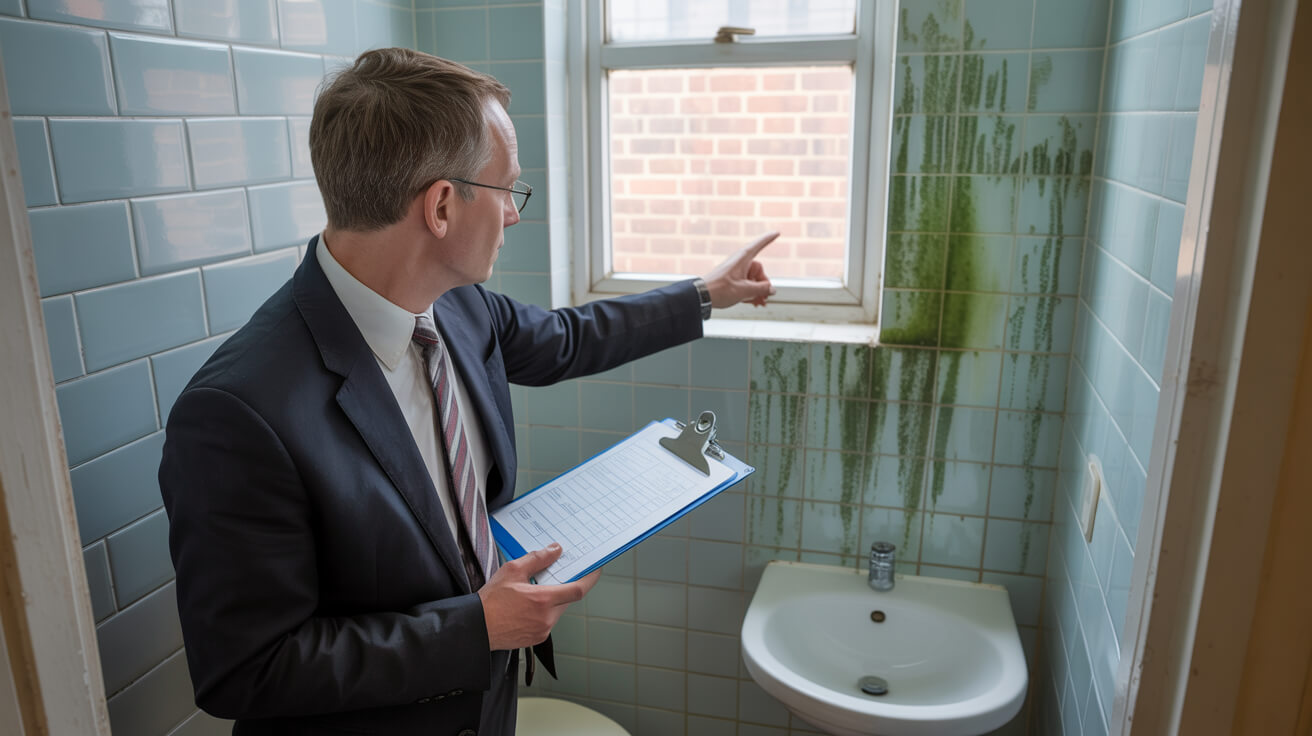
“Awaab’s Law” grew out of tragedy—a young child’s fatal asthma attack traced to a mouldy council flat and months of inaction. Today, the law forces social landlords to inspect reported damp or mould within 14 days, start non-emergency repairs within 7 more, and complete emergency responses within 24 hours (Shelter). Written records are required at every step.
| Step | Social Housing (Now) | Private & Leasehold (2024–onward) |
|---|---|---|
| Inspection | 14 days | Timelines confirmed 2024/2025 |
| Repairs started | 7 days post-inspection | Timelines confirmed 2024/2025 |
| Emergency fix | 24 hours | Timelines confirmed 2024/2025 |
For private landlords, managing agents, and leasehold blocks, councils already behave as if these deadlines apply—especially when public health, children’s safety, or vulnerable residents are involved.
If your complaint is in writing, the legal countdown begins the day it arrives.
Stalling, “waiting for legislation to catch up”, or slow-walking repairs won’t cut it with a well-documented trail.
How to File a Damp Complaint That Actually Gets Results
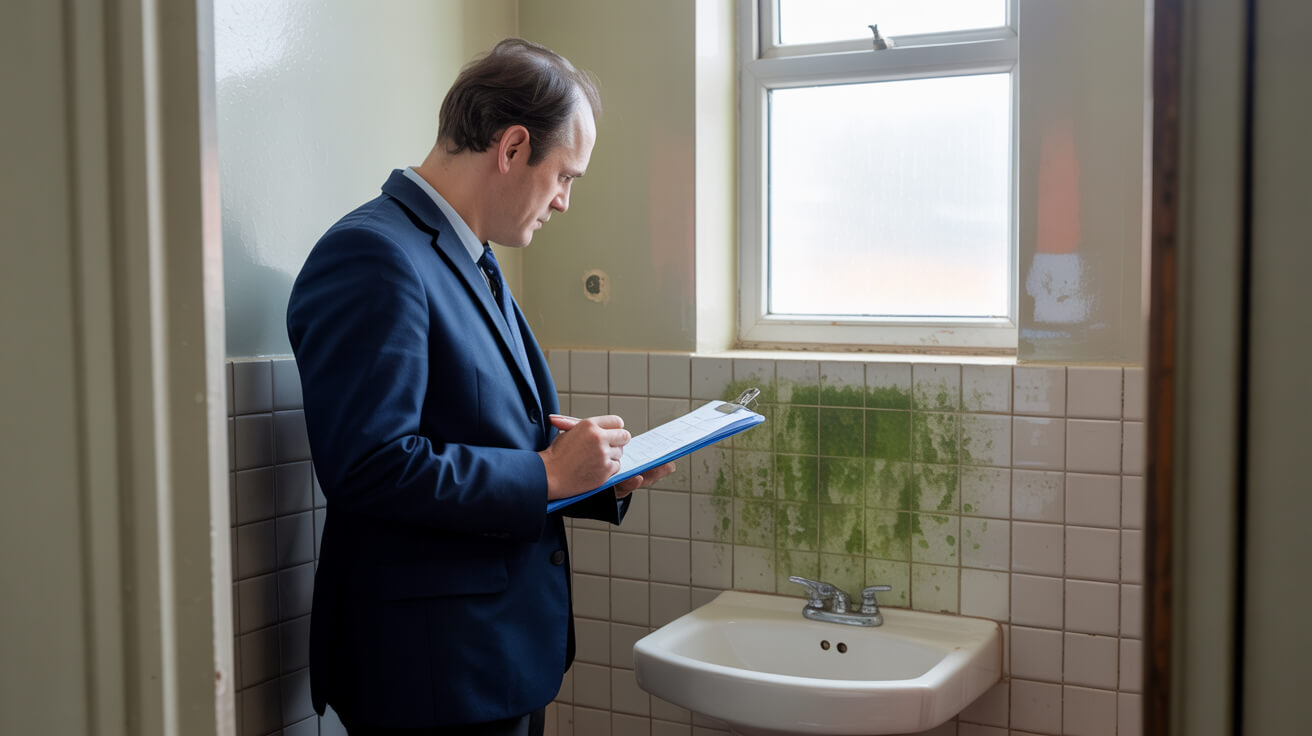
The toolbox is now paperwork and precision, not persuasion or persistence. To win rapid action, your goal is a documented, time-stamped complaint—one that’s impossible to brush aside or misplace.
The loudest voice is often ignored. The clearest record moves the system.
Steps That Matter
- Document everything: Photograph damp, note locations, keep a detailed log—especially if health is affected.
- Complain in writing: Emails, letters—never just WhatsApp or phone. Use official forms if supplied.
- Reference the law: Quote “Awaab’s Law” and the Landlord and Tenant Act 1985. It signals you know your rights and the process.
- Count the days: The legal deadline starts with your submitted complaint—track calendar days.
- Team up: Multiple, co-signed complaints (from neighbours or fellow leaseholders) force bigger, faster responses.
Reject any reply that’s not in writing, and calmly insist on written confirmation. Every document adds leverage to your case.
What About Verbal Promises or ‘Informal Arrangements’?
If it isn’t written, it didn’t happen. Verbal assurances are invisible when it comes to legal enforcement or council deadlines. Protect yourself—a text or a letter is your safety net.
What Happens if You’re Ignored? Immediate Steps When Repairs Stall
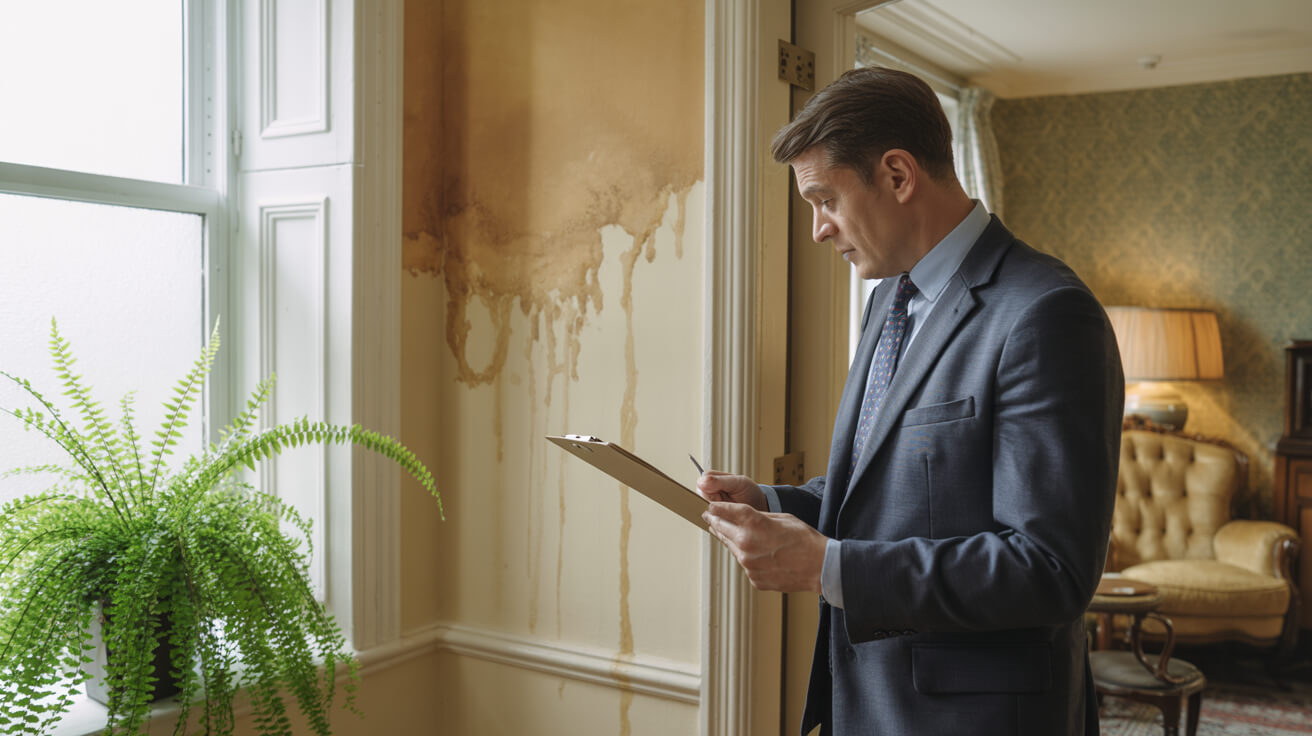
The law gives you force—and several layers of backup—if owners, agents, or freeholders ignore complaints or drag out repairs.
- Report to your Council’s Environmental Health Team: They investigate and issue formal improvement notices with deadlines of their own.
- Trigger an HHSRS inspection: In higher-risk blocks, one case can prompt an entire building check—raising the pressure on owners and managers.
- Go to the Housing Ombudsman: Social tenants can use ombudsman power to cut through landlord delay, sometimes skipping normal “internal complaint” routes.
- Provide medical evidence: Doctor’s notes move councils to the front of the queue, especially for vulnerable people.
- Seek legal support: A solid file of letters, evidence, and missed responses puts you in a strong position—legal aid, charities, and housing advisers can amplify your claim quickly.
A single official non-response can mean council fines, public reports, and building-wide checks that owners want to avoid. The law’s on your side—if your documentation is, too.
Escalation isn’t about threats—it’s about letting the new, strict regime do its work.
The Hidden Cost of Delay: Why Waiting Hurts More Than You Think
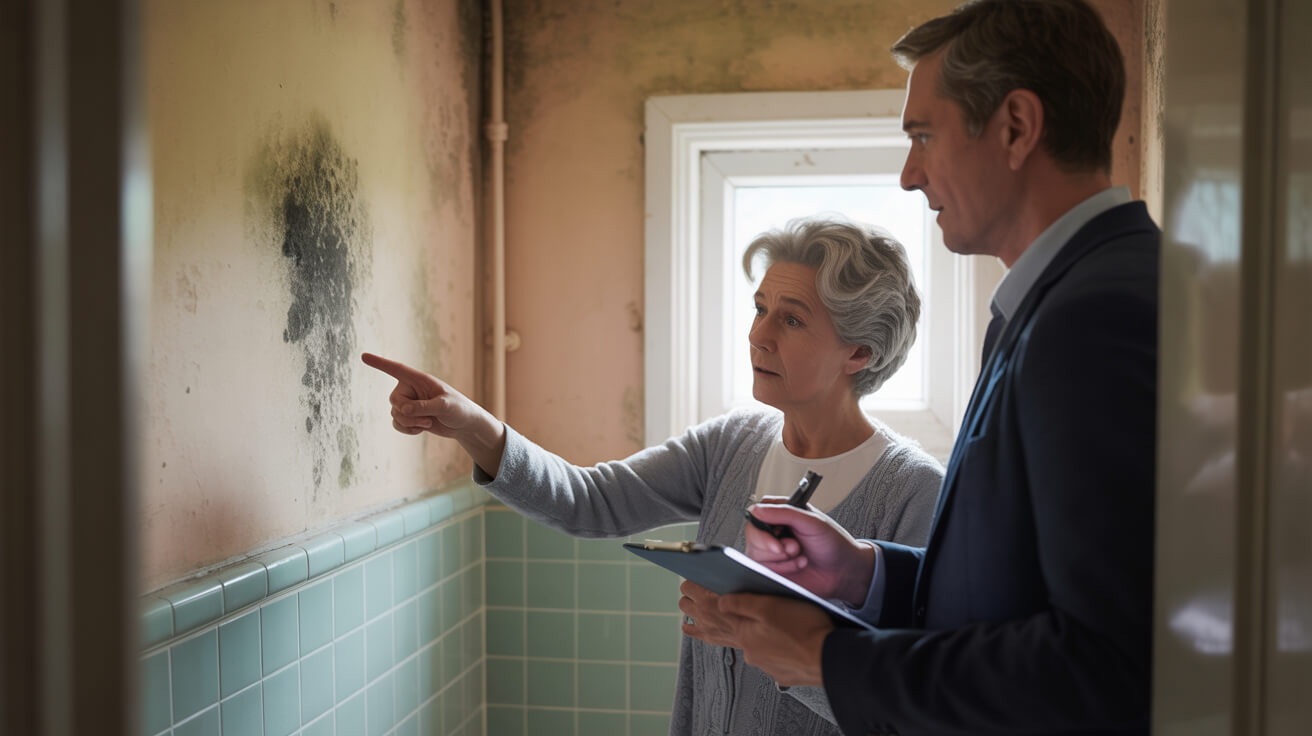
Every week you stall puts cash, health, and legal standing on the line. Delay doesn’t just annoy tenants—now, it has measurable, compounding risks for every party in a higher-risk block.
Put off action, and you don’t just get more mould—you get steeper penalties and harder fixes.
Real-World Penalties for Failing on Damp and Mould
- Health: Chronic damp drives up risk for asthma, chest infections, and longer NHS wait lists (Shelter, NHS data).
- Financial: Sale stalls, mortgage refusals, and insurance exclusions are routine for buildings with flagged damp.
- Credibility: Buyers and renters check council records. A building with ignored complaints loses value—and you can’t erase the paper trail.
- Leverage: If you don’t document, you can’t enforce, claim compensation, or prove you acted in time.
Think of a missed paper or late complaint as a ticking clock against your future claims or reputation. Quick, complete action wins—always.
Why a Damp Survey From Sussex Damp Experts Flips the Power Balance
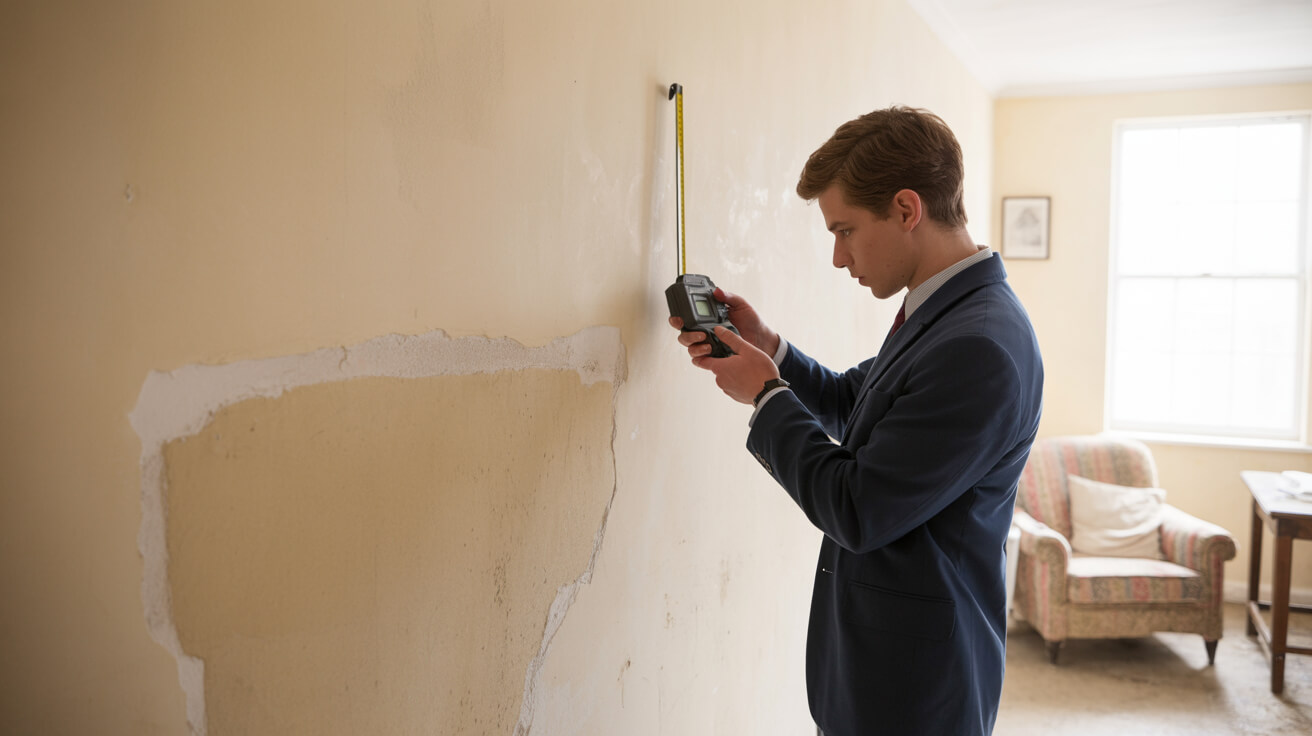
A basic photo or a “handyman’s note” rarely settles disputes today. Now, everything leans on independent, standards-based damp surveys—the backbone of legal, insurance, and council action. Sussex Damp Experts brings clarity and authority that gets results, not excuses.
A proper survey isn’t just a solution—it’s a shield, a lever for action, and protection for your investment.
What Puts Sussex Damp Experts’ Surveys in a League of Their Own?
- Technical depth: We use moisture metres, thermal cameras, salt sampling, and industry-grade kit—not just a keen nose and finger test.
- British Standards compliance: Reports map directly to BS 6576 and BS 8102, documents demanded by councils and mortgage providers.
- Evidence and process: We offer templates, aftercare, and, if needed, advocacy as you escalate—so you never face the system alone.
- Value for money: A single accredited survey can save you multiples in lost sale value, insurance wrangles, or legal bills.
With Sussex Damp Experts, you get more than a fix. You get evidence that unlocks protection and speeds repair—whatever twist the case takes.
Sussex Damp Experts: Legal-Grade Solutions That Last, Not Just Patch Over Trouble
The repair job is only half the battle. Everything turns on traceability, standards, and follow-up that stands scrutiny from regulators, insurers, and even the courts. Sussex Damp Experts is engineered precisely for these high-stakes demands.
- Audit-proof: Our survey documents, photos, and recommendations tick every council, insurer, and ombudsman box.
- Clear, actionable reporting: We spell out each finding and required next step in reader-friendly, jargon-free terms.
- Deep credentials: Our specialists hold PCA, BS 6576, and BS 8102 qualifications—making our evidence trusted by every major stakeholder.
- Guidance at every turn: From your first phone enquiry, through report, repair, and handover, we lay out what actions to take—and what gets you compliant, not just patched up.
With deadlines, public scrutiny, and big money on the line in HRBs, you need partners who build the paper trail right. That’s our mission.
Don’t Wait—Build Your Defence, Repair Faster, and Win Compliance Today
You get one shot at logging your complaint and securing your rights. A missed day, faulty record, or DIY note leaves you at risk for lost claims, insurance rejection, failed sales, and ongoing damp that never leaves.
Whether you’re a tenant desperate to be heard in a high-rise, a landlord juggling regulatory risk, an agent or facilities manager with legal headaches, or a homebuyer worried about mortgage flags, Sussex Damp Experts puts you in the strongest possible position for 2023 and beyond.
A specialist survey, done fast and right, unleashes every legal safeguard—with clear guidance at each step and evidence that wins. Don’t let mould, delays, or paperwork failure waste another week. Let Sussex Damp Experts bridge the gap between problem and solution—on your side, on time, every time.
Contact Sussex Damp Experts now to secure results that last—your best defence starts with one smart, documented move.
Frequently Asked Questions
What sets a building into the “higher-risk” category for damp and mould, and why does it matter?
A building is classed as “higher-risk” for damp and mould oversight if it stands 18 metres or taller, or has seven or more storeys, and contains at least two separate dwellings—excluding hotels, care homes, and defence housing. In Higher-Risk Buildings Damp complaints make that status especially important, and the duty to define and prove it rests with the building owner or managing agent, who must keep up-to-date records identifying the risk category and make them available to authorities, surveyors, or residents on request. Councils and the Building Safety Regulator verify or challenge this status, particularly if complaints about damp, leaks, or mould become persistent.
Whoever holds the building’s records holds all the leverage—if the paperwork is missing, power shifts in an instant.
When you’re a leaseholder, tenant, or landlord in one of these blocks, confirming the higher-risk status turns headaches into action: councils respond more quickly, statutory deadlines bite, and owners face higher legal obligations. You’re not just chasing a repair—you’re triggering a process where delays disappear and formal intervention comes faster. Insist on seeing the building’s HRB (Higher-Risk Building) documentation; written proof sets deadlines running and makes the legal framework work for your safety and peace of mind.
Why is written status confirmation such a powerful move?
- Written HRB status demands prompt repair or inspection according to law.
- Owners who fail to produce documentation may face enforcement under the Building Safety Act.
- Councils act quickly on unresolved disputes, especially if paperwork is missing or out-of-date.
- For residents, verified status arms you against dawdling responses—every day counts if moisture is on the move.
Which forms of evidence get real results when complaining about damp and mould in a high-rise?
Formal, well-organised evidence stacks the odds in your favour. Start with time-stamped photographs showing the issue’s progress—include overviews and close-ups. Keep a log of all written interactions with owners or agents: email, posted letters, council complaint forms, and official template documents from housing organisations or trade unions all add credibility. Relying on WhatsApp or phone calls works against you, as these are hard to prove and easy for others to dismiss.
Add “hard evidence” wherever possible. A GP’s letter connecting symptoms to home conditions, signed statements from multiple occupants in the building, or details about ruined furnishings reinforce the urgency of the case. For ultimate impact, tie your evidence to legal statutes such as ‘Awaab’s Law’ or cite the Housing Ombudsman’s requirements, especially for social tenants and leaseholders.
Every extra page, photo, or statement narrows an owner’s wriggle room and speeds up repairs.
How should you assemble and present an airtight evidence file?
- Photograph the evolution of the problem from various angles over several days or weeks.
- Collect every written exchange—printing WhatsApp or text messages is not enough.
- Use complaint templates from council or tenant groups for structure.
- Attach any relevant medical evidence (even a pharmacist’s comment can help).
- Organise joint complaints for faster council intervention, especially if issues cross flats.
How have new laws changed the repair clock for urgent damp and mould cases?
‘Awaab’s Law’ has made statutory time limits unavoidable: social landlords must investigate complaints within 14 days and start repairs inside 7 days, or within 24 hours where urgent health risks apply. These requirements are locked into national law, not mere council guidelines, and private landlords can expect similar pressure as the legal net tightens.
When you submit a formal written complaint—backed by photos, logs, and medical evidence—the statutory clock starts. If the owner or agent misses the deadline, escalation moves out of their hands: councils, environmental health, or the Housing Ombudsman must act, often within fixed new windows. Councils have no patience for verbal updates or incomplete logs; now, every missed day hands you fresh ground for stronger enforcement. Fines rise, the scope of inspections widens, and repair speed becomes mandatory.
The rules have switched: every missed day isn’t just a delay but a legal breach, unlocking full council enforcement.
What sequence does urgent legal repair now follow?
- Submit a formal, evidence-backed complaint with dates and impact details.
- Owner/landlord must reply in writing and issue a repair plan within 14 days.
- Repairs launch in 7 days (or 24 hours if health is at risk)—no exceptions.
- If these steps slip, escalate to council or ombudsman channels using your organised proof.
- Requests for further extensions now raise scrutiny, not excuses.
What works best if higher-risk block repairs are endlessly delayed or ignored?
Escalation in these buildings is no longer a guessing game: written evidence and legal references are your lever. For council or housing association tenants, go straight to the Housing Ombudsman or environmental health—they must respond on record and within strict timeframes. In private blocks, cite regulatory standards (BS 6576, PAS2035) in your written follow-up to make the owner’s obligation explicit.
When several tenants coordinate complaints, authorities must investigate on a block-wide scale, not piecemeal. Group action brings building-wide surveys and fast-tracks inspection, pushing systemic fixes over patchwork jobs. If landlords still stall, formal escalation to the council’s “enforcement team” or using unions strengthens your case. Medical notes, particularly for young children, elderly residents, or those with respiratory issues, sharpen official response—these are classes protected by law and health regulations.
Which steps solidify your escalation so authorities step in?
- Submit written copies of all previous complaints with explicit “request for escalation.”
- Attach all accumulated evidence—images, logbooks, expert letters, joint statements.
- Reference regulatory standards and Awaab’s Law to clarify expectation.
- Share medical notes and describe affected residents (pregnant, immune-compromised, etc.).
- Use online complaint portals for formal timestamping; avoid phone or in-person-only contact for key steps.
Which avoidable errors most often lead to disputes or even fines for both tenants and property owners?
Neglecting documentation, choosing phone calls over letters, and patching symptoms while skipping formal repairs—these instincts lead straight to trouble. Tenants who settle for verbal promises or hand-written notes risk being ignored if the dispute lands in council or tribunal hearings. Landlords who “fix the patch, not the problem,” or whose record-keeping is muddled, lose insurance coverage, face rising mortgage scrutiny, and risk fast-tracked fines for repeated compliance lapses.
Not using standards-based surveyors—opting instead for general trades or DIY fixes—almost guarantees challenges from local authorities. Log, record, and formalise every step, and treat every instance of persistent damp or mould as a building-wide risk, not a single flat’s nuisance. Annual checks, professional aftercare, and proper warning letters protect owners and residents alike from escalating headaches.
Every shortcut in the complaint or repair chain eventually backfires—the side with tidy records and standards wins every dispute.
How do you proactively sidestep these expensive mistakes?
- Always log requests and evidence with dates and snapshots.
- Insist on accredited surveys for diagnosis and method specification.
- Produce and request written repair plans that cite British Standards.
- Treat one complaint as a check on the whole building—damp doesn’t respect flat boundaries.
- Schedule annual checks with reputable specialists; this proof heads off many common disputes.
Why does a British Standards-accredited damp survey make all the difference in high-risk buildings?
A professional damp survey from a BS 6576/BCA-accredited specialist now carries decisive weight. These reports combine forensic-level diagnosis—using moisture mapping, salt analysis, and thermal imaging—with language and evidence designed for legal, insurance, and council scrutiny. Unlike a handyman’s invoice or a damp patch photo, these assessments create repair roadmaps that councils accept for enforcement, mortgage lenders unblock for transactions, and insurers clear for claims, even after years of previous issues.
Recent results in Sussex show that submissions supported by surveyor reports lead to twice as many repairs finished within deadline, and a threefold increase in property sale completion for previously “blighted” flats. Survey findings are referenced directly in council enforcement letters, mortgage or insurance committee meetings, and even in dispute tribunals. They also fold into aftercare and warranty cycles, future-proofing both owners and residents.
The currency of dispute resolution isn’t a photo or a receipt—it’s a standards-driven survey report that every stakeholder respects.
What practical edge do professional surveys create for urgent or recurring issues?
- Reports built for legal, mortgage, and insurer scrutiny get fast-tracked.
- Diagnosis is comprehensive, stopping patchwork fixes and repeat failures.
- Professional evidence integrates with warranties and formal aftercare.
- Councils, developers, and agents treat accredited reports as “default truth”—owners and residents share a single factual baseline.
- Survey-based evidence supports block-wide repairs, not just individual complaints.
For urgent, standards-based damp surveys in Sussex, you need a specialist team grounded in regulation, technical evidence, and deep local experience—because in the current landscape, proof isn’t optional, it’s protection.

