
 By
By  August 26, 2025


What Rights Protect Tenants Facing Damp and Mould Problems?
Every tenant deserves a home that’s genuinely safe—a property that won’t quietly sap your health, mess with your belongings, or leave you chasing your own tail when repairs stall. UK law says this in black and white. Landlords aren’t allowed to dismiss obvious problems like flaking plaster, black mould on window frames, or that persistent, sickly smell creeping along the skirting. The Landlord and Tenant Act 1985 and Homes (Fitness for Human Habitation) Act 2018 place clear duties on the landlord: keep everything sound, fix defects that threaten your basic standard of living, and remove hazards from the building’s bones to the pipes and drains (shelter.org.uk).
If you report persistent damp or mould, the law says you’re entitled to action—not silence or excuses.
A landlord cannot shirk their duty by blaming your “lifestyle”—not if the source is down to broken ventilation, dodgy gutters, or rising damp that sneaks up through the brickwork. When you flag a problem, their legal responsibility clicks in and stays there until the issue is resolved. If you’re ever threatened with eviction for asking for basic repairs, the Deregulation Act 2015 builds fireproof walls around your rights: you can’t be turfed out just for standing up for a healthy home.
Anti-Retaliation Protections: Your Safety Net
The law understands that tenants might be nervous to report issues. One protection is simple—once you’ve made a written complaint, your landlord can’t serve a Section 21 “no-fault” eviction for at least six months. And if the council backs up your complaint with a formal notice, that protection becomes ironclad. This shield makes sure no one is forced to choose between their health and their home (gov.uk).
What Evidence Wins a Damp or Mould Dispute for Tenants?

Spotting damp patches isn’t enough; proving your case is what opens doors with landlords, councils, and the courts. Think of your evidence as your armour: sharp, well-organised, tough to argue against. Start with time-stamped photographs of the affected areas—walls, ceilings, the base of fitted wardrobes, behind sofas where mould likes to hide. Video can be even stronger, especially if you can show leaks in action or water pooling after a storm.
A damp case is only as strong as its photographs and its written trail.
Keep a logbook—a physical notebook or even a spreadsheet works well. List the dates you noticed issues, the symptoms you’ve had (health, discomfort, financial loss), and every single interaction with your landlord, letting agent, or maintenance team. Did you email? Save it. Did they promise to send someone? Put that in your timeline. If the problem affected your health, keep notes on GP visits, prescribed medication, or days missed from work, and pair them with your log. This matter-of-fact diary is what council inspectors and courts trust when memory and opinion clash (citizensadvice.org.uk).
The Anatomy of Winning Evidence
Here’s what works best to make your case:
- Dated, clear photographs and short video clips
- Written descriptions noting the severity and persistence of issues
- Logs of every report you made: emails, letters, calls (with dates)
- Doctor’s notes (if you suffer health impacts)
- Reports from independent surveyors or specialists
Every datapoint sends a message: this isn’t just nuisance—it’s documented neglect. Bundling these together turns the tide in your favour and signals that you’re prepared to see the process through.
Why Written Complaints Matter Far More Than Phone Calls

It might be tempting to fire off a quick text when the bathroom ceiling starts dripping, but legal teeth only bite down when you put pen to paper—or finger to keyboard. A written notice of complaint isn’t just a formality: it’s what triggers your landlord’s legal obligations, and what stands between you and being brushed off.
The paper trail is your evidence—not their memory.
Always date your complaints. Send by email or post, using a subject line such as “Formal Damp/Mould Complaint Under Section 11 LTA 1985”. Attach photos, describe impacts, and request acknowledgement. Once received, your landlord is on the clock—usually within 14 days—to investigate and provide a plan (shelter.org.uk). If you only get a phone call in response, always follow up with a summary email: “As discussed by phone on [Date], you confirmed [Problem X]…” This keeps the evidence chain unbroken.
Setting out What You Expect—and When
Spell out exactly what you need: “Black mould in living room corner and persistent musty odour.” Request written confirmation and a proposed date for works. If you’re ignored, or the reply’s vague, these records are what Environmental Health officers, or a tribunal, will scrutinise first. Proof of your written attempt to resolve the issue matters—a lot.
What Should You Do When Repairs or Inspection Begin?

After your letter’s sent and the process starts, your duty is to be cooperative but also diligent. You must allow “reasonable access” for surveys and repairs—typically 24 hours’ written notice for non-emergencies. Yet that’s a two-way street: record every attempted appointment, whether it goes ahead or not.
‘Missed appointments and no-shows are facts for your damp logbook. Don’t forget them.’
If you can’t accommodate a requested time, say so and suggest alternatives by email. This shows you’re not holding things up. For every visit, jot down:
- Who arrived (and when)
- What was done or said
- Any promises or deadlines made
Keeping these notes is your insurance policy against blame-shifting. If you end up before the local authority or a judge, no one can claim you “refused” access or “delayed” works.
Documenting the Path to Resolution
Building up your evidence doesn’t stop once things begin moving. It’s equally important to record what gets done (and what doesn’t). These living records often make the difference between a swift fix and endless back-and-forth.
When Is It Time to Escalate and How Does Council Environmental Health Respond?

If weeks pass and the damp persists, or you’re fobbed off with half-hearted repairs, it’s time to take things up a gear. Local authorities run Environmental Health teams—usually under “Private Sector Housing”—who have teeth when it comes to unsafe homes.
Your local council is where evidence gains muscle.
Send your full logbook and all documentation via the council’s online form or by email. Ask for a formal inspection under HHSRS (Housing Health and Safety Rating System), the legal tool that scores hazards like damp, mould, cold, and structural risk (lewes-eastbourne.gov.uk). inspectors will visit, moisture metres in hand, and check the scale of the hazard.
What Council Inspections and Outcomes Look Like
If Environmental Health confirms major issues, they can issue statutory Improvement Notices—ordering your landlord to complete works in a set timeframe. In serious cases, councils can fix things themselves, bill the landlord, or restrict property letting. This level of escalation also provides additional legal firepower if you want rent repayment, compensation, or further action against the landlord who failed to maintain your home.
What Enforcement Can the Council Use Against Failing Landlords?
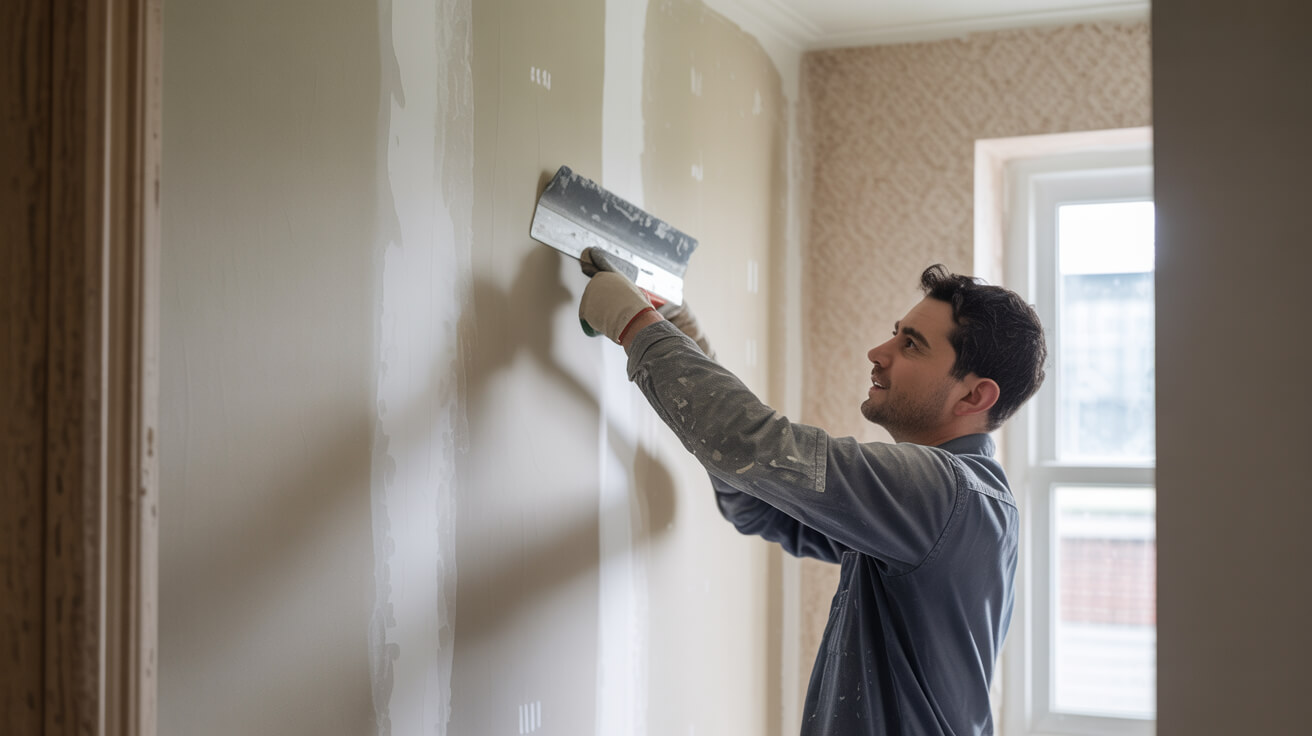
Environmental Health isn’t just a talking shop—they have a toolkit of legal powers to bring stubborn landlords into line. If they confirm your complaints and evidence, here’s what happens:
- Improvement Notice: Landlord must repair within set timescale
- Financial Penalties: Up to £30,000 per breach
- Rent Repayment Orders: You can reclaim up to 12 months’ rent if repairs were dodged
- Ban on Letting: Repeat offenders can lose their right to rent out homes
- Direct Remedial Action: The council can step in, do repairs, and reclaim costs from the landlord
The stronger your evidence, the less room your landlord has to avoid responsibility.
After council involvement, keep updating your log with all new letters, legal notices, or contractor reports. If your landlord still ducks their responsibilities, this ongoing dossier is what makes the next stage—First-tier Tribunal or even court—much more likely to fall in your favour (brighton-hove.gov.uk).
Evidence Keeps Power in Your Hands
Never stop adding to your evidence pack. Official notices, council letters, receipts, and emails—all stack up. This constant record-keeping makes sure no one can dodge the facts, not even in a long-winded dispute.
How Do You Protect Against Retaliatory Eviction and Landlord Pressure?
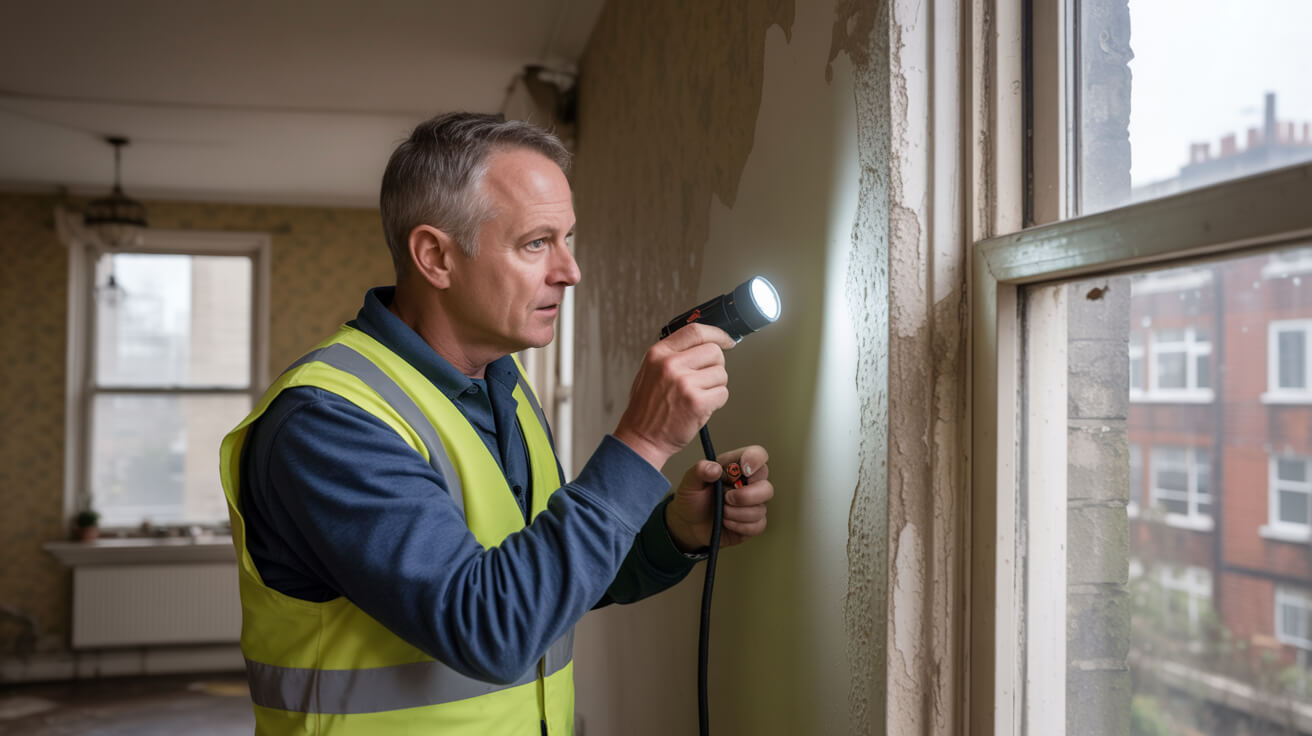
Worried that speaking up will get you booted out? The Deregulation Act and Homes Act are now your bodyguards. Once you’ve fired off a formal written complaint, it’s illegal for landlords to issue a Section 21 eviction for at least six months—and if a formal council notice follows, eviction on those grounds is completely blocked for the same stretch.
The rules exist so you never have to choose between your health and your address.
If a landlord tries to sidestep the law—maybe serving you an eviction notice or threatening to “not renew”—seek help from Citizens Advice, Shelter, or a housing solicitor. Keep every threatening text or letter. The courts are now wise to these tactics and will toss out retaliatory evictions, usually forcing landlords to pay costs.
Shielding Yourself With Documentation
Your written records, evidence packs, and proof you followed the official process form a defensive wall around your tenancy. If you’re up against serious threats or bullying, these layers are exactly what judges and council officers want to see before backing a tenant.
Why Commission Sussex Damp Experts for Legally-Recognised Damp Surveys?

Sometimes complaints, calls, and even council pressure can’t budge a stubborn dispute. That’s where bringing in an independent professional swings the balance. Sussex Damp Experts don’t just snap a few photos or scratch a notepad—they carry out full, BS6576/8102-compliant diagnostics, blending moisture science with legal awareness.
A survey that meets British Standards can be the difference between months of muddy dispute and a prompt, enforceable repair.
Our reports don’t just describe symptoms—they map root causes, document building context, and are accepted by councils, tribunals, insurers, and mortgage lenders. For landlords, professional evidence shows “all reasonable steps” are being taken. For tenants, it’s the evidence power-up that puts your demands on solid ground.
What Do You Get With Sussex Damp Experts?
- Diagnosis that’s impartial, BS6576/BS8102-grade, and built for court
- Moisture readings and recommendations that stand up to scrutiny
- Peace of mind: a binding, respected plan to solve the problem
Landlords, tenants, managing agents, or contractors—everyone wins when the evidence is independent, jargon-free, and designed to break deadlocks.
Summary: Make Damp and Mould Problems History With Sussex Damp Experts
No one should have to live with damp, mould, or a landlord who vanishes when it matters. The law’s on your side, provided you back up your claims with evidence and fight on paper as much as in conversation. Sussex Damp Experts stand behind tenants, buyers, and landlords alike—a resource for reports, proof, and decisive intervention.
When you’re ready to demand change, we’re ready to back you up—with the technical clout and legal credibility that make homes healthy again.
Rather than leave repairs to chance, put a professional between you and further delay. By choosing Sussex Damp Experts, you build a wall of evidence no one can knock down—even the most reluctant landlord or the busiest council officer. Your right to a habitable, healthy home isn’t just a legal theory; with our support, it becomes your lived reality.
Stand up for your tenancy, your property value, and your family’s health. Sussex Damp Experts are here, evidence and action at the ready.
Frequently Asked Questions
What legal obligations must landlords meet for damp and mould, and how does referencing Building Regulations Part C shift the outcome for tenants?
Landlords are bound to remedy damp and mould—failure isn’t a grey area. The law expects more than surface cleaning: the Landlord & Tenant Act 1985, Homes (Fitness for Human Habitation) Act 2018, and the Housing Health and Safety Rating System (HHSRS) together force landlords to fix building fabric and maintain a safe, dry living space. Building Regulations 2010 Part C sets the technical line for moisture control: effective damp proof courses, weatherproofing, and proper ventilation. When a tenant anchors complaints with Part C or BS6576/BS8102 references, the conversation pivots from “lifestyle blame” to hard structural non-compliance. This is the threshold where councils and surveyors pay attention—and the landlord’s obligation upgrades from courtesy to statutory duty.
Landlord inertia crumbles when legal standards are cited—regulations upgrade your repair request from an ignored note to a formal requirement no one can duck.
Which regulations unlock council and legal action for tenants?
- Landlord & Tenant Act 1985 s.11 – Repairs to structure and fabric.
- Homes (Fitness for Human Habitation) Act 2018 – Health and moisture protection for all tenants.
- Building Regulations 2010 Part C – Damp-proofing, ventilation, and insulation built in.
- BS6576 (rising damp), BS8102 (basements) – Standards surveyors and councils require.
- HHSRS scoring—council tool that grades risks: breach means enforced repairs.
How does referencing Building Regulations change your leverage?
Referring to Part C or BS6576 in documents signals legal awareness. Councils, surveyors, and tribunals can escalate cases faster, shifting the burden from “tenant issue” to “landlord breach.” Detailed references often stop the blame game and get expert eyes on the cause, not just the symptoms.
What evidence convinces councils, surveyors, and courts when proving damp or mould in a property?
Time-sequenced documentation, not a single phone photo, is key. Authorities want proof that withstands counterclaims: start by photographing all visible and hidden spots (including interiors of cupboards and behind furniture), and repeat after rain or heating use, always with date evidence. Keep a daily log—note new patches, odours, condensation, even health symptoms or failed attempts to resolve. When your health is affected, a GP’s letter helps connect the dots. If you’ve tried DIY fixes or hired contractors, include receipts and before/after images. Expert surveyor reports—those built to BS6576/BS8102—carry the most authority: they measure, photograph, and map evidence with forensic accuracy.
Photos capture the symptoms, but expert logs and independent survey data anchor your entire case.
Evidence that stands up under scrutiny:
- Dated photos and videos—tracked over weeks, not just single-day “worst case.”
- Detailed symptom logs—housing and health tracked together.
- Communication with landlord—timeline of emails, written requests, and responses.
- GP, nurse, or Environmental Health notes—correlation to living conditions.
- BS6576/BS8102 surveyor reports—quantitative, technical, and accepted in disputes.
Why are surveyor-accredited reports so persuasive?
An accredited report is the gold standard—documenting moisture levels, thermal readings, salt contamination, and building compliance. These move disputes from he-said-she-said to objective diagnosis, enabling councils, insurers, and tribunals to intervene with facts rather than opinions.
How can tenants formally activate a landlord’s legal repair duties for damp or mould?
A written, reference-rich complaint unlocks the process; casual chats or text messages won’t protect you if things escalate. Draught an email or letter titled ‘Urgent Damp/Mould Repair Request under s.11 Landlord & Tenant Act 1985.’ Attach your log, photos, and any supporting medical statements. State when and where the problem started, the effect on daily life, and cite specific standards (Building Regulations Part C; BS6576 for rising damp; BS8102 for basements) if you have them. Insist on inspection or repair within 14 days—industry norm for health-linked risks. For each message, note the date and keep a copy. If the issue deserves discussion by phone, record a written recap immediately after.
A dated, formal complaint is the lever: it starts the legal countdown and triggers a chain of responsibility landlords cannot dodge.
What information should every formal request contain?
- Subject line referencing statute and technical standards.
- Room-by-room summary: “Ongoing black mould above bedroom 2 window since January.”
- Evidence: clear photos, health logs, receipts for any attempted fixes.
- Specific request (“inspection or repair within 14 days”).
- Contact details for swift response.
Why does formality matter so much?
Written records launch enforceable repair clocks, and protect you against future disputes or eviction threats. Legal duty begins the day the complaint becomes a document.
When is escalation to the council warranted, and what enforcement steps can Environmental Health take?
If you’ve waited 14–21 days after delivering a formal complaint with no meaningful response—or if children, vulnerable adults, or health risks are present—send your evidence and correspondence directly to the council’s Environmental Health or Private Sector Housing team. Inspectors will contact you for access, examine the property using specialist diagnostics (moisture metres, borescopes, salt testing), and grade risk using HHSRS. If they find unacceptable hazards, they wield these powers:
- Serve Improvement Notice (forced repair deadline)
- Issue Prohibition Order (restricting unsafe occupancy)
- Fine landlords (up to £30,000 per breach)
- Instruct urgent works for immediate threats
- Refer unresolved breaches to housing tribunals
Council power is the backstop—after escalation, negotiation ends and statutory enforcement takes over.
What does the official inspection and enforcement timeline look like?
- Inspection scheduled—well-prepared evidence ensures nothing gets ignored.
- Officer’s report—documents risks and breaches for the legal record.
- Enforcement—legal notice compels repairs; missed deadlines lead to fines or sanctions.
- Works verified—a follow-up ensures every fix sticks.
How does council involvement change resolution speed?
Escalation overtakes goodwill with statutory force. Councils don’t “suggest”—they instruct. Persistent noncompliance brings sanctions that many landlords fear more than lost rent.
How are tenants lawfully protected from retaliatory eviction after reporting damp or mould?
Legal reforms have stitched a protective barrier around tenants: once you make a repair complaint in writing, Section 33 of the Deregulation Act 2015 prevents a “no-fault” Section 21 eviction for six months. If the council serves an Improvement Notice, these protections reset and harden. Courts consistently throw out evictions that land after a repair request or council involvement. Keep every written record—communication trail, repair logs, and council correspondence—to bulletproof your position. Seek rapid guidance if any eviction notice drops after your evidence is in play, as Section 33 acts as your legal shield.
The law locks the door to eviction after a formal complaint—houses should fix leaks, not silence the messenger.
How do tenants maximise this shield?
- Only submit repair complaints in writing—no reliance on calls or one-off texts.
- Archive landlord correspondence and council responses.
- If served with an eviction during the protected window, notify housing advice groups immediately.
- Reference Section 33, and the council’s duty to intervene.
What’s the real-world effect of Section 33?
It gives tenants agency to seek repairs without risking their home—a legal message that blame, intimidation, or avoidance can’t override statutory responsibility.
Why do compliant damp or mould surveys from Sussex Damp Experts succeed where other evidence fails?
Surveys structured to BS6576/BS8102 go beyond what most contractors or landlords supply. Sussex Damp Experts provide comprehensive site investigations that record every material factor—moisture, salts, construction detail—with cross-referenced evidence. Our reports are engineered for acceptance by local authorities, insurers, lenders, and tribunals: annotated site imagery, moisture maps, salt analysis, and aftercare plans all contribute. Each one includes a plain-English summary linking causes and remedial paths to legal standards. This means every stakeholder—from tenants to lenders—can quickly align on the fix, not dispute the symptoms. Robust aftercare, warranties, and documented monitoring further raise proof, keeping homes compliant long-term.
A survey built for council and legal use changes everything—the story moves from speculation to certified fact, cutting through delay and denial.
What sets Sussex Damp Experts apart?
- BS6576/BS8102 conformity—regulatory, insurance, and council standards wired in.
- Proof-rich inspections—advanced equipment, site-specific grading, traceable photo chains.
- Stakeholder-centric format—lenders, owners, councils, and solicitors rely on these layouts.
- Lifetime documentation—ongoing support ensures fixes last, not fade.
How do these reports resolve multi-party disputes?
They transform anecdotal evidence into hard metrics, decisively ending “he said/she said” cycles. Lenders and councils fast-track properties with documented damp solutions—insurers and solicitors rarely contest findings when presented in compliant, audit-ready form.
What step-by-step pathway turns initial damp suspicion into lasting compliance—and how do expert surveys streamline each phase?
The pathway from first suspicion to closure is straightforward when backed by robust process. Begin with daily logs and clear, dated photos at first signs—don’t wait for major damage or health impacts. Prepare a written repair request for your landlord, referencing specific standards and attaching your evidence. If response lags past 14 days, escalate to the council with a full evidence pack and, ideally, a surveyor’s technical report. Council inspection, joined with external survey evidence, builds an unarguable case for urgent resolution. After works, keep proof of repairs and schedule annual checks—Sussex Damp Experts’ ongoing monitoring and support mean your property remains both compliant and market-ready.
Roadmap from suspicion to solution:
- Spot an issue—log events, photograph, start a pattern record.
- Activate duty—issue a formal repair request citing law and standards.
- Escalate if needed—package evidence for council with a certified survey included.
- Secure remediation—landlord arranges works, council or surveyor confirms finished repair.
- Guarantee compliance—document all fixes for insurers, lenders, and future buyers.
- Keep it fixed—engage annual checks and aftercare with Sussex Damp Experts.
Table: From detection to guaranteed resolution
| Phase | Action | What Changes |
|---|---|---|
| Spot the warning signs | Photograph, keep log | Creates formal pattern and record |
| Trigger duties | Written request, attach documentation | Legal clock for repair obligation starts |
| Escalate to council | Submit all evidence | Enforced repair and protected tenancy |
| Commission survey | Acquire BS6576/BS8102 report | Lender/council/insurer-ready proof |
| Lock in results | Monitored repair, aftercare booked | Value and peace of mind guaranteed |
Getting from stubborn damp or mould to full resolution is a process no landlord, buyer, or insurer can ignore when armed with the right sequence—and with Sussex Damp Experts in your corner, each step is built on evidence, law, and system-level expertise.

