
 By
By  August 26, 2025


What Does the 2024 RSH Safety and Quality Standard Mean for Social Landlords Facing Damp and Mould?
Social landlords in 2024 aren’t just juggling regulatory updates—they’re staring down a new legal line in the sand. The Regulator of Social Housing’s (RSH) refreshed Safety and Quality Standard ranks damp and mould as direct risks to tenant safety, health, and your operational integrity. The message? “Zero tolerance” is the legal minimum, not an ambition. If evidence of persistent damp or slow response surfaces, the regulator can step straight into your records, livelihood, and leadership reputation.
Today’s overlooked stain is tomorrow’s official inspection—public, reportable, and potentially career-limiting.
For housing teams, this new regime isn’t about promises, intention letters, or good-faith policies. It’s about audit-ready, digital evidence of property protection—actions that can be tracked, explained, and defended. Your standing with tenants, lenders, and the public is only as strong as your last incident log and photographic proof.
This Standard is Not “Business as Usual” — It’s a Real-Time Stress Test
Landlords and property managers who have treated damp as a “maintenance backlog” or seasonal annoyance must now reframe: every case is a statutory hazard, every misdiagnosis a potential liability. Your new daily priority is simple: Can you show, instantly, that every home you manage is being inspected, maintained, and remediated on a verifiable timeline, with evidence?
The shift isn’t theoretical. Inaction no longer attracts quiet warnings or time extensions—it triggers enforceable orders, public and ombudsman scrutiny, and, in some cases, prosecution for directors and officers. Social landlords need answers, not apologies.
Why Is “Zero-Tolerance” for Damp & Mould Mandatory—And What Counts as ‘Zero’ Now?

The updated Decent Homes Standard puts the brakes on the old “wait and watch” culture. Any persistent trace of damp, condensation, or visible mould—no matter how localised—is, by legal definition, a breach, and must be actioned without delay (gov.uk, hqnetwork.co.uk).
Zero means true zero: Not just covering up damage, but rooting out causes and ensuring no chance of silent return. A “quick fix” or partial patch job actively increases your exposure. Under the new law:
- All identified damp and mould need immediate, documented responses—not discretionary scheduling or unlogged queueing.
- Every instance—reported by tenants, routine inspection, or external survey—must be closed with photo evidence, timestamps, and event logs. If your system can’t show exactly *what was done, when, and by whom*, compliance is in jeopardy.
A thumbprint of black mould is no longer a dull day’s maintenance. It’s a regulatory blip on the radar—and the follow-up is mandatory.
The Dangers of ‘Repair Creep’ and Deferred Monitoring
If your organisation has a habit of categorising small patches for “re-inspection” next quarter, or using non-specific defect logs to defer action, those practices now leave you exposed. All “active” damp and mould situations, no matter how minor, must be ticketed, tracked, and closed on a defined timescale, with compliance logs ready for digital audit.
What triggers enforcement?
- Failure to act on visible evidence, even in common areas.
- Incomplete documentation, or evidence of policy circumventing full rectification.
- Ignoring damp and mould complaints from tenants—especially from vulnerable groups—leads directly to liability.
Landlords must train staff to recognise even subtle signs. Supervisors should check that logs aren’t just “filed” but accessible, legible, and explicitly tied to outcomes and health impacts.
Is Your Digital Evidence System Audit-Proof by 2024 Standards?
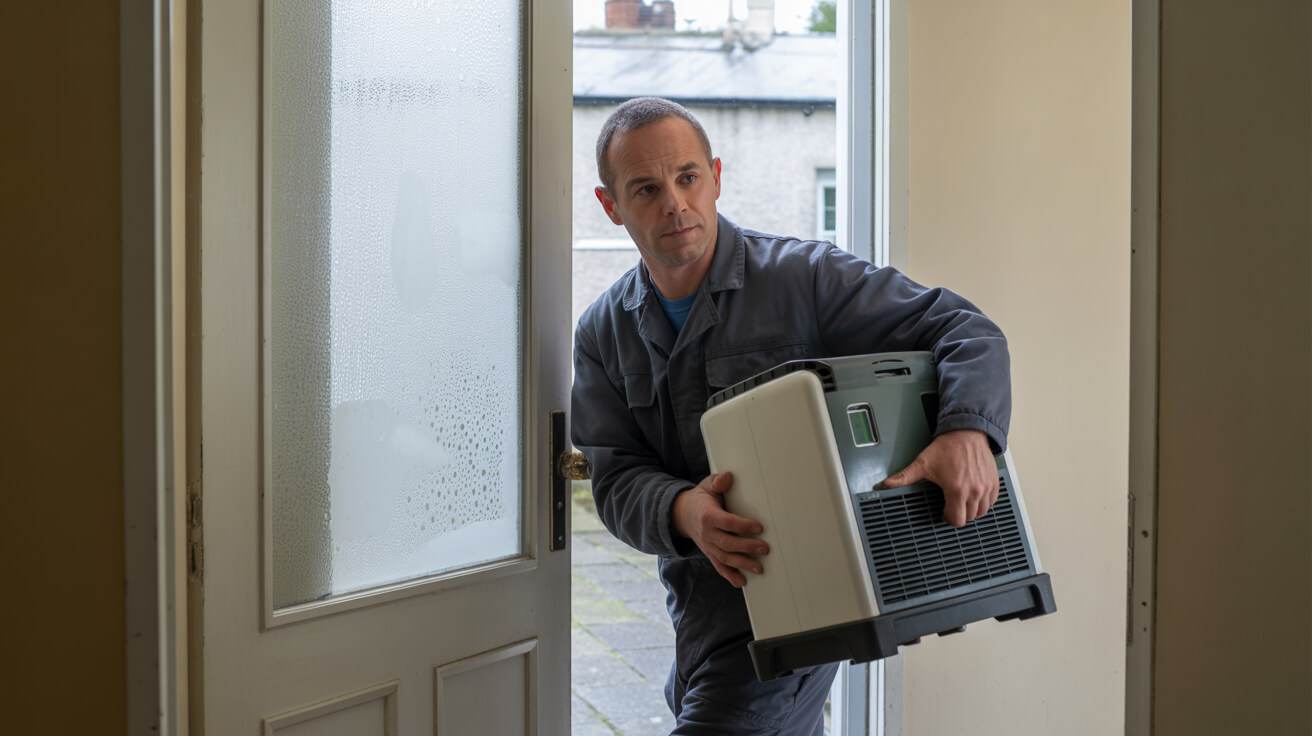
Regulator scrutiny in 2024 is forensic and digitally driven. Old-school files and manually updated spreadsheets don’t cut it for social landlords anymore. Only a central, real-time digital register—logging incidents, repairs, and tenant communication—stands between you and the rising tide of regulator intervention (insidehousing.co.uk).
If you can’t produce a clear, time-stamped story from damp found to issue solved, your credibility vanishes.
Centralisation isn’t about convenience. It’s a water-tight defence when facing random inspector audits or tenant escalation. Your evidence is only as strong as your weakest link in the remediation chain.
Minimum Standards for Evidence-Driven Compliance
To satisfy the RSH, your system must:
- Maintain named, digital property histories detailing all damp and mould statuses.
- Log each action taken, including before-and-after photos, repair orders, communication with tenants, and board sign-offs.
- Allow property managers and directors to instantly trace and explain the remediation journey for any unit—no hidden folders, lost emails, or missing dates.
Are monitoring logs and survey reports active tools or just “optics” for your board meetings? Auditors are trained to spot gaps in chronology or cases with no clear resolution. These aren’t just technical flaws—they signal “systemic neglect” and open the door for direct regulator action.
Does Your Damp and Mould Response Truly Protect Tenant Health—Or Just Tick Boxes?

The RSH’s new playbook revolves around health, not repairs. Every delay between initial damp detection and official sign-off is time your tenants may be at risk—and you are at risk of regulatory heat. Vulnerable tenants—children, the elderly, or anyone with underlying health conditions—must always be at the top of your intervention queue (housing-ombudsman.org.uk).
A completed job sheet with no health evidence is as good as an incomplete job.
Inspectors and ombudsmen have zero patience for “close enough” solutions. Health-impact evidence—hospital referrals, GP letters, health visitor input, or tenant impact narratives—should be explicitly logged. If a risk is discovered and not addressed, you could face:
- Direct intervention by the ombudsman or regulator
- Escalation to court or statutory authorities
- Negative publicity, fines, and forced improvement plans
What Do Inspectors Really Want as Proof?
Inspectors look for end-to-end, property-specific, and tenant-centric evidence:
- Every intervention logged with photographic and narrative proof, not just a spreadsheet or sign-off.
- High-risk tenants clearly flagged and tracked through every remediation step, with validation of health outcomes recorded.
- Evidence that unique vulnerabilities (respiratory illness, immune disorders, under-six or over-65s) directly shape the intervention path.
If critical tenant profiles are buried in general logs or your process doesn’t trigger clear escalation paths, your system isn’t compliant.
How Fast Must You Respond? Awaab’s Law Is a Statutory Stopwatch
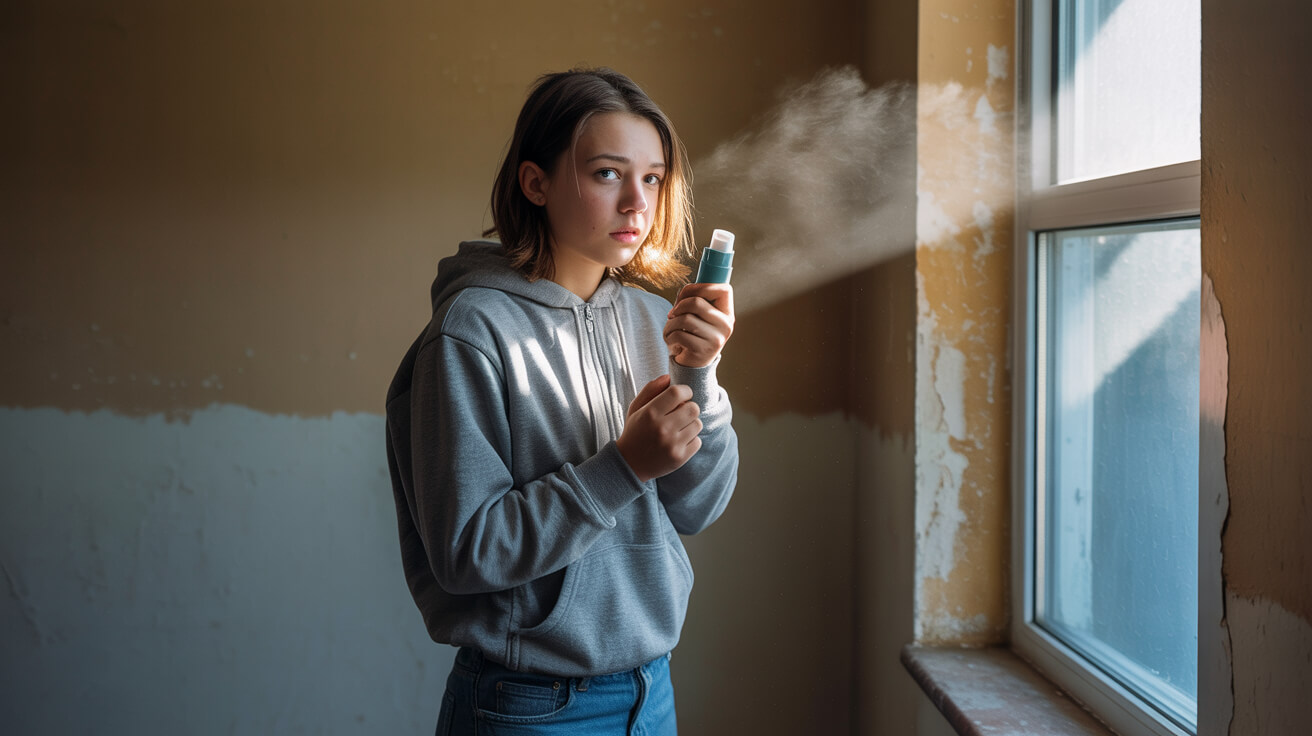
Awaab’s Law, embedded in the 2024 standard, wipes out grey areas in timescales for urgent damp and mould responses. Landlords are now required to demonstrate rapid, accountable response—with the threat of forced intervention visible at every stage (housingnet.co.uk, landlordlawblog.co.uk).
The regulatory timer starts the second a report comes in—and every minute unlogged is a risk.
What are the unbreakable deadlines?
- Emergency reports or those putting vulnerable tenants at risk must trigger documented inspections within 24 hours.
- A remedial plan must be in place inside 48 hours, even if work is ongoing.
- Full repairs must be completed and evidence submitted within five working days.
Failures to respond on time, log every step, or close records can trigger automatic escalation to enforcement or financial penalty.
New Non-Negotiables for Urgent Cases:
- Proof of 24-hour inspection response.
- Full digital log of remedial steps, including interim measures.
- Timestamps for start, progress, and finish of every intervention.
Landlords should train teams to treat timelines as literal—inspectors aren’t swayed by context or apologies.
Will Your Board Survive the New Accountability Test?
The 2024 RSH compliance burden doesn’t stop at property management or repair teams. Directors and board members are held directly responsible for oversight, learning, and sign-off. Ignorance isn’t a defence—visible, real-time evidence must back up annual certifications and all executive reports (local.gov.uk).
When things go wrong, it’s not just the team in the boiler suit explaining why—it’s the names in the boardroom.
Directors need to know the source and status of every damp and mould incident—before any ombudsman or regulatory hearing. Public and private records are now treated as one and the same. Failure to understand or sign off on compliance, or to correct recurring issues, risks being named, fined, or stripped of control.
Board-Grade Requirements in 2024:
- Direct visibility and explanation for every compliance gap—and documented mitigation.
- A system for proof-of-action, not just sign-off—auditors ask for audit trails, explanations, and learning outcomes.
- Board-level evidence for “blind spot” detection and correction—regulator reviews probe how you learn from recurring failures.
If your organisation’s oversight fits on a single slide, or relies solely on statistical roll-ups, it’s vulnerable.
Are Your Inspections, Diagnostics, and Monitoring Legally Robust?
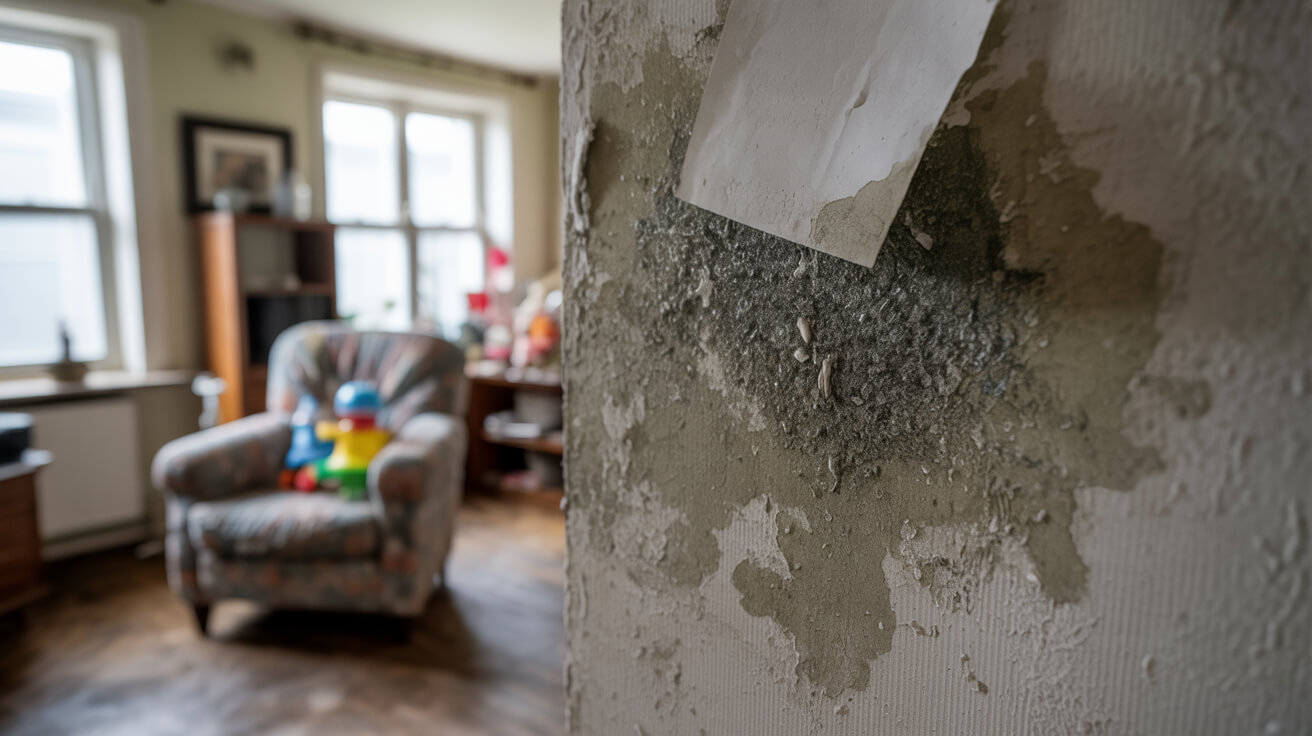
Inspection procedures in the RSH’s eyes have nothing in common with old survey routines. Manual checks alone don’t fly. Only accredited surveyors, equipped with calibrated digital tools—and the evidence chain to match—meet the oversight required by law (trustmark.org.uk).
Sloppy photo evidence or generic templates now count as non-compliance, not mitigation.
The Irreplaceable Inspection and Monitoring Standards:
To meet 2024 obligations, you need:
- Digital (often photographic) evidence attached to every property report and every visit.
- Property-specific remedial planning, never borrowed or copied from other cases.
- Ongoing “life history” of each unit—moisture and ventilation records, warranty/compliance logs, and check-in schedules.
What gets flagged?
- Every case of “over-the-counter” fix, one-size-fits-all solution, or incomplete evidence.
- Lack of ongoing monitoring after a remedial action or the absence of aftercare for high-risk or heritage assets.
- Any inspection without valid, digital diagnostics is at risk of being invalidated by auditors.
Your process should withstand a “follow the evidence” test—right from report to root cause analysis, intervention, and aftercare.
What Real-World Results Does RSH Recognise as Success?
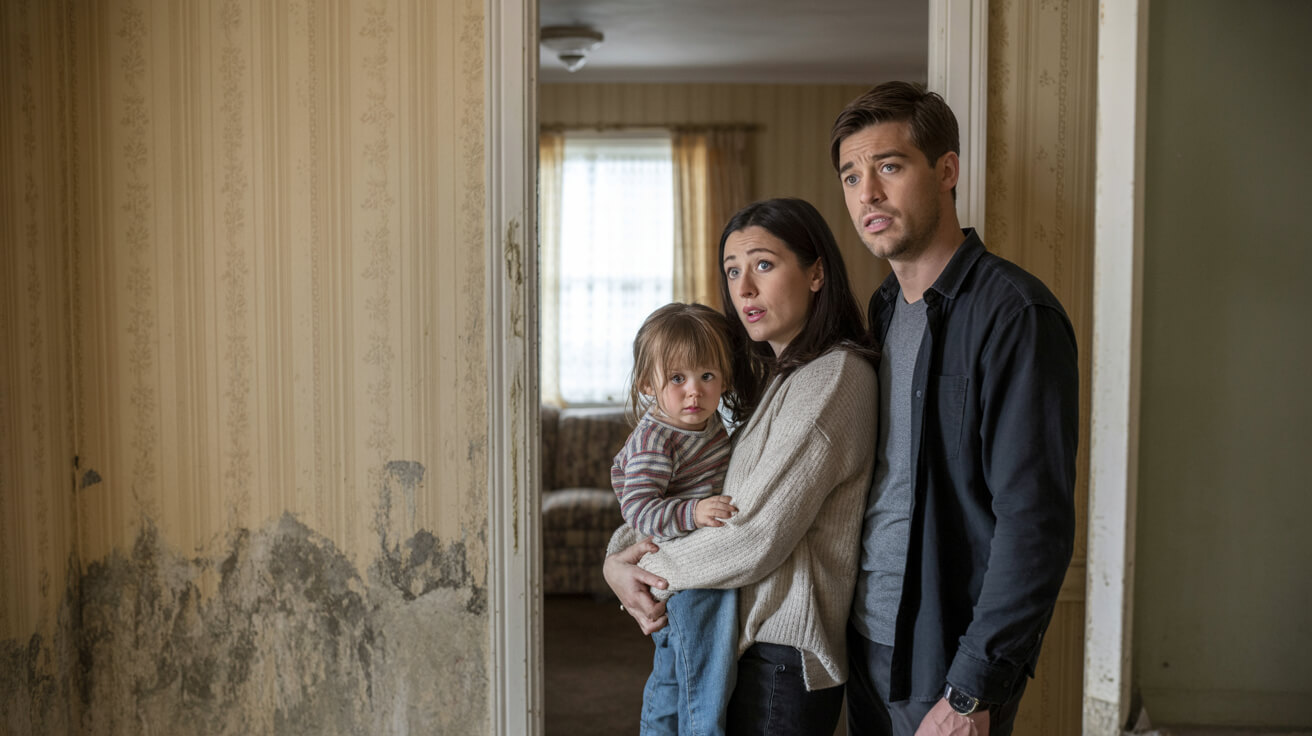
The goal isn’t bureaucracy—the RSH wants proof of safer, healthier homes, higher tenant satisfaction, and asset resilience.
Three domains measure success:
- Health: Reduction in reported mould-related illness, GP visits, and tenant complaints ([publichealthengland.org.uk](https://www.gov.uk/government/news/awaab-s-law-hhsrs-public-health)).
- Asset performance: Higher survey pass rates, less devaluation at resale or refinance, fewer mortgage or insurance “red flags” ([rics.org](https://www.rics.org/consumer-guides/damp-and-mould)).
- Legal and procedural safety: No fines, no public reprimands, fewer ombudsman cases and regulator interventions ([housinglawweek.co.uk](https://www.housinglawweek.co.uk/2024-fines-enforcement-safety-quality/)).
Resilient portfolios and safer tenants aren’t just standards—they’re your strongest selling point to every future auditor and funding source.
Tangible Outcomes That Build Reputation and Resilience
It’s not only about checking boxes:
- Track health indicators for tenants with proper privacy protocols.
- Liaise with GPs, health visitors, and public health units to close the circle from inspection to outcome.
- Use post-intervention, board-level review and tenant feedback to drive continuous improvement.
Robust asset management and proof of care are now standard expectations—reputational resilience and portfolio value rise with every successful resolution.
Secure Full Audit Resilience with Sussex Damp Experts
Frequent repairs, urgent complaints, and digital gaps aren’t just paperwork pains; they’re the trigger for regulator mandates and public scrutiny. Sussex Damp Experts brings proven, board-level audit navigation and technical execution to keep your properties—and your organisation—well ahead of the compliance curve.
Statutory compliance and future-proofed assets—because neglect isn’t just a risk, it’s an administrative handover.
Our approach for social landlords:
- Full-spectrum damp and mould audits, recorded and referenced to the latest RSH evidence standards.
- Board simulation exercises for real-world compliance threat testing—briefings, drills, and digital mock-ups.
- Live diagnostics and legal assessment pathways for vulnerable tenants or flagged high-risk units—no delays or compliance “grey zones”.
- Focused training for property, asset, and strategic teams to avoid surprise inspections and retention risks.
Why Sussex Damp Experts?
- TrustMark and PCA accreditations for robust, inspected, and insurable outcomes.
- Local authority and housing association reference cases—clear improvement in pass rates and tenant satisfaction.
- Expertise in heritage, multi-tenancy, and health-sensitive interventions.
- Rapid deployment and digital reporting—auditors and boards see what’s been done and where resilience is built.
Don’t wait for regulators to write your next move. Audit-proof, safeguard, and future-ready your portfolio with Sussex Damp Experts today—where compliance isn’t just about surviving the next inspection, but building a foundation for trust, value, and years of operational certainty.
Frequently Asked Questions
Why does the 2024 RSH Standard make digital audit trails indispensable—not optional—for social landlords facing damp and mould risk?
Digital audit trails now define whether social landlords actually comply with the new RSH requirements—or merely appear to. Unlike legacy systems, the 2024 Standard expects every damp and mould action to be visible end-to-end: inspection, diagnosis, treatment, tenant comms, aftercare, and outcome—all time-stamped, photo-verified, and non-editable. There’s no compliance shelter in half-measures; paper logs and scattered email threads are now evidence gaps the regulator will notice.
How do audit trails protect you in audits and enforcement?
If a regulator requests evidence, you must instantly retrieve a detailed record for any property: who inspected it, what methods were used, which repairs occurred, with before-and-after proof and tenant signoff. Each gap or delay becomes an assumed breach. Modern compliance platforms tie together photographic proof, digital signatures, and automated reminders so nothing falls through the cracks. The knock-on effect is immediate—fewer missed deadlines, smooth lender queries, and audit-ready files that hold up in court.
In a compliance world where what’s missing is as risky as what’s present, only a live digital record keeps your credibility ahead of the regulator’s questions.
What must every audit trail include for damp and mould?
- Inspection technician, time, method, and result verified by digital photos and readings
- Full repair log with evidence of root-cause correction, not just symptom treatment
- Tenant communications—issue, next steps, resolution—dated and archived
- Follow-up moisture readings, confirmation of dryness, and wellness check for vulnerable tenants
What hidden advantages come with robust digital records?
You gain critical leverage in property valuation and insurance: more lenders and brokers now demand digital repair trails before they sign off. A complete audit chain lets you contest unfounded complaints, show an ombudsman every action, and streamline funding applications with confidence.
What practical steps guarantee RSH-compliant damp and mould inspections—and what separates minimum from market-leading practice?
Tick-box site visits and “visual only” inspections are now a compliance liability. The new gold standard is forensic, tech-led investigation, driven by accredited professionals and systemised for every property type. You’re expected to move from mere observation to full-spectrum diagnosis—using moisture metres, borescopes, salt tests, and when required, thermal imaging to pin down the unseen.
What defines a compliant (and defensible) inspection?
Minimum compliance means annual checks, post-tenant change, or after reported problems, with all notes and photos uploaded to a trackable platform. Leading practice layers in root-cause tracing (not just treating visible symptoms), digital checklists, and tailored plans for each substrate or structure. For example, a Victorian solid wall demands a different survey and repair approach than a new-build or converted apartment. This detailed, logged evidence proves each case is solved at the source—not just patched for audit.
Which inspection procedures reduce risk most for landlords?
- Scheduled digital reporting—so every home’s history is instantly accessible
- Use of accredited experts (PCA/TrustMark) for complex or high-risk properties
- Real-time escalation for unresolved or recurring readings beyond safe thresholds
- Follow-up inspections tied to aftercare windows for at-risk residents
- Tenant comms protocols so every stakeholder knows what’s observed and what happens next
The era of relying on a single walk-through and photos is over—today, only multi-modal diagnostics and logged evidence prove you solved the problem, not just treated a symptom.
How does Awaab’s Law create non-negotiable response clocks—and how does this reshape urgent damp and mould repair for landlords?
Awaab’s Law turns every damp or mould alert into a ticking clock for compliance. The moment a tenant, contractor, or sensor highlights a serious risk—especially black mould or verified health triggers—the countdown isn’t measured in “working weeks” but documented hours. The chain of response is now the first thing regulators check.
What are your new timeframes—and what actually counts as on time?
- Emergencies (visible mould/health risk): Site visit within 24 hours, repair start within 5–10 days maximum (with split deadlines for complex jobs)
- Every deadline logged: The system must show automated reminders, digital task assignment, and evidence of owner oversight—hand-offs are not excuses
- Post-repair signoff: Only tenant confirmation and secondary checks close the file
- Ongoing comms: Written updates for tenants at every step—silence is now audit risk
What are the consequences of missing the clock?
Ombudsmen, local authorities, or the regulator will escalate unresolved cases. Delays or failed logs quickly lead to fines, published sanction reports, and—worst—forced repairs at your cost, plus leadership accountability. There’s no “admin grace period” left.
Every damp alert is now a stopwatch. The leader who acts fastest—and logs every step—turns audit threats into reputational credit.
Smart landlords automate every step
Market leaders use compliance tech: automated home monitoring, live task dashboards for repairs, and regular “mystery audit” spot-checks. The result: missed deadlines become vanishingly rare, and compliance shifts from a defensive scramble to a proven strength.
Why is legal and financial risk now firmly personal for directors and teams under the new RSH rules?
The regulatory culture shift is profound: group blame and committee fog have evaporated. Directors, board members, and senior managers hold direct liability for any sustained gap in compliance or evidence. Financial risk is open-ended—unlimited fines recur per breach, and failed cases can trigger executive replacement, suspended funding, and public governance downgrades with lender implications.
Which failures bring the biggest penalties?
- Systemic or repeated delays: The regulator’s own data set flags repeat breaches—even “good faith” work is discounted if not instantly provable.
- Missing digital records: The default is that “if it’s not logged, it didn’t happen”—verbal updates and separate folders invite maximum sanction.
- Tenant or ombudsman complaints unresolved in deadline: Patterns of late or partial fixes attract the harshest response.
What shields leadership in this new environment?
- Quarterly compliance drills and board-reviewed digital evidence logs
- Staff-wide training so every repair, report, and tenant engagement feeds the same defensible system
- Investment in platforms that provide “one-click” audit readiness and track full resolution of every case
A compliance chain is only as strong as its weakest log. Without live, linked evidence, senior leadership now signs for every risk in the book.
Real-world impact
In 2024, a major regional landlord incurred both £200k fines and six months of enforced leadership change—despite having completed repairs—purely due to missing or late documentation.
How can proactive aftercare and tenant support transform long-term damp risk and reputation for landlords?
Aftercare no longer means pushing a warranty leaflet through a letterbox. You’re expected to supply a full support and feedback system—helping tenants spot concerns early, equipping them to raise issues quickly, and tracking post-repair outcomes as an ongoing property health metric.
What does effective aftercare look like in 2024?
- Automated re-inspection cycles (especially for high-risk or vulnerable tenants)
- Tenant education sessions—at handover or after major works—plus 24/7 symptom reporting options
- Built-in monitoring: moisture sensors, digital reminders, or landlord-led check-ins post-repair
- Documented signoffs: every repair closes only after tenant confirmation and data review
Genuine aftercare flips risk into relationship—a tenant who feels heard and supported becomes the first guard against future compliance threats.
Why invest in tenant engagement?
Beyond legal protection, engaged tenants surface issues sooner (reducing the scale and cost of fixes), lower re-reporting rates, and improve property value in the eyes of lenders or prospective owners. Strong aftercare becomes a reputational asset, not a grudging expense.
Where do Sussex-based landlords, asset managers, and compliance teams most efficiently find RSH-damp regulation expertise and technical support?
Sussex Damp Experts provides end-to-end, audit-ready support—combining forensic assessment, digital compliance integration, and adaptive repair for every type of property. Our team serves social landlords, asset managers, letting agents, surveyors, and property owners wanting to meet (and surpass) the standard—not just tick another compliance box.
What supports set Sussex Damp Experts apart?
- PCA/TrustMark-accredited diagnostics: Every survey and report tailored to property type and risk—no template fixes.
- Interlinked digital evidence chains: Secure platforms, instant retrieval proofs for every audit or compliance check.
- Heritage and adaptation strategies: Expertise with listed, complex, or older buildings—adapting solutions without breaching conservation rules.
- Compliance training for every team: Board-level, staff, and contractor drills to close the weakest link before regulators can find it.
- Audit rescue and turnaround: Numerous live cases rescued in 2023-24—restoring funding, resolving deadlines, and upgrading compliance scores after initial failure.
- Longevity-focused aftercare: Ongoing monitoring, warranty-backed repairs, and practical education for tenants and teams alike
Success with the new RSH regime means every survey, every repair, every communication is audit-ready—Sussex Damp Experts helps you sleep easy at any inspection, knowing each home is as protected on paper as it is under the roof.
From first call to final audit, you ensure your assets are never exposed—demonstrating not just compliance, but leading-practice standards for those who depend on you.

