
 By
By  August 26, 2025

What Rights Do Tenants Actually Have for Damp and Mould-Free Homes in 2024?
Tenants are no longer expected to simply put up with damp, mould or endless promises for repairs that never arrive. In 2024, your right to a home free from damp and mould is enshrined in hard law, not just in hopeful language. The RSH Safety and Quality Standard 2024, updates to the Decent Homes Standard, and the direct power behind Awaab’s Law have moved housing compliance from vague aspiration to a regulated, time-bound requirement. If your home suffers from chronic condensation, creeping mould, or recurring damp, your landlord is required by statute to fix it—quickly and with evidence.
The era of open a window and wait is over; now, your health and your living standards are non-negotiable rights, not a battle of endurance.
Every sleepless night in a musty bedroom, every ignored complaint, and every illness linked to housing conditions is now recognised as a failure of legal duty—not just unfortunate luck. Courts, councils, and regulators will no longer accept delays or lifestyle-blaming. You’re protected by law. Landlords must meet strict inspection, repair, and evidence deadlines—this isn’t theory. Market fines, restrictions, and public register penalties are already being enforced for those who lag behind. 2024 marks an end to leaky excuses and the beginning of enforceable, monitored standards for every tenant.
How Are These Rights Backed by Law and Not Just Policy?
By combining statutory timeframes (Awaab’s Law), mandatory inspection and aftercare (RSH 2024), and clear exposure to fines and market bans (Decent Homes Standard reforms), the system no longer depends on your persistence or a landlord’s priorities. Reports must be acted upon, documented, and evidenced. It’s now a statutory right—not a privilege earned by complaint after complaint.
What Are Landlords Legally Required to Do for Damp and Mould in 2024?
Landlords now face clear legal mandates: you are owed safe, dry living spaces—excuses or “just cosmetic” cover-ups are no longer accepted.
Decoding the 2024 Standards—What Must Landlords Actually Deliver?
- Decent Homes Standard: Every property let must be free from damp, excessive condensation, and visible mould. These are not “minor” issues; in law, each now constitutes a direct health hazard that triggers repair obligations ([Decent Homes Standard, UK Government](https://www.gov.uk/government/consultations/consultation-on-a-reformed-decent-homes-standard-for-social-and-privately-rented-homes/consultation-on-a-reformed-decent-homes-standard-for-social-and-privately-rented-homes?utm_source=openai)).
- RSH Safety and Quality Standard (2024): Landlords must conduct regular, proactive inspections and log repairs—every step is surveyed, evidenced, and tracked for follow-up ([RSH Standard Guidance](https://www.gov.uk/government/news/rsh-sets-out-key-damp-and-mould-findings-for-social-landlords?utm_source=openai)).
- Awaab’s Law: This law hardwires deadlines for landlord action: landlords must inspect within 14 days of your report, complete repairs inside 7 days If a risk to health or vulnerable persons exists, and respond to outright emergencies inside 24 hours ([Social Housing Regulation Act](https://en.wikipedia.org/wiki/Social_Housing_%28Regulation%29_Act_2023?utm_source=openai)).
- Proof and aftercare: Written evidence of diagnosis, compliance to British Standards (BS6576 for rising damp, BS8102 for basements, PAS2035 for retrofits), and documentation of works are mandatory ([TrustMark guidance](https://www.trustmark.org.uk/advice-guidance/damp-and-mould?utm_source=openai)).
Landlords ignoring reports, blaming lifestyle, or offering quick-fix jobs are now risking hard penalties—this is a compliance failure, not a customer service problem.
What Is “Healthy” Housing in Legal Terms?
For 2024, “fit for habitation” means dry, well-ventilated, and mould-free—no exceptions, not even for “old houses.” A lack of visible leaks or “just a bit of condensation” no longer meets the bar. Damp and mould are top-tier hazards under the new Decent Homes Standard. If repairs are delayed, excuses stack up as formal breaches; local authorities and regulatory bodies have a direct path to enforcement and tenant support.
How Can Tenants Actually Get Damp and Mould Fixed in 2024?
Repairs are no longer requests or battles of attrition—they’re procedural, deadline-based demands. Landlords are required to act fast, provide evidence, and keep you informed.
Step-by-Step: Turning Complaints into Action
- Report as soon as signs appear: Whether it’s a musty smell, peeling paint, persistent condensation, or actual mould, notify your landlord in writing right away ([Shelter Repairs Guide](https://england.shelter.org.uk/professional_resources/legal/housing_conditions/responsibility_for_repairs/damp_and_mould_problems?utm_source=openai)).
- Landlords must respond within 14 days: Silence or delays are non-compliant by law.
- Insist on proper inspection and written diagnosis: Accept only reports that reference British Standards—BS6576, BS8102, and PAS2035 are the gold standard.
- Vulnerable tenants are prioritised: If children, elderly, or at-risk persons are involved, repairs must be completed within 7 days—or within 24 hours if there’s a serious health impact ([Edenmay blog](https://edenmay.co.uk/blog/renters-rights-bill-new-rules-on-addressing-mould-explained/41879?utm_source=openai)).
- Request plain-English proof: Demand moisture readings, photos, and reports that specify the root cause and the corrective steps taken—not just vague reassurances or paint touch-ups.
If you’re fobbed off with just ventilate more, reply politely in writing—this now flags a compliance failure that can trigger enforcement.
What If Your Landlord Tries to Delay or Deflect?
Don’t chase with calls—keep everything in writing. Every message is time-stamped proof that you’ve reported the issue, restarted the legal repair clock, and acted in good faith. If landlords still delay, escalation is now a defined, supported process (see Section 5).
How Should Tenants Build a Case and Document Evidence?
Solid documentation is your greatest shield—good records now have legal force and speed up cases.
What Evidence Makes Repairs Happen Faster?
- Record every communication: Keep emails, letters, and even screenshots of texts. Each serves as a timeline trigger for repair deadlines.
- Push for technical specifics: “Damp present” is not enough—ask for detail about causes and compliance with British Standards.
- Capture before/after photos: Get clear images of the problem and any repairs. Landlords are now legally obliged to document works ([PCA survey standards](https://www.property-care.org/technical-guidance/damp-in-buildings/?utm_source=openai)).
- Hold onto all paperwork—even post-move: This can protect your deposit, bolster insurance or mortgage applications, and support any future contest.
- Request proof of aftercare and maintenance checks: A “done” text doesn’t cut it; you’re owed moisturer readings and clear follow-up plans ([TrustMark guidance](https://www.trustmark.org.uk/advice-guidance/damp-and-mould?utm_source=openai)).
Meticulous records aren’t just defensive—they’re often the exact documents that unlock mortgage approvals, insurance payouts, or a swift landlord turnaround.
Top Tip for 2024
Create a single digital folder. Store all correspondence and images so you have a “paper trail,” even years later. This can set apart a resolved claim from a ghosted complaint.
What If Landlords Delay or Ignore Damp and Mould Repairs?
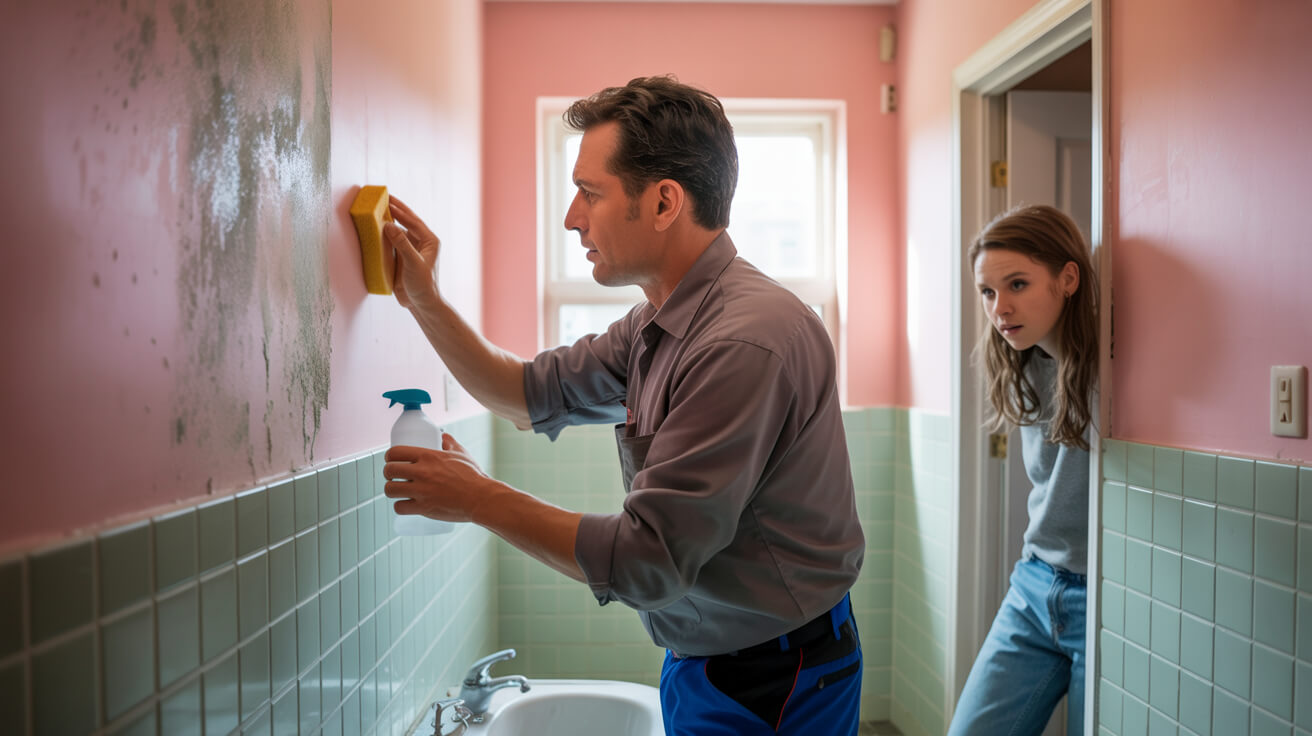
The law is clear: delay or neglect is now actionable non-compliance, not just poor service. Tenants have a mapped escalation path—no one gets left circling voicemails.
The Tenant’s Escalation Toolkit—And Why It Usually Works
- Submit your repair request in writing: Timestamped emails are gold.
- If deadlines are missed or excuses start, contact your local council’s Private Sector Housing Team or Environmental Health Officer. Councils have enforcement powers—fines, repair orders, and (where needed) court action (Housing Ombudsman Case Files).
- Lodge a formal complaint with the Housing Ombudsman if your landlord still won’t act. These ombudsmen have powers of investigation and can impose deadlines, mandate remediation, and secure compensation.
- For health risks, get your GP onside. A single line from a doctor about health effects can escalate your case to statutory urgency, compelling landlords to act within 24 hours (Public Health HSCNI factsheet).
Each missed deadline is a compliance breach. Record them—a paper trail can ramp up enforcement and speed.
How Does This Protect You?
Tenants following the process are backed by council teeth, statutory deadlines, and ombudsman authority. You are no longer alone or trapped in endless cycles of “we’ll get to it.”
Why Is “Quick-Fix” or “Paint-and-Go” Damp Repair Illegal in 2024?
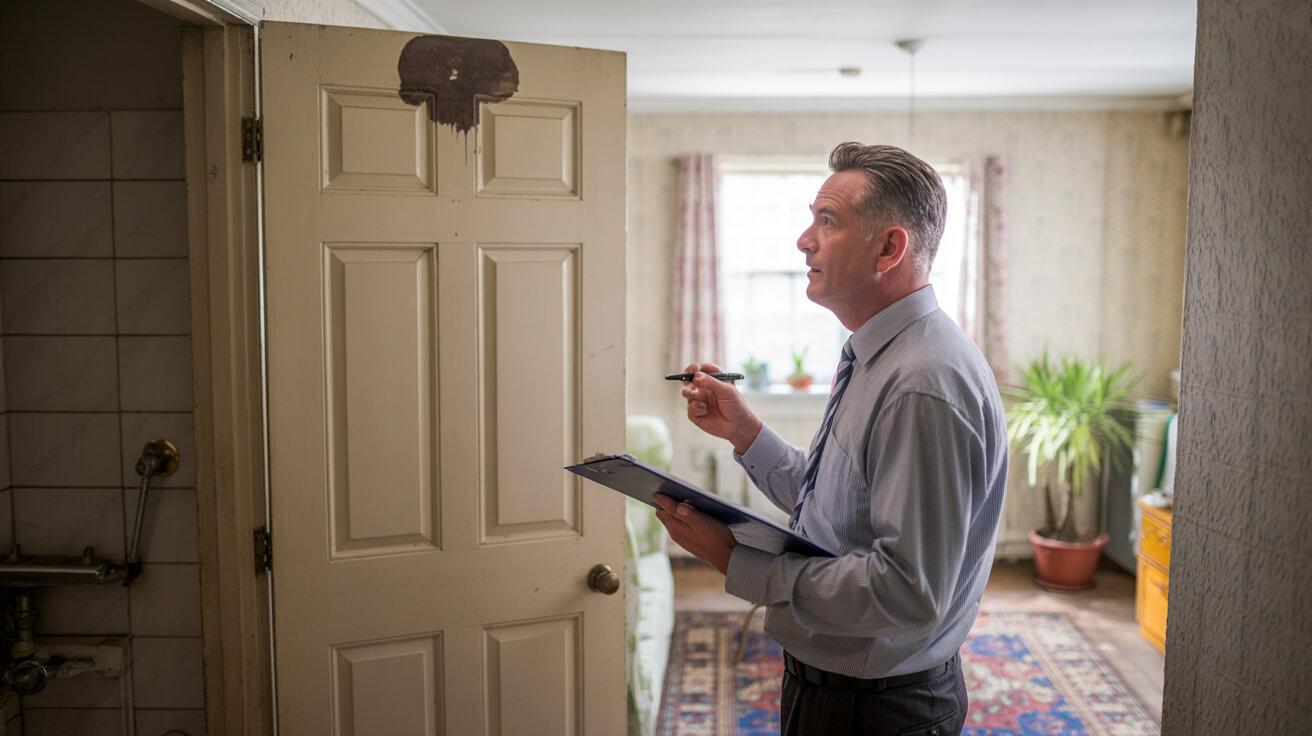
No more cutting corners: superficial repairs, verbal reassurances, or cosmetic cover-ups are banned—evidence-based, technical cures are now the legal norm.
What Must Proper Damp and Mould Remediation Look Like?
- Root cause repairs only: The job must address the source—DPCs fixed, ventilation installed, leaks sealed. Anything less is non-compliant ([Swiftcure, guidance](https://swiftcure.co.uk/damp-proofing-technical/?utm_source=openai)).
- British Standards as requirement, not suggestion: Only work compliant with BS6576, BS8102, PAS2035 passes muster in reports or compliance logs.
- Insist on written and photographic evidence: Moisture readings, before/after photos, and exact repair logs are your right ([PCA survey standards](https://www.property-care.org/technical-guidance/damp-in-buildings/?utm_source=openai)). Any “just paint it” or “advice only” approach is a compliance failure.
- All communication must be in plain English: If a landlord or contractor hides behind jargon or won’t release evidence, this triggers further scrutiny and can escalate quickly ([Sussex Damp Experts: Survey Process](https://sussexdampexperts.com/damp-survey-east-sussex/?utm_source=openai)).
Paint splashed over a musty wall is illegal. You deserve—and can demand—repairs that solve the underlying problem, not just hide it.
What Real-World Costs Do Damp and Mould Cause Tenants—and Landlords?
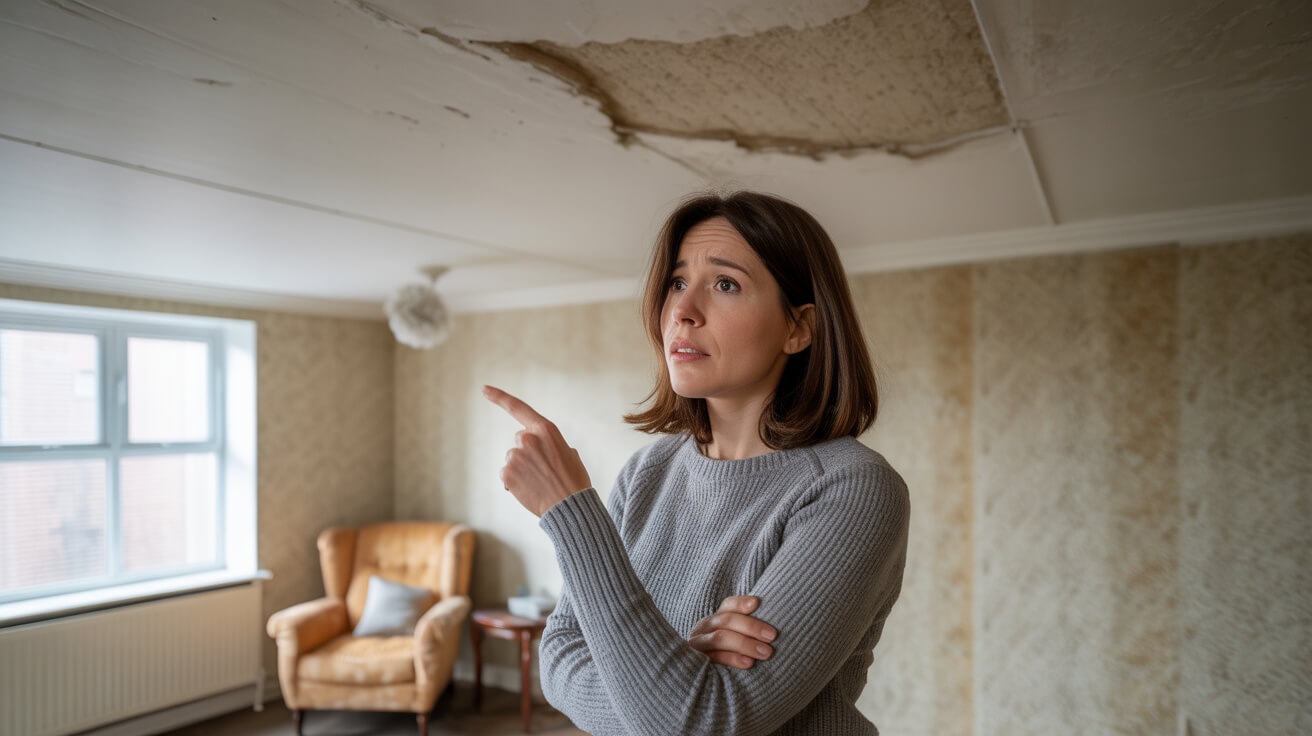
Leaving damp and mould unchecked is far more than an inconvenience. The costs cascade—hitting health, wallet, and long-term property value alike.
Health, Money, and Value: Why Damp is Everyone’s Problem
- Damp and mould fuel asthma, respiratory infections, and can trigger serious conditions in children and vulnerable adults: ([Public Health HSCNI](https://www.publichealth.hscni.net/publications/damp-condensation-and-mould-factsheet?utm_source=openai)).
- Financial risk is real: Mortgage lenders increasingly require evidence of compliance or may block sales and raise premiums ([PropertySurveying.co.uk](https://www.propertysurveying.co.uk/newsletter/?p=13729&utm_source=openai)).
- Property value drops when surveyors flag untreated damp: Just one unresolved case can halt sales, sink value, or trigger repair clauses.
- Landlord penalties escalate: Public registers, heavy fines, and loss of rental licences are now standard for repeated violations or cover-ups.
Damp is a silent value-killer—each month left untreated quietly drains health, finances, and reputation for both tenants and property owners.
Why Proper Repairs are Cheaper than Delay
While properly fixing damp or mould might seem costly upfront, the price of delay—health, compliance, and lost value—quickly dwarfs it. In 2024, prompt action is the only strategy that makes long-term sense for all parties.
Who Can Help Tenants Solve Damp and Mould Disputes? Practical Support and Evidence-Quality Surveys
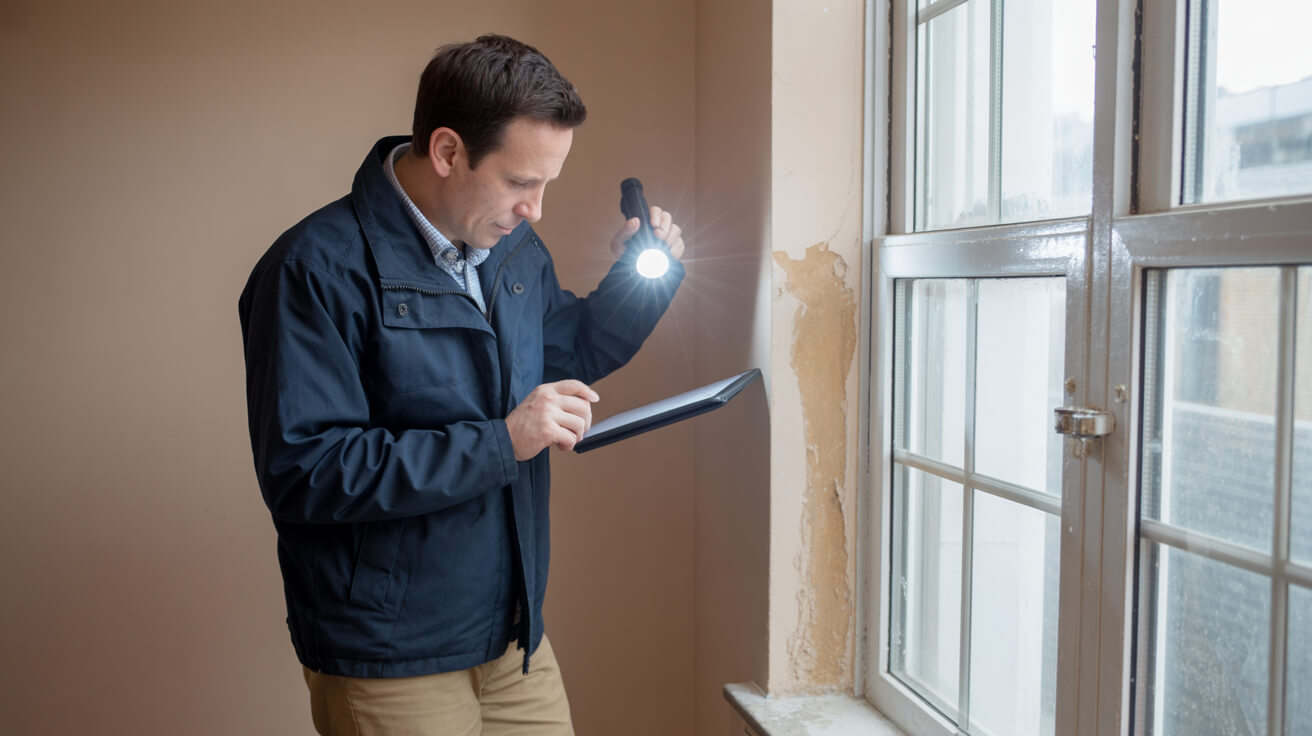
You are not expected to navigate the system alone. Legal, regulatory, and professional specialist support is available and often free or low-cost.
Building Your Network—and Your Evidence Case
- Statutory support: Both social and private tenants can escalate through local authority housing teams, the Housing Ombudsman, or Citizens Advice—all required by law to assist ([Local.gov.uk, Tenant Rights](https://www.local.gov.uk/publications/council-housing-focus-damp-and-mould?utm_source=openai)).
- Template letters and forms: Shelter and Citizens Advice offer downloadable templates you can adapt and send, speeding up every stage ([Shelter, Complaint Support](https://england.shelter.org.uk/housing_advice/repairs/complain_to_your_landlord?utm_source=openai)).
- Survey-grade documentation: When disputes get technical or evidence must stand in court or to lender/insurer review, specialist accredited inspections provide the proof. Sussex Damp Experts delivers PCA-accredited, independent surveys referencing British Standards, with specialist photo and moisture log evidence ([SDE About](https://sussexdampexperts.com/about/?utm_source=openai)).
- Layering support wins: Each avenue supplements the others—councils can enforce, ombudsmen can redress and fine, evidence-grade surveys break deadlocks.
Disputes with paperwork, photos, and expert diagnosis are resolved faster. The weight of professional evidence turns he said, she said into action.
What Does “Full Compliance” Look Like for Landlords—And What Should Tenants Demand?
Full compliance is not a moving target. Landlords who meet the new standards enjoy protection, and tenants with solid demands and clear proof get faster satisfaction. The checklist below shows what both sides should insist on for a truly safe, dry, and compliant home.
| Compliance Area | Landlord’s Legal Duty | What You Should Demand |
|---|---|---|
| Proactive Inspections | Records of damp checks, dated inspections | Ask for all inspection reports |
| Remediation Evidence | PCA/BS-compliant repairs, before/after documentation | Get images and clear logs |
| Communication | Timetabled steps, plain-language documentation | Keep every email, verify deadlines |
| Aftercare | Moisture readings, future-safe checks | Get actual data, not just promises |
| Escalation | Enable council/ombudsman contact for non-compliance | Act quickly if progress stalls |
A single lost document, ambiguous “all fine” message, or lack of compliance certificate can trigger enforcement. Demand specificity, not stories.
In 2024, what actually gets results isn’t clever wording, but clear checklists, visual logs, and evidence you can point to.
SDE’s Insider Guidance: Making Your Rights Work for You in 2024
Hard-won experience from the ground floor:
- Document all symptoms and actions, no matter how minor: .
- Only accept British Standard references and proper diagnosis from PCA-accredited surveyors: ; generic “builder’s opinion” is no longer enough.
- Photo records seal the deal: ; visual proof wins disputes and protects you with lenders or insurers.
- Don’t hesitate to escalate if delays persist: —council teams, ombudsmen, and accredited specialists now have the legal framework and tools to resolve it.
The strongest tenants in 2024 are those who work to the process, ask for evidence, and use the escalation ladder—not the loudest or most aggressive.
Contact Sussex Damp Experts for Evidence-Quality Damp Surveys
You do not have to settle for slow, vague, or incomplete repairs—your home deserves lasting protection, and your legal position deserves evidence that stands up under real scrutiny.
Sussex Damp Experts provides PCA-accredited, British Standard-referenced surveys tailored for tenant needs—arming you with authoritative documentation, clear reporting, and fast, action-ready support that council officers, ombudsmen, mortgage lenders, and insurers will respect on first review.
Get ahead of damp, close every open loop, and safeguard your tenancy and finances—start with a compliant survey from Sussex Damp Experts today. Request a compliant damp inspection now.
Frequently Asked Questions
What rights and remedies do tenants have under 2024 damp and mould regulations that were unavailable just a few years ago?
Today, tenants in England are empowered by new regulations that go far beyond older complaint-based laws—granting you hard rights to prevention, rapid remedy, and full documentation if your home develops damp or mould. The Regulator of Social Housing’s Safety and Quality Standard and Awaab’s Law have cemented written timetables and removed a landlord’s discretion to brush off damp as mere “tenant lifestyle.” Now, you’re not at the mercy of goodwill or vague promises: you have the legal right to regular inspections, root-cause repairs, and full British Standard (BS6576/BS8102) compliance regardless of property age.
How has the legal landscape changed for tenants?
- Landlords must now act before complaints escalate—waiting for “enough evidence” is no longer acceptable.
- Every repair, inspection, and delay is recorded and can be used in your defence.
- Local authorities and Environmental Health must intervene quickly when evidence is provided, not stall for landlord explanations.
- Delays, quick fixes, and excuses are now grounds for fines, forced repairs, and even listing landlords on non-compliance registers.
For the first time, a clear calendar—and your written evidence—puts the power back with tenants, not landlords.
What if the landlord blames property age or claims damp is ‘normal’?
- Excuses tied to “old Victorian walls” or lack of modernity no longer hold water—forensic moisture readings and standards overrule subjective opinion.
- Registered surveyors, especially PCA-accredited professionals, provide evidence that can secure enforcement and win disputes—Sussex Damp Experts’ surveys are widely accepted.
Which technical evidence carries the most weight for repair or legal disputes over damp in 2024?
The strongest leverage in resolving damp or mould is an unbroken audit trail: date-stamped photographs, health symptom logs, GP notes, and—most crucial—third-party surveyor reports using calibrated instruments like moisture metres or thermal cameras. Courts, insurers, and ombudsmen now expect before/after readings documented in writing, and statutory guidance recognises the gold standard: PCA-accredited, British Standards-referenced surveys.
What sets ‘legal-grade’ evidence apart?
- Surveys must include moisture gradient maps, salt analysis, and visible photographic documentation—simply sending a photo of mould isn’t enough.
- All communications with your landlord should be written and dated; even digital texts are valid.
- For insurance, mortgage, or council escalation, full surveyor reports (with BS6576 or PAS2035 citations) fast-track outcomes.
A photo is useful, but a certified survey is decisive—official evidence cuts through delay and doubt.
Which small mistakes can erode tenant leverage?
- Letting weeks pass between incidents and reporting—timely logs build the case.
- Accepting only cosmetic repairs without post-fix moisture readings or surveyor sign-off.
When must landlords act on damp reports, and what penalties do they risk for missing new 2024 deadlines?
Legal deadlines now set strict, short windows for landlords—14 days for inspection, 48 hours for a written diagnosis and plan, 7 days for repairs (24 hours for emergencies), with the chain of evidence running from the very first complaint. If landlords miss these, tenants gain further enforcement rights, including the ability to alert the local council for direct intervention and have non-compliance registered against the property.
How does missing a deadline alter tenant options?
- Every day a landlord misses a statutory deadline, your case for council or ombudsman action gets stronger.
- Tenants can demand written evidence of inspection and repair—failure to produce it is a compliance breach.
- Enforcement bodies are now obliged to fast-track cases if health vulnerabilities are at stake, including homes with children or older tenants.
| Repair Stage | Maximum Deadline | Your Power |
|---|---|---|
| Inspection | 14 days | Demand full report |
| Diagnosis/Plan | 48 hours post-inspect | Insist on details |
| Standard Repair | 7 days post-plan | Right to repairs |
| Emergency Repair | 24 hours (if health) | Priority handling |
Once you know the timeline, missed deadlines become your tool for speeding up real repairs.
Do these rules apply for homes of every type and tenure?
- Yes—private, social, new, historic, and converted properties all fall under these response times. Your evidence and calendar are equally valid everywhere.
What are proven tactics for tenants when landlords dodge, delay, or patch over damp and mould problems?
Start by escalating—but escalate with sharp documentation and clear legal references. Send a final summary letter listing every missed deadline, referencing British Standard compliance (BS6576/BS8102), and explicitly requesting a qualified survey. If ignored, go straight to Environmental Health at your local council—provide your evidence log and all missed dates. For repeated failures or unhealthy living conditions, submit your case to the Housing Ombudsman or independent redress scheme. A survey from Sussex Damp Experts or another PCA-accredited pro will often break the deadlock for mortgage, legal, or insurance outcomes.
What mistakes do tenants often make under pressure?
- Accepting phone “reassurances” without follow-up in writing.
- Waiting for the landlord to “circle back” instead of moving to enforcement after deadlines pass.
- Allowing superficial repairs or neglecting to request before/after photos and readings.
When a landlord’s answers evaporate, your record of missed deadlines and expert reports is the lever that opens doors.
Which actions speed up investigation and compliance?
- Demand every report, photo, and moisture reading in writing.
- File your escalation with all supporting evidence attached.
- If health is impacted, supplement with a GP’s note; these fast-track council responses.
How can you verify a damp or mould repair was completed to full technical and legal compliance—not just cosmetically disguised?
A compliant repair always stands up to outside scrutiny and doesn’t rely on paint, bleach, or lifestyle advice. Insist on a written scope of works that specifies British Standards used, a full moisture profile before and after, and photo evidence at every stage. Confirm the contractor is PCA-accredited and query the materials—BS6576 or BS8102-grade DPCs, tanking slurries, membranes. Afterwards, ask for the updated aftercare schedule and warranty documentation; the finest operators, like Sussex Damp Experts, hand over every piece as standard, arming you for any future inspection.
What exposes repairs that don’t meet today’s bar?
- No surveyor sign-off or British Standard reference in paperwork.
- No photographic or moisture metre evidence.
- Damp returns within months—showing the root cause was never addressed.
- Guarantees or aftercare contacts are missing.
If the paperwork’s thinner than your paint, you can guarantee the repair isn’t finished.
What if your landlord refuses full documentation?
- Request an independent inspection from a recognised expert—courts and insurers privilege this evidence.
- Alert authorities with your full log; absence of technical proof is itself a compliance breach.
Which professional and community resources make the biggest difference in rapid, successful damp dispute resolution in 2024?
In 2024, well-prepared tenants and property managers have access to a wider arsenal: robust template libraries at Shelter and Citizens Advice, stepwise escalation chains at Ombudsman, and council powers that are now obliged to respond swiftly when residents provide well-organised proof. The best leverage in dispute: a professional survey from PCA-accredited experts like Sussex Damp Experts—not just trusted but expected by mortgage lenders, letting agents, and local authorities.
Which support services turn disputes into action?
- Download legal templates and escalation checklists from official advice groups.
- Lodge complaints with council Environmental Health—fines and orders carry real weight.
- For complex, ongoing, or multi-property cases, use the Housing Ombudsman’s enhanced triage.
- For every inspection or repair, maintain and back up your timeline, evidence log, and health notes.
- Book trusted surveyors—these reports often unlock insurance and mortgage blocks immediately.
No one can ignore organised evidence—a proper paper trail gives you and your property the power to move quickly and decisively.
When is it essential to seek specialist help?
- If your evidence file keeps growing and no repair is forthcoming.
- When repairs repeatedly fail—or the landlord refuses to be transparent.
- For any step involving insurance, mortgage, or legal escalation, let an expert report do the heavy lifting.
The strongest move isn’t just reporting a problem—it’s building a well-documented case, demanding the right standards, and insisting on gold-standard evidence. Secure your safe, compliant property today by booking a professional survey with Sussex Damp Experts—where rigorous proof and true resolution meet.

