
 By
By  August 26, 2025


Why Damp and Mould Risk Assessment Isn’t Optional—It’s Your Legal Shield and Financial Lifeline
Damp and mould don’t just stain the wallpaper—they slip through the bones of your business and your legal defences, often before anyone smells trouble. In today’s regulatory climate, with the Health and Safety at Work etc Act 1974 as your baseline, the old habit of patching over blemishes carries steep new stakes. If you’re responsible for staff, tenants, clients, or site visitors, skipping a formal damp and mould risk assessment is like leaving the front door open and hoping no one notices.
Every missed drip today is a hazard, a claim, or a council notice tomorrow.
The risk isn’t just a spot on the wall—it’s a live wire for fines, claims, business shutdowns, and chronic health problems. Regulations, insurers, and residents now demand more than a mop and hope; they want proof you understand the hidden lifecycle of moisture. Authorities don’t just check boxes—they scrutinise the why, what, and how of your assessments. Without airtight records and clear actions, you court disruption, reputational pain, and lasting financial loss.
A proper risk assessment for damp and mould is more than legal cover. It is your evidence of control, a signal to staff and clients that you’ll tackle concealed dangers—not gamble with anyone’s safety, health, or trust. That’s why forward-thinking companies in Sussex call in certified experts to put their legal and financial future on solid ground right from the start.
What Does the Health and Safety at Work etc Act 1974 Actually Demand From Employers on Damp and Mould?

The Health and Safety at Work etc Act 1974 doesn’t dance around damp. Section 2 pins direct responsibility on you, the employer, to “ensure, so far as is reasonably practicable, the health, safety and welfare at work” of your teams (legislation.gov.uk). It means more than patching a leak after complaints roll in.
Your legal duties under the Act:
- Identify hazards—damp, condensation, mould, leaks, or obvious risk factors like cold spots or trickling pipes.
- Act early—regularly review your buildings, keeping notes on even minor issues that might trigger future claims or health complaints.
- Log findings—inspection records, photos, and remedial actions must be written, time-stamped, and assigned to responsible staff.
- Control exposures—The Control of Substances Hazardous to Health (COSHH) regulations extend to biological risks like mould spores, so you must address them as seriously as chemical threats ([HSE guidance](https://www.hse.gov.uk/risk/controlling-risks.htm)).
With no proper assessment, the burden flips—you’ll have to prove a case of illness wasn’t your fault.
What does this look like in practice? You need a living record: reviews don’t sit on a clipboard or wait for an annual drizzle. They are a live document, updated at every sign of water, change in use, building work, or tenant report. Fail to do this, and your defences are little more than damp paper.
How Do Damp and Mould Actually Threaten Employee Health—and What Symptoms Should Trigger Concern?
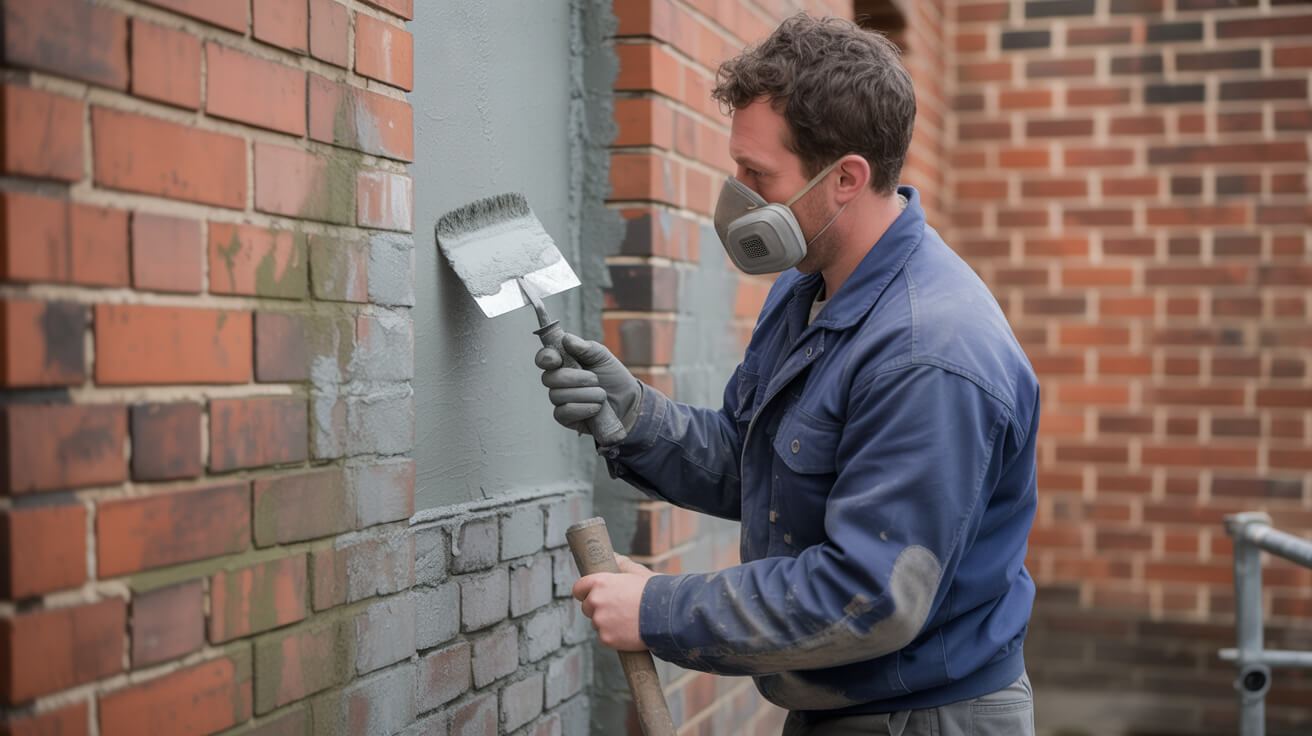
Behind every black patch and musty whiff is a statistical jump in sickness, absenteeism, and, sometimes, career-ending legal claims. Mould, when inhaled, invades more than your walls—it attacks lungs, immune systems, and well-being. Damp working conditions have a direct impact on the rates of asthma, allergies, recurrent colds, sinus issues, and even general fatigue (British Occupational Hygiene Society).
People get ill in buildings that “look sound”—often with symptoms that start small:
- Allergies or asthma flare-ups at work but not at home
- Repeated coughs, sinus congestion, sore throats, or irritated eyes, especially clustered in certain rooms
- Mysterious rashes or skin irritation that no doctor pins down
- Persistent headaches, brain fog, or drowsiness tied to time on site
- Living or working near visible patches of mould—on skirting, window sashes, behind cupboards, or anywhere ventilation is poor
A Sussex Chamber of Commerce study found damp-linked illnesses highest among employees stationed near “moisture hotspots” (sussexdamp.co.uk). These aren’t theoretical risks: they’re daily, compounding, and routinely missed until after legal claims land or sickness records flag “bad building syndrome.”
Health complaints rarely make a splash—they seep in, week by week, until silence turns to legal action.
A thorough damp and mould risk assessment surfaces these issues long before they dent morale or lead to absences. Spotting problems upstream is the only way to keep both your people and your business healthy.
What Does a Compliant Damp and Mould Risk Assessment Really Look Like in Practice?

A compliant risk assessment isn’t a tick-box walk. It’s a living, technical process, tailored to your property’s quirks, its mix of people, and the ways moisture might take root. Sussex Damp Experts train on the standards—BS 6576, BS 8102, COSHH—to deliver risk controls that hold up in audits and court. Here’s what separates a real assessment from a quick glance:
The Steps That Matter:
- Pinpoint every damp hazard: —This means checking “invisible” areas, shifting furniture, probing window reveals, opening storerooms, and paying attention to odours—especially in basements, lofts, and bathrooms.
- Map “at-risk” groups: —Cleaners, remote workers, vulnerable staff, night shifts, contractors, visitors. The aim? Don’t just name possible victims—factor in changing staff, flexible desk policies, or unusual hours.
- Severity & likelihood scoring: —Every spot of damp is rated not just by size, but by threat: Is it chronic, linked to a known leak, likely to worsen, or sited where someone regularly works or sits?
- Document, visualise, and store: —Photos, moisture readings, logs, and signed reports proving action (and next steps) are all mandatory.
- Set update triggers: —If you repair a roof, change the heating system, or even get a staff complaint, your risk assessment updates—immediately.
A clipboard survey without evidence is just hope. When you need it, missing proof is missing defence.
What tools set experts apart? Sussex Damp Experts use moisture metres, thermal imaging, and salt tests, ensuring issues are found while there’s still time for a cost-effective fix (property-care.org). It’s not just “survey and forget”—it’s engineering out future pain.
What Are the Most Common Mistakes That Leave Businesses Exposed?

Legal risks mount not just when systems fail—but when the right checks are missed or paperwork slips. Fallen through the cracks, companies lose not because of malicious neglect, but because hazards hid in plain sight.
Typical, high-risk mistakes:
- Focusing only on surface mould while ignoring hidden damp in structural cavities, insulation, voids, or under carpets
- Skipping reassessment after leaks, floods, HVAC changes, or even redecoration (fire doors, window changes, and wall removal can all trigger fresh damp risks)
- Missing or incomplete logs—no photo evidence, unsigned reports, or lack of assigned accountability
These aren’t just admin sloppiness—they’re legal tripwires. Regulators and insurers need to see “continuous control” backed by an audit-grade paper trail.
Most regulatory failures come from overlooked causes, not malice—what you didn’t see still costs you.
To protect your business, treat every check, reading, and signature as if it’s about to be shown in court. Smart owners set reminders, train staff to notice warning signs, and review at least every 12 months—even sooner after major building events.
What Damp and Mould Controls Actually Work—And What Just Looks Good on Paper?
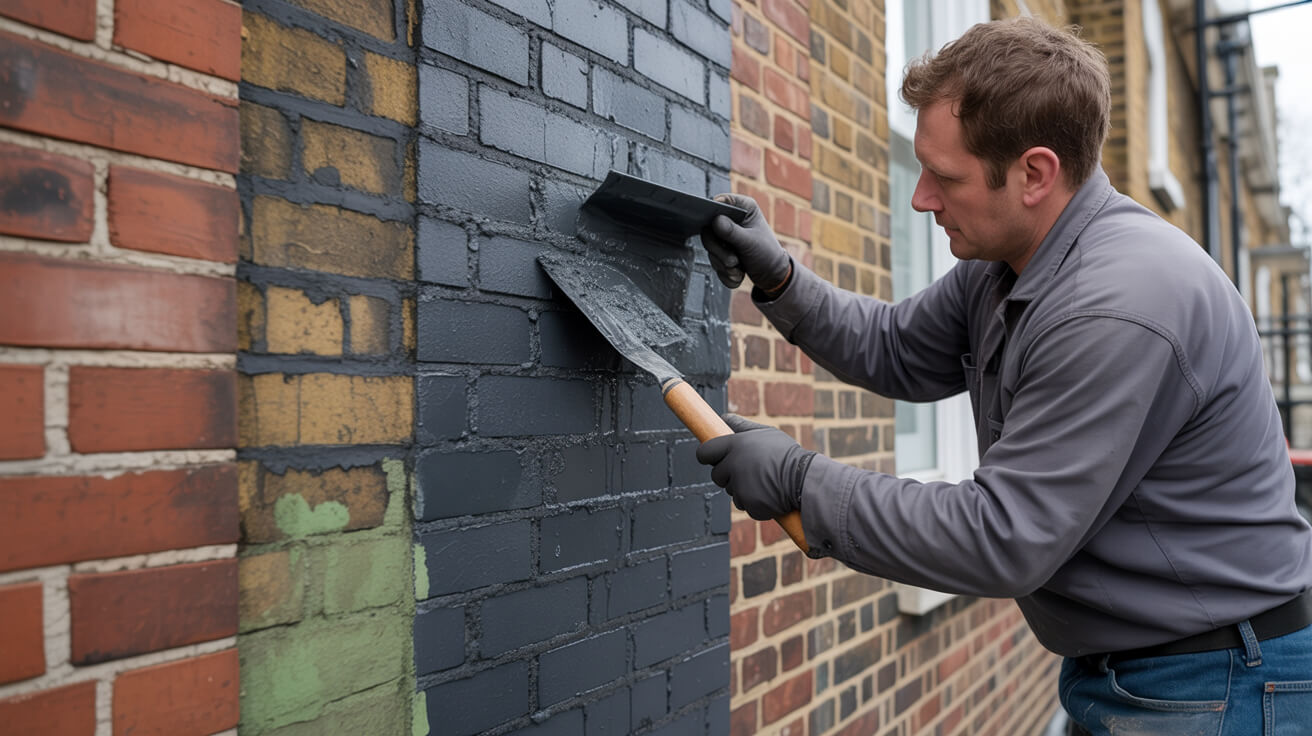
True damp and mould control doesn’t start or end with a new coat of paint. Regulators spot the difference between a surface-level fix and a root-cause solution straight away. Anything less than a full diagnosis and definitive repair signals you’re running on borrowed time.
Controls that work—because they solve origins, not symptoms:
- Fix rainwater goods—gutters, downpipes, and flashings must be cleared, refixed, or replaced if compromised.
- Upgrade or service mechanical ventilation—kitchen and bathroom fans, heat recovery units, trickle vents; poor airflow is a stoker of trouble.
- Use warranty-backed solutions—tanking slurries (BS 8102-tested), cavity drainage, or chemical DPC systems with guarantees and certification.
- Build in draughts, not just responses—routine inspections, logging, and training ensure the solution lives longer than any one manager or tenant.
Band-aid repairs breed chronic risk, while root cures keep inspectors and insurance on your side.
Sussex Damp Experts insist on systems that insurers and mortgage lenders accept. That means photos of the repair, logs of the fix date, sign-off by a competent person, and updates to your compliance record—each vital for keeping cover and contracts.
Why Continuous Monitoring and Documentation Are Non-Negotiable in Legal Compliance

If it’s not written down, you haven’t done it. This isn’t just regulatory myth—UK law demands you prove not just that risks were “considered” but that you can display action, updates, and monitoring, all the way back to the root cause. This stands whether the enquiry comes from the council, the Health and Safety Executive, an insurance adjustor, or a tenant’s solicitor.
Essentials for airtight monitoring:
- Regular, scheduled checks (monthly, quarterly, or in response to seasonal triggers like winter rains) logged with date, time, and observer
- Photos and clear action points—blurry snaps and vague notes get dissected in disputes
- Accessible, secure logs—guarded against accidental erasure, ready if a claim or audit hits
- Early warning systems—staff trained to report watermarks, smells, sticky windows, or unexplained condensation
The mould patch keeps its own record, whether you do or not.
The legal and business impact? Companies that treat documentation as just bureaucracy panic when evidence is needed. Those who “over-document” sail through audits and defend well in court—protecting both brands and bottom lines.
What Are the Business Consequences and Penalties for Getting Risk Assessment Wrong?

The cost of skipping or muddling a damp and mould risk assessment is never just another form to file. Regulatory muscle now carries heavy penalties—not limited to fines but including insurance denial, lost contracts, contractor disqualification, site closure, and even criminal liability if staff become seriously ill due to your negligence.
A recent 2022 case saw a UK firm fined £400,000 when staff illnesses were linked beyond doubt to ignored mould (news.sky.com). This wasn’t an isolated horror: regulatory and legal actions are rising as councils, whistleblowers, and media step up scrutiny.
- Improvement notices: Time-limited, can freeze business operations until compliance is proven
- Hefty fines: Range from £20,000 to six figures, rarely covered by standard insurance if non-compliance is proven
- Site closures: Official hazard notices can bar trading until issues are resolved and certified
- Direct reputational loss: Once named online or in local press, winning contracts—or staff confidence—grows harder by the week
The real business loss isn’t always the fine—it’s contracts and trust that evaporate after the headlines.
Investing in a professional, up-to-date risk assessment isn’t just a compliance strategy. It’s what allows you to trade, retain talent, and avoid crises that spill over far beyond the repair bill.
Secure a Legally-Ready Damp and Mould Risk Assessment with Sussex Damp Experts Today
You can’t gamble compliance—or your business—on a DIY guess or an outdated survey. Sussex Damp Experts deliver risk assessments designed for today’s legal and insurance scrutiny, not yesterday’s “good enough.” Our team holds PCA and TrustMark certification, combining trade mastery and legal fluency to deliver reports that stand up everywhere from risk committees to civil courts.
- Immediate phone triage for new leaks, health complaints, or urgent lending needs—no waiting, no “call-back corridors”
- Forensic site surveys, including diagnostic imaging and comprehensive logs—auditor ready, insurer proof
- Follow-up support: from remediation guidance to documentation for lenders, insurers, and local authorities, including maintenance schedules and aftercare
Compliance isn’t luck. With Sussex Damp Experts, you secure your business, staff, and reputation—all in one step.
Give your property, team, and business a future-proof legal shield—one that makes unchecked risk a thing of the past. Book your assessment today with Sussex Damp Experts. Secure your compliance, protect your people, and keep the business running—no guesswork, no gaps, no wasted time.
Frequently Asked Questions
What triggers legal responsibility for workplace damp and mould—does it matter if you own, lease, or manage the property?
Damp and mould compliance in UK workplaces is tied to control, not just legal ownership; whoever manages operations, staff safety, or site access is held accountable under health and safety law.
Regulations such as the Health and Safety at Work etc Act 1974, COSHH 2002, and the Workplace (Health, Safety & Welfare) Regulations 1992 anchor this responsibility—you’re the one the Health and Safety Executive knocks on the door for if evidence, logs, or risk control are lacking. For leased or managed premises, daily monitoring, documentation, and rapid action on hazards rest on the employer or controlling business, regardless of landlord duties around structural repairs. If your team, customers, or contractors use the space, you hold the compliance torch; shared spaces or multiple tenancies create a risk-sharing scenario, but “I thought the agent handled it” never washes with regulators.
You may outsource the cleaning, but you can’t outsource the legal buck when leaks or mould appear.
How do roles and contracts affect liability?
- Employer/tenant: Responsible for daily monitoring, reporting, and documentation—must escalate hazards immediately.
- Landlord/managing agent: Handles structure and persistent defects, but only after notification—legal trouble begins with slow fixes or ignored reports.
- Joint occupancy/multi-tenant: Everyone shares liability—scrutinise written agreements for clarity and regularly update roles.
Explicit written responsibilities and documented evidence are your only defence in the event of an HSE investigation or staff complaint. Dive into our main guide for legal architecture and enforcement nuances: What does the Health and Safety at Work etc Act 1974 actually demand from employers on damp and mould?
How is a watertight risk assessment for workplace damp and mould actually built?
A credible risk assessment isn’t a yearly routine or a tick-box—it’s a living audit trail built on precise inspections, calibrated tools, evidence-led findings, and clear follow-ups.
Begin with a systematic survey of all moisture-prone areas—basements, plant rooms, external walls, historic additions—using moisture metres and thermal imaging where patchy readings occur. List everyone in harm’s way: employees, cleaners, visitors, subcontractors. Each hazard, from cold spots to visible mould or persistent stains, receives a risk severity and likelihood ranking. Photograph and timestamp findings; record metre serial numbers; log who performed each inspection. Every remediation step—ventilation tweaks, external repairs, insulation upgrades—is paired directly with a documented hazard, and owners of those steps are named for accountability. Best practice means responding to events, not just following a calendar—flood, reported illness, redecoration, or staff complaint all reset the assessment cycle.
A dated photograph and a logged metre reading slam shut 90% of enforcement arguments before they start.
Blueprint for reliable risk assessments:
- Document each check: who, what, where, when, supported by evidence and action logs.
- Combine physical and technical surveys—thermal, humidity, salt testing.
- Schedule immediate reassessments after leaks, refurbishments, or notices from staff/inspectors.
- For complex portfolios or listed sites, independent PCA-accredited surveys offer unshakeable backup.
A breakdown of templates, checklists, and advanced inspection tools is available in Compliant Damp and Mould Risk Assessment in Practice.
What’s the real downstream cost of missing or fudging workplace damp and mould compliance?
A missed or “soft” risk assessment doesn’t just invite fines—it can multiply business risk, erode insurance cover, and sink reputations with a speed most underestimate.
UK regulators and insurers expect evidence chains: dated inspections, photographic logs, repair proof, and staff training records. Fail to produce them and penalties can start at £20,000 for small firms, but climb far higher—directors may face civil claims or even prosecution after staff sickness or public complaints. High-profile audits now routinely trigger loss of contracts, public shaming in the local press, and blacklisting from preferred supplier lists. Insurance claims for damp or mould triggers are denied instantly if “inadequate risk evidence” or unclear responsibility is found; directors and property managers have been named in lawsuits for “wilful neglect” of water ingress and related hazards.
When your paperwork slips, enforcement and lost business follow as fast as black mould after a flood.
Why airtight compliance records matter:
- Insurers can refuse payouts for property or health claims if assessment gaps appear.
- Social media magnifies reputational fallout from staff illness or remediation delays.
- Missed reviews or lost logs mean you fight any enforcement order shorthanded.
Unpack major penalty scenarios and learn defence tactics in Business risks, penalties, and how to bounce back.
Which legal codes and technical standards actually set the bar for workplace damp and mould control?
Your legal foundation for compliance wraps around three main UK pillars:
- HSWA 1974: – Requires “suitable and sufficient” risk assessments for workspaces and tasks.
- COSHH 2002: – Defines mould spores (and damp-attracted bacteria) as hazardous, so employers must assess, control, and train accordingly.
- Workplace (Health, Safety & Welfare) Regulations 1992: – Compels employers to guarantee dry, well-maintained, habitable working conditions.
Layer in key technical references:
- BS 6576 & BS 8102: These set the gold standard for diagnosing, treating, and managing damp in above- and below-ground contexts.
- PAS 2035: (and TrustMark): Frameworks for retrofit and upgrade best practice.
- HHSRS: Applies if you manage worker accommodation—mandatory inspection/repair on any sign of mould.
Every log, repair, and staff notification should map back to a regulation or standard. If referenced in your documentation, it must be actively managed and auditable, not just named.
Pass every drift from checklist to loophole through one simple test—could you show a regulator, right now, exactly what you did and why it fits a known rule?
Compliance checklist for your site:
- Every risk action and mitigation directly linked to a recognised act or standard.
- Keep logs of building works, water events, and maintenance tied to specific risk controls.
- For high-stakes or heritage buildings, pair all diagnostic and remedial strategies with PCA or equivalent accreditation.
See the full breakdown of code-driven compliance in Legal frameworks and technical standards decoded.
When should workplace damp and mould risk assessments be updated to stay fully legal and audit-ready?
Annual risk assessments are the minimum legal pulse—yet events, not just the calendar, drive compliance in real-life scenarios.
A recent leak, sudden spike in condensation, building works, or even a staff sick note should all prompt an immediate new survey—waiting for an annual slot is a classic compliance pitfall. Many top employers embed digital logs, QR-code reporting, and shared oversight with landlords or facility managers to enable rapid response and cross-team evidence trails. Missed a critical incident or failed to re-inspect after a complaint? Any “out-of-date” assessment is a liability, regardless of its proximity to the last annual review.
The right risk assessment isn’t always the most recent—it’s the one that directly references the last thing that went wrong.
How do leading teams keep compliance current?
- Blend scheduled (annual) with trigger-based (event, complaint, illness) assessments.
- Use cloud logs to link maintenance, inspections, and remedial action, making them accessible to every responsible agent.
- Mandate follow-up reviews after every documented water/mould event or significant building change.
For more on creating a responsive, audit-proof system, consult Continuous monitoring and documentation for legal compliance.
Which specific tools, records, and tactics make a regulator-proof workplace damp and mould audit?
Regulator-proofing your compliance folder means evidence, clarity, and insurance-ready logs—no “gappy” files or missing dates.
Essential documentation includes:
- Dated photo logs: Time-stamped, geolocated images of every risk, remediation, and aftercare event.
- Calibration logs: Each moisture metre, humidity logger, and camera should be traceable—random metre readings rarely stand up alone.
- Action records: Detailed logs showing not just what was done, but by whom, using which materials and methods.
- Training documentation: Ongoing records of briefings, retraining, and hazard communications, constantly updated.
- Complaint and absentee records: A clear trail showing every staff report, symptom, or illness that’s been linked to damp issues—and what steps you took next.
- Shared or cloud-based storage: Ensures that agents, staff, and landlords can quickly validate who did what, when, in the event of a dispute.
You are as audit-proof as your documentation is bulletproof—logs should reveal not just the ‘what’ but the ‘why,’ from salt stains to maintenance contracts.
Advanced strategies for compliance confidence:
- Deploy networked data-loggers, humidity/temperature sensors, and specialist salt detection for granular site evidence.
- Commission independent, PCA-accredited site surveys for high-stakes or multi-role buildings—proof for insurers and peace of mind for everyone.
- Share all live data across responsible parties to close compliance gaps before they widen.
For deeper reference on records and survey tactics, explore Expert guide to top-tier workplace damp and mould compliance.
If your reputation, workforce safety, and business continuity matter, trust your audit trail to Sussex Damp Experts. Our forensic damp and mould surveys combine legal precision, technical mastery, and regulator-ready documentation—so you’re ready for any question, every time.

