
 By
By  August 26, 2025


What Are Your Legal Responsibilities When a Damp and Mould Inspection Is Requested Under the Building Safety Act 2022?
Damp and mould in your property aren’t just surface problems—they’re issues with deep legal roots and sometimes harsh real-world consequences. With the Building Safety Act 2022, both landlords and residents in England are under stricter obligations to address building health risks quickly and transparently. For residents, that means you’re not just a bystander: if you’re asked to cooperate with a damp or mould inspection and you ignore or delay, you risk blocked repairs, housing standard failures, and—in severe cases—your right to remain in the property itself.
The worst thing you can do with a leak is keep the door closed—problems thrive in the dark, and so do enforcement notices.
You’re entitled to enjoy peace and privacy in your home, but when your landlord, letting agent, or housing association issues a proper request for access, the obligation to cooperate is written into law. Stalling, ignoring, or outright refusing inspection requests doesn’t just block necessary repairs; it can endanger your health, risk legal action, and could even lead to eviction or increased costs if a small problem grows out of sight.
Why Access Requests Happen—and Why They’re Enforced
Whether you’re a tenant, shared owner, leaseholder, or resident in social housing, your property’s safety standards are tracked against national benchmarks. If your home is flagged for possible damp or mould, action must be prompt—not just for cosmetics, but because the Building Safety Act 2022 and related laws now treat failure to address these hazards as a risk to health and tenancy status.
- Ignored requests can mean rising repair bills and stricter scrutiny.:
- Repeated blocks may trigger formal enforcement, fines, or court-ordered ‘forced entry’ in rare—worst-case—scenarios.:
- Delaying cooperation can hurt your standing with landlords, future letting agents, mortgage lenders, and even insurers.:
You’re not powerless—but you are included—when it comes to inspecting and resolving damp.
Key Legal Duties You Hold Under the Building Safety Act 2022
- Respond in writing to inspection requests: —ignoring or ghosting a formal request may be treated as a refusal and escalate your risk.
- Allow reasonable access at agreed times: (except for emergencies).
- Keep lines of communication open—document every step.:
As the legal framework hardens, your engagement protects your rights, property condition, and finances.
How Does the Law Balance Resident Privacy With the Duty to Cooperate?

Your right to privacy in your home is protected by law, but it’s balanced by landlords’ statutory duties to inspect, repair, and maintain building safety. UK legislation, including the Building Safety Act 2022, ensures this equilibrium by crystallising what’s reasonable and what’s overreach.
Landlords and agents must:
- Provide at least 24 hours’ written notice: for non-emergency inspections (Citizens Advice, “Repairs in rented housing”).
- Schedule visits during daylight hours: —usually 8 am to 8 pm on weekdays, unless you agree to something else in writing.
- Clearly state the reason for entry: —for example, “damp and mould check” or “repair survey”.
- Display proper identification: before entering your home.
If there’s a genuine emergency—such as a major leak, flooding, or rapidly spreading mould threatening the building’s structure or resident health—landlords can access the property more quickly, but must still document their reasons and explain them to you promptly.
You keep control. If the access request doesn’t meet formal requirements, you’re within your rights to refuse or to request a reschedule. Once lawful notice is served, though, ongoing obstruction puts you at risk of breaching your tenancy, and could expose you to legal action.
What Protects Your Privacy During Inspections?
- Unannounced or unscheduled access is never permitted unless it’s a genuine emergency.:
- You can require inspection appointments in writing—electronic communication counts.:
- If someone attempts entry without proper notice or identification, refuse access and report the attempt.:
Respect goes both ways: you get peace at home, but you’re also expected to help keep that home safe.
What Counts as Genuine “Cooperation” With a Damp and Mould Inspection Request?

Cooperation under the law isn’t passive or one-sided—it’s about active, practical steps that help both you and the property get accurate, timely solutions.
- Respond to all written inspection requests: as soon as possible. If the proposed time doesn’t work—due to work, illness, or caring duties—reply, propose alternatives, and keep a copy.
- Clear access routes and affected areas.: Move items or furniture away from suspected damp patches; ensure cellars, lofts, and outbuildings are unlocked if these are part of the inspection zone.
- Ventilate rooms where safe and possible.: Fresh air can help the inspector and ensure accurate readings.
- Keep a record: of every notice, response, and report regarding the inspection.
When repairs or inspections need proof, your best ally is a paper trail—not a memory built on ‘he said, she said’.
Refusing or unduly delaying access—unless there’s a valid reason you can document—can be seen as obstructing repairs. That could mean fines, penalties, or even proceedings that threaten your continued occupancy.
What Not To Do
- Don’t ignore communications: —silence is often treated in law as implicit refusal.
- Don’t leave keys with neighbours or “grant permission verbally”: —ensure all arrangements are in writing.
- Don’t block or delay for personal convenience alone: —propose a valid alternative if you truly can’t make the appointment.
A little practical preparation shields you from far bigger consequences later.
What Will ‘Awaab’s Law’ and New Social Housing Rules Mean For Access and Timelines?

‘Awaab’s Law’ is set to change how quickly and strictly damp and mould complaints are handled—especially in social housing, but the ripple effects reach private landlords and managing agents as well. From October 2025, the Social Housing Regulation Act 2023 will introduce new compulsory response timelines, digital audit trails, and stronger tenant protections:
- Deadlines are set—no more open-ended delays.: Landlords must inspect a reported damp or mould hazard in days, and complete repairs within weeks (Social Housing Regulation Act 2023).
- Everything is logged and auditable.: Every access request, message, visit, and response is digitally recorded—a missed reply, or multiple ignored appointments, is now official evidence.
- No retaliation allowed.: Landlords and letting agents are strictly barred from punishing or evicting you for reporting issues or cooperating with inspections (Citizens Advice, “Retaliatory Eviction in Rented Housing”).
Once every message and visit is on the record, silence or delay isn’t harmless—it’s a risk you can see on your own timeline.
If you do not cooperate—without clear, valid reason—landlords and officials can escalate enforcement with warning notices, fines, or even action that threatens your right to remain. What’s recorded counts more than what’s said.
Are Tenants, Leaseholders, and Shared Owners Treated Differently When It Comes To Inspection Access?

The Building Safety Act 2022 and supporting regulations distinguish between tenants, leaseholders, shared owners, and licence holders, but the core expectations are much the same:
- Tenants: receive access notices directly from landlords or letting agents. Always file copies—even if sent via text or by a managing organisation rather than the property owner.
- Leaseholders/shared owners: could see inspection requests from freeholders, managing agents, or communal property companies—so paperwork can be more complex. Get every notice in writing, and confirm each party’s authority to request entry.
- All residents must independently verify visitors’ credentials: —request ID, check the names and roles against correspondence, and never hand over keys without proper documentation.
Where paperwork is clear, disputes rarely stick. When everything blurs, you’re more likely to lose out.
Failing to cooperate—whether by missing appointments, refusing written requests, or making verbal arrangements alone—can cause cascading problems: repayment delays, lost deposits, denied insurance claims, and strain with both landlords and councils.
How Can You Prepare for—and Reduce Disruption From—Damp and Mould Inspections?

A methodical approach before the survey makes a massive difference. With a little practical preparation, you can lower stress, cut visit time, and protect yourself against misunderstandings:
- Double-check the identity and credentials: of anyone requesting or performing the inspection—call your landlord or property manager if unsure.
- Clear personal belongings from affected areas: before the visit (not as the surveyor arrives).
- Try to be present: for the inspection if feasible—it halves the chance of confusion and guarantees you know what’s been accessed.
- Expect courtesy and accountability.: Surveyors must explain their findings and leave your property tidy—any failure to do so can and should be reported.
- Ask for a written survey report or next-steps communication: for your records—essential for insurance or future disputes.
Preparation turns a stressful visit into an informed one—it’s the best way to keep both your property and your nerves intact.
If survey teams cut corners or act unprofessionally, document everything and escalate to your landlord and, if needed, relevant authorities or tenant support organisations. You are not required to tolerate unsafe, invasive, or informal behaviour.
What Are the Real Risks of Refusing or Ignoring Access Requests for Damp and Mould Inspections?

It’s tempting to dodge an inconvenient or poorly timed request, but the risks of ignoring valid, lawful inspection appointments are significant:
- Repairs get blocked or slowed.: Unchecked damp moves quickly—waiting allows often-irreversible property damage and rising costs.
- Formal enforcement often escalates.: Landlords and agents start by serving warning letters, but repeat refusals can trigger legal “notice to cure” breaches, court-ordered access, or even forced entry in rare cases.
- Insurance, deposits, and future housing could be affected.: Providers require evidence that you allowed timely inspections or reported damp—a failure here may see claims declined or deductions from your deposit.
- Your rental or ownership record can carry consequences.: Digital audit trails mean multiple blocks, refusals, or missed appointments can be seen by future landlords, letting agents, or housing officials.
Acting early, transparently, and in writing makes the problem smaller, not bigger.
Why Do People Refuse or Delay—and What’s the Trap?
- “I need more notice,” “I’m at work,” or “I’m worried about privacy”: are all valid, as long as you respond and propose solutions in writing.
- What’s risky is *ignoring requests*, or accepting “verbal assurances” that never make it to paper.
The practical penalty for silence is lost repairs, mounting risk, and a reputation that will follow you for years.
How Can You Assert Your Rights—But Also Keep Progress Moving?
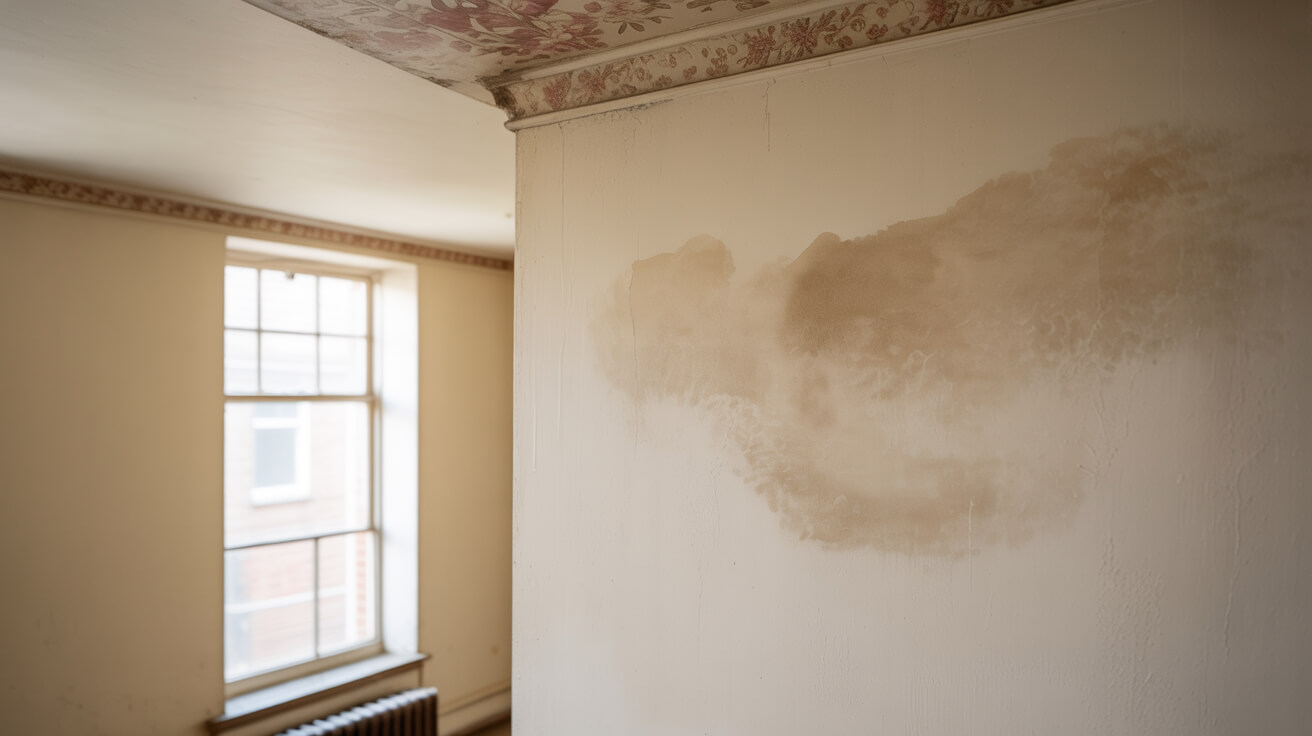
Protecting your home and your legal standing doesn’t mean being passive or saying yes to everything. Some habits keep you secure without slowing progress:
- Always request and check identification: for any visitor.
- Stand by minimum notice: —unless there’s a true emergency.
- Keep a record of all correspondence: , appointments, and inspection outcomes.
- Flag any access challenges: (health, absence, vulnerable occupants) proactively to your landlord or agent.
- Don’t be afraid to question processes: , or request a second surveyor’s opinion.
- Call out and document heavy-handed or rushed tactics.: Raise concerns with tenant bodies or local councils if needed.
Transparent communication and records clear the fog—silence only lets risk multiply.
You remain in control—good landlords and surveyors recognise your questions and caution as proof that you’re looking after your rights, your home, and your health.
Sussex Damp Experts: Your Partner for Clear, Compliant, Hassle-Free Inspections
A safe and dry home isn’t left to chance—it takes methodical inspection, honest communication, and practical fixes that stand up in courts and in real life. Sussex Damp Experts approaches each inspection with British Standard clarity, legal fluency, and client respect—so you never face confusion or pressure during an already stressful process.
- Appointments are arranged on your time, not ours—no surprise visits or rushed entry.:
- Survey reports use plain, BS 6576/BS 8102-compliant language—so you can spot what matters before any decision.:
- Our team provides process and legal guidance from first message through to final aftercare.:
- Every action is engineered for lasting repair, warranty confidence, and insurance compatibility.:
- If you face disputes, confusion, or process snags, our support is confidential, measured, and ready for any legal scrutiny.:
Every home dried, every dispute prevented—just practical, transparent support that stands up in court and in real life.
Don’t let anxiety, silence, or unclear obligations threaten your comfort, home, or legal footing. When you want certainty, compliance, and repairs that last, Sussex Damp Experts is your answers. Stay in control—request an inspection or guidance before risk becomes reality.
Frequently Asked Questions
Who holds the legal and practical duty to enable access for damp and mould inspections—and when does it apply?
If you live, own, or manage property in a building at shared risk of damp or mould, legal duty lands firmly at your door the moment proper notice is served. Whether you’re a private tenant, leaseholder, resident landlord, shared owner, or even an owner-occupier in Sussex with communal responsibilities, the obligation to provide access is anchored by the Building Safety Act 2022 and property compliance standards like BS 6576 and BS 8102. This duty spans the whole lifecycle—routine checks, urgent hazard response, or post-repair monitoring—and triggers when formal written notice specifies the reason, named inspector, and minimum 24-hour access window (except in emergencies where immediate risk exists). Ignoring or delaying not only risks penalty and dispute but can jeopardise the wider structural health and compliance standing of your entire block or property portfolio.
Which property types are within scope, and when can exceptions arise?
- All rented residential flats, social or council tenancies, managed leaseholds, and freehold homes in shared buildings.
- Owner-occupied units in blocks, if the inspection relates to shared walls, roofs, or systems.
- Commercial properties—access standards are stricter, often requiring immediate compliance, especially in blocks with employee or public areas.
- Pure owner-occupied houses typically outside legal reach, unless a safety complaint or environmental law comes into play.
To confirm your own responsibility, always check your tenancy, lease or block deeds—but don’t wait for formal disagreement to surface; missed access deadlines create lasting issues with repair, insurance, or resale.
What does “reasonable cooperation” look like for a damp or mould property inspection?
Reasonable cooperation is active, not silent: open the door, clear access to problem zones, confirm the appointment promptly, and keep communication open. Law and best practice expect you to move heavy furniture that blocks walls, unlock all relevant rooms, and ensure inspectors aren’t forced to play detective around your personal life. If work, medical needs, or care responsibilities make a slot impossible, state this early—in writing—and offer the next-best window. You’re entitled to check ID, request a plain-English summary of the survey scope, and retain any photographic or written reports. Document everything: from your reply to initial notice, through to final sign-off. No-showing, repeated last-minute cancellations, “whitewashing” (e.g. wiping visible mould or blocking airflow before the visit), or simply ignoring requests all break the definition of “reasonable”—and these records may decide the outcome in any dispute.
Practical checklist: cooperation, not conflict
- Respond within 24 hours: of access notice, even to request a different time.
- Prepare the inspection area: move items, open windows if safe, and document your efforts.
- Request credentials: —PCA and TrustMark ID are industry standards.
- Keep a log: —write down all communications, with times and dates.
When you create a paper trail before inspection, you create real protection—both against avoidable disputes and expensive surprises down the line.
Why does safety law override privacy if you’re nervous about inspector access?
Safety takes priority because mould and moisture ignore legal boundaries—and missing the early warning signals can quietly turn a preventable issue into a hazard for everyone in the block. Unchecked damp undermines plaster, wood, brick, and insulation; it spawns black mould and can stir up chronic illnesses, especially in the very young or elderly. Even if you’re meticulous, your actions affect neighbours sharing party walls, risers, or services. In Sussex, courts and regulators always weigh safety above “quiet enjoyment,” but you’re still guaranteed respect. You can limit an inspector’s movements to relevant rooms, insist on seeing credentials, and keep loved ones or support in place for vulnerable residents. If access is rushed or feels unsafe, you are within your rights to request a reschedule or to add a witness. Law and standard practice both urge inspectors to minimise impact—Sussex Damp Experts always agree a time, restrict survey to agreed zones, and provide same-day explanations and reports to avoid uncertainty.
Balancing dignity and duty: managing fears
- State personal boundaries early—written requests for privacy, chaperones, or alternative times must be respected in all but true emergencies.
- Never be afraid to ask questions about tools or survey methods.
- Don’t allow “inspector drift”—limit access to what is genuinely needed for diagnosis.
Protection for your health and property value is built on respect—clear boundaries, documented entry, and a mutual aim to restore rather than intrude.
What are the real consequences if you delay or block access after lawful notice?
Refusal—deliberate or repeated—can cost you far more than temporary privacy. For tenants, leaseholders, and landlords, every rental or block contract includes express clauses demanding reasonable access for urgent repairs or hazard surveys. Neglecting these opens you up to breach warnings, rent or deposit retention, legal injunctions that force entry, or (for landlords/managers) sudden escalation to regulatory investigation. Repeated blockages shape your record as a “risk” tenant or owner, flagging you to agents and future lenders. Insurance becomes precarious—most providers enshrine “failure to mitigate” clauses, meaning blocked access can void claims if damage worsens. Even owner-occupiers sharing freehold risk legal action if their refusal delays repair to communal structures.
Specific penalties for lack of cooperation
- Notice of withdrawal of repair support or deposit deduction for tenants and leaseholders.
- Court orders or fines for landlords failing to act on issued warnings.
- Injunctions for forced access (costs usually paid by the obstructing party).
- Delays in mortgage approvals, or rift with building management on sale or sublet.
- Negative references and data trails that limit your future property options.
How do Sussex Damp Experts design and deliver low-stress, fair inspections that protect your interests?
A well-run inspection is respectful, precise, and leaves your home—and rights—intact. You’ll receive a formal notification with inspector’s details, purpose, and time slot set by mutual agreement. On arrival, Sussex Damp Experts provide clear photo ID and keep all equipment tidy, only accessing the rooms flagged in advance. Moisture mapping is pinpointed, not random; if urgent risks are spotted, you’re given a plain-language explanation and practical choices—not threats or pressure. Reports follow in English, within 24 hours, with all technical jargon translated for your use in warranty or insurance claims. Should you face access conflicts (medical, work, safeguarding needs), a new time or alternative process is promptly arranged. Reports and images are your property—always available for challenge, second opinions, or legal review. No evidence is edited; transparency is the default.
What unique support protects you during tricky inspections?
- Sussex Damp Experts give you a named point of contact, so you’re never left chasing “the office.”
- Chaperones or witnesses are welcome if you need reassurance.
- You control the record: all reports, photos, and findings are delivered for your use—not just for management or surveys.
When can you legally delay or say no to a damp or mould survey in your building?
You can ask for a different time or pause an access request, provided you respond quickly, with genuine reasons, in writing. Valid grounds include lack of minimum 24-hour notice for non-urgent checks, unclear purpose or missing inspector details, medical or emergency family needs, or unsafe arrival windows. The key is offering a prompt new slot or remedy—never blind stalling, ghosting, or persistent cancellation. Law and best practice view “unreasonable” refusal as several ignored requests, repeated sudden cancellations for “convenience,” attempts to hide or alter problem areas, or silence after multiple warnings. To truly protect your standing, always:
- State your reason in written form.
- Suggest an alternative slot in your reply.
- Retain all correspondence for future reference.
Habitual refusal classifies you as obstructive—opening the door for legal, financial, or even security action against your interests.
How will “Awaab’s Law” (October 2025) transform the legal standing of damp and mould inspection access?
With Awaab’s Law coming into force in 2025, the margin for delay vanishes for social landlords and their residents: each complaint triggers mandatory action. Written inspection must happen within 14 days, repairs within agreed timelines, and every stage—whether completed, refused, or delayed—creates a digital trace monitored by the Housing Ombudsman. Landlords can no longer shift blame for non-access without a written, detailed log. Tenants who repeatedly refuse access will lose protection, risking accelerated legal moves. For everyone—landlords, residents, managers—this spells faster evidence chains, less wriggle-room, and a race to keep documentation water-tight. Sussex Damp Experts stand ready for stricter compliance: digital notifications, evidence logs, and block-specific advice mean your rights and risks are clearly mapped before each visit or report.
A closed door in the age of Awaab’s Law is more than a lock—it’s a trigger for formal review, rapid penalties, and the loss of quiet control over what happens next.
Curious how your legal standing or safety compliance changes under new law? Get practical, site-specific advice and a jargon-free logic map from Sussex Damp Experts—with every visit geared to keep your building legal, safe, and low-stress for every stakeholder.

