
 By
By  August 26, 2025


What Made Awaab’s Law a Turning Point in Global Damp Regulation?
Tragedy has a way of forcing clarity, and Awaab’s Law in the UK drew a hard line where property maintenance used to hide behind excuses and endless paperwork. Previously, it was common for landlords and authorities to dismiss complaints about damp and mould as routine—or worse, as someone else’s fault. After Awaab’s death, that changed overnight. Suddenly, the world wasn’t just talking about problems, but about precise, legally mandated response times, real health consequences if those times were missed, and the importance of Choosing A Damp specialist with the right credentials.
Delay is no longer a matter for debate. It’s become a breach with real teeth—on record, for all to see.
Awaab’s Law stipulates that every single report of damp or mould in UK social housing must be investigated within 14 days, with tenants updated in 48 hours, and any urgent hazard fixed within 7 days (‘category 1 hazards’). Failure to meet these requirements converts what used to be process-driven inertia into actionable legal breach, putting landlords under direct threat of court, council intervention, and public accountability (gov.uk).
The psychological effect is profound: property health is now inseparable from tenant health. For the first time, damp control isn’t about “showing concern”—it’s about meeting non-negotiable deadlines and proving it. The impact radiates further than council blocks: mortgage providers, letting agents, and building professionals are all recalibrating risk and responsibility in light of these standards.
How Do UK Damp Deadlines Stack Up Against Other Countries?

In practical terms, the UK now operates under one of the toughest compliance clocks in the world. Many countries talk about defending tenants against housing hazards—but few name the days, hours, or penalties as precisely as the UK. Each stage is explicit: investigate within 14 days, communicate in 48 hours, fix urgent risks in 7 days (gov.uk).
A report of damp now can set off a council-led enforcement tomorrow—a timeline measured in days, not months.
By contrast:
- Germany: DIN 4108 institutes strong construction moisture standards, but tenants themselves must prove their complaint and push repairs through a legal slog lasting months ([din.de](https://www.din.de/en?utm_source=openai)).
- Netherlands: Local enforcement varies city by city, meaning some tenants get immediate action, while others see little at all ([gov.nl](https://www.government.nl/topics/housing/safe-housing?utm_source=openai)).
- Australia: Recognises damp and mould, yet deadlines are left to state governments. “Prompt action” is more ideal than reality ([abcb.gov.au](https://www.abcb.gov.au/building-codes-australia?utm_source=openai)).
- USA: In New York City, specific repairs must be finished within 30 days, but most of the US still leaves timelines undefined, banking on the elusive “reasonable” period ([nyc.gov](https://www.nyc.gov/site/hpd/services-and-information/maintenance-of-buildings.page?utm_source=openai)).
This marks a serious change in power: UK landlords and management firms face prompt legal pressure to both start and finish their repairs. Meanwhile, insurance and mortgage requirements now follow suit—no fix, no loan, no tenancy.
Are Countries Closing the Health Gap or Leaving Loopholes?
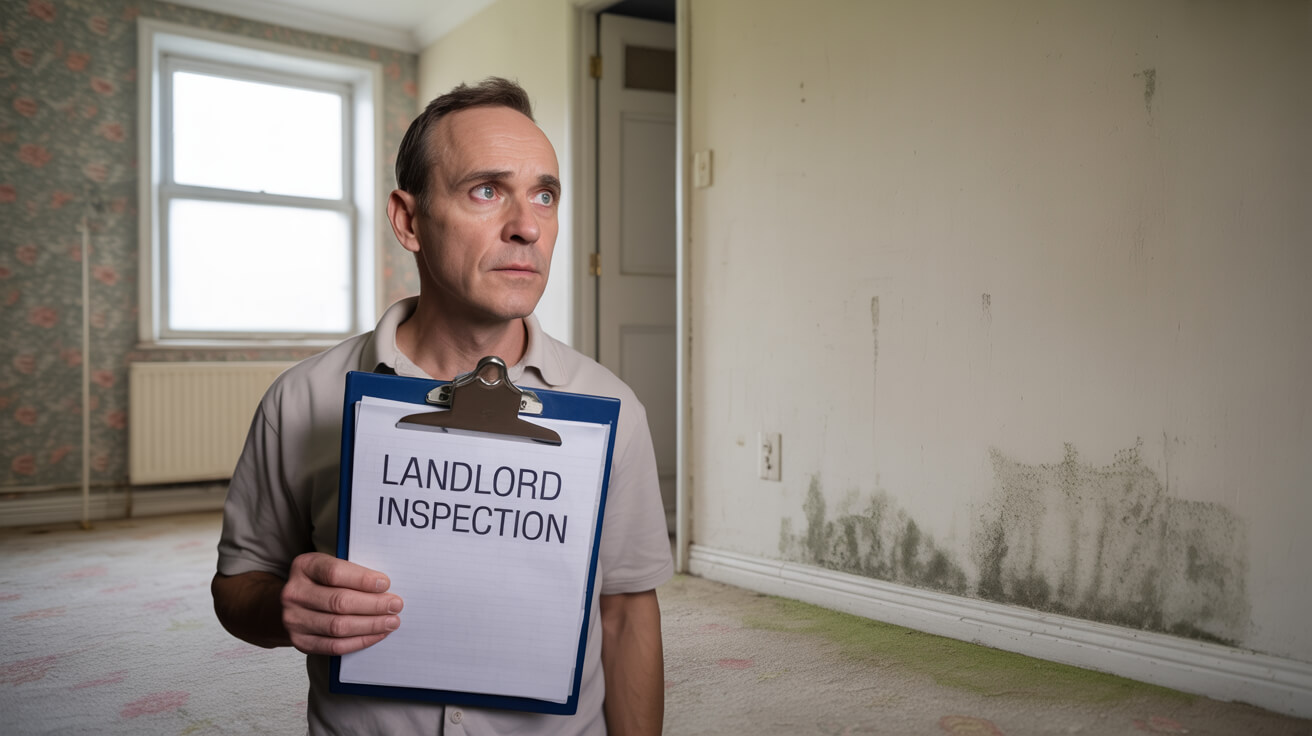
Most building codes across Europe, North America, and Australasia mention “habitable standards” and “safe housing.” But on the ground, these terms often lack teeth. In practice, global regimes treat damp as a technical inconvenience, not the health menace it has proven to be.
- Germany requires tenants: to compile exact proof and approach landlords, a process that favours paperwork and patience over prompt fixes.
- Much of EU law: references broad habitability—without the strict deadlines or mandatory investigations the UK now enforces.
- Australian regulations: recommend healthy conditions but rarely supply real penalties for foot-dragging.
- Many US states: still operate under open-ended lease language; true enforcement depends on local custom or fierce advocacy.
Where the law is vague, consequences fade—and property owners default to delay, not repair.
This gap matters: damp is now implicated in childhood asthma, respiratory illness, and immune risk. Each year, the NHS alone spends over £1 billion treating preventable housing-linked illness (commonslibrary.parliament.uk). By making health the “tripwire” for urgent intervention, Awaab’s Law effectively turns health evidence into the driving force for direct and documented repairs—raising both legal and professional stakes worldwide.
What Hidden Costs and Complexities Underpin Damp Laws Globally?
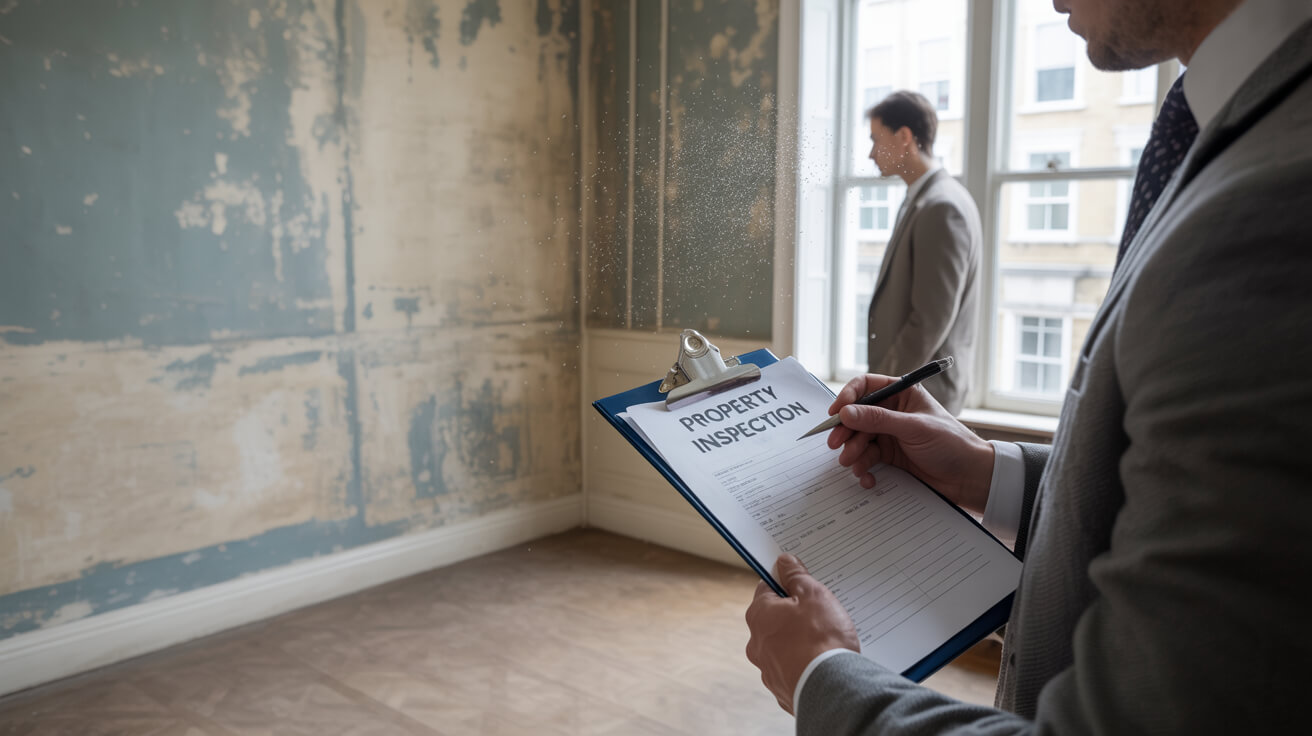
Policy is never the whole picture. In property care, legal wording is only as useful as your system for translating it into documented action. Real risks pile up when owners, managers, and their advisors miss this step.
Finance & Survey: Mortgage providers routinely withhold funds, demand remediations, or assign hefty “retention” penalties if damp is reported during a survey. The loss in property value can be immediate—10–20% down in the UK when damp is named in a report (propertymark.co.uk).
Legal Disputes: Stricter rights mean stricter claims. Where landlords and tenants disagree on damp’s source or repair standards, cases can drag for months—especially where timescales aren’t spelled out (shelter.org.uk). A misplaced document or missing moisture reading can be enough to lose.
Managing Multiple Standards: Portfolios that span borders or even local jurisdictions often face a headache of mismatch and overlap: British standards, German process, Dutch delays, Australian leniency. Keeping airtight records and compliance chains in each context is now as critical as the repairs themselves.
The safest approach now pairs moisture science with paperwork discipline. Guesswork, delays, and verbal assurances used to survive court or complaint. Those days are over—proving you did the right thing is as valuable as the fix itself.
What Defines World-Class Damp Control in the Modern Era?
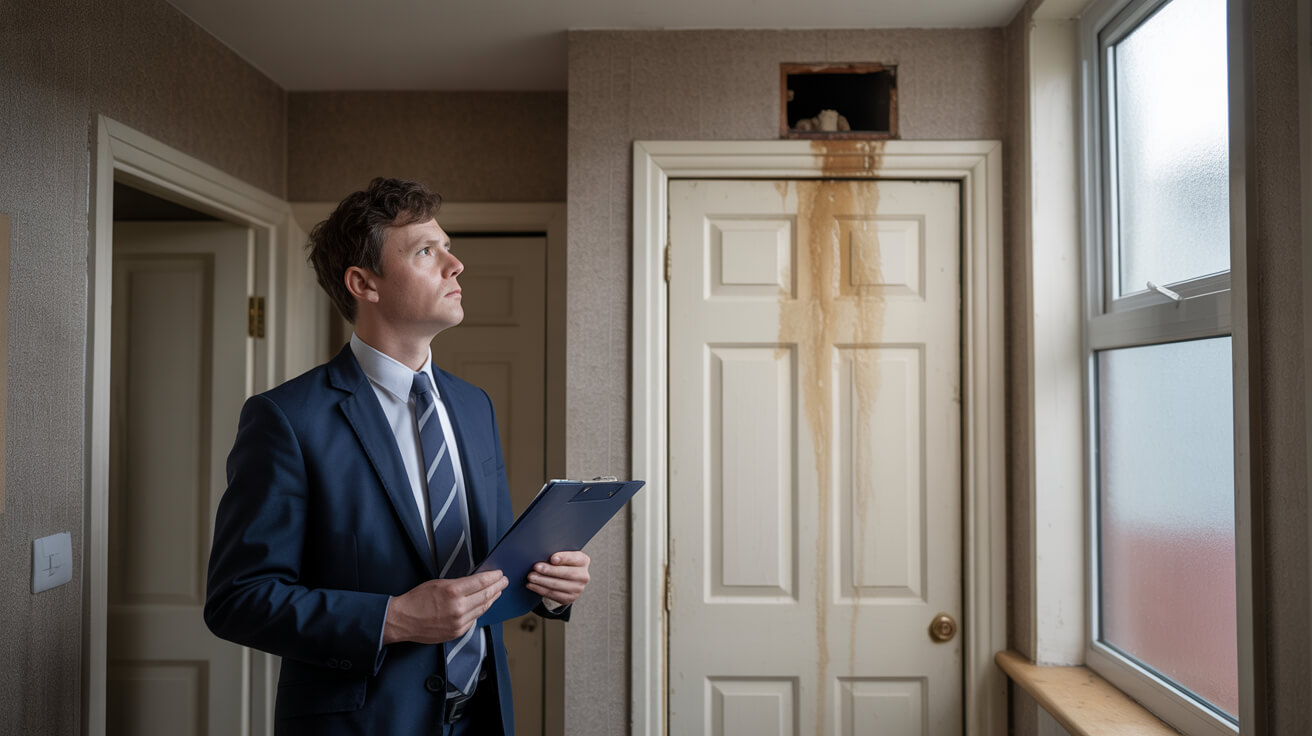
Top operators know: success isn’t the law on paper—it’s the system you run on the ground, day in, day out. Property owners and managers who lead the field now operate with a forensic, clockwork routine that beats minimums.
Dry homes aren’t left to chance—they’re the outcome of daily, measurable routines backed by science and documentation.
Here’s what separates the best:
- Thermal Comfort & Ventilation: Maintaining 18–21°C and managing fresh airflow are now as important as fixing leaks ([torbay.gov.uk](https://www.torbay.gov.uk/housing/private-rental-tenants/tips-for-preventing-damp-mould-and-cold-in-your-home/?utm_source=openai)).
- Annual Inspections with Logs: Top professionals schedule moisture checks, capture photographic evidence, and file condition reports—year after year ([breckland.gov.uk](https://www.breckland.gov.uk/housing/damp-mould-prevention?utm_source=openai)).
- Resident Education: Providing not just advice, but explicit, science-based guidance on drying, salt movement, and airflow stops future issues before they start.
- Cutting-Edge Diagnostics: From thermal cameras to advanced salt analysis, real-time technology closes the gap between guesswork and proof ([propertymark.co.uk](https://www.propertymark.co.uk/resource/combatting-damp-and-mould-in-rented-homes.html?utm_source=openai)).
- Full Compliance Trail: Aligning site practice with standards like BS 6576 and BS 8102 wins not just peace of mind, but legal muscle should a dispute arise.
Excelling here isn’t just policy adherence. It’s delivering a future-proofed, traceable record that assures tenants, lenders, buyers, and courts alike.
When Litigation Strikes, What Actually Wins?

For every standard, there’s a case where a missing document, missed deadline, or forgotten logbook meant the difference between success and disaster. When the pressure is on—from tenants, regulators, or insurers—the only thing that counts is evidence.
Relying on good intentions alone is a fool’s insurance; evidence is your real policy.
- UK Councils: Empowered to act instantly using the HHSRS, councils now hold authority to force action, fine landlords, or even step in directly.
- Elsewhere: Without a rigid evidence trail, landlords face a minefield of complaints, extending far beyond health—into legal actions, compensation, and reputational harm ([nyc.gov](https://www.nyc.gov/site/hpd/services-and-information/maintenance-of-buildings.page?utm_source=openai)).
- Australia: Here too, the lag between complaint and resolution often becomes a months-long risk exposure.
Photos, logs, signed reports, and a lineage from complaint to cure no longer seem excessive—they’re survival tools. No wonder modern professionals put as much focus on evidence management as they do physical repair.
How Sussex Damp Experts Leads the Modern Standard
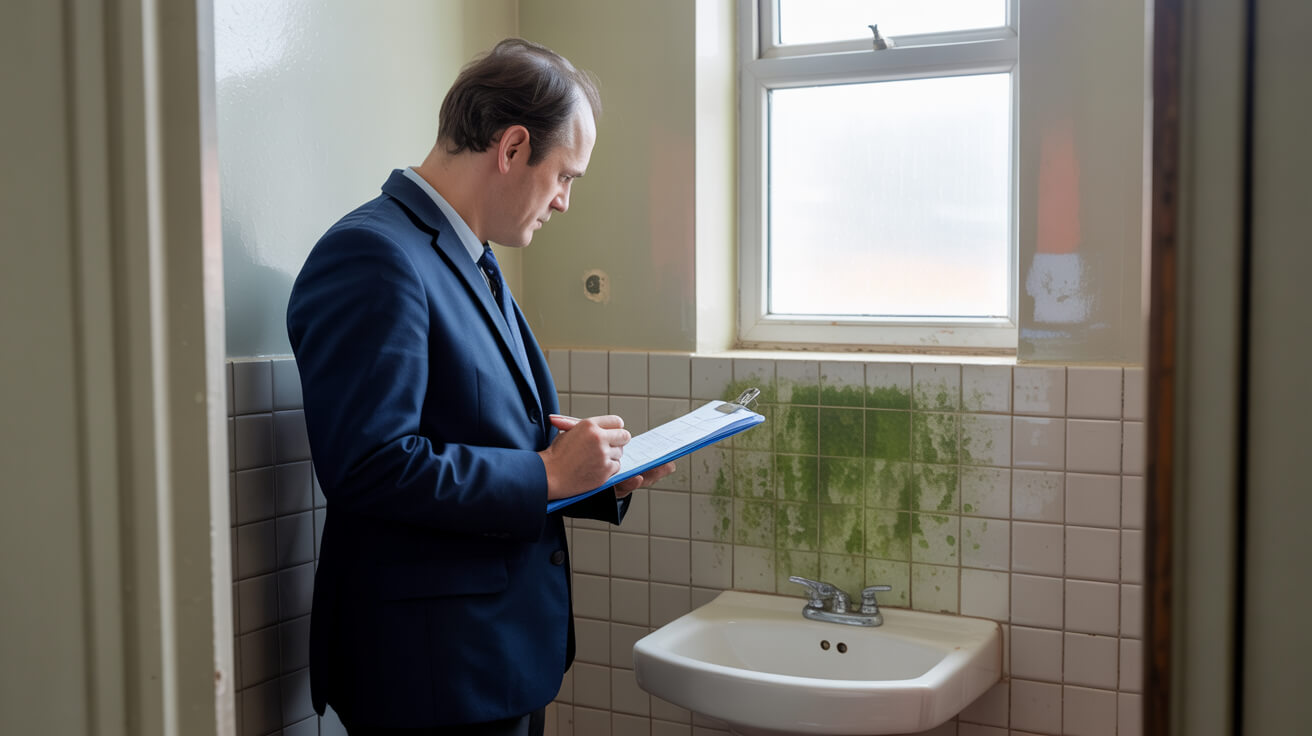
In an era where compliance is more than a buzzword, Sussex Damp Experts champions a hybrid of science, law, and service. Gone are the days of “treat and hope.” Today, only integrated, audit-matched routines keep your asset out of trouble.
Policies alone do little—seamless routines, smart diagnostics, and ironclad proof set properties apart.
Here’s what our clients get:
- True Diagnosis: Whether it’s a Victorian with lime plaster or a new flat with hidden concrete issues, we combine the right tools—moisture metres, salt tests, thermal scans—forensics that match the building.
- Documentation Fit for a Judge: Each project gets a clear, chain-of-custody log: photos, site notes, legal standard references (BS 6576, BS 8102), and aftercare details. This isn’t just compliance—it’s your best defence.
- Custom Treatment, Not Guesswork: No generic solutions—materials and methods are matched to your substrate, occupancy, and regulation, every time.
- From Survey to Aftercare: Full service means handling everything—landlord interactions, lender requests, aftercare guidance—bolstered by guarantees that truly cover you ([sussexdampexperts.com](https://www.sussexdampexperts.com)).
In a market defined by scrutiny, our clients don’t just pass—they set the example that others must follow.
What Still Trips the Best Operators and Landlords—And How to Avoid It

Despite the regulations, building owners and managers can still fall into old habits that invite disaster. The biggest traps are now as much bureaucratic as they are structural.
- Ignoring Early Signs: Minor patches or occasional smells can mean asset-depleting repairs, insurance rate hikes, or the loss of tenant confidence if left unchecked.
- Drowning in Complexity: With overlapping UK and international standards, a scattered approach risks failing all of them. A dedicated, up-to-date compliance chain is not a luxury—it’s your shield.
- Poor Record-Keeping: When complaints arise, your records—not your memory or staff—decide if you pay out or move on.
Today’s market punishes delay and memory; it rewards proactive prep and transparent records.
Leaders in the property sector put as much energy into compliance routines as they do maintenance. Staying complaint-proof, mortgage-ready, and well-insured now means adopting systematic documentation and acting on every early warning—not waiting for official threats.
Secure Your Property’s Health—And Your Own Reputation
Unpredictable weather, stricter regulations, and rising tenant expectations mean the old “fix it when it leaks” mindset belongs to the past. Sussex Damp Experts equips you to play in the future: every inspection, recommendation, and fix comes with not just the right outcome—but auditable, value-enhancing, dispute-stopping proof.
- Reports Built for Scrutiny: Every document stands up in court, at the bank, or with the most diligent insurer ([sussexdampexperts.com](https://www.sussexdampexperts.com)).
- Repairs That Last: We don’t patch and walk—we build you a record and a result that lasts, supported by robust aftercare.
- Anticipatory Guidance: Our clients stay ahead of regulatory shifts and become the exemplar, not the subject of cautionary tales.
- Stakeholder-Ready: Whatever your challenge—survey flags, tenancy issues, council checks—you gain a partner fluent at every interface.
- Value Protection: Avoid market discounts, legal bills, and stress—book a survey that aligns with the new global standard.
Evidence, speed, and expert judgement are the dividing line between those who worry and those who win. Don’t wait for the next incident—secure your property’s future now.
💧 Regulations exist to shield your property, not slow it down. Every day, every record and every response can make or lose your asset. With Sussex Damp Experts, you get more than compliance—you gain resilience, sure-footed advice, and peace of mind. 💧
Frequently Asked Questions
Why do UK landlords face strict damp deadlines when most countries deal in “maybes”?
UK law now pins landlords to the wall with hard timers—14 days for a proper investigation, 2 days to notify the tenant, 7 days to fix emergencies—while other countries ask, at best, for “reasonable effort.” Miss any UK step, and you’re not just mopping up complaints: you risk fines, council action, even forced repairs at premium rates. Across most of Europe, timelines stay fuzzy; a German landlord answers “without undue delay” only when tenants provide medical evidence or visible loss, and these cases can drag for months. Australia’s “as soon as practicable” amounts to slow queues, not court clocks. In the UK, patchwork habits or old paperwork now trigger regulatory scrutiny—action is no longer a “gentleman’s agreement.” If you manage property here, the law expects you to keep receipts, records, and timelines sharper than your tools. This isn’t just a damp patch; it’s a compliance race where failing to start fast means losing more than tenants—you gamble asset value and reputation every day.
How do international timelines really compare?
- Germany: Only enforceable if tenants show health impact or demonstrable risk, often after weeks or months.
- Australia: “Reasonable” acts as a barrier, and state agencies rarely hurry beyond routine schedules.
- USA: Unless you’re under a big-city code, “rapid response” means whatever a local judge decides on the day.
Legal timers in Britain move faster than mould; ignore them, and you’re facing more than stains—count on real consequences.
Being a UK landlord, agent, or property owner means proving your processes stand up to the stopwatch, not just to the wet patch.
What enforcement triggers make UK damp law bite, and why are other countries slower off the mark?
Once a UK damp report lands, local council officers are empowered to set the pace—site inspection can be immediate, and missed deadlines escalate from warnings to enforcement notices, fines, and even criminal proceedings. Authorities now require timestamped digital logs, geo-location on photographic proof, and surveyor-signed reports as default, not exception. Brighton to Birmingham, the process isn’t reliant on tenant persistence—council or ombudsman intervention kicks in if property care slips. In contrast, Germany and Australia’s agencies move only when prolonged harm or media attention enters the mix; most issues wait for tenant pressure or costly private action.
What steps do UK councils use to force rapid action?
- Inspection authority: Councils can enter properties and demand digital evidence before you can blink.
- Enforcement escalation: Failure to meet one deadline means the council may organise works, then seek costs plus penalty.
- Audit-ready expectation: Surveyor involvement and digital audit trails are assumed—a hand-written note won’t hold up.
- Ombudsman pressure: Tenant dissatisfaction opens the door to further legal and reputational pressure.
Elsewhere, you might wait for a complaint to wind through courts or for an environmental health report to surface—by then, the property’s value and the owner’s name might already be eroding.
What’s the real risk in waiting?
- Missed deadlines: Councils don’t shrug—each missed date layers more liability.
- Process errors: Poor record-keeping is now as dangerous as poor repairs.
- Tenant escalation: Modern tenants and their advisors know how to work the system for prompt results—or compensation.
If you want predictable outcomes, not just dry walls, compliance with council timelines is as important as technical skill.
How do technical and documentary proof requirements set the UK standard apart internationally?
Compliance in the UK means your paperwork must survive auditor, insurer, lender, and ombudsman scrutiny. Standards such as BS 6576 (for rising damp) and BS 8102 (for below-ground moisture) go beyond fixing: they require evidence. Moisture readings, mapped salt contamination, staged photos—each step logged and signed—form your “chain of proof.” In Germany, DIN 4108 pushes technical excellence at the build stage but wobbles on repair. Australia’s codes vary by state and rarely spell out documentation as legal ammunition; a fix might fly in Sydney but fail in Sussex. Now, a property’s value and risk profile depend on documentation as much as bricks and mortar: if you can’t prove the process, lenders or buyers may walk away, no matter how dry your wall is.
What do international documentation standards demand?
| Country | Evidence Needed | Timeframe for Action |
|---|---|---|
| **UK** | Signed surveyor logs, photos, warranty | 14 days to act or escalate |
| **Germany** | Evidence on build, slow on repair | “No undue delay” if harmed |
| **Australia** | Patchwork—varies by state, rarely logged | “As practicable” |
In the UK, the audit trail defines ownership—skip a record and you might lose the building, not just the repair.
If you’re operating across borders, a document in Berlin might get a nod—yet that same file in Brighton could cause weeks of delay or lost financing.
Where do most UK landlords and property managers falter as global compliance tightens?
The greatest pitfall isn’t leaking walls, but cracks in your compliance evidence. Many landlords trust in-memory logs, old email chains, or quick ‘before and after’ photos. Yet when councils, lenders, or buyers request full chains—diagnosis to repair to follow-up—a missing timestamp or unsigned survey can halt sales, void insurance, or hand over a property for council-managed repairs. With multi-country holdings, it’s easy to copy-paste documentation habits; what counts as evidence in Poland or Portugal may be instantly dismissed under UK law. Fines, stalled transactions, and claims rejections are now triggered as much by poor records as by bad building fabric.
What document errors cause the most trouble?
- Disconnected logs: Moisture metre readings with no date, no location, or unclear chain of custody.
- No surveyor verification: “DIY” repairs have little chance under the new regime.
- Legacy paperwork: Pre-2020 evidence rarely matches current legal standards.
- Cross-border blind spots: Owners miss vital updates, assuming “standard forms” are safe everywhere.
Resolving damp is routine; documenting it to UK standards is real work, but it’s also your frontline legal defence.
Build habits for digital chains—survey to treatment to aftercare—and insulate your asset against more than just moisture.
What property monitoring and prevention methods protect owners as global damp expectations rise?
The old “fix and forget” model is increasingly obsolete. Modern compliance means tracking symptoms and climate with digital tools, embedding routine checks, and turning every finding into a logged piece of evidence. UK best practice includes weekly visual checks of “at risk” rooms, using smart moisture metres or loggers, recording local humidity, and storing everything digitally. International leaders combine tenant education with incentives for early reporting, minimal repair times, and end-to-end visual logs. For larger portfolios, AI-driven alerts can flag suspicious changes in wall temperature or moisture. More importantly, your process needs to evolve as fast as local law—routine audits, timely follow-ups, and periodic record reviews safeguard not just asset value, but insurance and lending access.
How does a prevention plan pay off?
- Year-round vigilance: Less emergency work and fewer major repairs.
- Documentation-first: Every visit logged in real time, every fix tracked and time-stamped.
- Tenant partnership: Briefing tenants (with visuals) halves the chance of undetected issues spiralling into disputes.
- Tech adoption: Using smart loggers, photos, and surveyor apps reduces lost records and protects resale value.
With Sussex Damp Experts, you get a maintenance trail as resilient as your tanking system—compliance, proof, and future audits all covered.
How can landlords and property managers outpace global damp regulation, especially in the UK environment?
Staying ahead means systemising not just repairs but the routines of inspection, documentation, and legal review. The most successful landlords build a “compliance backbone”—structured site visits, consistent evidence gathering, and transparent tenant relations all sync in one digital chain. Law changes yearly: missing a local authority bulletin or lender update can lead to tripwires in the compliance chain. Mix this with UK standards—BS 6576, BS 8102, and new digital reporting requirements—and you’ve got a rapidly shifting landscape. Owners active in multiple countries map each jurisdiction’s codes against their processes, upgrading logs and reports to match the highest bar, not the lowest. The endgame: your properties remain saleable, insurable, and rentable regardless of postcode or the next regulation wave.
What separates leaders from laggards?
- Every visit yields a fresh log: No maintenance round goes unrecorded.
- Records that survive scrutiny: Only digital, surveyor-verified chains count.
- Cross-border awareness: Regular reviews keep every property, not just the local ones, up to new codes.
- Collaborative problem-solving: Proactive, honest communication with tenants turns complaints into rapid improvements, not headaches.
Your property’s paperwork protects it as surely as any membrane—invest in the right routines and the right partners, like Sussex Damp Experts, and compliance becomes the least of your worries.
Move from chasing regulations to setting the pace—so the next time the rules shift, you’re not scrambling: you’re already compliant, credible, and sleeping easy.

