
 By
By  August 26, 2025


What Drives Awaab’s Law Enforcement—and Why Delay Now Risks More Than Fines?
Awaab’s Law isn’t just policy—it’s a blunt demand for action, forged from heartbreak. In 2020, two-year-old Awaab Ishak died after months breathing in black mould, while the people meant to help blamed “lifestyle” and pushed paperwork (BBC, 2023). That funeral set a line in law, including the awaabs law requirement to take emergency action. Social landlords and property managers no longer get to hide behind form letters or slow-moving chains. Now, if your tenant—any age, any circumstance—suffers preventable damp and you don’t step up, you aren’t just failing at customer service. You’re breaching a law that moves faster, bites harder, and leaves a public trail.
Every time you delay, you’re not just late—you’re exposed for everyone to see.
With the Social Housing (Regulation) Act 2023, the landscape flipped. Old excuses and half-hearted fixes are now evidence against you. Regulators, ombudsmen, and the press are watching. Tenants no longer write polite reminders—they escalate. There are no detours around personal responsibility: your organisation’s future hinges on how tightly you track, prove, and deliver on every damp or mould complaint.
Why You Stand in the Firing Line Today
It’s not just a shift in tone—it’s a seismic legal fault. The coroner’s inquest for Awaab didn’t mince words: the age-old “lifestyle” defence is dead. Now, every social landlord, manager, and agent is the first and last line of accountability. It’s not about having systems on paper; it’s about live-fire response every time a problem emerges. If a resident reports possible damp or mould, the enforcement clock starts ticking—and your every move is visible.
A missed message or slow reply is now fuel for complaints, fines, and enforcement.
Delay Translates Directly Into Public and Financial Cost
Every excuse, every “missed email,” or every shrug instead of survey, becomes part of your organisation’s history—open to regulator audit or public investigation. Awaab’s Law doesn’t just ask for compliance; it demands proof at every step. Punishment for delay is no longer a remote threat. Fines can run into six figures, and reputational harm can spiral overnight, affecting funding, partnerships, and resident trust.
What Immediate Actions Must Be Taken When Damp or Mould Is Reported?

Every compliance journey now begins the minute a tenant—or anyone on their behalf—flags possible mould or damp. That call, email, or online form isn’t a “heads up.” It’s a legal trigger—with very little mercy for misunderstandings or backlog.
Treat every complaint like an auditor is reading it tomorrow—because one day, they will.
The law puts you on a stopwatch. Reports must be logged with specific dates and times, then acknowledged in writing—fast. If you can’t show exactly when you clocked that report and when you replied, you’re already behind. And this isn’t just bureaucracy. Written proof at this stage is your best defence if the issue ever escalates to regulator or court.
Every Inspection Now Demands a Qualified Surveyor
“Quick once-over” checks and informal “repairs” no longer count. Legal standards, including BS 6576 and BS 8102, set a strict bar: assessment must be done by a professional—PCA-accredited or similarly qualified—using calibrated tools and supplying a written diagnosis. Internal checklists and unqualified employees won’t shield you from enforcement (Goodlord, 2024). Each deviation puts your organisation at risk.
Start an Audit Trail—Or Face Escalation
From the outset:
- Record and acknowledge every complaint in writing, including time, date, and issue reported.
- Book a professional survey, noting exactly who, when, and with what credentials.
- Photographic records and instrument readings (with timestamps) must be logged—every step, every visit.
- Each move and every message form your legal shield—or, if missed, your Achilles’ heel.
Regulators and ombudsmen are now directly notified of missed or late responses. This is not a soft warning system. Each missed tickbox in your trail of evidence invites audits, fines, and public reports.
How Should You Categorise Hazards and Manage Investigation Timeframes?

Not all mould is equal—but the law doesn’t accept vague assessments. You must categorise every hazard and act within explicit, legally fixed timeframes. “Best effort” doesn’t count—only timestamped proof does.
There’s no ‘close enough’—the law wants icy precision and paper to prove it.
What the Compliance Clock Looks Like:
- Category 1 (serious, immediate hazards): Investigate and intervene within 24 hours.
- All other significant damp or mould issues: Respond within 10 working days (GOV.UK, 2024).
Stumble here—and your delays become legally significant. The only route is systematic, professional investigation:
- Use moisture metres and high-resolution photographs at every assessment.
- File the exposure, location, and severity, plus who is affected, into a standard template.
- Tie every judgement to evidence, with no steps skipped.
Miss or fudge documentation? The law now gives tenants a fast track to escalate, and demands proof at every stage. Investigations aren’t a box-tick—they’re groundwork for a compliance defence that could be tested at any moment.
Shifting the Culture: No More Wink-and-Nod Assurance
The phrase “we think it’s sorted” never did much. Now, it can be fatal for your compliance:
- Every inspection must end in written, photographic, and measured documentation—signed and timestamped.
- Follow-up actions must be clearly explained and scheduled, with outcomes reported and evidenced.
- Your weakest record is now the ceiling of your defence.
The Regulatory Hammer Falls Faster Than Ever
Breach a deadline, fail to document properly, or act hastily? Instant referral to ombudsman or regulator is now standard—not rare. Penalties escalate rapidly and public record follows, with few if any successful defences for “best try.”
What Must Your Written Summary to Tenants Contain?
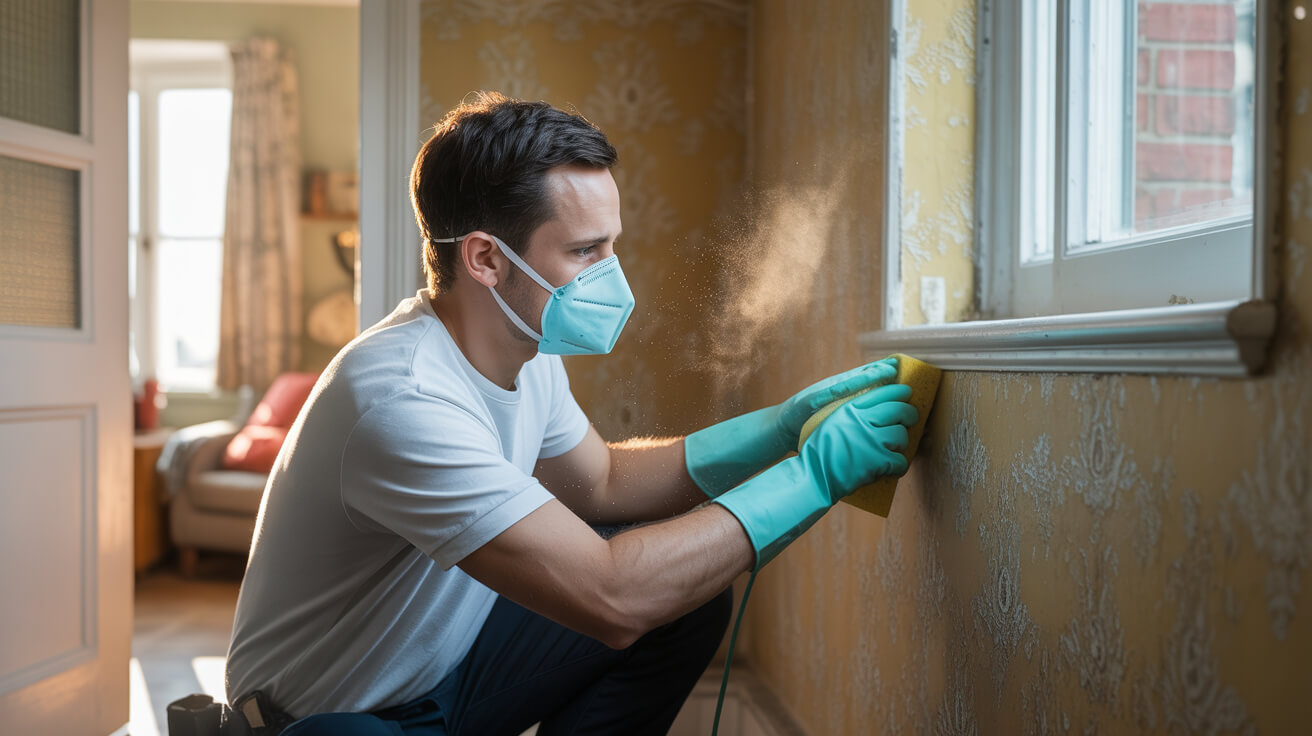
Verbal updates are relics—useless in law. Written summaries are an enforceable right. Within three working days of any investigation, tenants must get a formal summary detailing everything found, all planned repairs, and fixed timelines (Pennington, 2024).
If your findings and actions aren’t in print, it’s like they never happened.
Each written summary must include:
- Type and root cause of damp or mould.
- Clear evidence: photos, metre readings, and (where relevant) diagrams.
- Step-by-step action plan, with who does what and by when.
- Long-term aftercare plan, with explicit commitments and milestones.
Do not substitute with templates or vague prose—your summary must abide by British Standard or TrustMark requirements for structure and detail. You’ll need to store this report for inspection—and be ready to produce it for regulator or court at a moment’s notice.
Why “Written or It Didn’t Happen” Is the New Reality
Tenant rights upgrades mean that the burden of proof is now on landlords, agents, and managers—not the affected party. Gaps aren’t just weaknesses; they’re liabilities, easily weaponised in the hands of energetic tenants or tenacious regulators.
When and How Are Repairs Mandated—and How is ‘Quality’ Defined Legally?
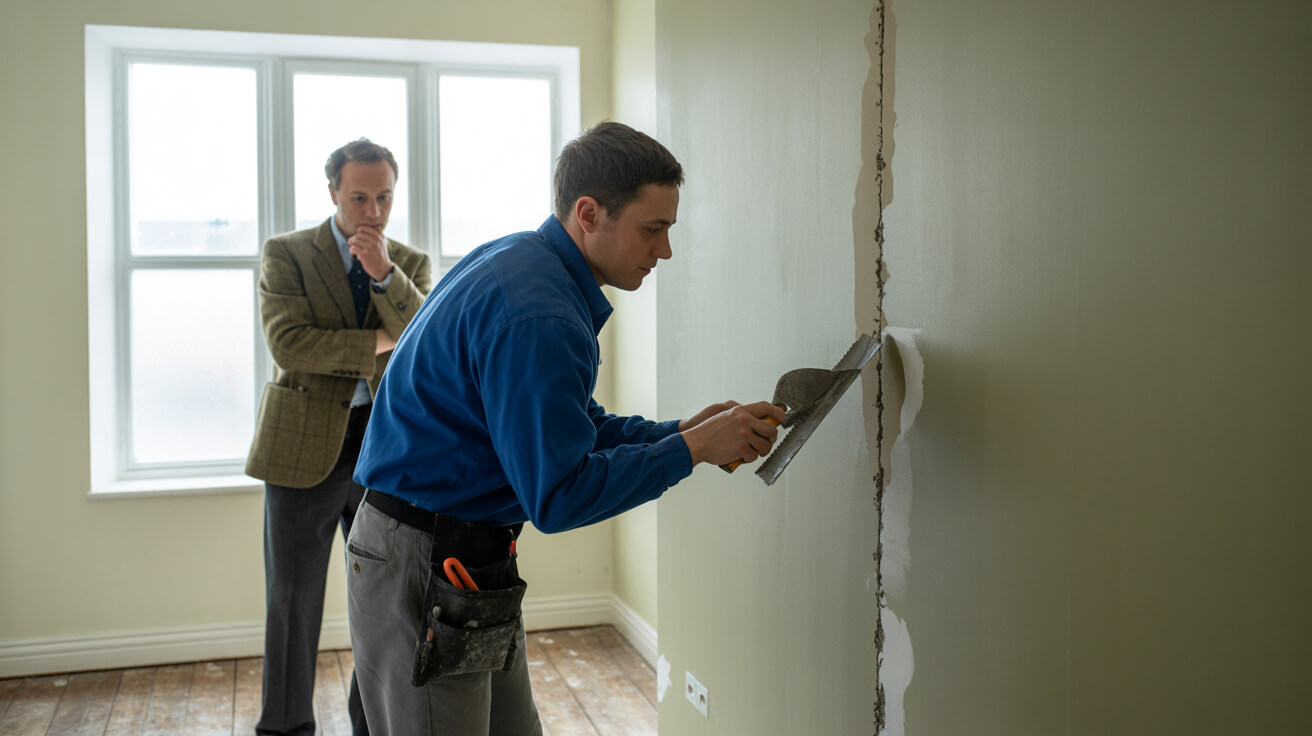
The law doesn’t just set response timeframes; it locks them down. Category 1 hazards must be made safe within 24 hours; everything else must be fixed within five working days. “When practicable” has been scrubbed from the statute (Pennington, 2024).
Anyone can slap on paint. Only standards-based repairs count as legally fixed.
The New Standard for Legal Repairs
- Root-cause elimination: from leaks to full plaster and finish restoration.
- Evidence: before, during, and after photos; readings on calibrated equipment.
- Endorsement: the action must be signed off by an accredited professional—no self-certification, no in-house fudge.
- Safe alternatives: when a property cannot be fixed immediately, you must provide safe, suitable, alternative accommodation—now codified and enforceable.
Each uncontrolled shortcut, botched repair, or missing step is direct evidence of non-compliance. If the job isn’t fully documented and signed off, the Ombudsman and Regulator will treat it as if it wasn’t done.
“Quality” Isn’t in the Eye of the Beholder
- Complete removal of hazards and verification by third-party, qualified sign-off.
- Clear, trackable evidence in a compliance-ready file.
- Scheduled follow-ups and aftercare, with documentation available on demand.
Regulators will check every stage: from photos to sign-offs—fail at one point, and you risk more than just a fine.
What Structures Defend Your Organisation: Aftercare, Monitoring, and Evidence?
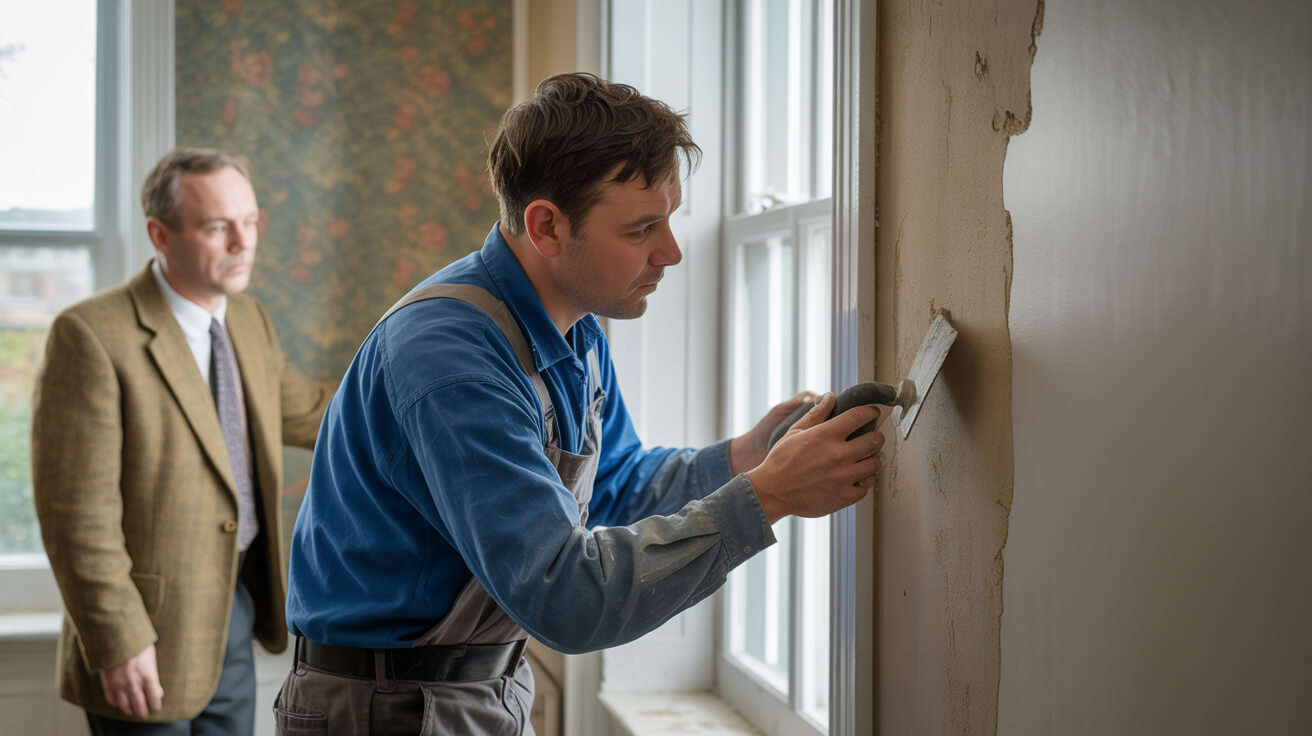
Awaab’s Law punishes “one and done” attitudes. Your duties continue well after the repair, across ongoing, evidence-backed aftercare and monitoring for every property.
Finishing the job now means keeping the proof live—months after your last visit.
Here’s what effective aftercare and monitoring looks like:
- Moisture sensors and logs updated post-repair and at intervals, stored and ready for audit.
- Photographic evidence and written notes of every aftercare visit or communication.
- Yearly (or more frequent) compliance inspections, with reports filed.
- All records are kept as long as you manage the asset—ready to produce at the first hint of dispute.
Tenants now have legal rights to request their own property files. Regulators can (and do) demand to see aftercare records, not just initial repairs, often years later. Reactive file-searching puts you in breach before you even open the folder.
Show—and Share—Your File: Transparency is Your Shield
Move proactively: share compliance logs with tenants and update them regularly. Digital, timestamped, and audit-grade records aren’t just about legal survival—they reassure residents and buy goodwill with regulators who are desperate to see transparency in action.
How Is Awaab’s Law Enforced, and What Are the Risks of Falling Short?

Regulatory teeth are sharp and fast. Since the Social Housing (Regulation) Act 2023, fines have rocketed—more than £2.6 million already levied since implementation (Wikipedia, 2023). But the true cost goes beyond balance sheets. Miss a compliance deadline, or produce slipshod paperwork, and your organisation faces public shaming, lost partnerships, even intervention by local authorities—sometimes with contracts terminated.
It only takes a single missed file or late reply to spark a full-scale regulatory audit—and headlines.
Enforcement now brings:
- Mandatory regulatory audits—initiated automatically by missed deadlines.
- Housing Ombudsman spot-checks, with full case-file reviews and timeline tracing.
- Legal action by tenants or local authorities, often supported by ready-made evidence from your own paperwork.
- Public exposure: names, failures, and fines published—affecting lender trust, future funding, and stakeholder confidence.
Repeat mistakes, or skimp on documentation, and you risk cumulative enforcement. The pain doesn’t stop at the fine; it reshapes your entire risk landscape, from insurance premiums to staff retention.
How Sussex Damp Experts Protect Your Compliance and Reputation

With so much at risk, you need partners who treat compliance as a lived system—not just a manual. Sussex Damp Experts delivers evidence, not wishful thinking. Your reporting, remediation, and aftercare are performed and documented to BS 6576 and TrustMark standards—bolstered by deep experience and a “court-ready” mentality.
When the Ombudsman knocks, our reports don’t just hold up—they hold the line.
Every project gives you:
- Transparent, compliance-recorded reporting: complaint receipt, inspection, remediation, and every aftercare action rendered into a legal file.
- Accredited experts: PCA and TrustMark professionals whose credentials create regulatory confidence, not just a checklist.
- Evidence chains: every result, action, and check is audit-ready—signed, sealed, and timestamped.
- Scheduled reviews: from annual follow-ups to spot checks, our system ensures your proof stays fresh.
You aren’t buying “compliance by brand.” You’re investing in a shield of records and a culture of readiness. In the real world, this can mean the difference between smooth audit passage and public investigation.
Why Choosing Sussex Damp Experts Stacks the Odds in Your Favour
- Our reports reduce, not just manage, regulatory risk.
- Residents see transparency, not bureaucracy—building trust and reducing complaints.
- Aftercare locks in risk prevention by closing the cracks before they can widen.
- Reports and documentation are stored to be ready at any moment—for courts, councils, or residents.
Responsible housing means having nothing to hide—Sussex Damp Experts makes sure you can prove it.
Book Your Forensic Compliance Audit With Sussex Damp Experts Today
Awaab’s Law has moved the goalposts—and every delay, shortcut, or missed acknowledgement is now a red flag for regulators, funders, and your own board. If you manage social housing assets, you need evidence, action, and compliance that can withstand the toughest review.
Contact Sussex Damp Experts for:
- PCA and TrustMark-accredited, BS 6576-compliant damp and mould surveys.
- Evidence chains designed for instant regulatory and ombudsman review.
- Full-spectrum aftercare—including live monitoring, scheduled audits, and accessible documentation.
- The guarantee that you can always prove your compliance—and protect your organisation, people, and reputation.
Audit-proof your property. Protect your people. Let every report be your defence.
We build compliance from the ground up—so the next time standards change, regulators call, or tenants push, your files do the talking. For true peace of mind, choose Sussex Damp Experts—where your reputation is sealed as tightly as your properties.
Frequently Asked Questions
Who holds landlords to account under Awaab’s Law, and how does the enforcement process actually unfold?
Landlords face coordinated scrutiny under Awaab’s Law from agencies including the Housing Ombudsman, the Regulator of Social Housing, and district courts—each mandated to monitor, intervene, and penalise when remediation falls short or is delayed. Once tenants report mould or damp, statutory deadlines trigger an escalating sequence: internal investigation, external arbitration via the Ombudsman, regulatory penalties, and, as a last resort, court orders. Local authorities also have statutory escalation routes, amplifying scrutiny if threats to health persist. This multi-pronged approach means a failure to deliver isn’t just a maintenance issue—it rapidly becomes a public, documented risk affecting finance, insurance, and tenant trust.
Chain of enforcement: what happens step by step?
- Landlord’s initial response: Required to assess and rectify complaints in-house; delays or partial fixes prompt tenant escalation.
- Ombudsman escalation: Tenants submit evidence, unlocking formal investigations, repairs orders, and compensation pathways.
- Regulator involvement: Repeat breaches draw unscheduled inspections and fines without upper limit; failures now form part of a public register.
- Legal adjudication: Judges issue orders, direct compensation, and may disqualify directors for ongoing non-compliance.
“A delayed repair nowadays echoes through property records long after mortar is dry.”
Engaging a BS 6576-accredited specialist like Sussex Damp Experts from the outset closes the loop—every intervention stands up to lender, tenant, and regulatory review.
What are the current statutory deadlines and documentation rules for social landlords under Awaab’s Law?
Social landlords now face non-negotiable legal timeframes: action on life-risking hazards within 24 hours, formal inspection for all major damp and mould issues within 10 working days, repairs completed within five working days after investigation, and a written summary to tenants within three working days of the site visit. Each of these response points is tightly documented—miss one, and regulatory escalation becomes automatic, not discretionary. Written records must be supplied to the tenant, with timelines enforced irrespective of holiday periods or operational setbacks.
A landlord’s compliance clock—what are the exact rule-of-thumb numbers?
| Action | Time available | Legal trigger if missed |
|---|---|---|
| Resolve emergency hazard | 24 hours | Immediate escalation (Ombudsman/regulator) |
| Inspect other serious hazard | 10 working days | Automatic regulatory scrutiny |
| Complete repair (post-inspection) | 5 working days | Fines, ombudsman involvement |
| Provide written outcome summary | 3 working days | Added risk in any future complaint |
Each paper trail, when managed by standards-driven experts, doubles as first-line defence for landlords against claims and future audit. Sussex Damp Experts streamline documentation, ensuring every statutory box is ticked and substantiated with evidence.
“Every missed hour now has a witness. Incomplete records turn maintenance into liability.”
How can tenants, agents, or advocates trigger action if damp or mould isn’t fixed?
Awaab’s Law flips the historic dynamic: as soon as a statutory deadline lapses or evidence is ignored, tenants and their advocates gain a direct route to enforcement. No longer reliant on a landlord’s pace, any written complaint—backed by photo logs or symptom records—can be submitted straight to the Housing Ombudsman, Regulator, or local authority. These bodies have statutory clout: they can force repairs, set compensation, and publish penalty decisions. The quality of the initial evidence controls the outcome; professional assessments (by BS 6576-standard inspectors) fast-track favourable resolution.
Practical escalation steps for residents and supporters
- Build a comprehensive file: Catalogue each incident with dated photos, written notices, and all related correspondence.
- Submit a formal complaint: Use traceable email or registered post to create an indisputable audit trail.
- Invoke external oversight: Report delay or neglect to the Ombudsman or Regulator—the law demands they intervene.
- Reinforce with expert reports: A standards-based survey dramatically improves odds of decisive action in your favour.
“Missed deadlines are now triggers, not technicalities. Well-documented proof turns delay into action—fast.”
Landlords acting proactively by commissioning certified surveys both neutralise future disputes and strengthen defence if ever challenged by regulators or tenants.
What penalties do landlords risk if they breach Awaab’s Law, and how do the costs escalate?
Falling foul of statutory timeframes leads to immediate, public consequences: unlimited fines, enforced repairs, average tenant compensation topping £2,400 per breach, and mounting legal fees. Repeat failures drive regulator-led audits, which can freeze borrowing or insurance, and initiate public shaming through sanctioned property databases. Headline fines last year exceeded £2.6 million in individual cases. Beyond the numbers sits reputational fallout: directors and senior agents can be disqualified or banned from future letting.
Penalties and ripple-effects of missed compliance
- Breach detection: Instant external reporting—each missed day is now a line in a regulatory log.
- Ombudsman powers: Direct orders for repairs, financial restitution, and publication of failures.
- Regulator arsenal: Snap inspections, uncapped fines, multi-year compliance monitoring.
- Judicial outcomes: Mandated urgent works, punitive damages, and lasting online records.
- Personal bans: Persistent or willful breaches can bar directors from property management.
“What’s on the line isn’t just money—it’s credibility, insurability, and your licence to operate.”
A BS 6576-grade inspection with Sussex Damp Experts transforms compliance from a scramble to a strategic asset: every entry in the regulator’s log becomes an exhibit of due diligence, not neglect.
Who has to comply with Awaab’s Law today, and what does the future hold for private landlords?
The law currently binds all social housing providers in England—councils, registered housing associations, and arm’s length management organisations—without exception. Private landlords are not yet caught in the statutory net, but signals from ongoing government reviews point to imminent inclusion. Safety standards such as the HHSRS and Environmental Health rules already bring most private properties under close scrutiny, particularly in mixed-tenure settings. Where social and private dwellings share a block or management, social landlord protocols nearly always apply to all units.
Coverage and convergence—who’s accountable, and how is this evolving?
| Landlord / Property Type | Covered by Awaab’s Law? | Primary obligations |
|---|---|---|
| Social housing landlord (England) | Yes | All Awaab’s Law deadlines and protocols |
| Private landlord | No (for now) | HHSRS/EH enforcement, imminent tightening |
| Mixed-tenure block | Yes (if social unit) | Compliance rules extend to block manager |
“Regulation isn’t waiting for the slowest actor. Getting audit-ready now is the shield you’ll wish for after the next reform.”
Routine, BS 6576-compliant surveys are increasingly a baseline for professionalism—demonstrating preventative action as much as compliance, and smoothing finance or insurance renewals in the process.
How does commissioning a British Standard (BS 6576) survey protect landlords and tenants beyond mere compliance?
A BS 6576 survey delivers far more than a “tick-box” report. It provides a legally robust, end-to-end evidentiary bundle—root cause mapping, timestamped photos, and moisture logs, all signed and traceable. This equips landlords to show not just that action was taken, but that it was directed, timely, and monitored. These surveys meet not only Regulator, Ombudsman, and court standards, but also reassure lenders, insurers, and tenants through documented transparency. Sussex Damp Experts go further still, with aftercare plans and monitoring, closing off disputes before they ignite.
What practical layers of defence do BS 6576 surveys offer?
- Causal clarity: Identifies why issues began and how repairs address true sources.
- Audit-ready evidence: All findings supported by progressive photos, metre readings, and chain-of-custody measures.
- Full-chain compliance: Documents every repair, aftercare step, and follow-up, insulating against misrepresentation claims.
- Ongoing oversight: Monitoring and re-inspection catch recurrences early—evidence landlords and tenants both trust.
“The strongest repairs leave records, not just clean walls. When the next complaint comes, it’s your documents— not your word— that tip the balance.”
Prioritise a BS 6576-compliant survey with Sussex Damp Experts and you gain not only defence in any tribunal but proof of care that stands up to every stakeholder, from tenant to insurer to Regulator.

