
 By
By  August 26, 2025


How Does Damp or Mould Cross the Threshold From Annoyance to Statutory Nuisance Under the Environmental Protection Act 1990?
Housing damp and mould is often ignored until a sudden letter from the council threatens not only your property value but your reputation. The legal definition isn’t a guessing game. Damp or mould becomes a statutory nuisance under the Environmental Protection Act 1990 (EPA s.79) when it risks a resident’s health or causes a persistent disruption to daily life in the property. It’s not about a patchy ceiling or musty whiff alone. Councils are triggered by ongoing hazards—especially those affecting vulnerable occupants or drawing professional concern (EPA 1990, s.79).
A single patch of mould can turn a home from comfort to compliance nightmare overnight.
The line is crossed when environmental health officers (EHOs) find: black mould on walls, rooms rendered unusable, medical records linking illness to moisture, repeated musty odours, or any scenario where a professional’s report calls the damp “prejudicial to health.” This isn’t scaremongering; it’s how section 79 is enforced. Even a single confirmed complaint, if supported by clear evidence, obliges council action.
Recognising Risk: Which Cases Lead to Council Intervention?
Don’t assume the bar is set low or high. Here’s what grabs a council’s attention:
- Persistent black mould or visible damp: in rooms used daily (bedrooms, lounges, kitchens).
- Medical records: tying illness (worsening asthma, infections, allergies) to the property’s environment.
- Professional surveyor or EHO reports: stating “likely injury to health” or ongoing water ingress.
- History of unresolved complaints: —evidence the landlord ignored or delayed.
The core is risk: courts and councils need to see a factual likelihood of harm, not just a tenant’s frustration. Risk—not volume of complaints—tips the scale.
Snapshot: When Does the Law Step In on Damp or Mould?
The law steps in when environmental health or a professional surveyor investigates and finds that the condition either already affects health or presents a credible risk of doing so—regardless of the property’s age or what action was previously attempted.
What Actually Happens When a Damp or Mould Complaint Lands With the Council?
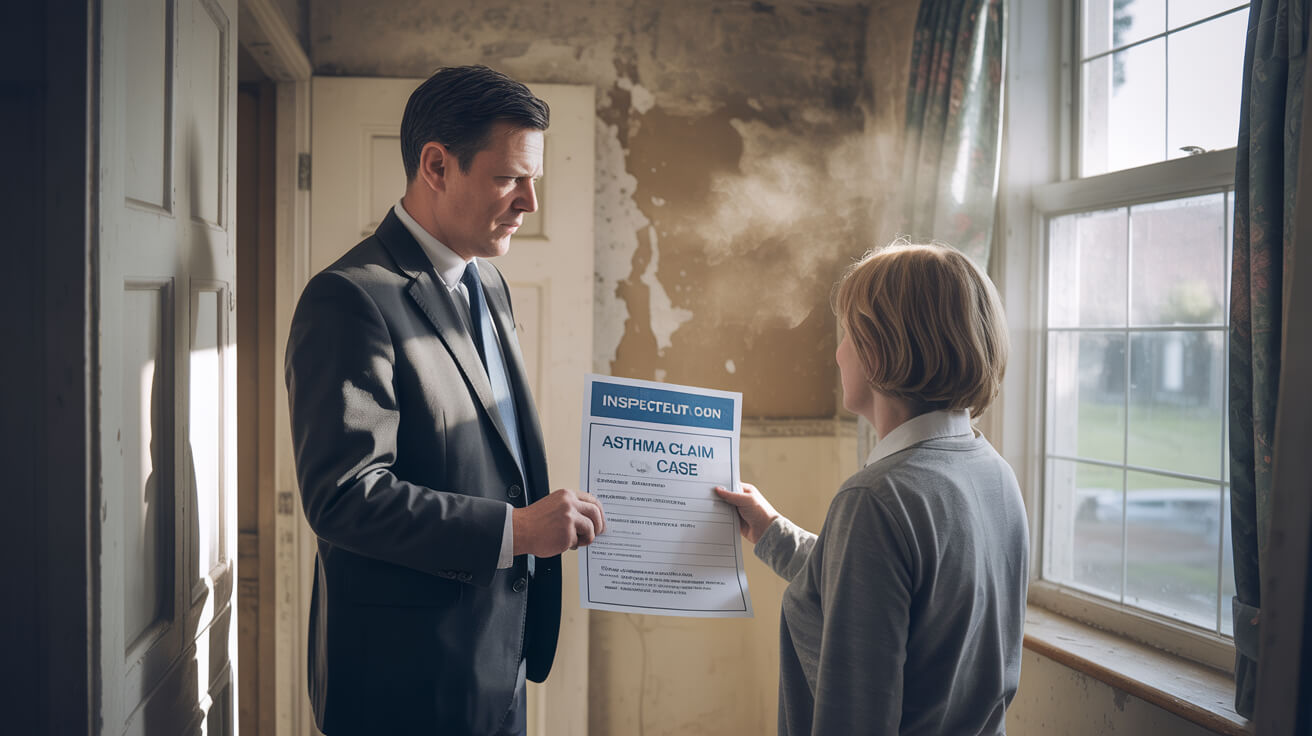
Once a council is notified—by tenant, neighbour, or medical professional—it moves with a system honed over years of legal disputes. For landlords, the clock starts ticking the second a complaint hits environmental health. EHOs work fast and build their case with professional rigour: one unresolved case can end in prosecution or forced works inside of a month if statutory nuisance is confirmed.
You can be compliant on Monday and in breach by Friday—the process is relentless once triggered.
Step-By-Step: How the Council Handles a Damp Complaint
- Complaint Received: In writing or by phone, from tenant, visitor, medical staff, or a surveyor.
- EHO Inspection: A qualified environmental health officer inspects the property—often with moisture metres, thermal cameras, and referencing HHSRS (Housing Health and Safety Rating System) benchmarks.
- Evidence Assessment: Health impact, location of mould, photographs, logs of previous complaints or repairs, and resident interviews are reviewed.
- Legal Test: Is the damp “injurious or likely to be injurious to health”? If yes, the council issues an Abatement Notice (EPA s.80) with orders and a deadline (typically 21–30 days).
- Enforcement: If the owner/manager fails to act, councils can authorise the repairs and recover costs directly—or pursue criminal prosecution, fines above £5,000, and a permanent entry on property records ([EPA 1990 s.80](https://www.legislation.gov.uk/ukpga/1990/43/section/80)).
- Ongoing Reputation Impact: Abatement notices stick. They impact lending, insurance, and future sales or tenancies.
Statutory Nuisance Flow: What’s the Timeline from Complaint to Action?
Complaint raised → EHO inspection → Abatement notice issued (with deadline) → Council acts or prosecutes if not remedied → Record marks the property until compliant.
Immediate, professional action stops legal escalation before reputational damage sets in.
What Proof Do You Need to Defend Against a Council’s Damp Nuisance Claim?
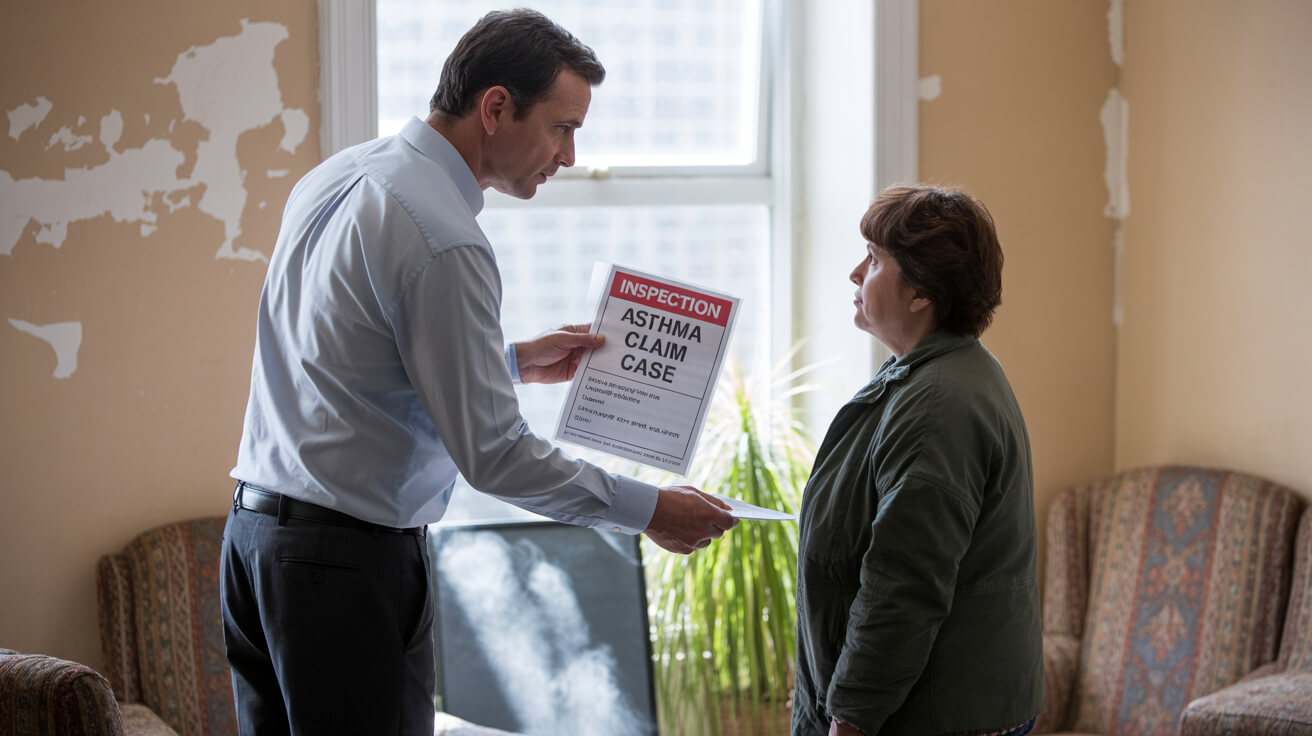
It’s not enough to claim “good intentions” or show a couple of years-old invoices. Defending your property—and your position as a responsible landlord—means you need a complete, current, and time-stamped evidence trail. Councils and courts look for factual records. Relying on out-of-date paperwork, general maintenance logs, or vague “lifestyle” claims will not shield you in a hearing or council review (Justice.gov.uk CPR 35).
No record, no remedy—the law only protects what’s provable, not what you recall.
The Defensible Dossier: Elements You Absolutely Need
- Independent Expert Reports: Preferably from PCA, RICS, or CIOB-accredited professionals, compliant with CPR 35 (for legal credibility).
- Full Repair Logs: Every inspection, contractor visit, fix attempted, and direct tenant communication, dated and itemised.
- Before–After Evidence: Clear, time-stamped photographs documenting both problem and remedy.
- Tenant Guidance: Proof you shared written advice (ventilation, behaviour support) and documented offers of further help.
- Action Timeline: Demonstrate you acted promptly—not months after complaints, but at the first sign of risk.
Lack even one of these layers, and you leave your defence exposed.
Position-0 Snapshot: What Records Matter Most?
Detailed, accredited surveyor reports, precise repair logs, photographic “before and after”, and documentation showing tenant engagement are core. Anything less is considered substandard.
Why “Condensation Blame” and Old Guarantees No Longer Offer Legal Protection
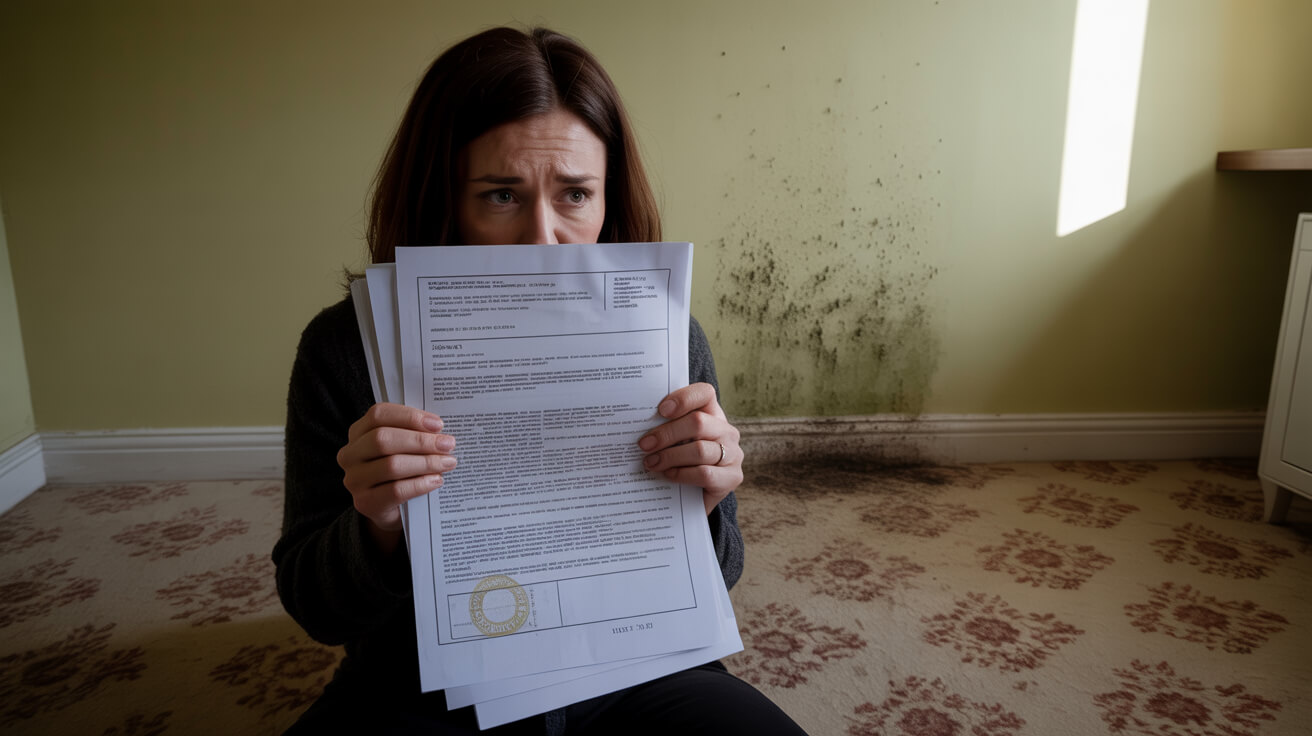
Landlords, letting agents, and property managers often reach for two classics: the “tenant lifestyle” excuse and stacks of old DPC or remedial works paperwork. In today’s enforcement climate, these tactics almost never work—unless you can show an objective investigation, tenant support, and current repairs that address the root causes (Trowers & Hamlins).
You can blame lifestyle, but if the survey suggests your building’s leaking, you’ll still pay.
What Courts and Local Authorities Reject Outright
- “Lifestyle” Alone: Without proof you properly advised and supported tenants, this is dismissed.
- Aged DPC or Repair Certificates: Dated, generic or incomplete paperwork holds little if it predates the current issue or fails to tie to precise evidence.
- Vague Maintenance Logs: “Pending fixes” won’t suffice if actual, dated actions aren’t visible.
- Delays: Any drag between complaint and intervention can be read as disregard for safety.
Active records and clear communications protect landlords and property managers; delay and excuse now guarantee higher long-term cost.
Direct Answer: Does Blaming Condensation or Showing Old Certificates Work?
No. Without recent, independent investigation and documentary proof of tenant communication and root-cause repair, these defences almost always fail.
Why Calling in a Damp Surveyor Is Your Hardest Defence—Not Just a Formality

Disputes escalate quickly. In council hearings—or court—impartial, high-calibre survey evidence trumps every verbal claim and contractor invoice. Reporting from PCA, RICS, or CIOB-accredited experts, aligned with CPR 35, is the gold standard because it proves both professionalism and non-partiality (localgovernmentlawyer.co.uk).
Courts trust an impartial damp pro—never a mate with a toolkit.
What Sets Expert Survey Evidence Above All Else
- Accreditation: Only detailed reports from PCA, RICS or CIOB-accredited surveyors truly count.
- Scientific Diagnosis: Reports must show temperature, moisture, photographic and process data—not just “opinion.”
- CPR 35 Compliance: Fit-for-court formatting gives legal status and ensures procedural standards.
- Unbiased Reporting: Evidence of objectivity, showing neither landlord nor tenant is favoured.
- Actionable Solutions: Clear fixes and timelines, not generic “further investigation needed” language.
Routine contractor notes or supplier certificates are no longer accepted by most councils, and can be disregarded by the courts.
Quick Snap: What Survey Will Shield You Best?
A neutral, expert report with legal formatting, robust evidence, and specific recommendations—produced fast and shared transparently—offers your best legal protection.
Responding to an Abatement Notice: The High-Speed Checklist for Owners and Landlords

A statutory notice isn’t theoretical—it’s a legal deadline, and the pressure starts from day one. What you do in the days after the letter often decides whether the case escalates to prosecution or is resolved on your terms.
After an abatement notice, every hour counts—you’re racing against fines and permanent records.
The Smart Owner’s Sequence: Every Step Is Evidence
- Gather Evidence Instantly: Collate all relevant logs, photos, tenant messages, and previous survey reports—put it all in one accessible place.
- Book an Expert Survey: Secure a PCA, RICS or CIOB-accredited, CPR 35-compliant survey at the first opportunity.
- Notify Council and Tenant: Confirm in writing that you’re on the case, share your expert’s scheduled visit, and list planned interventions.
- Show Your Working: Update all parties on progress, share photographs, and convert verbal promises into written action logs.
- Archive Methodically: Secure all evidence for insurance, future legal reference, or loan/mortgage queries.
Waiting, debating, or producing paperwork after the deadline risks instant costs and reputational pain.
What’s the Most Important First Step?
Book a qualified, legally-compliant expert survey immediately and notify council and tenant—in writing—that full action is underway, with documentation to follow.
Why Prevention and Documentation Always Outperform “Defence” After a Complaint

Contested damp cases are rarely won by landlords or property managers who rely on last-minute fixes or legal face-offs. Instead, most statutory nuisance actions are avoided wherever expert surveys, documentary logs, and robust tenant communication are the norm. Prevention isn’t optional—it’s how responsible owners hedge legal risk, investor confidence, and market value, all at once.
You can fight over evidence later—or build an airtight record from day one.
Five Defensive Habits That Beat Most Damp Claims
- Annual Accredited Surveys: Commissioned from PCA, RICS, CIOB—logged and ready.
- Active Maintenance Records: Complete logs, from small fixes to major repairs, updated as they happen—not weeks later.
- Proactive Tenant Education: Written, plain-English guidance about keeping properties ventilated and dry—with signatures or receipts.
- “Before and After” Imaging: Date-stamped photos for every visible fix.
- Specialist Help for Complex Jobs: Don’t fudge: older buildings and conversions need context-aware expertise.
Most claims are stopped before council intervention when these steps are followed.
Position-0: What’s the Surest Way to Prevent EPA Damp Claims?
Continuous logging, expert surveys, written tenant support, and ongoing documentation together keep the council—and legal risk—at arm’s length.
Sussex Damp Experts: Why Our Approach Stands Up to Legal, Council, and Insurance Scrutiny

You don’t need a “damp proofing” service. You need a legal shield and a compliance partner. Sussex Damp Experts delivers PCA, RICS and CIOB-accredited reports, strictly aligned to CPR 35 for legal settings—from council abatement hearings to mortgage and insurance demands. Our inspections are BS 6576 and BS 8102-aligned, covering specialist diagnostics and full photographic and documentary evidence.
You’re not left with a generic survey sheet. You receive clearly-worded action scripts, documented steps (including sample tenant correspondence), and system-ready logs that leave nowhere for doubt or blame to hide.
- Mortgage, Letting, and HHSRS Support: Our documentation is trusted by lenders, letting agents, and council officers.
- Landlord and Manager Ready: Our paper trail is purpose-built for demonstrating diligence and cutting legal risk—evidence chains for every stage.
- Owner and Agent Confidence: Every fix and communication is tracked, giving reassurances to buyers, sellers and investors alike.
When regulation or complaint arises, you aren’t buying a “repair”—you’re shutting down risk, cost, and uncertainty, with a reputation shield built in.
A clean paper trail is your only guaranteed legal defence—don’t settle for less.
Protect and Future-Proof Your Property—Act Now With Sussex Damp Experts
Whether you’re facing a live claim, anticipate a council inspection, or want long-term peace of mind, Sussex Damp Experts brings you court-ready documentation and system-level guidance.
- Court, Council and Mortgage-Grade Reports: Every inspection is PCA, RICS, CIOB-accredited and CPR 35-compliant.
- Proven Chain of Evidence: All records—photos, logs, actions—archived and audit-ready.
- Expert Steps at Every Stage: Maintenance, education and tenant support included.
- Long-Term Protection: Robust, practical defences built in—insurance, letting, and sale-ready.
Don’t risk last-minute panic or a lost case in court. Request a council-grade damp survey or compliance check today—and transform worry into confidence with Sussex Damp Experts.
Frequently Asked Questions
Why do councils issue statutory nuisance enforcement for damp or mould, and what counts as a “risk to health”?
Environmental Health officers serve abatement enforcement when damp or mould isn’t just unpleasant, but actively threatens health or disrupts how someone can live in the property. The legal trigger is “prejudicial to health” under the Environmental Protection Act 1990 (section 79). It’s not about minor marks: it’s ongoing or repeated patterns—like stubborn black mould, persistent wet patches in living spaces, or medical evidence linking symptoms to property conditions—that set the legal wheels moving. Vulnerable groups—children, the elderly, anyone with asthma—bring even lower tolerance for risk. The risk test comes down to credible evidence that health or well-being will be harmed if things don’t change, supported by surveyor findings, medical notes, or clear habitation standards not being met.
What signs typically draw council action?
- Enduring black mould: or musty odours in rooms where people sleep or spend most time.
- Repeat complaints: that show a long-term unresolved environment issue.
- Independent survey evidence: directly linking property issues to health concerns or living discomfort.
- Neglected repairs: —if there’s clear failure to act on earlier advice or repeated problems.
When damp moves from minor eyesore to ongoing health hazard, council action isn’t a threat—it’s a certainty.
Do isolated patches ever trigger statutory nuisance enforcement?
Rarely. Minor, self-contained damp patches only cross the threshold if they spread, recur after repairs, or combine with risk factors like children, pre-existing health conditions, or old building fabric that worsens outcomes. Sustained, uncontrolled damp gets priority over one-off minor issues.
How does a landlord create a defensible paper trail when facing a damp or mould abatement notice?
The difference between compliance and costly penalty is usually found in the paperwork—not just the repair work. From the minute you receive an abatement notice, every step must be tracked: date-stamped repair logs, photos before and after, surveyor’s report referencing BS6576/BS8102 if possible, and a file of communications with tenants and any contractors. Response speed counts, but the true shield is demonstrating you didn’t wait or cut corners. When tenants contribute (for example, blocking visits or refusing to ventilate), every attempt to educate or access should be written, not just verbal.
What forms bullet‑proof compliance evidence?
- Independent, specialist damp survey: (PCA, CIOB, RICS) referencing site-specific inspection, findings, and root causes.
- Date-sequenced logs: —every repair, maintenance action, and communication with the tenant ordered by date.
- Visual proof: —before/after photos, metre readings, annotated diagrams.
- Proof of tenant support: —leaflets, emails, offers of dehumidifiers or written ventilation advice.
Good intentions help no one unless the file tells the same story. Paper trails, not promises, keep you out of court.
How do landlords routinely fall short?
Skipping written records, replying too slowly, or sending generic repair letters lacking evidence of building-specific investigation. Even the best work, if unsupported by timely and detailed paperwork, can be dismissed as hearsay.
What is the strongest evidence a landlord can present to defend against regulatory failure on damp interventions?
The ultimate line of defence is an independent, court-grade surveyor report—accredited by PCA, RICS, or CIOB—that meets CPR 35 standards and includes full-site photos, moisture and salt readings, and a clear diagnosis. Reports need to document the chain of events: initial diagnosis, recommended remedial methods (referencing BS6576/BS8102/PAS2035 when relevant), completion sign-off, and follow-up visits or monitoring logs. Each action should be mapped against the surveyor’s recommendations; anything missing or delayed must be explained in writing. Sequential, evidence-backed records tell enforcement bodies the real story, and they can halt escalation or result in a notice being withdrawn.
Which paperwork gaps erode a landlord’s defence?
- Missing or unauthenticated survey data—like undated photos or reports with no declaration of independence.
- Unlogged tenant communications or offers of education/support.
- DIY reports or oral agreements without witness or paper confirmation.
What makes evidence “regulatory ready”?
Surveyor’s credentials up front, methodology and findings explicit, flaws and access limitations noted, and all photos and readings date‑stamped. The report must match live property conditions, not a generic template.
To what extent do independent damp surveys really decide statutory nuisance cases?
An independent survey, written to CPR 35 standard and referencing British Standards like BS 6576 or BS 8102, is often the deciding factor in nuisance cases—if it’s truly impartial and covers the specifics of the property, not just general industry practice. Councils and courts give most weight to detailed reports that lay out what was inspected, which tests were done (such as moisture mapping, thermal imaging), and what was found. Surveys should diagnose the root cause and outline step-by-step remedial options, including how to monitor for recurrence. Equally, independence matters: reports by professionals with no contractual stake in the outcome are far harder for councils to dismiss or override.
What often undermines otherwise valid surveys?
- Lack of access notes, meaning questions about property areas left unchecked.
- Gaps between the dates of inspection and action—especially if issues worsened meanwhile.
- Overuse of generic templates, leaving specific problems unaddressed.
A survey that could survive trial cross‑examination is often the only one that will move a stubborn council or secure a judge’s trust.
Do councils ever override strong survey evidence?
If tenants present new symptoms, or evidence of recurrence surfaces, councils are entitled to commission their own surveys or ask for further evidence. However, a robust, independent report remains the cornerstone of any legal defence.
In what ways can tenant actions limit or end a landlord’s legal responsibility for damp or mould?
Landlord liability ends only if building and infrastructure issues are resolved, and the landlord can show tenants were given specific, written guidance about heating, venting, and managing internal moisture. If, after being informed and supported, tenants block access, refuse repairs, ignore safety guidelines, or actively work against moisture reduction measures, landlords start to regain legal protection. The record must show clear, repeated offers of both repairs and education before councils will shift blame. Silence, general blame, or reliance on “lifestyle” arguments without evidence won’t hold in court.
How can landlords log proof of tenant interference?
- Written access offers: —letters or emails showing compliance with notice periods and repeated repair bookings.
- Education evidence: —advice leaflets, carbon-copied emails, or PDFs attached to texts regarding ventilation and condensation control.
- Support logs: —dates when dehumidifiers or alternative aids were offered, accepted, or refused.
When do councils let a landlord off the hook?
Persistent, documented refusal of access for diagnosis or repair, paired with evidence of robust support and education, may release a landlord from liability—but only for those specific future issues provably linked to tenant behaviour.
What tangible risks—financial, legal, and reputational—arise if statutory nuisance isn’t resolved quickly?
Non‑response or delay turns a simple maintenance issue into a multi-front threat: fines may stack daily, public enforcement logs can poison sale or refinancing prospects, and lenders as well as insurers may flag or refuse future products. Council-led repairs done “in default” usually cost much more than private quotes—and recovery comes with added administrative penalties. Data from industry audits shows that properties under local authority enforcement can lose up to 12–15% in sale value and require owners to bridge higher mortgage risk thresholds. Once flagged, enforcement status can follow a property and owner, making future transactions, insurance claims, and tenant trust far tougher to win back.
One unresolved statutory nuisance can shadow your reputation for years—turning a single leak into long-term asset attrition.
How does enforcement affect current business activity?
Portfolio owners and landlords under council scrutiny often find every new letting, claim, or sale faces added checks—and mortgage providers or insurers watch enforcement logs for red flags.
Why is early documentation so valuable?
Proactive, accredited reporting, rapid response to abatement notices, and “over-communication” with tenants and authorities all preserve value, compliance, and professional status—whether or not cases ever reach court.
If your property, reputation, or business security is at risk from unresolved statutory nuisance, book a council- and court‑ready survey with Sussex Damp Experts. Our accredited evidence, at home in the courtroom or council chamber, gives you ownership of the outcome and a visible shield for what you’ve worked to build.

