
 By
By  February 9, 2022

What Is Condensation and Why Does It Matter for Your Property?
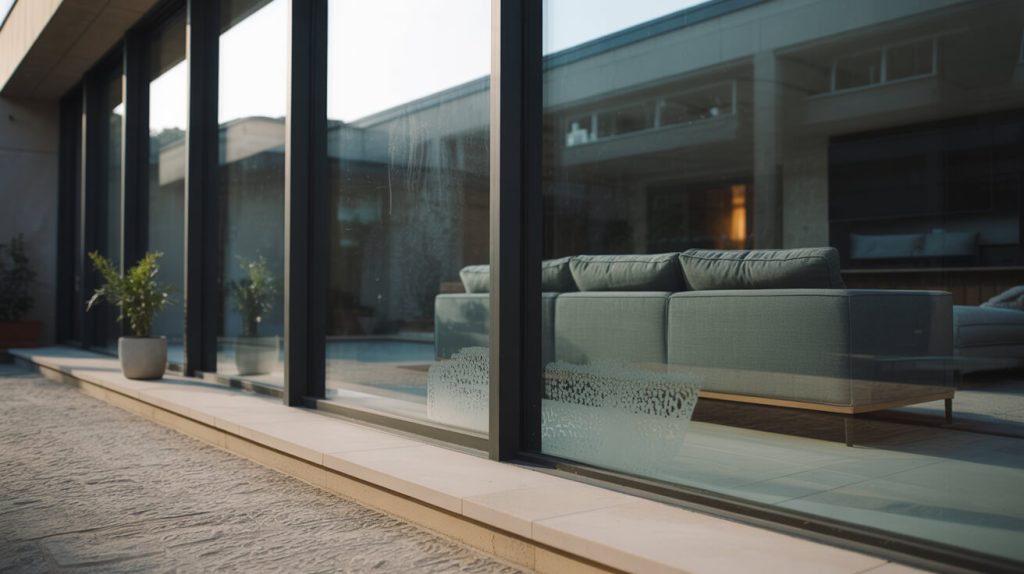
Condensation is the most common cause of damp-related issues in UK buildings. It occurs when moist indoor air meets colder surfaces such as windows, walls, or ceilings, turning vapour into liquid water. If this pattern continues, the effects reach beyond comfort, as the cause of damp-related issues can undermine the health of your property, your reputation as an owner or landlord, and in many cases, your legal and financial standing.
Why Properties of Every Age Are Vulnerable
Modern insulation, double-glazing, and even everyday routines—cooking, bathing, breathing, or drying clothes inside—add litres of water into your environment. Once ventilation lags behind moisture production, your structure takes the hit. Visible water on windows at sunrise, patches of black mould around ceilings, or a consistent earthy odour by a favourite wardrobe are reliable indicators that underlying humidity is gathering strength. Whether your assets are modern or heritage, condensation is indifferent—its effects are universally corrosive.
What you ignore on your windowsill can set off a chain of expenses, repairs, and missed opportunities you won’t see coming.
Silent Risks: The Compliance and Health Burden
Uncontrolled condensation places your property at odds with current health and safety legislation. Under the UK’s Housing Health and Safety Rating System (HHSRS), sustained damp and mould are recognised as environmental hazards, and condensation is often the cause of damp-related issues behind them. Properties showing these signs are increasingly likely to fail mortgage surveys, be flagged during tenancy audits, or become uninsurable for recurring “progressive damage.” For landlords and managers, these are more than repair costs—they’re liabilities that can escalate to legal or regulatory penalties.
Condensation’s Real-World Impact
Studies (NHS, RICS, GOV.UK) consistently show that homes troubled by condensation are much more likely to see:
- Recurrent black mould, especially in bedrooms and bathrooms
- Chronic paint and plaster failure
- Softening or disintegration of timber frames
- Complaints or medical issues among residents
- Delayed or devalued property transactions
A property’s value and your peace of mind are both tightly linked to how rapidly and effectively you react to early condensation warnings. With Sussex Damp Experts, there is no reliance on guesswork—just measurable, regulatory-calibrated solutions at every step.
Why Does Condensation Become a Serious Problem in Homes and Heritage Buildings?
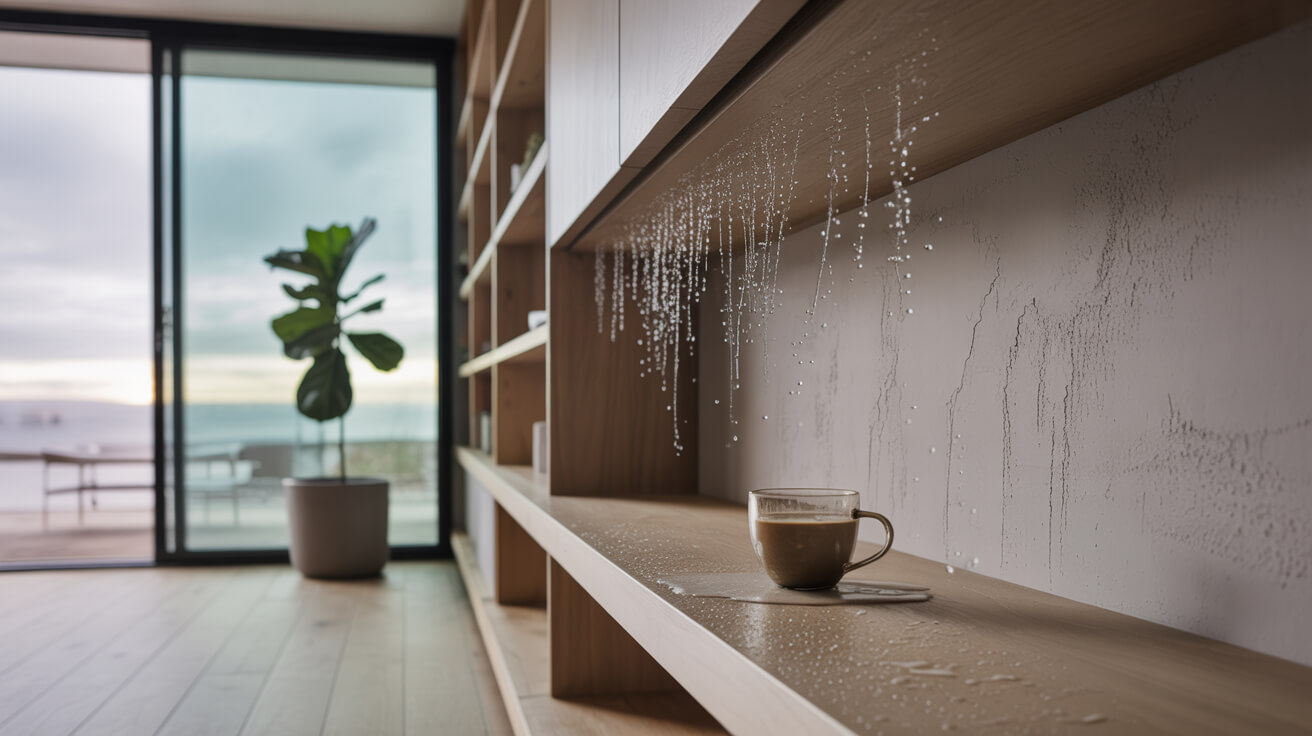
The transition from minor nuisance to costly risk is fast—and often invisible. Condensation is not an aesthetic problem. It unlocks the chain of events that lead to the most expensive, disruptive, and reputation-damaging property issues.
How Small Problems Escalate
Persistent surface moisture enables rapid mould growth, which not only damages finishes but can infiltrate insulation, flooring, and timbers. Over time, what began as a streaming window in January morphs into sodden skirting boards, decaying joists, and irreparable decorative loss. The cycle is compounded in older buildings where modern interventions (like cement renders or impermeable membranes) disrupt the historic “breathability” of materials. Each repainted surface, each DIY patch can lock in more moisture, not cure it.
| Risk Amplifier | Modern Home | Heritage Property | Commercial/Portfolio Risk |
|---|---|---|---|
| Breathability loss | High | Severe | Varies by retrofit |
| Mould recurrence | High | High | High (multi-tenant) |
| Legal/tenant dispute | Moderate | High | Elevated (HMO/social) |
| Devaluation/blocks | Increasing | High | High (mortgage/sale) |
Table: Condensation risk impact across property types; drawn from HHSRS and PAS2035 guidance
The Heritage Multiplier: When Breathability Meets Bureaucracy
Listed and conservation properties often suffer double: old lime and earth-based materials acclimate to gentle moisture cycles, not “sealed envelope” upgrades. Breathable systems, properly installed and managed, are essential—not just for compliance with planning and listed building consent, but to preserve the historic asset itself. In the absence of these, decay is swift, rarely detected until significant harm is done.
Regulatory and Cost Consequences
Failure to address condensation, including hidden forms such as interstitial condensation, is now a prime focus for environmental health officers and mortgage surveyors. Landlords risk complaints escalating to council interventions or claims under the Homes (Fitness for Human Habitation) Act. Section 21 evictions are increasingly blocked where proven mould or persistent damp is in play. Sale delays or price reductions are the norm for properties flagged on damp or humidity.
Your investment’s true cost is measured not just by repairs, but by every missed window of early prevention. Proactive control is the difference between a home that quietly ages well, and one that faces repeated audit and repair cycles.
How Can You Accurately Diagnose Condensation Problems?
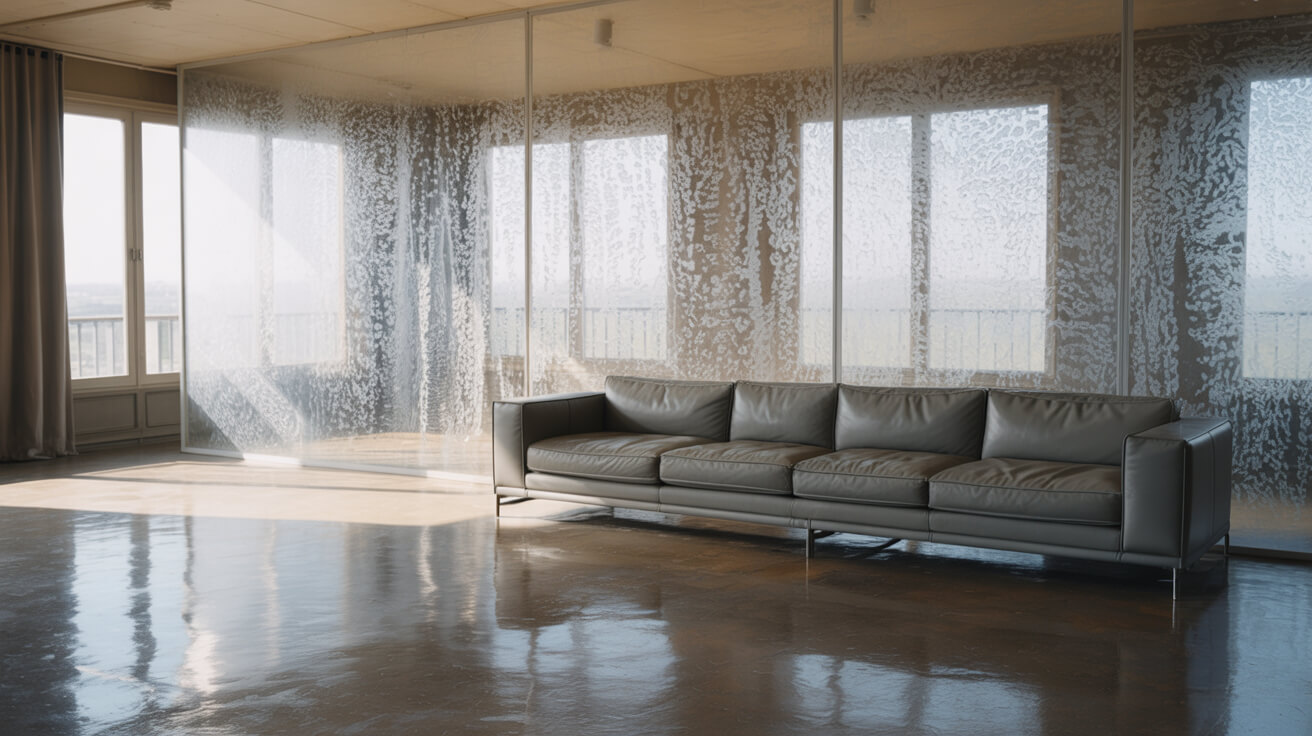
Effective diagnosis is not guesswork—it blends observation, data, and regulatory understanding. Accurately pinpointing condensation’s source versus other damp types ensures your investment in fixes ends the cycle, not just delays it.
Visual Signals You Can Use
Patterns matter. Symmetrical spots of black or dark green mould on outside walls, regular water beads on glazing, and peeling by cold corners are highly suggestive of condensation, especially if they intensify in winter or after nights with windows closed. By contrast, “salting” stains or persistent damp at skirting level may hint at rising or lateral damp—diagnostically distinct and requiring a different repair protocol.
Systematic Self-Assessment
| Room | Checkpoints | Red Flags |
|---|---|---|
| Bedroom | Cold wall touch, behind furniture | New black spots, damp odours |
| Bathroom | Ceiling corners, above shower | Persistent yellow stains |
| Kitchen | Window sills, by sink/appliances | Mould despite frequent cleaning |
| Utility/Laundry | Floor edges, ventilation grills | Constant moisture, slow drying |
Technical Tools & Professional Judgement
The next level: using validated surveying tools (PCA, TrustMark, RICS-aligned):
- Hygrometer readings in problem spots for humidity above 60%
- Dew point mapping to pinpoint condensation thresholds
- Thermal imaging to identify cold bridges or insulation failure
- Salt and moisture profile testing to exclude sources like rising damp
For accurate reports and compliance, a professional moisture survey is essential when:
- Symptoms repeat despite strong cleaning and ventilation routines
- The building is listed, under conservation rules, or subject to sale/mortgage
- Health complaints or legal procedures are underway
Accurate diagnosis does not just save time—it decisively cuts the repair loop and ensures your compliance posture is defensible.
Where and When Is Condensation Most Likely to Cause Issues?

Condensation clusters where the invisible dynamics of air, heat, and surface temperature converge. Recognising these hotspots—by room, season, and property retrofitting—lets you deploy prevention and remedial action exactly where it’s needed.
The Anatomy of High-Risk Zones
Bedrooms are prime zones: cold corners, behind heavy furniture, or near inadequately insulated walls. Bathrooms and kitchens see risk spikes due to routine steam and poor extraction. In flats (especially conversions, basement, attic, or top-floor), internal insulation and window upgrades without matching ventilation create hidden pockets where water accumulates over months and years.
| Risk Zone | Visible Clue | Risk Elevation Type |
|---|---|---|
| Bedroom corners | Black mould, cold touch | Persistent, easy to hide |
| Bathroom ceiling | Condensation, stains | Recurring, health risk |
| Utility/plant/cloakroom | Damp odours, slow drying | Infrastructure, unseen |
| Listed building void | Damp between old and new layers | Heritage fabric loss |
Seasonal and structural triggers: Autumn-winter is peak season, as heating indoors meets a drop in outside wall temperatures, causing an internal dew point spike. Recent renovation—adding insulation, windows, or partitioning—alters airflow, potentially moving condensation risk to places it was never detected before.
Proactive Mapping Protects Value
Regular walkthroughs, use of handheld humidity sensors, and annual external surveys give early warning. Sussex Damp Experts provides property-wide audits that overlay risk data with your structure’s specifics, ensuring nothing is overlooked.
Every asset is unique; knowing your building’s high-risk zones fortifies your prevention strategy and trust with tenants, buyers, or compliance auditors.
What Immediate and Routine Actions Prevent Condensation?

Education and habit are the first line of defence against condensation. Daily action, reinforced by informed system choices, changes outcomes—not just for your property’s decor, but its valuation and compliance status.
Habits That Stop Moisture in Its Tracks
- Use extractor fans during and after showering or cooking.
- Dry clothes outdoors or in well-ventilated spaces only.
- Leave trickle vents open—even in winter—to allow constant air exchange.
- Space furniture away from external walls.
- Wipe visible condensation from windows, tiles, and bathroom corners each morning.
- Maintain low, constant heating instead of on-off spikes.
When Prevention Routines Plateau
If black mould, damp, or peeling returns despite disciplined action, this signals the threshold where daily routines lose leverage. Further efforts may just mask symptoms. It’s time to consider automation and property-specific solutions that scale with your needs.
Mistakes to Avoid
- Blocking or sealing window vents to “keep warmth in”
- Relying solely on dehumidifiers (these don’t solve the underlying airflow problem)
- Ignoring signs in low-use rooms or behind heavy furniture
- Choosing DIY repairs for persistent, spreading symptoms
Smart prevention pays continuous dividends. Your commitment protects both property value and occupant health. If your prevention is not delivering, our enablement survey can map and fix the exact drivers for you.
How Do Accredited Professional Solutions Deliver Lasting Control?

When routine or low-grade fixes fail, it’s time to invest in professional-grade systems explicitly engineered for property resilience and compliance. These interventions don’t just offer symptom removal—they deliver documentable improvement in value, air quality, and liability.
Technology and Guarantee as the Game Changer
Positive Input Ventilation (PIV) and Mechanical Ventilation with Heat Recovery (MVHR) systems:
- Actively push out moist, stale air while introducing clean, filtered air throughout your property
- Optimise for both energy cost and moisture safety through real-time feedback
Heritage-appropriate solutions integrate with listed building regulations, balancing preservation with modern standards—ensuring approvals and long-term asset security.
Key Advantages
- Each installation is designed, installed, and commissioned to BS6576 & PAS2035 standards, often TrustMark accredited
- Workmanship and equipment warranties up to 20 years, fully transferable on sale or lease
- Minimal disruption schedules, exact fit for your schedule, environment, or tenant base
Documentation & Aftercare
- Complete compliance reporting for council, insurance, and mortgage lenders comes standard
- Guidance for ongoing monitoring, maintenance, and regulatory alignment
With Sussex Damp Experts, your property transitions from vulnerable to protected—from disputed to justified. When it’s time to move beyond half measures, only a system-level intervention yields enduring results.
Can Accurate Diagnostics and Documentation Prevent Legal and Financial Risk?

Precision reporting and compliance documentation re-frame every property conversation. Instead of promises, you deal in evidence—and your interests are protected.
Why Reporting Matters Beyond the Survey
- Legal/tenant disputes increasingly end in your favour when reporting is by recognised professionals, with photographic and technical proof
- Insurance claims, particularly for long-term or repeat damp, pass when preventive and remedial steps are documented at each stage
- Mortgage lenders and buyers accept properties for value, not at a discount, when reporting is proactive and knowledge-backed
| Compliance Evidence | Accepted By | Value Unlocked |
|---|---|---|
| Moisture mapping/survey | Lenders, buyers, councils | No sale delays |
| Warranty/aftercare docs | Landlords, block managers | Streamlined claims |
| Compliance checklists | Conservation/planning boards | Approvals, funding |
What to Expect From Reporting
- Clear, jargon-free documentation for every step and system
- Independent, third-party validation where necessary
- A living record, transferable to new owners, tenants, or audit cycles
A compliant building is one that never leaves its story to chance documentation.
The risks of delay are quantifiable: prolonged disputes, downgraded valuations, inability to renew insurance, or expensive emergency interventions.
Book Your Free Consultation With Sussex Damp Experts Today
Waiting gives condensation the opportunity it never deserves. Whether you’re a homeowner aware of sudden musty odours, a landlord facing council deadlines, or handling compliance for a heritage site—timely, professional engagement is your advantage.
Sussex Damp Experts offers a survey-first, compliance-tightly managed, and property-specific workflow for your needs. You’ll receive clear recommendations, regulatory-friendly documentation, and long-term guarantees covering what matters: your building’s health, your legal position, and your comfort as a manager or owner.
Every engagement is a commitment to clarity, technical correctness, and value-protection—windowless promises have no place in our service. If you’re ready to align your property with best-in-class moisture, air quality, and asset safeguarding, schedule a survey or consultation today.
A building’s future isn’t shaped by the damp you notice—it’s decided by what you act on now.
Your decision is what defines the integrity, longevity, and asset value of the place you care for.
Frequently Asked Questions
What Is Condensation and Why Does It Matter for Your Property?
Condensation forms when water vapour in the air cools against a cold surface and becomes liquid. This ongoing chemistry silently reshapes buildings across Sussex—transforming comfort and asset value without warning. Over time, unchecked condensation will stain windowsills, feed black mould, and soften timbers until your property’s health, and your peace of mind, are under threat.
The True Cost of Overlooked Moisture
Modern insulation and double glazing trap warmth but also humidity. Everyday acts—boiling a kettle, running a bath, drying laundry—can push your indoor air past its dew point, setting up a relentless cycle: as surfaces chill overnight, water settles in the quietest corners.
- Left unchecked, this cycle:
- Degrades wallpaper, paint, and plaster
- Fuels persistent outbreaks of black or green mould
- Weakens timber frames, sills, and flooring
- Drives musty odours that linger long after rooms are aired
- For landlords or professionals, recurring condensation is more than cosmetic: it’s a compliance flag for the HHSRS and a trigger for costly repairs or fines.
Beyond Nuisance: A Matter of Compliance and Health
Regulatory standards (BS 6576, PAS2035) treat condensation as a property risk that can render a home unfit. NHS and RICS data link dampness to higher rates of asthma and allergies, particularly in vulnerable groups. That bedroom window mist isn’t normal—it’s a sign your building has lost its balance.
Check your home’s risk: look beyond the obvious.
- Are there cold walls, streaming windows, or airless spaces where air can’t move?
- Do musty smells persist, no matter how often you clean?
- Is old damage reappearing—despite your previous fixes?
A building’s silence isn’t proof of health; silent moisture forces a confession when you least expect it.
If you see these signs, you’re not alone—this is the starting line for lasting change.
Why Does Condensation Become a Serious Problem in Homes and Heritage Buildings?
What starts as a little morning fog or a patch of black mould is evidence of a wider vulnerability. Across Sussex, condensation is the uninvited guest that outlives every DIY repair. It breeds precisely where insulation and lifestyle outpace intelligent airflow, finding footholds in both the latest builds and historic walls.
The Escalation Nobody Anticipates
Hidden moisture fuels an accelerating loop:
- Plaster blisters, paint peels, and decorative stone softens
- In bedrooms and bathrooms, spores thrive even after you scrub
- Timber decays behind fitted units or in sash window wells
- Heritage buildings with lime mortar, unvented cellars, or “retrofitted” barriers respond with mounting fabric loss
Each winter, the cycle deepens, with NHS data and council audit logs tracing direct links from ignored condensation to failed health standards, asset devaluation, and legal challenge. Mortgage surveyors that see recurring damp don’t pass over it—they mark it as a risk, possibly halting property sales or triggering retention.
Legal, Financial, and Health Stakes
- HHSRS compliance mandates action for rented, social, and multi-unit homes
- Insurance claims for “gradual damp damage” routinely fail without evidence of proper diagnosis and control
- Local authority notices increase for landlords who delay beyond the first sign
The narrative that condensation is “just part of the season” is outpaced by the reality of regulatory enforcement and tenant expectation. If you’re reading this because of a council letter, EHO warning, or tenant complaint, know that early action isn’t an option—it’s your only real defence.
A property left to fight moisture alone invites cost and consequence at every turn.
Escalation isn’t inevitable; control flows from timely intervention and evidence-led repair.
How Can You Accurately Diagnose Condensation Problems?
Misdiagnosis is the leading cause of recurring damp. A skilled eye and calibrated tools make the difference between another failed repair and a permanent fix. True diagnosis deciphers pattern, location, and history—avoiding the trap of fighting the wrong battle.
Decoding the Evidence
- Condensation signs:
- Mist-laden windows after sunrise
- Black or green mould in symmetrical, high corners (often behind furniture)
- Damp patches on external walls that vary with season and occupancy
- What it’s not:
- Rising damp: tends to march upward from floor skirts, accompanied by white salt “tides”
- Penetrating damp: follows weather, appearing in horizontal, windward or rain-exposed walls
Tools of Trade
- Moisture metres: —for high readings close to surface, dropping with depth (unlike rising damp)
- Thermal imaging: —to find cold bridges and hidden dew-point traps
- Salt analysis: —to distinguish condensation’s absence of nitrates/chlorides from groundwater tracks
- Occupant survey: —to trace background humidity from lifestyle or low ventilation
Condensation vs. Structural Damp: A Diagnostic Table
| Symptom | Condensation | Rising Damp | Penetrating Damp |
|---|---|---|---|
| Black mould patches | Yes (common) | No | No (unless severe) |
| White salt (efflorescence) | No | Yes | No |
| Location in room | Top corners | Bottom, up walls | Random, external wall |
| Varies with season use | Yes | Less so | Yes (with rain) |
Professional Judgement, Decisive Action
If your readings vacillate, symptoms persist, or heritage regulations apply, demand an evidence-based diagnosis. Sussex Damp Experts deploys holistic surveys, thermal mapping, and moisture profiling rooted in BS 6576 and PAS2035 compliance. That’s the line between surface guesswork and the kind of actionable diagnosis that passes muster with surveyors, lenders, or conservation officers.
Where and When Is Condensation Most Likely to Cause Issues?
Condensation isn’t random. It’s a function of where you live, how you heat, and which parts of your building suffocate or circulate. Properties that seem “well-insulated” can mask the problem until it appears in the least visible places.
Patterns of Vulnerability
Certain rooms and surfaces are flagged as “high-risk” on nearly every site visit:
- Bedrooms and spare rooms: Furniture lined against cold walls, unused radiators
- Bathrooms: Fans venting into lofts or failing to run long enough to clear shower steam
- Basements, cellars, and utility cupboards: Poor daylight, heavy storage, absent vent paths
- Kitchens: Single-pane glass, tight cooking quarters, and heavy use without window opening
Common Patterns by Property Type
| Property Type | Hidden Risk Areas | Typical Trigger |
|---|---|---|
| Heritage | Lime walls, sash windows | Blocked vents, impermeable “repairs” |
| Modern Flat | External corners, balconies | Unvented dryers, furniture clusters |
| Rental HMO | Box rooms, attic corners | Patch-up insulation, old double glazing |
The Influence of Season and Renovation
From autumn into spring, relative risk spikes. Retrofitting insulation or upgrading windows without balancing air change rates forces moisture to new hiding spots—often behind new surfaces or inside wall cavities.
Routine property audits at change of season or after contractor works can expose emerging patterns. Sussex Damp Experts integrates time-based and spatial mapping in every site assessment, helping you preempt and outmanoeuvre unseen damage.
What Immediate and Routine Actions Prevent Condensation?
Every property win starts with habit and vigilance. Clever routines—paired with targeted, professional adjustments—outperform any off-the-shelf “miracle” product.
Daily and Weekly Best Practices
- Use extractor fans while cooking, bathing, or showering; check they vent outside, not just into the loft.
- Keep trickle vents open—even midwinter. Thirty minutes a day with a window slightly open drastically reduces nighttime condensation.
- Dry clothing outdoors or in rooms with mechanical extraction; skip radiator rack drying whenever possible.
- Maintain steady, moderate heating, not blast-and-drop cycles that drive condensation.
- Leave space between large furniture and external walls.
Do/Don’t: Condensation Control Table
| Do | Don’t |
|---|---|
| Wipe water droplets | Ignore foggy windows |
| Schedule vent cleaning | Block air bricks |
| Use vented tumble dryers | Stack boxes in corners |
| Log persistent mustiness | Assume “it’s normal” |
Recognise the Line Between Routine and Specialist Needs
When:
- You keep finding new spots of mould
- Family health or tenant complaints escalate
- DIY fails, or guidance conflicts
move quickly to professional intervention. Systemic solutions often pay off in reduced repair, lower insurance costs, and fewer compliance headaches.
Services by Sussex Damp Experts blend habit with hardware: PIV systems, heat recovery units, and integrated sensor monitoring. These deliver results measured not just in less condensation but in higher property value and less worry.
Prevent first, but never wait to escalate when your building tells you it’s done waiting.
How Do Accredited Professional Solutions Deliver Lasting Control?
Temporary fixes fade. Only accredited, evidence-based systems create buildings resilient enough for Sussex weather, complex usage, and the scrutiny of buyers or regulators. Systemic control is peace of mind delivered as a service—not a static product.
Multi-Layered Protection
- Diagnosis and design: Using thermal profiling, humidity mapping, and air change simulation, the right system mix (chemical DPC, breathables, ventilation) is engineered for your property—not just any property.
- Installation: Certified installers deliver minimally invasive, standards-compliant work, preserving both function and fabric (especially for listed or heritage assets).
- Monitoring and maintenance: Integrated sensors, annual revisit, humidity alerts—everything to ensure results hold, not just until next winter but for the lifetime of your ownership.
- Warranty and documentation: Full, transferable warranty is standard, and detailed surveys back every insurance, letting, or mortgage requirement.
Distinctive Advantage of Sussex Damp Experts
The commitment isn’t to a product but to enduring building performance—always tied to the standards that matter (BS 6576, PAS2035, TrustMark). That means fewer complaints, higher valuations, and recognisably less stress for you and your stakeholders.
- Unlike generic installers, every solution is traceable to a documented cause and an audited benefit—what regulatory frameworks already demand.
- For commercial and social landlords, portfolio-level rollout and documentation is available.
Owners known for decisive action are owners whose assets keep their value and tenants—year after year.
What Kind of Professional Reporting and Documentation Should You Expect—and Why Does It Matter?
When the report lands on your desk, it shouldn’t read like a sales pitch—it should tell a clear, logical story: what was found, what’s driving the risk, and how it was reduced or resolved. This record is what protects your decisions in negotiations, compliance audits, and future disputes.
Anatomy of Excellence in Reporting
- Stepwise inventory of symptoms, mapped against industry benchmarks (BS 6576 assessment criteria)
- Instrument-verified moisture, humidity, and temperature data
- Colour-annotated floorplans, before-after photography, and location pinpointing
- Clear, jargon-free remediation plan and timeline
- Compliance trace for landlord, heritage, and commercial requirements
- Ongoing audit, warranty, or insurance tracking notes
Why Superior Documentation Pays Off
- Lenders, buyers, and insurers accept evidence, not assumptions—or stories of “good intent.”
- Tenants, especially in regulated or social housing, want proof that approved standards (HHSRS) were followed and outcomes can be verified.
- For commercial and listed owners, signed and dated reports speed up council approval, reduce insurance exclusions, and lower claims hassle.
- Your name is on the record; a Sussex Damp Experts report supports your professional reputation and property value for as long as you own, lease, or manage.
A well-documented property isn’t just easier to live in or sell—it’s engineered for resilience, defence, and long-term reward.

