
 By
By  August 26, 2025


Why Are Children Most at Risk from Damp—and What Changed Under Awaab’s Law?
Children are not small adults when it comes to home hazards; their growing bodies and developing lungs make them uniquely vulnerable to damp and mould exposure, turning your home’s silent damp issues into a direct threat. Respiratory problems, persistent coughs, itchy or inflamed skin, nosebleeds, sleep loss, even serious infections—these are not rare accidents, but the new face of unaddressed damp in family homes.
The most dangerous hazards in family homes are often invisible and underestimated.
Children breathe in more air relative to their body weight than adults. Their faster breathing rates—especially during play and sleep—pull in mould spores, dust mites, and volatile irritants at higher doses, while their immune defences are still forming. Repeated or chronic exposure—just a few days in a damp bedroom—can triple the odds of hospitalisation for asthma, severe colds, or recurring chest infections (what0-18.nhs.uk).
It’s not just about “black spots” on the wall. Invisible damp, condensation behind furniture, or slight musty odours are now red flags for paediatric risk, not just cosmetic faults. Health authorities and local housing officers have moved from encouraging “better cleaning” to treating every sign of damp as a safeguarding issue—one that must prompt urgent inspection, not neglect.
The catalyst for this shift? The tragedy that unfolded for Awaab Ishak—whose death, caused by unchecked mould in social housing, changed the legal landscape in the UK. Awaab’s Law now puts strict, time-bound duties on property managers across all sectors: damp and mould complaints can no longer be delayed, minimised, or dismissed. For the first time, children’s exposure to damp is a statutory emergency requiring rapid, paper-trailed remediation.
Ignoring a family’s damp complaint is now a legal breach, not a maintenance note for next quarter.
How Does Damp Actually Harm Children’s Health, and Why Are the Rules So Much Tougher?
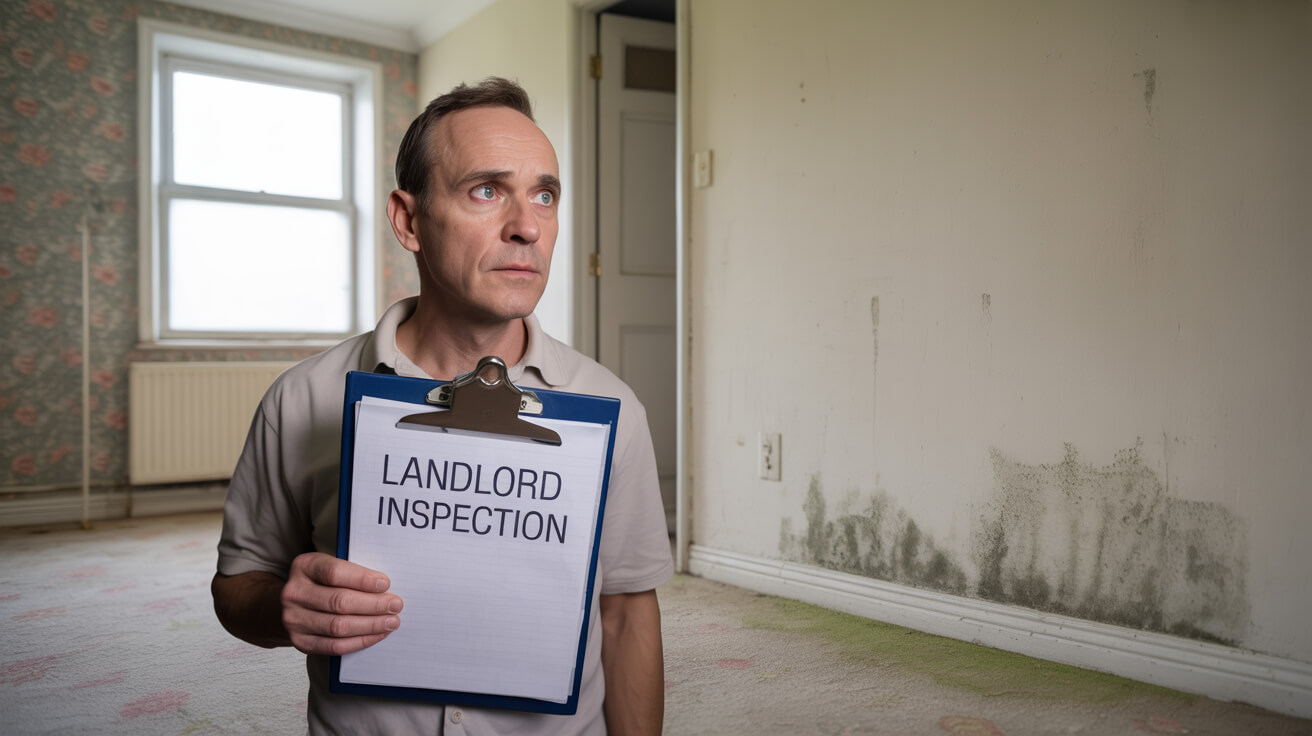
Damp and mould trigger a cascade of microscopic threats: air thick with fungal spores, fragments, and volatile chemicals that embed themselves in bedding, toys, and every inhaled breath. Most parents see the aftermath—a coughing fit that won’t end, asthma flares, skin rashes or eczema that “just keep returning”. But the real harm now begins before visible black mould stains even appear.
Repeated breathing of mould-laden air erodes natural defences. Under-fives are especially at risk, with each day of exposure compounding the odds of future lung damage or persistent respiratory sensitivity (what0-18.nhs.uk). British paediatricians and studies confirm the risk spikes: Winter admissions for childhood lung conditions rise rapidly after wet spells, cold snaps, or poor indoor ventilation (bbc.co.uk).
But awareness now translates into action. Under Awaab’s Law, and especially in cases involving Children, Damp, And related health concerns, every sign, from “just a cough” to a subtle musty smell, triggers a duty to act. Property owners and managers must move immediately—inspection, documentation, and credible solutions are mandatory. No more “observe and wait” tactics. For children, the difference is tangible: less time at the GP, lower school absences, healthier sleep, and stronger growth.
The warning isn’t just black patches—it’s every cough and cold that lingers longer than it should.
A home that fails to keep children dry and safe is now a compliance failure, not a bad-luck story. The new rules don’t just protect vulnerable children—they challenge every owner and landlord to raise the bar for legally defensible living standards.
What Is the Real Cost of Damp—Beyond Repairs and Health?

Most property owners see damp as an eyesore or a maintenance bill. But since Awaab’s Law—and long before—damp is a financial liability, a legal one, and a reputational scar. Mortgage lenders, letting agents, and insurers have long flagged persistent moisture or musty odours as a deal breaker, leading to:
- Devalued property: —Surveys flag damp as a major defect, cutting sale prices or stalling deals entirely ([citizensadvice.org.uk](https://www.citizensadvice.org.uk/housing/repairs-and-housing/repairs-and-housing-conditions/whos-responsible-for-repairs/repairs-damp/?utm_source=openai)).
- Restricted lending: —Properties with visible or diagnosed damp may be classed as unmortgageable until all issues are fully certified as resolved.
- Refused insurance claims: —Insurers can void claims or renewals if prior issues were “papered over” or only treated cosmetically.
- Energy inefficiency: —Damp walls bleed heat, sending bills soaring and pushing rented homes below legal energy rating minimums.
You can spend years maintaining curb appeal, but a single survey note on ‘mould risk’ will tank value and trust.
Post-Awaab, failing to prove full survey, remediation and aftercare is a direct route to legal fines, rent repayment orders, or even enforced sale. For landlords and managing agents, the “cheap fix” now carries more risk than reward—superficial spraying, repainting, or patching can result not just in persistent problems, but in prosecution and asset loss.
Does Awaab’s Law Really Apply to Every Landlord and Agent?

The days of assuming “that won’t apply to me” are over. Awaab’s Law binds social landlords right now—private landlords and agents are next, with phase-in coming for every rented home (gov.uk). That means the families you serve—no matter your portfolio size—are protected by the same statutory power as large housing associations.
Landlords and managing agents must now:
- Investigate all damp or mould complaints within 24 hours.:
- Deliver professional surveys and clear documentation.:
- Complete certified remediation—with before and after proof—within statutory timeframes.:
- Log and retain all evidence for spot audits.:
Local authorities have teeth: fines, prosecution, the ability to list you publicly as non-compliant, and—in ongoing breaches—power to restrict letting or force sale. Partial repairs, missed paperwork, or casual replies to tenant reports are all now grounds for enforcement.
Ignoring a damp complaint risks more than just rent—you’re risking your legal right to let or sell the property.
What Proof Is Required to Remain Compliant Under Today’s Law?
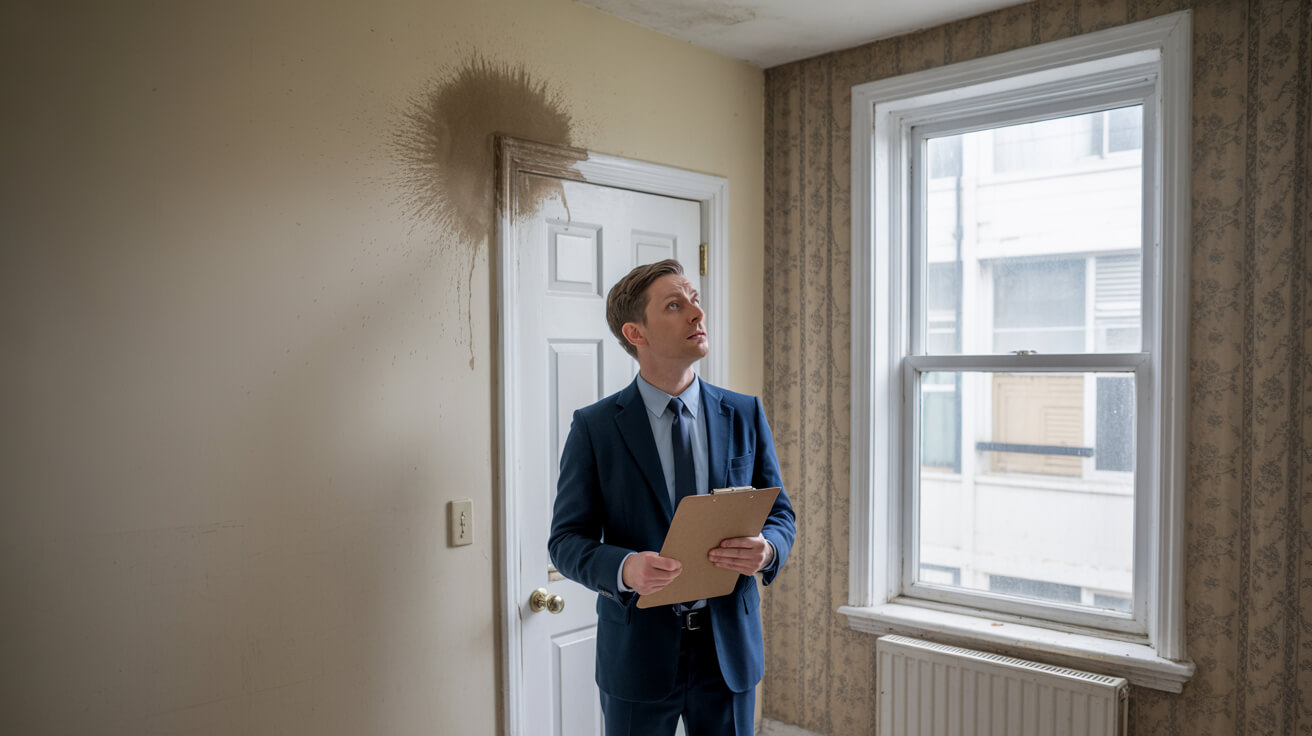
Compliance in 2024 isn’t a “tick-box” for a paint receipt. It’s an auditable, evidence-backed chain that begins with the first complaint and ends in documented aftercare. Legislation now expects a complete audit trail, including:
- Original report with date and evidence (photo, video, tenant/occupant description).
- Full professional survey: —PCA- or CSRT-qualified, not self-completed forms.
- Certified diagnosis—not just guessing: moisture readings, salt tests, ventilation audit ([barnet.gov.uk](https://www.barnet.gov.uk/housing/private-housing/private-tenants/damp-mould-and-condensation-advice?utm_source=openai)).
- Specialist repair specification—tailored to the underlying cause, not just painting or bleach.
- Photo and written proof of resolution plus monitoring arrangements.
- Renewal documentation—for all insurance, mortgage, and rental agreements.
Every step must be retained, time-stamped, and reproducible for inspectors or lenders. One missing link can cost a sale, dissolve an insurance claim, or trigger a rent repayment order.
A compliant asset is more than dry walls—it’s every decision and fix, documented before it’s ever contested.
Owners, letting agents, local authorities, and contractors are all on notice: gapless compliance paperwork is now the foundation for every property transaction and defence.
Why Are Professional Damp Surveys and Repair Certifications So Critical Now?

Filling a wall crack, blasting anti-mould spray, or covering a stain is worse than useless. DIY or cosmetic fixes are explicit red flags for surveyors and regulators—signals of a deeper problem unaddressed or undisclosed.
A genuine, compliant process means:
- Root-cause investigation: with survey-grade damp metres, thermal imaging, and salt contamination analysis.
- Repair techniques documented to professional standards: chemical DPCs, membrane installations, ventilation upgrades—all matched to BS6576/BS8102 best practice ([barnet.gov.uk](https://www.barnet.gov.uk/housing/private-housing/private-tenants/damp-mould-and-condensation-advice?utm_source=openai)).
- End-to-end records, photo evidence, and aftercare instructions for tenants or occupants.
- Follow-up moisture and ventilation checks logged, with warranty and guarantees registered to the property address.
Surveyors, insurers, mortgage lenders and legal authorities no longer accept promises or receipts—they demand PCA-accredited, traceable, reproducible proof that meets the standards of Awaab’s Law.
A survey-grade report is now a legal shield, and only credible fixes count for buyers, lenders, or families under threat.
How Bad Is a Delay—or Willful Denial—Now That Awaab’s Law Is in Force?
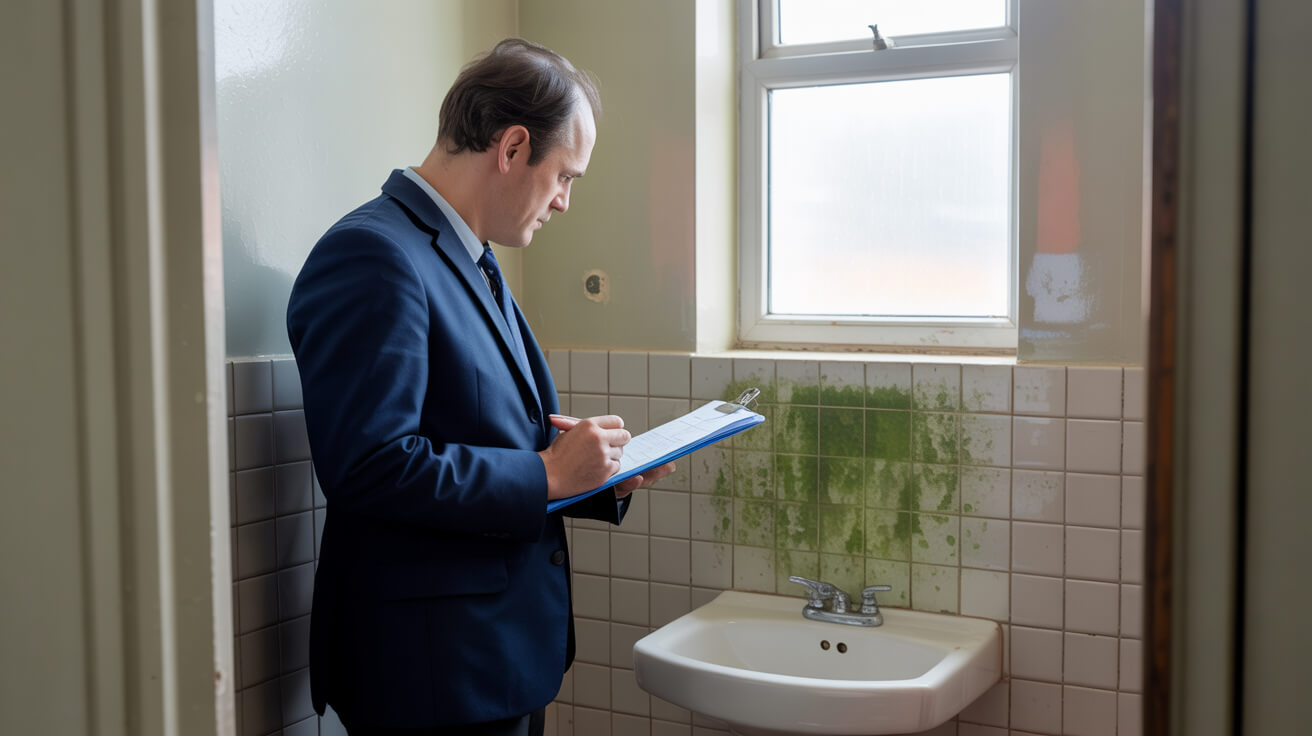
Delays can be fatal for children and lethal for your portfolio. Under Awaab’s Law, any delay in addressing a child-related damp alert escalates rapidly into enforcement and financial pain:
- Rent stopped or repairs ordered directly by authorities, with fees debited against income.:
- Court costs and legal action for non-compliance—including bans on new lettings or even asset seizure in extreme repeat cases.:
- Devaluation, re-mortgaging refusals, or inclusion on public lists of unsafe property owners/managers ([localgovernmentlawyer.co.uk](https://www.localgovernmentlawyer.co.uk/housing-law/397-housing-news/59923-government-confirms-introduction-of-awaab-s-law-in-phases-from-october-2025?utm_source=openai)).:
Seemingly admin-sized mistakes—failing to log a remedy, forgetting a renewal survey, missing a follow-up—can strand properties in limbo, insurance claims in dispute, and reputations in tatters.
Wishful thinking costs more than repairs—delay multiplies risk, expense, and scrutiny.
The message: Resected, healthy housing pays. Ignored defects breed cost, stress, and legal action.
Sussex Damp Experts—Invest in Peace of Mind for Your Family, Tenants or Buyers

Time and tide—and the new law—wait for no one. Sussex Damp Experts equip property owners and managers with the forensic skill, legal know-how, and evidence-building rigour that damp threats and today’s compliance require.
We bring you:
- Survey-grade diagnostics: —spotting moisture by the numbers, not by guesswork.
- Legally-aligned reporting: —every repair is paper-trailed and ready for council or lender inspection.
- Certified remediation: —only treatments proven to last, with explanations of materials, risks, and future-proofing.
- Warranty-logged and aftercare-ready: —no lapsed compliance, no missed risks, year after year.
- Minimal disruption, proven value: —solutions that protect your asset, your family, and your rights.
Every day you wait is a day that risk—and legal exposure—grows. Act decisively. Secure your property, your compliance, and your family’s health with Sussex Damp Experts.
Frequently Asked Questions
What hidden signs of damp most endanger children’s health, and how should families act before mould appears?
Damp problems threaten children long before tell-tale black stains surface, often starting with faint “wet paper” smells, walls that feel chilly even in heated rooms, or overlooked details like condensation beads on window corners. Infants, toddlers, and children are at higher risk—smaller size keeps them closer to contaminated floors, while developing lungs inhale proportionally more airborne spores. Symptoms may quietly present as persistent nighttime coughs, skin irritation, or asthma flare-ups—cases that don’t resolve with a new mattress or “better cleaning.”
When a child’s cold lingers for weeks, the culprit may hide beneath paint or inside the wall—not outdoors or at school.
Why are subtle, early symptoms especially serious in children’s rooms?
- Children breathe faster, touch more surfaces, and are prone to hand-to-mouth transfer—magnifying each hidden hazard.
- Current NHS and UKHSA data show a threefold increase in child asthma, allergies, and respiratory illnesses in homes with undetected or mild damp compared to dry homes *(NHS Digital, 2024)*.
- “Old house smell” or minor condensation now meet Awaab’s Law criteria—a statutory hazard, not just a “cosmetic” nuisance.
- Even small, patchy spots or faded paint can indicate high humidity and pre-mould conditions.
How can families protect health and build a strong legal response?
- Log every “minor” sign—photograph windows, peeling paint, and condensation patches; date health flare-ups, especially for children.
- Reference Awaab’s Law and duty to children in all communications with landlords or letting agents—this activates urgent protections.
- Keep a running “symptom diary”—both for medical use and to support any future claim or enforcement.
Moving quickly to request a certified damp survey protects your child’s health and ensures a robust documentary record—key to council or court-backed repairs. Sussex Damp Experts specialise in evidence that accelerates legal remedies for families.
How has Awaab’s Law changed the pace and proof standards for landlords and agents handling damp or mould?
Awaab’s Law has turned slow landlord response into a direct legal liability. If you spot or report damp, landlords or managing agents must act within 24 hours—especially where children or elderly people are present. The law flatly rejects “wait and see” or DIY cosmetic repairs. Instead, landlords must initiate a professional inspection and keep an audit-ready paper and photo trail—otherwise, they risk immediate council fines, court intervention, or being blacklisted as a non-compliant landlord.
How are the rules—and risks—different under Awaab’s Law?
- 24-hour emergency window: Complaints involving a “vulnerable” occupant force landlords to arrange a professional investigation and submit evidence right away.
- Accredited survey required: Logging the problem is not enough—repair actions must be documented with before/after photos, third-party surveyor notes, and materials specifications.
- Enforcement-by-default: Missing a deadline, ignoring a report, or using “quick fixes” enables local authorities to mandate remedial work or seize management control.
| Rule/Stage | Previous Practice | Awaab’s Law Standard |
|---|---|---|
| Time allowed to respond | 2–30 days | 24 hours (child/elder) |
| Acceptable evidence | Notes, photo, witness | Surveyor report, log, photos |
| On missed deadlines | Escalate if pressed | Statutory penalty, listing |
| Paperwork for compliance | Informal, variable | Auditable chain, digital |
Reputation is now audited, not assumed—today’s missing report becomes tomorrow’s enforcement trigger.
Building structured, compliance-ready records is now essential. Sussex Damp Experts offer accredited surveys and documentary chains that futureproof a landlord’s standing and avoid costly disputes.
What are the most effective steps for tenants and families when landlords or councils delay action on damp complaints?
If you’re being “fobbed off” or made to wait—especially with a child, elderly, or vulnerable occupant—recent legal shifts give tenants serious leverage. Written complaints, symptom diaries, and photographic records now form the backbone of enforceable claims. Once Awaab’s Law is referenced, council environmental health teams are obliged to intervene rapidly—sometimes within 48 hours.
What proven tactics cut through landlord indifference and secure urgent action?
- Document every issue: Photograph stains, moisture, or decay and keep a written log of health impacts and correspondence.
- Issue clear, written demands: Reference “Awaab’s Law” and specify if a child or at-risk person is affected—a line or two suffices.
- Notify local Environmental Health: Delayed or ignored repairs after a valid complaint must be escalated; councils now act on evidence, not escalation pleas alone.
- Request an accredited survey: A formal, third-party report typically “forces the hand” of the slow actor, providing legal backbone for enforcement.
Every ignored complaint, dated photo, or logged cough is now a building block for enforced repairs—your evidence is your shield.
Families and tenants who secure a Sussex Damp Experts survey gain legal-grade documentation structured to satisfy council, court, and even insurance requirements—shortening the path to remedy.
What specific paperwork, photos, and reports are now essential for legal compliance on damp or mould?
Legal requirements no longer end with “fix the wall.” Today, owners, managers, and even selling agents must maintain airtight proof for every stage—from tenant complaint, to diagnosis, to final aftercare. Mortgage lenders increasingly demand these records for new purchasers, while councils and insurers routinely reject claims with inadequate documentation.
What must your compliance file contain—ready for audit, sale, or inspection?
- Dated, written complaint from tenant or resident—retained for at least five years.
- Accredited damp survey (PCA/CSRT/TrustMark), ideally with moisture gradient readings, salt analysis, and root cause notes.
- Treatment spec—document which products, depths, and substrate adaptations were applied, date stamped.
- Before/after photos, moisture testing logs, guarantee and warranty terms—each linked to a site address and repair date.
- Maintenance log—notes of inspections, ventilation checks, and aftercare services.
| Document Type | Required By | Purpose |
|---|---|---|
| Complaint + symptom log | Council, court, agent | Trigger for legal compliance |
| Surveyor’s full report | Lender, agent, insurer | Diagnosis, root cause, solutions |
| Treatment/work spec | Insurer, mortgage | Verifies method, value, warranty |
| Completion/guarantee cert. | Buyer, council | Sale, risk cover, legal defence |
| Aftercare/maintenance log | Agents, landlord | Protects against future claims |
Sales collapse, remortgages stall, and insurance payouts can be denied—all due to missing or informal records, regardless of the work performed.
Requesting a full compliance package from Sussex Damp Experts guarantees a chain of trustable documents—backed by survey-grade proof and ready for any auditor or buyer.
How do accredited damp surveys or TrustMark repairs guarantee better outcomes than DIY or cosmetic fixes?
TrustMark, PCA, and accredited damp repairs deliver deeper protection—both for occupant health and property value. Where “DIY” or cosmetic repairs paper over symptoms, accredited surveyors trace the actual cause: is it rising damp, cold bridging, or hidden pipework? Their work underpins robust, insurance-backed warranties and is accepted by councils, lenders, and buyers. Most importantly, professional repairs end “chronic symptom cycles”—solving the problem at its root, not just its surface.
What distinct advantages do qualified surveys and repairs provide?
- Diagnose all moisture sources—multiple paths (airborne, capillary, structural) need distinct interventions.
- Specify the right materials and depths—lime-based render for heritage walls, high-build membranes for basements, modern DPC for solid walls.
- Generate photographic and metre-based records—needed for mortgage and assurance processes.
- Issue transferable, insured warranties that support remortgage, resale, and compliance.
- Focus on occupant health—certified solutions lower asthma, allergy, and respiratory hospital visits.
| Feature/Outcome | DIY Patch Up | Accredited Survey & Repair |
|---|---|---|
| Root cause found & rectified | Seldom | Always |
| Insurance/council acceptance | Often refused | Fully accepted |
| Transferable guarantee | Not available | Yes, often 10–30 years |
| Proven health protection | No | Yes—confirmed by outcome audits |
| Mortgage/resale support | Weak | Strong, trusted |
The right survey removes doubt and guesswork—homeowners, landlords, and buyers sleep easier knowing a recognised guarantee is in force.
Booking a professional damp survey with Sussex Damp Experts means every fix is evidence-backed, legally ready, and fit to protect people and assets alike.
What annual habits help landlords avoid penalties while maximising asset value and tenant health under tightening regulations?
The best landlords aren’t scrambling after the latest legal shift—they’re quietly outpacing the rules. Annual professional surveys, ironclad digital records, and smart tenant guidance create safer, more valuable, and litigation-proof properties. Training tenants in good ventilation and early fault-reporting not only limits health risks, but attracts high-quality renters—those who value well-run, documented homes.
What systems and routines define compliant, profitable property management?
- Schedule a survey-grade damp inspection every year—audit-ready evidence often reduces insurance costs and smooths mortgage renewals.
- Store all complaint logs, photos, and documents digitally—cloud-based records simplify audits and accelerate dispute resolution.
- Provide plain-English maintenance and reporting guides to tenants—empowered tenants raise issues promptly, slashing emergency costs.
- Register every warranty and guarantee with agents and insurers—missing guarantees have become one of the top “hidden-value” liabilities.
- Review and upgrade insulation, airflow, and waterproofing in the off-season—catch issues before winter or heavy rain.
| Habit/System | Benefits to Landlords/Assets |
|---|---|
| Scheduled accredited surveys | Lower claim risk, higher asset value |
| Digital proof trail | Faster audits, legal defence |
| Tenant training/documents | Fewer emergencies, better tenancies |
| Registered warranties | Smoother financing, easier sales |
| Proactive insulation/vent checks | Reduced downtime, continuous cover |
An owner who documents and plans beats every headline—steady asset growth and legal peace are built on invisible habits.
Sussex Damp Experts help landlords, managers, and agents design bulletproof compliance systems, combining modern documentation and annual survey routines with hands-on aftercare. Become the landlord or property manager others look up to—starting this season.

