
 By
By  August 26, 2025

Is Awaab’s Law the End of Ignored Damp—or Just a New Paper Tiger?
Awaab’s Law arrived because families ran out of patience and sympathy ran out of value. One child—Awaab Ishak—lost to mould after months of appeals, forced Parliament to admit the old rules hadn’t saved lives; a tighter law was needed, including protecting vulnerable tenants damp safeguards for families disabled and elderly under awaabs law, or too many children would end up as case studies, not future adults. For families, this isn’t another news story—it’s about the right to hand children the keys to a home that keeps them well, not wheezing in the night.
Every lost day isn’t just another mark for the landlord—it’s a fresh attack on your child’s lungs.
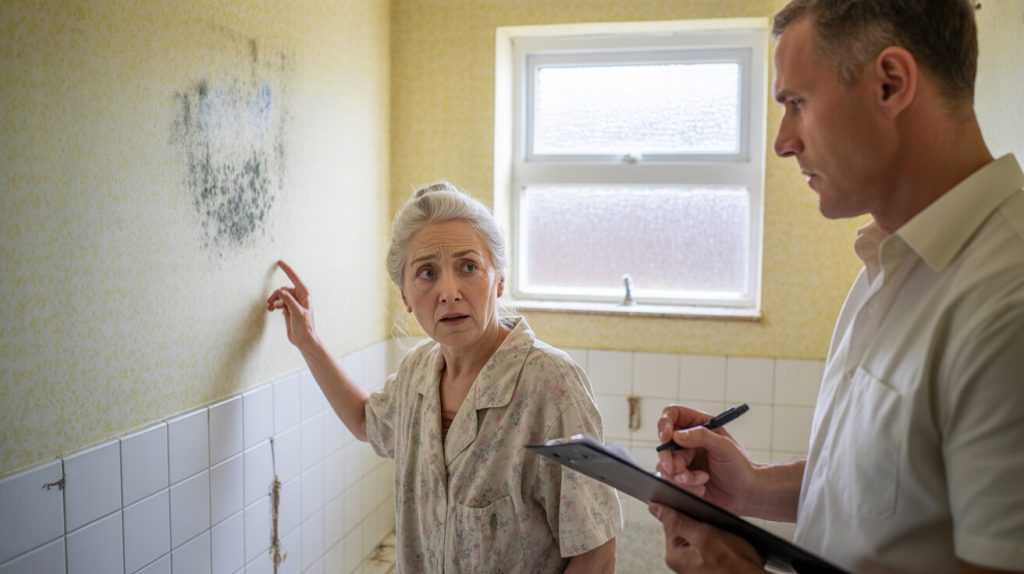
What this law changes is sharp: once you spot a patch of mould, record a crawling musty smell, or your child’s cough echoes off the damp walls, the clock starts ticking. Social landlords now face hard deadlines—14 days to inspect, and if a health risk is found for children under 18 (or anyone clinically vulnerable), they have 7 to 21 days to fix it. Local authorities threaten hefty fines, public “rogue landlord” status, and even a ban from letting for any delay (Social Housing (Regulation) Act 2023; UK Govt, 2023).
Awaab’s Law swings the spotlight entirely onto children’s welfare. Ignored symptoms or slow excuses can now trigger council-enforced repairs, with no loopholes for dodging action. Families have new leverage, and landlords have nowhere neutral to stand—complaints left unresolved now mean trouble for landlords, not tenants. A regulatory threat sits squarely over every property manager, owner, or agent with a child in the home.
This is not paperwork—this is the difference between something will be done and it must be done now.
The lesson is unmissable: if children’s health is in play, time is the enemy. The law was rebuilt for zero slack and concrete consequences when profit comes before people.
What Damp and Mould Really Threaten—And Why Early Signs Can’t Wait

Most people expect damp to show up like a thief—dripping ceilings, slick walls, puddles by the skirting—so it’s easy to miss the early warnings hiding in plain sight. Damp starts where parents are stretched thin: a cough that won’t shift, eczema right where the wall meets the child’s headboard, sniffles that turn school mornings into a gamble. Children living in damp or mouldy homes are up to 40% more likely to develop asthma or persistent breathing problems compared to those in dry environments (Asthma UK; NHS 2024).
Health isn’t the only thing at risk. Weeks off school, GP visits, and the slow churn of sleepless nights erode family resilience.
The Early Warning Signs Landlords Have to Acknowledge
- A cough worse after sleep, or after time in the house.
- Wheezing or tight chest, especially after play or running.
- Rashes, stubborn eczema, or skin flare-ups.
- Black or dark stains behind beds, wardrobes, or window sills.
- Peeling paint, wallpaper coming loose, or wall “bubbles.”
- A smell like old soil, even after cleaning.
The first symptom is rarely visible, but the cost of delay always hits the youngest and most vulnerable first.
What’s most dangerous? Not always the biggest leak, but silent condensation tucked behind furniture, beds beside cold external walls, or properties made “airtight” by modern upgrades but never audited for airflow. Any complaint from a parent about health and comfort now demands prompt investigation. Ignoring a sniffle today can mean an A&E visit tomorrow.
Landlords and property managers can no longer stall until “visible mould” appears. The legal trigger is set: evidence of harm to child health, a credible report, or clear photographic proof means action is required—no “wait and see.” Families should escalate at the first persistent trouble; a day lost now could mean weeks fighting to undo the damage later.
What Should You Do If the Landlord Drags Their Feet?

The old era of passed-around complaints and shrugged shoulders is over. If you report damp or mould in your home, you’re no longer at the end of the queue.
Awaab’s Law has created a direct line of accountability:
- Document, document, document: Dated photos, emailed symptom stories, screenshots of ignored requests. This is the new evidence.
- Report explicitly under Awaab’s Law: Name the regulation and reference the HHSRS (Housing Health and Safety Rating System) in your message.
- If 14 days pass without inspection: Contact your council’s Environmental Health team. Reference the legal duty and supply your evidence.
- Medical backup counts: Ask your GP, nurse, or nursery for a statement about symptoms and housing.
- Call in advocates: Organisations like Citizens Advice and Shelter can intervene or help escalate if stalling continues.
- If inaction persists: Environmental Health can legally force repairs, demand alternative accommodation, and penalise landlords directly.
We’re working on it isn’t enough. The law has taken away that hiding place.
Councils now wield a sharper toolkit—improvement notices, fines up to £30,000, forced repairs, and enough publicity to damage any landlord’s standing. Recording every step is your best defence. Today, the law gives tenants the legal right to demand—not just request—a dry and safe home for their children.
What Do the New Legal Duties Mean for Landlords—And What’s the Real Risk of Delay?

A vague commitment to repairs is no longer sufficient. Landlords and letting agents are now running to a strict schedule:
- Inspect any report of damp, mould, or persistent condensation within 14 days.:
- Organise genuine repairs—if children (or any vulnerable person) are at risk—within 7–21 days.
- Keep a logged record of every complaint, inspection, action, and communication.
Ignore these duties and the cost ramps up:
- Local authorities can trigger an immediate “improvement notice.”
- Delays result in fines up to £30,000 per non-compliance.
- “Rogue landlord” status carries both reputational and business devastation.
- Persistent defaulters lose the right to rent out properties altogether.
- In cases of proven health damage, criminal prosecution is entirely possible.
The rules have moved from polite warning to enforceable consequence. Your paper trail now proves whether you should be protected—or prosecuted.
Some property managers see paperwork as a shield; it only protects if it comes with timely, genuine action. Today, patch-ups and delays don’t just fail children—they directly threaten your business and livelihood.
Who Really Has Responsibility for Damp Prevention, and What Works?
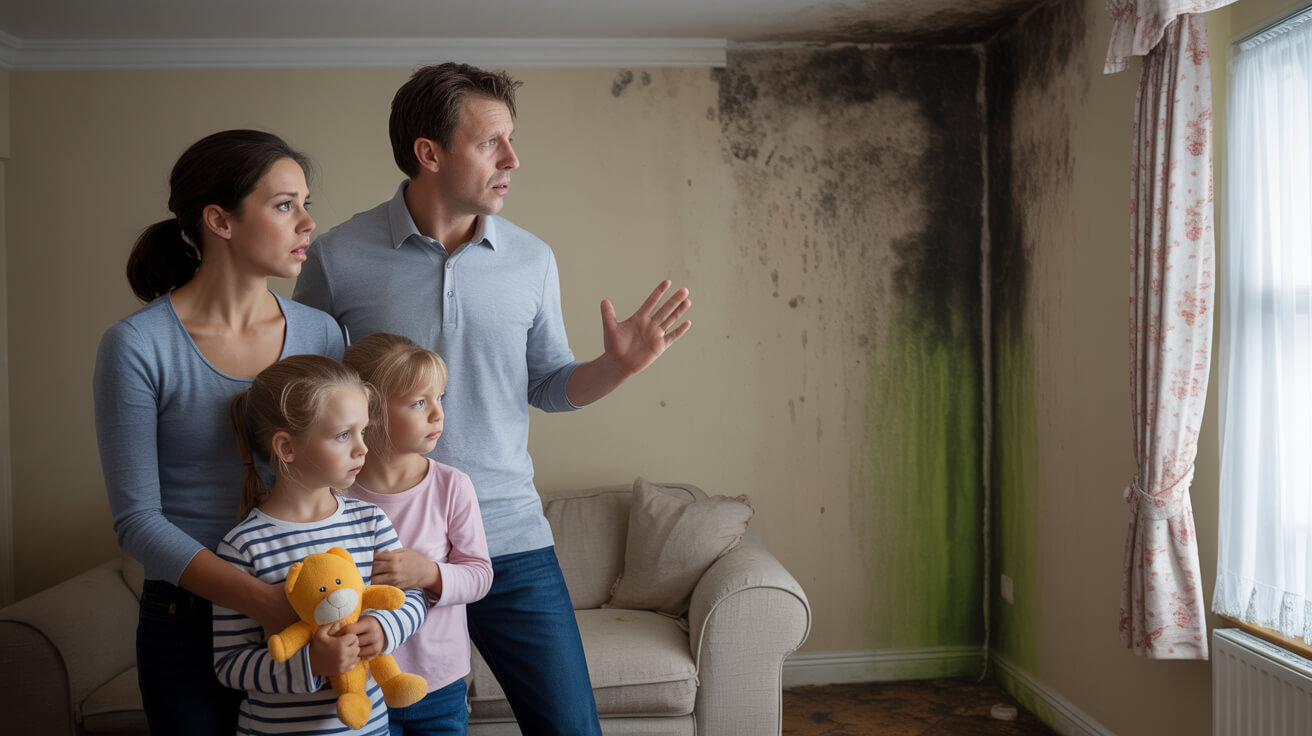
The law arms parents and tenants with clearer powers, but the primary responsibility always sits with property owners and managers. That said, effective prevention relies on both sides doing their bit.
Landlords, agents, and owners must:
- Schedule regular, written inspections—at least yearly, especially after severe weather or complaints.
- Fit and actually service extractor fans in kitchens, bathrooms, and drying areas.
- Use only accredited damp-proofing materials—steer clear of “miracle” paints and shortcuts.
- Specify breathable systems for heritage or solid wall properties; patching with modern, non-breathable materials often worsens issues.
- Retain clear maintenance and repair logs that show problems were solved, not just patched.
Tenants and families can:
- Open windows, if safe, for short periods to promote airflow.
- Keep furniture off external walls and prevent beds from touching damp-prone surfaces.
- Use dryers with external vents, and avoid indoor drying on radiators where feasible.
- Wipe away window condensation as soon as it appears; report any leaks or persistent cold spots.
Prevention doesn’t mean sacrificing comfort—it means making sure each room can actually dry itself out before damage creeps in.
Properties with special contexts—basements, heritage buildings, or recent conversions—demand an expert plan. Retrofits or “lowest quote” solutions skip critical steps; evidence shows the price of cutting corners almost always appears later in surveyor reports, insurance denials, or legal claims.
What Are the Consequences for Landlords Who Ignore These Rules?

Since July 2023, the slap on the wrist has been replaced by the legislative equivalent of a steel-toed boot:
- Immediate repair orders: —no wiggle room for debate or delay.
- £30,000 fines: per incident; repeated failures multiply, not cap, the penalty.
- Public shaming: via the National Rogue Landlords Register, with details searchable by future tenants and authorities alike.
- Letting ban: for persistent failures, ending portfolio activity in the sector.
- Council take-over: —the local authority can step in and reclaim the costs, or refer landlords for criminal action if children’s health suffers.
Delay isn’t just a line on an invoice—it’s a direct threat to business, property value, and reputation.
For professionals, this isn’t paranoia—it’s budgeting for reality. Mortgage lenders now ask about historic damp claims, insurers scan for compliance, and buyers’ solicitors treat unresolved damp as a dealbreaker. Waiting is no longer a passive default; it’s a high-risk, high-cost gamble.
Why Do Families, Landlords, and Agents Trust Sussex Damp Experts to Solve the Toughest Damp Cases?

In the landscape Awaab’s Law has created, the right surveyor is worth more than the perfect paint or quick patch. Sussex Damp Experts stand out for a mix of unmatched local knowledge, peer-respected credentials, and proven reliability:
- Advanced diagnostics: that follow BS 6576, BS 8102, and the most up-to-date PAS 2035 frameworks—meaning every risk gets traced back to its source, not just masked over.
- Clear, litigation-ready reports: —our surveys turn into robust evidence, widely recognised by mortgage lenders, councils, letting agents, and even in insurance disputes.
- Repairs that remit, not repaint: —our team designs solutions tailored for the property’s age, material, and lived context; every job’s outcome comes with a formal guarantee.
- Ongoing support: yearly check-ups, moisture monitoring, and aftercare that ensure no one falls through the cracks once work is complete.
- Stakeholder education: we share practical advice on keeping every type of home—Victorian semi, modern flat, or cottage—dry, safe, and regulation-proof.
Surface-fix companies vanish when mould returns—Sussex Damp Experts guarantee you’re never left fighting the same mould twice.
Heritage buildings, family homes, new-build lettings—we tackle each with a forensic, compliance-tuned approach, always thinking ahead to future surveys, insurance checks, and legal standards. Reputation, health, and property value all echo how well damp was managed from day one.
Does Ignoring Damp and Mould Make Problems Grow—What’s the Price of Waiting?

Every week you wait, unseen spores multiply, small leaks create bigger headaches, and minor symptoms risk becoming lifelong health burdens. The law now insists on urgency: you cannot win the race to “out-wait” damp.
For parents battling night coughs, or landlords afraid of council flags, resolve means acting on early signs. Left unchecked, damp sabotages property value, undermines tenancy, and invites legal penalties. Those waiting for “the right time” are often forced into action by fines, media coverage, or insurer blacklisting.
A damp-free home is a legal benchmark, not a privilege. Demand the standard now—don’t budget for regret.
For landlords and agents, this means every call about damp is an alarm bell. If you move fast, you retain control and show insurers, buyers, and councils you’re the gold standard.
Safeguard Your Family and Your Property—Turn to Sussex Damp Experts for Legal, Lasting Solutions
Protecting a home is more than patching the walls—it’s defending your children’s futures, your investment, and your standing as a landlord or property manager. Sussex Damp Experts operate at the intersection of technical mastery, regulatory know-how, and long-running trust across East Sussex. Our role is not only to repair but to future-proof homes against the repeat cycle of damp.
Here’s what sets us apart:
- Health-focused surveys: aligned with British Standards (BS 6576, BS 8102, PAS 2035) and current regulation.
- Action-ready treatment plans: with deadlines and full documentation, ready for inspection or legal challenge.
- Court-grade reporting: —our work stands up to scrutiny from councils, buyers, and housing associations.
- Personal aftercare: —every client receives bespoke post-treatment support, so prevention sticks for the long haul.
- Pragmatic advice for every client—from first-time buyers watching surveys, to landlords managing portfolios, to tenants worried about aftereffects.:
Don’t let the delay become your legacy. Secure the home your children deserve—dry, safe, and built for wellness.
There’s no longer any reason—or excuse—to settle for homes that put families at risk. Sussex Damp Experts bring local credibility, technical skill, and legal fluency. When only verified results and solid peace of mind will do, we stand ready to make the property—and your future—fit for the new age of compliance and care.
Frequently Asked Questions
What new leverage does Awaab’s Law give to families living with damp and mould issues?
Awaab’s Law puts legal force behind a tenant’s complaint—granting families the power to force timelines, escalate slow landlords, and seek direct council enforcement when child health is jeopardised. The moment a child shows signs of exposure—be it a cough, rash, or asthma—landlords are bound to inspect within 14 days and deliver repairs in seven to twenty-one. Failure draws fines as high as £30,000 per breach, council action, and even letting bans.
Each complaint carries the weight of the law—no more hidden excuses or slow promises.
How does this work in daily life?
- You report visible damp or mould, or any symptoms that could indicate a health risk to your child or a vulnerable adult.
- The legal clock starts: inspection in two weeks, repairs started within a further week to three.
- If deadlines pass, the council can intervene directly, penalise the landlord, and even relocate the family if risk persists.
- Landlords cannot meet requirements with paint or temporary fixes—only lasting repairs under British Standards (BS 6576/8102) count as compliant.
Sussex Damp Experts work as interpreters and enforcers of the new legal landscape—producing photographic, survey, and timeline evidence your council will recognise, so tenants and families have a defendable claim rather than facing burdens alone. [Discover more about legal enforcement and practical routines in our full article.]
What invisible dangers do damp and mould present to children that most families miss?
Damp homes hide more than stains: the real risk is invisible—chronic coughs, skin irritation, and asthma attacks that keep children up at night, even when mould looks minor or is hidden in wall cavities. A study from Shelter highlights that children living in visibly damp or mould-affected homes are over 35% more likely to develop respiratory illness, with under-fives most at risk (Shelter 2022).
A child’s body notices what the eyes or nose might miss—damage can happen long before black spots emerge.
Symptoms and warning signs that demand urgent attention:
- Children waking with night-time coughing or unusually persistent sniffles.
- Eczema-like eruptions where skin touches cold or exterior walls during sleep.
- Fatigue, loss of appetite, or an uptick in missed school days—especially in colder months even without visible mould.
- “Earthy” or slightly sweet smells, even in the absence of stains, particularly near beds, wardrobes, or window sills.
Document symptoms and surroundings—photos, a daily log, and GP notes if available—supporting your complaint with evidence, not just observations. Sussex Damp Experts offer survey and guidance packs geared for families, schools and nurseries; every early sign caught is a step towards a safer, drier home. [For comprehensive health checklists and early-detection routines, visit the symptom guide in our main article.]
What actions should tenants take if their landlord ignores damp or mould while children are present?
The law empowers you with a process that stacks pressure and proof: log the problem, demand a written response, then escalate to council Environmental Health. Use photographs, written logs, and doctor or school letters from the very first sign—councils now expect structured evidence trails rather than vague phone messages or undocumented complaints.
Every ignored email or day of inaction strengthens your council complaint—evidence wins cases, not hope.
Step-by-step escalation, from first sign to full enforcement:
- Reference both Awaab’s Law and the “HHSRS” (Housing Health and Safety Rating System) when you make your demand—this flags urgency for officials.
- Keep all communication in writing: email, dated photos, a symptom diary, and letters from GPs or headteachers when possible.
- If deadlines slip, or if repairs fail to deliver lasting change, file a formal complaint with Environmental Health; most councils have rapid escalation for child safety complaints.
- Seek support from advocacy groups such as Citizens Advice for extra leverage.
Enforcement can now mean direct improvement notices, financial penalties, or even providing the family an alternative property if hazards are ongoing. Sussex Damp Experts create the survey and documentation backbone that speeds your case, giving you what’s needed for swift council action or, if required, a formal hearing. [See our escalation roadmap in the legal solutions section.]
What compliance proof must landlords and agents provide now when damp affects children or vulnerable adults?
The days of “quick fixes” and verbal reassurances are finished. Landlords must document every step: initial complaint, inspection date, repair scope, and before-and-after evidence. British Standard (BS 6576, BS 8102, PAS 2035) repairs are essential—patch jobs or surface-only treatments won’t pass council audits or satisfy insurers and mortgage lenders.
Failure to comply is traceable: annual surveys, signed reports, moisture readings, and maintenance logs are expected for ongoing risk properties. Landlords who fall short face withheld insurance or mortgage approvals, sales delays, and public citation as “rogue landlords”.
A neglected case is no longer a private matter—it’s recorded and followed through, closing escape routes for repeat offenders.
Non-negotiable compliance must-haves:
- Careful records of all correspondence, site visits, and photographic evidence.
- Professionally recognised repair methods—proof of materials, system choice, and installer details.
- Maintenance routines, especially for extractor fans, subfloor ventilation, and rapid water ingress prevention.
- Clear, written instructions for tenants on upkeep and how to report re-emerging signs.
Sussex Damp Experts work hand-in-hand with property professionals to produce audit-grade surveys, work logs, and digital reports that pass lender, council, and insurance requirements. [For a compliance checklist and specific documentation templates, see our extended resource.]
How do prevention routines and strategic upgrades keep homes safe from damp and legal headaches?
Long-lasting damp protection hinges as much on daily habits as it does on professional upgrades—both play a role. For example: properties with solid brick or heritage walls need breathable plasters and annual ventilation checks, while tenancies with frequent turnover require clear handover routines and maintenance diaries to avoid “hidden” build-up.
Property stays healthy where minor routines prevent major repairs—damp is always easier to stop than to retroactively repair.
Real-world prevention strategies for owners and tenants alike:
- Landlords: schedule annual professional damp and ventilation checks; upgrade extractor fans where condensation recurs; keep photo logs and receipts for all repairs and maintenance.
- Tenants and families: air every room daily, store furniture just off external walls, and report any damp patches or drips as soon as spotted—photograph and date every report, to create a defendable record.
- Heritage or converted homes: consult on the right lime-based mortars and breathable systems; never “seal up and hope”.
Sussex Damp Experts build lasting prevention plans, delivering everything from fabric risk assessment to family routines, with aftercare support for all home types—future-proofing your property, tenancy, or legacy. [Browse our home safety toolkit and request a tailored maintenance plan today.]
What fines, exposures, and business risks target landlords who under-deliver on damp repairs?
Penalties today are both financial and reputational: missed response deadlines can see fines issued within weeks, with up to £30,000 per breach when children’s health is at stake. Multiple failures multiply risk, especially if children re-exposed, or if a pattern emerges—insurers and mortgage lenders now cross-check public lists of “rogue landlords”.
No second chances after a missed deadline—today, risk adds up with each ignored child or repair.
What’s at stake for non-compliance?
- Instant improvement notices and cumulative fines for every family or repeated oversight.
- Public databases flag landlords—limiting their ability to refinance or acquire new properties.
- Loss of letting licence and criminal proceedings in cases of wilful or large-scale neglect.
- Potential removal of tenants into safer council housing at landlord expense.
Sussex Damp Experts act as your compliance safeguard—repairing to required standards, supplying insurer- and lender-accepted evidence, and preparing owners to meet legal and market realities before paperwork or surveys put deals at risk. [Find enforcement case studies and detailed penalty scenarios in our full guide.]
Protect your family, your tenants, or your investment—secure authoritative damp surveys and repairs with Sussex Damp Experts, so every decision stands on solid ground and no threat is left unchecked.

