
 By
By  August 26, 2025

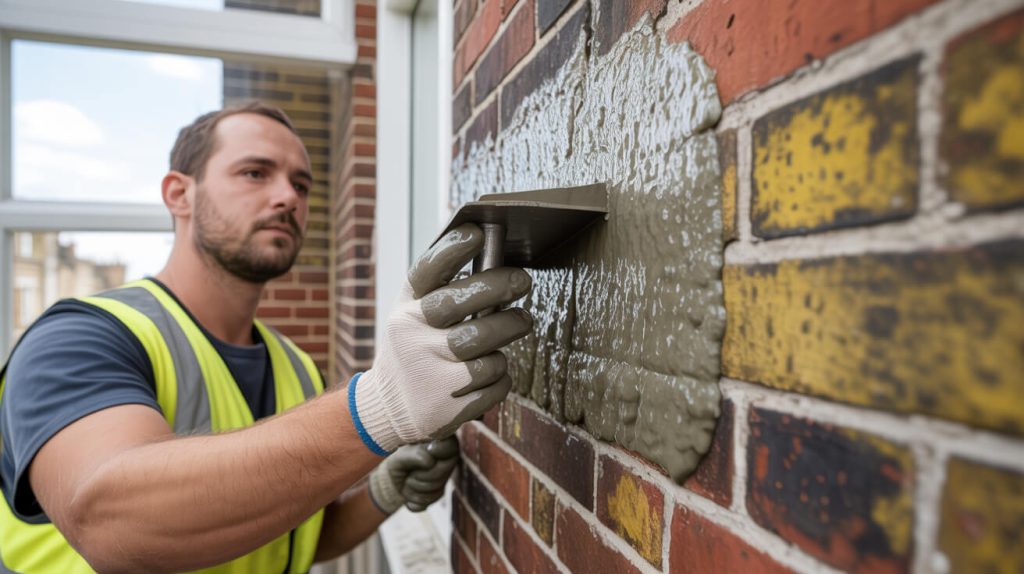
Are you legally exposed? What do the CDM Regulations 2015 demand for damp and mould control in housing refurbishments?
Damp and mould aren’t just cosmetic annoyances—they’re a legal weak spot planted deep in every housing refurbishment under the CDM Regulations 2015. As an owner, manager, landlord, contractor, or agent, you’re not judged on how neat the skirting looks at handover, but on whether you carried moisture risk as seriously as fire, structure, or electrics from day one. Fail, and you’re facing more than a big repair bill. You’re staring down regulatory probes, voided insurance, and courts that don’t care about “honest mistakes.”
The risks left for later have a habit of turning up in front of a regulator.
CDM 2015 doesn’t mince words—every material health and safety risk, including water ingress, condensation, hidden damp patches, and ongoing mould, must be traced, documented, and controlled at every project stage. Masking over “that patch” for another budget cycle or recycling generic risk paperwork is setting yourself up for a compliance ambush; enforcement doesn’t just hit unsafe scaffolding or missing fire doors. It includes moisture, top to bottom.
Why is damp central to CDM 2015 compliance on refurbishment jobs?
Drill into Sections 4 and 11 of CDM 2015, and the message is blunt: both client and principal designer are required—by law—to pin down all foreseeable risk to health and safety. That means tracking moisture threats with the same thoroughness as any other construction danger. Badly treated moisture isn’t just an eyesore; it’s proven to cause health issues (Public Health England, 2017), devalue properties, endanger mortgages, and break housing standards. If your pre-construction pack, RAMS (Risk and Method Statements), or handover omits damp, it’s a breach on par with missing out asbestos or fire plans.
Your minimum legal duties include:
- Disclosing every suspicion or legacy of damp in pre-project, RAMS, and ongoing safety logs—no matter how small or old.
- Assigning individual names—never just “the team”—responsible for identifying and treating moisture.
- Building aftercare, monitoring, and maintenance triggers into O&M (Operation and Maintenance) manuals, so compliance doesn’t drop into the gap after the last invoice is paid.
What does robust CDM-compliant damp and mould risk management look like?
- Survey-grade, independent diagnostics: Only up-to-date, evidence-backed surveys—never recycled paperwork or on-the-fly guesses.
- Tailored documentation: Every RAMS must map specific site risks, not generic hazards; bespoke plans make risks visible and controls provable.
- Qualified, current teams: Only credentialed and upskilled contractors/surveyors (PCA, BS 6576, PAS2035) handle moisture diagnosis and repairs, not “the usual gang.”
- Design and control specification: Every fix—breathable plasters, tanking, new ventilation—spec’ed, proven, and documented for that building’s history.
- Tracked aftercare: Handover is never “done.” Real maintenance points, clear triggers, and fixes must be filed and timed for the long run.
Most disputes and claims start with a job where documentation—and the root damp—were both ignored.
Table: CDM Moisture Control Duties by Project Phase
Here’s where the legal ball can drop—each player, each phase, gets a bespoke duty:
| Project Phase | Moisture Risk Duty | Who Is Responsible |
|---|---|---|
| Pre-Construction | Flag known/suspected damp in PCI | Client / Principal Designer |
| Design | Specify/record moisture controls | Principal Designer/Architect |
| Planning | Write site-specific RAMS | Principal Contractor |
| Site Works | Monitor, update, and act on damp | Site Manager/Contractors |
| Handover/O&M | Log aftercare and trigger points | Contractor/Asset Manager |
| Occupation | Watch, record, and respond | Owner/Maintenance |
Immediate action:
Audit your latest job’s risk files, RAMS, and O&M manuals. If a damp risk or control step is missing—don’t let the works advance. Pull in independent, qualified help. Sussex Damp Experts closes compliance gaps while protecting your contracts and reputation.
How should landlords and contractors assess and control damp and mould under CDM 2015 in maintenance works?

Moisture waits for no spreadsheet. “Standard” fixes and box-ticking checklists often crumple under legal or insurance scrutiny. For true compliance, you need laser-sharp diagnostics, live assessment, and an evidence chain that survives audit—across every repair or upgrade, not just during handover.
Assumed dry is not compliance; it’s a claim that ends up in the regulator’s inbox. Prove dryness or record the risk.
Step 1: Evidence-Driven Diagnostics
Start with real, calibrated measuring—not guesses or legacy terminology:
- Moisture metres (calibrated, suited for substrate) for brick, plaster, and hidden walls. “Surface-dry” is not enough.
- Deploy thermal cameras and salt tests where previous leaks or visible repair patches suggest hidden risk.
- All findings must stand up against BS 6576, BS 8102, and HHSRS; nonstandard or marginal cases require a new PCA- or TrustMark-accredited survey.
Step 2: Risk Assessment and RAMS—Tune It to Reality
Skip standard forms. Document each risk as it actually is:
- State the zones and findings in plain terms (“Rising damp, N wall, 18% moisture, fresh survey report attached”).
- Only specify controls fit for the structure—tanking for basements, vent solutions for voids, hybrid plans for complex properties.
- RAMS must form a clear stepwise chain: e.g., Isolate then strip; mechanical dry-down; barrier instal; phased re-check; photographic verification.
Step 3: Verification and Accountability—Chain-of-Signoff
- Remove all failed or non-compliant layers. Never seal moisture inside a “finished” wall because of a deadline.
- Use certified products appropriate for the context—make the batch, method, and sign-off traceable.
- Take photo evidence at each check—before, during, and after. One missing stage is a risk waiting for a claim.
Step 4: Monitoring—Job’s Not Over When You Leave
- Use passive monitors or sensors (hygro-logs, moisture tags) in sensitive areas, with installation noted in handover.
- Make toolbox talks, escalations, and site surprises part of the file record, not forgotten as “minor snags.”
- Aftercare must be tailored and site-specific—no generic handover sheets or clients left unsure of their next step.
Table: Common Building Hazards and Evidence of Moisture Control
| Damp Source | Control | Required Proof |
|---|---|---|
| Failing roof/valley | Temporary patch, full renewal | Photos / signed-off log |
| Cold bridge corners | Insulate, humidity monitor | Sensor data, trend logs |
| Missing DPC | Inject / membrane barrier | Grid map, materials record |
Practical check:
Grab your RAMS or aftercare pack for any major asset—missing details and generic risk language are open doors for claims. Sussex Damp Experts reviews, upgrades, and closes these evidence gaps as standard.
Which documents do you need to bulletproof CDM compliance for damp and mould in rental and managed properties?

Don’t rely on “we always do it that way.” Legal protection comes from up-to-date documents, not habits or verbal reassurance. Every contractor, owner, and manager should see their compliance as a living file—evidence from survey to aftercare—not a paper chase only raised after an incident.
Trust me dies at the audit desk. Only complete, traceable paperwork stands up when tested.
The Must-File List: Non-Negotiable Damp & Mould Paperwork
Pre-Construction Info (PCI):
The full, warts-and-all record at project start. Includes previous survey findings, damp/mould risk mapping, and flagged history merged into core hazard files.
RAMS—Always Unique:
RAMS files must be job-specific, mapped to live risk findings, with each risk log and control traceable to real evidence—not pasting from another project.
Design Specs & Risk Logs:
Every new method, material, or fix should be justified: why that spec, which product batch, why this sequence?
Daily Logbook:
Onsite, real-time note keeping—photos, events, setbacks, contractor queries—if it’s not logged, it didn’t happen.
O&M Manuals / Handover Packs:
A true owner or landlord aftercare file: how to inspect, care for, or claim for damp control, including “next review” markers.
Warranty and Aftercare:
Every barrier, membrane, or survey-led solution backed by named, accessible warranty files (not a pile of promises or missing sheets).
Table: Compliance Records and Custodians
| Name | Use/Timing | Kept By |
|---|---|---|
| PCI & Hazard Reg. | Pre-start & due diligence | Client / Principal Designer |
| RAMS | Before and during works | Principal Contractor / Surveyor |
| Survey Certificate | Pre-start, close-out | Qualified Surveyor |
| Daily Logbook | Ongoing, works phase | Site Manager / Contractor |
| O&M Handover Pack | At handover, kept for asset | Owner / Landlord |
| Warranty File | Post-works for claims | Owner / Resident / Landlord |
Find a gap? It’s a live risk. Missing paperwork means exposure—track and close it fast, or get ready for improvement required notices.
Immediate check:
Ask for your project’s key files; if RAMS, O&M, and warranty records aren’t at hand, now is the time to bring in a compliance specialist. Sussex Damp Experts builds and maintains watertight audit chains for clients across the region.
What fallout do landlords and contractors risk by missing CDM 2015 damp and mould duties?

Skipping a RAMS step, losing a handover file, or failing to update evidence on new damp findings doesn’t slip past real-world scrutiny—it triggers enforcement, claims, and financial penalties that can drag on years after works finish. The HSE, courts, and insurance firms don’t care about intent; they check evidence, and every missing step is a loaded risk on your books.
The HSE sees hazardous damp; courts see harm and failed care; the spreadsheet only lists costs after the claim has hit.
The Four Main Failure Points
1. Regulatory Penalties
Incomplete or missing paperwork—especially RAMS and O&M—stops projects cold or pulls your company, and you as dutyholder, into legal proceedings.
2. Insurance and Funding Blowback
Projects without evidence of compliant control measures lose protection: claims are denied, mortgages can be rejected, and coverage dries up when you need it.
3. Compounding Direct Costs
Recurring repairs, unhappy tenants or buyers, ongoing loss of asset value—all spiral when documentation can’t prove “dry by design.”
4. Cumulative Group Claims & Reputation Loss
Tenants, leaseholders, or commercial groups can launch collective legal actions, fueled by missing evidence or “template” care. Reputation is lost faster than it’s earned.
Table: Compliance Gaps and Downstream Pain
| Gaffe | Risk Spike | Long-Term Damage |
|---|---|---|
| RAMS missing/stale | HSE stops work; fines start | Refused insurance, repeat works |
| No specialist log | Tenant/court escalation | Renters leave, funds dry up |
| Lost handover | Owner in the dark | Denied claims, more disputes |
| Warranty lost | Expensive repeat repairs | No recourse, asset devalues |
Quick spot-check:
Audit a project you control—any missing piece is active exposure. Sussex Damp Experts retrieves, rebuilds, and futureproofs compliance proofs for housing portfolios and single properties alike.
Why does strict CDM 2015 compliance outclass “quick-fix” damp solutions for asset value and safety?

“Quick-fix” repairs—covering visible damp with cheap paint or ignoring survey advice—are the main reason landlords, managing agents, and contractors bleed cash and time on repeat repairs and claims. CDM 2015’s methodical compliance doesn’t just help in audits; it breaks this loss cycle by insisting risks are solved and logged before the next tenant, sale, or letting.
Compliance isn’t a tick for regulators; it’s the system that actually keeps properties dry, healthy, and profitable.
Why Robust Compliance Wins in the Real World
Quick-fix pain points:
- Hides root causes, sets up missed risks, sparks repeat disputes.
- Erodes asset value, warranty validity, and insurance cover.
Compliance-based system:
- Finds hidden leaks and risk zones before they breed claims.
- RAMS with proof (photos, sign-offs, specs) close blame games, smooth handovers, and defend against challenge.
- O&M packs hand owners or managers a clear playbook—less downtime, fewer compliance-related headaches.
Table: Compliance vs Quick-Fix—What Lasts
| Method/Step | Real-World Outcome | Asset Impact |
|---|---|---|
| Specialist survey | Surprises prevented | Lender, insurer, tenant trust |
| RAMS with photo proof | Faster closeout, clear blame | Easier dispute resolution |
| O&M aftercare plan | Happy tenants, low churn | Warranty holds, premiums drop |
| Credentials checked | Stronger landlords, buyers | Lower risk, faster sales |
Fastest upgrade:
Run a compliance check across your last five refurbishments. Gaps in documentation, repairs, or follow-up? Move now—before cold, wet weather returns. Sussex Damp Experts plugs holes, upgrades control, and builds winning processes for the whole property chain.
Why are proactive audits and regular documentation reviews essential in CDM-regulated housing projects?

Miss one review and a paper gap can leave you exposed for years at a time—whether that’s a warranty voided, a lawsuit triggered, or a deal torpedoed at survey. Proactive, scheduled audits keep the system tight, weed out silent failures, fill regulatory and insurance gaps in advance, and let you plan maintenance instead of chasing panic repairs.
Every ignored review is an open door for a future penalty. Audit now, enjoy years of legal cover.
Audit Steps and Review Timings
- Check for up-to-date, expert surveys: Any damp, condensation, or water ingress survey older than 12 months is stale—book a reinspection.
- Audit RAMS for active evidence: Confirm that each site’s RAMS is live and fully referenced to current proof—update as new reports come in or works change scope.
- Aftercare files must match works: O&M handovers need to be fresh, tailored, and matched to the property’s updates or you risk warranty breakdown.
- Staff skills need regular review: Card, ticket, and training certification checks are a compliance lifeline. Out-of-date skills kick holes in every process.
Table: Common Audit Gaps—How to Spot and Correct
| Weak Link | Audit Trigger | Correction Step |
|---|---|---|
| Old surveys | 12+ months since last | Book new, qualified survey |
| RAMS missing | New work/no RAMS on file | Draught/validate before work |
| Aftercare generic | Doesn’t reflect property | Redo for site-specificity |
| Skills outdated | Staff lapsed or unknown | Retrain/re-cert immediately |
Action now:
Schedule rolling audits, targeting documents, aftercare, and staff proof across all properties. Sussex Damp Experts delivers third-party, evidence-rich review—fixing the small things before they snowball.
How does expert-led CDM moisture management protect landlords, tenants, and business reputation?

A single missing certificate or generic file can undo years of work, while a documented, professionally-reviewed moisture management process shields you, your tenants, and your assets from all angles. With expert-led diagnostics, accredited repairs, and traceable controls, you don’t just keep regulators away—you get happier tenants, a more valuable asset, and lower costs from disputes, claims, and downtime.
Health, peace of mind, and reputational strength all grow as compliance gets watertight.
Triple Benefit—Sustained Value, Safety, Credibility
- Asset fortification: Proper diagnostics and expert repair plans short-circuit hidden failures and budget shocks.
- Tenant health and satisfaction: Fewer missed claims, more approachable aftercare, and stronger long-term lets—all via clear, actionable paperwork.
- Reputational protection: Full audit trails, current certificates, and a clear, third-party handover earns lender, regulator, and buyer trust.
Step forward:
Put expert eyes and specialist systems in front of your next project. Sussex Damp Experts audits, repairs, and builds evidence batches for every stakeholder—covering you, your contractor, your insurance, and your bottom line.
Speak to Sussex Damp Experts today—lock down CDM compliance and futureproof your projects

Damp is not a subject that waits, nor does it care about calendar cycles or budgets. CDM 2015-compliant records and process don’t just soothe nerves—they cut your exposure, lift asset value, and protect every stakeholder around the table.
Some lessons are taught by claims and notices; the smart ones are learnt now, in a calm office.
If you—or your team—can’t retrieve RAMS, survey evidence, and a valid O&M file in a minute, you’re running an open risk. Sussex Damp Experts closes audit and compliance gaps, brings evidence chains up to code, and futureproofs your performance for clients, investors, tenants, and lenders. Move ahead of the enforcement cycle—book your site review, documentation audit, or training with the damp proofing specialists built for your world. Dry walls, happy tenants—liabilities lifted.
Frequently Asked Questions
Why does a forensic CDM 2015 approach to damp and mould shift your responsibilities—beyond routine compliance?
CDM 2015 turns damp and mould from a side note into a headline hazard, demanding thorough, documented control that stands up to legal, financial, and operational scrutiny on every refurbishment. You’re no longer simply “fixing problems as they appear”—your team’s role is actively proving, with evidence, that no hidden moisture source can undermine occupant health, structural safety, or asset value at handover or years down the line.
A patch-over, “eye-test” approach is now a fast track to claims, non-compliance penalties, and spiralling remedial costs. The law and insurance markets expect invasive investigation, chain-of-custody on every site file, and accountability so tight that each skipped photo or vague diagnosis leaves property managers exposed when the next surveyor—or tenant—asks searching questions.
Your weakest detail today is tomorrow’s legal anchor; regulatory dragnet or market audit, someone will pull at every gap.
How does CDM 2015 tighten the compliance screw?
- Early, layered diagnostics: Pre-works surveys use moisture metres, borescopes, and forensic pattern mapping, capturing data before design or budget is locked.
- Explicit sign-off and traceability: Every significant job step, from raw substrate to replastering, is tracked with images, readings, and responsible names.
- Root-cause focus: Each remedy must be mapped to an identified ingress pathway; “treat and hope” won’t pass CDM muster, nor will broad-brush RAMS.
- Integration with BS 6576 and PAS 2035: Plans that don’t cite and implement these standards risk challenge or insurer refusal.
What practical change does this mean for your team?
- Direct liability for missed damp risks: Fallout now includes insurance denials, funding blocks, or HSE action—not just reputational pain (BS 6576:2015, HHSRS duty of care).
- Documentation is king: Every remedy and inspection lands in a live site file—no file, no defence.
- Increased audit and sale pressure: Properties move slower, or deals collapse, when audit trails falter or lack technical narrative.
Sussex Damp Experts brings this level of detail by default: you’ll never face a claim or sale dispute with a question you can’t answer—or a risk you can’t prove was handled. That futureproofs not just compliance, but the value and resilience of your property.
How do you design a legally robust, site-specific damp and mould control plan for CDM 2015 projects?
Strong site documentation isn’t a stack of recycled forms—it’s a living proof chain showing how your property’s unique risk profile has been actively mitigated from planning to aftercare. CDM 2015 makes vague, one-size-fits-all RAMS and static O&M manuals a liability magnet: true compliance demands your plan adapts to every substrate, heritage constraint, historic event, and system handover for the life of the asset.
Generic “damp treated, see RAMS” statements or template method statements now routinely fail audits, block exchanges, and leave insurance voids. Instead, supervisors and owners must justify every intervention: why that membrane, that sealant, at this wall, installed by whom—and with what follow-up guarantee.
Plans that forget aftercare, ignore heritage, or skip incident-based review invite scrutiny; rigid process must bend to lived reality.
What anchors a defendable, tuned damp control plan?
- Moisture science-led inspections: Use calibrated metres, thermal imagery, and salt mapping by substrate; never rely on previous “dry reports.”
- Visual and numeric data archives: Attach moisture, salt, and humidity readings to every risk area, with annotated photos and batch recording.
- Control matrix with method rationale: For each ingress type (rising, lateral, condensation), document reasoned selection of method and material—record choices and possible alternates.
- Sequenced sign-offs and handovers: Every diagnostic, installation, and post-treatment step logged with product and personnel details; ownership doesn’t “reset” at project completion.
- Dynamic updates: RAMS and O&M logs refreshed post heavy rain, tenant change, or renovation—don’t let your first survey be your last.
Where do plans most often fail?
- Relying on “we fixed it last time” instead of retesting after incident or occupancy shift.
- Omitting duty handover, causing lost knowledge with staff/contractor turnover.
- Ignoring PAS 2035 or heritage constraints—leading to legal pitfalls or failed sign-off.
Sussex Damp Experts crafts control plans that grow with your building; bespoke, evidence-laden, and audit-proof, engineered to satisfy both the letter and spirit of CDM 2015, and to support owners long after the handover.
What evidence actually proves CDM compliance for damp and mould—you’re expected to go beyond standard site files?
Tick-box documentation doesn’t cut it in an era of data-driven audits, insurance underwriters, or public tenant registers. The modern compliance expectation is a “living file”—one that exposes risk history, solution logic, proof of installation, and ongoing monitoring sequences for every phase, ready for spot-check or litigation at any time.
A file that stops at “RAMS attached” is a weak shield. Regulators, councils, and insurers want diagnosis-by-diagnosis event logs, warranties with installer data, and aftercare that lives for the asset’s full tenure. Ownership shifts, but the liability stays chained to how well your file links cause, treatment, and all maintenance that follows.
Insurers don’t pay out for lost logs; tenants don’t back down over missing proof of aftercare; regulators track chains, not anecdotes.
What does a compliance-ready evidence pack include?
- Pre-project and incident survey logs: Moisture gradings, substrate analysis, and salt mapping with time, date, and named professional.
- Event-driven RAMS and controls: New incidents, repairs, or upgrades each trigger document updates, method selection justifications, and escalation notes.
- Accreditation and warranty register: Each instal records the who/what/when and warranty/guarantee details—batch, supplier, and sign-off image archive.
- Aftercare and monitoring routines: Recurring survey bookings, sensor logs, user guides for tenants, and named escalation contacts.
- Historical audit trail: Each file persists across duty-holder handover, backed up digitally for portfolio or property transitions.
Where is evidence commonly weakest?
- RAMS/aftercare files not updated after tenant/usage change.
- Missing warranty or batch logs for key DPC or treatment installations.
- O&M files with no embedded user guidance or escalation path.
With Sussex Damp Experts’ approach, your docs aren’t just “tick-boxed” for each phase—they trace every risk and remedy, passing inspection on the first ask, and closing off tomorrow’s claims and sales obstacles before they even surface.
How can housing professionals or property managers guarantee an unbreakable CDM audit trail for damp and mould?
A compliance trail isn’t “done” when handover signs off. Every occupancy switch, repair, weather event, or routine inspection is another link: gaps spotted a year—or five—later are still directly actionable. Unlogged interim fixes, skipped moisture tests, or ignored aftercare warnings become entry points for claims or enforcement.
Your best asset is a file that grows with the building and is reviewed every time its environment changes—not hidden in a cabinet until the next crisis. This pushes compliance from a “one-and-done” mindset to a living practice, positioning your team as futureproof stewards, not just box-tickers.
Lost logbooks, lapsed surveys, or team handovers with missing files are predictable failures—proactive systems and independent checks close every gap.
How do you sustain an impenetrable trail?
- Book and record annual surveys—add extra after major incidents or reported leaks/damp.:
- Tag all logs to asset changes: New tenants, works, or weather shifts all trigger a file update.
- Embed aftercare in every file: Specify duties, guidance for on-site teams, and external contacts for escalation—both digital and printed.
- Schedule third-party audits: Independent surveyor reviews flag hidden risks before regulators, tenants, or buyers do.
- Educate and handover properly: New staff or managers inherit not just keys, but full logbook, digital archives, and process guidance.
What habits put trails at risk?
- Infrequent reviews; only updating documentation after issues arise, not before.
- Losing track of aftercare due to unassigned responsibilities or non-digital files.
- File drift with contractor/staff turnover—no digital safeguarding, no role succession process.
Sussex Damp Experts provides recurring surveys, ongoing client education, and digital compliance tools so your properties’ audit chains are unbroken, actionable, and never left to chance.
What enforcement, cost, and reputation impacts might you face under CDM 2015 if your damp control fails?
Missed fixes, lapsed logs, and handover gaps have moved from “nuisance” to direct triggers for legal and financial headaches. Today, a spot-checked RAMS file without proof, or a missing aftercare sequence, can escalate from claims and failed deals to HSE fines, insurance denial, or reputational damage on public registers—sometimes years after the first issue.
No insurer will pay on a claim tied to lost files. No council will sign off sales or tenancies with holes in aftercare. Buyers walk from risks hidden in anonymised works or generic paperwork—and tenants who can evidence non-compliance put you rapidly on the hook.
I thought it was dry doesn’t defend you; only live, chain-linked records protect future value.
Where are the red (and rising) flags?
- Legal: Stop notices, penalty charges, denied approvals—all because files couldn’t evidence risk handling.:
- Financial: Reworking failed treatments, duplicate surveys, denied claims, or voided warranties mean direct cost.:
- Reputational: Tenant challenges, landlord claims, public database blackmarks steer lenders and quality buyers away from “gappy” files.:
- Marketability: Persistent or hidden moisture with lapsed records downgrades asset value or blocks refinancing/sales.:
Most overlooked root causes
- Files lost when teams change or portfolios move agents/managers
- Undocumented works or missed follow-ups on listed/heritage properties
- Contractor assignments split between multiple parties but lacking clean file handoff or check-ins
Sussex Damp Experts bridges every system gap, reinforcing audit trails so that your next compliance check is an exercise in confirmation, not risk management firefighting.
How does expert damp management make compliance, audit, and asset protection fundamentally easier?
Teaming with a survey-led damp specialist brings systems and processes that put you at the leading edge of compliance, risk reduction, and asset quality—not just “keeping up” with minimum legal demand. A forensic-grade partner delivers not just reports but continuous peace of mind: live updates, data-backed remediations, and evergreen handover materials for each property.
Well-kept assets stand out: insurers offer better deals, buyers move faster, tenants stay longer, and lenders see a lower risk profile. Every stakeholder in your property chain benefits—from agents and contractors to your end occupants—when records don’t just defend against risk, but actively support value.
The right documentation is like a tailored suit: invisible when it fits, protective when it’s tested.
What ongoing advantages does an expert partnership unlock?
- Higher asset values, fewer price reductions: Real compliance files translate to price, speed, and trust at survey or sale.
- Resistance to shocks: Scheduled monitoring, data-driven fixes, and warranty tracking futureproof properties through any crisis.
- Audit passes as routine, not escalation: Documentation always ready for handover or external review, reducing compliance anxiety.
How does Sussex Damp Experts deliver?
- Deploys calibrated, cross-standard diagnostics and remediation tailored to every property.
- Chains every survey, file, and intervention into a digital trail, protecting you and your asset at every lifecycle phase.
- Offers cyclical education, scheduled updates, and rapid legal/file support for housing teams needing more than a reactive sector norm.
Aligning with seasoned professionals means future audits, disputes, or sales are dealt with smoothly, with robust data and no panicked catchup—giving you, your assets, and your teams true control under evolving CDM standards.

