
 By
By  August 26, 2025


Has Awaab’s Law Actually Made Homes Safer—Or Just Changed the Game for Those Managing Damp?
There’s a new law on the block, and it’s not one you can sidestep with a coat of paint or a carefully worded landlord letter. Since the death of Awaab Ishak, homes aren’t just places for living—they’ve become litmus tests for how seriously we take hidden threats like damp, mould, and sluggish repairs. The rules of the game have changed for anyone letting, selling, or managing property. Before, a patch of black mould was often just a grumble for “when we get ‘round to it.” Now, it’s a legal and reputational landmine for landlords, letting agents, freeholders, and anyone else on the property food chain.
What a property hides can cost more than bricks and mortar—it can put your name in the news for all the wrong reasons.
Awaab’s Law forced a reckoning. Regulatory timelines now ruthlessly override slow workflows and ambiguous responsibilities. Dithering over damp, dismissing mould, or handing a tenant a vague promise is a shortcut to legal trouble. There’s nowhere left to hide: tenants, lenders, councils, and even insurers now expect forensic evidence—photos, metre logs, surveys—instead of good intentions. If your building management slips, today’s news cycle and tomorrow’s court can expose every step you missed. The era of slow compliance is over. The question isn’t just whether homes are safer; it’s whether everyone’s up to the pace.
The “Maintenance Note” Era Is Over
Before Awaab’s Law, property managers often filed damp complaints under “later”—living damp might fester for months. Now any sign of damp or mould is a first-class ticket to inspection, action, and documentary proof. Miss a deadline, and the blowback won’t just be a grumpy tenant—it could be the local press, a regulator, or a legal summons, all demanding to know not just if you act, but exactly when and how.
Reputation and Legality: One and the Same
This law has turned every damp spot into a ticking clock for compliance and liability. Home buyers, social landlords, private agents, developers, and builders all know: if you can’t produce timestamped proof of action, you’re exposed. Every phone call, every email, every survey reading—suddenly, it’s a piece of paperwork you can’t afford to lose. The real effect? Good operators don’t just fix damp—they future-proof their process.
What Do Landlords and Agents Need to Do Under Awaab’s Law—And Is “Prompt” Good Enough Now?

Regulators have pulled the rug from under slow responders. Under Awaab’s Law, compliance is measured in hours, not “best efforts” or vague intentions. The message is clear: respond like lives depend on it, because sometimes they do.
- Every damp or mould report must see an initial response within 14 days: . Ignoring it or blaming “holiday rota” holds no water when an ombudsman comes calling.
- Tenants must receive documented findings and next steps within 48 hours of inspection.: That means not just “We’ve checked,” but metre readings, moisture maps, photographic evidence, and a step-by-step remediation plan.
- If there’s a serious health hazard, action must follow within 24 hours.: This isn’t just quicker service—it’s codified crisis management, and there’s no room for sidestepping the clock.
Delay is no longer a justification—every missed step can be exposed in court.
Social landlords face headline-grabbing penalties if they fail these standards; private landlords can expect the market to close in with demands from insurers, letting agents, and mortgage lenders for equally high documentation. You’re not just trading emails with tenants—you’re building a paper trail that might need to stand up to legal scrutiny. In this system, disorganised records or “he said, she said” defences melt fast under pressure.
From Vague Responsibility to Data-Backed Accountability
Gone are the days where responsibility could be blurred—passed from contractor to agency to landlord. Under the new order, end-to-end traceability is king. Whoever touches property management is expected to know every damp complaint, inspection date, repair step, and outcome—on demand, digitally filed, and cross-referenced for audit.
Your “Prompt” Is Only as Strong as Your Proof
Imagine a tenant walks into court with three well-timed emails and two dated photos—your records need to be better, deeper, and more systematic. Now, “I thought so-and-so handled it” lays the groundwork for losing reputation, assets, and professional standing. Prompt action is the baseline. Prompt evidence is the game-changer.
Ireland’s Housing Standards: Do They Truly Match the UK’s Resolve in Tackling Damp and Mould?
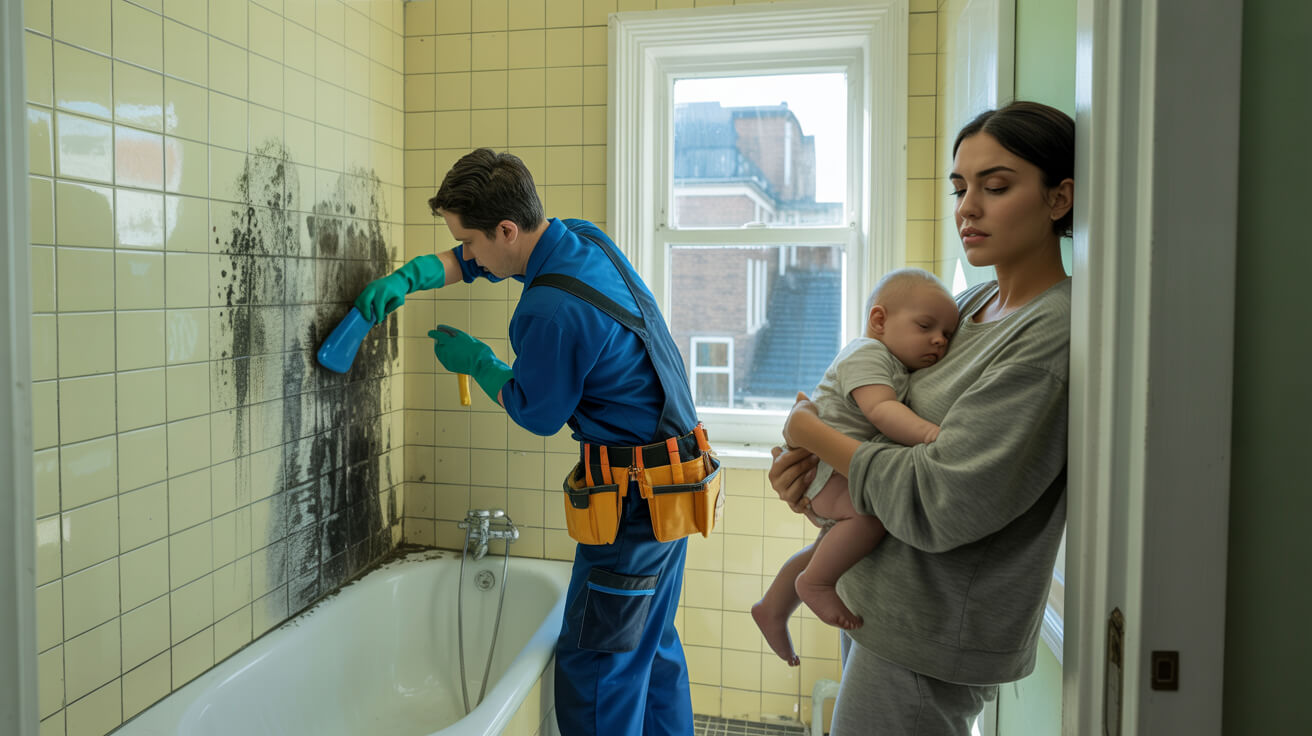
Ireland’s legal wording sounds determined at first glance: every rental must be “free from damp” and “properly ventilated” (Housing (Standards for Rented Houses) Regulations 2019). Yet beneath the surface, a crucial divergence emerges—the difference between a hard deadline and a hopeful aspiration.
A law with no ticking clock is an open door to inertia.
Irish landlords are instructed to act “within a reasonable time” or “as soon as practicable.” But these words contain more wiggle room than a faulty window seal. Without a statutory countdown, weeks can slip by between tenant report and council site visit. Landlords can claim best efforts, councils can blame resourcing, and tenants often bear the frustration of drawn-out processes.
Local Authority Enforcement is Resource-Driven, Not Time-Driven
Irish local councils inspect properties—but confronted with backlogs or seasonal surges, cases can languish. Even when violations are found, timelines for remediation often remain ambiguous. Without a standardised, enforceable escalation (like the UK’s 14-day/48-hour rule), pressure to resolve only mounts if tenants escalate further—to ombudsmen, media, or courts.
The Burden Too Often Falls on the Tenant
Ireland’s framework still places the onus on tenants to push and persist for results, rather than enforcing a strict, universally recognised process (Citizens Information, Ireland). For property investors, mortgage applicants, or buyers, this means unresolved damp issues can quietly become deal-breakers. A damp problem unresolved by sale completion can sink valuations and complicate insurance—without landlords facing the same immediate imperatives as their UK peers.
How Do Hard Timelines and Real Paper Trails Change Accountability—And Who’s Moving Faster?
Let’s cut through the technicalities—what’s really at stake is the certainty of action and the traceability of every step. Here’s how the split plays out in practice:
- UK Process: Statutory deadlines and digital audit trails.:
- Every complaint is logged, timestamped, and followed by a legally mandated series of responses, all traceable from first email to final inspection. Miss a deadline, and the regulatory hammer comes down—fast, hard, and with proof.
- Ireland’s System: Flexible timelines and variable follow-through.:
- Action speed and depth depend on council staff availability, the landlord’s initiative, and tenant persistence. Enforcement arrives only after delay—a reactive, not proactive, stance.
Timelines are the difference between clearing a health hazard and watching it snowball into a crisis.
For institutional landlords, letting agents, and risk managers, Britain’s regime supplies certainty—even if it means more work. Auditors, lenders, and insurance assessors require a digital trail: complaints, diagnoses, works and aftercare, all matched to regulatory deadlines.
Competitive Advantage: The First Movers Set the Standard
Leading landlords and property managers—especially in problematic housing markets—are already exceeding the legal minimums. They’re not waiting for Ireland’s regulations to catch up: they’re investing in robust record systems, training surveyors in BS 6576/8102, and providing survey-calibre reports at every step. Why? Because banks, insurers, and tenants demand it. As Britain locks in standards by law, Ireland’s best operators are raising their own bar voluntarily to stay competitive and insurable.
Market Reality Moves Faster Than Policy
Today’s property market doesn’t tolerate “missing emails” or “supply chain delays” as excuses. The weight of expectation now sits with the property manager. The reality: those with agile, audit-ready processes are set to win—everyone else risks being left behind.
What Evidence Now Sets the Standard for Damp and Mould Compliance—and Who Decides What’s “Enough”?
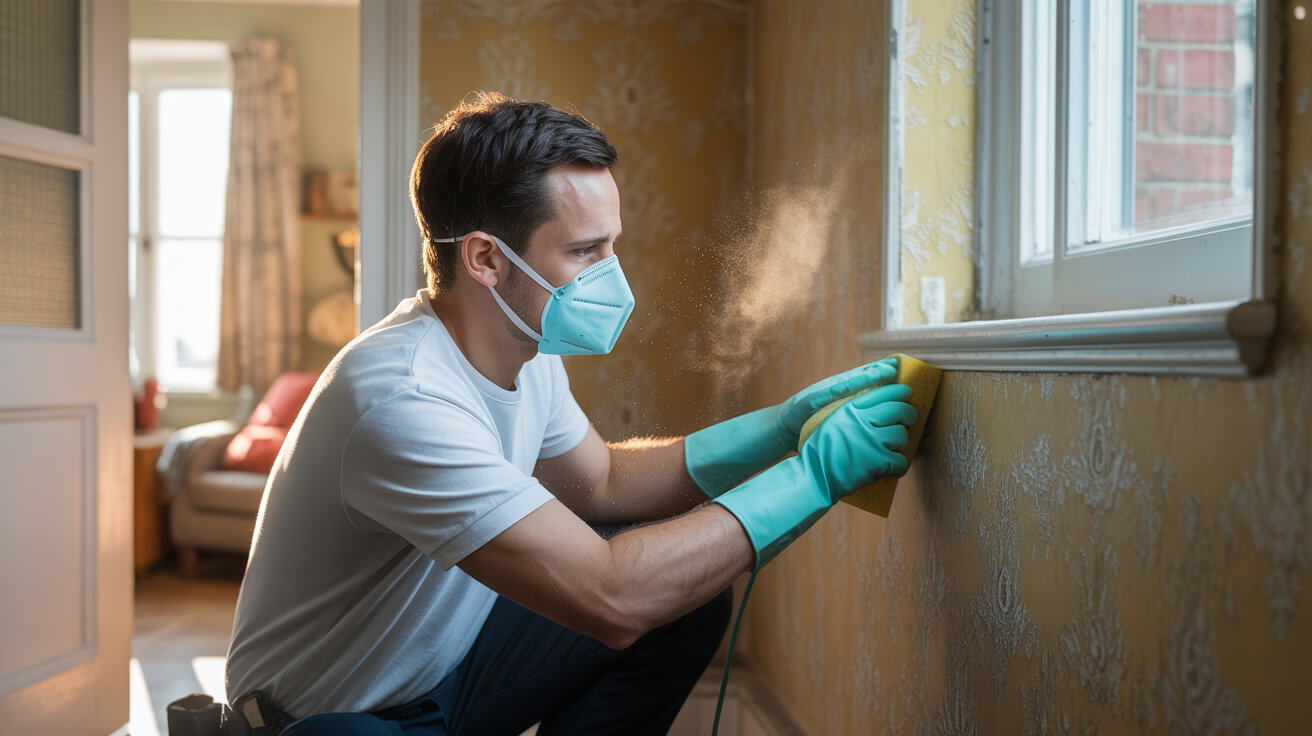
Documentation is the new currency of trust—and not just for court appearances. Nowadays, “compliance” means assembling a portfolio of evidence that can withstand legal, financial, and reputational scrutiny.
- British Standards (BS 6576/BS 8102) are the reference points.: Qualified surveyors and contractors ground every report, diagnosis, and treatment recommendation against these gold-standard frameworks. Both buyers’ solicitors and mortgage lenders demand it, making it as much a financial necessity as a legal one.
- Evidence must be multi-modal.: Detailed photos, metre logs, humidity readings, and full surveyor reports are the new minimum. No more “we fixed it” phone calls—or quick “paint-over” jobs. Every step needs proof, mapped to dates and signed off.
- Proof goes beyond “fix date.”: Smart landlords maintain aftercare logs and re-inspect periodically, especially in high-risk buildings or properties with a history of tenancy churn.
If faced with a complaint, insurance claim, or mortgage process, any gap in your evidence can result in lost value, higher premiums, and even court defeats (Pannone Corporate, 2024). Irish landlords quietly matching UK-style process standards before they’re officially imposed aren’t just future-proofing their compliance—they’re protecting asset values and reducing risk.
Every tenant complaint and repair is now part of your risk strategy, not just your maintenance diary.
Admissibility and Defence: Who Gets to Decide?
Courts, ombudsmen, and lending institutions are all weighing the same thing: can you prove each step was completed, by whom, with which tools, at which time? If the answer is “maybe,” you’re exposed. Compliance now walks hand-in-hand with your ability to tell a forensic story—start to finish, no gaps, no ambiguities.
What Still Endangers Irish Properties—And How Are Landlords and Buyers Closing the Gap?
While Ireland is moving towards stricter housing standards, especially with the “Defective Dwellings Bill” (2021) and parliamentary debates, enforceability remains the sticking point. The real gap is caused not by poor intention, but by the lack of mandatory deadlines, market pressure, and evidential requirements.
Delayed repairs and ambiguous response times still threaten Irish renters and home buyers. Weeks may pass between a damp report and meaningful action, particularly in blocks of flats, older homes, or places where council resources are stretched thin. The results are predictable: higher tenant churn, drop-offs in property value, and health complications for anyone unlucky enough to live in slow-moving housing stock.
Moisture waits for no one. Your product—property, credibility, health—can be washed away by slow processes.
Forward-Thinking Landlords: Outpacing Law with Documentation
Market leaders in Ireland are already running ahead of minimal compliance by keeping logs, adopting British building standards, and bringing in expert surveyors. These operators are preparing for a future when property buyers, insurers, and government auditors will demand the kind of evidence already enforced in the UK. The incentive isn’t just avoiding fines—it’s shoring up trust and value for every stakeholder involved.
The Hidden Cost: Erosion of Trust and Value
Every unresolved damp issue chips away at reputation and asset value. With buyers and tenants choosing properties where risk is minimised and trust is visible, “good enough” is an endangered species in modern property management.
How Are Surveyors and Damp Experts Like Sussex Damp Experts Defining Modern Compliance?
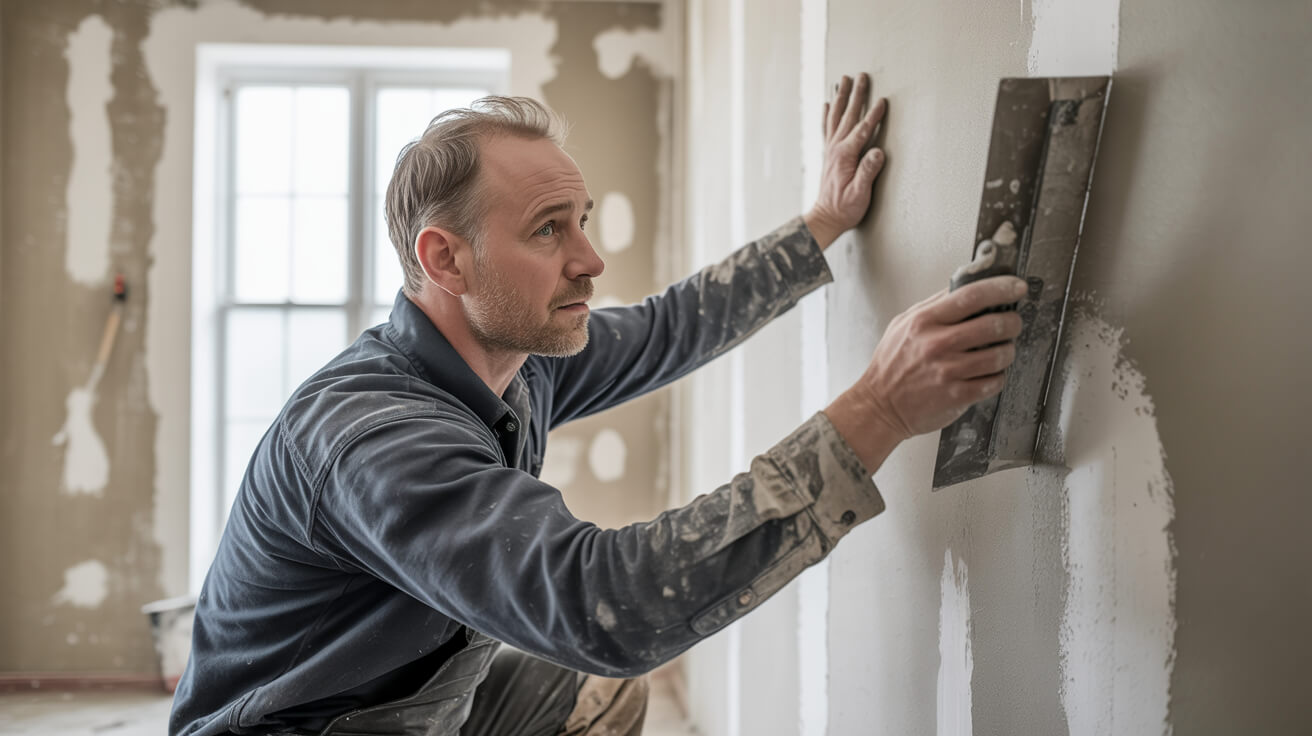
Survey-grade evidence, bulletproof documentation, and systematic aftercare aren’t just buzzwords—they’re how professionals like Sussex Damp Experts elevate damp remediation from patchwork to property fortification. Here’s what that really means for modern landlords, agents, and property managers:
- Every diagnosis and fix stands up to external scrutiny.: Moisture readings, thermal camera data, and step-by-step photographic evidence are chapter and verse in each report. The British Standards (BS 6576 and 8102) anchor every decision—from identifying the source of ingress to final sign-off.
- Comprehensive documentation isn’t optional.: Your file should contain before-and-after photos, signed client authorisations, metre logs, and a mapped route from first phone call to final survey. Each stage is timestamped, matched to standards, and easily accessible for auditing.
- Aftercare is a live process.: Regular check-ups, ventilation reviews, and post-repair inspections don’t just avoid repeat issues—they’re logged as compliance evidence. A quick patch-and-go risks future disputes—robust aftercare locks in confidence and insurability.
With these practices, landlords and agents become the first choice for tenants, buyers, and even mortgage advisers. In Ireland, the professionals who follow suit are best placed to ride ahead of policy reforms, ensuring asset protection and customer trust.
Winning isn’t a case of fixing the problem once—it’s outpacing it with documented proof, every time.
The Sussex Damp Experts Advantage
With teams like Sussex Damp Experts, you don’t just fix the symptom—you tackle the source, document every move, and create a maintenance record resilient to scrutiny. That’s the difference between box-ticking and lasting peace of mind.
What Immediate Steps Protect Property, Reputation, and Future Sales—Beyond Legal Minimums?
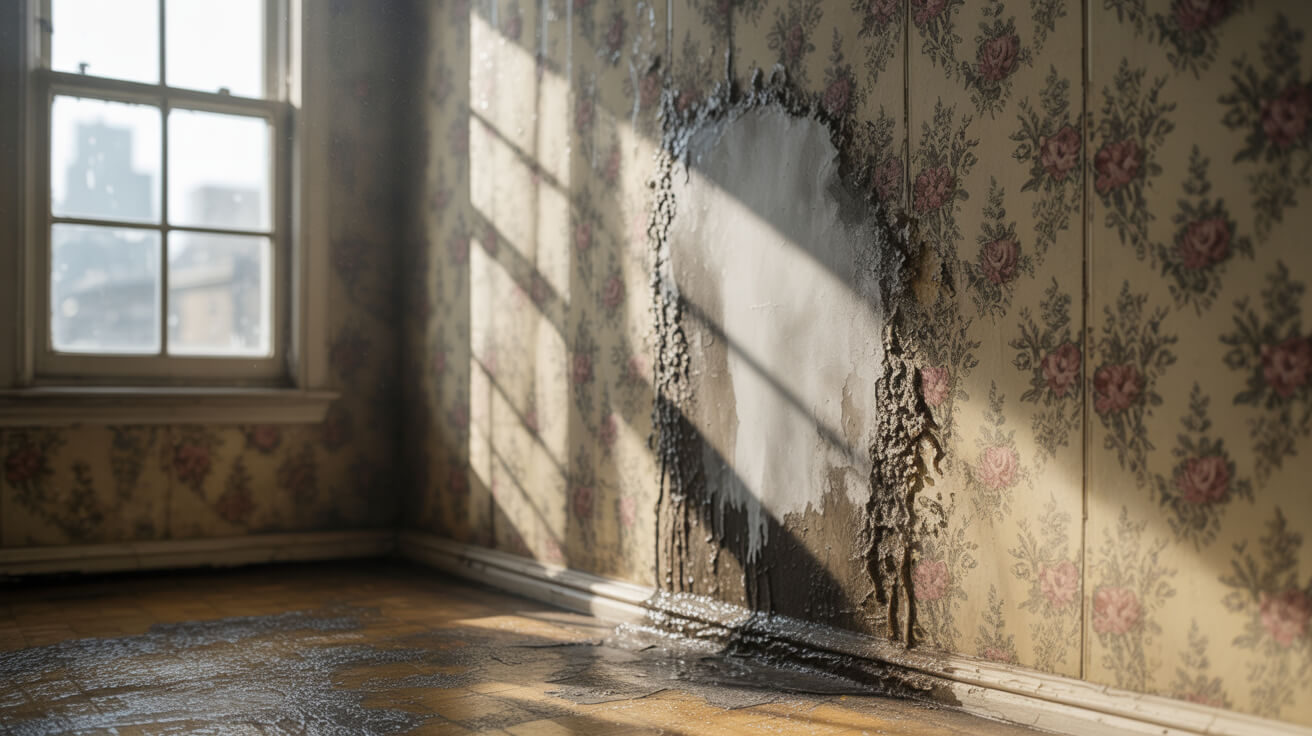
Staying ahead means leaving the old “minimum standard” mindset behind. The modern checklist for landlords, letting agents, developers, and commercial managers is clear—and it reads more like a corporate risk playbook than a handyman’s guide:
- Book thorough, professional surveys at scheduled intervals—not just when a crisis hits.
- Build a seamless file for every property: complaints, responses, diagnostics, remediation, and aftercare—each time-stamped and mapped to standards.
- Measure every action—survey, repair, maintenance—against British or Irish regulations and explicitly reference these in reports.
- Prepare for audit.: Every record should be ready for external review—be it by ombudsman, lender, or resale solicitor.
- Maintain evidence-based aftercare—moisture checks, re-inspections, and ventilation reviews all logged and ready to deploy on demand.
A missed follow-up or skipped documentation step can cost more than a quick repair: failed valuations, insurance denials, or costly disputes are all in play. Modern compliance isn’t just a defensive measure—it actively preserves and elevates property value. Proactivity is now a competitive asset, not simply a virtue.
Meticulous documentation today is the difference between a minor hiccup and an asset fire-sale tomorrow.
Secure Your Damp Compliance and Asset Value with Sussex Damp Experts Today
If you’re serious about locking in property value, reputation, and long-term letting potential, acting now isn’t just wise—it’s the safest route through a rapidly shifting landscape. Sussex Damp Experts make compliance second nature: every aspect from detailed moisture mapping and diagnostic survey, through robust waterproofing installations, to evidence-driven aftercare is built on standards that reassure buyers, agents, insurers, and ombudsmen alike.
When it comes to compliance, hope isn’t a plan—action and evidence are the only safe foundations.
Don’t wait for a complaint, a legal challenge, or a high-profile breakdown to force your hand. Consult Sussex Damp Experts for a property risk audit or a full damp management strategy—a move that will pay dividends in peace of mind, market value, and compliance resilience for years to come.
Frequently Asked Questions
What new statutory duties does Awaab’s Law impose, and how do they reset expectations for landlords and tenants facing damp and mould?
Awaab’s Law compels social landlords in England to investigate damp and mould complaints within 14 days, deliver formal findings in writing within 48 hours of assessment, and rectify any health hazard—be it visible mould, persistent moisture, or medically flagged issues—within 7 days or, for emergencies, 24 hours. Every stage comes with a legal clock and a paper trail enforceable by councils and the Housing Ombudsman.
Miss a deadline or try to patch over a complaint with vague promises, and enforcement may follow—penalties aren’t discretionary. Today, both tenants and landlords operate under explicit, auditable timelines: tenants are equipped with the right to evidence at every step, from complaint to repair, while landlords have a defined process to mount a legitimate defence against future challenges or accusations of neglect.
The days of ignoring the inbox or delaying repairs are over; now, each event has a timestamp and a witness.
These statutory obligations transform compliance from a “best effort” code of honour into an audit-ready system, with every complaint, site visit, hazard rating, and repair locked into a logbook. If you manage homes, this means every report needs a living dossier—photographs, moisture logs, root cause analyses, and aftercare records that satisfy not just the tenant but any regulator or future buyer inspecting your diligence. Sussex Damp Experts crafts reports tuned for both enforcement and peace of mind.
How do these requirements change your day-to-day reality?
- All complaints, findings, and repairs must be archived and accessible.
- Detailed plans must be shared in writing for any confirmed hazard—no more verbal “we’ll get to it.”
- Emergency issues start a 24-hour clock; delays carry weighty consequences.
What happens if you fall short?
Landlords who under-document or miss these statutory triggers risk regulatory fines, ombudsman scrutiny, and lasting marks on their portfolio. Tenants who are prepared and document every interaction are now empowered to escalate with real leverage.
How rigorously do Irish rental standards enforce “damp-free” homes, and what practical divides remain versus the UK’s statutory approach?
Irish landlords must ensure rentals are “free from dampness” and feature robust moisture controls—structural soundness, working ventilation, and habitable interiors. Yet, Ireland’s legal language is rougher round the edges: the Housing (Standards for Rented Houses) Regulations 2019 oblige practical steps, but omit statutory countdowns or rigid response timelines. Landlords move at the pace of what is “reasonable”; council intervention varies, and enforcement is not clock-bound.
If a tenant reports damp or mould, progress depends on their persistence—and on whether local authority resources allow for prompt investigation. Some councils dispatch inspectors within days; in high-demand areas or older housing stock, complaints may linger for weeks before a letter or improvement notice appears. Fines or statutory penalties are possible, but enforcement is neither immediate nor uniform.
Timetables are implied, not stated; urgent repair is often determined by urgency of documentation and tenant follow-up.
For landlords and managers, the lack of statutory deadlines means smart evidence and proactive documentation do more than skirt penalties—they resolve complaints faster, reassure future buyers, and protect asset value. Adopting UK-style audit chains before regulation tightens sets your property apart in a crowded marketplace.
Where do practical gaps persist?
- No automatic clock starts ticking after a complaint; timing is negotiable.
- “Reasonable” response windows vary by council demand and resources.
- Written evidence—dated notices, photos, inspection logs—is critical for seeing cases through if conflicts arise.
Taking initiative by logging, surveying, and repairing with UK-style thoroughness builds confidence for all parties involved.
Why does a fixed statutory timeline for damp and mould response matter, and how do hard deadlines alter behaviour on both sides?
Awaab’s Law shifts property risk management from reaction to rigour. With clear legal triggers—14 days for assessment, 48 hours for sharing evidence, and a 7-day window for repairs—every case moves through a predictable sequence. Tenants know their complaint must be handled on schedule; landlords follow a playbook with no ambiguous wording or discretionary deadlines. Every file becomes proof: date-stamped photos, calibrated moisture readings, surveyor reports anchored to BS 6576 or 8102—there’s no leeway for drift.
Ireland’s “as soon as practicable” benchmark sets an expectation, but leaves loopholes. Delays can accrue, especially if tenants aren’t persistent or councils face staffing bottlenecks. Repairs slow, and asset value may dip as damp persists, insurance underwriters raise flags, or buyers question compliance files.
Deadlines create clarity—what gets measured, gets managed, and what gets logged holds up in disputes.
How does this timeline impact asset risk and trust?
- Statutory deadlines turn every incident into a recordable process, not an improvised juggling act.
- Timely, logged action shields landlords from future legal and reputational setbacks.
- Tenants empowered with evidence force swifter resolution and avoid “lost in the system” complaints.
Landlords who internalise rapid, evidence-backed repairs transform risk into resilience, securing both tenant welfare and their own investment.
What standards of evidence now stand up for landlords and agents facing damp or mould claims, and how do expectations differ across borders?
Since Awaab’s Law, a robust chain of evidence becomes essential: not just a log of tenant emails but forensic records—photographic timelines, moisture metre readings, technical surveyor diagnoses, repair completion certifications, and warranty documents referencing British Standards. Insurers, mortgage lenders, and buyers increasingly expect files to read like an investigation, not a casual to-do list.
Irish property professionals are following suit: even in the absence of statutory deadlines, digital survey logs, humidity and salt test results, contractor records, and post-remediation guarantees are fast becoming the new baseline. Cases that escalate—whether via renters, councils, or legal channels—are resolved by documented facts, not verbal assurances.
Solid evidence doesn’t just close cases; it opens doors to better settlements, fewer disputes, and higher valuations.
What’s considered best-practice evidence for today’s audit?
- Dated tenant communication (emails/letters with photo attachments)
- Moisture readings, humidity and salt content logs kept digitally
- Technical surveyor reports, with diagrams and standard references (BS 6576, BS 8102, PAS 2035)
- Remediation certification, including aftercare support and warranty paperwork
- Routine inspection and aftercare logs detailing ventilation and waterproofing checks
A well-prepared compliance file safeguards you in inspections, disputes, and helps secure future value in sale or remortgage.
How should landlords and agents in Ireland future-proof damp and mould management before regulations tighten?
Ireland’s evolving policy landscape and housing debates mean stricter timelines and evidence standards are on the horizon. Get ahead by embedding best-practice processes now: integrate defined inspection and repair targets, maintain a living file where each step is logged—tenant complaint, site survey, findings, repairs, and warranty. Use reports grounded in established standards like BS 6576 and PAS 2035, with digital photos and calibrated tools providing the audit trail.
Insurers, councils, and prospective buyers are already using chain-of-evidence files to push claims faster or close sales at better prices. By standardising your records and internal timelines, you can cross new compliance thresholds smoothly—and signal to tenants, regulators, and investors that your operation is future-ready.
Proactive actions to take now:
- Assign internal 48-hour, 14-day, and 7-day response benchmarks—even if not legally mandated yet.
- Track and retain every communication, site visit, and repair step for review.
- Engage surveyors or technical specialists for complex or contentious cases; reference recognised standards in every report.
Sussex Damp Experts are specialists in transforming ordinary files into robust audit trails, securing your place at the forefront of property compliance and reputation.
Which model—Awaab’s Law in England or Ireland’s current system—sets a stronger safety net for tenants, and how can landlords elevate beyond what’s required?
England, under Awaab’s Law, establishes non-negotiable protection through strict timelines, transparent evidence, and direct enforcement. When deadlines are missed, action follows—protecting residents and penalising neglect. Ireland’s standards, while well-intentioned, are softer: without a statutory countdown or consistently enforced escalation, vulnerable tenants often wait longer, and asset value can slip in limbo.
Forward-thinking landlords and managers need not settle for legal minimums—those who adopt the rigorous “UK model” now, including audit-grade surveying, fixed response deadlines, and warranty-integrated repairs, establish reputation and asset value well above the median. For tenants, this delivers confidence; for landlords, competitive positioning for future regulation, market demand, and risk reduction.
Raising your file to the strictest standard today is more than compliance—it’s a benchmark for professionalism and trust.
Let Sussex Damp Experts put you ahead of tomorrow’s standards: from intake through to remediation and aftercare, you’ll meet and surpass every checklist, audit, and market test.

