
 By
By  August 26, 2025


What Sparked Awaab’s Law—And Why UK Housing Changed For Good
Awaab’s Law didn’t arrive with a whimper or slip quietly through Parliament—it exploded into existence after a tragedy that shook the nation out of denial and still shapes every awaabs law defence. In 2020, two-year-old Awaab Ishak died in his Rochdale home, felled not by rare disease or accident, but by black mould growing unchecked on his walls (bbc.co.uk). His parents had pleaded for help. Inspections dragged. Vital repairs fell through the cracks of an overloaded system. Awaab’s death, the coroner said, was “entirely preventable”—the final evidence that damp isn’t “cosmetic,” it’s a lethal hazard hiding in plain sight (en.wikipedia.org).
A system that lets walls fester is a system that fails families. Change was overdue.
Suddenly, public outrage punched through decades of landlord excuses and indifference. Dentists, MPs, parent groups—all demanded answers. Families who’d lived with musty wallpaper and peeling paint no longer accepted delay as an answer. The result was Awaab’s Law: a hard reset for social housing safety—where deadlines mean something, documentation is king, and accountability isn’t just for show.
Awaab’s Law gives teeth to a simple promise: safe homes aren’t a favour, they’re a right. The era of “we’ll get to it” is done. Every complaint now starts a countdown—with landlords’ reputations, finances, and legal standing riding on each step. No more hiding behind slow process or shrugging off repairs as ‘routine maintenance’. The law shifted the fulcrum of power—from faceless housing providers to the families behind every door. It’s seismic, and it’s overdue.
How Does Awaab’s Law Change the Rules for Landlords and Residents?

Awaab’s Law rewrites the handbook for anyone managing homes. From now on, the clock starts ticking the second a resident reports visible mould, suspected damp, or water ingress. What used to simmer for weeks is now on an audit-tracked, legal schedule. Landlords have 10 working days to inspect, not ponder; 14 to 21 days to fix, not fudge; and when tenants’ or children’s health is a factor, 24 hours to act—because the law prioritises lives over paperwork (gov.uk; constructionmanagement.co.uk).
Every action—or misstep—is documented. No more vanishing reports or “lost” work orders. Landlords and social housing providers are required to keep time-stamped, audit-ready records for each complaint and repair. A maintenance checklist isn’t good enough; regulators now expect evidence that stands up to ombudsman or court scrutiny. Cosmetic fixes, vague follow-ups, or missed logs aren’t just procedural lapses—they’re legal offences.
Deadlines aren’t optional. Landlords who delay now stand alone in the dock.
For residents, this law is a lever: if your complaint stalls or vanishes, you’re backed by a trail you can escalate. For landlords and managing agents, every delay now multiplies risk—financial, legal, reputational. Accountability has real teeth: ombudsmen, external auditors, even courts can and will step in. Ignore the new playbook at your peril. Every complaint, every action, every patch of new plaster is part of a chain of responsibility—and failing any link can snap the whole system in full public view.
Who Has to Comply with Awaab’s Law—and What Sectors Might Be Next?
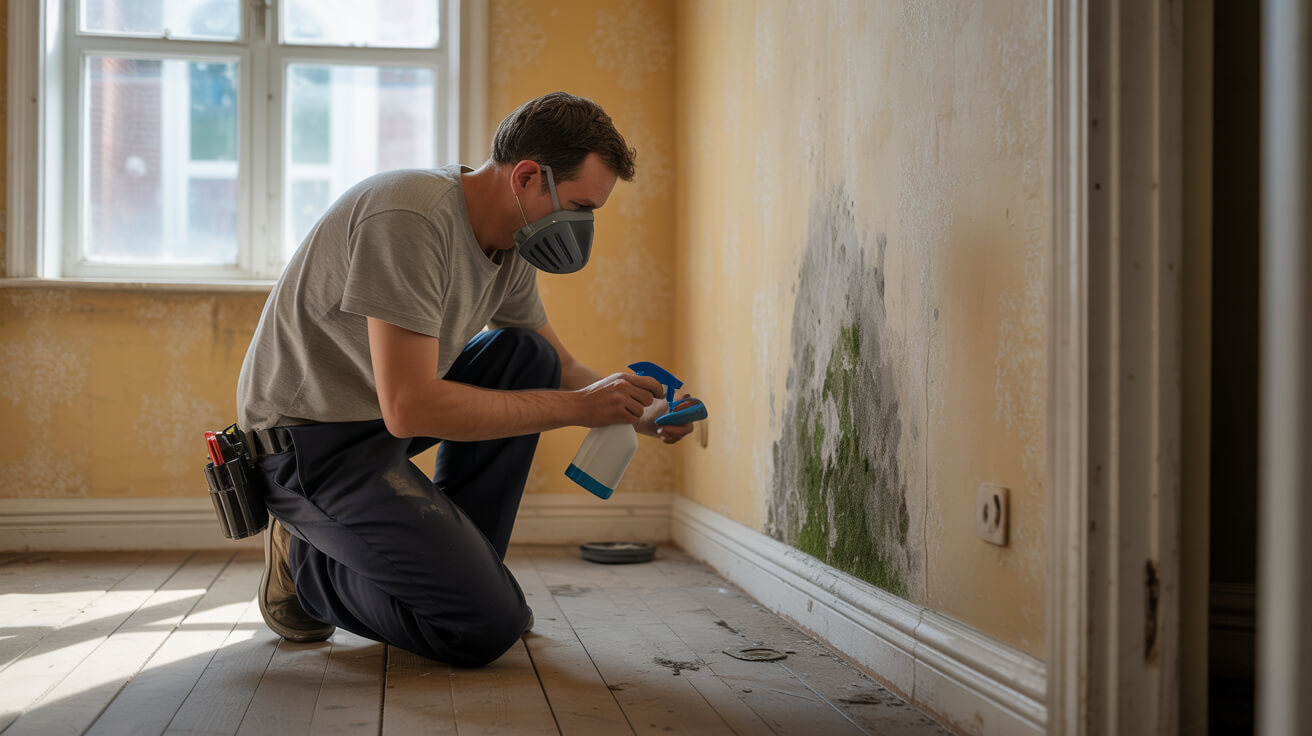
No social landlord is exempt. Councils, housing associations, Arm’s Length Management Organisations—they’re all now explicitly on the hook. As of 2024, more than four million households in England gained upgraded legal muscle to force repair and remediation on a statutory timeline (constructionmanagement.co.uk).
But the law’s reach isn’t capped. The Renters’ Reform Bill is set to bring the private rental sector under a similar regime, pulling millions of privately rented homes—young families, students, low-income renters—onto this compliance journey (bbc.co.uk). Meanwhile, Scotland, Wales, and Northern Ireland see mounting pressure to match or raise their housing standards in response.
Everywhere this regime lands, the timer starts the moment a complaint is filed. This is no longer a courtesy call; it’s a legal tripwire. Whether your property portfolio is scattered across counties or tied to a single Victorian block, the signals are obvious: standards are rising, and the old excuses are retiring.
The ripple effect isn’t a theory—compliance is going national, fast.
What Are the Timelines, Legal Triggers, and Penalties To Remember?

Compliance is now a stopwatch, not a sticky note:
- Within 10 working days: Respond and diagnose, ideally with a surveyor or qualified contractor—no “wait list” excuses.
- Within 14–21 days: Complete repairs or submit a signed remediation plan with accountability baked in.
- Within 24 hours: If children or medically vulnerable people are exposed, cut the admin and secure the home immediately.
Every missed deadline, half-step, or gap in documentation is now a breach, not a slap on the wrist. Authorities can escalate to fines of £30,000 per instance—whether or not the problem gets fixed eventually (wrighthassall.co.uk). Persistent failures put landlords’ ability to operate at risk. Even a single chronic delay can put you on a “name and shame” list that lives online indefinitely.
It’s not just about fixing a wall; it’s about proving you fixed it, how, and when.
Ombudsmen, local authorities, and courts now expect granular, timestamped records: ‘No record, no repair’ becomes gospel. If your processes leave holes or rely on good memory, you’re gambling with your business licence and your balance sheet.
What’s Really at Stake: It’s About Health—Not Just Compliance

All the legal red tape and paperwork leads to one point: damp and mould are health threats first, legal risks second. From asthma flare-ups and respiratory illness to skin complaints and poor sleep—tenants, especially children and those with chronic illness, pay the price for every hour of exposure (bbc.co.uk).
Awaab’s Law mandates “proactive identification and urgent written prioritisation” for anyone classed as vulnerable—expectant mothers, children, pensioners, chronically ill. Ignore them and you’re not just risking a letter from the council; you’re opening a file that can turn from complaint to legal action without warning.
Every hour damp lingers, the data says risk multiplies. The new law leaves no buffer for dithering.
Long delays or “paint-over” approaches are obsolete. The new regime converts overlooked messages, late appointments, and botched repairs into legal and financial pain points—often automated and always documented.
Tenants saw their health ignored for decades. Now the law encodes every cough, every hospital visit, every patch of mould into a regulated process that can’t be waved away. For landlords and agents, the only winning move is to stay ahead—even if it means spending more upfront—because the cost of delay is now personal and public.
The True Cost of Non-Compliance—It Goes Far Beyond Fines

Think Awaab’s Law means just a checklist and a slap on the wrist? The new reality is far harsher:
- Fines escalate: Every single missed deadline or paperwork gap counts as a breach—no bundle discounts.
- Reputation damage: “Naming and shaming” happens online, in local papers, and via official regulator lists—a stain that repels future tenants and local partners.
- Financial knock-on: Lenders, insurers, and major contractors increasingly check compliance history as part of due diligence. Failing to document process can block funding or prompt insurance premium spikes ([constructionmanagement.co.uk](https://constructionmanagement.co.uk/awaabs-law-to-come-into-force-in-october/?utm_source=openai)).
- Internal burnout: Teams not ready for real-time reporting find themselves working overtime, burning out, or making mistakes that fuel bigger compliance spirals.
- Regulator override: Multiple missed steps allow the local authority to take over repairs, then bill you—often at a higher rate, with enhanced penalties for non-cooperation.
Tenants also gain direct, faster escalation—even bypassing landlord gatekeeping when documentation is lacking. Every slip-up, once hidden in closed-door meetings, can now become public, feeding into databases and press releases. A slow response isn’t just unfair; it now exposes your business to cascading secondary costs that can shrink margins or threaten viability altogether.
What True Readiness and Best Practice Compliance Look Like

Under Awaab’s Law, “hoping for the best” is finished. The only way forward is disciplined, documented process:
- Regular, proactive inspections: Use moisture metres, thermal cameras, and professional surveyors to spot issues early. Don’t wait for the tenant to raise the alarm.
- Digital-first record keeping: Each visit, communication, and fixing event should be logged with granular detail—ready for audit at a moment’s notice.
- Clear roles and rapid escalation: Ensure every team member and contractor knows not just their tasks, but the escalation steps if initial fixes fail or deadlines slip.
- Preventative, not cosmetic, repairs: Diagnose the root cause—is the DPC bridged, ventilation failing, or tanking breached? Only BS 6576 and PAS 2035-compliant fixes will satisfy auditors ([gov.uk official guidance](https://www.gov.uk/government/publications/awaabs-law-draught-guidance-for-social-landlords/awaabs-law-draught-guidance-for-social-landlords?utm_source=openai)).
- Ongoing monitoring and aftercare: Fit humidity sensors, schedule annual check-ups, and offer feedback loops for tenants. Prove your controls work, even after the contractors have left.
Hiring a BS 6576 or PAS 2035-accredited contractor isn’t just clever, it’s becoming a core defence against regulator and legal challenge. A system that can defend itself before crisis strikes is the only “strong wall” left standing.
The strongest defence is a system that proves diligence long before crisis strikes.
Why Sussex Damp Experts Deliver The Compliance Edge Under Awaab’s Law

Facing heightened compliance stakes, technical expertise and bulletproof evidence are now worth their weight in gold. Sussex Damp Experts sets the bar:
- Forensic diagnostics: We go beyond visible patches, deploying moisture mapping, thermal imaging, and salt analysis systems to expose root sources before they fester.
- Permanent, regulatory-grade repairs: We solve the real problem, not just the cosmetic. From site prep to material choice, our teams deliver work that stands up to both regulators and insurer scrutiny.
- Audit-ready records every step: Every step, from your first email through to signed sign-off, is documented—time-stamped and accessible for ombudsman, insurer, or housing officer peace of mind.
- End-to-end aftercare: We don’t disappear after the invoice. Annual moisture checks, live monitoring, clear advice—our aftercare wraps your compliance in a safety net well after the dust settles.
Choosing Sussex Damp Experts is decisive. You get not just remediation, but a compliance partnership—protecting residents, assets, and operational resilience. Whether you own a handful of flats or manage a nationwide portfolio, we build you a future-proofed, regulator-ready foundation.
Safeguard your tenants, your balance sheet, and your name—the time to get ahead is now.
Take Action — Don’t Wait For A Crisis. Secure Your Properties With Sussex Damp Experts
Awaab’s Law isn’t just another tick-box rule. Every day a report waits, an inspection’s missed, or a half-hearted fix is made, your exposure compounds. If you want your homes to rise above inspection and protect both tenants and profit, now’s your decision point.
Let Sussex Damp Experts inspect, audit, and secure your buildings—before regulators or headlines force your hand. Our blend of mastery, compliance, and care is your asset on the new frontier of UK housing.
Book a compliance review or root-cause repair audit today with Sussex Damp Experts—where technical mastery, legal fluency, and proven aftercare keep your portfolio resilient.
Frequently Asked Questions
What does Awaab’s Law require landlords and property managers to do differently, starting 2025?
Awaab’s Law turns delays into liability—landlords and managing agents must launch a full damp or mould investigation within 10 working days, or within 24 hours for health emergencies.
The change is stark: every reported issue becomes a legal deadline, not an admin queue. Social landlords must comply from October 2025, with private rentals and agents told to prepare for the same standards. All inspection notes, risk factors (children, older adults, visible mould), and communications must be logged from the first call—proving each action and time stamp, or risk a regulator’s fine and forced repairs.
When the law says move, waiting a day can cost you thirty grand.
What situations force a 24-hour emergency response?
Emergencies under Awaab’s Law mean any sign of health risk—visible mould, complaints linked to asthma or respiratory trouble, or homes with vulnerable residents. If you’re unsure, treat it as urgent, secure supporting documentation, and record your escalation steps. A slow response is now evidence against you.
Does a repeated or ongoing complaint reset the clock?
Yes—every new complaint, evidence of a recurring issue, or unresolved danger restarts the legal deadline. Each must be recorded and actioned as a clean, time-limited case, or face new penalties.
Does the law let you “phase in” changes gradually?
No grace period exists. Landlords, property teams, or their contractors risk instant penalties if they’re unprepared after the deadline.
Are managing agents or subcontractors included?
Absolutely—if you assign work, legal responsibility and audit demands follow. Only watertight, shared documentation and joined-up processes protect every link in your team.
Why is document control—the audit trail—the new survival test for damp compliance?
Awaab’s Law assumes “if it isn’t logged, it didn’t happen.” Audit trails now separate compliant operators from those risking fines, rejected insurance claims, or forced repairs.
Every timeline must be watertight: complaint, site photos, surveyor’s report, moisture readings, every written update, and proof of who responded—kept for every property, for years. The regulator, council, insurer, lender, or tenant can request the full file at any time, and a missing step in the record is presumed a failure.
A single missing log is all it takes to unravel your whole defence.
What formats are acceptable for audit records under Awaab’s Law?
Photos, emails, surveyor certificates, app data—anything, as long as it’s accessible, consistent, time-stamped, and backed by a clear chain of responsibility. Digital is faster and preferred, but tidy paper files are still legal if maintained with care.
How quickly must you communicate back to tenants?
You are obliged to provide a written response within three to ten days after your initial investigation. Delays in admin, not just repair work, now count toward formal breaches—making tenancy agreements and landlord-tenant communication key compliance risks.
Should tenants also keep a record?
Smart tenants now mirror the landlord’s audit strategy: every message, image, GP note, or hazard update strengthens their protection and boosts their ability to escalate any unresolved complaint.
How detailed do records need to be for legal proof?
The standard: everything needed for a court, council, or insurance review. Each inspection, decision, and action must be supported by dates, images, written reason, and a signature or verified sender.
How do the new laws raise the financial and reputational risk for property owners and managers?
Under Awaab’s Law, a single missed deadline or incomplete audit trail opens the door to fines up to £30,000—plus “name and shame” listings, insurer scrutiny, and forced repairs where councils bill at premium rates.
Repeated non-compliance, or failure to document repairs, isn’t just a process flaw; it can void cover with lenders and insurers. Mortgage approvals, loan renewals, and even the ability to sell a property now hinge on active, audit-ready compliance files.
Compliance gaps aren’t just a paperwork headache—they can freeze your finances and drop your property value overnight.
Does the risk reach private landlords and agents yet?
Social landlords face immediate enforcement, but Government has signalled—via the Renters’ Reform Bill—that private properties will soon face matching scrutiny. Forward-thinking agents already work to these standards.
Are subcontractors and service teams liable alongside owners?
Yes—delegating instals or inspections no longer shields you from liability. Agents, contractors, or maintenance firms are all exposed to fines and action for failures within their part of the compliance chain.
Are incomplete logs or admin slips a financial liability?
Yes—even if on-site works are done, any missing admin step can trigger a breach. The law makes “incomplete proof” a direct trigger for penalties, higher premiums, or loan refusal.
Why must all damp or mould be treated as a health emergency under the new regime?
There’s no such thing as “routine damp” anymore. Public Health England, the Housing Ombudsman, and multiple clinical studies have mapped even mild damp or mould to chronic respiratory illness, asthma, and hospitalisations—especially in children, elderly people, or those immunocompromised.
Awaab’s Law embeds this logic: every report is a hazard first, a maintenance job second. Delay, debate over cause, or lack of monitoring is now presumed neglect—and carries direct legal risk.
Damp in the wall leaves a legal mark on your record—proof of urgency is now the starting point.
Does the source—rising, condensation, leaks—affect urgency?
No. All sources are equal from a legal and clinical standpoint. Only a formal, time-stamped surveyor diagnosis differentiates risk; until then, immediate response is both law and best practice.
Are some homes subject to stricter monitoring?
Yes—any home with under-18s, elderly, disabled, or at-risk residents jumps the queue for 24-hour action, and ongoing check-ins become mandatory. This is explicitly monitored by authorities.
How are disagreements between landlord and tenant resolved?
Tenants with a paper trail and GP notes are empowered to escalate via the Ombudsman or council, triggering formal reviews and, frequently, accelerated action at the landlord’s expense.
Which repeatable routines protect landlords and management teams from audit disaster under Awaab’s Law?
Guesswork has been replaced by regiment. Today’s gold standard is a complete, looped process—from receipt, through investigation, root-cause diagnostics, repair, and aftercare—each step logged, signed, and accessible.
Failing to pre-emptively inspect, or acting without a documented method, is what exposes landlords to losses. Even historic fixes need reviewing, and aftercare (especially ventilation and humidity checks) must be scheduled as routine, not afterthought.
- Use site tools—moisture metres, thermal imaging, salt tests—to diagnose, not just observe.
- Assign a unique, logged case number and action lead to every complaint, linking all steps and proof.
- Follow BS 6576 or PAS 2035 standards in paperwork for insurance and legal protection.
- Move away from single-visit “patch and paint”—ensure every repair is followed by monitoring and annual audits.
- Link surveyor reports and post-instal checks for clients, making the data usable for insurers, lenders, or council inspection.
Gapless logs and routine aftercare separate the prepared from the penalised.
Is it mandatory to bring in external surveyors or damp specialists?
Using an accredited, independent damp expert is now the surest way to create reports and treatment plans that meet housing, insurance, and regulatory standards. Many adopt Sussex Damp Experts’ approach: forensic inspection, root-cause analysis, and documentation from diagnosis through aftercare.
Are repairs done before 2025 at risk if poorly logged?
Absolutely—legacy repairs without robust, evidence-based records can be challenged and may require redocumentation. Keeping your files up to date is the only protection for past work.
Who faces the earliest and most rigorous enforcement—and how is damp law set to evolve next?
Social housing landlords, their managing agents, and main contractors are front-and-centre in the new enforcement regime; audit teams and enforcement officers already monitor their records, closure rates, and inspection systems.
Surveyors, letting agents, property managers, and maintenance teams—if their work leaves the smallest compliance gap—can all face secondary action or financial penalties. The regime extends to private lettings and commercial portfolios soon.
- Social housing managers: Top compliance scrutiny, real-time audits, and unannounced visits.
- Letting agents/managing agents: Required to mirror social housing compliance for all properties they touch—soon to be mandatory in the private sector.
- Surveyors, contractors, property managers: Documentation, sign-offs, and guaranteed works are all legally testable facts, not just professional niceties.
- Lenders, insurers, portfolio managers: Scrutinise compliance and audit trails before agreeing loans, insurance, or investment.
The current compliance drive is the first wave—energy efficiency, ventilation mandates, and portfolio-level hazard monitoring are coming. Teams that review and future-proof their routines today, with help from Sussex Damp Experts, stay ready for every regulatory curveball.
The clock on legal risk starts at the first sign of moisture. Prepare your audit trail or get left behind—defence is built, not guessed.

