
 By
By  September 3, 2025

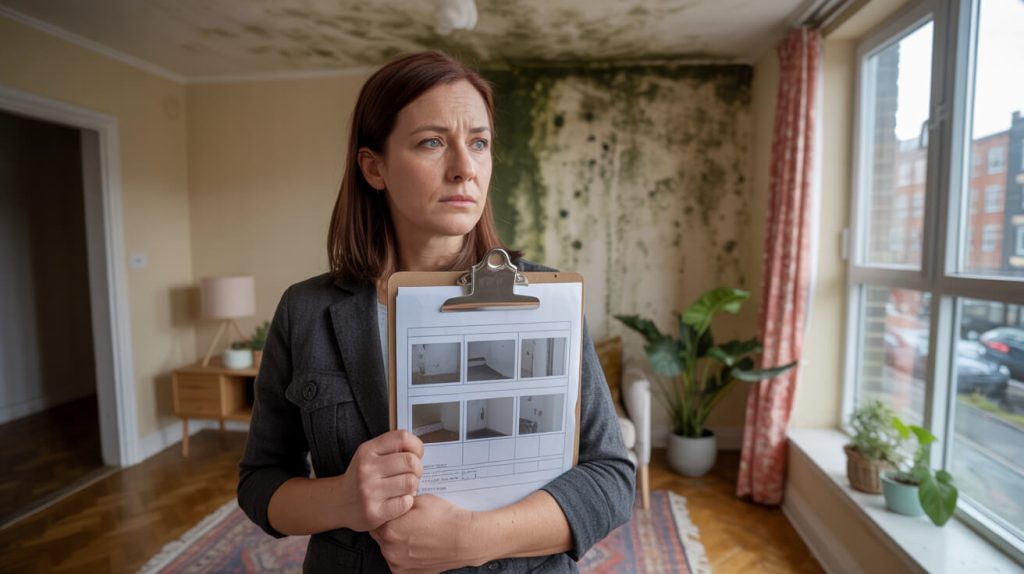
Why Do Skirting Board Dry Rot Problems Demand Precise, System-Level Solutions—Not Cosmetic Cover-Ups?
Dry rot lurking in skirting boards isn’t just a trivial cosmetic headache—it’s timber’s version of a silent, steadily-unravelling crisis. Where most property owners see a bit of flaky paint or soft wood at floor level, a seasoned eye knows that Serpula lacrymans (dry rot fungus) is a master of stealth, working its ruin quietly behind finishes, skirting, and plaster. It preys on moisture left unchecked after a drip, leak, or blocked gutter, using any structural flaw—old damp proofing, missing air bricks, even “hidden” condensation—to fuel its march across floors and walls.
When the edges start showing signs—dry, brittle patches or unexpected discolouration—a common reaction is to sand, fill, or repaint, hoping it’s a quick fix. That’s a high-stakes gamble: what’s visible along a skirting joint is often a fraction of the damage. Like corrosion under car paintwork, the main event is hidden—fungal threads (mycelium) may already be webbing their way along joists, behind panelling, or across subfloor voids. Left alone, that turns a cheap repair into a problem capable of devaluing your home or scuppering your next sale.
The damage you ignore today quietly compounds—what’s out of sight could soon be out of reach.
Swapping out skirting without understanding the real spread of rot amounts to a “cover-up” in every sense: superficial, temporary, and primed for the comeback tour. The actual reach of dry rot needs forensic, not decorative, thinking. Diagnostic tools—moisture metres, thermal cameras, salt testing—help sort harmless wear from a full-scale fungal invasion. When this depth gets missed, the rot persists behind your tidy, “repaired” surface, eats its way into structural timber, and cycles back with an invoice for even steeper losses.
Surveyors, buyers, and lenders are well aware of dry rot’s knack for hiding. During a mortgage or insurance survey, any hint of skirting board decay turns on a spotlight—surveyors know to check for cube-like fractures, orange spore dust, and musty smells with no obvious source. If the outbreak is flagged, sales can collapse or grind into legal disputes, and even insurers can cite evidence of neglect to walk away from claims.
So why the emphasis on system-level solutions? Because dry rot finds pathways within building vulnerabilities—creeping under floors, bypassing skirting, using voids and humidity pockets. An isolated “board swap” ignores the fungal network; you need a joined-up repair that roots out all affected timber, purges spores from masonry, and eliminates the moisture sources feeding the rot in the first place.
Spotting the difference: Dry Rot vs. Simple Damp or Age
To distinguish cosmetic skirting wear from true rot:
- Brittle, crumbly timber with a cube-like break pattern.
- Rust-orange or brick-red powder (spores) in hidden corners.
- Bubbling, peeling, or flaking paint long after previous redecorating.
- Persistent musty, mushroom-like odour with no apparent leak.
- Fine, white or silvery threads (mycelium) crawling behind or under woodwork.
Diagnosing dry rot properly is about forensic process—mapping symptoms, checking moisture sources, and tracing fungal spread—before you ever pick up a saw. Only then can you prevent wasteful expenses and stay clear of both “out of sight, out of mind” failures and surveyor red flags.
Every cut-corner today is an invitation for a costlier problem tomorrow.
Does Home Insurance Ever Cover Skirting Board Dry Rot Repairs—Or Is It Always a Personal Cost?
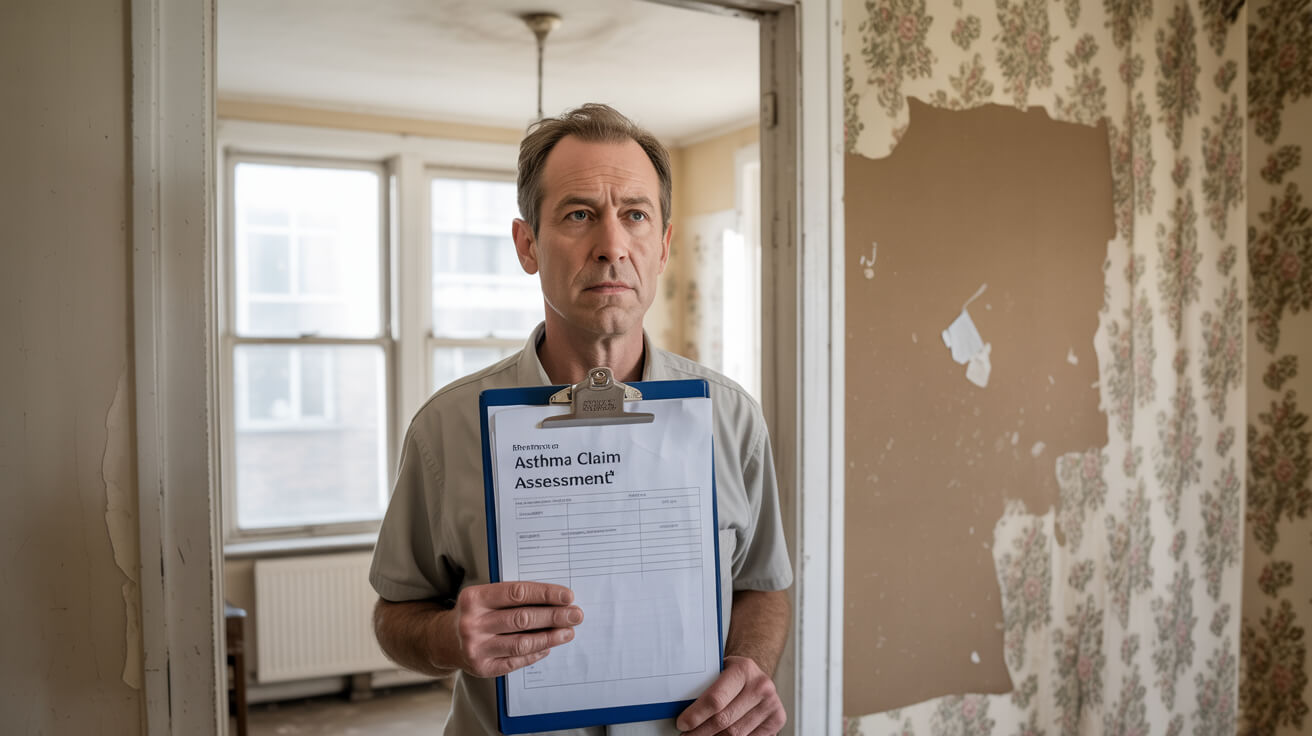
Almost every UK home or landlord insurance policy treats dry rot as “preventable” property damage—not a dramatic accident or freak event (see theaa.com). Claims are routinely rejected unless you can prove the rot resulted directly from a covered misfortune like a burst pipe or storm-blown roof. Slowly spreading leaks, chronic high humidity, or an old, breached damp proof course are written off as “maintenance”—squarely your own burden.
Landlords, in particular, face a dual risk: legal obligations under the Landlord and Tenant Act 1985 and Housing Health and Safety Rating System (HHSRS) demand that rented homes are safe from hazards, including rot and mould. Delay repairs, and council enforcement or even prosecution may follow—regardless of what your insurance fine print says.
When rot creeps in, insurers almost always stay out. Your best shield? Paperwork that proves high-quality repairs happened, before damage gets serious.
If you’re contemplating a sale or new tenancy, or you’re halfway through a mortgage process, unaddressed dry rot is a financial and legal tripwire. Surveyors—for buyers, lenders, or insurers—are trained to sniff out even faint signs of skirting board rot, and one flagged outbreak can stall, devalue, or kill a deal. Insurers often go further, excluding future claims on anything flagged as a prior “condition,” especially if they find lapses in maintenance in old survey records.
So, how does a homeowner or landlord position themselves for security and peace of mind when insurance generally won’t ride to the rescue?
- Demand a full, documented dry rot diagnosis by a PCA-accredited or TrustMark-registered firm. Get mapped moisture readings and a written report detailing where the outbreak stops and starts.
- Insist on British Standard (BS6576/BS8102)-compliant paperwork. Look for transferable guarantees that stay valid even after you sell or refinance—typically 10–25 years.
- For every major fix, keep itemised quotes and payment records. This is your protection for future disputes, mortgage reviews, or warranty claims.
The cost of skipping these steps is steep—multiple, avoidable call-outs and a paper trail that leaves you exposed if problems re-emerge. True value is measured in prevention and in a proof chain that lets you answer tough questions from buyers, tenants, or lenders.
A cheap fix comes with a higher price tag when the next set of eyes—surveyors, insurers, or buyers—scrutinise your property.
What Does a Professional Dry Rot Survey for Skirting Boards Typically Cost in East Sussex?
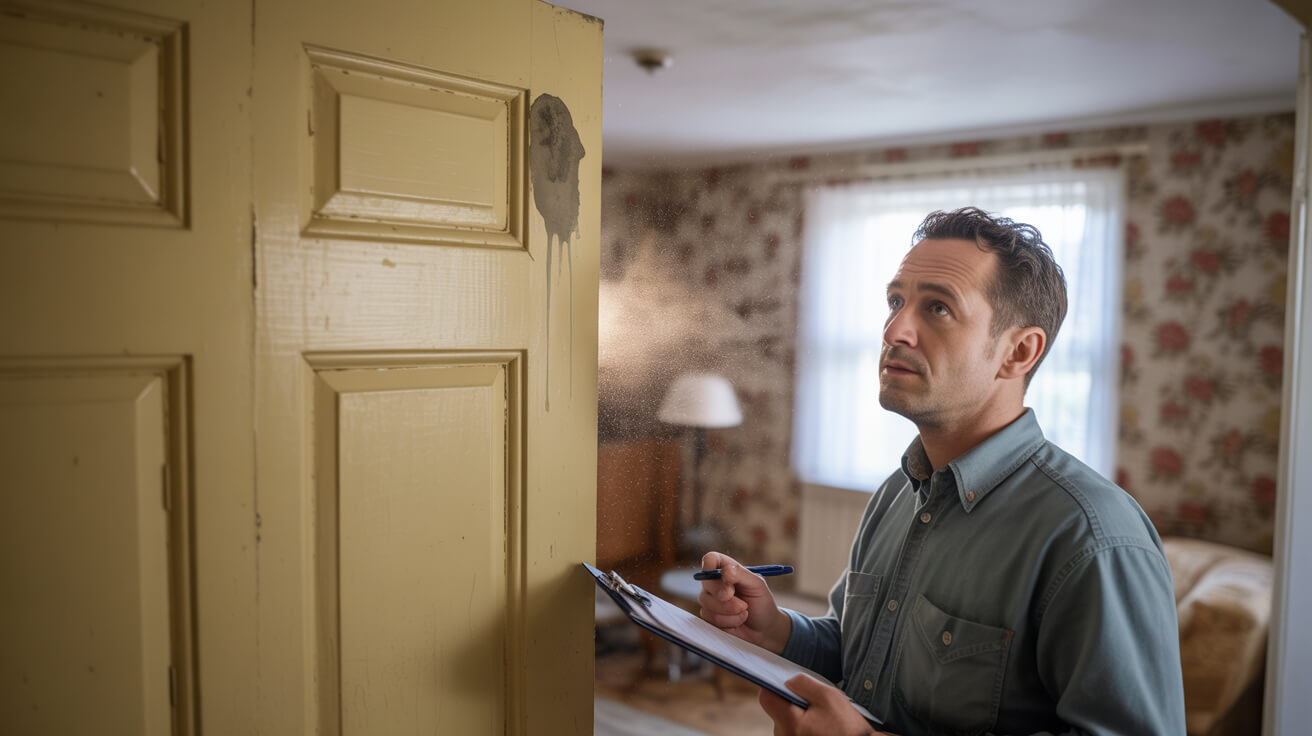
A trustworthy dry rot survey is the linchpin to getting any repair right—especially with skirting outbreaks, where the line between a water-damaged patch and a fungal highway is thin but critical. For most homes in East Sussex, a robust survey of skirting and related timbers costs somewhere between £250–£400, covering a site visit, mapped-out moisture and salt testing, and a formal written report with photos (refreshpsc.co.uk). For larger, older, or quirkier properties needing specialist drilling or sampling, fees may rise to £500–£750 to reflect extra time and investigative tools.
A key detail: many leading contractors (including Sussex Damp Experts) refund this survey fee if you hire them for full treatment—turning diagnostic diligence into a low-risk investment, rather than a sunk cost. At this stage, you’re paying for precise mapping—not just confirmation of damage, but a report that details origins, likely spread, and compliance-anchored recommendations for treatment and warranty.
Professional surveys catch what DIY eyes miss—the hidden and legally significant evidence that will turn up on future reports and impact your next sale or tenant.
Why invest in an independent, written survey?
- Provides credible evidence for future buyer and lender negotiations—cutting down on price renegotiations or deal collapses.
- Pinpoints hidden fungal runs or moisture in subfloors and wall voids, saving hundreds or thousands in future structural repairs you never saw coming.
- Equips you with an accurate, itemised quote for works—preventing unpleasant “surprise” costs mid-build.
- Delivers compliance and safety documentation for landlords and property managers, ticking the correct boxes for HHSRS and British Standards ([BS6576](https://www.standards.org.uk/standard/bs-6576-2005)).
No thorough survey? No reliable fix, no genuine guarantee, plenty of risk. The “saving” is false economy—one that almost always comes home to roost at sale or remortgage time.
How Do Skirting Board Dry Rot Treatment Costs Shift by Extent and Property Context?
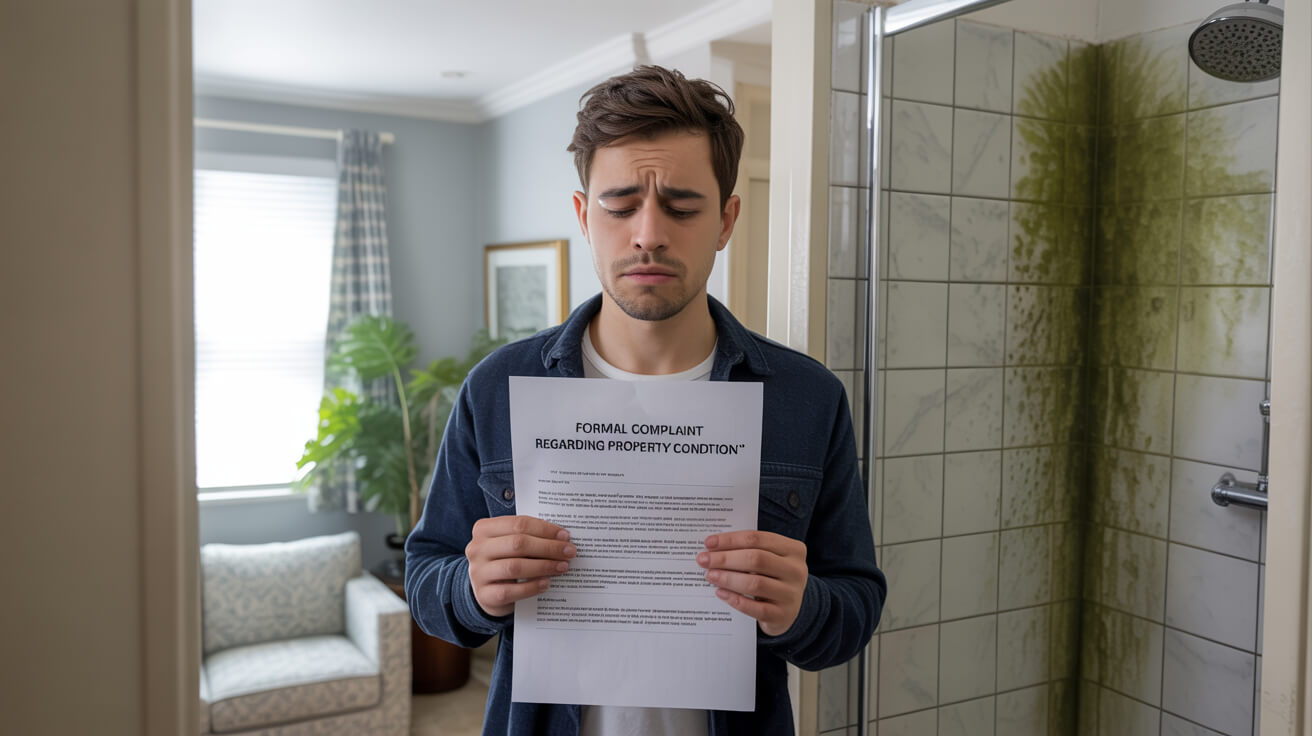
When it comes to dry rot treatment costs, local context is king. Replacing a couple of affected skirting lengths in a hallway—with no sign of spread—tends to be a modest outlay: £250–£450 plus your survey fee (checkatrade.com). But dry rot doesn’t respect room boundaries or the limits of a quick fix. If fungal growth has travelled under floorboards or penetrated into wall plates and subfloor timbers, your treatment broadens sharply, with bills of £900–£1,800 (or more) for affected rooms and floors.
Listed and heritage properties introduce new layers of cost. Local authority regulations mean you may need specific joinery profiles, breathable lime plasters, or conservation-friendly DPC products. Throw in planning consents, heritage officer approval, and disrupted timelines, and totals readily reach £3,000–£5,000+.
| Treatment Scenario | Cost Range (2024/25) | Typical Context |
|---|---|---|
| Patch repair (1–2 boards) | £250–£450 + survey | Hall/corner outbreak |
| Moderate/room-wide | £900–£1,800 | Subfloor or wall infection |
| Listed/heritage | £3,000–£5,000+ | Consent, period joinery, paperwork |
One rock-solid fix outpaces a cycle of patch-ups—saving thousands and shielding you from the surveyor’s glare.
What pushes costs up?
- Age/protection status: Heritage or listed homes mandate additional paperwork, materials, and regulated techniques—often pushing costs up by half or more.
- Hidden spread: If rot has reached beneath floors or behind walls, expect elevated labour, invasive removal, or specialist equipment fees.
- Access issues: Deep skirting, built-in shelving, tight corners or heavy floors all slow things down and hike bills.
- Material selection: Premium hardwood, period mouldings or eco-friendly/breathable materials cost more than out-of-the-box pine.
- Paper trail: Full compliance with national standards and a long-term, transferable warranty add some up-front cost while lowering future risk.
So, costs are less about what you can “see” in the skirting itself, and more about the building’s wider story—age, regulations, hidden spread, and your tolerance for risk versus future peace of mind.
What Steps Are Essential in a Fully Compliant Skirting Board Dry Rot Treatment?

Lasting, compliant dry rot repair is a six-step relay. Miss a runner, and the baton never reaches the finish:
-
Full forensic survey: Document not just the rot’s symptoms (damage to skirting), but its causes and spread. This means mapped moisture, salt tests, and photographic records for legal and technical proof.
-
Surgical timber removal: Strip out all visible and hidden infected timber plus at-risk adjacent woods or substrate. Anything leftover is a seed for recurrence.
-
Deep-penetration fungicide/biocide treatment: Apply to masonry, voids, and exposed surfaces to kill spores ready to resurge in months or years.
-
Moisture source elimination: From failed damp proof courses to high ground or faulty rainwater goods—it’s the most overlooked but vital phase.
-
Precise, code-compliant installation: New timbers must conform to BS6576 or BS8102 (especially for mortgages or insurance)—matching profiles as the context demands, and protection via sealing or breathable systems as needed.
-
Paperwork and guarantees: A watertight guarantee (10–25 years) and all documentation aligned to British Standards, HHSRS, and lender/insurer needs. Post-repair, a clear aftercare plan is essential for value retention and compliance.
Cutting any one of these leaves the door open for rot’s return—along with the risk of failed surveys, loss of guarantee, or legal/tax headaches. Every quick, “decorative” fix leaves a hidden ticket for future expense.
The strongest repairs are built on what’s hidden, not what’s patched over.
What Drives Treatment Costs Higher—and How Can You Stay in Control?
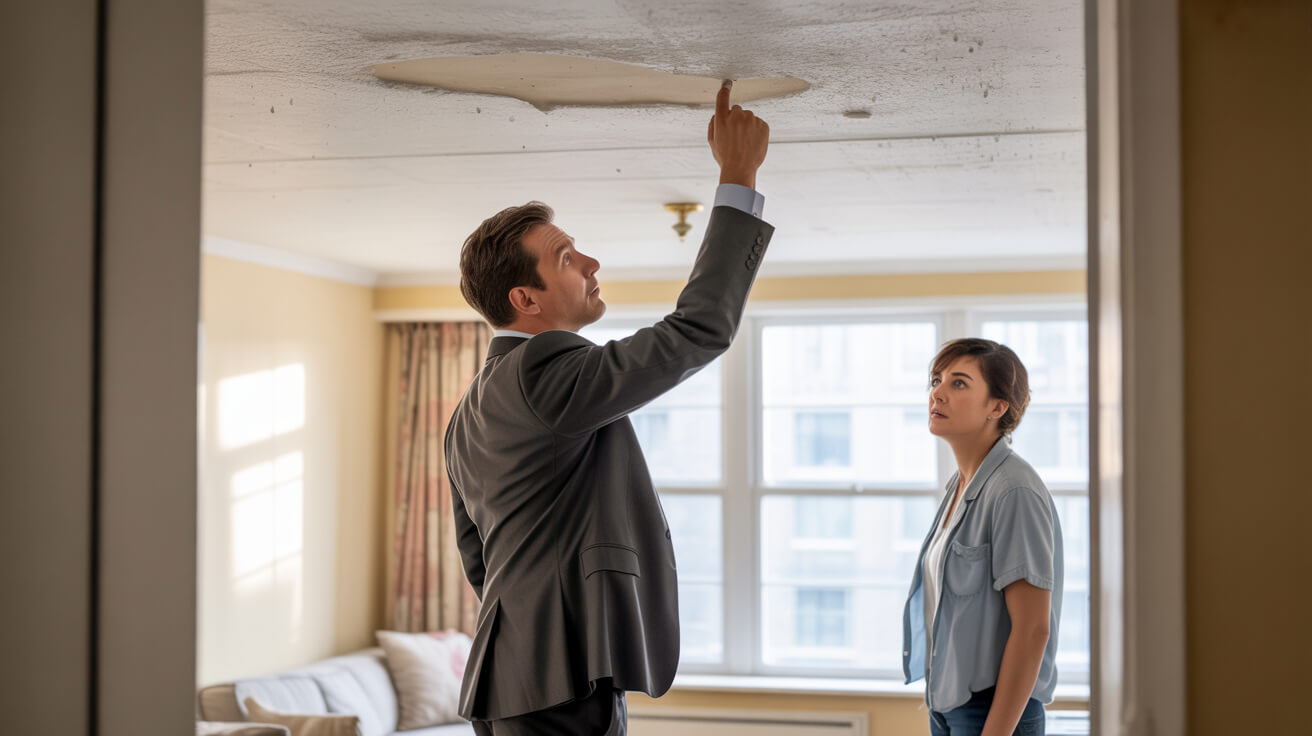
Dry rot costs climb when two key things happen: undetected spread, and complexity on site. Access headaches, heritage requirements, and paperwork/scoping all play a part.
| Cost Driver | Typical Impact | Mechanism |
|---|---|---|
| Undiscovered spread | £500–£2,000+ bump | Rot in or under floors/walls |
| Listed/heritage status | 50–200% premium | Consent process/material upgrades |
| Difficult access | £150–£750+ | Built-ins, tight spaces |
| Warranty/documents | £250–£700 | Insurance, legal compliance |
| Materials upgrade | £50–£500+ | Premium/period correct timber |
Take charge with these tactics:
- Demand a mapped, professional diagnosis. Most overspending traces back to treating just visible rot, missing the wider spread.
- Get itemised, written quotes and clear-exclusion lists; reputable specialists detail the risks and unknowns, not just headline rates.
- Prioritise insurance-backed, transferable guarantees valid for the next owner or lender—covering materials and workmanship for ten years or more.
- Double-check compliance duties (especially for heritage/rental properties); overlooked permissions can mean months of delays or fines.
- Ask for aftercare and future risk-mitigation advice—cheaper over time than a rushed job now.
The lowest quote buys the scariest surprises—especially when legislation or your building’s survey cycle comes knocking.
Can a Handyman Solve Skirting Dry Rot or Is a Certified Specialist Essential?
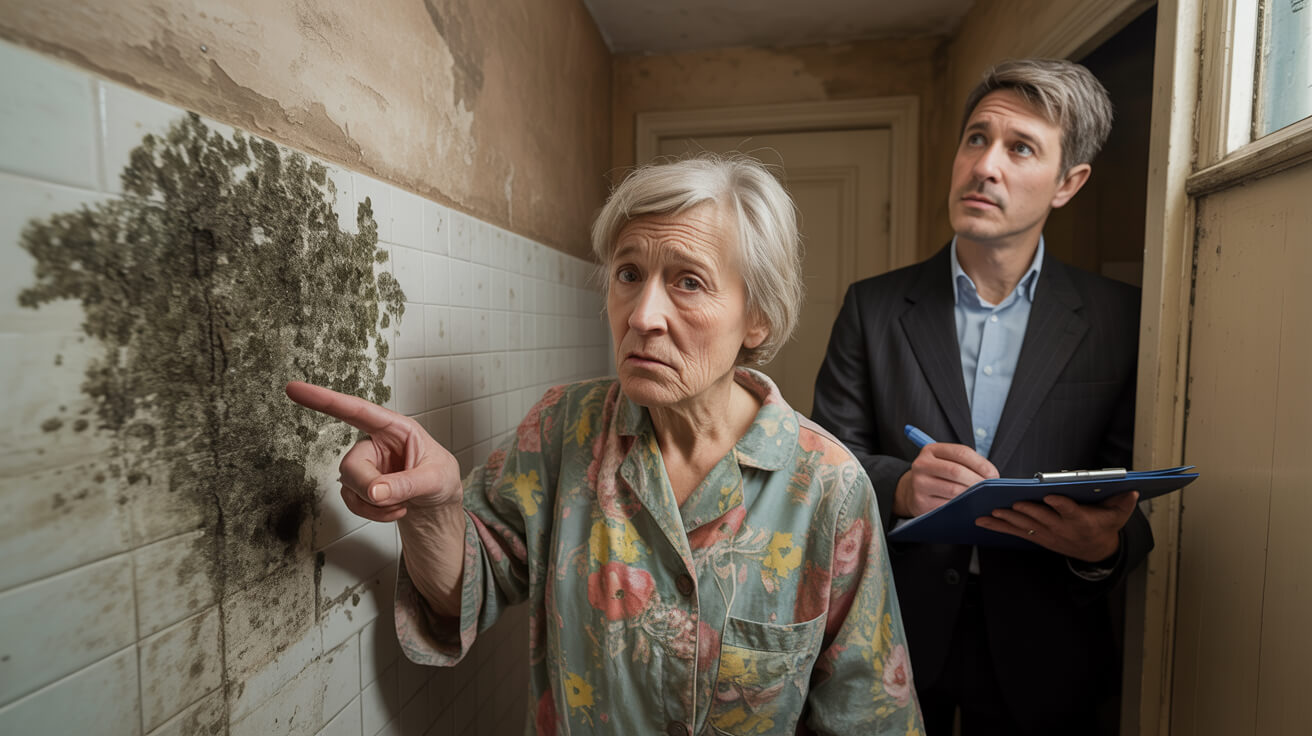
It’s tempting to call in a local handyman or “mate with a van” for a quick board swap—especially when the rot looks trivial. But the cost of a non-specialist repair is almost always higher in the end, once you factor in what gets missed.
Handymen rarely—if ever—carry out moisture/salt testing, execute full-cut removals, or offer paperwork that meets mortgage, sale, or insurance standards. Even the most diligent can’t supply transferable guarantees or comply with all the latest UK regulations (HHSRS, BS6576/8102, PAS2035). When the rot returns (as it often does with invisible sub-floor outbreaks), you’re back at square one—only now with the added cost of undoing undocumented work.
Risks of shortcut solutions:
- “Patch and paint” fixes ignore deep-seated or spreading rot—letting fungus fester and devalue your property.
- Lenders, insurers, and surveyors all demand proof of regulated repair; lack of it means invalidated cover or withheld funds ([theaa.com](https://www.theaa.com/home-insurance/advice/dry-rot?utm_source=openai)).
- Landlords are obliged by law to ensure properties are safe from rot (see HHSRS, Landlord and Tenant Act 1985).
- Buyers faced with sketchy repairs or missing paperwork will renegotiate, withdraw, or flag you as a high risk.
A certified specialist—like Sussex Damp Experts—delivers more than expertise. You access a full diagnostic chain (cause, extent, legal standing), insurance and surveyor-approved documentation, itemised quoting, and serious (10–25 year) guarantees. They’re your partner in defending property value—not just a “repairer.”
Quick fixes breed repeat business for all the wrong reasons—a professional repair ends the cycle, protects you in every future negotiation, and preserves your reputation.
Take Control: Secure Skirting Board Dry Rot Assessment and Repair With Sussex Damp Experts Today
Skirting board dry rot is your property’s silent adversary—quiet, destructive, and unstoppable unless tackled head-on. The route to lasting protection isn’t “board swapping,” but a system-level intervention: understand the real causes, fix root issues, and lock in documented, warranty-backed repairs.
Sussex Damp Experts stand apart for East Sussex properties by delivering:
- Full-spectrum diagnostics—not just identifying visible outbreaks but mapping concealed spread and pinpointing cause, using the latest technology.
- Transparent quoting—itemised, evidence-driven, and guaranteed not to drift as the work proceeds.
- Accreditation to BS6576/BS8102 and full local compliance—protecting your standing with lenders, authorities, and buyers.
- Transferable guarantees lasting 10–25 years—backed by robust paperwork so your investment, not just your building, is protected.
- Aftercare support and annual health checks—reducing future costs, disruption, and stress.
Take decisive action now—cut risk, build value, and remove doubt. Your property, your peace of mind, and your next big move deserve no less.
Shield your home or investment from hidden rot—book a comprehensive dry rot survey and tailored treatment plan with Sussex Damp Experts today, by phone, WhatsApp, or web enquiry.
Sussex Damp Experts: Where rigorous evidence meets practical care—protecting East Sussex properties at every stage, above and below the skirting.
Frequently Asked Questions
What triggers insurers to deny skirting board dry rot claims, even if you think you’re covered?
Insurers typically decline claims for skirting board dry rot because it’s categorised as gradual deterioration—a maintenance issue, not a sudden, insurable peril. Most home and landlord insurance policies in the UK draw a clear line: payouts cover direct, accidental water escapes, not the slow creep of rot, missed leaks, or rising damp. Even when you trace rot to a burst pipe, insurers usually only pay to fix the plumbing, not the infected timber or underlying fungus. To shift an insurer’s stance, you’d need specialist evidence confirming the damage directly resulted from an insured event and not years of overlooked moisture ingress.
The toughest costs often pile up while you’re believing someone else is shouldering the risk.
What documentation can influence a claim?
To gain any traction, secure a PCA-accredited firm’s forensic report, irrefutable moisture mapping, and a photographic diagnosis chain. These records won’t guarantee a payout, but they become essential leverage for future buyers, lenders, or disputes. The same paper trail also deters insurers from citing “neglect” as cause for exclusion.
Are specialty fungus extensions worth it for most properties?
Fungal add-ons that cover wood-rot exist in niche policies, but most property owners skip the hefty premiums and exclusions, preferring ironclad documentation over elusive coverage.
Why do underwriters consistently refuse gradual loss?
Insurance rests on what you could have controlled—gradual ingress is deemed preventable with maintenance, so the risk (and the cost) remains yours.
How do you protect your position?
Commission repairs from a properly accredited company like Sussex Damp Experts, with full compliance, guarantees, and forensic logs ready for future sales or finance checks.
How much does a complete dry rot survey and skirting board repair cost in East Sussex, and what shapes the final figure?
Expect a dry rot survey of skirting boards—including moisture mapping, salt analysis, and a report fit for lenders or insurers—to run £200–£400 in East Sussex. When repairs proceed, some firms deduct this charge from your final bill. Most single-room timber outbreaks, tackled by seasoned pros, cost between £700 and £1,600 for safe removal, biocidal treatment, and insulation-backed warranty.
Larger jobs—multiple rooms, spread to joists, period joinery, or extensive subfloor excavation—can exceed £1,700 to £5,500. Heritage property owners face even higher numbers due to custom timber work and mandatory compliance paperwork.
An open quote and mapped diagnosis are the safeguards that stop damp repairs from spiralling out of budget.
What factors push the cost ceiling?
- South East labour rates and demand for PCA-accredited specialists
- Survey-intensity for compliance (especially BS6576/BS8102)
- Material sourcing for period or conservation projects
- Discovery of hidden infection during repairs
Can you sidestep hidden extras?
Yes—insist on transparent, itemised site surveys, staged breakdowns, and disclosed contingencies for anything lurking under floors or behind skirtings. Sussex Damp Experts lead with this clarity, eliminating cost shocks.
Why does a warranty matter for costs?
Repairs missing a written, transferrable guarantee may look “cheap,” but tend to leave you paying double when a future survey finds recurrence or non-compliance.
How do you predict your property’s risk tier?
Demand gradient salt and moisture testing upfront—a £200 test often saves thousands by mapping the real problem first.
Which hidden risks most often make dry rot repairs sprawl into costly nightmares?
Invisible risks—not just timber volume—drive up dry rot repair bills. Rot often travels unseen under floors or behind plaster, so what appears limited on the surface might mask a broad outbreak. Complex subfloors, fitted units, or listed property status make access tricky, sometimes requiring custom joinery or slow, methodical dismantling to avoid heritage breaches. Surveyors and lenders also increasingly demand photographic proof at each treatment milestone, and non-compliant works force expensive do-overs.
- Spread below visible skirtings or through period wall plates
- Access headaches: built-in wardrobes, low voids, awkward room shapes
- Conservation status: material and process restrictions, compliance costs, council sign-off
- Mortgage or insurance surveys: flagged shortcuts, staged repair requirements
When you save on diagnosis and paperwork, you pay later—in failed sales, insurance refusals, or legal demands.
Does the guarantee protect against hidden costs?
A 10–25 year insurance-backed guarantee not only lifts resale value, but it shields you from paying for future remediation that should have been “sorted” first time.
How does forensic surveying limit your exposure?
Advanced diagnostics like salt, moisture, and acidity mapping pinpoint true boundaries. Sussex Damp Experts build these tools into every risk mapping session.
Why does staged documentation stop future headaches?
Survey-grade photo reports, mapped spread diagrams, and certified aftercare prove to buyers, lenders, and insurers that your investment is built on evidence, not guesswork or shortcuts.
Why do lenders, buyers, and agents fixate on rigorous dry rot paperwork—not just replaced timber?
The real asset in dry rot remediation is your paperwork trail—surveyors, mortgage lenders, and buyers now require irrefutable documentation mapping the entire process: diagnosis, eradication, compliance, and guarantee. BS6576 or BS8102-compliant repairs, stamped and logged, are taken as proof of lasting value and safety. Unverified DIY fixes or vague builder receipts invite valuation cuts, insurance denials, and occasionally legal or council intervention.
- Forensic reports defend against post-exchange disputes and discount requests
- Long-term, transferrable guarantees preempt contentious negotiations with buyers
- Landlords face fines and action under HHSRS for undocumented or slipshod repairs
- Compliance paperwork enables smooth mortgage draws and insurance approvals
If your sale, let, or loan hinges on one detail, it’s almost always the paperwork.
Which evidence turns scrutiny into smooth approvals?
Serially logged site photos, moisture and salt diagnostics, signed-off aftercare, and ready-to-transfer guarantee packs are what set you apart in a crowded property market.
How does compliance investment turn into future savings?
The cost of full compliance and structured maintenance is dwarfed by avoided valuation drops, legal disputes, or interrupted transactions—it’s genuine peace of mind.
What if you’re preparing to let, sell, or refinance?
Preempt delays by ensuring your rot repairs are mapped and certified by Sussex Damp Experts, with all reports and guarantees prepared for the next surveyor or buyer.
When is tackling skirting board dry rot as a DIY or handyman job penny-wise, and when is it pound-foolish?
Superficial rot patches in modern, dry-lined rooms—where the water source is obvious and contained—might be safely fixed by a skilled DIYer or handyman. But skip a professional diagnosis, fungicide, and sign-off, and you invite costly future challenges. Mortgage lenders and buyers almost never accept informal repairs; insurance claims stall without paperwork; and larger, multi-area, heritage, or recurring outbreaks require accredited expertise by law and for stakeholder confidence.
- DIY fixes are rarely “survey-acceptable” and can tank property value
- Absence of specialist diagnosis and paperwork weakens insurance and resale leverage
- Invisible infection under skirtings or in voids is often missed, prompting relapse and extra cost
Quick, informal repairs save little now, but often become a liability that resurfaces at the wrong moment.
Can you safely self-certify for small, isolated outbreaks?
Not if you care about the next sale or tenancy paperwork. Even flawless timber repairs lose value without a forensic report and issued warranty.
When should you avoid informal shortcuts?
If future valuation, mortgage eligibility, or legal compliance is on the line, skipping specialists is false economy—use Sussex Damp Experts to lock in asset security.
Will verifier-ready paperwork shift outcomes?
Absolutely—documented repair chains, transferable guarantees, and code compliance are what buyers, lenders, and insurers look for every time.
How can you future-proof your dry rot investment and steer clear of legal or valuation risks?
True dry rot protection is a chain: professional diagnosis, code-driven treatment, staged documentation, and aftercare. Each step amplifies the next, building an asset that withstands scrutiny—from buyer to lender, agent to council. Regular moisture checks and routine paperwork audits keep compliance active and your warranty valid. Root cause is non-negotiable: unless all underlying leaks, subsoil ingress, and poor ventilation are knocked out, outbreaks return and investment unravels.
- Annual aftercare: moisture readings, visual inspections, guarantee renewal
- Evidence archive: keep surveys, guarantees, and project logs accessible
- Proactive disclosure: future buyers, tenants, or agents trust visible documentation, not promises
- FCA, HHSRS, and landlord duties: robust repair chains future-proof rental compliance and block penalties
The payoff for disciplined aftercare and transparent file-keeping is measured in the problems you never have.
Which support steps pay off most for property owners?
Integrated post-repair checklists, annual advisory calls, and guaranteed response lines are all part of Sussex Damp Experts’ approach—these keep your asset watertight against future scrutiny or surprise.
How do leaders signal property stewardship to stakeholders?
Show, don’t tell: cite your 10–25 year, insurance-backed guarantee and PCA-accredited repair record. This quiet confidence attracts buyers, retains tenants, and reassures agents faster than flashy finishes ever could.
Secure a forensic survey, mapped repair, and enduring guarantee from Sussex Damp Experts and anchor your damp solution for every test ahead.

