
 By
By  September 3, 2025


What’s the Real Financial Risk Lurking Beneath Rotting Floorboards?
When your floor creaks, a suspicious patch appears, or that earthy smell drifts up in the hall, it’s easy to wish away what’s happening under your feet. Most ignore that first warning—until a mortgage survey lands or a buyer’s solicitor points at rotten timber and the costs start snowballing.
Rot isn’t just timber trouble—it’s a chain reaction. What you miss today in that one corner often ripples into devalued property, lender disputes, legal wrangles, and relentless repairs (kaloutas.com). Slap a piece of plywood over the patch and you’re setting tomorrow’s self up for higher spend, warranty rejection, and a reputation for cutting corners.
Delay is the most expensive option—a small rot patch ignored long enough can flip next year’s budget from touch-up to structural rescue.
Rot in floorboards isn’t shy about multiplying its damage. A leak near the skirting board, one winter of condensation, and rot snakes sideways beneath carpets, into joists, under hard-to-access stairwells—almost never stopping at the surface you can see. Ignore it, and what started as a £200 nibble can easily turn into a £2,500 nightmare by the time a homebuyer’s surveyor unmasks the full spread.
But it’s not just your balance sheet at risk.
- *Homeowners*: Minor repairs can snowball into red-flag legal compliance failures if you wait for “a better time.”
- *Landlords & Property Managers*: HHSRS penalties, tenant complaints or late handovers can spiral fast if you’re “papering over” instead of documenting fixes.
- *Sellers*: That pre-sale survey won’t spare you—hidden rot equals price drops, retention clauses, and lost deals.
Move quick, get pro guidance, and every pound you spend is an investment—not a sunk cost. Sussex Damp Experts bring PCA and TrustMark assurance for East Sussex. They don’t just patch—every fix arms you with the evidence lenders, insurers, buyers, and agents prize.
The price for ignoring rot isn’t just another repair bill. It’s trouble—survey flags, stalled sales, and mounting legal headaches.
What Actually Decides the Cost When Fixing Rot in Floorboards?
Timber Repair Cost Calculator
Estimated Cost Range
—
| Item | Estimate |
|---|
Repair vs Replacement
Estimated Timeline
Timber damage often has underlying causes that need addressing first.
Our surveyors will identify the root cause and recommend the right repair.
Sure, online “quick fixes” pitch rock-bottom prices. But there are no shortcuts that survive scrutiny or the next rainy season. The real invoice is built from five factors: moisture’s reach, access difficulty, timber age (and quirks), legal sign-off, and above all else—the honesty of the diagnosis.
Patch Jobs or Whole-Floor Rescues? Why Size and Spread Rule
- Surface patching/single board swaps: £200–£600 for a one-room area with only surface damage ([tradesmencosts.co.uk](https://tradesmencosts.co.uk/rotten-floorboard-replacement/?utm_source=openai)). Accessible, no underfloor headaches.
- Multiple rooms, subfloor or joists affected: £1,200–£3,500+. Older properties or heritage details (original skirting, tiled hearths) can double labour and materials in a heartbeat—especially where insulation, membranes, or DPC have all failed.
- Surprise escalation: DIY patches without full subfloor diagnosis will nearly always trigger repeat callouts and higher subsequent bills when fungus returns.
The key cost escalators almost nobody spots:
- Missed leak sources or DPC bridging mean rot just keeps coming back in new spots (and invalidates your insurance and guarantees).
- Ornate floors, old voids, or no subfloor access? That’s more time, risk, and potential disruption.
- “Cash job” repairs lacking PCA/BS6576 credentials can’t be proven to lenders or buyers; these almost always need re-doing for resale or let.
The longer you go without a full-mapping diagnosis, the more your next bill grows.
Reality check for every owner/landlord:
The cheapest fix is one that solves the root problem—anything less is like plugging a dam with soggy paper.
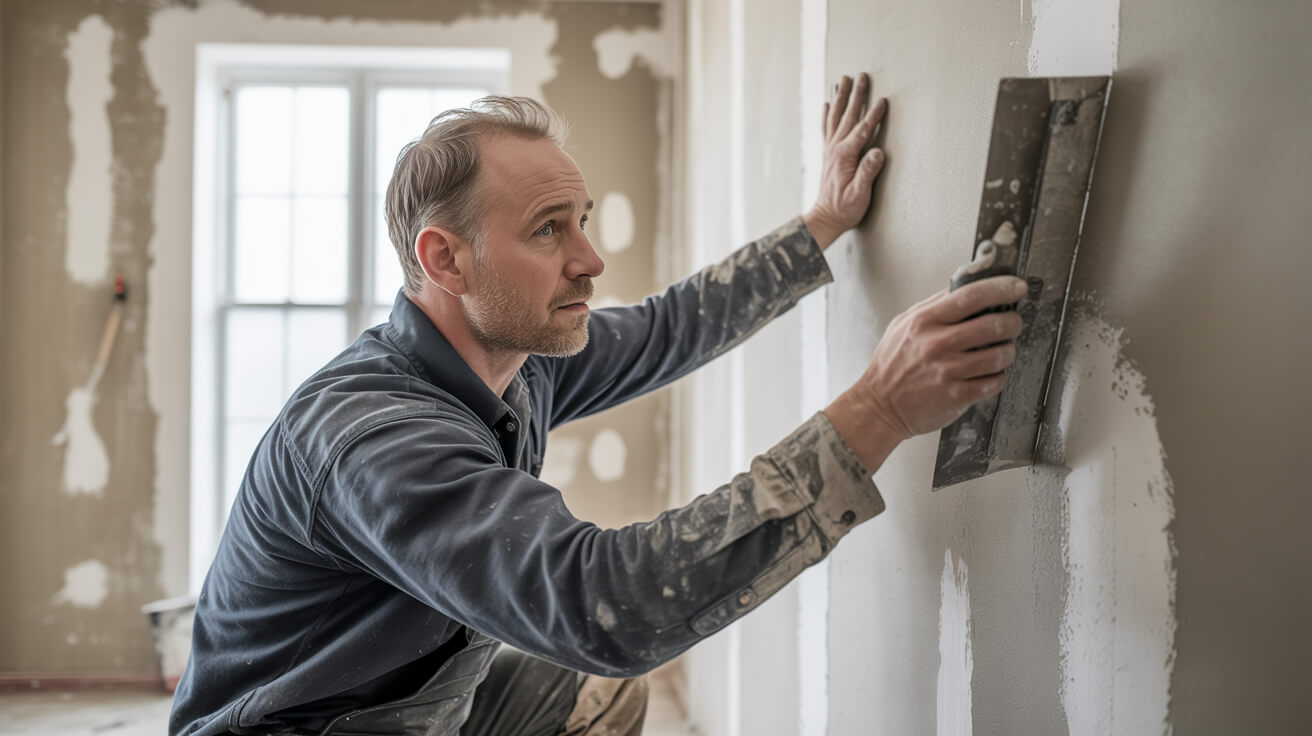
Surface Scuffs or Subfloor Disaster: How to Tell, and What’s the Impact?
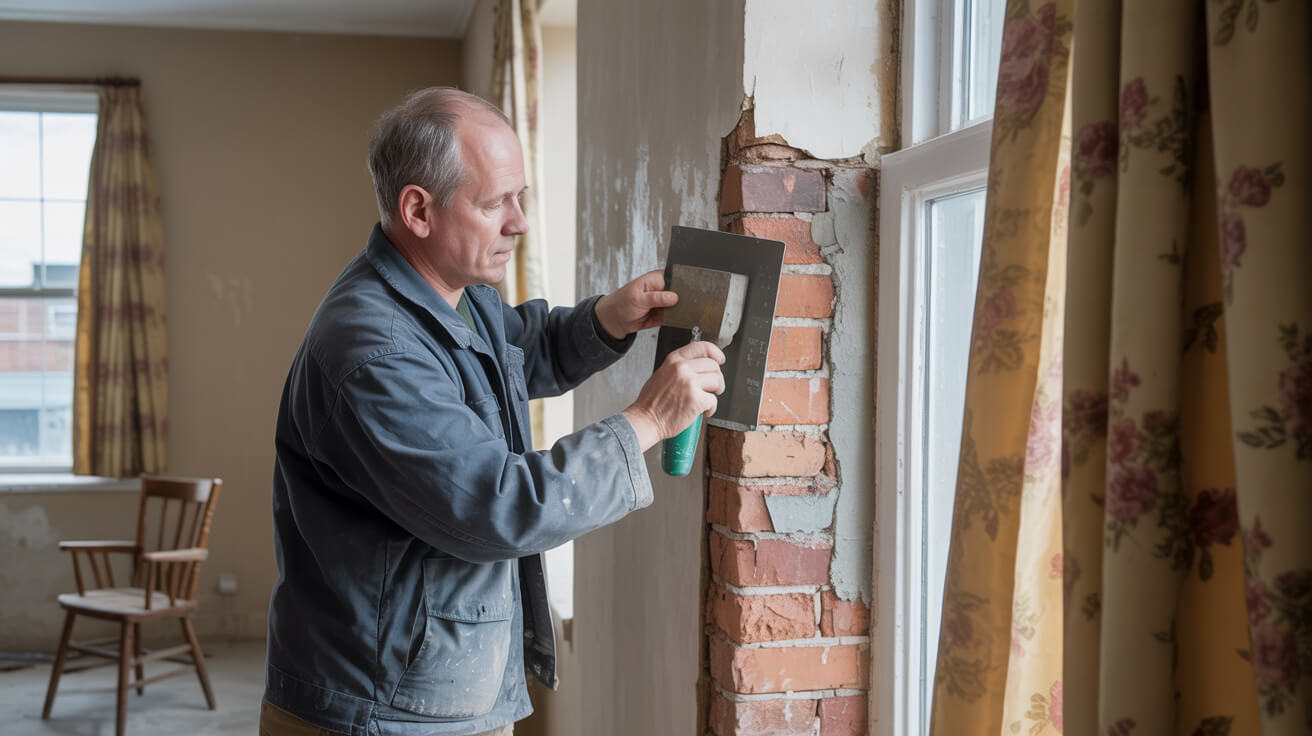
Not every firm floorboard is truly “sound.” Dismissing a musty whiff or faint dip risks inviting chaos beneath the carpets. Trusting an eyeball test over professional mapping can cost a fortune in hidden disaster.
Two Worlds: Cosmetic vs Catastrophic
- Surface-level issues: Local stains or squeaks, but subfloor remains firm, readings match “dry” on a digital metre, and there’s no soft sag underfoot.
- Structural/subfloor rot: Sagging boards, “mushroom garden” scent, cold spots picked up by thermal imaging, or—worse—a forest of mycelium when you peek under insulation.
Cost range:
- *Replacing a single board (superficial, no spread):* £70–£220.
- *Joist, subfloor, or migration into voids:* £600–£2,500+ (angi.com), plus added cost for drying and reinstating insulation or specialist membranes.
DIY sniff tests and tap tricks miss up to half of subfloor rot. Only a pro with a moisture map, borescope, and salt analysis can clear you for mortgage, let, or sale. When agents or landlords “hope for the best” with a visible patch, too often it triggers a return visit—and a lifted surveyor’s eyebrow.
The rot you ignore today is the rot you’ll pay double to fix after one more wet spell.
Pay for the right diagnosis, and you buy peace of mind—not just a “band-aid” patch job.
Timber Type and Property Age: Why Materials Decide How Much You’ll Spend
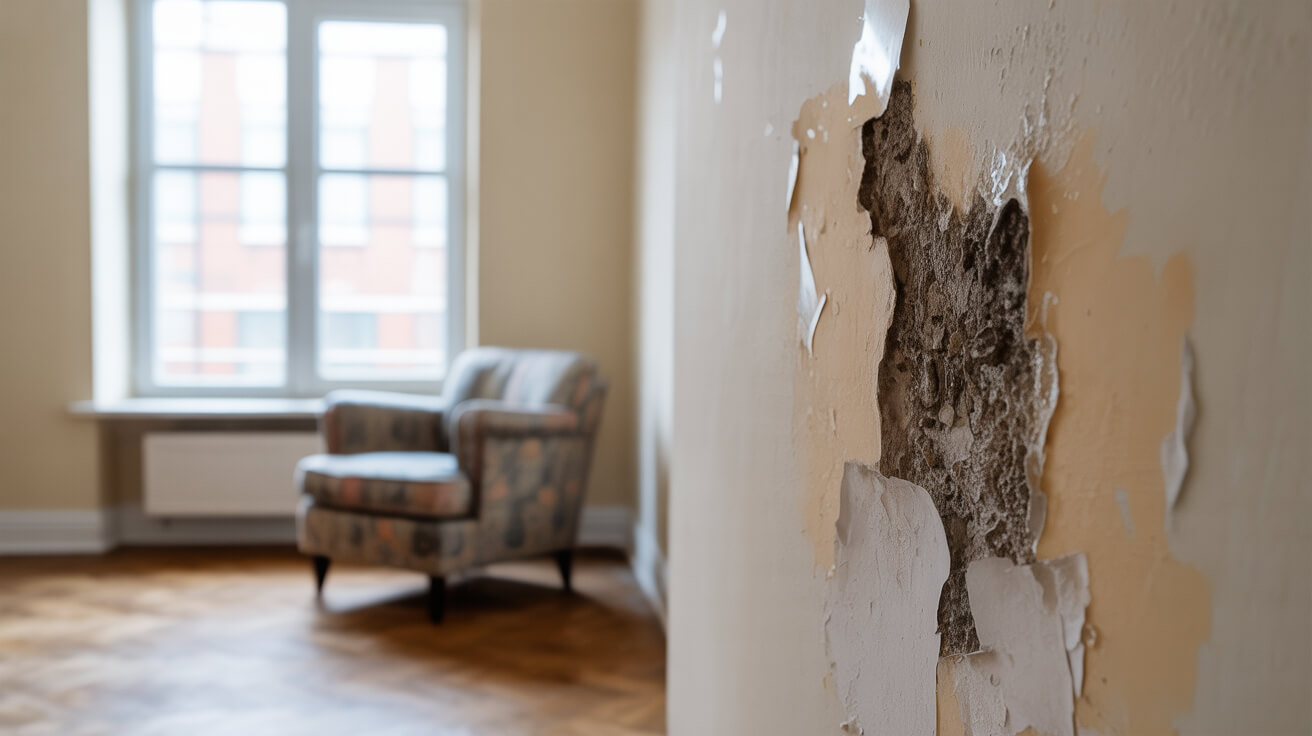
Some houses wear their age as a badge—until you need to match 1892 oak boards, or work around ancient lath and plaster. Heritage rules, timber species, and listed status can make or break both your budget and your compliance.
Why Wood Choice Isn’t Just About Looks
- Softwoods (pine/spruce): Lower material and labour outlay. Standard in most post-war homes.
- Hardwoods (oak/beech): Need careful sourcing for grain/patina—costs rise by £400–£900 per room, especially in listed or conservation situations ([myjobquote.co.uk](https://www.myjobquote.co.uk/costs/floorboard-repair?utm_source=openai)).
- Heritage/listed homes: Must use breathable, reversible systems—lime mortars, unsealed membranes. Non-compliance isn’t “just a risk”—it can kill a sale, trigger fines, or force a full do-over.
If you work with a generalist or skip regulatory steps, you risk (a) paying twice, (b) being blocked on compliance, (c) facing legal scrutiny at the next sale or let.
Sussex Damp Experts’ forensic materials process pairs surveyor-grade timber with listed-building compatibility. Not “just” a swap, but a specification built for longevity, compliance, and lender/auctioneer proof.
Cut corners on specification and period accuracy, and you’ll meet the same rot (plus planning complaints) again next year.
When price is your only concern, hidden legacy costs multiply—ask any homeowner still fighting for a valid certificate after two rounds of unregulated repairs.
Insurance and Floorboard Rot: What’s Your Policy Really Worth?
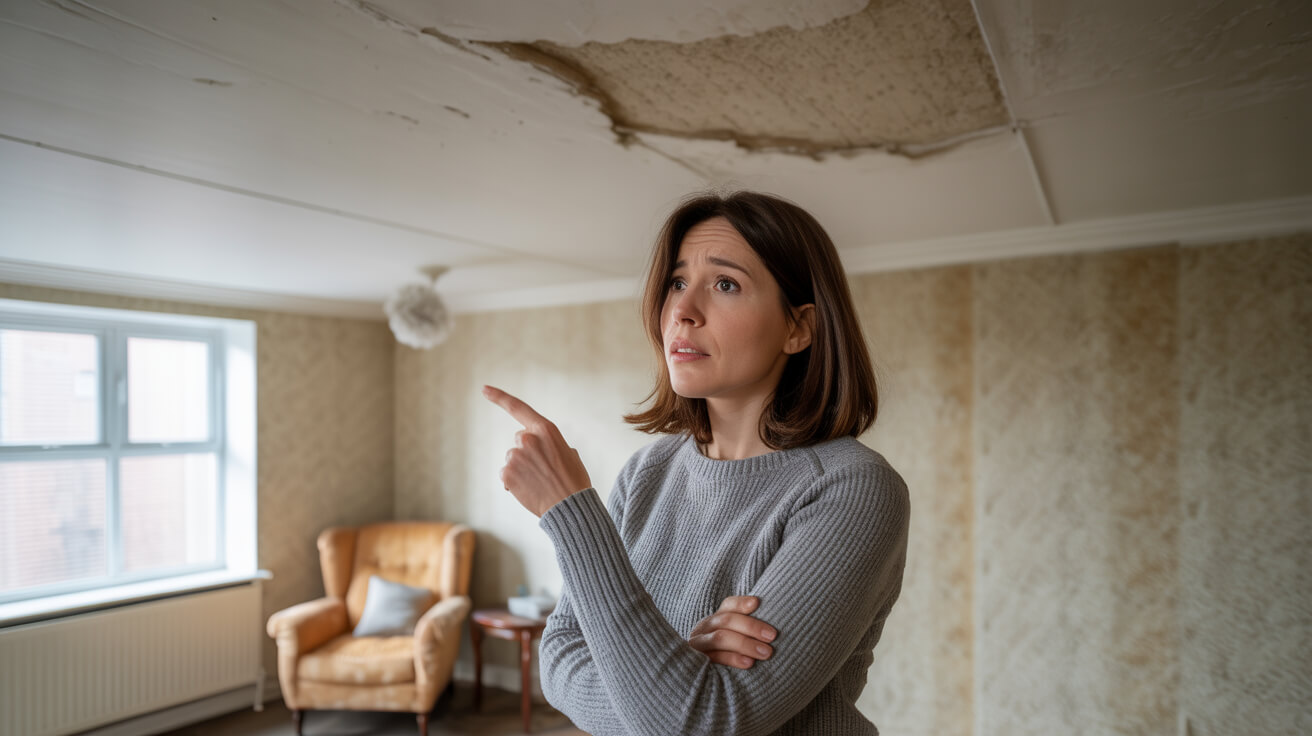
Many owners expect insurance to bail them out of any rot headache. In truth, most exclusions explicitly dodge the very issues at stake: gradual leaks, condensation, or “maintenance neglect” that fuel slow-but-steady rot.
What Insurers Actually Want (and Avoid)
- Sudden, accidental incidents: Burst pipes or storm ingress can be covered, but only if you have clean, documented proof linking the event to your timber’s demise.
- Ongoing problems: Anything traced to chronic leaks, bad ventilation, or DIY attempts is called “ordinary wear and tear”—and likely gets an “excluded” sticker (saga.co.uk).
To claim, you’ll need:
- *Inspection logs, surveyor reports, PCA/BS6576 tags, and photo chains documenting both the problem and the professional repairs that followed.*
Fail to provide airtight documentation, and not only is your claim at risk—you could end up blacklisted, forced to self-fund a re-inspection, or legally exposed if a sale falls apart and the buyer pushes for recourse.
Sussex Damp Experts bring the paperwork muscle—and court-defensible credibility—you need for legitimate claims and stress-free ownership.
Skimp on documentation and your ‘covered’ fix turns to ‘claim denied’—and you can’t buy that back after the fact.
Insurance should be your last line, but not your only plan—proactive, documented remediation slashes future risk and costs.
Surveyor Proof, Legal Pitfalls, and the Real Cost of Cutting Compliance Corners
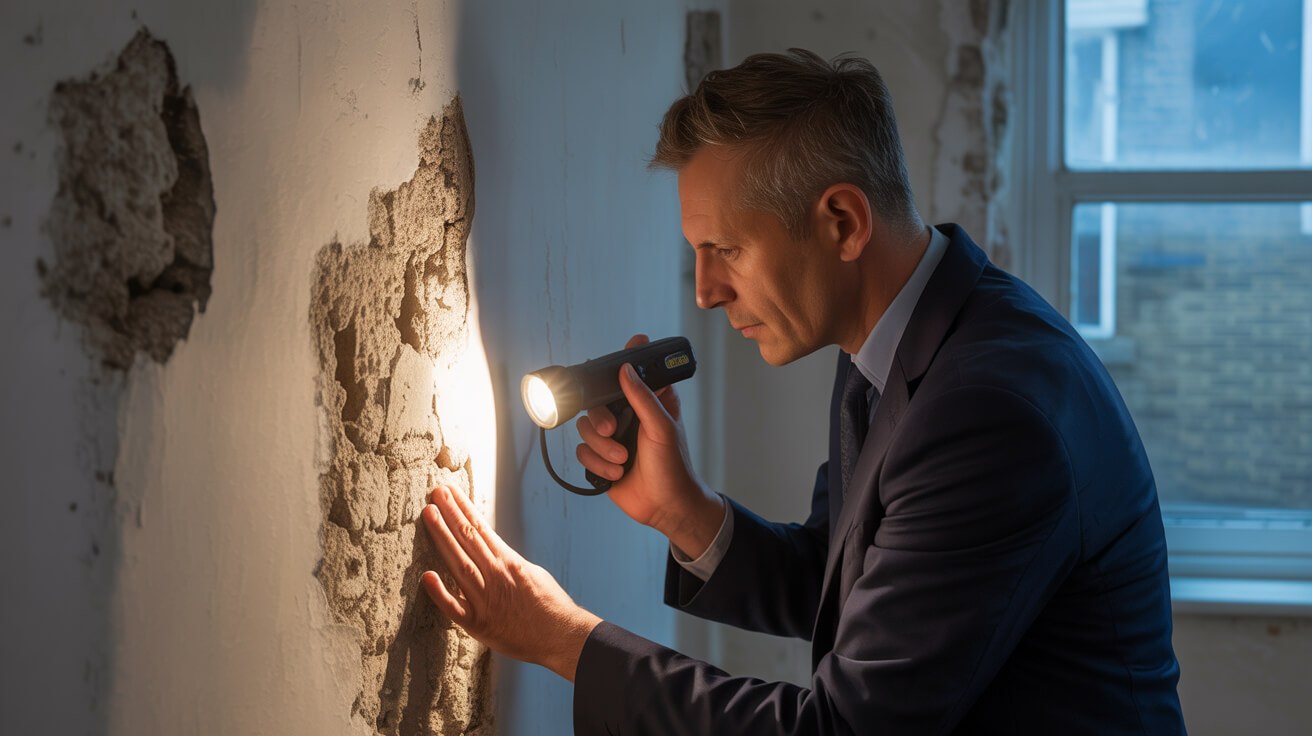
Anyone hoping to “slip repairs through” is gambling with high stakes—mortgage lenders, risk-averse agents, nitpicking surveyors, and legal watchdogs all hunt for documentation. The gap between “fixed it” and “can prove it” often runs straight through your bank account and your reputation.
Survey Rows Are No Joke—Neither Are Letting Penalties
- Mortgage surveyors: Missed compliance, skipped paperwork, or surface-only jobs can mean price drops, sale cancellations, or the horror of a “retention clause.”
- Landlords and agents: Failing HHSRS standards opens the floodgates for tenant claims, lost deposits, or in severe cases, council-imposed fines and forced repairs.
- Heritage or listed properties: Only period-correct, certified remediation stands up—skip this, and enforcement can halt your project dead.
Cosmetic fixes are easy for a RICS or PCA surveyor to spot—they flag incomplete works every day.
Only a repair trail—not just the work, but the evidence—stands up under legal, lender, and buyer scrutiny. Sussex Damp Experts issue step-by-step logs, photographs, and compliance credentials that unlock sales, let contracts, and peace of mind—whichever certificate gets flashed.
Documentation now is a bargain compared to fighting a legal challenge when a buyer or tenant digs up the past.
DIY vs Pro Rot Repair—The Hidden Price Tag No One Tells You
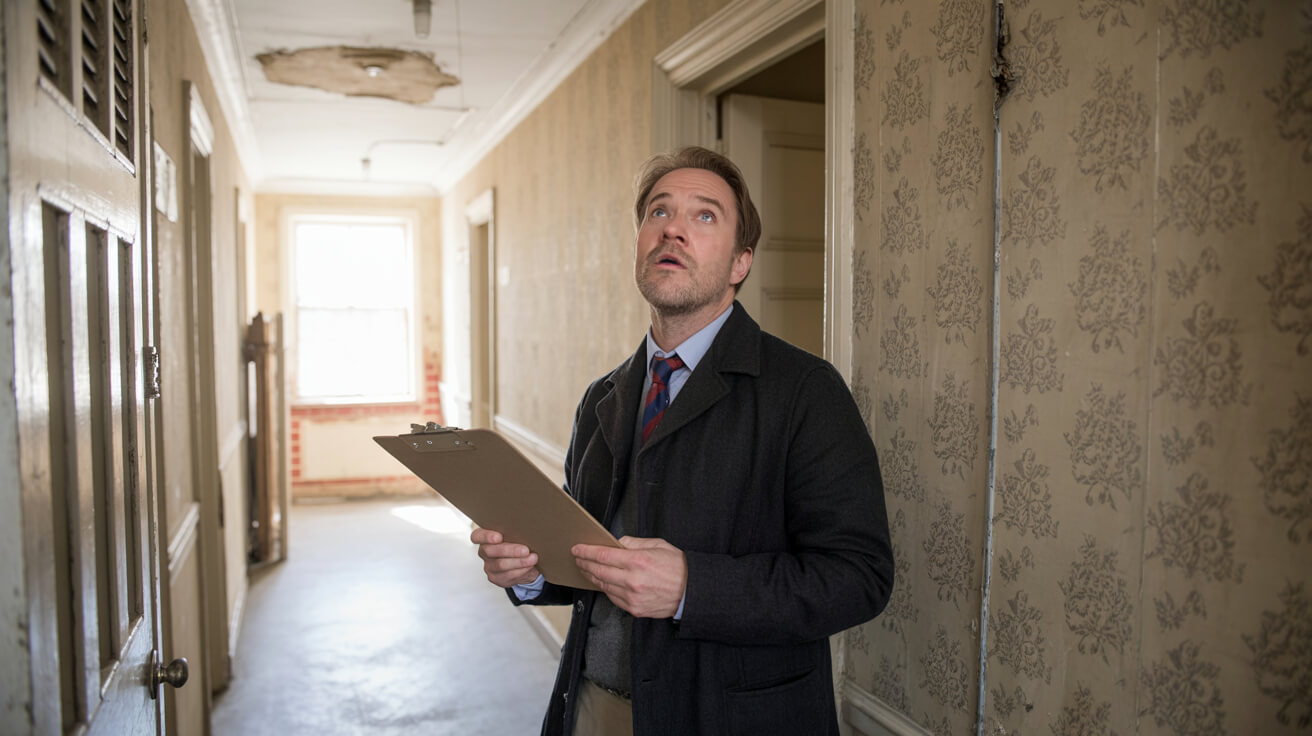
DIY videos make it sound simple: a bag of screws, a big YouTube grin, floor fixed for a tenner. Reality? Self-installed patches are the most expensive “bargain” in the industry when you count lost sales, voided warranties, and repeat disasters.
Why DIY Rot Repair Often Doubles Total Cost
- No reliable moisture mapping: If you patch the top, rot often creeps unseen—costing triple when the next pro is called to fix twice as much timber.
- No certification: Mortgages, insurance, and most guarantees won’t touch DIY, escalating future costs for validation or resale (myjobquote.co.uk).
- Repeat works and legal snags: Cheap today, but each failed fix increases survey scrutiny; some buyers back out altogether.
Five-Year Cost Comparison: DIY vs Professional
| Route | Initial Outlay | True 5-Year Cost |
|---|---|---|
| DIY patch-up | £75 – £300 | £1,500–£3,000+ (repeat, lost trust) |
| Pro/PCA system | £350 – £1,500 | £350–£1,500 (once, with warranty) |
Cheap works in the short term—until a missing certificate or denied insurance claim undoes every saved pound.
If you value property value, peace of mind, or resale, invest once in a system that stands up to external eyes, not just yours.
Sussex Damp Experts’ Guarantee: More Than Floorboard Rescue
A “quick repair” stops timber from moving. Sussex Damp Experts aim higher—future-proofing your property and paperwork against every surprise surveyor, claims handler, or fussy planning officer who may land on your doorstep.
Why Our Method Outperforms Every Patch-Job
- Surveyor-compliant from diagnosis to handover: All processes PCA, BS6576, BS8102 certified—accepted by lenders, agents, council, and planning boards.
- Zero “ghost work”: Every intervention is mapped, logged, photographed, and transparently handed to you with your guarantee, not locked in a hidden database.
- Legal comfort on day one: Ten-year insurance-backed guarantee, ready for mortgage or let, with a phone number to call, not just a stamp.
- Respect for the character of your home: Restorations match period, substrate, and even rare wood species—not “just what’s in stock.”
To anyone with a stake—owners, investors, managing agents—our solution isn’t just repair, it’s a hard asset: compliance, value, and future leverage, all in one.
The cost to do it right is never as high as the cost for fixing discounted work twice.
Don’t leave documentation, sale, or legacy to chance. Invest once and face every future survey, let, or negotiation with your head up.
Don’t Wait—Protect Your Floor, Your Paperwork, and Your Reputation
Floorboard rot is not “just” a cosmetic eye-sore—it’s a time bomb primed to dent your equity, introduce legal headaches, and leave you sweating when the next survey lands. Every month you wait, costs climb: timber doesn’t self-heal, insurers and lenders demand more proof, and buyers get pickier.
Act now, and every pound is a move towards asset security—not just for you, but for tenants, buyers, and your future self. Tomorrow’s peace of mind is built on today’s certified solutions.
- Book your full site survey and guarantee-enabled rot repair today.:
- Gain a compliance trail that keeps insurers, lenders, and buyers happy.:
- Sussex Damp Experts—securing your home, your finances, and your reputation.:
💧 One call closes the rot loop—permanently. That’s the Sussex Damp Experts difference. 💧
Frequently Asked Questions
What are the newest legal and compliance hurdles when repairing rotten floorboards in the UK?
Current floorboard repairs face scrutiny from updated building regulations, mortgage lender protocols, landlord standards, and insurer demands—turning old habits into high-risk moves. Since 2022, repairs that lack formal diagnosis, root-cause proof, and robust documentation can stall property transactions, void insurance, and trigger landlord penalties. Surveying bodies now expect every rot repair to follow PCA/BS6576 standards, with mapped moisture trails and photo evidence, especially for tenanted, HMO, or heritage properties.
The gap between a quick fix and a compliant repair? About six phone calls, two inspections, and several thousand pounds of risk.
How have industry expectations changed?
- Landlords are legally compelled to provide documentation showing “fitness for habitation” and proof of remediation accepted by local authorities and environmental health—failure means fines or tenants escalating to council action.
- Insurers won’t honour claims without certified evidence connecting cause to repair; DIY fixes regularly invalidate policies and sink dispute chances.
- Mortgage lenders and agents flag survey anomalies—“missing traceability” is a top reason for property chain collapses in 2024.
What’s required in a “compliance-ready” rot repair?
- Survey-grade reporting, linking visible rot to underlying moisture mapping
- Certificate of works aligned with BS6576 or PCA protocols, plus warranty transferability
- Documented root-cause elimination—not just surface replacement
How does Sussex Damp Experts future-proof your compliance?
- Diagnoses and repairs tailored to what local lenders, insurers, and councils need next quarter, not last year
- Seamless handover packs with photos, root logs, and warranty proofs—ready for the next sale, let, or audit
- Direct council and agent liaison to avoid regulatory pile-ups
By treating compliance like a system—not an afterthought—you clear deals faster, avoid dispute spirals, and keep costs down. Leaders now invest in auditable repairs, knowing the paperwork is often worth more than the timber itself.
Why does rotten floor repair in listed or historic homes demand specialist expertise and processes?
Addressing rot in listed or heritage properties is a delicate blend of science, law, and architectural empathy—standard fixes can destroy both history and future resale value. Local conservation rules and national planning law mean every board, subfloor patch, and moisture fix must blend exact material match with fully reversible techniques. Using common membranes, synthetic sealers, or generic DPC products risks enforcement orders, forced removal, and even criminal penalties if historic finishes are lost or stonework is compromised.
A building outlasts bad repairs—until conservation teams see the damage. Then, the bill comes twice.
What specialist pitfalls and mandates make heritage floors unique?
- Misapplied modern barriers trap moisture, foster hidden decay, and breach listed building consent—owners now face costly re-instatement orders more than ever before.
- Period joinery and lime-based systems can’t tolerate the same treatments as newer brick or concrete homes; council inspectors will reject non-like-for-like repairs.
- Local market data: Sales in historic zones now flag “recent, undocumented works” as a reason to lower valuations by 10% or more (Nationwide, 2024).
What are the real-world “heritage system” solutions?
- Use of limecrete, vapour-open insulation, and specialist ventilated subfloor assemblies designed for breathability and reversibility
- Reclaimed or custom-milled timbers, matching visible finishes and historic fixings
- Pre-repair heritage impact statements, with pre/post photographic logging accepted by planning officers
Sussex Damp Experts bring survey finesse, heritage-grade diagnostics, and hands-on restoration—delivering the paperwork, council sign-off, and integrity that keep both your building and future sale price intact.
How can early warning signs of rotten floors be detected before structural decay?
Rot rarely announces itself; it hides behind minor symptoms until the problem’s advanced. Homeowners and managers miss the cues because the board still feels solid—until a single step gives way, or mould creeps through the skirting. Subtle clues: a musty smell, gentle “spring” in traffic paths, faint discolouration along edges, or persistent coldness over certain areas. These are the red flags—systems thinking and modern diagnostics catch what’s beneath the surface long before property value is compromised.
Waiting for obvious damage is what turns a minor fix into a full subfloor rebuild.
What are the under-the-radar detection tactics?
- Tap inspection: Hollow thuds or soft spots in previously stable areas
- Infrared and moisture gradient mapping: Reveals invisible saturation that spot checks miss; Sussex Damp Experts routinely find rot 40cm beyond visual boundaries
- Nail looseness and curling paint: Early stage signs, often decades ahead of obvious black mould
What should trigger a property owner to act?
- Localised surface “bounce,” especially near external walls or plumbing runs
- Basement, kitchen, or bathroom proximity—rooms with high condensation recurrence
- Sight or smell of “earthiness” after cleaning, despite visible dryness
Fast, non-intrusive surveys can identify the true extent—preventing larger, costlier works later. Sussex Damp Experts blend technology and experience, giving you a clear path and flexible options before structural risk or regulatory failure puts you on the back foot.
What financial, legal, and reputational risks do property professionals face if floor rot isn’t tackled professionally?
Leaving floor rot unresolved may seem like a small leak in your time or budget—but the secondary effects escalate faster than ever. Councils are now using their HHSRS and Fitness for Habitation powers to fine, force repairs, or even seize management over chronic cases. Insurers increasingly refuse claims, and tenants (or buyers) who discover hidden decay can demand compensation or reduce purchase price. Letting agents who fail to document repairs, or manage patchworks without warranty, risk legal actions, returned deposits, or online shaming. For portfolio owners, the price isn’t just one fix—it’s lost trust, higher enforcement by councils, and downgraded property value.
A rot claim isn’t about patching a board—it’s about defending your entire rent roll or investment reputation.
How do these risks multiply?
- Letters of council enforcement can freeze income and force remedial works at owner cost
- Insurance policies routinely contain “hidden decay” exclusions—one miss and the bill is yours
- Re-letting or sale is frozen without proof of compliant repairs; deals collapse over missing survey evidence
- Agents and landlords face tenant claims, Section 21 issues, or grant refusal when decay is not rectified by a professional
Sussex Damp Experts shield portfolios, let agents, and managers from silent reputation losses—delivering certified, documentable results so you’re never caught out by surprise audits or shifting regulation. Every step is mapped, photographed, and warranty-backed, ready for any authority, buyer, or insurer.
What are the current options for financing or insuring rot repairs—and how do you actually unlock them?
Today’s lenders and insurers might advertise flexible “remediation” products, but eligibility depends on evidencing every step from cause to cure. Home improvement or equity release loans require pre- and post-works surveys, with all diagnosis and repair steps certified to PCA/BS6576 or higher. Insurers may fund or guarantee rot repair—but only via recognised contractors and documented, root-to-finish moisture mapping. Shortcuts or undocumented “quick fixes” kill your funding, as underwriters and brokers won’t risk cover without bulletproof compliance.
The only thing harder than getting paid for repairs is proving you did them right—the first time.
What finance and cover routes are truly open?
- Home repair loans: Field-proven estimates, with warranty and aftercare bundled, mean faster approvals—and higher resale later
- Insurance-backed guarantees: Specialist providers transfer warranties on sale or regaining rental value; often unlock better policy terms instantly
- Preferred-supplier schemes led by lenders and insurers: Discounts, faster pay-outs, and priority handling by using trusted regional experts
- Integrated aftercare financing: Some new products fund ongoing moisture monitoring or sensor installation alongside repairs
Trust only what you can evidence—Sussex Damp Experts provide ready-to-audit compliance evidence, direct access to funder and insurer schemes, and built-in aftercare support that reassures both your financial partners and future buyers or tenants.
What technical, diagnostic, or procedural mistakes most often lead to failed repairs or repeat rot?
Most recurring floor rot isn’t about poor workmanship—it’s about skipping the “system”: ignoring moisture pathways, overlaying incompatible materials, or doing only cosmetic patching. Experienced hands and DIYers alike make the mistake of fixing what’s visible, not what’s driving the decay. Favourites: slapping modern DPC systems on historic boards, neglecting thermal bridging in basements, or relying on paint to mask symptoms. Compliance is another tripwire: missing survey-grade documentation, neglecting root cause tracing, or issuing work without an auditable warranty. The result? Recurrence, legal jeopardy, and double the outlay for future repairs and insurance proofs.
Repair for show, or repair for keeps—just know the market now measures the difference.
What errors should every property professional avoid?
- Failing to trace all ingress routes—capillary action, condensation, and hidden plumbing each require different cure paths
- Overmatching with the wrong barrier system—incompatibility triggers condensation, substrate warping, or hidden rot
- “Bodge reports”—missing photos, moisture logs, or warranty trails that kill value on sale or let
- Skipping staged aftercare—unmonitored repairs often relapse
Where do Sussex Damp Experts add value?
- Forensic-grade inspections, integrating moisture physics, material science, and live diagnostic tools—no guesswork
- Heritage and compliance-ready methodology: the right treatment for each substrate, property type, or regulatory context
- Every step is evidence-logged, documented for council, lender, or buyer files—no gaps, no guesswork
When expertise routes every decision, your repairs don’t just last—they raise the bar. Sussex Damp Experts ensure your site, your compliance, and your future-proofed value all stand up, even after the next authority’s spotlight moves on.

