
 By
By  August 26, 2025


Why the New RSH 2024 Standard Demands More Than “Damp and Mould Checks”
Regulators once narrowed in on paint blisters and musty corners. The RSH Safety and Quality Standard 2024 flips the script: social landlords and asset managers now face a non-negotiable demand to map, monitor, and tackle the full scope of all 29 hazards in the Housing Health and Safety Rating System (HHSRS)—ranging from undetectable gas leaks and overloaded sockets, to trip risks, excessive cold, cracked plaster, overcrowding, damp patches, and insecure windows (gov.uk). Mere mould “checks” are now an open invitation for enforcement and survey failure.
Miss a hidden hazard and years of compliance can unravel in an instant.
Landlords, agents, and maintenance teams must master holistic property risk: what’s inside every ceiling void, under each floor, and lurking behind kitchen units. Compliance has become a discipline of perpetual vigilance and ironclad documentation—not a surface-level survey. No overlooked hazard is “minor.” It only takes one missed Category 1 or 2 risk for the Regulator of Social Housing (RSH) or local authority to launch an improvement notice, restrict lettings, or freeze the asset out of refinance. Evidence isn’t optional; it’s your survival kit.
Which Hazards Now “Count” — And Why the List Has Grown
Where once a damp patch was the headline issue, today’s standards judge you on everything from faulty wiring and carbon monoxide to overcrowded hallways and unsecured stairs. Owners and agents must deliver comprehensive, risk-referenced audits—surface gloss and optimism no longer persuade insurers, lenders, or regulators. The new standard is not an event; it’s a culture change. You can’t check one box and sleep easy.
A Missed Hazard Isn’t a Small Problem—It’s a Systemic Weakness
A single Category 1 hazard, however hidden—whether that’s a drift in carbon monoxide, a split handrail, or a rising damp interface at the base of a wall—can be the flashpoint that brings a portfolio’s audit into disrepute. The era of “quick pass” surveys has ended; the new baseline is forensic, perpetual, and triangulated with time-stamped, digital trails.
Why Compliance Is a Real-Time, Zero-Lag Race—Not a Paper Trail
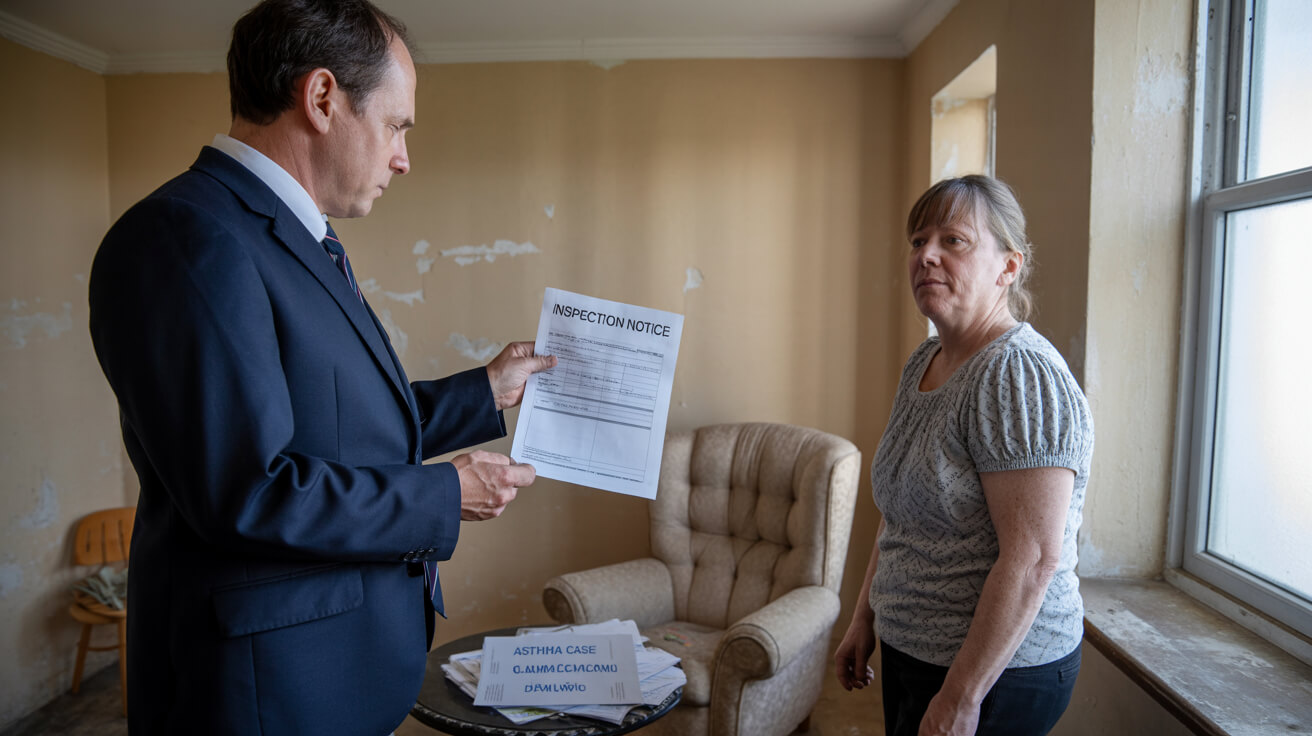
The new reality delivers a hard deadline: for Category 1 hazards such as gas leaks, major damp, and exposed electrics, you have 24 hours to make safe and initiate remediation; for other risks, just 10 days (legislation.gov.uk). And the counter starts not when you read an email, but the moment a tenant, inspector, agent, or third party notifies you—directly or via systems.
Manual logs, slow uploads, and after-the-fact admin are exposed flanks. Regulators demand instant, trackable, time-stamped evidence for every step: reporting, triage, work orders, photographic evidence, tenant approvals, and repair sign-off. One missed upload isn’t a minor oversight. It’s a regulatory failure, opening the door for fines, formal improvement notices, or irreparable damage to your reputation and asset value.
Regulators want timestamped photos, documented fixes, and faultless audit trails—right now.
Your Defensibility is Measured in Minutes, Not Weeks or Months
If you can’t retrieve and present a full, unbroken chain of evidence at 3 p.m. on a Friday, you’re one complaint away from an enforcement notice. You need your repairs, inspections, and tenant communications accessible and cross-referenced for any inquiry in real time—not next Monday.
Why Digital-Ready Compliance Now Outpaces the “Paper and Post” Crowd
Digital compliance means not just scanning receipts or uploading PDFs; it demands structured, database-driven records that match each repair to a hazard category and timestamp. Systems must be bulletproof—no gaps, no ambiguity—if you want to defend against audit upsets and regulator ambushes.
What “Forensic Evidence” Means Now—Beyond the Mould Patch

The era of vague “all-clear” letters and handwaved “no damp seen” summaries is over. RSH 2024 and lenders now require forensic-grade evidence—calibrated digital moisture logs, labelled photographic sequences, thermal imaging for cold spots, electrical test records, gas safe certificates for appliances and boilers (hqnetwork.co.uk). Every record must reference a named HHSRS hazard and link the fix to a professional intervention, tied by evidence you can produce at a moment’s notice.
If your “proof” is a patch of fresh paint, it will not defend against an enforcement officer. If records are incomplete, unsigned, or cannot be mapped directly to the specific risk and room, you risk forced remedial work, blocked sales, insurance rejection, or worse—a sale falling through. Mortgage lenders echo it: “Defensible records must provide legal-grade evidence for mortgage lenders, tenant disputes, and regulatory audits” (gov.uk).
Proof means sensors, clear measurements, and specialist sign-off—never just receipts or ‘looks fine to me.’
No Loose Ends: Every Data Point Matters
Any missing certificate, uncalibrated metre, or unsigned tenant communication is more than admin—the chain is only as strong as its weakest link. Regulators and lenders now chase these gaps to the source, and their default is to escalate, not forgive.
The “New Normal” for Portfolio Risk Management
If you want to preserve asset value, avoid bottlenecked sales, and keep insurers willing to extend cover, your evidence base needs to be structured, digital, and audit-ready—all the time, not just at audit season.
Why Treating Hazards in Isolation Breeds Repeat Failures (and Repeat Fines)

Most compliance failures spiral not because the initial fix is missed, but because the bigger system is ignored. Hazards feed each other: one missed vent leads to more condensation, which grows into black mould and, eventually, structural rot. An unchecked roof leak can short a light fitting and turn a minor repair into an urgent Category 1 risk (building.co.uk). Piecemeal remediation disintegrates under scrutiny.
The stats cut through: co-ordinated ventilation and damp-proofing projects slash recurring complaints by over 60% in the first year (bregroup.com); isolated “touch-ups” see complaint rates double inside 18 months.
Handle only symptoms, and you’ll find yourself repairing—and paying—twice.
Why Integration Always Beats “Tick-Box” Remediation
Only by linking diagnostics, root-cause identification, and integrated repair chains—insulation, ventilation, moisture control—do properties escape the enforcement merry-go-round. That is what stands up to repeat audits, rising insurance queries, and portfolio-wide surveyor scrutiny.
Systems-Based Compliance: Your Defensive Playbook
Long-term asset protection comes from treating the building, not just the symptom. Closed-loop systems trigger fewer complaints, draw less enforcement, and keep rent roll stable. The “patch-and-run” days are gone.
The Stealth Risks: Legal and Enforcement Penalties in 2024

The new RSH enforcement posture is crystal-clear: any Category 1 hazard now triggers automatic improvement notices—and a missing document, unclear repair trail, or absent tenant sign-off is a direct route to fines, restrictions on letting, and blocked refinancing (cih.org, rla.org.uk). Statutory penalties, let restrictions, and orders to halt sales or issue mandatory upgrades are no longer rare: they’re policy.
Regulators focus on:
- Evidence that maps each fix to a named HHSRS hazard—no catchall statements.
- Digital photos with location, time, and before/after status, all logged to a property file.
- Documented, signed tenant communications at every stage—from notice to sign-off.
- Warranty, guarantee, and insurance evidence linked to each repair.
One missing photo, signature, or record now means legal risk, not just admin hassle.
Fines and Restrictions—The New Baseline
Fines reach up to £30,000 per breach, with repeat offenders flagged across public databases and financial systems. Missing, incomplete, or ambiguous paperwork can freeze a sale, spike your insurance premiums, and put long-term rent roll at risk of clawback.
Lender and Insurance Leverage: Sale Failures Now Start at Compliance
Agents may promise a sale with a quick fix or repair; lenders and insurers now insist on seeing the origin chain of each repair, the standard used, and the warranty. The days of “just send a receipt” are over—portfolio liquidity depends on traceable, standardised intervention.
“Over-The-Counter” Repairs? Not Anymore—Only Certified Fixes Are Respected
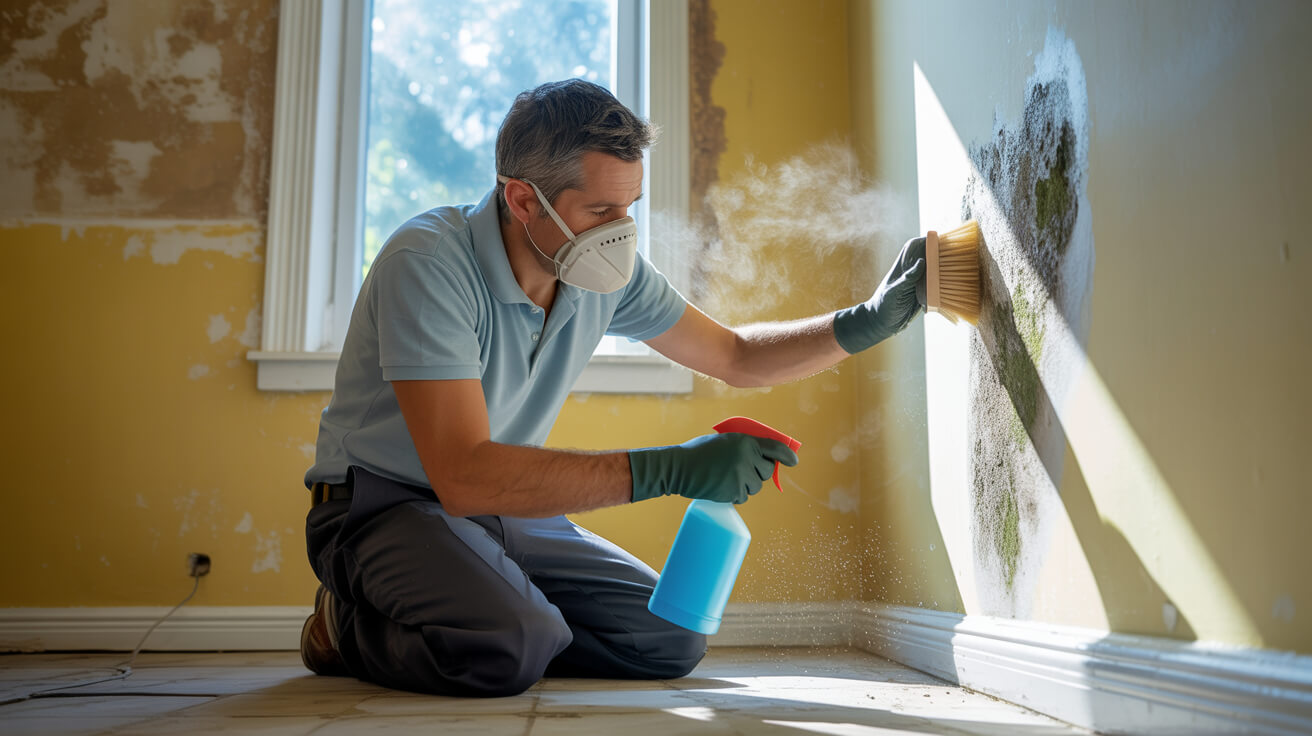
Gone is the era where a handyman’s invoice or “dab of paint” would close an enforcement case, calm a tenant, or satisfy a buyer. In 2024, only works that can be traced to certified interventions—properly documented, PAS2035-compliant, and insurance-backed—are valid (trustmark.org.uk, pca.org.uk). Repairs mapped to BS6576, TrustMark, or PCA certification, with a minimum ten-year warranty, are the new threshold for protection.
A signed invoice alone won’t shield you from the regulator. Only certified, warranty-backed proof will.
The Sweet Spot: Protecting Value, Unlocking Finance
Mortgage lenders, buyers’ solicitors, and insurance assessors all start with the question: “Is this fix certified, traceable, and backed by an industry standard?” Anything less, and you risk delays, premium hikes, or midnight phone calls from enforcement teams.
Why Warrantied Work Now Sits at the Heart of Asset Management
It’s not about ‘over-engineering’ your maintenance; it’s about guaranteeing compliance, unlockable asset liquidity, and minimal regulatory friction. Scrap uncertified quick-fixes—they’re now a direct liability.
Why Monitoring and Proactive Assurance Separates Leaders from the Rest
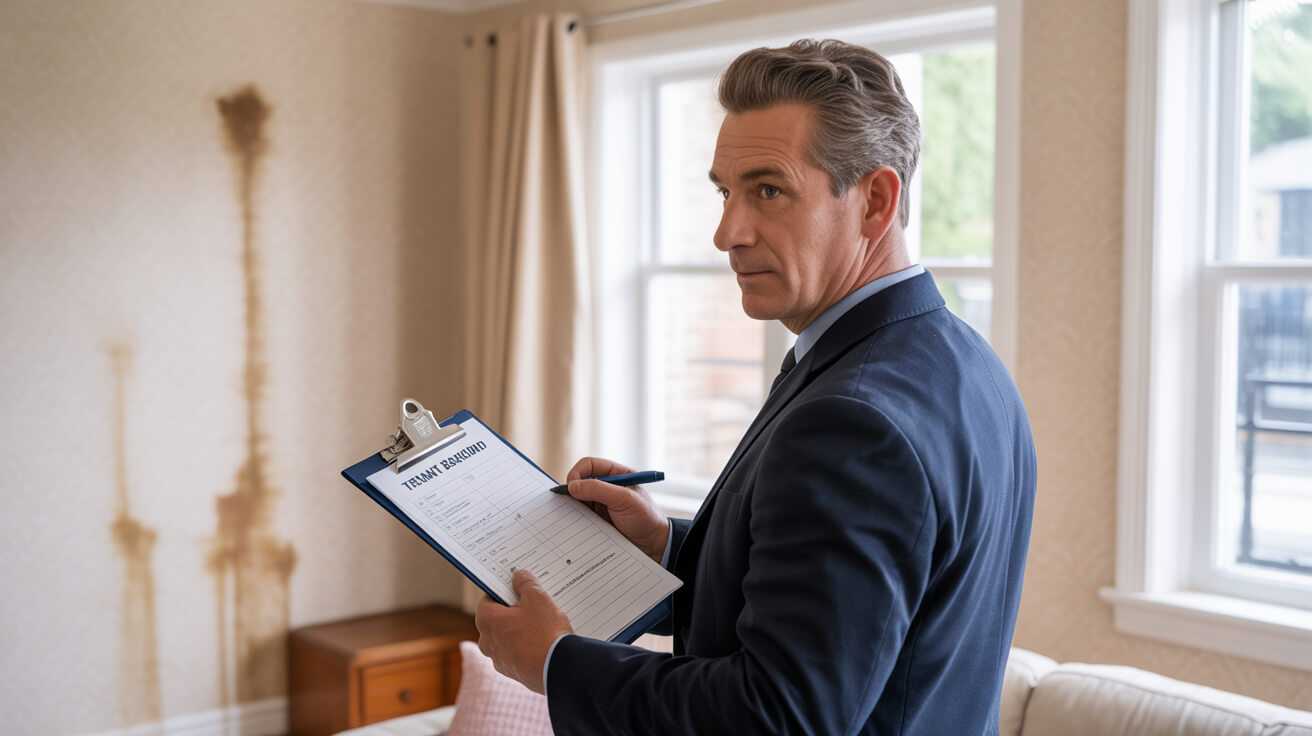
A compliant property is one thing; an audit-ready, monitored property builds long-term protection, repeat tenancies, and smoother sales. Passive aftercare is a false economy: modern asset holders deploy moisture sensors, scheduled reviews, and digital aftercare logs as standard (zoopla.co.uk, hvnplus.co.uk). The result? Fewer insurance disputes and less risk of a sale collapsing at the last hurdle.
Staying audit-ready beats cleaning up after crisis reports. Archive every result—protection is in the details.
The Protocol: It’s About the Data Chain
To keep enforcement at bay and rent roll running uninterrupted:
- Maintain warranty and service logs for the full life of each product—usually ten years.
- Log tenant feedback at handover, mid-tenancy, and on departure.
- Proactively renew warranties, check systems, and plan for review well before expiry.
Future-Proofing: Why ‘Aftercare’ is Asset Insurance
Properties that fail at this stage rapidly lose both value and rental stability, while well-managed portfolios set the pace for new valuations and refinancing—because they have the proof at hand.
Secure Your Portfolio and Reputation with Sussex Damp Experts Today

Every layer of robust compliance is built on evidence—not just compliance for today, but for years to come. Sussex Damp Experts works to the highest audit and remediation standards: digital, mapped surveys, PAS and BS-compliant fixes, before-and-after records, and insurance-backed warranties mapped to each repair hazard.
Our team supplies asset assurance across the full spread of property hazards—not only the eye-catching ones. Expect processes built for passing regulator, lender, and insurance scrutiny—no gaps, no grey areas. Safeguard your net yield, your stakeholder confidence, and your freedom to refinance or sell, no matter how rules evolve.
Handle hazards once, with proof that shields your asset, your peace of mind, and your long-term returns.
Facing an RSH deadline, an audit, or a spike in tenant complaints? Avoid the dead-end of quick fixes and incomplete records. Instead, anchor your compliance on:
- Forensic, on-site investigations with mapped HHSRS diagnostics and remedy chains
- PAS/BS repair methods, insurance-backed evidence, time-stamped record-keeping
- Recognition and endorsement from lenders, insurers, and TrustMark
- End-to-end support, from consult to monitored aftercare, bespoke for every asset
Book a compliance review, arrange an on-site audit, or start your RSH 2024 upgrade with Sussex Damp Experts—the proven partner for housing providers committed to winning, whatever the next regulation demands.
Frequently Asked Questions
What new responsibilities must landlords manage under the 2024 RSH Safety & Quality Standard, beyond treating damp and mould?
Landlords now face a universal duty to identify and control all 29 official housing hazards, not just moisture or visible damage.
You’re legally on the hook for systematic checks and risk management across carbon monoxide, excessive cold or overheating, structural faults, pests, gas leaks, falls, crowding, and contaminants like lead or asbestos—each transparently mapped to the Housing Health & Safety Rating System (HHSRS). Unlike the old days of damp-patch repair and fire blanket in the kitchen, RSH 2024 expects comprehensive digital records and full-site oversight. A “category 1” hazard anywhere—be it a faulty stairwell or unsafe window lock—can now trigger council intervention, audit demands, and financial penalties.
What hazard domains extend beyond damp?
- Hygrothermal: – Mould, condensation, excess cold, overheating patterns
- Structural/Safety: – Trips, falls, fire escape issues, window restrictions, staircase faults
- Environmental: – Crowding, vermin, poor drainage, noise disturbance, inadequate lighting
- Chemical/Biological: – CO, asbestos, lead, volatile organic compounds, legionella
In practice, meeting RSH requirements means ditching selective “damp fixes” and attacking every hazard with forensic precision—using digital logs that can withstand lender or council review at a moment’s notice.
Any gap in your hazard record is a risk magnifier—an open door for regulatory and reputational trouble.
By going panoramic—with site-wide surveys and digital mapping—you outperform landlords who still focus on isolated repairs.
Which workflows actually deliver RSH 2024 compliance—from first site check to signed-off aftercare?
End-to-end compliance is about stringing together inspection, intervention, and follow-up—supported by time-stamped, unbroken records.
You need full-property, room-by-room assessments using moisture metres, smoke/CO detectors, and thermal cameras. Each finding gets mapped to its HHSRS hazard (with photo backup and metre readings embedded), and every stage—from diagnosis through repair, communication, and guarantee—lives in your audit pack. Beyond works completion, close the loop: log tenant updates, warranty information, and “before/after” evidence. Annual and post-incident checks need to show hazard closure, not just symptom treatment.
What maps out a compliant workflow?
- All-space, all-hazard surveys: – Including voids, lofts, outbuildings
- Digital evidence chains: – Dated photos, signed repair logs, calibrated readings
- Certified works only: – TrustMark, PCA, PAS2035, BS6576 accreditations on every job
- Continuous comms: – Log every tenant report, reply, and council notice
- Archival discipline: – Store all records digitally, with secure backup, for the full warranty term
Compliance is cumulative—a missing photo or timestamp can unravel your strongest repairs.
Sussex Damp Experts bind every audit, repair, and aftercare step into a single, lender-ready compliance trail, reducing future stress and expense.
How urgent are the statutory deadlines for hazard remediation, and what’s at stake if you miss or under-document a fix?
Hazard reports ignite automatic statutory response timers—24 hours to neutralise emergencies, 10 working days for serious risks, or you’ll face regulatory escalation.
Whether a problem is flagged by a tenant, surveyor, or insurer, your legal countdown starts at that moment, tracked by digital logs. Miss these deadlines and you’re exposed to immediate compliance notices, £30,000+ fines, or even bans on property management. Council and Regulator scrutiny doesn’t just cover the end result—it focuses on the timestamped trail and fix rationale at every stage.
Statutory timeline expectations
| Hazard Type | Action | Deadline | If deadline missed |
|---|---|---|---|
| Emergency (gas leak/fire) | Make safe & repair | 24 hours | Immediate enforcement, fines |
| Significant (damp, pests) | Start full remediation | 10 working days | Improvement notice, audit |
| Minor/cosmetic damage | Log & monitor | Variable | Next routine audit escalates |
The compliance timer starts with tenant notification, not contractor attendance—delays dissolve your audit shield.
Patchy logs, ambiguous dates, or missing remedial evidence invite auditors in and can halt mortgage or insurance approval instantly.
Why do partial hazard fixes or damp ‘patch-ups’ fail under modern compliance regimes?
Targeting a single defect ignores how hazards multiply—damp patches, for example, often spiral into cold bridging, persistent condensation, failing plaster, or fire risks from corroded insulation.
RSH 2024 and lender standards now penalise “single-issue” treatments; authorities, buyers, and insurers want to see root-cause chains mapped, from gutter leaks through substrate damage to secondary hazards. Cosmetic plaster repairs or anti-mould paint only buy a brief reprieve. Audit trails must tie every visible symptom to a closed-off chain of underlying drivers—otherwise, follow-up surveys and risk ratings rapidly undermine your compliance work.
How do hazard chains expose landlords?
- Condensation → hidden rot → pest ingress → insulation breakdown: in one feedback loop
- Untreated gutter leak → rising damp → electrical and fire risk:
- Isolated patch repairs: → record flagged as “incomplete”—repeat enforcement likely
You don’t just ‘treat damp’—you break hazard chains at every point or risk an endless audit carousel.
Sussex Damp Experts document and fix every pathway, building evidence that stands up to RSH, lender, and resale scrutiny long after the initial remedy.
What specific digital documentation is needed to prove hazard resolution and satisfy lenders, insurers, or auditors?
Now, compliance evidence must be digital, time-stamped, and granular—lining up photos, sensor readings, accreditations, and warranties in easy-recall chains.
Landlords have to show, step-by-step, who detected the defect, which standards (HHSRS, PAS2035, BS6576) triggered the repair, how the solution met protocol, and exactly who closed out the work. Signed contractor logs, before/after photos with property and date markers, sensor logs, tenant communication, and a copy of the installer’s warranty are all expected. Paper notes, generic sign-off slips, or missing certificates put you one step from being flagged—even if the job itself was solid.
What builds an unimpeachable evidence pack?
- Dated, location-tagged photos and videos at each repair phase
- Digital logs: damp readings, humidity/temperature, tool calibration with audit trail
- Copies of PCA/TrustMark/PAS2035 accreditations per contractor or team
- Warranty paperwork (minimum 10 years for most repairs)
- Logs of all notifications to tenants and council
- Annual follow-up survey records, tied to the original fault report
If a council officer—or mortgage underwriter—can’t load every file inside a minute, you’re not protected.
Sussex Damp Experts equip every client with a digital audit pack—making you ready for surprise inspections or refinancing at any point in the portfolio cycle.
Which repair protocols and documentation strategies future-proof landlords against compliance failures and insurance rejections?
Only diagnostic-driven, standards-backed, and warranty-sealed repairs are now accepted by regulators and the market—quick fixes or self-certified “DIY” records don’t protect you or your tenants.
Certified survey, root-cause treatment, and ongoing digital documentation give you defensible compliance and peace of mind. Modern audit packs include multi-stage photos, sensor logs, third-party credentials, and a guarantee mapped to a national scheme. Standalone invoices, glossed-over reports, and inadequate warranties (under ten years) become red flags for buyers, councils, or lenders. BRE Group data (2023) shows improved ventilation cuts mould risk by up to 60%—integration of complimentary upgrades signals diligence.
What sets modern landlords apart in regulatory eyes?
- Accredited contractors: TrustMark, PCA, PAS2035, BS6576 qualifications mandatory
- Repairs built on moisture science, diagnostics, and hazard chain analysis
- End-to-end, timestamped records—every notification, repair, and follow-up included
- Warranties and guarantees logged digitally and available on request
- Audit packs structured for immediate council, surveyor, or lender review
Build repair and audit files for tomorrow’s buyer, not just today’s council inspector.
Bringing Sussex Damp Experts into your compliance process means every hazard, fix, and documentation protocol is future-proofed—protecting your assets and identity as a trusted property manager for years ahead.

