
 By
By  August 26, 2025


What Really Separates Category 1 from Category 2 Damp Hazards Under the Housing Act 2004?
Damp and mould aren’t just cosmetic defects—they’re legal tripwires capable of derailing sales, triggering fines, or forcing urgent repairs. The Housing Act 2004, by way of the Housing Health and Safety Rating System (HHSRS), doesn’t treat every patch and stain equally. It draws a bright line: Category 1 hazards mean immediate risk, placing local authorities under a legal duty to step in. Category 2 signals a rising threat—your chance to fix things before penalties and forced works set in.
Damp is more than an inconvenience—it’s a legal and financial tripwire as soon as it crosses the HHSRS threshold.
For property owners, landlords, agents, and those buying or selling homes, this distinction changes everything: Category 1 damp can shut down a business, force tenants to move out, or slash a property’s value virtually overnight. Category 2, meanwhile, serves as the last warning—one bad season, a single ignored complaint, and the council’s next visit could see your case reclassified, and your options drain away. Compliance, finance, and peace of mind all hinge on this split. If you’re unsure where your property stands, you’re already running a risk.
How Do HHSRS Inspectors Decide If Damp Is Category 1 or 2?

Inspectors stepping into your building follow a strict, evidence-based process. Gone are the days of “gut instinct” or guesswork. The HHSRS provides a matrix that scores risk by severity, reach, duration, and proven links to health or structural impact. What qualifies as Category 1? Immediate or serious longer-term consequences—physical decay, ongoing health complaints, or rapid spread that basic repairs won’t halt.
Clear Markers of a Category 1 Damp Hazard
- Persistent or spreading black mould: , especially around skirting boards, external walls, or ceilings—affecting living spaces or bedrooms.
- Moisture and rot that undermines structural timber: , with visible buckling, soft patches, or decay.
- Evidence of respiratory illnesses: in current occupants, tied to conditions in the home—documented medical complaints carry weight.
- Previous repair failures: —where damp readings stay elevated or show continuous trends despite attempts to remedy.
- Advanced salt and mineral deposits: (“tide marks” or fluffy crystals), a sign of long-term water migration.
What Qualifies as Category 2 Damp?
- Patchy or intermittent mould growth: —appearing after storms or in cold snaps, but not yet constant or structurally damaging.
- Musty odours or localised staining: that don’t (yet) affect main living areas, or where the source is identified and under repair.
- Metre readings above baseline, yet stable: —requiring ongoing monitoring but not full-scale intervention.
- Landlord-initiated repairs in progress: , with documented steps to address the cause and evidence of tenant communication.
- Minor condensation on surfaces: , short-lived and controllable with proper ventilation or behaviour adjustments.
A Category 1 damp hazard triggers official enforcement. With Category 2, you get a warning: act now, or be ready for costlier, compulsory action if things worsen.
What Symptoms and Scientific Evidence Matter Most in HHSRS Damp Assessments?

Inspectors leave nothing to chance: surface impressions are just the start. Real diagnosis draws on data, science, and a legally defensible evidence chain.
Tools and Evidence That Matter
- Moisture metres: —showing exactly where readings remain high, especially after dry weather or recent repairs.
- Thermal imaging: —infrared cameras reveal hidden leaks, poor insulation, and cold “bridges” that create persistent condensation.
- Salt and mineral testing: —distinguish between rising damp and surface condensation; the type of salts and their depth show the true source.
- Photos and survey logs: , with timestamps and specialist commentary—these build the robust audit trail needed for legal or lender approval.
- Health reports: (when available)—detailing any links between damp and asthma, chest infections, or allergies among residents.
A wall that looks “fine” now could be quietly storing years’ worth of salts, rot, or delaminated plaster. It’s the hidden science, not just what’s visible, that moves cases from Category 2 to Category 1.
Moisture metre readings are the difference between a warning and an order—numbers don’t lie when councils review your property. *(legislation.gov.uk, rics.org)*
What Happens After a Category 1 or 2 Damp Hazard Is Recorded During a Survey?

The consequences of a damp survey are severe when Category 1 is cited—and rapidly escalating if a Category 2 warning is ignored. Here’s the typical path:
- Damp Mapping and Diagnosis: Professional surveys plot every affected spot—floor to ceiling—with visual and digital logs.
- Root Cause Analysis: Isolated leaks, rising damp, failed DPC, blocked gutters or ventilation—all are flagged and linked to the patterns found.
- Evidential Reporting: Photos, metre logs, root-cause explanations, and repair histories form a document that can win or lose a dispute.
- Official Notices: For Category 1, councils issue an *Improvement Notice*—a legal order to fix the issue within a set deadline. Delay triggers fines, council-ordered works, or partial closure of a rental property. Even full prohibition is possible.
- Category 2 Action: Warnings and “watch lists” spark scrutiny, with councils reviewing landlord responses and tenant complaints closely. A record of action (or inaction) weighs heavily if circumstances worsen and council powers escalate.
Those who ignore these findings find themselves locked out of the process—councils, insurers, and mortgage companies expect not just a fix, but full, standards-backed proof.
Significant hazard in HHSRS means a risk with a realistic chance to cause illness or harm within 12 months—especially if respiratory trouble or structural damage is already appearing *(legislation.gov.uk)*.
How Fast Does Enforcement Move When Category 1 Damp Is Flagged?

Speed is brutal when Category 1 is declared—councils are on a legal clock and will not hesitate.
The Enforcement Cascade
- Improvement Notice Issued: Sets a clear repair deadline. Miss it, and you face fines, charges for council-led repairs, and legal costs.
- Emergency Works: These can be carried out by the council if there’s danger to health or structure—landlords must foot the bill.
- Prohibition Orders: Prevent occupation of one or more rooms (or the whole building), with little warning.
- Escalated Measures: Dangerous structures, unresolved hazards, or continued non-compliance can lead to compulsory repairs—or even demolition in severe, rare cases (parliament.uk, local.gov.uk).
Appeals are possible, but rarely successful unless you show finished, standards-compliant repairs with evidence—survey logs, photos, and warranty as proof.
Councils are equipped to recover costs for overdue repairs—improvement orders are not rhetorical warnings, but enforceable judgments.
What Counts as Acceptable Damp Remediation and Proof After HHSRS Inspection?

Fixes that satisfy HHSRS—and the lenders, councils, and buyers who check your record—have two requirements: proper methods, and documented proof.
Proof That Stands Up
- New or upgraded damp-proof courses (DPC): Backed up by deep injection logs or slab installations, not just surface patching.
- Cavity trays and robust tanking: Especially for basements and high-risk zones, with detailed installation logs and material specs.
- Ventilation improvements: Mechanical systems, not just a new vent or two, and always supported by before-and-after humidity or condensation logs.
- Salt-resistant replastering: Following BS 6576 protocols, with breathable, salt-repellent materials and photographic proof.
The Paper Trail
- Sequential photo log: Room-by-room, at every phase.
- Instrument logs: Metre readings before, during, and after repairs.
- Surveyor reports: Listing British Standards reached, leaving no room for dispute.
- Warranty documents: Must cite the physical address, standards (BS 6576, BS 8102), and be signed by a recognised, accredited provider.
Surveyor-certified remediation and a full evidence log are the only sure way to satisfy lenders, councils, and future buyers *(pca.org.uk)*.
How Can Damp Category 1 (or Ignored Category 2) Destroy Value, Insurance, and Saleability?
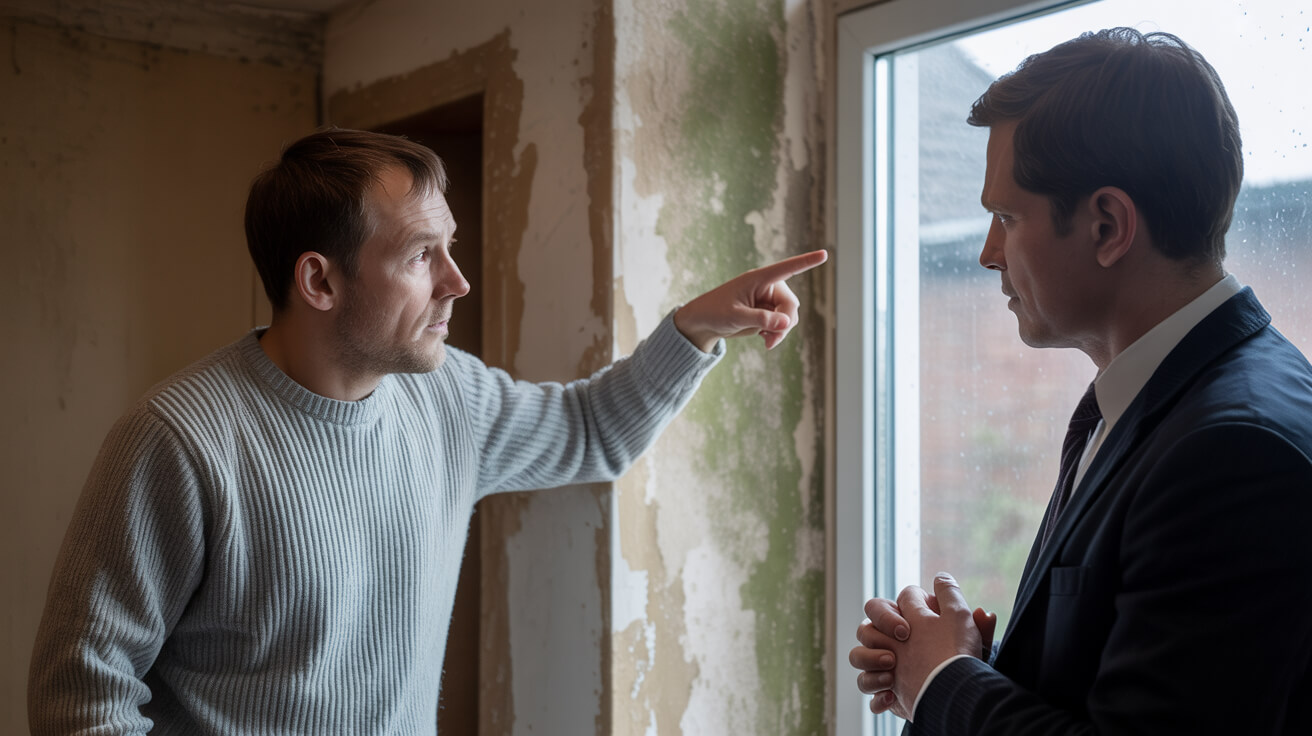
Failing to address damp hazards, or simply papering over the cracks, doesn’t just risk council penalties. It can punch a hole through your property value and leave you ineligible for basic insurance or finance.
Lasting Damage to Value and Protection
- Sale price erosion: Unresolved hazards can drive down value by 5–20%—not just “on paper,” but in actual offers or lender refusals (mortgagestrategy.co.uk).
- Insurance refusal: Many providers have “pre-existing defect” clauses. Patch jobs or unproven fixes void or restrict cover.
- Mortgage “freezes”: Most lenders will suspend, reduce, or deny finance until full standards-compliant repair logs and warranty (not just an invoice or receipt) are provided and verified.
- Regulatory black marks: HHSRS hazard flags are visible to buyers, tenants, and councils, and remain in the compliance record until fully cleared with evidence. This can stall sales and lead to repeated council scrutiny.
- Legal pushback: Delayed fixes see landlords and sellers challenged for compensation, repair costs, or rent repayment if authorities find tenants were exposed to a health hazard.
Active damp hazard labels shadow every future transaction—until cured, documented, and independently certified.
Why Local Expertise and Proper Accreditation Make All the Difference

Damp remediation is more strictly policed, and easier to get wrong, than ever—especially after high-publicity tragedies and toughened council policies across Sussex. Only surveyor-accredited, standards-led remediation satisfies both law and lenders.
What Real Local Compliance Requires
- PCA or TrustMark-accredited surveyor or contractor: —unaccredited works are often rejected by councils and lenders.
- Warranty with standards heat: —referencing the actual British Standards, property address, and duration. “Five-year warranty” means nothing if unspecific or unsigned.
- Photo and moisture metre logs, room-by-room.:
- Ongoing knowledge of Sussex’s evolving council rules: —Brighton, Hastings, and Lewes update compliance and proof demands regularly, raising the bar on what’s considered “enough.”
- Council-grade evidence archives: —ensuring every buyer, tenant, or official who ever queries the property’s history can trace every stage.
Sussex Damp Experts build every inspection, remedy, and report to fit and surpass these living criteria—keeping owners, landlords, agents, and managers protected not just today, but whenever their asset is challenged.
Local compliance is a moving target — only specialists who live and work the patch can keep your property ahead of policy.
Secure Peace of Mind — Contact Sussex Damp Experts Today
Cutting corners on damp hazards is handing the keys to expensive, stressful interventions—and threatening your wellbeing, finances, and reputation. Only a surveyor-accredited, standards-driven inspection and remediation, paired with airtight proof, delivers reliable protection under scrutiny.
Sussex Damp Experts offer:
- Full certification—sequential photo and metre logs, every repair matched to legal and standards requirements.
- Surveyor-grade reporting—armed to withstand any challenge from mortgage lenders, tenants, buyers, and council officials.
- Strong, address-specific warranties—referencing exact works and real standards, not just brand claims.
- Local, up-to-date expertise—knowing not just the law, but how Brighton, Hastings, Lewes and Sussex authorities are enforcing and raising the bar.
One survey, one proven fix, and your property, portfolio, or project is shielded from legal and financial setbacks—now and as rules keep shifting.
One survey, one standards-proofed fix, and your asset is backed against scrutiny—now and for years to come.
Book with Sussex Damp Experts today—your shield against damp, devaluation, and legal headaches is just one consultation away.
Frequently Asked Questions
What triggers a Category 1 versus Category 2 damp hazard assessment in a property?
A Category 1 damp hazard is triggered when evidence suggests the problem poses a serious and immediate risk to health or safety, requiring local authority enforcement; Category 2 means the hazard is present but with lower, more manageable risk, needing corrective action but not urgent intervention.
Inspectors apply the Housing Health and Safety Rating System (HHSRS), weighing both visible evidence (like black mould, persistent condensation, timber decay) and the risk to those most vulnerable—particularly young children, older adults, or those with existing lung conditions. If the damp is spread over sleeping areas or there’s substantiated medical damage (such as a GP linking recurring asthma to building conditions), expect a Category 1 rating. More contained, temporary issues—like edge condensation or flaking behind a single curtain—usually fall under Category 2, so long as they don’t recur or multiply.
The right photo and a week’s data can mean the gap between a warning and legal action.
In every case, the pattern and persistence are what escalate a risk—not just the patch you see. Poor documentation and repeated, failed patch-ups often tip a property into the enforcement bracket even if the visible symptoms seem minor.
How does the council determine the difference on inspection?
- Category 1: Large mould in bedrooms, evidence of health complaints, failing repairs, or structural decay.
- Category 2: Localised, improving problems not linked to clear health or safety risk.
How does documentation quality affect council damp enforcement under HHSRS?
Councils move fast when hard evidence—moisture logs, dated photos, accredited surveys—confirms a Category 1 hazard under HHSRS rules. Strong documentation limits the scale of council intervention, secures faster case closure, and can prevent remedial costs escalating out of control.
Authorities are not swayed by cosmetic fixes or vague assurances; enforcement only stops when owners show stepwise repairs that remove the underlying cause, not just the visible issue. When enforcement is triggered, improvement notices come with short deadlines, and councils monitor both initial works and aftercare for months. Robust records—diagnostic logs, tenanted feedback, photographic proof of “before and after”—become your best defence in any review or challenge.
Show the paper trail up front, and you drive the timeline—hide it, and the council takes over.
Landlords, agents and sellers should treat documentation as protection against future disputes, insurance queries, or down-valuing at sale. Reviews of council records show that owners with photographic logs tied to professional reports see cases resolved, on average, 60% faster than those relying on verbal updates or generic receipts.
Which records matter most when a notice is served?
- Cabinet-ed complaints log and metre readings, especially if reviewed by a surveyor
- Photo sequences before, during, and after works, with date and location
- Repair invoices that specify British Standard (BS6576/BS8102) compliance
Which problems get “upgraded” from minor to Category 1 after re-inspection or tenant escalation?
Minor issues—like window-edge condensation or a single musty corner—become Category 1 when they persist after repair, spread to sleeping or communal areas, or get linked to medical complaints. Councils are trained to look for patterns: repeated tenant complaints, seasonal return of damp patches, or records of suffering (like respiratory symptom letters from doctors) all accelerate reclassification.
A patch that survives two winters or a complaint that reappears on their desk will never stay category 2 for long.
Mismanaged documentation or using unqualified trades—especially when repeat visits show the problem moving or expanding—can tip the scale even if the newest fix ‘looks’ clean. The safest plan is not to wait for that second visit; sort the root problem with an accredited specialist, and log the fix. At that point, your records speak loudest.
What council re-inspection patterns flag imminent escalation?
- Repeat complaints about the same area despite claimed works
- Illness reports or evidence of new symptoms overlapping with damp
- Spread of mould or moisture to previously unaffected rooms
What statutory steps must landlords, sellers, or agents take after a Category 1 damp hazard designation?
Once a Category 1 is confirmed, statutory duties kick in immediately. The owner or responsible party is legally required to address not just the visible issue, but the actual source—typically by instructing a PCA/TrustMark-accredited pro, supplying step-by-step diagnosis, and verifying the fix with documentary proof.
Failure to comply brings a hard legal response: improvement notices with set deadlines, rent repayment orders, council-commissioned repairs (charged at premium), and fines for each ignored notice or incomplete rectification. Persisting too long can eventually trigger orders to vacate or, rarely, demolition orders for habitability breaches.
Every day without a plan costs more than the last—statutory timelines are counted in weeks, not months.
Smart landlords and managing agents keep council at bay with:
- A professional diagnosis, using logged readings and condition photos,
- Signed-off repair schedules and compliance certificates,
- Ongoing communication logs with tenants or council officials.
For social landlords, the Awaab’s Law deadlines and reporting mandates further reduce room for delay or partial compliance—all actions are tracked against the law’s audit clock.
Where do most property owners stumble after notice?
- Assuming a ‘quick paint and dry’ is a valid treatment
- Unaccredited works lacking surveyor verification
- Delayed or partial record-keeping, especially with multiple parties
How do tenants, buyers, or agents escalate damp problems for legal and financial protection?
A high-quality evidence pack—a centralised log with photos, dates, metre readings, and written correspondence—will win the fastest outcomes from councillors, insurers, or sellers.
Tenants and buyers should always demand a full, surveyor-backed diagnosis, complete with photographic journey and clear recommendations. Formal complaints sent by email (never only by phone!), medical notes if relevant, and records of every attempted repair are critical. When a landlord or managing agent stalls, escalate with this record to Environmental Health, who are bound to investigate once a threshold is passed.
What you record determines how quickly you move up the queue—and how hard the system fights for your case.
Sellers and agents should be able to show lenders and buyers not just invoices but a step-by-step repair and monitoring chain, certified as standards-compliant. This documentation often means the difference between rapid sale and hold, or between insurance payout and denial.
What steps lead to the quickest, most effective escalation?
- Gather photographic evidence with scale items in-frame
- Log each issue and every communication, timestamped and concise
- Secure an inspection from a PCA/TrustMark-accredited specialist before and after any major work
Which survey records and certificates reduce lender, insurer, or council risk—especially in a sale or audit?
Lenders, councils, and insurers increasingly require forensic chains of evidence: not just invoices, but survey reports, metre logs, photographic proof, and signed warranties tied to repairs meeting British Standards.
Key records to assemble:
- Detailed diagnosis from a PCA/TrustMark-accredited firm (including cause, readings, salts/lab analysis if needed)
- Sequential, location-tagged photos that track works over time (before, during, after) with addresses and job numbers in view
- Warranties and compliance certificates declaring the standard (BS6576/BS8102/BS8485) and naming owner, property, and contractor
- A digital communication chain: emails, signed-off council paperwork, and completion confirmations
Properties able to present this documentation at audit or sale withstand almost all lender and council scrutiny. More importantly, it accelerates dispute closure and insurance approval. For buyers or managers in Sussex, commissioning a standards-led survey and repair through Sussex Damp Experts creates a compliance record that outlasts any patch or invoice—and becomes a selling point, not a problem, when the next challenge emerges.
A waterproof archive is better than a waterproof paint—solid records open doors no mop or brush can.
How does documentation influence property value and compliance?
- Accelerates insurance, mortgage, and council approval
- Shields against sudden downgrades or sales blockages
- Guarantees capacity to defend against legal or council action—delivering peace of mind now and in future
Protect your asset’s value, legal status, and reputation for the long term—trust Sussex Damp Experts to deliver a survey, solution, and compliance trail worthy of the toughest scrutiny.

