
 By
By  August 26, 2025

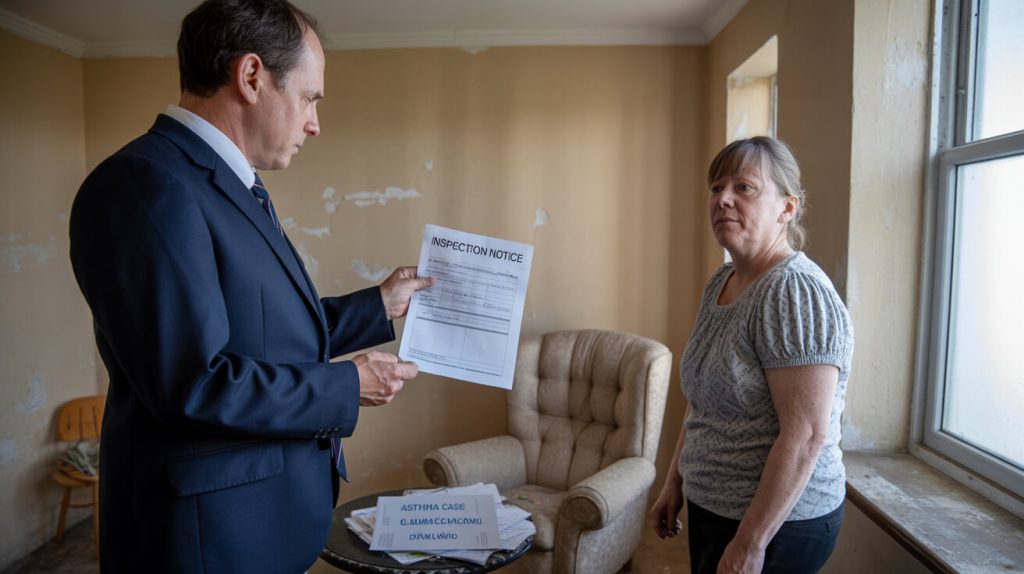
Why Did Awaab Ishak’s Tragedy Force Britain to Rethink Damp Law—And Who Else Paid the Price?
The death of Awaab Ishak in 2020 pressed the reset button for how the UK thinks about damp, mould, and the hidden dangers baked into broken homes. This wasn’t a sad headline lost in the churn—it was a public reckoning. A child, barely two years old, died in a Rochdale flat where damp had been reported, catalogued, and ultimately shrugged off with the same old lines: “It’s only condensation. Open a window. Change your lifestyle.” British housing’s weak spots—decades of denial, delayed repairs, and a system that left tenants powerless—were on trial.
When damp’s ignored, it doesn’t stay hidden—it creeps into airways, into headlines, into courtrooms.
Coronial evidence cut through the fog: black mould wasn’t a cosmetic issue—it was a killer. Medical experts confirmed the cause. The spotlight burned away years of official tiptoeing and left every landlord and managing agent asking: “If it happened in Rochdale, could it happen to us?”
Other legal explosions detonated before this one. Cases like RSP v Cardiff City Council, which forced repairs after years of complaints and health damage, or families from Greater Manchester claiming payouts for children’s asthma—all flashed warning signs. Grenfell Tower, too, warned that ignored moisture is just one systemic blind spot: the real cost is trust lost and lives at risk.
The shuffle from “maintenance backlog” to national outcry wasn’t caused by one error. It exposed a pattern: authorities chalked up dangerous conditions as minor nuisances, “waiting it out” until disaster. This time, silence had a name—Awaab. Public patience broke.
Anatomy of a Failure—And the End of Excuses
Awaab’s case forced action for one simple reason: his family made it impossible to ignore. Every report, every visit, every failure to solve the problem was put on record. It wasn’t a story built on supposition; it was forensic, uncomfortable evidence that made the “it’s just lifestyle” defence lethal and obsolete.
Lawmakers acted faster than ever. Instead of “strong guidance,” they passed Awaab’s Law—a regime built around duty-of-care, deadlines, and sharp legal teeth. For every operator and owner, the choice was no longer between “do it later” or risk a fine; it was “do it right, now, or face legal exposure, damaged reputation, and prosecution if things go wrong.”
Damp isn’t just about bricks and water; it’s about the air your children breathe and the trust you build—or break.
The case changed the rules, but it took other tragedies—known and obscured—to build the momentum and snap the spell of complacency.
What Does Awaab’s Law Actually Require? New Timelines, Real Proof, and No More Second Chances

Landlords, property managers, and housing authorities now have zero room to delay. Awaab’s Law sets a non-negotiable standard:
- Start *investigation within 14 days* when a tenant reports damp or mould.
- Supply a *written update within 7 days* after inspection.
- Complete *remediation within 7–28 days* depending on the risk and seriousness (UK Government, 2023).
- No “waiting for the slowest part”—deadlines flex only for issues *outside your control* (e.g., unsafe access or out-of-stock specialist materials).
Every complaint is now a legal tripwire—not a note for tomorrow.
Here’s the kicker: every action must be logged, documented, and, if pushed, proved. No “he said, she said,” no “we meant well.” Surveyor reports—especially from PCA-accredited damp specialists—are standard. Expect to see:
- Detailed logs: each tenant complaint, every phone call or email, the precise measure of moisture, photos, equipment readings.
- A documented fix: exact intervention, when and how it was done, reference to best-practice (BS6576, BS8102).
- Follow-up: evidence the risk is gone, not just papered over—ongoing measurements and tenant sign-off.
- Redundant, audit-grade backup: keeping data both digital and hardcopy to avoid dispute or legal challenge.
Private landlords? Don’t think you’re skating free: lenders and insurers increasingly demand proof that these rules are being followed, even for private rentals.
Fail to comply and the risk is triple—financial fines, licencing suspension, and public shaming by tenant campaigners and ombudsmen. Critical failures resulting in harm trigger prosecution.
The Gold Standard—Proof Wins, Excuses Lose
Landlords and agents protected by robust records have the upper hand—facts speak louder than intent.
- Full, timestamped case files win disputes.
- Survey photographs and expert logs provide cover if challenged.
- Digital compliance portals are now a basic line of defence.
No documentation? Even a small error can spiral into a major claim, with local authorities making your case a public example.
What Could Happen If You Don’t? The Real Stories That Drove Reform

Awaab’s law isn’t a flash in the pan—it’s the endgame in a series of failures that retaught the cost of “let’s wait and see.” Here’s just a snapshot:
- RSP v Cardiff City Council (2020): Residents with asthma took their local authority to court after years of ignored damp complaints. The council lost, and every housing body scrambled to update damp processes.
- Emily’s Case, Greater Manchester (2017): A child hospitalised with chronic chest problems from constant leakage and mould. After a payout and public outcry, landlords doubled audit cycles and began using only third-party damp specialists.
- Grenfell Tower, London (2017): The tragedy that changed building safety forever also revealed years of ignored water ingress and flawed reporting in communal areas—another studied example of risk run wild.
Laws change fast—but it’s the run of tragedies and close calls that rewrites industry behaviour.
Surveyors, insurers, and councils began treating chronic damp, not as a cosmetic issue, but as a direct legal and health hazard. Even ignored patches of mould started triggering official warnings and aggressive compliance checks.
So What Actually Counts As Good Enough? Proof, Not Promises, Defines Compliance
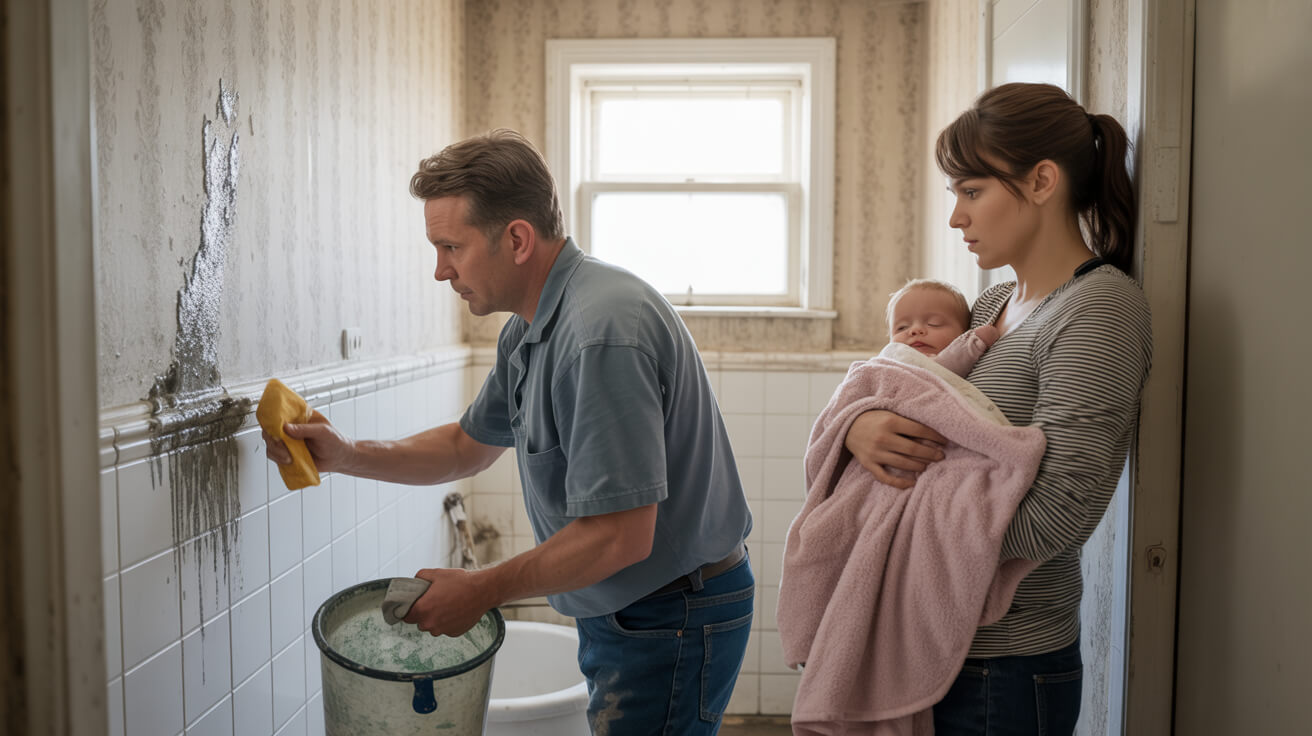
Passing a compliance test under Awaab’s Law looks nothing like paperwork from ten years ago. The “bare minimum” is gone.
- Every complaint logged, with time and place.
- Surveyor inspections documented with photos, technical notes, and moisture readings.
- After-the-fix evidence—no “checkbox” repair, but a systematic follow-up and ongoing checks.
- A digital and physical trail—data that can’t “go missing” in a file drawer.
If you didn’t log it and can’t produce the record, the law doesn’t care what you meant.
What stands out? Landlords and agents deeply integrated with accredited professionals score far higher on compliance. Trusted assessment and proof-point files put you well ahead of the bell.
Are Damp and Mould Still Widespread? Why So Many Homes Slip Through the Net

Damp and its fallout isn’t limited to “problem estates”—it’s a daily issue in a huge swathe of the UK’s ageing housing.
- The English Housing Survey (2022) found nearly 1 in 5 homes had damp or mould requiring intervention.
- Over 300,000 children in England live in homes regularly exposed to moisture-related health risks.
- NHS data links winter hospital admissions directly to untreated damp, most often in rental or social housing.
It’s not fringe, it’s not rare—and ignoring it costs more than property value; it lives in the lungs of real people.
Worst-hit: 20th-century council blocks, low-rent subdivided homes, basements, and converted lofts without investment in moisture protection, and stock flagged by previous mortgage surveys. These aren’t niche edge-cases—they’re a major slice of the national property portfolio.
A recent trend should worry every owner: insurers and lenders increasingly exclude claims relating to “chronic, unmanaged moisture,” leaving landlords directly liable for any related tenant harm, property damage, or value loss.
What Can Landlords and Managers Do Right Now To Avoid Scandal and Legal Trouble?

A “wait till it gets worse” approach is now a legal and reputational suicide note. Here’s the sharp playbook:
- Fit humidity and leak sensors: in at-risk addresses—record data to pre-empt complaints and proactively fix issues.
- Use only qualified, specialist surveyors: —document everything to PCA, BS6576, or BS8102 standard.
- Treat *every* report as urgent—delay doesn’t just risk fines; it multiplies health and financial exposure.
- Educate tenants: to report early and report often—make the system accessible, and log every interaction.
- Schedule expert audits every year: before wet season hits—use the findings to fix, not just file.
- Compile house-level files: every complaint, every fix, every photo, and every certificate goes into one audit-ready folder.
- Escalate at any warning sign: —spot the rot, address the root, don’t just disguise symptoms.
| Step | What to Do | Likely Result |
|---|---|---|
| Prevention | Timely check, prompt fix | Tenant safety, legal cover |
| Delay | Downplay, ignore, patch | Increased risk, fines, bad press |
Compliance is your shield—records, not promises, keep you safe when things get loud.
The real cost of failing to act isn’t the fix—it’s the cascade of fines, lost rent, or public exposure when the problem explodes.
Why Do Landlords Still Get Burned? Common Beliefs and Costly Mistakes That Risk Everything

Damp and mould stubbornly persist not just because buildings are old, but because habits are slow to die. Patterns that keep cropping up in industry audits:
- Blaming the tenant (“It’s just their lifestyle.”)
- Dismissing what isn’t visible (“No stain, no problem.”)
- Fixing symptoms, not the underlying cause.
- Gambling that “next year’s budget” will be soon enough.
Delay may feel cheap—until you’re chasing the breach down in court or watching a tenant’s story go viral.
Many tenants, beaten by bureaucracy, simply stop reporting. The risk quietly deepens. Even seasoned property professionals can mix up rising damp with condensation or miss hidden ingress behind newly painted walls.
Under the new law and insurance landscape, there are no safe excuses. Failure to prove pre-emptive, systematic management is actionable—meaning landlords who leave it until they’re asking what Happens If I don’t fix damp under Awaab’s Law will find themselves caught out by both regulators and tenants using new reporting channels.
How Are Industry Leaders Turning Compliance into Reputation—and Market Advantage?

The modern property leaders aren’t just avoiding fines; they’re winning by turning full-spectrum compliance into a competitive asset.
- Openly sharing audits and survey reports: with buyers, tenants, and other stakeholders for peace of mind.
- Highlighting up-to-date certifications: and real-time risk monitoring in building listings.
- Bringing in third-party surveyors: for outside validation—not waiting for complaints or official investigations.
- Offering long-term, insurance-backed guarantees: (10–20 years), not underwriting risk with empty promises.
- Maintaining reliable relationships with reputable local damp experts: , ensuring rapid response and minimal disruption.
When the industry sees compliance as reputation, the best stand out—in safety, trust, and property value.
Where others grimly react, these landlord, agent, or manager personas use damp compliance as proof of care, efficiency, and future value for all sides—homeowners, investors, and tenants alike.
Secure Your Future—Call Sussex Damp Experts
With Awaab’s Law now the baseline, ignoring damp is playing with fire. Whether you manage single lets or a national portfolio, the only true protection—for your tenants, your brand, and your investments—is prevention, evidence, and the expertise of forensic professionals.
Sussex Damp Experts partner with you from first suspicion to lasting solution. From historic terraced houses to new-build lofts, our 360° inspections, surveyor-grade proof, and documented aftercare mean you’re never left exposed. We protect your assets, your tenants, and your peace of mind—so you can sleep easy, reputation secured.
Frequently Asked Questions
Why did Awaab Ishak’s tragedy rewire the UK’s damp and mould laws instead of getting swept aside?
Awaab Ishak’s death wasn’t an isolated failing—it shattered the myth that “damp is just unsightly” and triggered a permanent overhaul of landlord responsibility in the UK. The fatal consequences—respiratory arrest tied directly to black mould in a Rochdale flat—galvanised public anger and forced Parliament to draw a hard legal line. It exposed how routine dismissal, slow responses, and blaming tenants for “lifestyle” choices opened the door for tragedy. The coroner’s findings turned a common complaint—mould dismissed as minor—into a forensic indictment of housing neglect.
Landlord obligations changed the moment the inquest closed. Where once delay or denial passed for protocol, now each ignored patch or missed follow-up puts owners at hard legal risk. Legislators responded by enshrining response times, enforcement triggers, and evidential reporting into law. It’s now clear: failure to act promptly on damp is a regulatory, financial, and criminal hazard—not just a repair backlog.
The clock starts ticking the moment a complaint surfaces—show diligence, or face fines, court, and public exposure.
How did Awaab’s legacy redefine daily property management?
- “Blame the tenant” stopped working in courtrooms and policy offices alike.
- Failure to keep proper records is now interpreted as neglect—not merely disorganisation.
- Audit-grade documentation of moisture events and action is the new insurance for reputation and compliance.
Today’s standard isn’t “doing your best”; it’s following statute-backed timelines, recording every step, and proving care upon demand. Homeowners and professionals who get ahead of the law now find themselves trusted and mortgageable—those who lag discover lost value and costly legal action nipping at their heels.
What hard proof and deadlines do modern UK damp laws force on every landlord—social, private, or commercial?
The legal system now demands a formal journey for every moisture complaint, from the email or phone call all the way to digital aftercare records. Once a tenant or resident reports a problem, you face a 14-day window to survey the site with accredited, technical proof—not just a visual once-over or verbal check-in. Urgent cases escalate, with repairs due inside a further 7 days, or 28 days at most for non-critical work.
Across the board, you’re expected to collect a paper and digital audit trail: timestamped logs, photographic proof, surveyor sign-off (to BS6576 or equivalent), and maintenance timelines. Gone is the era of “we looked at it”—insurers, councils, and buyers demand formal data. Mortgage refusals on properties with vague repair logs are rising with every quarter. Specialist firms like Sussex Damp Experts now provide survey-to-aftercare documentation, cloud-backed for spot-checks or future sales.
In modern property stewardship, photographs and metre readings matter more than promises or appearance.
Which steps and records keep you legally protected?
- Immediate logging of every report with time, tenant, and location.
- Calibration and photographic readings at diagnosis, tagged to the property file.
- Digitally captured repair evidence, cost summaries, and tenant sign-off.
- Rolling aftercare logs with annual reviews and remote-monitoring snapshots.
| Compliance Stage | Statutory Task | Practical Execution |
|---|---|---|
| Complaint | Timestamped, logged | Digital platform/app |
| Inspection | Accredited, imaged | Moisture/salt/metre survey |
| Repair | Before/after, signed | Photos, tenant confirmation |
| Aftercare | Monitoring record | Sensor data, annual review |
This structure is now the floor, not the ceiling. Those who under-deliver risk financial penalty, loss of lending, or regulatory lockdown—a risk vastly more costly than prevention and robust process.
How did notorious property failings drive today’s strict damp enforcement and what have we learned?
No courtroom has been more influential on landlord behaviour than the headlines around cases like Awaab Ishak, Cardiff’s social housing payouts, and Manchester’s “Emily’s Hospitalisation.” Across the country, years of neglected mould complaints were dragged into public view by coroners, regulators, and judges unwilling to hear excuses or see families suffer. Dismissed as “trivial” in paperwork, they proved lethal in the field.
The trend is now unmistakable: councils levy fines for missing or non-digital logs; ombudsmen, courts, and insurance firms make compliance and evidence requirements explicit. Public and legal appetite for “best efforts” has dried up—external verification, audit trails, and regular independent damp surveys (to BS6576/BS8102) are now standard. Owners failing to comply lose not just cases, but operating licences, lending, and market trust.
Missed logs have shut down entire portfolios—one error, and decades of brand-building vanish to a headline.
Key lessons from national property failures
- Cases are nearly impossible to defend without timestamped proof and third-party sign-off.
- Audit exposure extends to historic cases; there is no expiry for neglect in property court.
- Digital management and registered surveyor involvement are a mortgage and sale necessity.
Arming yourself with robust process and professional partners is no longer “overkill”—it’s self-defence against the reputational and financial attrition that today’s climate guarantees.
What’s the definitive blueprint to prove you’re meeting the latest UK damp regulations?
Landlords, agents, and owners must now build a “chain of custody” for every complaint: formal intake, detailed survey, work order, and aftercare confirmation—each traceable by time, image, and party. Accredited expertise at every stage does double duty: it prevents error and provides immediate court- or audit-grade assurance.
Start with a cloud-based property management app as part of sound property stewardship, logging every report as it lands. Accredited surveyors (BS6576/PCA/TrustMark) carry out diagnosis with images, metre logs, salt mapping, and defect attribution. All findings, works orders, and tenant sign-offs sync to the digital file—no home-grown folder system suffices. For aftercare, annual sensor data and photographic logs should reinforce a “living” compliance folder for lenders, buyers, and inspectors.
| Proof Step | Required Data | Industry Standard |
|---|---|---|
| Report intake | Digital log, timestamp | PMS/Accredited format |
| Site survey | Images, metre, notes | Surveyor, BS6576/BRE |
| Repair record | Photos, job date, signoff | Client + tenant logs |
| Ongoing monitoring | Sensor, annual review | Cloud platform/app |
Consistency in evidence is the difference between a resolved claim and a long court battle.
Those leveraging digital-first processes, verifiable logs, and third-party expertise remain future-proof. Those shuffling paper or relying on memory risk being left out of tomorrow’s market.
How severe and widespread are the health, financial, and asset risks from UK damp revealed by new data?
The numbers are plain: the English Housing Survey (2022) found 19% of UK homes demanded remedial moisture action, up from 17% three years earlier. NHS and academic studies show that more than 307,000 children annually face direct health consequences—think asthma, chest infections, and hospital stays during the damp season. For anyone concerned with property stewardship, older housing stock, poorly ventilated new builds, and some insulated retrofits carry as much risk as classic social blocks. Insurance actuaries now note “damp flagged” as a primary cause for dropped cover or failed financing, regardless of property location.
| Damp Risk Metric | 2019 | 2022 |
|---|---|---|
| Properties flagged (%) | 17 | 19 |
| Children at risk | 280,000 | 307,000 |
A property’s value, insurability, and lender appeal now ride on ongoing proof of moisture control—the hidden cost of neglect outweighs any quick repair bill.
Damp doesn’t announce itself; it works behind the joinery until finance, health, or the law cry foul.
Who needs to act and why?
- Anyone responsible for dwellings, from a single buy-to-let to commercial portfolios, faces duty of care.
- Assets absent robust damp controls or history are depreciating in both legal and cash terms.
Systematic, visible management isn’t just policy but capital strategy—and it increasingly separates winners from stories in the press.
What exact steps get you off tomorrow’s property risk list—and onto the lender’s “green” file?
Aim for evidence-driven care and technical readiness: start with annual damp surveys (to BS6576/BS8102/BRE) by accredited experts, logging each result to a secure platform. Retrofit humidity and leak sensors in known hotspots—kitchens, baths, basements—providing early warning and transparent aftercare logs. Build a system where staff are trained to log issues instantly, escalate to survey, and communicate results clearly to residents.
Demand proper credentials from contractors and damp proofers: certified, insured, and experienced enough to document their work to an audit trace. Encourage a reporting culture with tenants—offer clear guides and responsive feedback, closing every issue with evidence, not assumptions.
- Schedule accredited damp surveys in the same cycle as gas and safety checks.
- Fit and monitor sensors in at-risk spaces, save logs to your management file.
- Provide reporting guidance packs in every tenancy—no communication goes unlogged.
- Partner with regulated specialists for high-risk or heritage contexts; don’t rely on “good enough” local handymen.
- Digitally store all data, photographs, and sign-offs for instant retrieval during audits.
Vigilant management earns lender trust, buyer preference, and a reputation that outlasts headlines.
For those overseeing any property, from family home to a public sector portfolio, the only shortcut is towards lasting trust—never around compliance. Sussex Damp Experts stand ready to deliver this standard: meticulous inspection, digital record-keeping, and legal-grade aftercare, engineered for every home or complex in the region.

