
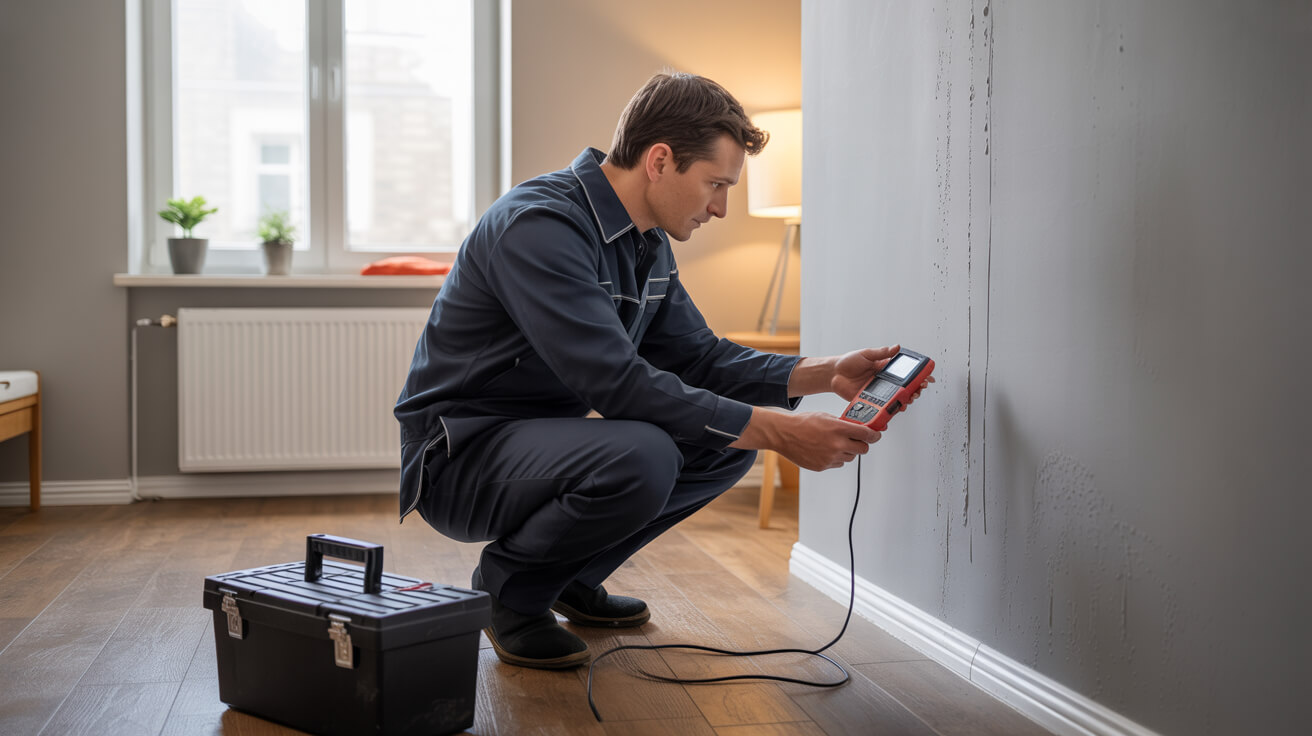
The pending reform seeks to harmonise diverse aspects of property management by modernising legal obligations and embedding industry-standard diagnostic methods. It addresses persistent challenges in damp management that compromise building condition and occupant health while aiming to streamline landlord responsibilities and tenant rights. This article provides an in-depth, encyclopaedic examination of the bill, contextualising it within the broader scope of property maintenance and damp remediation.
Etymology or Name Origin
The term “Renters Reform Bill” has emerged from the evolving discourse on housing legislation aimed at recalibrating the balance between landlord responsibilities and tenant protections. Its nomenclature reflects legislative efforts to modernise outdated statutory protocols concerning rental housing. In parallel, “damp proofing” is a term that has evolved alongside advancements in construction technology and regulatory guidelines such as BS6576 and BS8102, encapsulating the technical processes used to mitigate moisture ingress in buildings.
Overview / Context
Background
Housing regulations in many jurisdictions have long been shaped by a need to ensure that living environments remain safe and habitable. Historically, property maintenance practices, particularly those related to damp management, have been reactive rather than proactive. The integration of modern diagnostic technologies and treatment methodologies into statutory requirements is a relatively recent development. Over time, empirical evidence has revealed that damp-related issues not only affect structural integrity but also have significant implications for public health and property valuations.
The integration of damp proofing measures within a legal framework is essential for preventing long-term degradation of building materials and ensuring that renovations conform to the latest standards. The Renters Reform Bill – Pending is positioned against this backdrop, representing a concerted effort to translate technical advancements into enforceable legal standards. By doing so, it aims to minimise the adverse economic and social impacts that arise from chronic moisture intrusion in residential properties.
Relevance to Property Maintenance
Damp proofing is a cornerstone of property maintenance due to its direct impact on building durability and occupant well-being. Rising Damp: Resulting moisture that persists in buildings can lead to a cascade of problems, including structural decay, mould proliferation, and reduced energy efficiency. Therefore, adherence to robust damp proofing standards is critical for maintaining asset value and ensuring long-term habitability.
The forthcoming reform is instrumental in bridging the gap between technical best practices and regulatory enforcement. It ensures that property inspections, remediation measures, and subsequent monitoring are conducted in strict alignment with contemporary standards. This alignment not only serves to protect tenants from health hazards associated with damp but also provides critical assurances to mortgage lenders, insurers, and regulatory bodies about the overall condition of properties.
History
Legislative Origins
Early housing regulations emerged primarily to address overt health and safety concerns in rapidly urbanising environments. Legislative efforts such as the Landlord Tenant Act of the late 20th century provided the initial benchmarks for building maintenance, albeit with a limited focus on the nuances of moisture management. In these early frameworks, damp proofing was often treated as a secondary consideration, with minimal technical guidance provided for its control.
Over time, increased scrutiny of mental and physical health impacts related to living conditions led to a more detailed examination of property maintenance practices. This evolution was propelled by numerous case studies documenting the long-term ramifications of neglecting damp control, prompting the need for more precise and unified regulatory measures.
Evolution of Damp Proofing Standards
The introduction of standards like BS6576 marked a significant turning point in property maintenance. BS6576 provided structured protocols for diagnosing damp, establishing a scientific basis for subsequent treatment measures. Subsequently, BS8102 was developed to guide waterproofing practices, especially in structurally vulnerable areas such as basements. The more recent PAS2035 standard further refined the approach to retrofitting, integrating environmental considerations with technical performance metrics.
These standards have collectively formed a robust framework that defines best practices in damp proofing. Their continuous evolution reflects ongoing research and technological advancements that inform the methods used in both diagnosis and treatment. The pending Renters Reform Bill seeks to codify these evolving practices into legal mandates, ensuring that all parties adhere to a unified set of standards for property upkeep.
Contemporary Developments
In recent years, a growing body of evidence has underscored the inadequacies of traditional damp proofing methods in the face of modern construction challenges. Technological innovations such as thermal imaging and real-time moisture sensing have revealed gaps in existing practices, prompting calls for legislative updates. The Renters Reform Bill – Pending is a response to these contemporary challenges, proposing a legislative overhaul that aligns legal requirements with current technical standards.
Recent regulatory debates have also highlighted the need for clearer guidelines to bridge the disconnect between industry practices and statutory obligations. This has led to a series of consultations among policymakers, industry experts, and consumer advocacy groups, all of which underscore the necessity of a comprehensive reform that addresses both diagnostic and remedial aspects of damp proofing.
Concept / Description
Definition and Scope
The Renters Reform Bill – Pending is a proposed statutory instrument that aims to update housing regulations by incorporating modern damp proofing standards into legal obligations. It is designed to ensure that all properties comply with scientifically validated methods of moisture management, thereby enhancing the overall safety and durability of residential buildings. The bill proposes specific mandates for regular inspections, standardised reporting, and rigorous enforcement measures that address both diagnostic accuracy and remedial effectiveness.
In this context, damp proofing refers to the suite of techniques and processes employed to prevent moisture ingress in buildings. These methods include chemical injections for Rising Damp: Resulting moisture control, tanking systems for waterproofing, and the application of breathable plasters that allow moisture to escape while preventing further infiltration. By codifying these processes within a legal framework, the bill seeks to promote a uniform approach to property maintenance that benefits both property owners and occupants.
Core Principles
The underlying principles of the reform are centred on standardisation, accountability, and transparency. A core tenet is the establishment of uniform diagnostic and treatment protocols that enable reliable assessment and remediation of damp conditions. This is achieved through the adoption of internationally recognised standards such as BS6576 and BS8102, which provide objective criteria for evaluating dampproofing performance.
Another integral principle is the promotion of preventative maintenance. By enforcing regular inspections and continuous monitoring, the bill aims to shift the focus from reactive repairs to proactive property management. This not only reduces long-term maintenance costs but also contributes to improved living conditions and enhanced property values.
Furthermore, the reform underscores the importance of collaborative accountability. Property owners, tenants, surveyors, and regulatory bodies are expected to share responsibility for maintaining compliance. Practices such as independent surveyor evaluations and standardised reporting are designed to ensure that all stakeholders are engaged in a collective effort to uphold the integrity of building maintenance practices.
Functionality / Purpose / Applications
Intended Outcomes
The primary objective of the pending Renters Reform Bill is to establish a robust legal framework that integrates modern damp proofing techniques into property maintenance practices. Its intended outcomes include:
- Enhanced Tenant Safety: By mandating strict damp proofing measures, the bill aims to reduce the health risks associated with chronic moisture and mould exposure.
- Improved Property Integrity: The adoption of advanced diagnostic and treatment protocols is expected to safeguard building structures from progressive decay and deterioration.
- Increased Confidence in Property Markets: Standardisation of maintenance practices contributes to more accurate property valuations and risk assessments, benefiting mortgage lenders and insurers.
- Greater Regulatory Clarity: By codifying industry standards, the bill provides clear guidelines that reduce ambiguity and ensure uniform enforcement across jurisdictions.
These outcomes are anticipated to lead to long-term benefits for the housing sector, including significant improvements in both the physical and financial quality of properties.
Application in Damp Proofing
In practical terms, the reform is designed to directly influence the techniques used in damp proofing. Key applications include:
- Diagnostic Integration: The bill mandates the use of standardised tools such as moisture metres, thermal imaging cameras, and salt test kits to ensure reliable identification of damp conditions.
- Remediation Protocols: It sets forth specific treatment methods, including chemical damp proof course injections, tanking, and the use of breathable plaster systems, all aligned with established industry standards.
- Monitoring and Verification: post-treatment monitoring is emphasised through the use of continuous sensor logging and periodic re-inspections. This ensures that remedial actions yield sustainable outcomes.
- Compliance Procedures: The reform requires detailed documentation and regular reporting to confirm that works meet regulatory requirements. Quality assurance protocols and independent reviews are integral to this process.
By standardising both the diagnosis and treatment stages, the reform ensures that damp proofing practices are efficient, effective, and verifiable according to the best available technological and scientific methodologies.
Classifications / Types / Variants
Damp Proofing Types
Damp conditions manifest in various forms, each requiring distinct diagnostic and remedial approaches. The most commonly recognised types include:
- Rising Damp: Resulting from capillary action that draws moisture from the ground upward, leading to salt deposition and efflorescence on walls.
- Penetrating Damp: Caused by water ingress through external facades or structural defects, frequently seen in areas exposed to heavy rainfall.
- Condensation Damp: Occurs when moisture accumulates due to temperature differentials and inadequate ventilation, often apparent on interior surfaces.
- Hygroscopic Damp: Arises when building materials absorb ambient moisture from the environment, which can lead to persistent dampness despite treatment.
- Bridging Damp: Happens when the protective damp proof course is compromised, allowing moisture to bypass preventive barriers and penetrate building structures.
Each type of damp presents unique challenges that necessitate tailored diagnostic procedures and remediation techniques. The classification of damp conditions plays a critical role in determining the appropriate corrective measures.
Regulatory Categories
The damp proofing domain is structured around specific regulatory standards, which classify practices according to technical precision and compliance criteria. Key regulatory measures include:
- BS6576: Provides guidelines for diagnosing and assessing damp conditions, thereby establishing a foundation for consistent remediation practices.
- BS8102: Focuses on waterproofing techniques, particularly in the context of basement and below-ground applications.
- PAS2035: Outlines retrofit standards that integrate modern technology and sustainable practices with traditional methods.
These classifications are critical for ensuring that treatments are both effective and legally verifiable. They facilitate a uniform approach to damp management that spans both technical and regulatory domains.
Systems / Tools / Methodologies
Diagnostic Techniques
Reliable diagnosis is essential for effective damp proofing. The following methodologies form the core of contemporary damp detection:
- Moisture Metres: These instruments measure the moisture content within building materials. Their quantitative data is vital for establishing the extent of damp involvement.
- Thermal Imaging: Infrared cameras detect temperature variations on surfaces, allowing for the identification of concealed damp areas that may not be visible to the naked eye.
- Salt Test Kits: Employed to determine the presence of soluble salts, these kits provide evidence of rising damp by highlighting efflorescence.
- Borescope Inspections: These devices enable the internal examination of wall cavities and other inaccessible areas, which is crucial for confirming damp infiltration and pinpointing its source.
- Digital Reporting Systems: Advanced technologies integrate sensor data and real-time monitoring, ensuring that diagnostic information is accurately recorded and attributed.
Remediation Processes
Once damp is identified, a range of remediation methods are implemented based on the diagnostic findings:
- Chemical Damp Proof Course Injection: Involves the injection of chemical agents into affected walls to create a barrier that resists moisture penetration. This method is particularly effective in addressing rising damp.
- Tanking: A process that applies a protective coating or slurry to external surfaces to prevent water ingress. This technique is commonly used in areas subjected to direct exposure.
- Breathable Plaster Systems: Designed to allow moisture vapour to escape while maintaining a protective barrier against water ingress, these systems ensure ongoing balance between drying and protection.
- Electro-Osmosis: Utilises an electrical current to drive moisture out of building materials, serving as a supplementary technique in complex cases.
- Cavity Drain Membrane Installation: Establishes a controlled drainage system within wall cavities, facilitating the removal of moisture that accumulates internally.
Compliance Tools
Integral to the enforcement of damp proofing standards are tools and methodologies that guarantee regulatory adherence:
- Standardised Inspection Checklists: Developed in line with BS6576 and BS8102 requirements, these checklists enable surveyors to systematically document and evaluate treatment quality.
- Quality Assurance Protocols: Involve peer reviews and independent audits to verify that repair works meet prescribed industry standards.
- Digital Reporting Interfaces: Allow for the seamless integration of diagnostic data into compliance reports, which are then submitted to regulatory bodies for validation.
Stakeholders / Entities Involved
Property Owners and Landlords
Property owners and landlords are the primary custodians of building integrity, bearing the responsibility to ensure that their properties adhere to up-to-date maintenance standards. Under the pending reform, they are expected to invest in periodic damp diagnostics and subsequent remediation measures. Their adherence to these practices not only protects their assets but also mitigates liabilities that could arise from non-compliance with statutory guidelines.
Tenants and Housing Associations
Tenants are afforded increased legal protection through enhanced standards of property maintenance, including rigorous damp proofing protocols. housing associations serve as intermediaries that enforce these standards across managed properties, ensuring that the living conditions meet specified thresholds for health and safety. The reform thus serves to balance the interests of property owners with those of residents, fostering a safer and more predictable housing environment.
Regulatory and Industry Bodies
Regulatory agencies, accredited surveyors, and industry certification bodies play critical roles in maintaining and enforcing damp proofing standards. Their responsibilities include conducting inspections, reviewing compliance reports, and issuing corrective directives where necessary. Organisations such as Sussex Damp Experts, for instance, represent the technical expertise within the industry, contributing to the development and validation of diagnostic and remediation practices.
Legal / Regulatory / Ethical Considerations
Legislative Framework
The regulatory context for property maintenance in relation to damp proofing is defined by multiple statutes and technical standards. Notable among these are the Landlord Tenant Act and building regulations Part C, which set forth the minimum requirements for habitable living conditions. The Renters Reform Bill – Pending is an evolution of these legislative instruments, introducing a more integrated approach that marries technical precision with enforceable legal mandates.
Key components of the legislative framework include:
- Statutory Requirements: The bill stipulates that property owners must adhere to the diagnostic and treatment protocols outlined in standards such as BS6576 and BS8102.
- Enforcement Mechanisms: There will be mandated inspection regimes and documentation protocols designed to verify compliance and facilitate regulatory oversight.
- Tenant Protections: Enhanced regulations are aimed at ensuring tenant rights are upheld, particularly in instances where damp conditions compromise health and safety.
Compliance and Enforcement
Effective enforcement of damp proofing standards requires a robust framework that combines regular inspections with definitive accountability measures. Regulatory bodies are expected to employ objective diagnostic tools and standardised reporting methods to ensure uniform compliance. This system not only supports proactive maintenance but also enables swift remediation in cases of non-compliance. The pending reform underscores the importance of transparent quality assurance processes and independent verification to maintain industry integrity.
Ethical Considerations
The reform also raises ethical considerations: ensuring that all stakeholders meet their obligations in a manner that is equitable and just. For property owners, this means balancing the costs of remedial works with the need to maintain safe living conditions. For tenants, it involves having a clear and enforceable right to a habitable dwelling free from the health risks associated with damp. Ethical administration of the reform will rely on fairness in cost allocation, transparency in enforcement, and a commitment to upholding human health standards as a fundamental right.
Performance Metrics / Data / Measurements
Industry Standards and KPIs
performance metrics are essential benchmarks that allow for the objective evaluation of damp proofing interventions. These metrics, defined by industry standards, provide quantifiable measures of treatment efficacy and long-term compliance. Critical indicators include:
- Moisture Reduction Levels: Assessed using moisture metre readings before and after remediation.
- Treatment Durability: Measured through scheduled follow-up inspections and sensor-based monitoring.
- Compliance Scores: Derived from adherence to key standards such as BS6576 and BS8102.
- Economic Impact Metrics: Evaluations of maintenance costs in relation to property valuation and market stability.
Case Studies and Empirical Data
Empirical case studies offer insights into the real-world effectiveness of damp proofing measures. For instance, documented comparisons have shown that properties which implement standardised damp remediation protocols often experience lower maintenance costs and higher market valuations. Data supporting these outcomes is gathered through systematic surveys, controlled studies, and long-term market analyses, underscoring the tangible benefits of robust compliance measures.
| Metric | Description | Measurement Method |
|---|---|---|
| Moisture Content Reduction | Percentage decrease in moisture levels post-treatment | Moisture metre readings |
| Treatment Longevity | Duration over which treatment remains effective | Periodic inspections; sensor logs |
| Compliance Rating | Adherence to BS6576/BS8102 benchmarks | Inspection checklists, audit reports |
| Cost-to-Benefit Ratio | Comparative analysis of maintenance versus property valuation | Economic impact studies |
These performance metrics provide a data-driven basis for assessing the benefits of the reform and ensuring that remediation practices yield long-term improvements.
Challenges / Barriers / Limitations
Technical and Diagnostic Challenges
Existing diagnostic technologies, while advanced, present inherent challenges in consistent damp detection and quantification. Variability in building materials, environmental conditions, and sensor calibration often complicates the interpretation of data. For instance:
- Measurement Inconsistencies: Differences in moisture metre readings can occur due to varying surface conditions or the presence of interfering substances such as salts.
- Complex Construction Materials: Older buildings with heterogeneous materials may not respond uniformly to standard diagnostic methods.
- Limited Sensor Integration: While digital reporting and real-time monitoring systems are available, their widespread adoption remains uneven, which can hinder comprehensive data collection.
These technical obstacles necessitate a multifaceted diagnostic approach that leverages complementary methods to ensure reliability and accuracy.
Regulatory and Compliance Barriers
The multiplicity of governing standards, including BS6576, BS8102, and PAS2035, can create overlapping and sometimes conflicting requirements. This complexity poses significant challenges for property owners attempting to navigate the regulatory landscape. Additional issues include:
- Varying Enforcement Models: Inconsistencies between local authorities in enforcing damp proofing regulations can lead to uncertainty and uneven application of the law.
- Transitional Periods: The period of adaptation following legislative changes may involve ambiguities that complicate compliance, especially for older properties.
- Documentation and Reporting: The requirement for detailed, standardised reporting can be burdensome, requiring extensive resources and expertise to implement correctly.
Economic and Social Considerations
Economic constraints frequently impact the ability to implement best practices in damp proofing. The financial burden associated with upgrading older buildings or re-treating compromised structures can be substantial, particularly for small-scale property owners. Additionally, there are social factors to consider:
- Property Devaluation: Persistent damp issues can directly affect market valuations, leading to reduced investment interest.
- Tenant-Landlord Disputes: The enforcement of rigorous standards may precipitate conflicts if the cost of remediation is passed on to tenants, potentially resulting in increased rental costs.
- Resource Allocation: Limited access to state-of-the-art diagnostic equipment or qualified personnel can further exacerbate the challenges of maintaining compliance.
Impact / Influence / Legacy
Economic and Market Impact
The implementation of the Renters Reform Bill – Pending is likely to have far-reaching economic consequences. Improved damp proofing standards, when diligently applied, can enhance property values by ensuring that buildings remain structurally sound and energy efficient. Conversely, non-compliance or delays in remedial actions can lead to significant financial losses, reflected in lowered mortgage assessments and heightened insurance premiums. Empirical data suggests that properties maintained in accordance with strict damp proofing standards not only command higher market values but also enjoy more favourable financing conditions.
Regulatory and Policy Legacy
The impending reform is anticipated to set a new benchmark for housing regulation. By embedding precise technical standards within legal requirements, the bill is positioned to serve as a precedent for future legislative efforts in the property maintenance domain. Its legacy will be measured by:
- Standardisation of Practices: Establishing a uniform framework for damp diagnostics and remediation across various property types.
- Enhanced Accountability: Creating clearer pathways for enforcement and compliance verification, thereby reducing ambiguities in property maintenance obligations.
- Long-Term Safety and Sustainability: Promoting a culture of preventative maintenance that benefits both property owners and tenants by ensuring enduring building integrity.
Cultural and Social Impact
Beyond measurable economic outcomes, the reform holds promise for broader cultural shifts. As industry practices evolve to incorporate advanced damp proofing techniques, there is an implicit impact on social perceptions regarding property quality and tenant safety. In effect, the bill contributes to a reimagining of housing maintenance as an integral aspect of public health and community stability. Over time, as effective damp proofing becomes the norm, consumer confidence in rental markets is likely to rise, fostering greater trust between landlords and tenants.
Future directions, cultural relevance, and design discourse
Technological Innovations
The future of damp proofing and housing regulation is closely intertwined with advancements in technology. Emerging diagnostic tools, such as enhanced thermal imaging systems and integrated real-time sensor networks, are set to revolutionise the way damp conditions are detected and managed. These innovations will enable more precise measurements, facilitate continuous monitoring, and drive predictive maintenance strategies that preemptively address moisture issues.
Technological progress, as exemplified by the solutions developed by industry experts like Sussex Damp Experts, is expected to streamline compliance reporting and verification processes. Digital platforms that aggregate sensor data and facilitate remote inspections may soon become an integral part of regulatory frameworks, reducing the need for physical site visits and expediting remediation.
Regulatory Forecast
Ongoing refinements in housing legislation are anticipated to further shape the landscape of property maintenance. The transformative nature of the Renters Reform Bill – Pending suggests that future policy amendments will continue to align legal standards with evolving technical and environmental challenges. Key areas of regulatory transformation include:
- Enhanced Diagnostic Criteria: Future reforms may incorporate evolving technological benchmarks, ensuring that diagnostic methods remain current with advancements in sensor technology and imaging.
- Integrated Remediation Strategies: Legislative updates may also mandate combined approaches that integrate both preventative and restorative measures, thereby reducing long-term maintenance costs.
- Dynamic Regulatory Models: The potential for adaptive legal frameworks that respond to real-time data and emerging trends is a noteworthy development. Such models would enable regulatory bodies to update standards more fluidly, maintaining alignment with the rapid pace of technological innovation.
Cultural and Design Discourse
The evolution of property maintenance practices extends beyond technical and legal considerations, influencing cultural and design paradigms. As the standards for damp proofing improve, the visual and functional qualities of buildings are set to evolve. Architects and designers are increasingly incorporating damp-resistant materials and innovative moisture management systems into their projects, balancing aesthetic appeal with practical durability.
A growing discourse within the industry emphasises the need for sustainable, energy-efficient building designs that simultaneously meet rigorous maintenance standards. This dialogue frequently addresses the challenges of retrofitting older structures with contemporary technologies without compromising historical integrity. As a result, the interplay between modern damp proofing techniques and traditional architectural forms is increasingly recognised as a critical area of design innovation.
The cultural relevance of the pending reform is further underscored by its potential to influence public perception of housing quality. As consumers become more aware of the links between regulatory compliance, building safety, and environmental sustainability, the demand for properties that adhere to high maintenance standards is likely to increase. This shift not only supports market growth but also fosters a broader appreciation for meticulous, high-quality property management.
The Renters Reform Bill – Pending, when viewed through the lens of damp proofing, encapsulates a multifaceted integration of legal innovation, technical precision, and socio-economic impact. It represents a deliberate move toward standardising the evaluation and remediation of damp across residential properties, ensuring that safety, habitability, and asset value are maintained. The proposed legislative changes are poised to drive a cultural shift within the housing sector, fostering an environment where advanced diagnostic tools, rigorous enforcement protocols, and sustainable maintenance practices converge to uphold property standards.
Through consistent application of these improved practices and adherence to established industry benchmarks, property owners can achieve reliable outcomes that benefit not only individual assets but also the broader market. As digital innovations continue to shape the field, ongoing integration of real-time data and adaptive regulatory models is expected to further refine the processes of damp proofing and property maintenance. This evolution, grounded in empirical data and technical rigour, heralds a new era of sustainable, accountable, and resilient housing management.
In the long term, the reform is anticipated to influence both market dynamics and cultural expectations, fostering a climate in which safety and quality are paramount. The legacy of the initiative will be manifested through enhanced property standards, increased tenant confidence, and a more robust regulatory environment that prioritises the health and longevity of housing stock. The continuing evolution of diagnostic technology, coupled with adaptive legal frameworks, ensures that the field remains on the cutting edge of both innovation and regulatory compliance.
Through a balanced focus on technical excellence, regulatory clarity, and ethical responsibility, the pending Renters Reform Bill promises to create a more transparent and effective system of property maintenance. Stakeholders from all sectors—ranging from property owners to regulatory bodies—will be better equipped to manage damp proofing challenges in a manner that supports both immediate remedial action and long-term strategic maintenance. The transition toward a more standardised approach not only safeguards building integrity but also enhances the overall quality of life for tenants, ultimately contributing to a more secure and sustainable property market.
Future directions, cultural relevance, and design discourse
Technological Innovations
Emergent diagnostic technologies, including next-generation thermal imaging and smart sensor networks, are poised to transform damp proofing practices by providing unprecedented accuracy and real-time monitoring capabilities. These digital tools will enable continuous feedback loops that allow for proactive maintenance and the fine-tuning of remediation methods. As these technologies mature, we can expect a significant reduction in the time required for diagnostic assessments and a more precise correlation between detected damp levels and the chosen treatment approach.
Regulatory Forecast
Future legislative amendments are likely to build upon the framework established by the pending Renters Reform Bill. By integrating dynamic data from continuous digital monitoring systems, regulators may evolve towards adaptive legal frameworks that update in near real-time in response to technological advancements. This will not only ensure that properties are maintained in accordance with the highest standards but also facilitate a smoother transition between different regulatory phases. The continuous involvement of stakeholders such as Sussex Damp Experts will be critical in shaping these emerging regulatory paradigms.
Cultural and Design Discourse
The shift toward stringent maintenance standards is influencing broader cultural perceptions of property quality and sustainability. Architects, designers, and property managers are increasingly considering how damp proofing techniques can be seamlessly integrated into both contemporary and historic buildings without compromising aesthetic integrity. This holistic approach is giving rise to innovative design philosophies that merge traditional craftsmanship with digital precision, thereby setting new benchmarks for property maintenance worldwide.
In an era where visual presentation is instrumental in conveying technical competence and credibility, the ability to present detailed, accurate, and accessible information about damp proofing becomes paramount. Such explanatory resources serve not only to educate but also to instil confidence in the measures being taken to maintain building integrity. The widespread adoption of standardised, transparent content exemplified by these encyclopaedic resources is likely to spur a cultural revaluation of property maintenance practices, ultimately driving both market value and quality of life improvements across the housing sector.

