
 By
By  August 26, 2025


Why Are UK High-Rise Blocks Facing a Perfect Storm With Damp and Mould?
Damp and mould have moved from being a surface-level nuisance to a multi-headed risk for owners and managers of UK high-rise buildings. As each patch expands, so do costs, scrutiny, and exposure—no one gets off easy. Residents are louder and better informed about their rights, councils are investigating with renewed energy, and lenders now see even minor damp as a sign of bigger trouble. For every party involved—from landlords to managing agents—margin for error is gone. Your decisions on moisture now impact reputation, legality, and the bottom line.
Ignore a small stain today; tomorrow it becomes a red flag for every tenant, insurer, and council inspector.
High-rises are especially at risk because their problems scale: a damp issue in a single flat often signals or triggers system-wide problems. With layers of leaseholders, managers, and contractors, accountability fragments and delays pile up. Old DPCs falter, insulation fails, and poor ventilation builds up unseen water. Problems rarely stay isolated—they travel between apartments, affecting whole blocks, often before anyone admits fault.
What Makes High-Rise Buildings Especially Vulnerable?
- Outdated construction systems: Many high-rises use ageing, patch-repaired insulation and DPCs unable to deal with today’s humidity and rainfall.
- Shared accountability gaps: With so many hands in the pie—freeholders, managing agents, residents—small leaks or errors easily fall between the cracks.
- Poor or ageing ventilation: Blocked or outdated vents allow condensation to pool, invisible until it’s too late.
- Cascade effects: A failed pipe or window seal in one unit can debilitate ten others. Fixing one often means addressing many.
- Crowding and turnover: The more residents cycle through, the greater the chance for missed defects and patchwork “repairs.”
One unresolved complaint can quickly morph into a dispute, legal battle, or mass remediation order. No single actor can afford to ignore the warning signs anymore.
What Are the Hard Legal Requirements—and Where Do Most Landlords Slip Up?

The legal climate in the UK on high-rise damp and mould is unambiguous: intent is irrelevant—delivery is everything. Landlords and responsible parties must provide safe, dry homes, and—critically—be able to prove it with rock-solid records at a moment’s notice. There are no credible excuses for “waiting and seeing” when it comes to persistent damp.
If you can’t produce the logs, you lose the argument—no matter how hard you tried.
UK Laws That Demand Real-World Action
- Homes (Fitness for Human Habitation) Act 2018: If damp or mould persist, you’re out of compliance. Tenant behaviour is not a defence.
- Landlord and Tenant Act 1985: Weatherproofing and repairs are strictly on the owner or appointed agent—delegation doesn’t diffuse the risk.
- HHSRS: Local authorities can inspect and act against landlords with unremedied damp or mould; penalties can escalate quickly ([GOV.UK](https://www.gov.uk/government/publications/housing-health-and-safety-rating-system-operating-guidance-hhsrs-guide?utm_source=openai)).
- Housing Ombudsman oversight: One tenant’s complaint, if unresolved, can bring block-wide scrutiny and negative reports ([Housing Ombudsman](https://www.housing-ombudsman.org.uk/news/housing-ombudsman-report-on-damp-and-mould/?utm_source=openai)).
Common Compliance Pitfalls
- Delayed or half-hearted responses: “Not urgent” is now an indefensible stance if damp is visible.
- Lost or absent evidence: Lacking logs, surveys, or photos equals a lost legal battle.
- Finger-pointing among supply chain: Blaming agents or contractors never works in court or at council hearings.
The only defensible approach? Systematic, auditable, and decisive action—proven by documentation you can show to any authority, tenant, or insurer at a moment’s notice.
How Are International Damp and Mould Standards Outperforming the UK?

Globally, the leaders in moisture control treat damp as a system issue, not a cosmetic problem. The most effective regimes enforce building-wide prevention, digital evidence, and proactive owner responsibility. In Germany, Singapore, and parts of Scandinavia, simply painting over a leak or issuing vague repair tickets will land you fines—or worse.
Abroad, compliance is measured by ongoing proof, not one-off fixes.
German Precision: Systemic, No-Excuse Accountability
- DIN 4108-3: This code mandates professionally conducted dew point checks, robust waterproofing, and clear documentation for ownership accountability ([NCBI](https://pmc.ncbi.nlm.nih.gov/articles/PMC10171418/?utm_source=openai)).
- Fast escalation: Evidence of mould triggers immediate mandatory remediation—diagnosed by independent experts, not in-house repair teams ([Springer](https://link.springer.com/article/10.1007/s00103-020-03160-3?utm_source=openai)).
Singapore: Digital Compliance and Broad Tenant Rights
- Routine digital audits: By law, high-rises undergo digital record checks for leaks and repairs—paper receipts and lost emails are unacceptable.
- Tenant power: Any household’s complaint can trigger block-wide, government-driven works.
These regimes prove one point: you are only ever as safe as your records and your speed in addressing issues.
Can UK Technical Standards Close the Gap? Where Are the Holes?

UK technical standards have improved, but enforcement and uptake still lag international best practice. BS 5250 (moisture management) and PAS 2035 (retrofit guidance) incorporate thorough diagnostics and aftercare, but there’s a culture gap between “minimum legal compliance” and the discipline for digital, auditable evidence.
The standard exists, but most high-rises still treat compliance as optional—until a crisis.
What Do the Best Standards Now Require?
- Full-path moisture diagnosis: Surveys must trace moisture from source to effect, not just treat visible symptoms.
- Tenant-centred aftercare: Guidelines now suggest ongoing education, check-in visits, and post-treatment support ([Trustmark](https://www.trustmark.org.uk/news-and-notifications/trustmark-statement-on-damp-and-mould-in-properties?utm_source=openai)).
- Routine monitoring: Preventive audits and environmental logging are hallmarks of reliable compliance.
What’s Hindering Widespread Adoption?
- Regulatory voluntarism: Without a council notice or funding driver, many blocks ignore best practice.
- Inadequate digital tracking: Hand-written records and ad hoc photo trails don’t pass muster.
- Market expectations have moved faster than managers: Lenders, insurers, and buyers demand evidence that will stand up to scrutiny for years ([PCA](https://www.property-care.org/advice/damp-proofing-insurance-backed-guarantees/?utm_source=openai)).
Until every high-rise treats documentary compliance as non-negotiable, these standards will remain an aspiration—rather than the norm.
What Evidence and Process Are Councils, Lenders, and Insurers Demanding Now?
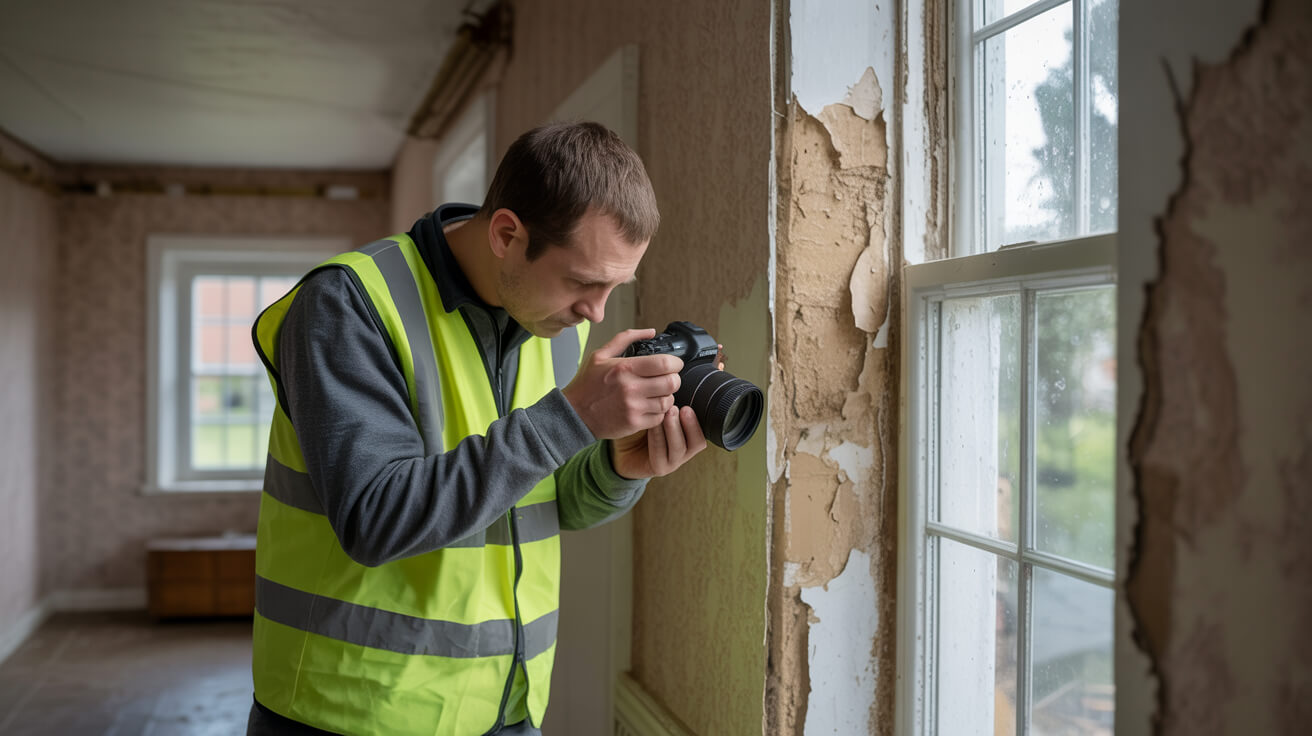
If you can’t show a forensic, end-to-end audit trail for every intervention, you’re more risk than asset in the eyes of underwriters and buyers. Insurers look for digital chains that begin with diagnosis and track every step through to aftercare. Paper receipts and casual records are no longer trusted.
Digital documentation is not paperwork—it’s your asset’s defence shield.
The Modern Evidence Stack
- Consolidated survey reports: All findings—from thermal images to salt tests—embedded with time, date, and location metadata.
- Repair records: Every intervention logged, with photographic evidence, rationale for materials chosen, and links to warranty data.
- Post-repair aftercare: Scheduled follow-ups tracked for compliance longevity.
- Insurance-backing: Only providers with independent guarantees are accepted for mortgage and council approvals.
Why Most Managers Fail the Test
- Disjointed or missing logs: WhatsApp images and emails scatter evidence to the wind—they’re easily challenged and lost.
- No environmental tracking: Without routine monitoring, long-term moisture risks are impossible to prove or mitigate.
To stay ahead, treat evidence as a capital investment—maintain it ruthlessly.
What Hidden Risks and Global Best Practices Are Emerging?
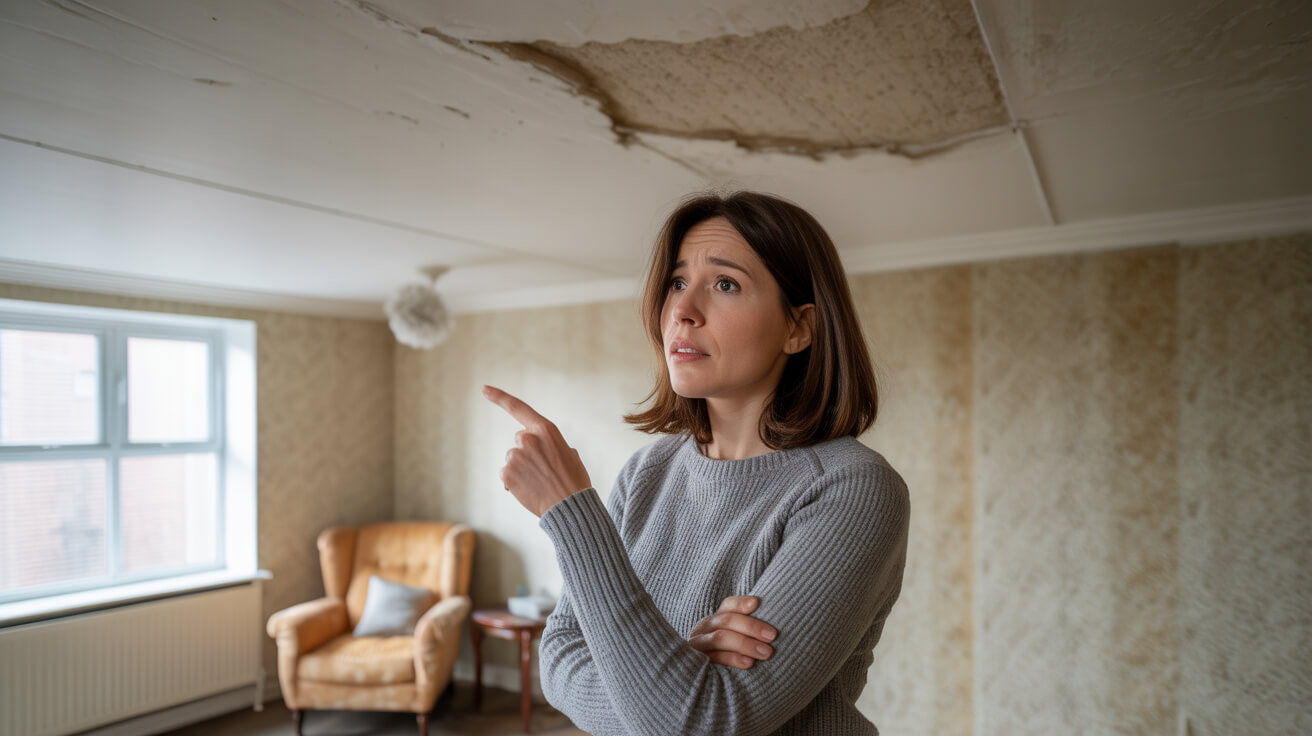
Surface checks miss what matters most. In high-rises, moisture and damage often hide in structural elements, around cold bridges, or deep behind wall cladding. Problems diagnosed late mean extended damage, more cost, and long-standing arguments with regulators.
The sooner you invest in advanced diagnostics, the lower the long-term pain.
Global Diagnostic Upgrades
- Room-by-room mapping: Comprehensive surveys, not just “problem spot” checks, catch issues that routine inspections miss.
- Technological advances: Moisture metres, infrared thermography, and salt contamination tests are standard elsewhere—still “specialist” in much of UK practice.
- Proactive tenant engagement: Informing residents about proper care, humidity reduction, and early warning signs reduces future claims and liability.
Immediate Action Steps for UK High-Rise Owners
- Insist on forensic audits: Surface-level checks are obsolete—require quantitative readings and visual logs.
- Digitise all records: PDFs, photos, and time-stamped reports are your first line of defence.
- Enforce robust guarantees: Only insurance-backed providers can offer the sort of proof now demanded by lenders and councils.
- Institutionalise aftercare: Yearly check-ups ensure that problems don’t return silently.
Waiting to act only compounds losses and invites regulatory enforcement when you least want it.
How Can You End the “Blame Game” and Secure Accountability?

Disputes over “who’s in charge” are common in high-rise management, especially when ineffective repairs or delays snowball into wide-scale damage. But market and legal forces are clear: responsibility tracks to the freeholder or asset holder, full stop. Passing the buck between agencies or leaseholders only weakens your position.
Documentation, transparency, and clear roles shut down disputes and protect your financial and reputational interests.
Breakdown of Accountability Regimes
- UK law: Regardless of management structures, the owner is legally responsible for compliance ([RICS](https://www.rics.org/uk/news-insight/latest-news/news-opinion/damp-and-mould-in-rented-housing/?utm_source=openai)).
- Continental Europe: Proactivity is demanded from owners—local authorities may intervene at the first sign of trouble, with costs charged back to the property.
- Singapore and Asia: Digital systems record every action and alert all stakeholders in real time.
Sussex Damp Experts: Maximal Transparency, Minimal Dispute
- Impartial, system-wide diagnostics: Our surveys create a single point of truth, recognised by councils, lenders, and insurers.
- Unified evidence files: From first report to yearly aftercare, every action is digitally logged and client-accessible.
- Open communication: Findings and steps are shared with all stakeholders—no surprises or missed hand-offs.
The only real safeguard against liability is verifiable, shared data—not promises or handshakes.
What Does a Fully Audit-Ready, International Standard Damp Management Process Entail?

The gold standard for asset protection is a permanent, living record—every diagnosis, fix, and follow-up is captured, with zero ambiguity. The days of “checking the box” are over: audit-readiness must be ongoing by design.
Critical Steps for Audit-Proof Compliance
- Commission expertise: Demand calibrated moisture diagnostics, salt and thermal testing, and surveyor-level documentation for every issue.
- Demand full-chain repair logs: Before-and-after visuals, material specs, and rationale for choices clarify every fix.
- Guarantee with insurance: Only insurance-backed work is unchallenged by lenders or councils.
- Bundle and maintain compliance files: Keep all surveys, repairs, check-ups, and warranties digitised, linked, and accessible.
- Activate tenant engagement: Residents are assets in prevention: their education and reporting sustain long-term compliance.
Sussex Damp Experts operate strictly to the latest British standards (BS6576, PAS 2035, Trustmark), while drawing on International Damp and mould best practices throughout every project.
Proof Foundations
- Insurance-backed works accepted for mortgages and councils.
- “Before/after” photography embedded in every report.
- Transparent evidence trails, always current and accessible.
- Jargon-free reports and direct support for all stakeholders.
Sleep comes easier knowing you’re audit-proof, warranty-secured, and lender-compliant.
Protect Your High-Rise—Choose Sussex Damp Experts for End-to-End, Evidence-Driven Damp Care
You’re one leak, one missed log, or one unresolved complaint away from enforced spending, lost asset value, or headline risk. The standard for compliance is rising—those who lead with audit-proof systems and digital evidence don’t just survive; they thrive.
There is no shortcut—protecting your asset is a discipline, not luck.
Sussex Damp Experts offer a methodical, independent, end-to-end process that leaves no trace of ambiguity behind. We find, fix, and prove every repair, guaranteeing compliance and long-term resilience, so your building is ready for council scrutiny, lender checklists, and the next round of legislative changes.
Don’t risk leaving compliance or peace of mind to chance—secure your building and your standing with Sussex Damp Experts, the recognised leaders in audit-ready, future-proof damp and mould control.
Frequently Asked Questions
What triggers urgent council action over damp and mould in UK high-rises—and how can block owners stay ahead of penalties?
Councils act fast the moment damp risks threaten tenant health—usually after complaints, failed compliance checks, or negative publicity. These triggers set off statutory inspection cycles, often expanding from a single flat to the whole block. With “Awaab’s Law” and the Homes (Fitness for Human Habitation) Act, social landlords and managers now face enforceable deadlines: 14 days to investigate mould, 21 days to fix critical hazards. Delay exposes block owners to improvement notices, fines of up to £30,000 per breach, enforced works, or licence suspension. Unlike traditional enforcement, today’s system allows tenants to escalate directly to courts or ombudsman routes if council action stalls.
Every missing day gives regulators and headlines another inch—loss of control is one overlooked complaint away.
A single tenant’s email backed by even one failed HHSRS risk score may lead to block-wide enforcement. Owners risk both legal penalty and reputation damage, especially if the issue escalates in media, with councils required to report failures to the Regulator of Social Housing. Sussex Damp Experts align your building with these new enforcement patterns, embedding readiness before intervention looms.
Core Intervention Triggers
- Complaints: Direct tenant reports, health referrals, or concern flagged by neighbours
- Failed checks: Housing Health and Safety Rating System (HHSRS) inspections uncovering Category 1/2 risks
- Media/inquest exposure: Local reporting or coroner’s cases prompting urgent council reviews
- Regulatory failure: Breach of prescribed timeframes for investigation/remediation
How to Dismantle Risk
- Maintain a digital complaints log—date-stamped and unit-referenced
- Trigger independent diagnostics within 48 hours of any flagged mould
- Proactively review evidence trails quarterly for block-wide resilience
- Champion clear communication with tenants—prevent protracted complaints
Sussex Damp Experts can shield your compliance from being tested in crisis—ensuring block interventions remain a planning exercise, not a firefight.
How do evolving global moisture standards (DIN 4108-3, BS 5250) change UK block compliance on the ground?
Modern standards like Germany’s DIN 4108-3 and revised BS 5250 are transforming what “proof” looks like in UK blocks. Rather than treating damp as an isolated repair, these frameworks demand a whole-building, evidence-first approach. Dew-point calculations, substrate compatibility, and continuous environmental monitoring are now embedded practices across continental Europe—and increasingly influence UK court and lender expectations.
In Germany and Scandinavia, it’s standard to use thermal imaging, salt analysis, and sensor-logged airflow checks. Repairs aren’t “signed off” without a system logic sequence linking causes, interventions, aftercare, and independent QA. The UK, under pressure from insurers and the Regulator, is moving the same way: visual checks or metre spot readings alone no longer stand up to scrutiny.
Where others see damp patches, leading countries see system gaps waiting to be traced, tracked, and proven shut for good.
Surveys now require substantiated measurements, with transparent documentation at each stage. Sussex Damp Experts bring this continental discipline to your repairs—delivering not just a dry wall, but a chain of proof your lender, insurer, or council can trust.
Global vs UK Practice: The Changing Landscape
- Germany/Scandinavia: Routinised dew-point and hygrothermal mapping, digital aftercare logging
- UK (best practice): PAS 2035-compliant diagnosis, staged photographic and data records, scheduled warranty checks
- Most UK blocks: Patchy adoption—visual-only sign off, weak records, exposure to disputes
Upgrading your compliance stack means adopting the science, not simply the paperwork, of moisture control. That’s the future benchmark Sussex Damp Experts help you achieve.
What are the new “must-have” records for high-rise damp compliance—and why do gaps unravel defences?
Today’s evidence standards demand a multi-layered file: granular metre and salt logs, grid-referenced site photos, end-to-end treatment logs recording products, timings, and operatives, with supporting aftercare and educational records. Insurers, councils, and lenders demand that every handover bundle proves not just what was fixed, but how, when, and by whom—and that prescribed standards (BS 8102, PAS 2035, TrustMark) are named. Partial evidence, missing steps, or informal logs expose you instantly.
An unbroken evidence trail isn’t paperwork—it’s the architecture of your legal and financial safety net.
When a council, buyer, or lender reviews your asset, a robust chain of signed documents, sensor readings, and independent QA will unlock approvals and keep projects moving. Conversely, backlog or audit gaps can stall mortgage releases, downgrade insurance, and trigger council escalation. Sussex Damp Experts secure your records into a living compliance archive—ready for random audit or urgent access.
The Living Compliance Stack
- Diagnosis: Full-site metre logs, thermal mapping, and salt contamination results with unit-specific geotagging
- Chain-of-custody: Product batch and instal logs, signed and linked at each treatment stage
- Aftercare: Sensor-logged moisture and humidity monitoring, clearly scheduled and communicated
- Certification: Insurance and warranty documents, PCA-accredited, with explicit links to building regs
- Tenant Communication: Formal, date-stamped responses, escalation logs, and educational documentation
For high-value blocks, prove your standards in “audit language”—automatic lender and regulator approvals follow.
Where does delayed or inadequate damp compliance expose owners to the most severe legal, financial, and reputational hits?
The penalty curve climbs fast. Immediate risks include fixed-penalty notices (£30,000 each), emergency works charged back by council, rent-repayment orders, loss of letting licence, mortgage freeze, and voided insurance. If damp causes structural or fire breaches, unlimited fines or criminal liability may land at the director level. Delay makes a bad situation rapidly irreversible: overdue documentation is no defence against rent or sale being suspended block-wide.
Council-led interventions cascade in stages—first as improvement notices, then as block-wide audits, and, if patch or legacy repairs have missing records, as red flags to lenders or buyers. High-profile failures echo in the press and on public registries, driving down both value and tenant demand.
You lose the power to negotiate the moment your compliance chain is questioned—regulators and media drive the price from there.
Sussex Damp Experts translate compliance from a cost centre into a self-defence system, hardening your asset’s paperwork and response routines so every council letter or surveyor request is just an expected event, not a crisis.
Penalty Chain: Consequence Triggers
- Civil penalties: £30,000 per incident, cumulative for blocks with repeated non-compliance
- Compounded risk: Rent repayment, forced repairs, licence loss, insurance voidance, court costs
- Reputational cost: Press visibility, regulatory and ombudsman notices, and loss of lender/buyer confidence
- Recovery lag: Fines and reputational harm outlive physical repairs by years—audit backlog is costly to reverse
Prevention only works when every link in your compliance chain is visible and unbroken.
Which advanced management routines from Europe and the UK actually future‑proof high‑rise compliance—proactively, not reactively?
Leading UK and continental blocks run open-loop compliance: rather than reacting to a complaint, they orchestrate quarterly or annual system-wide diagnostics, with independent survey and aftercare cycles tracked digitally. Blocks using this approach lock in higher lender and insurer trust, and clear the “audit at any moment” threshold expected in new legislation.
The highest-performing owners schedule panoramic moisture mapping for all areas—not just visible flats—using data-logged sensors, and uphold tenant communications with educational and escalation pathways. PCA-accredited third-party checks underpin each completed intervention, while real-time digital dashboards track repairs and aftercare. The lesson? If your audit log and sensor files are up-to-date, council or buyer intervention becomes a formality.
Routine, system-grade compliance is the new moat—blocks relying on ‘no news’ are left exposed when silence is finally broken.
Sussex Damp Experts enable this modern rhythm: block diagnostics, site-based digital files, and “ready before requested” documentation. Each asset becomes a compliance-forward leader, not a laggard waiting for enforcement.
Proactive Compliance Best Practices
- Scheduled block mapping: At least annual, all-unit surveys with grid-referenced results
- Integrated routines: Repairs link diagnostics, materials, and aftercare—tracked in living files
- Tenant engagement: Ongoing education, two-way reporting, and clear escalation mechanisms
- Independent QA: Qualified third-party checks at prescribed intervals and after major works
- Smart logging: Digital dashboards link site works, aftercare, and incoming complaints for instant audit readiness
Set your compliance clock forward—not back—with evidence-first management as your control system.
What recurring diagnosis errors, shortcuts, or documentation failures most expose high-rise blocks to disputes or council loss?
The same errors haunt block audits: skipping substrate tests (assuming condensation instead of tracing bridging); over-relying on “paint and patch”; and incomplete, poorly ordered records that allow tenant, council, or insurer to spot easy losses. A missing photo, ill-documented batch, or skipped ventilation log can dismantle every subsequent defence—regardless of repair quality.
Councils and courts demand a forensic “who, what, when, how” file. Blocks relying on legacy repairs or unarchived maintenance create audit blind spots that trigger warnings, loss of lender confidence, or forced retesting—often costing weeks and reputational damage.
Every gap in your file becomes someone else’s lever—the less you risk, the more you control.
Sussex Damp Experts systematically close these gaps—modelling failure points, logging each intervention step, and documenting lessons learned, including relevant International Damp and mould practice, so today’s repair is tomorrow’s proof against audit or claim.
Recurring Pitfalls and System Solutions
- Assumed cause: Skipping salt or substrate analysis, misattributing rising damp or condensation
- Patch repair: Painting over or spot-fixing visible damage without source elimination
- Ventilation oversight: Missing extractor paperwork or usage records
- Legacy liability: Past works without full batch or log chain
- Paper trail breakage: Any step, note, or photo missing weakens the whole chain
Audit-grade management means treating every minor job as a full-process event. No skipped log, no overlooked report, no exposure.
A repair you can’t prove isn’t just wasted—it writes a blank cheque for audit pain, council disputes, or outright enforcement.
Let Sussex Damp Experts future-proof your compliance: forensic diagnosis, digital records, PCA-grade aftercare. Secure your cashflow, defend your asset, and earn the gold-standard reputation in high-rise property management now.

