
 By
By  August 26, 2025


Was It Just Damp, or Did England’s Law Only Change After a Loss No One Could Ignore?
The story of England’s new damp enforcement isn’t about regulations—it’s about the moment every excuse fell apart. In 2020, two-year-old Awaab Ishak died after inhaling black mould in his supposedly safe home. His death was not a rare “housing problem,” but a warning that finally cut through years of slow action, circular complaints, and hands-off management. Property owners, managers, and every link in housing saw the truth: unchecked damp isn’t just an annoyance or a repair bill—it’s a direct threat to life.
No one plans to ignore mould—until another child’s cough turns into the headline no-one wants to see.
For decades, damp enforcement was a patchwork of well-meaning advice, paperwork spirals, and “guidance” few could be held to, with too little focus on Educating Communities About the real dangers of damp. Awaab’s tragedy ended the era of brushed-off stains and lost complaints. It forced the law to draw a bright, permanent line: ignore damp, mismanage repairs, or get tangled in evidence gaps, and now it’s more than bad luck—it’s criminal neglect, with repercussions for every owner, landlord, manager and agent in the chain.
Why Did Years of Guidance and “Best Practice” Fail—And What Made Awaab’s Case the Tipping Point?

It’s easy to blame the system, but for too long the system was designed to get by—not to protect. Renters reported damp again and again; landlords shuffled paperwork, pushed reports into process queues, and created Complaint Vortexes: Tenants found almost impossible to escape while real diagnosis was deferred. The default was plausible deniability: if evidence could be lost or a timeline reset, then accountability stayed blurred.
Awaab’s case proved that these old, soft boundaries breed tragedy. The coroner’s inquiry after his death stripped everything to the studs: missed opportunities, slow walk-arounds, and processes where no one was truly responsible. It echoed in Parliament, press, and law offices. The new Social Housing (Regulation) Act 2023—“Awaab’s Law”—demands evidence, proof, and enforceable deadlines (BBC 2022). Gone are the soft-edges; now, every step leaves a legal footprint.
- Damp risks are now categorised as “public health emergencies”, not just “maintenance backlog”.
- Private excuses, opaque reporting, and hand-off culture can land in court, not just in a manager’s in-tray.
- Social housing providers and private landlords, for the first time, answer to the exact same stopwatch.
When the cost of inaction is another lost child, process drift becomes a public shame—no owner can afford it.
What Systemic Gaps Did the Inquiry Uncover?
- Complaint Vortexes: Tenants made reports—but without legal logs or digital tracks, issues disappeared into “admin” ether.
- Superficial Checks: Visual-only inspections missed hidden, persistent problems. Too few used calibrated sensors or understood how to spot condensation versus true rising damp.
- No Legal Timers: Best intentions faded without hard-deadline accountability—sometimes the “resolution” was simply silence.
- Fragmented Ownership: Issues bounced between letting agents, surveyors and freeholders—no one was accountable, so nothing changed or was fixed for good.
Every missed callback or skipped inspection is now traceable evidence, not just a service blip.
What Has Awaab’s Law Changed in Real Terms? Timers, Trail, and Teeth

The new law means that every complaint, email, call, or digital message about mould or leaks officially starts a strict legal “case file”—no delay, no “we’ll get to it after the weekend”.
Your New Legal Clock:
- Instant Legal Record: Every complaint, through any channel, auto-generates a timestamped record—logging the moment issues are raised.
- 14-Days to Inspect: Landlords must begin a damp inspection within 14 days, no matter internal schedule or contract chains.
- 48-Hour Diagnosis Delivery: From inspection, tenants must get written findings—actual, readable reports, not opinions—within 48 hours (all still inside the 14-day rule).
- Mandatory Remediation: If any risk to the vulnerable is found (children, elderly, medically at-risk), repairs must start within 7 days—or a round-the-clock response is triggered for urgent, high-risk discoveries.
- Evidence Trail: From first contact to final repair, every action, measurement, message, and follow-up forms a digital audit log meeting both law and industry standards ([Gov.uk Draught Guidance, 2023](https://www.gov.uk/government/publications/awaabs-law-draught-guidance-for-social-landlords/awaabs-law-draught-guidance-for-social-landlords)).
The era of ambiguous timelines or lost requests is over—the countdown is public, and failures end up in front of a regulator.
Why Is October 2025 the Day Everything Really Changes?
The government’s deadline—October 2025—is when every social and private landlord must have not just plans, but active, documented systems for compliance. Miss it, and you risk everything: instant fines, government oversight, and “default management” interventions.
Training? Mandatory. Digital logs? Non-negotiable. Policy and reporting routines? Audited. And it’s not the slow-moving cases that trigger action—it’s the moment a tenant or agent can’t produce proof that the law steps in.
What Do Landlords, Agents, Surveyors, and Owners Actually Need To Do, Starting Now?
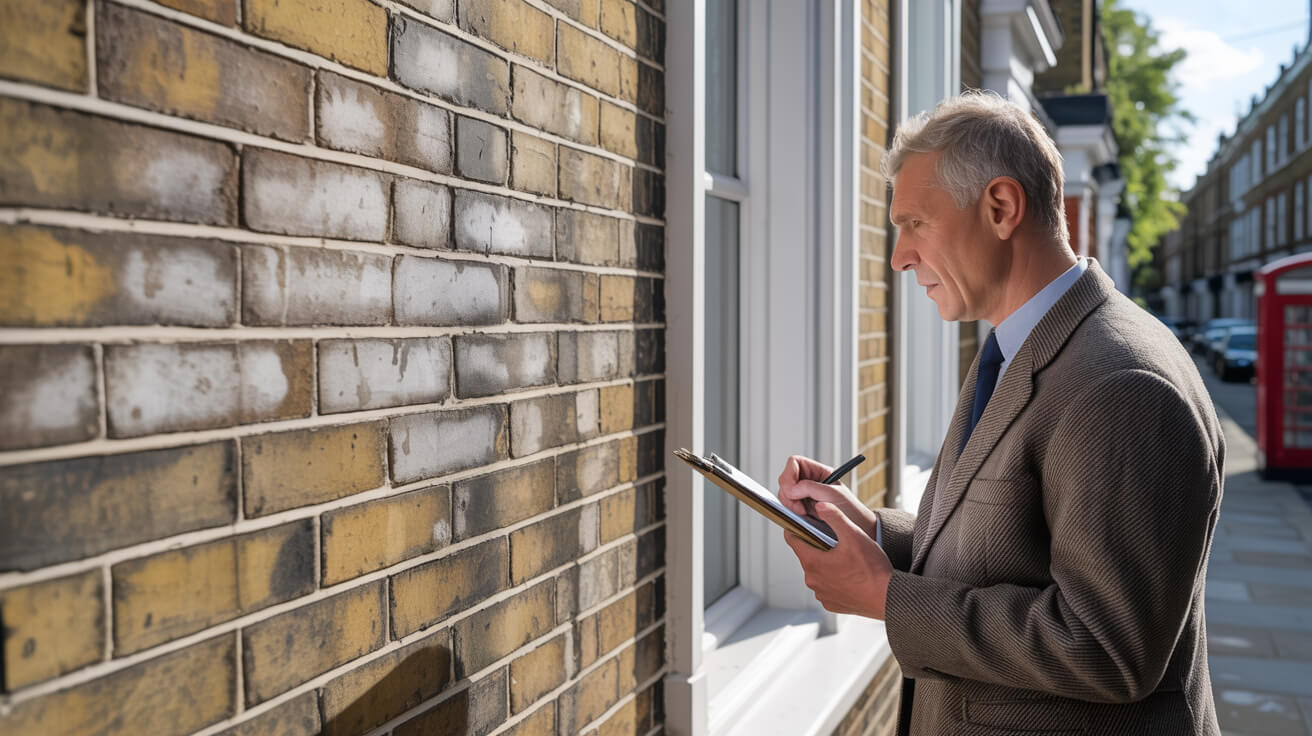
The most respected owners, agents, and contractors are already in motion. Doing nothing is no longer an option; every property operator must move from “readiness” to relentless, digital “proof and rapid response.”
Step 1: Make Your Reporting and Evidence “Idiots-Proof”
- Switch Immediately to Digital Logging: Manual paper trails or informal notes are now a liability. Robust property management software with timestamped case logs, photo storage, and message tracking becomes your main defence.
- Certified Evidence Gathering: Inspections must use moisture metres, thermal imaging, and salt tests—no exceptions. Every reading, photo, and traceable action must be filed with the complaint’s digital record.
- Upgrade Reports: The “trusted professional opinion” template is dead. Reports must diagram exactly what was found, explain the causes, and clearly specify solutions.
- Instal Automated Escalation: Digital workflows must set reminders for every deadline, auto-notify supervisors on delays, and instantly tag high-risk, repeat, or vulnerable-tenant cases.
- Zero Tolerance for Unclear Priority: Any mention of children, pre-existing health issues, or repeated failures triggers immediate prioritisation—hours, not days.
In the new world of statutory damp law, missed paperwork, skipped photos, or delayed deadlines can cost not just money, but your right to manage property.
Step 2: Train and Arm Your People—From Engineer to Office Clerk
- Surveyor Training: Forensic moisture detection is now minimum standard—basic visual checks don’t cut it. Training must include case differentiation, from condensation to hygroscopic damp.
- Trades and Repairs: Specify exactly what to record, how to log it, and when extra risk triggers escalation.
- Management Accountability: Key managers must routinely audit records and proof chains—if someone asks “where’s the evidence?”, you need it instantly.
Your risk now scales with your weakest staff member’s knowledge and discipline.
What Are the Real Consequences of Getting “Awaab’s Law” Wrong?
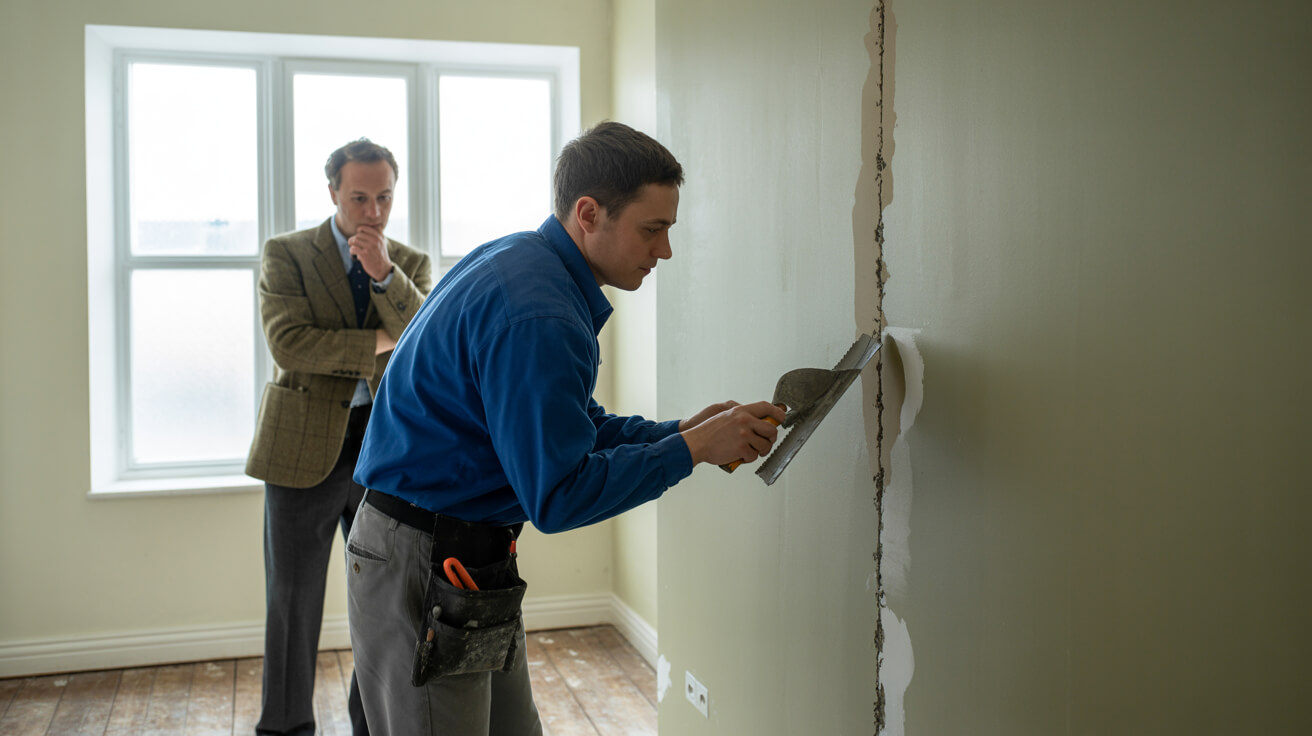
Awaab’s Law goes further than any before it—financial, legal, and reputational risks are now symbiotic. Every party involved in damp, mould, or leak remediation faces new tiers of accountability.
- Direct Fines: Regulators—from council officers to the Housing Ombudsman—can fine non-compliance, not just issue warnings.
- Forced Remediation: If your property management fails, third-party can be ordered in—at your cost, not council’s.
- Civil Claims and Bans: Persistent, major, or life-affecting failures can lead to civil legal claims, property bans, and even criminal prosecution (for extreme or repeated risk).
- Blocked Sales and Insurance: Lenders and insurers now access audit logs—non-compliance flags can freeze loans, stall sales, or nullify coverage.
The records once used to dodge blame now prove fault. One missing inspection is all a lawyer or inspector needs.
What Changes in Everyday Life for Surveyors, Contractors, and Aftercare?
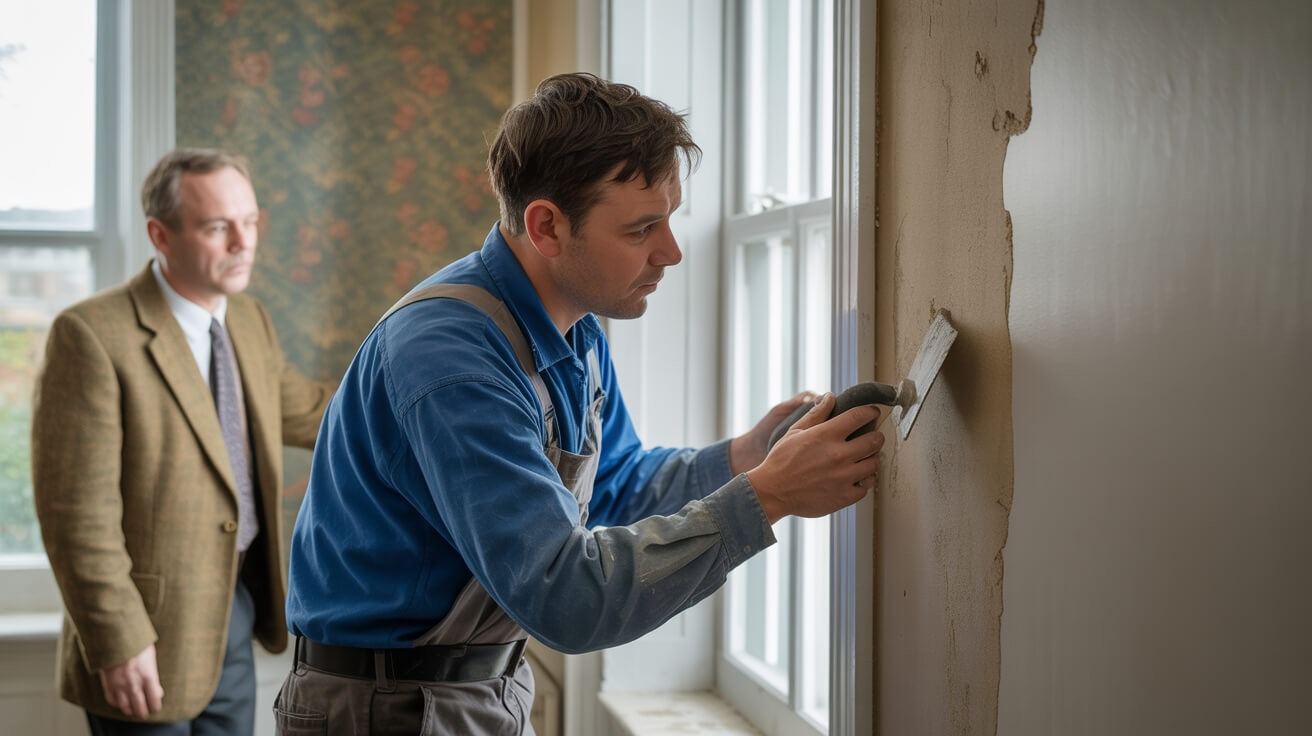
No one’s off the hook—even after passing the first “big” audit. Ongoing compliance is now the operating standard:
Everyday Proof and Ongoing “Living” Compliance
- Annual Forensic Re-Inspections: These must use calibrated sensors, photo evidence, and detailed logs—tick-box surveys are obsolete.
- Persistent Digital Logs: Every action, conversation, survey, and solution must be stored, exportable, and audit-ready. Sloppy aftercare, missing notes, or gaps show up instantly in reviews.
- Actual Material Traceability: All remediation must match British Standards (BS 6576, PAS 2035) with compliance certificates and work evidence ready on request.
- Missed Milestones Are Exposed: Automated systems must flag late checks, lingering repairs, or missing documentation—alerting both the manager and the council.
Being able to “show the file” defines your standing. No more “we’re looking into it”—only evidence counts.
The new advantage: properties that can hand over a bulletproof audit pack at every sale, inspection, and insurance renewal.
Who’s Now Carrying the Greatest Risk—Manager, Owner, Surveyor, or Buyer?

- Ownership Lies with Landlords and Social Providers: They’re named on the file, on the fine, and in the court.
- Surveyors and Specialist Contractors: Required to provide full digital/timestamped evidence for every inspection and remediation—assumption is now a risk.
- Buyers and Tenants: Now empowered to escalate issues fast and, in some cases, bypass landlord slow-play with direct council enforcement.
- Agents, Block Managers, and Freeholders: Tangled in legal risk—a single mismanaged complaint can stall transactions, block sales, and unravel letting chains.
Audit trails don’t hide middlemen. Inaction, lost messages, or it’s the other side’s job is now a traceable liability.
How Does Sussex Damp Experts Deliver for the “Awaab’s Law” Reality?

Sussex Damp Experts operate as if each survey and job will be scrutinised in court, by lenders, regulators, and next year’s buyer. That’s a not just a promise—it’s our daily workflow.
- Inspections Built for Evidence: We go beyond surface “looks”—moisture logs, salt testing, thermal photos, and full root-cause analysis, filed with every job.
- Reporting That Stands Up to Audit: Every photo, measurement, stakeholder list, and action plan is locked, time-stamped, and primed for cross-checking—never opinion, always proof.
- Treatment in Full Legal Alignment: All remediation meets or exceeds BS 6576, PAS 2035, BS 8102, and HHSRS requirements.
- Continuous Support and Warranty: With annual rechecks, trouble alerts, digital log access, and insurance-backed guarantees, our clients sidestep every “forgotten” or disputed deadline.
Not a quick fix or damp paint job—a living, digital record of compliance and action, ready for any audit, sale, or arbitrator.
Beyond “Tick-Box” Compliance: Ready for Sale, Handover, and Emergency Inspection
Properties covered by Sussex Damp Experts carry more than repairs—they carry compliance credibility, digital records, and local authority trust.
- Recognised Reports: Our documentation is built to satisfy lenders, insurers, and council inspectors. PCA-accredited leadership guarantees respect in every file.
- Instant Digital Logs: Owners and agents can call up a full events and repairs history in seconds—no waiting, no scrambling during emergencies or sale.
- Total End-to-End Process: From diagnosis through aftercare, your property’s “damp story” is managed with the law ahead of it—not playing catch-up.
Ready or Not—October 2025 Is the New Baseline. Is Your Compliance Bulletproof?
There’s no option left for waiting or hoping to fly under the radar. By October 2025, shame, fines, and sales blockages will be the cost of delay. Every month without a system is a risk to your property value, your tenants, and—in the worst cases—someone’s health. Sussex Damp Experts stands ready with audit-grade surveys, legal-aligned repairs, and continuous aftercare. Act now to lock in your compliance, keep every stakeholder onside, and protect everything you’ve built before the law mandates action in your absence.
The law only changed after avoidable loss. Now, evidence—not intention—decides your reputation and your future.
Frequently Asked Questions
What are the new risks if a landlord’s damp process is undocumented or “good enough” under Awaab’s Law?
Missing evidence is no longer a paperwork issue—it’s a fast-track to enforcement, fines, and reputation damage. Under Awaab’s Law, unproven actions count for nothing: “trusted contractor’s word” or a casual survey won’t hold up when councils demand timestamped logs, survey photos, and technical details aligned to standards like BS6576 or PAS2035. If you skip a step or neglect to record it, you’re treated as if nothing happened; the burden flips, and you’ll have to fight uphill to avoid penalty.
The single record you forget today rewrites your risk profile for years.
How does the new legal presumption work?
- Councils presume inaction if critical actions have no proof—silence isn’t safety.
- Documentation demands rise further if a tenant or inspector disputes your work, and “good enough” becomes indefensible.
- “Audit-ready” means more than a work order—it’s timestamped digital logs, photographic evidence, and all communication, from complaint to aftercare.
Why is compliance timing so unforgiving?
- The law times you: delays past a set window (24 hours for urgent hazards) carry escalating fines.
- Each missed or lost file becomes a multiplier for responsibility—not a loophole.
- Historic “we’ll look next week” responses now create a digital paper trail…directly to the penalty clause.
Landlords relying on legacy approaches, or assuming a handshake is enough, are exposing both their assets and reputation to risks that only grow with every missing line in the evidence log.
Which property diagnostics and reporting approaches now keep you out of legal danger?
Awaab’s Law demands evidence that a complaint wasn’t brushed off or misdiagnosed. In Complaint Vortexes: Tenants, “spot check” surveys or guessing at causes no longer pass. The gold standard is a forensic diagnosis—every building gets mapped with calibrated moisture profiles, salt mapping, and thermal imaging, with surveyor notes precise to the substrate and linked to photographic records.
A damp patch’s backstory—temperature, salt, wall fabric—is now recorded and traceable from the first complaint.
What constitutes defensible survey evidence?
- Every diagnostic step is recorded: moisture and salt readings, thermal images, and location-specific notes.
- Evidence is directly mapped to the building’s history—solid walls, basements, cavity blocks, timber—all influence method and report detail.
- Complaints about “recurring” issues require progressive logs, showing not only fixes, but monitored outcomes over time.
- The outcome: a digital audit trail replacing “back of an envelope” notes.
How do you avoid escalation?
- Each element is presented to tenants in a clear report—plain-English, supported by photos—closing the perception gap.
- Prompt technical proof gives surveyors and agents the ability to pre-empt disputes or trigger urgent action.
Landlords committed to modern diagnostics find that complaints are resolved faster, re-inspections drop, and audit risk is cut to the bone.
Why are digital-first workflows and ongoing monitoring the new “cost of doing business”?
Paper logs are invisible to the systems that control finance, claims, and regulatory standing. A manually filed job sheet or a missed check-in may not just fail you, but pull multiple properties into the risk pool. Awaab’s Law changes property management from “ad hoc” to systemised. Digital records are instantly retrievable, auditable by council or insurance, and build resilience when team members leave, or partners rotate.
Compliance is now an everyday discipline, not a one-time panic ahead of inspection.
What makes a workflow audit-ready?
- Every repair, site visit, and tenant interaction is time-stamped, digital, and backed by evidence—no gaps, no guesses.
- Moisture sensors and automated aftercare logs ensure that change or deterioration gets noticed before it becomes a claim.
- Central platforms let agents, trades, and surveyors collaborate, so there’s no handoff risk or “it was in the pile” excuse when questions arise.
How does this affect landlords on cost and credibility?
- Delayed annual checks or missed monitoring now recalculate lender and insurer risk scores.
- Disjointed documentation can void warranties, block mortgage approvals, and reduce sale prices—or make resales impossible.
Adopting digital workflows isn’t “modernising for PR”—it is the price of admission to asset protection, borrowing, and partnership with responsible agents or authorities.
How does Awaab’s Law impact the financial equation for landlords and asset managers?
The law turns compliance into a competitive lever and amplifies both risk and opportunity. Fines, “works in default” orders, and persistent compliance failures are now direct profit drains—cutting not only into revenue, but undermining future investment. Meanwhile, those with airtight digital records, PAS2035 readiness, and logged aftercare unlock premium financing, fast-track insurance, and raised valuation on audit.
Where the clock punishes delay, it multiplies the reward for those prepared to lead.
Where do new costs and gains appear?
- Rapid, digital responses convert time saved into capital preserved and opportunities opened.
- Evidence quality now raises (or lowers) property valuations and influences both lender and government appetite for further business.
- Re-letting, insurance, and asset disposal become frictionless for those able to prove “audit ready” at every step.
Why is reputation a new asset class?
- Council approval, buyer trust, and tenant engagement increasingly hinge on visible stewardship.
- Not meeting these new standards quickly freezes your asset’s mobility—no licence, no let, no sale.
Act early and you not only strip out avoidable costs—you rise above regulatory risk and gain leverage on the market’s best terms.
Which frontline roles and team connections most affect your compliance and audit outcome?
Zero-fail compliance is a relay, not a solo run. No matter how good your contractor or managing agent, a single break in the chain—missed log, out-of-hours escalation, or skipped aftercare—can expose the portfolio to fines or retrospective inspection. Everyone from surveyor to letting agent must now act and record on a statutory timetable.
In compliance, everyone’s the goalkeeper—one missed save, and you’re picking the ball out of the net.
How does each team member’s role now change?
- Surveyors log findings to national standards and escalate red flags with forensic evidence.
- Trades record not only their fix, but every step—before, during, and after photos, with time and material records.
- Agents and managers close the communications cycle and ensure no report, approval, or aftercare check is lost in the shuffle.
How do Sussex Damp Experts improve outcomes?
- Our systems bridge survey, works, and management chains—setting up evidence triggers for complex or urgent cases, and reporting cycles for aftercare and warranty.
- Portfolio and heritage clients benefit from conservation-aware specification and hybrid diagnostics—all matched to each job’s legal and material context.
- Pre-escalation support and dispute bundles mean no link in the chain gets orphaned if a council or buyer demands answers.
Properties handled with this kind of joined-up process don’t just pass inspection—they stand out as models of transparency and asset care.
How are heritage, basement, or hybrid buildings managed for legal and planning compliance now?
Complex structures come with double jeopardy: planning, conservation, legacy materials, and unique failure modes. Council or regulator scrutiny can trigger more pain for a single missed log or incompatible product choice here than anywhere else. Under new standards, every heritage or basement job needs process and evidence tailored to both the physical risks and the permissions it navigates.
The wrong membrane or omitted survey doesn’t just kill a warranty—it can sink grant funding or trigger notice for irreversible harm.
What is essential for high-risk or protected buildings?
- Surveys detail substrate, build method, condition, and permission status before any works—tracked through heritage-compliant materials and breathable systems.
- Delays (consent, rare materials, weather) are not excuses—they are logged, explained, and countersigned where needed.
- Digital aftercare allows detailed compliance and risk reporting long after the job—unlike one-off interventions.
What does a specialist add?
- Sussex Damp Experts has protocols tuned for listed, conservation, and challenging sites—writing compliant specs that match law, grant, and building needs, and capturing proof that “sticks” for insurers and authorities.
- Historic features, like lime plaster or timber, get the right systems—integrating dry, healthy function without losing what makes the property unique.
Heritage and complex jobs aren’t just protected from the normal: they attract extra risk, demand bespoke documentation, and reward end-to-end evidence with permissions, funding, and preservation of value.
What specific audit and compliance benefits does Sussex Damp Experts deliver for forward-looking landlords?
Sussex Damp Experts turn process risk into audit resilience by designing compliance into each stage—from survey to aftercare—so your file is always ready to defend, refinance, or scale. Our work is built for more than “passing inspection.” We future-proof your portfolio, combining rigorous survey science, digital reporting, and cross-functional team training so that any asset, from a Victorian terrace to a block of flats, meets the highest new standards out-of-the-box.
• Every job is mapped to BS6576/PAS2035, with traceable evidence at each project gate and digital logs spanning survey, repair, and aftercare.
• Communication cycles are closed—not left to chance—so tenant, agent, council, and future buyer see a single, joined-up evidence trail.
• Site teams are upskilled and briefed for compliance detail, and we step in for portfolio owners facing challenging disputes.
• Our annual, sensor-linked aftercare and scheduled checks mean landlord or managing agent never gets caught by a surprise audit or failed warranty.
• Landlords and asset managers gain confidence: their properties are safer, healthier, and demonstrably well-governed—opening doors to blue-chip tenants, government contracts, and lower-cost finance.
The best asset isn’t just the building—it’s the record that proves you care for it.
Partnering with Sussex Damp Experts transforms compliance from a hurdle into a business advantage—delivering not just audit survival but market leadership, healthy living, and future-ready resilience.

