
 By
By  August 26, 2025


What Changed After Awaab’s Law—and Why Does It Matter in Sussex?
Awaab Ishak’s story cut through complacency with the sharpest edge possible—a child’s death in a damp, mould-ridden home. Suddenly, the dangers society ignored became impossible to push aside. The UK, and especially local housing professionals in Sussex, had to face the fact: failing to address damp isn’t simply administrative neglect; it’s a risk to life, reputation, and livelihood. “Awaab’s Law” makes that official. The Social Housing (Regulation) Act 2023, spurred by this tragedy, has rewritten the rulebook for every landlord, property manager, local council, and letting agent—from Brighton and Hove to Hastings, Crawley, and Eastbourne.
When the law draws a line in the sand, hoping for the best is no longer an option.
This legislation is direct and unambiguous. It says: if you’re told there’s damp, you can’t delay. Action isn’t optional—it’s enforceable, on a clock, and backed by penalties that sting. Landlords, agents, and social housing providers are now on notice. The habitual “wait and see if it clears up” or “paint and patch” approach has met a legal dead end. Deliberate avoidance and administrative fog are replaced by hard timelines, oversight, and consequences. In Sussex alone, hundreds have already felt the pressure to professionalise routine processes: keep written records, log every step, respond fast—or end up on a council’s breach register, face financial sanctions, or lose the right to let property.
Awaab’s Law is a warning none can ignore: property management now means health protection, legal discipline, and a paper trail that will be tested.
What Are Your Legal Duties for Damp and Mould in Light of Awaab’s Law?
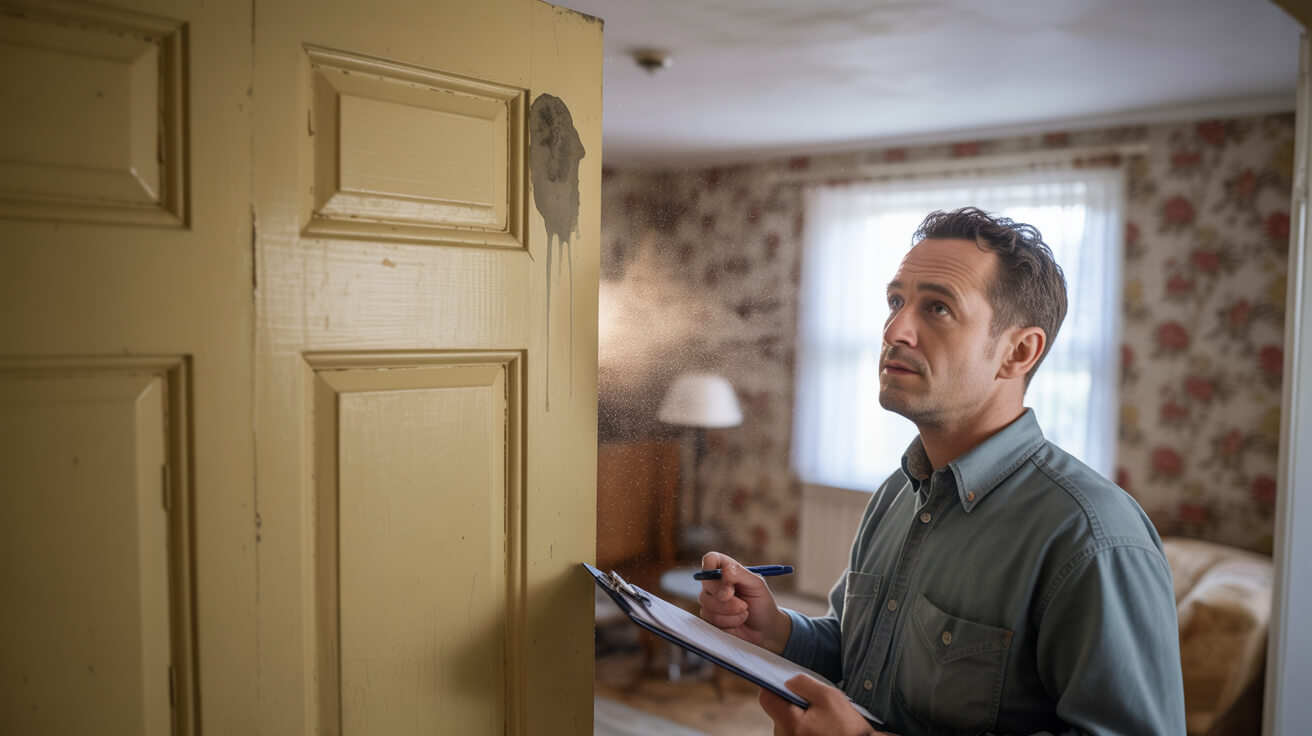
The regulatory environment post-Awaab is as clear as it is unforgiving. From the moment a tenant, agent, or surveyor flags a damp or mould risk, every professional has a new set of non-negotiable duties. Gone are vague promises and open-ended timescales. The expectation is measured, transparent, and enforceable at all stages.
You must now:
- Acknowledge complaints in 14 days: Issue a written response and arrange a qualified inspection—no matter how minor the complaint might seem.
- Start repairs in 7 days: If there’s a confirmed health or safety risk, works must begin with speed. For severe cases (think black mould or at-risk residents), the ticking clock hits 24 hours.
- Document every step: Logs, photos, and contractor records must be date-stamped, centrally stored, and available to council inspectors, lenders, tenants, and insurers without delay.
Missing the new benchmarks doesn’t just threaten reputation; it invites fines, licence loss, forced repairs, or even prosecution (DLUHC 2023). Mortgage lenders and insurers increasingly require formal maintenance tracking. Ignore a deadline? You risk everything from voided insurance, “fitness for habitation” failures, to public blacklisting in property databases—leaving even careful landlords exposed.
Compliance now means anticipating scrutiny, not scrambling when disaster strikes.
Constant vigilance, documentation discipline, and a willingness to escalate—from survey to repair—are the core of staying on the right side of Awaab’s Law. The legal risk for getting this wrong is quantifiable and potentially career-ending.
What Are the True Health Risks of Damp and Mould—And Who Pays the Price?

Damp and mould don’t just discolour walls—they quietly sabotage health. The NHS and Public Health England have drawn a direct line from mould exposure to a host of medical issues: coughing, asthma, bronchitis, infections, even immune system breakdown (NHS). There isn’t a ‘safe’ amount; even a little mould can put the vulnerable at direct risk.
Highest risk groups include:
- Babies and young children: Lungs and immune defences are still developing—infection and asthma can escalate rapidly.
- Elderly residents or those with chronic illnesses: Weak immune systems mean what’s annoying for some can become life-threatening.
- Pregnant women: Greater sensitivity to environmental toxins and infection risk.
- Anyone with allergies or respiratory conditions: Damp acts as a trigger for attacks and long-term deterioration.
- Everybody else: Feeling run down, chronic cough, frequent colds—these are warning lights, too often ignored.
The first sign of trouble is almost never visible. By the time mould appears, residents’ lungs have been under assault for months.
GPs across Sussex log thousands of complaints yearly connected to damp conditions. The overlooked side effect? Days lost from work, children missing school, families enduring unnecessary suffering—all because warning signs were shrugged off as “just another patch” or “seasonal condensation.”
Ignoring the health science doesn’t make the risk any less real. Especially for landlords and managers—the buck now stops with whoever was in a position to fix things but didn’t.
Why Is Paperwork Now as Important as Plasterwork? The New Proof Standard

Proof is king—Awaab’s Law made sure of it. When complaints escalate, it’s not sympathy or claimed effort that count—only hard evidence will keep a landlord, letting agent, or council out of the firing line. This isn’t just a threat to big landlords; any Sussex property, whether single family or multiple occupancy, now lives in the world of audits and digital trails.
Documentation must include:
- Complaint logs: Date, nature, source, and any immediate response.
- Photographic evidence: “Before and after,” damp metres, site walkthroughs.
- Inspection records: Certified surveyor or engineer findings and moisture diagnostics.
- Communication logs: Every message—WhatsApp, email, even handwritten notes—must be saved and time-stamped.
- Repair history: Contractor credentials, invoices, photos, and written tenant updates.
Regulations empower tenants: a photo and properly saved emails can now launch legal action or force rent refunds. Lenders demand “habitation fitness” evidence for every mortgage or loan renewal. Councils in Sussex have new authority to spot-audit landlords, with immediate fines for missing documentation (venti-group).
Proving you acted beats telling a story about trying.
Digital record-keeping is now as urgent as fixing a leak. The winner in any dispute will be whoever shows the most complete, coherent timeline—down to the minute, if need be.
How Can You Identify Damp Problems Before They Become Legal or Health Crises?

Spotting trouble early is the most practical defence—legally, financially, and for your own peace of mind. Too many Sussex properties become horror stories because warnings went unnoticed: a little stain behind the sofa, a whiff of must after autumn rain, an ignored cough in a child. You can’t afford to miss these cues.
Watch for:
- Wall discolouration, peeling paint, or bubbling wallpaper: —especially on external walls or near skirting boards.
- Musty smells, especially after wet weather or in unheated rooms.:
- Persistent condensation: —on windows or in the corners of rooms that don’t “air out.”
- Early black, white, or green speckling: , however minor, on plaster, timber, or sealant.
- Residents reporting allergies, cough, or sinus issues: .
The difference between a £200 fix and a £20,000 bill is often a single unchecked survey note.
Prevention technology is accessible: modern moisture metres cost as little as £20 and, with monthly logging (photos, readings), can dramatically reduce the risk of missing early-stage damp. Forward-thinking property managers store this evidence as part of routine inspections—something insurers, mortgage providers, and councils will increasingly expect (Propertymark).
Every ignored clue, however small, is now a liability—one that can spiral from cosmetic concern to full-blown legal or health crisis.
What Does Bulletproof Compliance Actually Look Like in Action?

Tick-box checklists aren’t enough. To enjoy peace of mind—and avoid regulatory nightmare—your process must be airtight and repeatable for every single report of damp or mould. This is the backbone of risk management under Awaab’s Law: clarity, speed, and unbroken documentation.
Compliance Timeline in Practice
- Day 0–2: Log complaint in detail; acknowledge to the resident in writing, even for casual conversations.
- By Day 14: Dispatch a qualified surveyor; take digital photos, gather diagnostic metre readings, categorise the risk (cosmetic or health hazard).
- By Day 21: Begin repairs. Gather “before and after” visual evidence; update all stakeholders (tenants, councils, lenders) as needed.
- Severe or urgent cases (24 hours): Trigger immediate contractor intervention; notify local authority if health or safety is at stake.
- Ongoing: Store every piece of communication, quote, engineer’s note, and photo—cloud backup recommended. Keep logs up-to-date and accessible (ideally for at least 5 years from completion).
Should steps or records slip, Sussex councils, mortgage lenders, and insurers now have the power to freeze, fine, or even strip letting rights. Retrospective “catch-up” rarely works: remediation after a legal breach can cost ten times as much as routine maintenance (Clyde & Co.).
Forget to log even a single step, and you may find yourself fighting to keep both your investment and your good name.
Discipline isn’t a nuisance—it’s your best protection.
How Can You Proactively Shield Properties, Tenants, and Your Company’s Reputation?

Most property professionals want two things: healthy homes and a clean reputation. The first is impossible without the second—and both are impossible without prevention. In Sussex (and UK-wide), Awaab’s Law demands more than quick fixes; it rewards those who document, double-check, and design out risk from the very start.
Elevate your playbook by:
- Scheduling annual, third-party damp surveys: Lenders and insurers increasingly require these for cover and mortgage renewals.
- Maintaining every ventilation system: Check fans, unblock vents, and monitor moisture in air bricks and underfloor voids.
- Chasing recurring issues to the root cause: Repeat problems demand more than a patch—they require system upgrades or advanced diagnostics.
- Retaining all evidence: Keep a digital vault of every survey, report, repair record, and tenant message; cloud backups can make or break an insurance claim.
- Training staff and contractors: Everyone in the chain, from contractor to admin, must understand the importance of prompt, logged action.
Skipping steps or deferring repairs now equals lost rent, breached contracts, and in some cases, total removal from letting databases.
A Sussex landlord who ignored early signs paid eight times more in remediation, lost insurance, and was named locally when a single complaint ballooned into full legal action—not just by tenants but by council and mortgage lender (Building Engineer).
Taking charge upfront is no longer an option—it’s the only way to protect your future.
Why Choose Sussex Damp Experts When Compliance and Health Are Non-Negotiable?

When legal deadlines, tenant wellbeing, and asset value all ride on damp control, there’s no room for guesswork or “quick fix” approaches. Sussex Damp Experts blends scientific diagnostics, airtight documentation, and industry-standard remedial work. Our work is trusted—not just by property owners, but also by councils, mortgage lenders, and insurers across the region.
We deliver:
- Accredited, nationally certified site surveys: Digital and photographic reports, suitable for every level of compliance—mortgage, sale, or new letting.
- Forensic moisture diagnosis and mapping: No patch missed, no stain ignored—locating hidden risks before they escalate.
- BS 6576/BS 8102-compliant remedial planning: Every intervention meets or exceeds national standard—future-proof, not just “fixed for now.”
- End-to-end documentation packs: Every step—diagnosis, repair, post-treatment—documented and stored for easy access by landlords, agents, councils, and lenders.
- Full aftercare and warranty tracking: Supporting you long after the immediate job—annual checks, compliance updates, and paperwork kept ready for whatever comes next.
Process-driven, evidence-led, and built for the real world—our approach is your safest investment.
We’ve supported properties through everything from first-time buyer surveys and complex council demands to listed building retrofits and high-stakes litigation. With every engagement, you gain not just a contractor—but a partner who views your reputation as the foundation of your asset value.
Act Now: Secure Your Compliance—and Lift the Burden From Your Shoulders
Every day you hesitate gives damp fresh ground to claim—along with your legal and financial risk. Under Awaab’s Law, delay is more than risky; it’s a measurable threat to income, professional standing, and the long-term safety of residents and buildings.
Sussex Damp Experts helps you face regulation and risk with confidence—delivering diagnosis, reporting, and step-by-step repair you can rely on. Homeowners, landlords, agents, councils, and commercial managers trust us to meet every legal milestone and document the process from start to finish.
Hope isn’t a strategy—action is. Give us a call before the next patch, notice, or headline puts you at legal or financial risk.
Talk to Sussex Damp Experts today to book a survey, audit your compliance, or build a maintenance plan for total peace of mind. Don’t let dormancy or untracked damp damage dictate your future. Secure your property, your tenants, and your good name with a single, decisive move.
Frequently Asked Questions
What has changed about legal risk and reputation for Sussex property owners since Awaab’s Law?
Regulation has moved damp and mould firmly into the spotlight—overlooked symptoms now create legal headaches and reputational fallout, not just maintenance niggles. Across Brighton, Eastbourne, Lewes, and the wider Sussex region, housing managers and owners are subject to council-led compliance sweeps, with every complaint, missed deadline, or incomplete file putting your business name under public scrutiny. Landlords, agents, and even hands-on homeowners face reporting requirements designed to deter quick-fixes and set-and-forget attitudes—inspectors now expect a clear audit trail on top of visible repairs. A single unresolved stain, absent log, or ambiguous communication can land a property or agency on formal “risk” registers and invite detailed council review. The new standard is this: reputations are built not just on results, but on documentation—prevention, proof, and policy compliance.
The difference between a ‘tick’ in an audit file and a red flag on a risk log is one missing photo or undelivered message.
Who is most exposed to these legal and reputational shifts?
- Social landlords and council portfolios under routine HHSRS inspection
- Managing agents and large buy-to-let operators, where documentation volume grows fast
- Older homes and heritage buildings, where surveyors scrutinise historic damp risks
- Developers and renovators handling modern insulation (which boosts condensation)
Regulation applies universally, but the sharp end is felt wherever record-keeping trails struggle to match the pace of physical repairs.
Why does a generic ‘damp advice’ approach now fall flat, and what evidence truly shields you?
The era of “advice sheet and a patch of paint” is history: Awaab’s Law and related campaigns, reflected in the awaabs law damp enforcement timeline from 2020 tragedy to october 2025 implementation, demand that you deliver hard-edged, time-stamped evidence—not claims or generic how-tos. Property professionals, landlords, and sellers must now assemble meticulous logs covering complaint dates, photo timelines, accredited surveyor reports, and signed delivery receipts—not simply promises or after-the-fact warranties. Insurers, lenders, and councils are demanding neutral, traceable proof for every step—from the first tenant report to the final drying confirmation. A property’s audit pack, rather than its presentation, is now decisive when facing mortgage renewals, insurance policies, or buyer negotiations. A missed entry, late response, or ambiguous survey puts your asset’s value and insurability on the line.
A damp log built in haste can cost more than any repair left too long.
How should you build an ‘evidence pack’ that survives lender, council, or buyer review?
- Photograph every symptom with a datestamp and room context (not just the close-up)
- Use a written or digital diary to track first complaints, each reply, and follow-up works
- Only accept signed surveyor reports with risk gradings (DIY notes won’t suffice)
- Save all correspondence—emails, text confirmations, hand-delivered notices
- Attach warranties and insurance reports directly to the complaint timeline
One lapse in this chain becomes a red flag—sometimes even years after the original issue seemed fixed.
What lesser-known events can turn unnoticed damp into a council case or legal trigger?
Even minor marks—condensation behind cabinets, faint salty stains on a window wall—have become tripwires for compliance. If a tenant’s GP references asthma, or if a child’s school reports repeat illness possibly linked to a “suspected” mould patch, the incident can land on a queue for council intervention faster than you expect. Buyers’ surveyors flag long-standing stains or ‘historic’ damp as mortgage risks, pushing back completion dates. More subtle yet, one unanswered tenant or managing agent email can be cited as non-compliance within two weeks—automatic reminders from digital council systems escalate these near-silently. Today, council and lender thresholds for “serious” are based on pattern, not just patch size. It’s your process and vigilance, not just your paintwork, that determines your risk profile.
Compliance is now as much about what’s in the folder as what’s on the wall.
Which triggers most frequently escalate to council or legal challenge?
- Medical documentation (doctor or hospital) referencing damp or mould in the property
- Recurrent leaks or wet patches that return after seemingly ‘permanent’ fixes
- Internal moisture metre readings showing persistent elevation—especially if audited post-repair
- Gaps in documentation—missed 14-day replies, work reports missing images, warranties unlinked to address
- Council or social service referrals, even when raised as informal concerns
These triggers shift you overnight from routine repair to statutory notice.
Why does paperwork matter as much as repair in modern lending, insurance, or tenancy scenarios?
A well-finished wall or dry skirting board used to be persuasion enough—now, paperwork tells your story. Lenders and insurers scrutinise compliance folders to establish if remediation was accredited, timed correctly, and documented end-to-end; missing just one warranty or inspection date can stall a remortgage, block an insurance payout, or delay a letting handover. Surveyors look at risk chain, diagnosis source, cause identification, and physical evidence. Insurers ask whether works happened in line with BS 6576 or PCA protocol. Buyers demand digital folders. Compliance gaps, even if evidence shows “all sorted,” may see your transaction outpaced by properties with airtight paperwork—detracting from price, appeal, and leverage in negotiations.
In modern compliance, trust isn’t granted by promise—it’s built by timestamp, signature, and photographic chain.
Which documentation factors tip decisions for surveyors or underwriters?
- Certified surveyor or PCA inspection with full diagnosis, risk statement, and recommended next steps
- Warranty documentation matching address, dating, and repair type (10–20 years preferred)
- Linked remedial invoices and before/after photos—time-aligned, not just stored randomly
- Communications trail, including escalation notices and complaint resolutions dated and signed
Properties with digital compliance packs now sell, refinance, and let faster—not because they’re prettier, but because they’re proven.
How do Sussex Damp Experts engineer audit-readiness and legal confidence for owners and agents?
Site expertise is only half the equation—real security is built by seamlessly fusing hands-on diagnosis with bulletproof digital reporting. Sussex Damp Experts deploy moisture mapping, thermal imaging, and substrate inspection alongside prompt council/insurer liaison, covering every aspect from immediate fix to annual aftercare. After each site visit, you receive forensic evidence logs, timeline-controlled communications, and warranty files mapped to inspection schedule—built to withstand audit, not just please at handover. Teams translate jargon and compliance demands into real-world steps: your evidence chain and file structure are as robust as the walls themselves. High-frequency support is available for escalations, and property staff or tenants get user-ready handouts and digital access—shielding assets no matter how demanding the campaign or how tight the deadline.
How does the Sussex Damp Experts approach handle high-pressure, multi-party situations?
- Onsite inspection and remediation from PCA/BS-certified teams—covering any build, from listed to new
- Digital evidence folders: photos, report logs, and message chains, ready to furnish to lenders or councils without last-minute panic
- Scheduled aftercare, compliance reminders, and system health checks throughout the warranty period
- Direct council/insurer interaction for escalations and legal proof chaining
- Step-by-step guides, workshops, and checklists for property teams, owners, and residents
Each completed action adds another insurance layer—making you ready for whatever audit, dispute, or inquiry emerges.
What next steps should professionals take to guarantee future-proof damp compliance and portfolio protection?
Passive monitoring or “standby” compliance isn’t enough; proactive action sets the leaders apart from the exposed. Begin with an accredited survey—get ahead of local trends and changes in risk profile, not just after major complaints. Convert all inspection data, warranties, and service logs to digital formats with secure backups. Schedule aftercare and regular risk re-assessments, especially for older, basement, or heritage properties. Encourage property staff and tenants to join law or council update briefings—compliance is a team pursuit. Keep every intervention file current, traceable, and mapped to the right event or repair; don’t let “DIY fix” habits undermine legally-driven management. Future inspections, audits, or insurance renewals become routine when your house—or portfolio—is evidence-rich and policy-aligned.
Proactive documentation doesn’t just remove risk; it shows every stakeholder you’re a step ahead of the standard, not gambling after the fact.
Priority actions for Sussex property leaders and compliance-minded owners:
- Book a specialist, accredited survey and start your evidence file even before a sale, rental, or transfer
- Digitise every communication, report, and maintenance photo—central archives cut audit panic
- Lock in structured aftercare and keep warranties ready for renewal or rapid evidence requests
- Encourage staff and occupiers to participate in compliance hub briefings
- Archive interventions and certifications for every property event—last year’s logs often decide tomorrow’s outcomes
Building this culture doesn’t just match the law—it becomes a visible market advantage. Book a compliance-led survey and secure proof-driven support from Sussex Damp Experts, positioning your asset to lead, not follow, in risk-controlled ownership and management.

