
 By
By  August 26, 2025


Why Do Landlords Lose Money—and Sleep—When Autumn Damp Checks Are Skipped?
Autumn is every landlord’s unsent invoice—the bill that comes due when shortcuts replace checks, and evidence is left to rot alongside hidden leaks. Damp may look like a patch on a wall, but its true cost sinks far deeper: insurance nightmares, compliance showdowns, and council letters that land just as you’re winding down for winter. The real penalty for inaction isn’t just structural—it’s legal, financial, and, for many, utterly exhausting.
Wait for winter, and you’re buying trouble at double price—autumn’s your last affordable chance.
Neglecting autumn’s simple checklist turns manageable risks into cascading crises. In Sussex, the cycle repeats: a landlord skips documenting a quick gutter clean or skips the before-and-after photo of a DPC, thinking “it’ll wait till next year.” Then comes the call: “We’ve got black mould.” Next, it’s the surveyor with a problem report, or a tenant filing formal complaints to the council. Now you’re up against insurance refusals, deposit disputes, or threats of ‘works in default’.
Why is autumn so pivotal? This is your one “audit window”—a season to track every fix, back every claim with photos and receipts, and show unequivocal diligence before the cold exposes every missing step.
Sussex Data: Why Autumn Damp Neglect Cost Landlords Thousands
Across England, records show that over 30% of landlord insurance claims denied had one thing in common—vague or missing autumn maintenance evidence (england.shelter.org.uk). In Sussex, the problem magnifies with period homes and surging compliance checks: lenders increasingly demand date-stamped logs and proof of local professionals for even basic repairs. If you can’t prove you acted in autumn, your case is already on shaky ground.
The Real Pay-Off of Prevention
Think of autumn damp checks as your legal, financial, and reputational insurance. This is not simply routine—it’s a “defensive investment” paying off in:
- Claim success: Disputes aren’t won on memory. One clear before/after photo, a digital receipt, or a surveyor’s stamp can mean the difference between full pay-out and a summer of legal wrangling.
- Lender and insurance flow: Evidence logs fast-track sales, remortgages, and insurance claims. They prove your diligence when paperwork, not intentions, decides payments.
- Tenant trust and fewer headaches: When tenants see you logging repairs and asking for early warnings, you cut complaints off at the root—and get real-time alerts before small leaks cascade into big bills.
Give autumn its due and you’ll sleep warm all winter. Treat it like an afterthought, and you’ll wake to the sound of escalating repairs, frozen assets, and formal notices you can’t ignore.
What Key Damp Hazards Hide in Sussex Homes Each Autumn?

Autumn in Sussex isn’t just a season; it’s a test—a quiet battleground where invisible moisture slips into cracks and crevices, setting traps you’ll pay for as winter deepens. The big costs don’t announce themselves; they build up quietly while you’re looking the other way.
Blocked Gutters: The Silent Wallet-Killer
Ignore a gutter now, and you’re likely funding wall repairs, ceiling redecorations, and endless tenant complaints by spring. Autumn’s leaf drop fills gutters fast. One missed section—often out of sight—lets water overflow, seep into walls, and begin rotting wood silently. The price gap is stark: £60 for a pro clean or £5,000 for interior restoration after moisture breaches the fabric (yourhomemanaged.com).
DPC Bridging: An “Invisible” Fault With Big Costs
Soil, render, or garden beds raised above your damp proof course instantly ruin its protection and kill your insurance validity. Few landlords realise insurers and lenders treat buried or “bridged” DPCs as grounds for claim rejection. Even small landscaping changes can lead to five-figure losses if surveyors spot them during compliance checks.
Heritage Home Risks: When Good Repairs Cause Long-Term Harm
Older Sussex buildings play by their own rules. Vent-blocking renders, inappropriate membranes, or non-breathable plasters don’t just fail—they make things worse, trapping moisture where it can’t escape. Conservation officers, lenders, and insurers now demand evidence that heritage standards are followed. Get it wrong and you’re not only facing rot, but potential fines and legal orders.
Most mistakes aren’t dramatic—they’re silent, slow, and expensive to fix the moment surveyors or tenants find them.
Autumn’s Three Danger Zones for Sussex Landlords
Before the cold sets in, check:
| Autumn Hazard | Failure Route | Cost Risk |
|---|---|---|
| Blocked gutters | Leaks, wall rot | Expensive repairs |
| Raised ground/DPC | Rising damp, lost claims | Void insurance/mortg. |
| Wrong period repair | Trapped moisture | Heritage fines, rot |
Spot them now, document every fix, and most damp nightmares remain somebody else’s costly lesson.
How Should Landlords Inspect and Document External Damp Defences Before Winter?

Every autumn, the winners are those who inspect like surveyors, not just with a passing glance but with the mind of someone proving their case—to lenders, tenants, or the council—before the trouble starts. Sussex properties live and die by their external defences, especially as the storms roll in.
Start outside, because that’s where the fight against damp truly begins.
Gutter, Roof, and Rainwater Run-Off: Where Cheap Prevention Stops Costly Damage
Walk every line. Physically clear gutters, then flush each run to prove water flows freely—suspect amber stains or slow slopes mean hidden blockages. Use cameras or hire drone inspection for hard-to-reach spots on taller blocks. Dated photos after cleaning speak louder than words when insurance adjusters come calling. Don’t skimp—autumn’s the only time to fix this easily.
We see the same mistake: a clogged downpipe in October leads directly to ceiling mould in January—don’t wait for the smell.
DPC and Exterior Margins: Document (Don’t Just Claim) Legal Compliance
Make the damp proof course line visible. Soil, gravel, or paving must sit well below it—capture photos with a ruler as proof. Any sign of white salt at skirting level or paint bubbling at the base? Log, photo, and book it in before the surveyor season starts. Compliance isn’t about intention—it’s always about what you can show if challenged.
Heritage and Specific Materials: Prove You Used the Right Fix
On listed or sensitive buildings? Only use materials that “breathe”—lime plaster, breathable insulation, or vapour-transmissive finishes. For every patch, keep photos, certificates, and contractor receipts. New lender and council policies demand proper matching. File these straight, as a lost cert can mean a lost case.
External Damp Defence—Expert Protocol
- Photograph gutters, DPC clearance, and all repairs after work—timestamped proof is king.
- Log every external tile, felt, and membrane fix by date and with full contractor details.
- Store receipts, surveyor notes, and material warranties in a central, backed-up folder.
- Keep copies of standards certificates (BS6576, PAS2035, TrustMark).
Good records are the best insurance you’ll ever buy—and the cheapest.
What Are the Legal, Insurance, and Regulatory Risks of Ignoring Autumn’s Checklist?
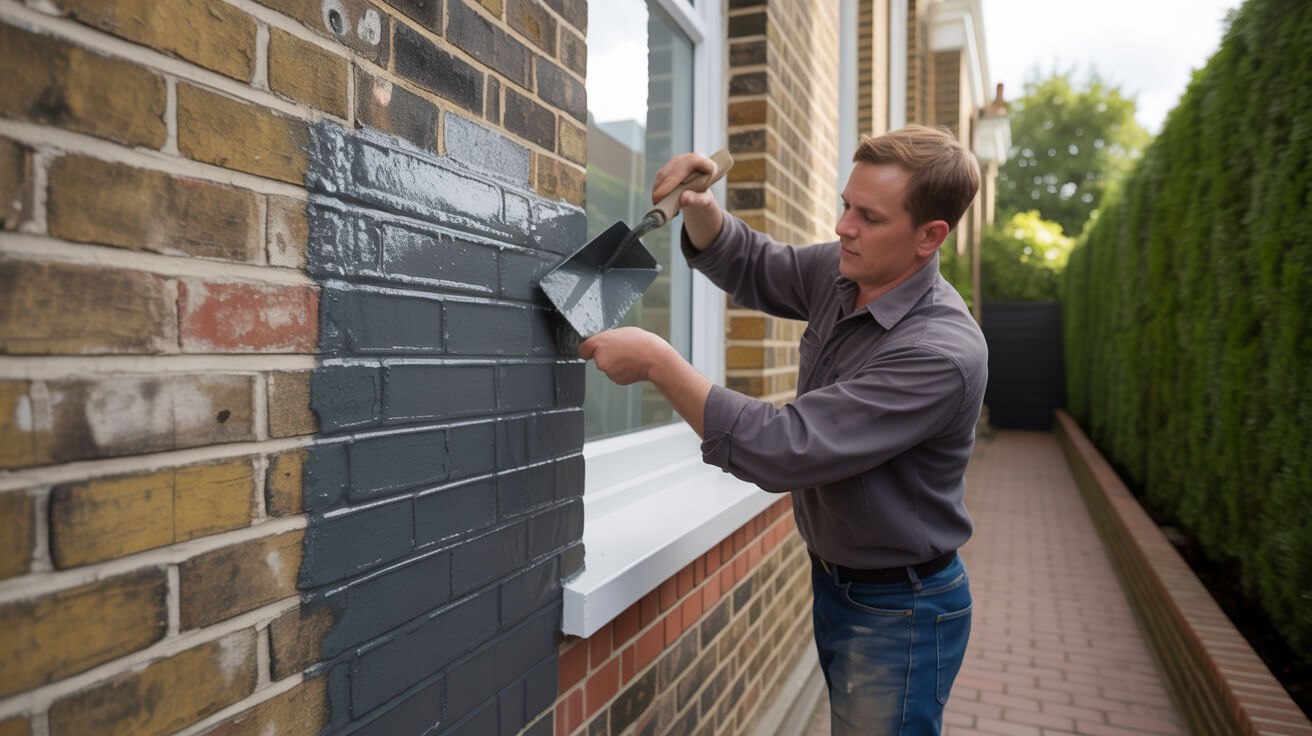
It’s rarely the leak but the lack of paperwork that does landlords in—miss autumn’s evidence window, and every winter crisis becomes a costly paper chase.
Council and Tenant Complaints: Enforcement Spikes in Cold Months
Section 11 of the Landlord & Tenant Act dominates winter council actions, but nearly all the fines and notices trace back to skipped or unlogged autumn checks (england.shelter.org.uk). Councils and tenants don’t look for “intent”—they look for proof. Fail to provide paperwork and you’ll face not just repair orders, but the bill for “works in default” and potential long-term restrictions.
Insurance and Lending: If You Can’t Prove It, You Don’t Get Paid
Insurance and mortgage claims keep getting tougher across Sussex—lenders and insurers now require photo logs, receipts, and compliance paperwork. Try to patch together a fake “evidence story” after a leak or a claim, and you will find yourself accused of fraud or bad faith. One misplaced or dated file can mean the loss of five or even six figures.
Heritage, Conservation and Planning: Non-Compliance Can Bring Instant Penalties
Properties in conservation areas operate under a microscope. Every alteration, well-meaning or not, must be evidenced and matched to its planning consent. Missing a compliance file or failing to store proof of the right plaster or roofer? You risk not just repair bills, but conservation penalties or even criminal charges.
Legal-Proof Autumn Checklist
- All repairs logged with contractor details, costs, and completion dates.
- Store every photo, invoice, guarantee, and certificate in one digital folder.
- Receipts and evidence for heritage or conservation work filed separately.
- Up-to-date compliance for BS6576, PAS2035, TrustMark, and key regulations.
- Annual external survey booked, with results archived—even a “clean bill” is evidence.
No one ever regretted having too much proof. The only mistake is waiting until trouble hits to wish you had more.
Which Damp and Mould Warning Signs Must Landlords Act On Immediately?

Damp wins only when it slips past unnoticed. If you’re not watching for what surveyors and councils look for, you’re leaving doors wide open for costs and legal headaches.
Indoor Red Flags and What to Do
- Paint blisters, flaking, or bubbling at skirting or ceiling: snap photos, test with a moisture metre, book a fix and keep the trail.
- Black mould in corners or on ceilings: document immediately, up ventilation, and log all remediation; never simply “wipe away” the surface.
- Salting or powdery deposits at wall bases: classic sign of rising damp; photo, screwdriver test, and escalate to specialist advice.
- Musty odours or rooms that stay damp: log with time and place, even if you see nothing—often, these are your only early warnings.
Ignored one small damp patch all autumn—come January I had council letters, angry tenants, and repair bills that didn’t stop.
Damp & Mould Warning Sign Table
| Symptom | Immediate Action | What a Surveyor Will Flag |
|---|---|---|
| Peeling paint/bubble | Log, test, repair | “Hidden defect, check further” |
| Mould in corners | Log, ventilate, monitor | “Ventilation or insulation gap” |
| White salts | Test for rising damp | “Was DPC compromised?” |
| Musty odour | Test, log, check source | “Potential ingress or leak” |
Don’t wait—treat every sign as urgent, not cosmetic. Logging the facts and acting now is the only sure way to prevent winter escalation.
How Can Landlords Empower Tenants as Allies in Autumn Damp Control?

Tenants can be your best sensors—if you enable them. Foster speedy communication and set the tone so tenants help you protect property, not just file complaints.
Give Tenants Simple Tools and a Clear Channel
- Share a pre-winter “Damp Alert” card listing key symptoms—add photos and explain what’s urgent versus what’s DIY-manageable.
- Make reporting simple: a photo by WhatsApp or email, text checklists, or even a phone call, as long as it creates a time-stamped, logged report.
- Define your escalation path: what gets a fast call-out, what’s a “watch and wait.”
- Explain that log entries protect both tenant health and their deposit—engagement is everyone’s insurance.
Silence from tenants often leads directly to costly complaints. Proactive reports help you fix small and prevent big.
Landlords who prepare their tenants see faster warning, lower repair costs, and a documented trail that smooths the road with agents, lenders, and councils.
When Do You Need Damp Surveyors and Certified Experts?
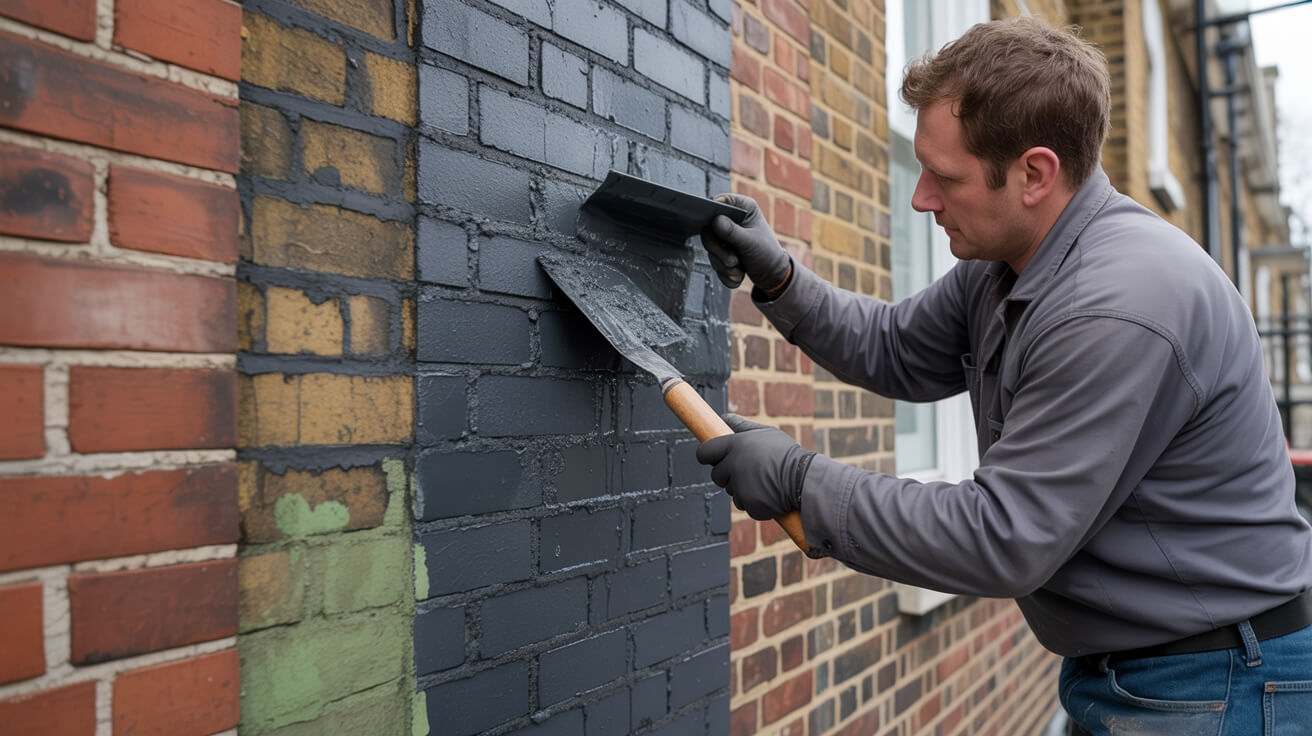
Sometimes DIY falls short—either your expertise or compliance must be backed up by a professional, or you risk failure when it comes to insurance, lending, or future disputes.
When to Bring Experts On Board
- Recurring or persistent damp/mould, especially if previous repairs failed.
- Heritage, listed, or protected buildings—special rules demand accredited pros. Documentation matters more than good intentions.
- Large or fast-spreading damage, especially near previous repair sites.
- Prep for major financial action: the moment you plan to sell, remortgage, or renew insurance, get a certified survey in hand.
| Trigger | What to Request | What It Secures |
|---|---|---|
| Persistent damp/mould | TrustMark/PCA survey | Supports value, insurance, claim |
| Heritage/period repair | PAS2035/BS6576 documentation | Satisfies lender, council |
| New rental/tenancy | Complete digital evidence pack | Shields deposit, blocks disputes |
A properly credentialed surveyor or specialist isn’t just backup—they’re your forward line. Every certificate or report is weighted gold when you need to defend value or win a case.
What Makes a “Bulletproof” Autumn Evidence Pack for Sussex Landlords?

Your autumn evidence file isn’t paperwork—it’s insurance, audit preparation, and reputation rolled into one. A truly “bulletproof” pack lets you face any challenge—tenant, lender, insurer, or council—and walk away whole.
Autumn Evidence Arsenal: What to Store and How
- Date-stamped digital photos—showing room, repair type, and sequence.
- Receipts, invoices, and certificates clearly scanned, organised by date and repair.
- All surveyor and professional inspection reports, especially those for compliance (BS6576, PAS2035, TrustMark).
- Written logs of every tenant communication, including WhatsApps, emails, and phone summaries, noting dates and outcomes.
- Evidence from drones, pole cameras, or endoscopes, especially when checking roofs or loft spaces.
- Any compliance guidance, especially heritage or Grade II property documents.
Most losses aren’t from failing to fix, but failing to prove you fixed.
Why Sussex Damp Experts Matters
Calling in Sussex Damp Experts isn’t just about fixing walls—it’s about building the strongest evidence trail possible. Their branded paperwork, certifications, and guarantees stand up in council or legal disputes, mortgage panels, and insurer audits. Capture every visit, certificate, and outcome—keep your legal “armoury” tight.
Take Action: Protect Your Properties With Sussex Damp Experts
This autumn, you control what the next twelve months look like: will it be smooth rent rolls, fast insurance claims, and happy tenants—or crisis, complaint, and court? Evidence beats panic, action beats apology, and Sussex Damp Experts deliver both.
Every year, landlords who skip the “evidence-first” autumn routine pay double—sometimes in cash, always in hassle, and often in sleepless nights. The gap between a ten-minute check now and a £10,000 disaster later is as wide as your motivation.
Book with Sussex Damp Experts now: PAS2035, BS6576, and TrustMark certified, they provide site visits, full documentation, and compliance packs built for Sussex realities. Your tailored Autumn Damp & Mould Checklist awaits—written in plain English, built for real homes, and proven to pay off.
Not sure where to start? Ask for a forensic damp consult—whether you’re facing awkward heritage regs, costly legal action, or just want no-nonsense proof for the files. Sussex Damp Experts translate the maze of law, building science, and hard evidence into actions you can trust.
Autumn won’t wait—and neither should you. Let Sussex Damp Experts keep your properties dry, healthy, and fully compliant all season long.
Frequently Asked Questions
Why does autumn create unique vulnerabilities for damp in Sussex properties, particularly for responsible landlords?
Autumn in Sussex is more than falling leaves—it’s a high-stakes turning point for moisture intrusion, exposing weaknesses in old brickwork, timber frames, and even modern conversions. As nights cool sharply and storms become routine, gutters overflow, condensation spikes inside, and hidden weak points are stressed just as tenants ramp up heating and ventilation habits shift. For landlords, this means unseen ingress can spiral into full-blown structural, legal, and reputational challenges by spring.
Miss the autumn window and you’re not just gambling with damp—you’re betting on future fines, lost tenants, or surprise repair bills.
What makes autumn distinct from other risk periods?
- Gutter choke-points: Decaying leaves and moss flood gutters at the same moment rainfall crests, sending water into walls and eaves, often bypassing intended drainage routes.
- Condensation surge: Sussex’s maritime climate means sharp temperature drops bring surface moisture and mould in little-used or under-ventilated rooms.
- Ground bridging: Heavy rainfall soaks gardens, raising soil past DPCs—especially problematic after summer landscaping or unmonitored driveway adjustments.
- Missed survey gaps: Landlords sometimes focus on tenants’ heating needs, forgetting that blocked ventilation or clogged drains from autumn debris can undo months of summer resilience.
Why act now instead of waiting for spring or visible symptoms?
- Small autumn problems often compound: a minor block or slow leak now becomes a major repair as winter settles in.
- Delayed action risks evidence gaps, weakening insurance claims and compliance records when regulatory bodies or insurers come calling after major rainfall events.
- Proactive autumn inspection establishes a timeline of diligence that’s critical if tenant or council complaints arise later, especially under HHSRS or Local Authority scrutiny.
Autumn’s silent threats demand a strategic response—waiting until “problems show” is the most expensive option on the table.
How do you construct a Sussex-ready autumn damp checklist that does more than just tick boxes?
A robust damp checklist isn’t about “routine maintenance”—it’s a defensive protocol, designed for the specific soil, weather, and property quirks of Sussex. Structured properly, it becomes both prevention and proof, defeating future disputes and supporting every compliance and lending need with clear, timestamped evidence.
What forms the backbone of a truly protective checklist?
- Gutter and downpipe audit: Photograph clearance before and after; snap blockages, repairs, or cracked joints.
- Roofing pass: Close-up images of flashing, ridge tiles, and valleys—catching moss or shifted tiles early.
- DPC documentation: Walk the full perimeter; capture geotagged images of DPC lines, any bridging landscaping, or suspicious stains.
- Vent maintenance: Service all fans and document vent airflow; record dates/tests for future landlord or tenant queries.
- Heating and moisture mapping: Trial run heating systems on mild autumn evenings, and log internal humidity readings for main living spaces and any “cold room” outliers.
- Render and pointing: Check and document cracks or degradation—autumn freeze-thaw cycles rapidly turn minor flaws into water ingress points.
How do you create an easy-to-access evidence pack?
- Digital folders by property, then by room or structural element, dated and labelled for quick recall during disputes or annual checks.
- File “before/after” photos, receipts, and service logs directly under the asset maintained (e.g., “West Gutter—2023-10-18—Cleared/Photo.pdf”).
| Checklist Step | Proof Sample | Stakeholders |
|---|---|---|
| Gutter cleaning | Dated images | Insurer, letting agent |
| Roof check | Close-up photos | Surveyor, buyer |
| DPC visible | Geotag screenshot | Lender, council |
| Vent/fan serviced | Service log, photo | Tenant, compliance officer |
| Heating/humidity tested | Metre screenshot | Property manager, landlord |
Why does evidence—rather than “good intentions”—matter most by winter’s end?
- Regulatory and insurance scrutiny amplifies after a wet winter, especially in areas flagged as higher risk.
- Claims unsupported by clear, date-stamped records are routinely delayed or rejected; surveyors often favour properties with complete autumn logs.
Taking the checklist approach from “box ticking” to “forensic defence” secures not only buildings, but also every transaction, inspection, and tenant relationship for the seasons ahead.
Which compliance, legal, and insurance standards specifically impact autumn damp work—and how do you stay ahead?
The rules have changed: insurers, buyers, councils, and tenants now expect not just repairs, but documented proof of standards, process, and compliance. Sussex’s property mix—period homes, listed buildings, sea-facing builds—demands even stricter attention. Modern compliance isn’t what you “say you did”—it’s what you show, going back autumn by autumn.
Which standards should inform your autumn protocols?
- BS 6576: National benchmark for diagnosing and treating rising damp; its processes underpin defensible repair strategies.
- PAS 2035: Now embedded in many council and grant claims, this sets out how retrofit and insulation changes can create or mitigate moisture risks.
- HHSRS (Housing Health and Safety Rating System): Core for council enforcement; used to assess housing hazard and prosecute or fine landlords post-inspection.
- TrustMark/PCA accreditation: Work bearing these stamps lands favourably with insurers and within mortgage surveyor reviews.
What legal frameworks govern autumn damp disputes?
- Landlord & Tenant Act 1985: Sets minimum repair standards—fines or mandatory works often flow from autumn neglect.
- Homes (Fitness for Human Habitation) Act 2018: Explicit on landlords’ duty to maintain a damp- and mould-free environment.
- Planning law in conservation/listed areas: Modifications, even urgent repairs, must respect heritage guidelines; non-compliant works risk both fines and costly remedial demands.
Where does documentation tip balance in claims and disputes?
- Missing a single documented check or failing to record autumn works is now one of the most common triggers for insurance denials and regulatory penalties in the South East.
- Lender and buyer queries over “maintenance gaps” have increased sharply—autumn logs are often the last word in survey or negotiation stalemates.
Treat compliance protocols as your frontline asset; integrate them into autumn maintenance, and your property stands head and shoulders above the rest—all year.
What categories of proof most reliably protect your interests during an autumn damp claim, dispute, or compliance check?
Not all documentation is equal. Winning a dispute, expediting an insurance payout, or overcoming a tenant complaint depends on the quality of your evidence—not just the existence of a logbook. Sussex cases increasingly hinge on digital, time-verified, professionally accredited proof—especially where property values, health, or rental security are on the line.
What constitutes “bulletproof” damp evidence?
- Dated, geotagged photos of every check, fix, and monitored result: both general overviews and close-ups of risk points.
- Third-party survey reports that reference (and apply) BS 6576, PAS 2035, and bear TrustMark/PCA seals.
- Official contractor logs for heating/ventilation, including receipts and action summaries—not just “DIY fixes.”
- Tenant communication chains (email, timestamped texts, service requests) demonstrating prompt attention to complaints or water ingress.
- Material/method notes specific to listed or period features (e.g., lime plaster used on heritage walls).
How much record is enough?
- Aim for two thorough “before” and “after” shots per asset; compile end-of-season PDFs with all supporting documentation for each property.
- Map rooms and risk zones for larger or heritage properties—solves confusion when surveyors or buyers review.
- Digital logs should allow for tagging (e.g., “2023 Autumn—North Wall—Vent repaired”), streamlining any future claim review.
| Proof Type | Why It Protects | Key Audiences |
|---|---|---|
| Geotagged images | Proves timing, location | Surveyor, insurer, council |
| Accredited survey | Meets compliance standards | Buyer, lender, authority |
| Contractor reports | Confirms correct fix | Letting agent, claims adjuster |
| Tenant comms | Proves prompt response | Tribunal, regulator |
| Heritage notes | Validates specialist care | Conservation body, insurer |
A well-organised evidence trail is your reputational insurance policy—outlasting any quick fix or verbal assurance when real scrutiny arrives.
How do you uncover and stop “silent” autumn damp paths that lead to spring disasters?
Reactive damp fixes are the enemy of stable portfolios. The worst autumn failures in Sussex result from addressing symptoms—mould bleach, blocked vent clears, or patch repaints—while rooting problems fester. Moisture doesn’t just “show up”; it travels quietly through joined-up materials, compromised substrates, and overlooked bridging from prior seasons’ work.
The hidden path of water in autumn is traced by surveyors in the spring—always more expensive to close after the fact.
What errors sabotage long-term damp control?
- Skipping substrate checks: Salt build-up, residual capillary action, and old mortar junctions escape detection without specialist analysis.
- Over-relying on tenants or caretakers: DIY moisture readings or spot-fixes don’t capture root causes in complex or period structures.
- Failing to check new landscaping: Raised beds or new gravel often bridge DPCs, making autumn the critical point for intervention.
- Surface-level diagnosis: Focussing on visible black mould or flaking paint, rather than full moisture tracking from entry to evaporation.
How do specialists root out silent moisture?
- Deploy tools beyond basic metres: Thermal cameras, salt and substrate tests, and full wall mapping spot unseen ingress or cold bridging.
- Map evidence to action: Every identified risk is logged, tagged, and tracked—allowing rapid follow-up and clear audit trails for compliance or insurance.
- Use professional network: Historic sites, flat conversions, or multi-unit blocks all require coordination—surveyors with PCA/TrustMark credentials can bridge gaps left by general repairs or caretaker routines.
When does calling a pro make the difference?
- Unexplained recurring damp after past “remedies.”
- Changes to landscaping, DPC visibility, roof structures, or indoor layouts since last autumn.
- Heritage, listed, or high-value sites where future disputes invite heavy scrutiny.
Bringing in a damp expert isn’t just about fixing a problem—it’s arming yourself against every invisible threat autumn can throw at your property.
What specific regional strengths does Sussex Damp Experts bring to autumn damp protection, and how does this elevate your property advantage?
Sussex Damp Experts combine local building knowledge, standards fluency, and evidence-driven discipline—delivering a decisive edge as regulatory pressures rise. While others settle for “adequate,” this approach transforms autumn’s headaches into strategic strengths for landlords, managers, and owners of heritage stock alike.
How does Sussex Damp Experts sharpen your seasonal defences?
- Forensic inspections: Surveyors apply regional insights—mapping vulnerabilities unique to Sussex’s clay soils, salt air, and historic construction, not just ticking boxes.
- Custom compliance packs: Every asset—DPC, vent, flashings—is logged with evidence strong enough for council or buyer scrutiny.
- Heritage-smart methods: Interventions respect period detail, using breathable plasters and lime mortars where modern work would fail regulatory review.
- Ongoing stewardship: Support continues beyond first visit, with annual checks, aftercare advice, and advance alerts as building or weather changes unfold.
Why do councils, buyers, and insurers prefer evidence from Sussex Damp Experts?
- Every report and repair carries TrustMark/PCA seals and direct references to BS 6576 or PAS 2035, smoothing all claims, sales, or compliance queries.
- Digital logs are lender-, regulator-, and surveyor-friendly: speed up transactions, reduce dispute friction, and cement leadership-by-example for your portfolio.
How can you capitalise on this expertise, not just respond to threats?
- Schedule a seasonal check or compliance review to set the portfolio standard—winning not just peace of mind but real market advantage over less-prepared peers.
- Convert inspection results and aftercare logs into assets for refinancing, sales, or local authority engagement—all while securing tenant goodwill.
Sussex Damp Experts doesn’t just protect your property—it turns autumn’s seasonal battle into your competitive edge, building a resilient, council-proof reputation for years to come.

