
 By
By  August 26, 2025

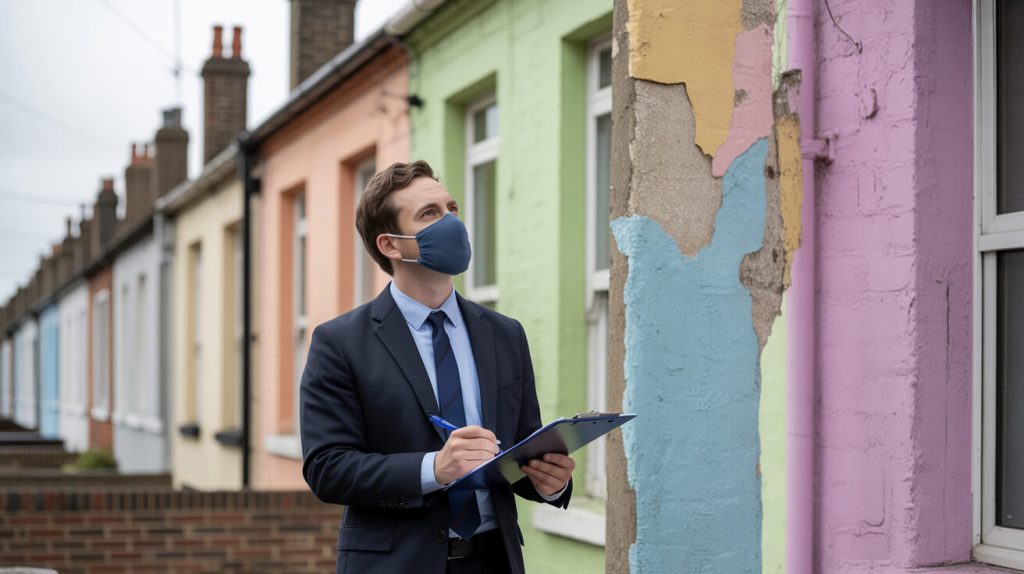
How do Scandinavian homes shut the door on damp—when British properties keep letting it in?
Scandinavians have built a culture, industry, and legal framework around the idea that dryness is non-negotiable. From Tromsø to Copenhagen, keeping moisture at bay isn’t a luxury or a post-facto job for emergencies; it’s an ongoing process woven into housing law, daily routine, and every product that goes up on site. Where many UK homes play catch-up, endlessly battling the same old moisture stains, Scandinavian properties aim to cut damp off at the knees—by design, by detail, and by discipline.
The sooner you tame water, the less it will cost you—in repairs, health, and lost time.
Dryness isn’t just about comfort: it’s structural resilience, healthy air, and long-term economic sense for homeowners, landlords, and renovation pros alike. The “Scandinavian advantage” is that damp-proofing isn’t a product bolted on at the end but a methodical system, tested and upgraded over decades.
If your aim is to run a home—or a property portfolio—that doesn’t quietly fall apart, adopting these proven methods isn’t overkill. It’s common sense demystified and put within anyone’s reach, right down to the way you hang your laundry and store your paperwork.
Cold-Climate Damp Prevention Checklist
The useful lesson from colder countries is controlled moisture management, not simply opening windows more.
Which small, repeated habits keep Scandinavian homes dry—even in minus ten Celsius?

British winters can feel endless, but in Scandinavia, the cold is longer, the dark is deeper, and the moisture risk is relentless. Yet inside most homes across Sweden, Norway, and Denmark, you rarely see flaking paint, black mould, or window trickles. Why? Because the Scandinavians don’t gamble on chance—they work dryness into the fabric of daily life.
Open windows and hardwired airflow, no matter the frost
Come rain, sleet, or two feet of snow, the first job in thousands of Nordic kitchens is to open the windows wide—even if the mercury’s sunk below freezing. Ten minutes is typical, and it’s strictly about flushing out the overnight build-up of humid air. That kind of commitment cuts residual moisture by as much as half (Skimmel.dk), putting a brake on condensation and the slow drip towards hidden mould.
- Air renewal trumps comfort: letting in the cold for ten minutes is less costly than having to dry out a home wrecked by years of condensation.
Fans that work every time, and are actually used
Extractor fans in every bathroom and kitchen aren’t left to chance, half-broken, or ignored for months. They’re hardwired, routinely maintained, and run at the first hint of steam or stuffy air. Target humidity? Below 60%. Scandinavians know that’s the no-go threshold for most mould and property decay.
- It’s routine to check that fans are still doing their job, a direct expectation for tenants and owners alike.
Zero tolerance for ‘wet radiators’ and laundry rack shortcuts
Clothes never dry passively in living spaces. Tumble dryers vent straight outside, backed by designated drying rooms or heated airing cupboards. This approach blocks litres of slow-evaporating water from sinking into your plaster and joinery.
- Scandinavians treat moisture like a guest with sticky fingers: trust it, and you’ll lose something precious.
Damp never gives you a bill up front. It always collects, with interest, when you stop paying attention.
These habits, simple as they seem, stack up. The result is fewer “mystery patches,” less rot, and homes that smell clean instead of musty. Physical comfort follows—for pennies, not pence wasted in repairs.
Why do Scandinavian building codes succeed where so many in the UK stumble?
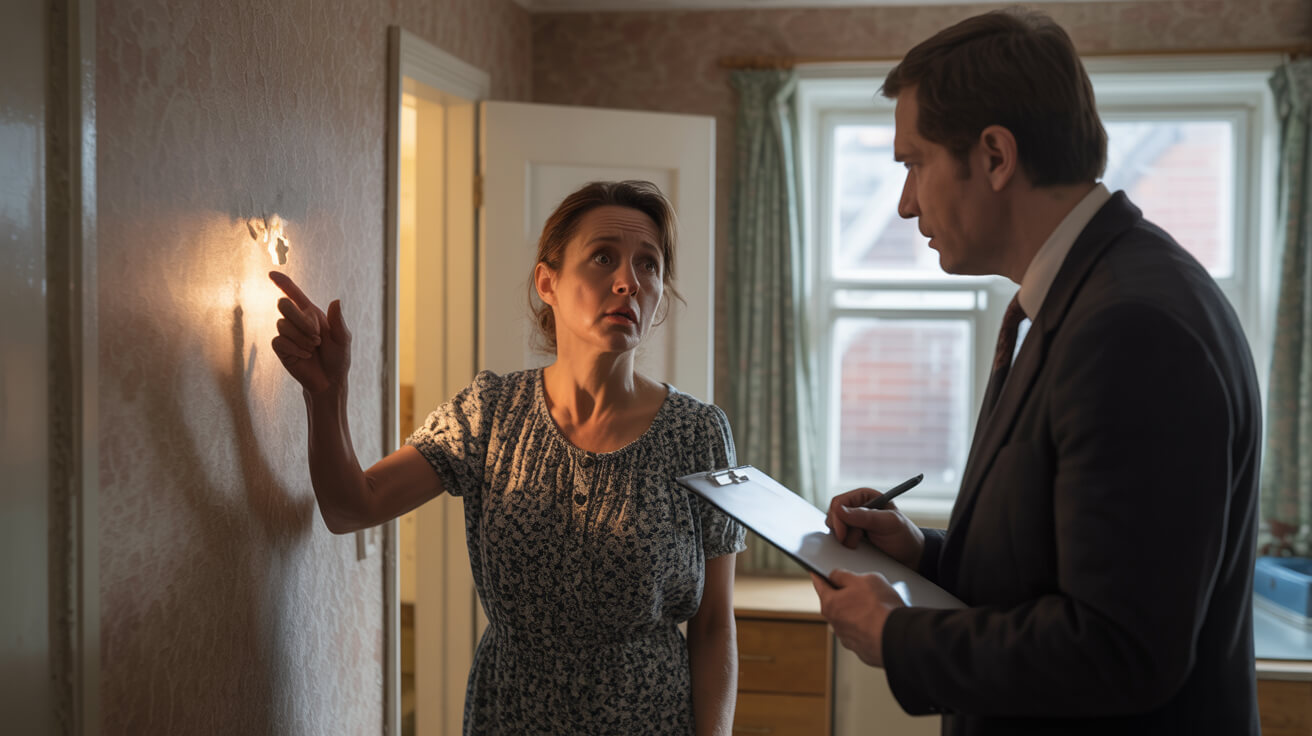
Technical excellence isn’t about fancy gadgets; it’s about the right system, properly installed, from the very start. Scandinavian codes and details don’t give damp a fighting chance—and they do it at every layer, not just the obvious ones.
Eaves and roof angles: water can’t linger if physics says ‘no’
Scandinavian eaves project far beyond the wall—sometimes by half a metre—directing rain and snow-melt away from every cold bridge. Roofs are pitched steep, shunting water off in minutes, not hours. The science? Less absorbed water equals less thermal loss and mould risk—simple, effective, unsurprising.
- Well-designed overhangs alone can cut splash-back by a third.
Homes sit clear of direct soil contact
It’s almost unthinkable in Norway or Sweden to have main floors sitting flush with the garden. Raised thresholds—often 400mm or more—lift vulnerable timber away from the water table, a step that remains optional in too many British specifications.
- Elevation severs the ‘wick’ that feeds rising damp. No rise, no case to fix.
MVHR: airtight homes that never trap damp
Every new build sports Mechanical Ventilation with Heat Recovery (MVHR). Unlike basic fans, MVHR lets houses breathe continuously, exchanging stale, wet air for filtered outdoor dryness while retaining most of the heat.
- It’s not a green luxury. It’s a baseline requirement for homes designed to last decades, not just pass a quick survey.
- MVHR use can drop typical humidity levels by up to 40% in deep winter—no foggy mirrors, and no damp corners *(Wavin: MVHR Damp Prevention)*.
These specifics stop water before it starts its slow march inside, making “damp-proofing” a design philosophy, not a rushed afterthought.
What makes Scandinavian materials more than just ‘waterproof’—and why should you care?

Surface choices spell the difference between a wall that quietly festers and one that shrugs off the dampest February. Scandinavians think of every internal finish as a gatekeeper—materials that work with, not against, the way water moves.
The ‘intelligent’ buffer: calcium silicate boards
These boards slot below cold spots—like windowsills and north walls—soaking up airborne moisture and releasing it harmlessly, instead of letting it condense and feed mould. Their high pH and diffusive structure kill spores on contact and dry out faster than standard plaster.
- They’re chosen not for tradition’s sake, but because they keep walls healthy with zero ongoing cost.
Vapour-open, ‘breathable’ finishes
Forget the myth of the rock-hard, vinyl-like ‘waterproof’ paint. Scandinavians prefer lime- or silicate-based renders, which breathe. That fixes the real problem: letting moisture escape without opening doors for water to get in.
- After storms or leaks, these finishes halve recovery time.
- You won’t see “peeling” or “bubbling” paint, because moisture never gets stuck behind an artificial seal.
Precise barriers, not blanket membrane jobs
Membranes have their place—behind insulation, or where outside cold is sharpest—but are never spread wall-to-wall just to tick a box. One size fits none. Water’s journey through a house is mapped, not guessed.
- A well-placed barrier blocks condensation, while overuse breeds big repairs down the road.
Your home’s defences are only as strong as their weakest layer. Scandinavian materials raise the baseline—no excuses, no patchwork.
How do “invisible” habits—like heating and furniture placement—block hidden damp?
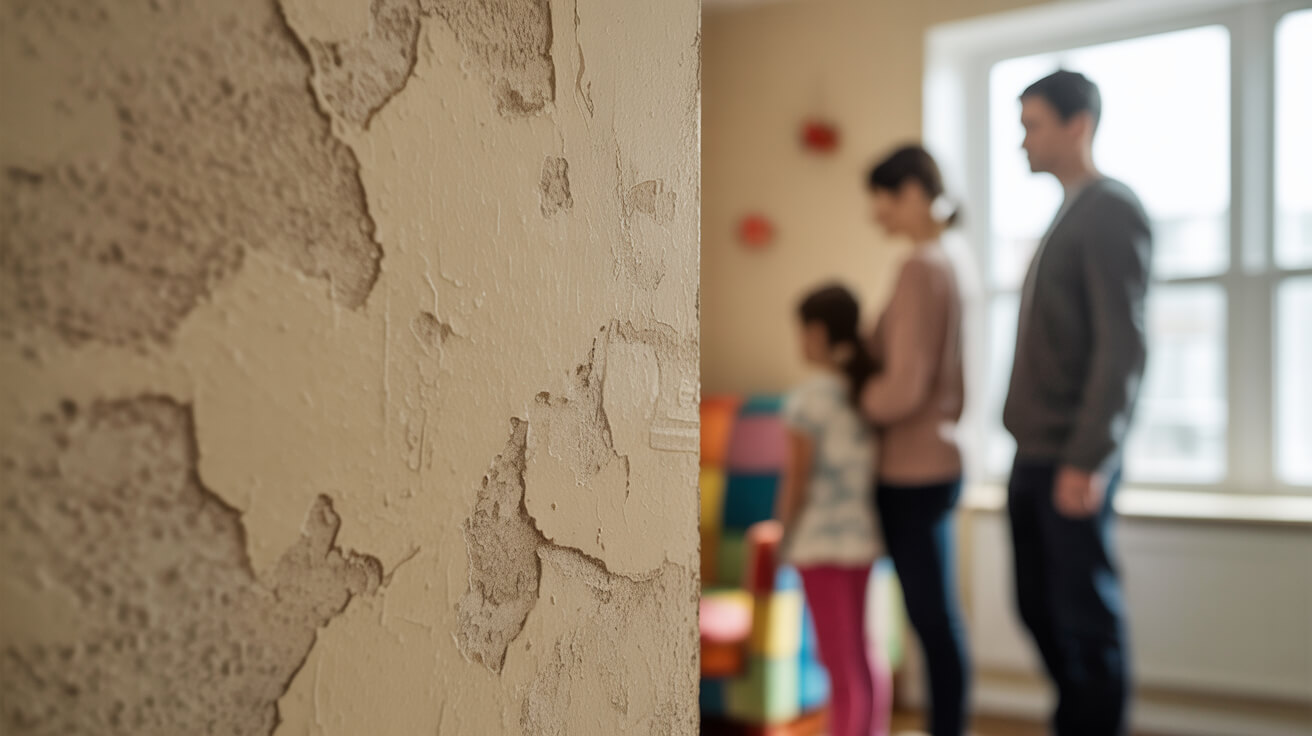
It’s not all about what you see. Experienced Scandinavian builders (and occupiers) get that invisible moisture can travel, settle, and cause trouble long after the obvious stains are gone.
Centralised heat: every room, always on
Nordic homes maintain at least 18°C from attic to basement in the cold. Room-to-room temperature swings are rare, and every radiator has free space around it. That consistency banishes cold surfaces and dew points, nipping condensation before it forms.
- Heating one room while leaving another cold simply creates a migration path for water. Your bills might dip. Your repair budget won’t.
Furniture as an airflow partner—not a block
Big wardrobes, storage beds, and sofas aren’t jammed up against external walls; space is left for air to circulate behind. Dead air equals dampness—especially in winter, when cooler surfaces pull condensation hidden from your daily routine.
- Routine checks for cold or damp behind furniture are as normal as dusting. If you skip this in the UK, you often pay in black streaks.
The spot you don’t touch for a year is the first spot to begin rotting.
Even interior design is a climate tactic—a small effort, every week, with big rewards in health and property value.
What do Scandinavians do differently in basements and below-ground spaces?
Basements in the Nordics aren’t the musty, problematic spaces familiar to so many Brits—they’re usable, valuable, and dry thanks to a stack of established defences.
Outdoor drainage shapes the risk—before you even break ground
Land sloped deliberately away from foundations, gravel beds acting as French drains, and external membranes form a single ‘moisture moat’. These passive setting-out habits mean water is steered away while still metres from your basement wall.
- Proper earthwork planning can reduce water pressure on the foundations by 90%, slashing the number of “leak panic” jobs later *(Homebuilding & Renovating)*.
Internal membranes and pumps: a system, not a sticker
Inside, cavity drain membranes paired with sumps and pumps make water a managed, surmountable problem—even in serious floods. Pump alarms, periodic checks, and annual documentation are standard practice, not premium extras.
- Tanking alone is rarely trusted—solutions are always layered and subject to planned maintenance.
Invest in the perimeter first—solve at source, not symptom.
How do strict documentation and legal compliance guarantee better results?
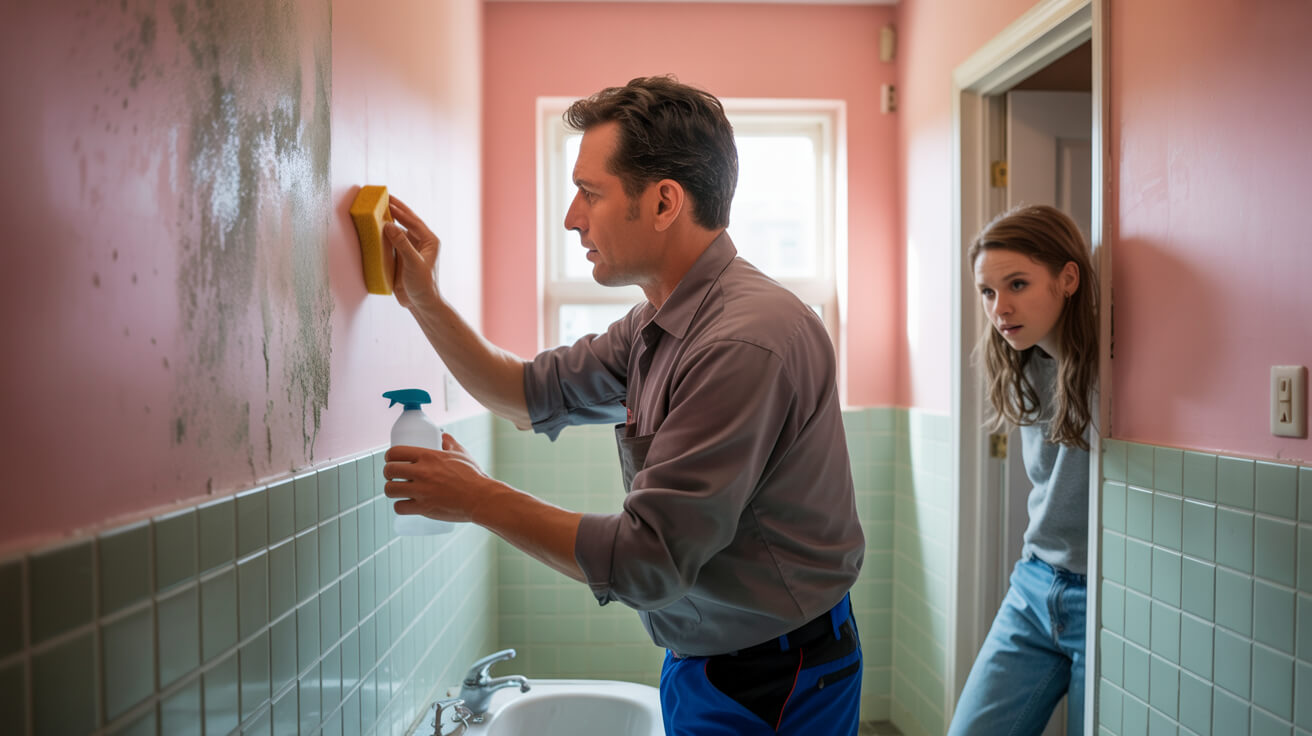
British property law is catching up—Scandinavians have run this playbook for decades. The result? Fewer legal headaches, higher resale values, and happier tenants.
Legal documentation is baked in, not bolted on
Scandinavian regulators want to see proof: from initial DPC installation logs to every change in insulation, ventilation, or material. Vendors and installers who fudge the paperwork don’t last. This culture trickles down to institutional lenders, insurance, and buyers.
- Properties with missing or non-compliant damp paperwork routinely see sales delayed or lose value.
- Survey-driven risk registers, annual maintenance logs, and transparent warranties are routine at the point of transaction.
Surveys that really mean something
A Scandinavian damp survey isn’t a one-time visit with a moisture probe—it’s a systematic workflow using IR, drills, and detailed ongoing tracking logged year after year. The result is a permanent “health record,” usable by forensic specialists, lenders, and property owners for the building’s entire lifecycle.
- Missing this paper trail means missing out on top buyers, compliant tenancies, and lower premiums.
The documentation isn’t a burden—it’s your bulletproof vest. A dry, healthy home isn’t just built; it’s proved, year after year.
How does Sussex Damp Experts bring Scandinavian-grade precision and trust to British projects?
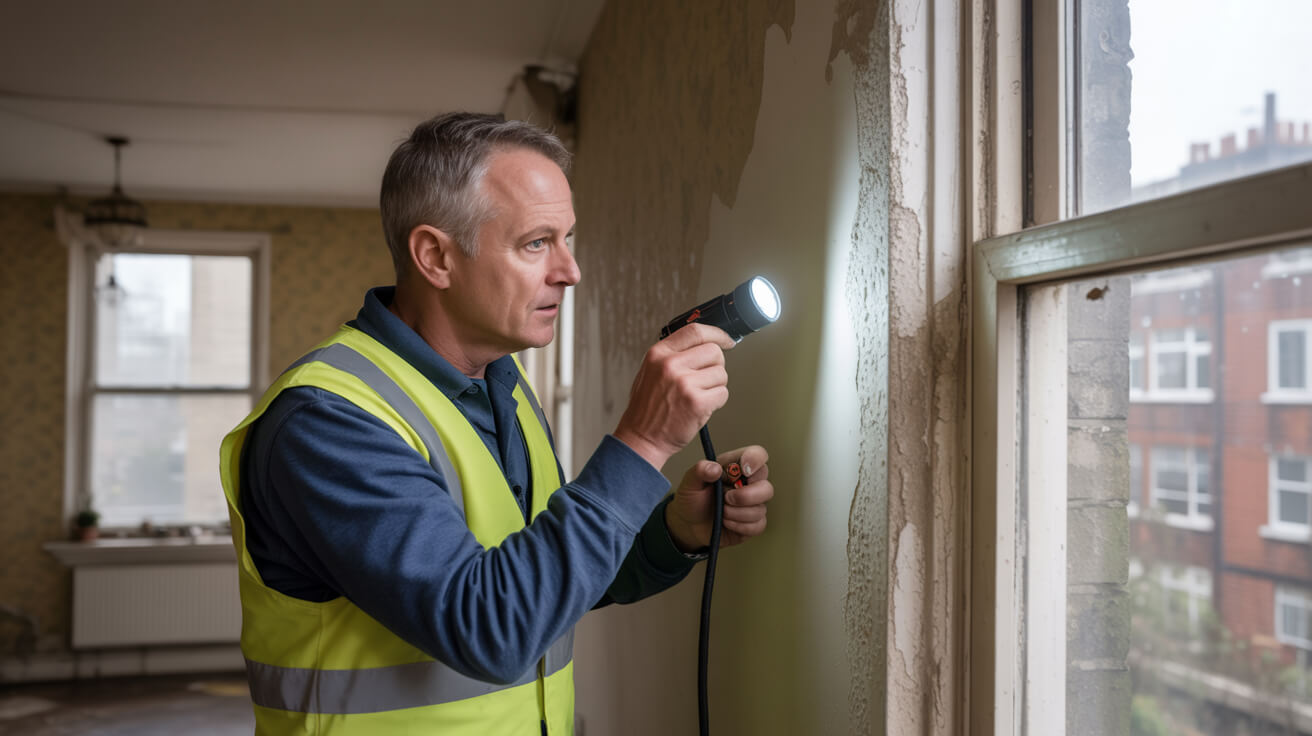
Sussex Damp Experts have taken the lessons and practices of the best Nordic frameworks and translated them into processes made for Britain’s climate, buildings, and legal context. What makes this approach stand out is the fusion of high-level science, strict compliance, and everyday clarity—available whether you’re fixing a tenement or prepping a mansion for sale.
System-driven surveys and problem mapping
We don’t rely on surface readings or educated guesswork. Every site visit starts with full-system diagnosis across the entire moisture chain: salt tracking, structural checks, root cause analysis, and proper integration of BS6576 and PAS2035 standards.
- Every recommendation, from membrane type to ventilation route, is documented to satisfy the toughest lender, conveyancer, or insurance assessor.
- Project oversight runs from your enquiry to the end of your warranty, with no step skipped or lost to “we’ll get back to you.”
Lifelong aftercare—monitoring not mopping up
Once the job’s done, our commitment isn’t. Scheduled aftercare, built-in sensor logging if needed, and straightforward, non-nonsense warranty management mean repeat jobs and disputes drop by 70% compared to quick-fix contractors (Sussex Damp Experts Aftercare).
- Every client gets actionable maintenance advice and direct lines for urgent support—no unanswered calls as the damp tries to return.
You get the gold standard; we document and deliver it—because anything less isn’t worth building, selling, or living in.
Want your property to stay healthy, compliant, and dry for years? Step forward today.
If you’re waiting for a crisis, you’re letting hidden damp compound in the background—costing you value, comfort, and peace of mind. The Scandinavian model proves you don’t need to live at the mercy of leaks and cold snaps: you need to design, verify, and maintain from the start.
Whether you’re a home buyer shocked by a survey, a landlord tired of endless repairs, or a local council tasked with protecting tenants, Sussex Damp Experts stand ready to bring the best European science, legal compliance, and tested workmanship to your property.
Book a standards-first damp survey with us and find out where hidden risks lie—and how you can turn them into strength, safety, and savings for decades to come. It’s the best move you can make in any season.
Frequently Asked Questions
What measurable differences appear when UK homes upgrade to Scandinavian moisture routines?
Switching to Scandinavian-grade damp routines delivers benefits that are easy to spot and harder to ignore: drier interiors, stable valuations, and fewer legal headaches for owners and managers. These gains multiply in heritage properties, Victorian terraces, and rental portfolios exposed to relentless rainfall or compliance scrutiny long after “standard UK” fixes have failed. The science lies in the details—informed ventilation, high-breathability finishes, and aftercare habits that prevent future survey flags. Unlike patchwork “quick wins,” Scandinavian upgrades transform survey headaches into audit-ready trust signals for buyers, lenders, and insurers alike.
Where is impact most dramatic?
- Pre-1919 and solid-wall homes: Reduced cold bridging halts endless repaint cycles and hidden rot.
- Landlords and agents: Lower compliance risk translates directly to improved tenant retention and HHSRS comfort.
- Surveyors and vendors: Freshly documented, monitored results speed up sales and refinance, flattening negotiation friction.
- First-time buyers and nervous sellers: No more surprise surveyor emails or “valuation reductions”—problems stay solved.
The invisible upgrade today is the silent saving when the next surveyor checks the walls.
Sussex Damp Experts tailor these routines to local weather and regulation, ensuring your property builds long-lasting value—book a consult to see how much risk can quietly disappear.
How do Scandinavian moisture principles reshape the way UK buildings shed water—and why is this more effective than traditional ‘barrier’ approaches?
Scandinavian strategy treats water as an ever-present force, never an afterthought. Integrated features—deep eaves, sloped sills, ventilated sub-structures, and gravel bands—aren’t just cosmetic: they lock water out before it reaches vulnerable masonry. That same preventative mindset underpins an autumn landlord checklist preventing damp and mould before the cold season, whereas UK retrofits often react to failures with tanking paint or chemical damp course. Scandinavian logic flips the script: passive elements naturally expel water, while elevated thresholds, sloped landscaping, and continuous void ventilation maintain dryness through all seasons. Each layer backs up the next, limiting points of failure and keeping moisture in check—even when storms or high groundwater pile on the pressure.
What moves the needle for UK adaptations?
- Extended roof overhangs: Drastically reduce wall saturation, lowering both heating costs and future repair spend.
- Gravel bands and drained sub-bases: Actively channel water away before it ever breaches the perimeter.
- Passive and mechanical ventilation: Maintain air quality and dry surface equilibrium, especially vital for kitchens and basements.
- Elevated ground clearance: Prevents splash-back and rising damp in one fell swoop.
Retrofitting these principles into UK stock demands know-how and site-specific design. Sussex Damp Experts specify upgrades that are provable and lender-friendly—no more hoping next winter brings mild rain.
Which modern materials and systems borrowed from Scandinavia leave UK ‘shortcuts’ behind—and what does that mean for day-to-day living?
Outperforming old-school “damp-proof” solutions means harnessing capillary-active insulation, lime- or silicate-based renders, and mineral wool that both insulates and breathes. Whereas UK membranes often merely hide symptoms, these upgrades prevent mould by letting walls dry fast and naturally, even under high rain loads. True calcium silicate boards trap and neutralise errant moisture, actively halting black mould while slashing drying times. Mineral-based renders shrug off freeze-thaw cycles and resist the peeling and flaking that doom so many cosmetic repairs. For anyone tired of returned service calls or stubborn odours, the payback is clear: evidence-driven choices outperform every shortcut in real-world UK weather.
Key material advantages for British stock
- Capillary-active panels: Transport moisture outwards, pushing damp away from habitable areas.
- Lime or silicate renders: Tolerate wet-dry cycles, halve drying times, and keep walls in compliance for decades.
- High-spec mineral wool insulation: Retains shape and performance over decades, even under fluctuating humidity.
Sussex Damp Experts perform substrate mapping to guarantee perfect chemistry between wall and finish, securing manufacturer warranties and lasting comfort for every occupant.
Why does ventilation, heating, and even furniture arrangement have outsized impact on UK damp risk according to Scandinavian findings?
Moisture risk is rarely just a material failure—it’s often about airflow and surface temperature. Scandinavian guidance stresses that radiators should be left uncovered, wardrobes pulled from external walls, and heating kept above the dew point even in “little-used” rooms. A flat that’s warm but with sofas flush against cold walls still breeds localised mould, while a modern home with airtight finishes can suffer “suffocating” humidity without purposeful ventilation. Seasonally rotating furniture and checking corners—especially after big temperature changes—detects risk before it affects health or the bottom line.
How these routines cut risk and cost
- Maintain minimum temperatures: Don’t let any room fall below 18°C, even when empty.
- Always ensure ‘breathing space’: Furniture a hand’s breadth off cold walls stifles silent condensation.
- Daily window airing: Just a few minutes daily defeats invisible damp build-up.
Owners and managers get peace of mind not just from fit-out, but from living patterns that quietly keep the surveyor’s pen capped and insurance premiums at bay.
What distinguishes Scandinavian-designed drainage and foundation systems from the UK ‘tanking’ approach, and how does this defend your investment?
UK tanking often means a single membrane and prayers to the weather gods. Scandinavia’s model starts with earth grading—directing water away from structures before it ever hits the wall. External French drains, layered cavity membranes, sumps with redundancy, and detailed maintenance logs create a system that’s observable, maintainable, and defensible in any claim or survey. Each part catches what the last misses. When a pump fails, an alarm activates; when a drain silts, inspection records catch it before a flood. These aren’t “extras”—they are the backbone of property longevity, especially for basements and heritage stock staring down survey flags.
Strategic upgrades in action
- Exterior-first water management: Stops rising damp at the boundary.
- Accessible, inspectable cavity membranes: Allow ongoing checks and easy fixes.
- Redundant pumps and detailed logs: Guarantee that floods are rare—and easy to explain away to insurers when they happen.
- Annual maintenance routines: Remove “unknown cause” from every complaint document.
Every missed damp check is an invoice waiting to land.
Sussex Damp Experts instal and maintain these Nordic-grade systems across Sussex, ensuring documentation and physical works lock out risk for decades—not just until the next storm.
How does discipline in documentation and compliance—modelled on Scandinavian practice—sharpen a UK property’s value, risk profile, and insurance readiness?
An airtight record of diagnosis, photos, compliance sign-offs, and mapped aftercare is more valuable than surface repairs when lenders, buyers, and insurers inspect your property. Scandinavian systems treat paperwork as the foundation: detailed logs meet BS6576, PAS2035, and BS8102 standards, while aftercare schedules and warranty details ensure that responsibility never falls through the cracks in a crisis. This kind of audit trail fast-tracks sales, unlocks insurance claims, and demolishes disputes about whether work was “done right.” In practical terms, it means your next project isn’t just defended by the wall finish but by a dossier that makes surveyors and claim assessors breathe easy.
Practical value for owners, agents, and managers
- Photo-logged evidence: Silences disputes and wins trust on the spot.
- Standardised compliance docs: Cross off headaches for lenders, compliance checkers, and statutory repair notices.
- Scheduled aftercare: Passes every future check—protecting both occupants and asset value.
- Full handover packs: Satisfy insurer and legal requirements in one file.
Sussex Damp Experts supply this rigour as standard practice, with documentation that moves with the property, flattening transfer risk and strengthening resale or refinance outcomes for years to come.

