
 By
By  June 4, 2025


What Is Woodworm? Understanding Timber Infestation and Why It Matters
Woodworm refers to the destructive larvae of several species of wood-boring beetles that, if left unchecked, undermine the safety and value of buildings across the UK. While the term conjures images of rural timber, these pests target homes and commercial properties of every vintage, thriving wherever moisture, untreated wood, or poor ventilation provides opportunity. Most infestations operate beneath the surface, unnoticed until compromised beams, skirting boards, or floors force the issue—turning subtle neglect into expensive urgency.
Lifecycle Dynamics and Hidden Risks
Adult beetles such as the Common Furniture Beetle, Death Watch Beetle, and others deposit eggs in exposed or cracked timber. After hatching, larvae bore deep galleries for years, consuming cellulose and weakening structures from within. Because their exit holes measure only a few millimetres, many owners mistake the signs for harmless ageing, missing the underlying escalation.
Key facts:
| Beetle Species | Exit Hole Size | Preferred Timber | Risk Factor |
|---|---|---|---|
| Common Furniture Beetle | 1-2mm | Softwood, general joinery | Widespread in UK homes |
| Death Watch Beetle | 2-3.5mm | Old hardwood, damp oak | Historic/heritage property |
| Powder Post Beetle | 1.5mm | Young hardwood (oak, ash) | New joinery, floors |
Every forgotten crevice is an invitation for hidden decay.
Compliance, Value, and Stakeholder Reputation
Your property—be it a period asset, rented flat, or contemporary build—exists within a regulatory minefield. Mortgage lenders, insurers, and local authorities increasingly demand proof of a professional woodworm survey and effective, compliant repair, making documented findings central to Damp Survey Certainty – Why Only Accredited Reports Protect Value and Compliance. For property managers and responsible owners, missing the warning signals puts not only your investment at risk but also your compliance standing, portfolio reputation, and long-term asset value.
Ensure your property’s future by prioritising certified woodworm inspection before silent damage becomes impossible to ignore. Sussex Damp Experts integrate technical rigour, surveyor-grade documentation, and familiarity with UK compliance into every diagnosis.
How to Detect Woodworm: Professional Signs, Tools, and Monitoring Protocols

Successful woodworm detection depends on more than a casual glance at timber. Early recognition, paired with systematic evaluation, stops minor damage from cascading into major repair. The signs are concrete—if you know where and how to look.
Indicators and Monitoring for Active Infestation
Visible cues:
- *Fresh exit holes*: Uniform and round, often with sharp edges and clean interiors (active) versus plugged or dirt-filled (inactive).
- *Powdery frass*: Accumulates near holes, inside drawers, or beneath joists. Colour and texture offer clues to species.
- *Soft, crumbling timber*: Easily gouged with a screwdriver, even if the surface appears intact.
- *Seasonal context*: Emergence peaks April–September.
Professional process includes:
- *Systematic mapping*: Attics, subfloors, skirting, and behind panelling.
- *Moisture detection*: Hygrometer and spot checks focus particularly where ventilation fails or previous leaks occurred.
- *Borescope and thermal camera scans*: Allow non-destructive inspection of concealed or high-value timbers.
A single missed sign now means a whole property at risk next season.
Why Professional Detection Matters
DIY misdiagnosis can lead to wasted effort, incomplete treatment, or regulatory non-compliance. A certified survey from Sussex Damp Experts ensures reliable detection and documentation, meeting criteria for insurance, mortgage, and council demands. Timely detection protects both your investment and your reputation as a responsible owner or manager.
Why Timber Structural Integrity Is at Stake: The True Costs of Delay and Mismanagement

Delaying action against woodworm always raises the stakes. Unaddressed infestations don’t pause or repair themselves—they multiply, undermining your property’s stability, compliance status, and market value.
From Unseen Larvae to Structural Crisis
- *Unchecked larvae*: Burrow along grain, consuming the interior structure and reducing load-bearing capacity.
- *Surface cosmetic repairs*: Can mask the invisible rot within, leading to catastrophic discovery only during major works, survey, or tenancy turnover.
- *Missed insurance or mortgage windows*: Proof of successful, certified treatment often becomes a requirement for both policies and transactions.
| Scenario | Cost if Detected Early | Cost if Detected Late |
|---|---|---|
| Isolated joist infestation | £300–£700 (targeted) | £4,000+ (multi-joist) |
| Floorboard damage | £200–£500 | £2,000+ (replacement) |
| Regulatory/ compliance fine | Nil | £10,000+ |
Asset stability is measured not in years held, but in years properly maintained.
Heritage and Portfolio Properties: Exponential Risk
For listed and managed properties, consequences extend beyond expense—failure to act can result in loss of legal standing, forced asset sales, or damage to a reputation years in the making. Preventive inspection and rapid, professional treatment sharply reduce long-term exposure.
Safeguard your project’s reputation and long-term value: integrate woodworm screening and swift response into your maintenance calendar.
What Treatment Options Exist: Comparing DIY, Professional, and Heritage-Safe Solutions

Every treatment route—DIY, professional, or heritage protocol—carries distinct risks and rewards. The difference isn’t just eradication, but legal standing, longevity, and ongoing stability.
DIY Treatments vs. Professional Intervention
- *DIY methods*: Superficial sprays and dusts lack depth and regulatory verification; risk recurrence, and ultimately costlier repairs.
- *Professional methods*: Sussex Damp Experts use micro-emulsion, deep-penetrating gels, and controlled heat treatments, calibrated to your asset, timber species, and infestation severity.
| Treatment Type | Depth | Regulatory Warranty | Typical Use |
|---|---|---|---|
| DIY spray | Surface only | None | Minor, isolated furniture |
| Pro gel/spray | Penetrates core | Yes (PCA-backed) | Beams, floors, joinery |
| Heat treatment | Full eradication | Yes (insured) | Heritage or listed assets |
Professional treatment isn’t just insurance—it’s the only route to repeat-free results.
Heritage, Listed, or Commercial Asset Requirements
Legacy or high-profile assets require:
- *Breathable, reversible solutions* to avoid breaching heritage law or conservation protocols
- *PAS2035/BS8102 compliance* for risk-managed execution and documentation
- *Integrated aftercare*, ensuring that future inspections certify not only the absence of woodworm, but that all treatment was property-specific, preservative, and legally valid
All Sussex Damp Experts solutions are insurance-compliant, tenant-safe, and supported by aftercare aligned to the current UK legal landscape.
How Does Professional Surveying and Documentation Safeguard Value and Compliance

For property custodians—whether private, institutional, or public—professional woodworm surveying is not simply a ‘nice-to-have.’ It’s a non-negotiable shield against legal, financial, and regulatory fallout.
The DNA of a Compliant Woodworm Survey
Professional reporting includes:
- *Full species and risk mapping*: Terminology and micro-imaging for mortgage, insurer, and local authority record.
- *Moisture and environmental analytics*: Embedded to detect hidden causes behind the infestation.
- *Action plan and guarantee*: Step-by-step remedial guide, documented for all future audits.
- *Warranty and aftercare schedule*: Ensures repairs aren’t ‘one-and-done’—they’re traceable, upgradable, transferable.
Documentation is the difference between secured value and extended jeopardy.
Transactional and Compliance Value
Insurers, lenders, and councils require proof—receipts alone no longer suffice. Sussex Damp Experts provide comprehensive survey documentation that passes scrutiny, helps close property sales, mitigate legal risk, and speed up claim processing.
Protect your name and portfolio: Only trust surveyors with sector credentials, proven track record, and up-to-date compliance fluency.
Where Woodworm Spreads: High-Risk and Overlooked Zones in Every Building
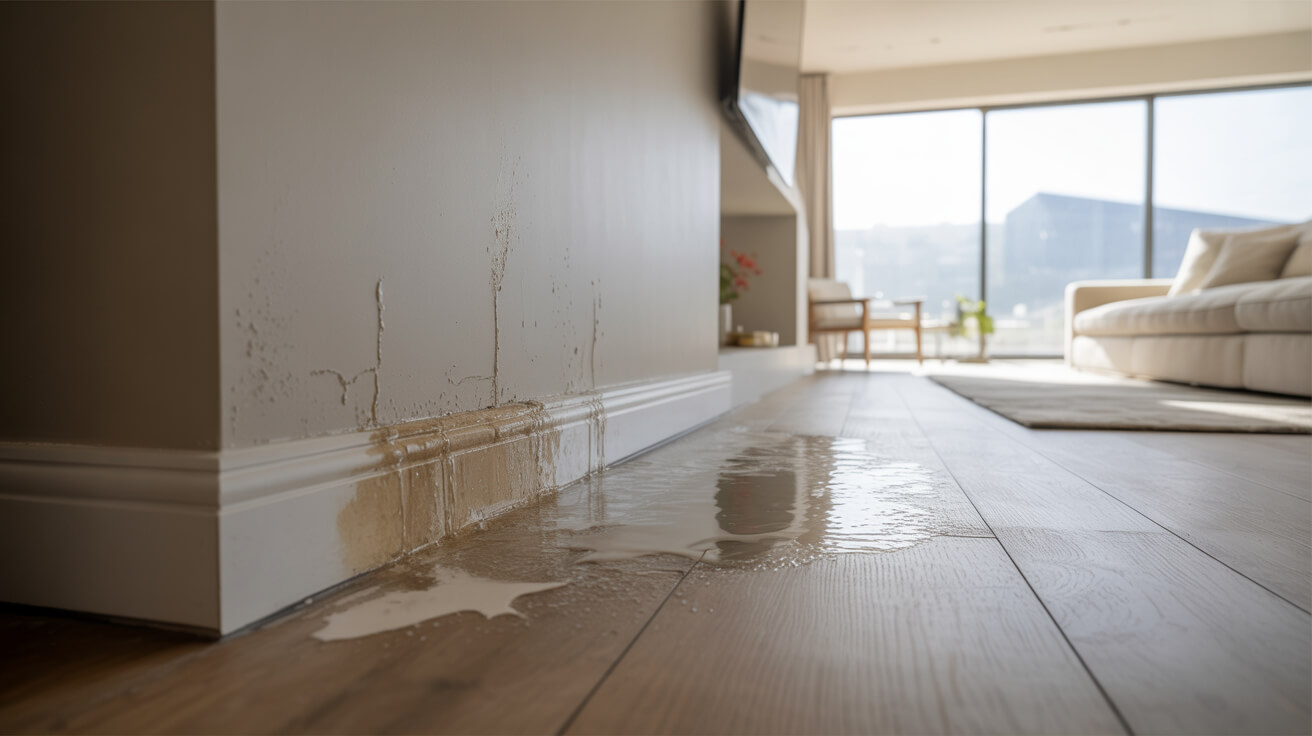
The risk of cascading infestation is highest where routine checks rarely reach. By the time an owner notices surface holes or timber collapse, beetle larvae have often migrated through multiple property zones.
Timber Risk Mapping: Know Your Vulnerable Zones
- *Attic and roof beams*: Seldom-visited and often high humidity due to poor insulation.
- *Subfloor and crawlspaces*: Overlooked during cleaning and unventilated for much of the year.
- *Stair stringers, built-in wardrobes, joinery*: Disguised by finishes but susceptible with any breach in moisture barrier.
- *Shared assets or walls in flats or terraced properties*: Cross-contamination risk rises drastically.
Heatmap of Vulnerability
| Zone | Risk Level | Access Frequency | Prevention Difficulty |
|---|---|---|---|
| Subfloor | High | Low | Moderate |
| Roof space/beams | High | Low | High |
| Skirting/joinery | Medium | Medium | Low |
| Built-in wardrobes | Medium | Medium | Medium |
| Party/shared walls | High | Low | High |
What you inspect regularly, you protect consistently.
Betting On Vigilance, Not Just Reaction
Sophisticated property management means routine, professional mapping of vulnerable zones. Sussex Damp Experts design site-specific inspection plans, preventing the classic “hidden infestation” scenario that so often surprises on survey day or under regulatory audit.
How to Prevent Woodworm From Returning: Ongoing Strategies and Compliance

Long-term woodworm protection combines environmental foresight, disciplined maintenance, and continuous documentation. A patchwork approach leaves your property exposed to repeat episodes—sustainable prevention demands a system.
Core Pillars of Prevention
- Moisture control: Fix and monitor leaks, enhance airflow, dehumidify basements, and avoid damp storage practices.
- Ongoing inspection: Schedule professional reviews and log results to create an auditable trail.
- Material finishes: Use compatible barriers on exposed wood—ensure finishes don’t trap hidden moisture.
- Environmental tracking: Leverage sensors and moisture data loggers for continuous risk flagging (especially on portfolios).
- Adaptive records: Keep a digital or physical diary—detailing treatments, findings, and environmental observations for future reference.
Download the annual woodworm prevention calendar to anchor these practices.
The difference between another callout and complete peace of mind is the record you keep.
Sussex Damp Experts’ Aftercare Integration
Every treatment plan comes with aftercare rooted in compliance and data. Warranty maintenance visits, moisture tracking, and heritage/site-specific follow up protect what you’ve restored. That’s how you stay safe from repeat cost, avoid compliance breach, and maintain genuine resale value.
Book Your Free Woodworm Consultation With Sussex Damp Experts
Your property shouldn’t be defined by what you missed—it should stand as evidence of vigilance, care, and expertise. If you’re ready to take the uncertainty out of timber asset management, our PCA-certified, insurer-trusted survey team is prepared to guide you.
Sussex Damp Experts offers:
- Insurance- and mortgage-grade survey documentation for your property
- Heritage-safe, evidence-backed treatment protocols aligned with modern conservation and safety standards
- Comprehensive aftercare, compliance, and transfer options tailored to your needs
Join those who treat property responsibility as identity. Transform risk into proven asset health—and let your stewardship speak for itself.
Frequently Asked Questions
What are the earliest signs of woodworm and why do they matter for your property?
Exit holes in timber, fresh, powdery frass, and beams that yield to gentle pressure are the first warnings that woodworm has begun to undermine your property’s structure and value before silent damage becomes obvious. The challenge is that these signs are rarely dramatic until it’s too late—by the time surface damage is visible, your home or portfolio asset may already be hosting a living, spreading threat.
Identifying what you may have missed
- Fresh exit holes (1–3mm): with light dust below: active larvae at work, not harmless ageing.
- Powdery frass: clinging to beams and boards: living tunnelling, not dry rot.
- Weakened timber: that sounds hollow or yields under a screwdriver: structural risk hiding in plain sight.
- Scenario: A landlord in Brighton ignored a tenant’s complaint of small holes under a window ledge—by winter, multiple joists required urgent replacement and the property spent four months offline.
Woodworm does not travel alone. Tunnels enable damp and rot, compounding damage and spiralling insurance and repair costs. Our advanced surveys use moisture mapping and substrate analysis to discriminate active infestation from historic or surface-level decay. As a responsible owner, you protect more than timber—you defend future saleability, lender confidence, and regulatory standing.
How quickly can woodworm escalate from a minor nuisance to a major structural problem?
Once larvae are active, deterioration is measured in months, not years—especially in damp or poorly ventilated environments. Every week you wait gives woodworm more time to hollow out beams, floors, or joinery, quietly multiplying the scale of intervention and loss.
Escalation isn’t linear
- Unchecked progression: Minor cosmetic damage mutates into hidden structural weakness.
- Compounded cost: Delay transforms affordable, localised spray treatment into invasive beam replacement and extended void periods.
- Regulatory and reputational risks: For landlords, HHSRS compliance and renewed damage risk to tenants can trigger council enforcement.
- Scenario: A heritage home surveyed late in the renewal cycle found hidden galleries running the length of a main support. A two-week delay added £11,000 to the final repair.
Ignoring faint clues leads to consequences that echo beyond repair bills—think insurance denials, market value hits, and stress-tested reputation. Fast, accredited intervention by Sussex Damp Experts reclaims peace of mind before silent damage becomes an open crisis.
Can DIY solutions actually eradicate woodworm, or does lasting protection demand professional intervention?
DIY kits target symptoms—masked holes, surface sprays, and limited access products rarely reach deep-embedded larvae in beams or subfloors. The core of woodworm treatment is depth, certainty, and regulatory alignment. For lasting protection and transferable guarantees, only professional-grade, PCA-backed tools and protocols suffice.
What separates superficial action from solid assurance?
- Professional treatments penetrate timber core: , not just the grain—delivering insecticidal agents where larvae live, not just where they exit.
- Heritage and compliance requirements: Listed or high-value buildings demand methods (gel, microemulsion, finish-compatible repair) that preserve character and fulfil legal mandates.
- Warrantied, insurer-accepted documentation: Most lenders, insurers, and local authorities won’t accept self-certification.
- Scenario: A managing agent relied on over-the-counter woodworm spray; pest activity returned within 18 months and a tenant’s structural mishap exposed non-compliance.
For owners and asset managers concerned with not only eliminating woodworm but retaining value and compliance, professional intervention is a strategic decision—not an avoidable expense.
How can woodworm spread beyond one room—and what’s the true risk to your whole building or block?
Active beetles are mobile. Once matured, they emerge and seek fresh timber, especially where moisture or undisturbed corners invite them. Infestation commonly originates in attics, crawlspaces, basements, or disused joinery, then migrates, sometimes invisibly, to adjacent rooms and even neighbouring properties via shared roof voids or party walls.
Why partial fixes or localised checks don’t stop the spread
- Timber connectivity: Dormant ends, hidden skirtings, or simply a missed board can harbour new life cycles.
- Portfolio risks: Multi-unit and let properties face cross-contamination; one neglected flat can threaten an entire block.
- Scenario: A letting agent in East Sussex found that skipping annual roof cavity checks led to tenant complaints in three non-contiguous units. What started as a single-room mystery became a portfolio-wide contingency.
Sussex Damp Experts provide whole-building mapping and embedded compliance logs, giving you the operational assurance not just of clean timber but of protected asset reputation across every unit you own or manage.
Why is documented aftercare, review, and guarantee as vital as initial treatment?
Guarantees aren’t just promises—they’re evidence. If woodworm is left untracked, you may find an old certificate invalid or a future buyer unconvinced. Maintenance checks and digital logs matter for insurance and lenders because only signed, periodic inspection can demonstrate ongoing asset health.
Paperwork is proof, not paperwork
- PCA-backed certificates and routine checkups: Satisfy lender, insurer, or buyer with audit-grade traceability.
- Insurance claim defensibility: Gaps or missed documentation can collapse claims after the fact.
- Regulatory compliance: Landlords and commercial managers need renewal logs within set timeframes or risk fines.
- Scenario: A seller lost a buyer’s confidence—and the sale—when a “treated” roof had no inspection follow-up.
With Sussex Damp Experts, you never need to question what’s covered: defend your ownership, saleability, and compliance position with records that do more than reassure—they prove stewardship.
What practical steps genuinely prevent woodworm from returning for owners, landlords, or commercial sites?
Lasting protection is about routine—rehearsed, logged, and evidence-driven. Damp control, active ventilation, and annually scheduled multi-point timber inspections combine to close the door on reinfestation.
Your prevention protocol
- Address leaks and condensation at the source.
- Maintain correct moisture and ventilation throughout the building.
- Finish all exposed timber with suitable, breathable products.
- Integrate digital inspection logs, especially in let or commercial units.
- Lean on annual checks and periodic substrate re-analysis—proof of vigilance.
| Prevention Step | Why It Matters |
|---|---|
| Moisture control | Starves larvae, stops new eggs |
| Annual inspection | Finds trouble early, lowers big spend |
| Professional finish | Bars entry, reduces tenant anxiety |
| Digital record logs | Builds irrefutable history for resale |
The properties that keep woodworm at bay do more than treat—they document, adapt, and outpace the next risk cycle. Owners, managers, and agents in Sussex who partner with us not only solve timber problems, they earn the proof of being a best-in-class custodian.

