
 By
By  March 23, 2025

Why Are My Walls Wet After Rainfall?
Your walls should stand as barriers, not invitations for moisture. If you’ve spotted wet marks or stains surfacing after rainfall, you are not witnessing coincidence—your building is signalling a potential breakdown in resistance that can also create conditions for hidden mould in walls. For Sussex properties and beyond, understanding this warning is the first step to protecting your home’s health, value, and comfort.
What Causes Walls to Become Wet After Rain?
Water finds its way inside through a network of vulnerabilities:
- Penetrating damp: results from rain entering through defects in exterior walls, failed render, or blocked gutters.
- Rising damp: occurs when groundwater travels up through walls via defective or bridged damp-proof courses, often becoming pronounced after extended rain raises the local water table.
- Condensation: forms when moist indoor air meets cold, poorly insulated surfaces, creating patches that mimic true water ingress.
Every unexplained damp patch is an unaddressed risk—most remain invisible until the costs compound.
Key conditions amplifying risk include:
- Older solid wall houses—especially brick and rendered builds over 40 years old.
- Homes with blocked or poorly maintained gutters and drainage.
- Properties exposed to prevailing wind and rain corridors.
Routine inspection, especially following storms or prolonged wet weather, is your best defence against long-term damage. If dampness returns in a pattern, even after attempted repairs, advanced diagnostics will clarify the underlying issue before it escalates.
What Types of Damp Develop After Rainfall?
Damp Diagnosis Quiz
- 1 Location
- 2 Appearance
- 3 Timing
- 4 Pattern
- 5 Results
Most Likely Diagnosis
—
—
What Is This?
—
Recommended Next Steps
Confidence Breakdown
This quiz provides general guidance only. A professional survey identifies the exact cause and recommends the right treatment.
Book a Professional Diagnosis →Damp may present similar symptoms, yet each type requires sharply different action. Misidentification worsens cost, compliance, and comfort.
Penetrating Damp: Direct Ingress
Rainwater enters via:
- Cracks in brickwork or render.
- Compromised window or door seals.
- Overflows or leaks from external guttering.
Signs:
- Localised stains below windows or rooflines post-rain.
- Persistent damp marks on isolated walls.
Rising Damp: Groundwater Ascension
Often revealed after ongoing rainfall saturates the soil:
- Damp “tide marks” extending horizontally from skirting boards.
- White or powdery salt efflorescence after evaporation.
Condensation: The Hidden Enemy
Surfaces become wet with:
- Black mould collects in corners, behind furniture.
- Dampness intensifies in winter when internal air cannot escape.
Comparison Table – Damp Types
| Symptom | Penetrating Damp | Rising Damp | Condensation |
|---|---|---|---|
| Appears After Rain | Yes, localised | Sometimes, widespread | Can worsen |
| Common Location | Walls by external flaws | Ground floor, skirting | Windows, cold corners |
| Quickest Fix | External repairs | DPC repair, replaster | Ventilation |
| Requires Expert | Always, to avoid misdiagnosis | Always | Sometimes |
Accurate identification means the difference between temporary relief and permanent repair. Sussex Damp Experts apply specialist survey methods—from moisture metres to thermal cameras—so your solution fits the problem, not just the symptom.
Where Does Damp Most Often Start? Zone-by-Zone Vigilance

Damp seldom emerges at random. Certain areas of your property are especially vulnerable, and identifying them early turns uncertainty into confidence.
Interior Risk Zones
- Walls below ground level or with earth banked against them.
- Chimney breasts, alcove corners, and junctions of floors to exterior walls.
- Basements and cellars, especially in period homes.
Exterior Flashpoints
- Gutters or downpipes that spill water down the wall.
- Window sills, seals, and render edges that crack or crumble.
- Porch and roof abutments missing flashing protection.
Inspection Schedule for Homeowners and Managers
- Monthly: Visual check of gutters, external pipework, and surface render.
- Quarterly (Autumn, Spring): Full walk-around focusing on ground-to-wall junctions, window and door frames.
If repeated rain produces new patches or causes “moving” damp, immediate action is justified. Properties with brick-on-edge DPC, lime mortar, or historic finishes require even closer attention, as standard repairs seldom suffice for lasting protection.
Why Is Persistent Damp a Threat? Compliance, Health, and Asset Value

Leaving rain-driven damp unresolved involves more than aesthetic nuisance—it’s a triad threat to your legal standing, physical wellbeing, and asset value.
Legal and Insurance Consequences
- For landlords: The HHSRS requires prompt damp and mould remediation or risk enforcement action.
- For sellers: Unresolved damp detected in surveys can halt property sales or lead to renegotiated values.
- Insurance: Repeated claims tied to preventable maintenance issues are commonly rejected.
Health & Safety
- Persistent damp and resulting mould expose building occupants, especially children and older adults, to respiratory risks and allergies.
- NHS and UK health agencies report higher GP visits tied to homes with untreated moisture ingress.
Asset Decay and Financials
Small, ignored patches invite advanced decay—timber rot, crumbling plasterwork, and, ultimately, structural repair bills that dwarf early intervention costs.
Regulatory Checklist
- HHSRS compliance for all rented properties.
- Documentation for repairs, inspections, and warranty-backed treatments.
- Up-to-date home insurance aligned with maintenance obligations.
A single damp patch is rarely an isolated fault—it’s a warning that the risk is spreading.
How Professionals Diagnose Damp: Evidence and Certainty
DIY fixes may mask symptoms, but only expert assessment delivers lasting security and compliance.
Surveyor’s Process Framework
- Visual Investigation: Map all surface and hidden signs of moisture.
- Instrumented Assessment: Moisture metres, salt readings, and thermal imaging to track ingress and spread.
- Material Sampling: For severe or ambiguous cases, wall or plaster sampling may be advised.
Expert Reporting
- You receive a structured diagnosis, cause analysis, and step-by-step repair roadmap—tailored for your property’s age, substrate, and risk factors.
- All reports are prepared in line with BS6576, PAS2035, and lender requirements.
Tool Comparison Table
| Tool | Homeowner Use | Professional Use | Typical Value |
|---|---|---|---|
| Moisture Metre | No | Yes | Quantifies scope |
| Thermal Imaging | No | Yes | Tracks hidden |
| Salt Analysis | No | Yes | Diagnose ingress |
Certainty is only found at the intersection of data, experience, and the standards your building must meet.
Diagnosis from Sussex Damp Experts offers technical clarity, compliance, and asset protection in one certified package.
When Should You Act on Damp? Timing and Escalation Logic
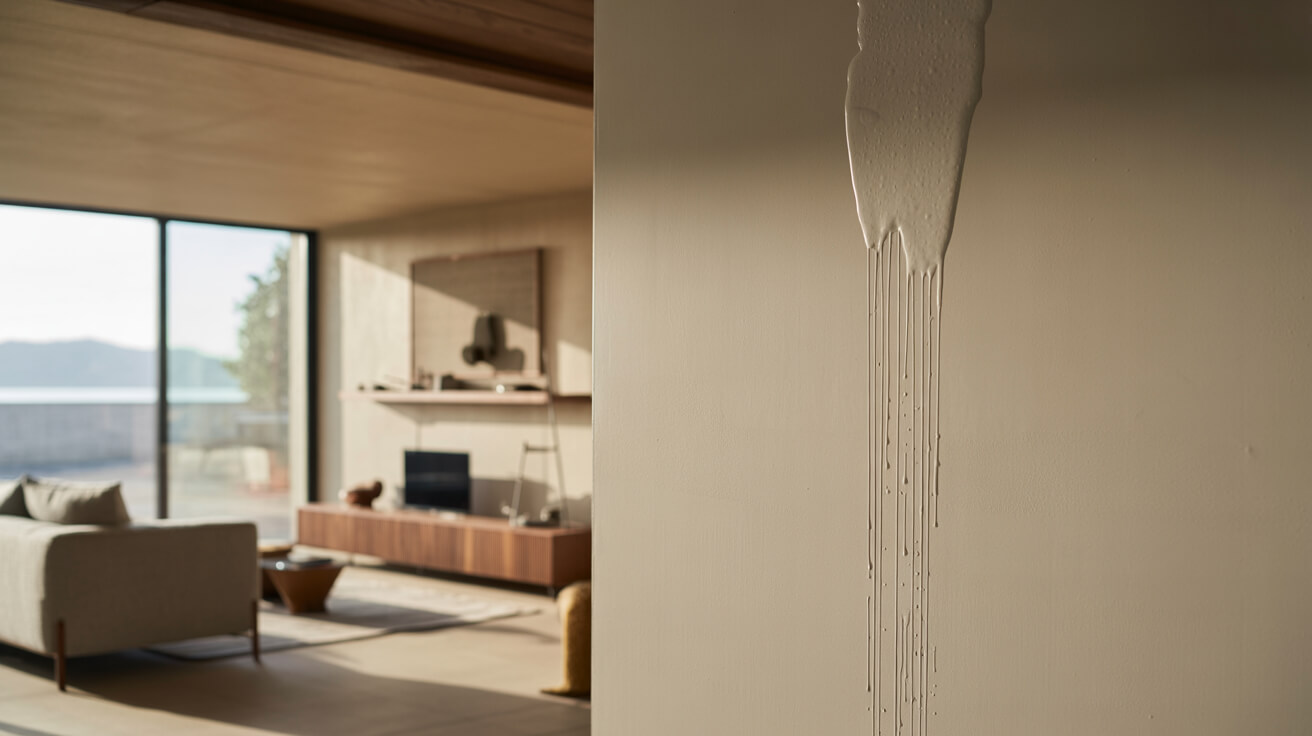
Delay matters in property health. Each rainfall that produces new or expanding marks is not “business as usual”—it’s a progressive failure whose financial and legal impact accelerates.
When to Act
- New damp marks after rain, especially if older attempts to repair have failed.
- Visible mould, bubbling or peeling paint, especially if accompanied by odour.
- Complaints from tenants or failed property surveys.
Risks of Waiting
- Repair costs increase dramatically with each passing month of neglect, particularly for period or multi-tenant properties.
- Unattended legal timelines can result in fines, compensation claims, or loss of rental licences.
Escalation Timeline Example
| Signal Triggered | Max Response Time | Escalation |
|---|---|---|
| Tenant Complaint | 14–30 days | Fines, licence loss |
| Surveyor Flag | 1–3 months | Sale/finance denial |
| Visible Mould | Immediate | Health claim exposure |
For every tick of the clock post-damp discovery, you are in a narrower safety margin for legal, health, and asset protection. Many delays stem from misjudging the seriousness—when in doubt, a prompt survey is your best tactical move.
Are Heritage and Listed Buildings at Unique Risk? Compliance Without Compromise
Classic and protected buildings—whether Georgian, Victorian, or simply documented as “heritage”—cannot use generic damp solutions. These assets face specific constraints that make missteps especially damaging.
Specialist Assessment for Specialist Challenges
- Breathable lime plasters and mortars are often mandatory; cement or synthetic DPCs lead to trapped damp and decay.
- Consent for repairs may require planning permission and listed building approval—failure to comply can result in legal action or loss of property value.
Service Outcome Table
| Building Feature | Allowed Solutions | Prohibited Fixes | Documentation Needed |
|---|---|---|---|
| Lime Mortar Walls | Breathable renders/plasters | Cement tanking, chemical DPC | Specialist statement, warranties |
| Timber Framing | Breathable barrier, repairs | Synthetic films, sealants | Heritage-spec survey report |
| Historic Plasterwork | Reversible treatments only | Gypsum or impermeable plasters | Product and method certificate |
Sussex Damp Experts combine conservation practice with technical precision, delivering repairs that meet both the law and the letter of best heritage protection. Your asset’s legacy and design integrity are maintained for generations to come.
Secure Your Property’s Future with Sussex Damp Experts
Any room, wall, or property that suffers wet patches after rain is making a demand: act decisively. Your property deserves more than a patch or short-term fix. It requires the depth of knowledge, the level of compliance, and the commitment to results that defines Sussex Damp Experts.
- Access local, accredited, and warranty-backed investigation and remedies.
- Gain clarity, compliance, and improvement in the very first visit.
- Experience a process built for owners, managers, landlords, and heritage stewards.
Instead of waiting for another storm to reveal the next failure, frame yourself as the proactive asset guardian, of your family’s health, your building’s value, or your stakeholder’s trust. Secure what you own with the region’s most-respected damp expertise—take the step that locks reliability into your property’s future.
Frequently Asked Questions
Why do my walls become wet after rainfall—when there are no visible leaks?
Water appearing on walls after rainfall is rarely accidental. Even when obvious leaks are absent, your property may harbour discreet access points for moisture. These can include microcracks in render, ageing mortar, hairline fissures in brick, or weakened junctions around windows and doors. During and after rain, exterior walls may absorb water like a sponge, especially if bricks are porous or the surface finish is damaged. Over time, this moisture travels internally and may also create conditions linked to interstitial damp, where Condensation: forms when moist air meets cooler surfaces inside the structure, often showing as damp patches, bubbling paint, faint discolouration, or walls that feel cool and clammy to the touch.
The Silent Ingress: How Water Finds Its Way
Most properties accumulate invisible weaknesses with age or shifting weather patterns:
- Exposed walls: face the brunt of wind-driven rain, increasing surface saturation.
- Blocked gutters or downpipes: send torrents of water down the façade, saturating brickwork at specific vertical tracks.
- Ground sloping toward the property: drives water up against brick or stone, feeding moisture into any material gap.
- Bridged or missing damp proof courses: (DPC) allow rain-soaked ground to wick water directly upwards.
A pattern where wall dampness coincides with each rainfall—then gradually fades—is your warning signal. Reliance on recurring air fresheners or dehumidifiers provides only surface relief, trapping the cycle beneath cosmetic fixes. You stabilise your property’s health and value not by chasing symptoms, but by addressing the real access points with expert diagnosis and intervention—especially before invisible damage morphs into costly repairs or compliance breaches.
*Walls only cry for help after they’ve absorbed the problem in silence.*
What are the main causes of dampness and moisture appearing on internal walls after rain?
Dampness or moisture showing up after rainfall usually means water is not being routed away or held at bay as intended by your property’s original design. The main culprits are:
- Penetrating Damp:
Results from water seeping through walls or roof due to damaged masonry, failed mortar joints, cracks in render, or poorly maintained flashing.
- Rising Damp:
Occurs when groundwater travels up through the porous structure of walls, typically when the DPC is absent, bridged (by external ground levels or render), or has failed due to age.
- Condensation (Disguised Damp):
Sometimes, what looks like “rain” damp is actually condensation; after a storm, cool external walls and extra indoor humidity combine to deposit water inside, especially in poorly ventilated rooms.
- Bridging and External Factors:
Accumulated soil or raised patios banking against external walls can bridge damp-proof layers, channelling rainwater directly into your interior. Blocked air bricks or ventilation grilles can quickly make the problem worse.
| Cause | How It Manifests | Warning Signs |
|---|---|---|
| Penetrating Damp | Tracks along walls/ceilings post-rain | Vertical streaks, localised patches |
| Rising Damp | Creeps up from floor or skirting level | Horizontal “tide marks,” salt bloom |
| Condensation | Appears on cold surfaces after rain | Uniform misting, small black mould patches |
| Bridging | Localised damp in unusual wall sections | Soft plaster, musty odour, rapid recurrence |
Addressing visible symptoms alone rarely solves these issues. Only a professional, multi-method inspection—combining visual checks, moisture mapping, and salt analysis—can clearly identify the true cause so that repairs are permanent and compliant.
Why is ignoring post-rain dampness a risk to property, health, and finances?
Neglecting dampness after rainfall is a slow gamble. On the surface, you may see only small, transient signs—temporary staining, peeling paint—but these are often the front-line signals of deeper structural and even health problems underway.
Real-World Consequences:
- Asset degradation: Persistent moisture weakens plaster, timber, and even brickwork, eventually jeopardising the integrity of structural components.
- Health hazards: Damp encourages black mould and dust mites. For families, landlords, and tenants, this is a well-documented trigger for asthma, allergies, and respiratory issues.
- Compliance and legal exposure: Landlords and property managers are bound by law (HHSRS, the Fitness for Human Habitation Act) to address hazards quickly. Ignoring damp exposes your organisation to claims, fines, and damages from tenants or local authorities.
- Financial costs: Deferred intervention exponentially raises repair costs. Lenders and insurers may withhold mortgage approval or deny claims if you can’t show timely professional diagnosis and remediation.
*What erodes property most rapidly is not rain itself, but the denial of risk until too late.*
Take direct action at the first consistent signs of moisture. You protect not just the structure and resale value, but your standing as a responsible owner, manager, or landlord—qualities always recognised and respected in insurance assessments, tenancy reviews, and the local market.
How can you tell if you need a professional damp surveyor or can try to fix things yourself?
The turning point between DIY and expert intervention is written in the persistence, complexity, and progression of symptoms. If you see isolated condensation—like a single misted window or a patch in one cold corner—first check for blocked vents, excess indoor humidity, or furniture blocking airflow. However:
- Recurring damp patches following rainfall:
- Signs spreading across fresh surfaces, or after attempted fixes:
- Damp at the base of walls, around skirting, or showing with salt crystallisation:
- Musty odours, black mould, or surface temperature differences:
- Legal or insurance query (mortgage flag, tenant complaint, refurbishment):
…all indicate a systemic problem that only forensic investigation can decode. A qualified surveyor or specialist brings advanced diagnostic gear—moisture metres, hygrometers, borescope inspection, thermal imaging, salt testing—and, importantly, training to interpret patterns and map root causes through walls, finishes, and substrates.
When scope and severity outstrip simple fixes, the cost of delay or error always dwarfs the cost of a certified diagnosis and solution. Where rising damp: occurs when groundwater moves up through masonry, diagnostics and repair planning must also stand up under legal, regulatory, and insurance requirements.
What does a professional damp assessment actually involve—and why should credentials matter to you?
A rigorous property damp assessment starts with much more than a walkaround or a “damp metre” reading. Here’s how certified specialists dissect every risk layer by layer:
- Visual Forensics
- Detailed interior and exterior inspection for warning signs, including above skirting and beneath windows, as well as external brick, render, and ground profiles
- Moisture Mapping
- Non-invasive digital metres charting damp distribution at multiple heights
- Salt analysis isolating rising vs. penetrating water patterns
- Thermal imaging to localise leaks or hidden moisture pools
- Material and Substrate Sampling
- Selective borescope/drill tests for deep-lodged moisture
- Validation and Reporting
- Documentation formatted for lenders, councils, insurers, or landlords, citing conformity to BS 6576 / PAS 2035 / TrustMark codes as needed
| Assessment Step | Why It Matters |
|---|---|
| Visual Forensics | Finds subtle, multi-causal ingress routes |
| Moisture Mapping | Measures moisture depth and spread for targeted repair |
| Salt Testing | Distinguishes surface vs. structural moisture |
| Thermal Imaging | Uncovers passive leaks, insulation breakdowns |
| Documentation | Protects you in disputes, claims, and resale |
Credibility in a damp assessment comes from more than having the right tools; it’s being able to stand with certainty behind your findings in a surveyor’s scrutiny, a legal dispute, or a property handover. Teams with PCA, TrustMark, and BS certification earn this status on every job, not because it’s optional, but because it’s become the gold standard in property and asset management.
Can heritage and listed buildings be protected from rain-driven damp—without risking compliance or value?
Absolutely—if you respect both the science of building conservation and the leadership of experienced specialists. Traditional or listed properties, often built with lime mortar or un-fired brick, cannot be treated with the same “barrier” approaches used in modern builds. Incompatible repairs, like cement tanking or chemical DPCs, can trap moisture and contribute to hidden mould in walls in vintage structures, causing more decay and risking both fines and heritage value loss.
Smart Conservation Damp-Proofing: What Really Works?
- Breathable finishes: Lime plaster and vapour-open renders that permit moisture escape rather than sealing it in.
- Reversible interventions: Systems that can be removed or adapted without permanent change to original structure.
- Rainwater management: Correcting or reinstating historic drainage and guttering patterns, often overlooked by general contractors.
- Compliance Documentation: Reports and repair plans drafted for planning officers, conservation authorities, and national standards (PAS2035, BS 6576).
| Heritage Challenge | Compliance-First Solution | DQ (Disqualifying Method) |
|---|---|---|
| Rising Damp | Lime-based mortar, sleeved DPC | Cement render, tanking |
| Wall Breathability | Clay or lime plasters | Modern barrier films |
| Rainwater Ingress | Traditional roof/gutter detailing | Blocked or plastic drains |
| Planning/Listing | Detailed method statements | Generic “damp” treatments |
When you entrust your asset to heritage-qualified experts, your outcome isn’t just dry walls; it’s protected capital, avoided litigation, and a reputation for genuine stewardship among heritage peers and planners. The future of your property is never safer than in the hands of specialists who balance compliance and preservation—it’s an identity statement as much as a repair.

