
 By
By  July 11, 2025

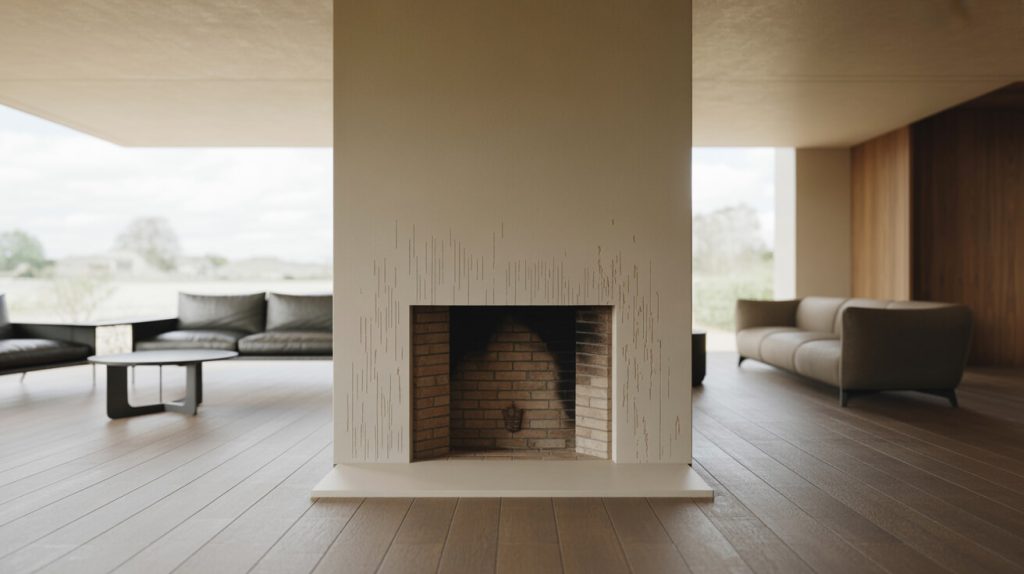
Why Is Identifying Chimney Breast Damp Early Protecting Your Best Interests?
Chimney breast damp is one of the most frequently underestimated threats to both the value and liveability of a property, and dampness decoded when small signs signal big property risks is a useful way to understand why. When moisture works its way into a chimney stack, the visible signs often lag behind the structural and financial losses already underway. Rather than risking escalation, early detection empowers you to reduce the cost of future repairs and safeguards your property’s reputation—whether you are looking to sell, let, or simply avoid a disruptive, expensive intervention down the road.
Recognising Hidden Damage That Quietly Compounds
Damp is rarely content to stay contained. Plaster discoloration, salty powder forming on masonry, lifting wallpaper, or persistent musty odours are tangible signals of a larger process: water ingress, material decay, and rolling depreciation. The chimney breast, by design, intersects internal and external building fabric—making these initial clues doubly urgent.
Key points to monitor:
- Flaking, bubbling, or softening plaster specific to chimney-recessed walls.
- Tide marks or brown streaks, particularly within a metre of the base.
- Salt crystal deposits (efflorescence), which are byproducts of moisture migration.
- Damp-related odours following rainfall or seasonal humidity spikes.
- Degradation of adjacent flooring, joinery, or decorative finishes.
Unchecked chimney damp silently accelerates repair costs, voids warranties, and delays key property transactions.
The Operational Payoff of Early Action
Prompt diagnosis avoids major expense, vacant property downtime, and compliance penalties from regulators or mortgage lenders. This is especially true if you manage a rental portfolio or listed asset as delays can trigger enforcement or jeopardise occupier well-being. Sussex Damp Experts recommend forensic-grade moisture mapping and reporting as early as your first sign of chimney disrepair—delivering clarity and giving you negotiating leverage, not just peace of mind, when discussing scheduling or value with stakeholders.
What Are the Proven Causes of Damp in Chimney Breasts?
Damp Diagnosis Quiz
- 1 Location
- 2 Appearance
- 3 Timing
- 4 Pattern
- 5 Results
Most Likely Diagnosis
—
—
What Is This?
—
Recommended Next Steps
Confidence Breakdown
This quiz provides general guidance only. A professional survey identifies the exact cause and recommends the right treatment.
Book a Professional Diagnosis →Understanding the origins of chimney damp is essential to both diagnosis and remediation. It’s never a guessing game: evidence-based assessment reveals that distinct mechanisms—sometimes combined—are to blame.
Differentiating Rainwater Ingress, Condensation, and Rising Damp
- Rainwater Ingress: Broken flashings, missing cowls, cracked mortar, or unsealed brick provide easy entry for rainfall. The resulting wet patches often track directly downward or laterally through the chimney masonry.
- Condensation: Insufficient ventilation, obstructed flues, and the sealing or capping of dormant chimneys transform stagnant airspaces into moisture traps. Increases in household humidity, such as from modern heating or insulation upgrades, can exacerbate this imbalance.
- Rising Damp: Absence or failure of a damp proof course (DPC) allows ground moisture to rise, often made worse by cavity debris, bridging, or inappropriate modern finishes over the original substrate.
Complex Cases: When Causes Overlap
Intervention without full causal awareness results in wasted resources or repeat failures. Our services deploy a multi-factor assessment protocol—combining physical inspection, digital moisture probing, and salt analysis—so that root causes, not just symptoms, are exposed and targeted.
| Cause | Diagnostic Sign | Solution Focus | Risk of Misdiagnosis |
|---|---|---|---|
| Rainwater ingress | Patches after rainfall | Flashing/cowl/external repair | High |
| Condensation | Sticky, musty surfaces | Ventilation upgrade | Moderate |
| Rising damp | Tide marks, salt lines | DPC/salt removal | High |
Why Routine Inspection Is Non-Negotiable
Moisture pathways are dynamic—repairs or property alterations years ago can render prior survey data obsolete. Sussex Damp Experts recommend periodic, surveyor-level reviews of chimney structure, particularly before renovation, rental, or sale.
How Can You Accurately Recognise The Signs Of Chimney Breast Damp?
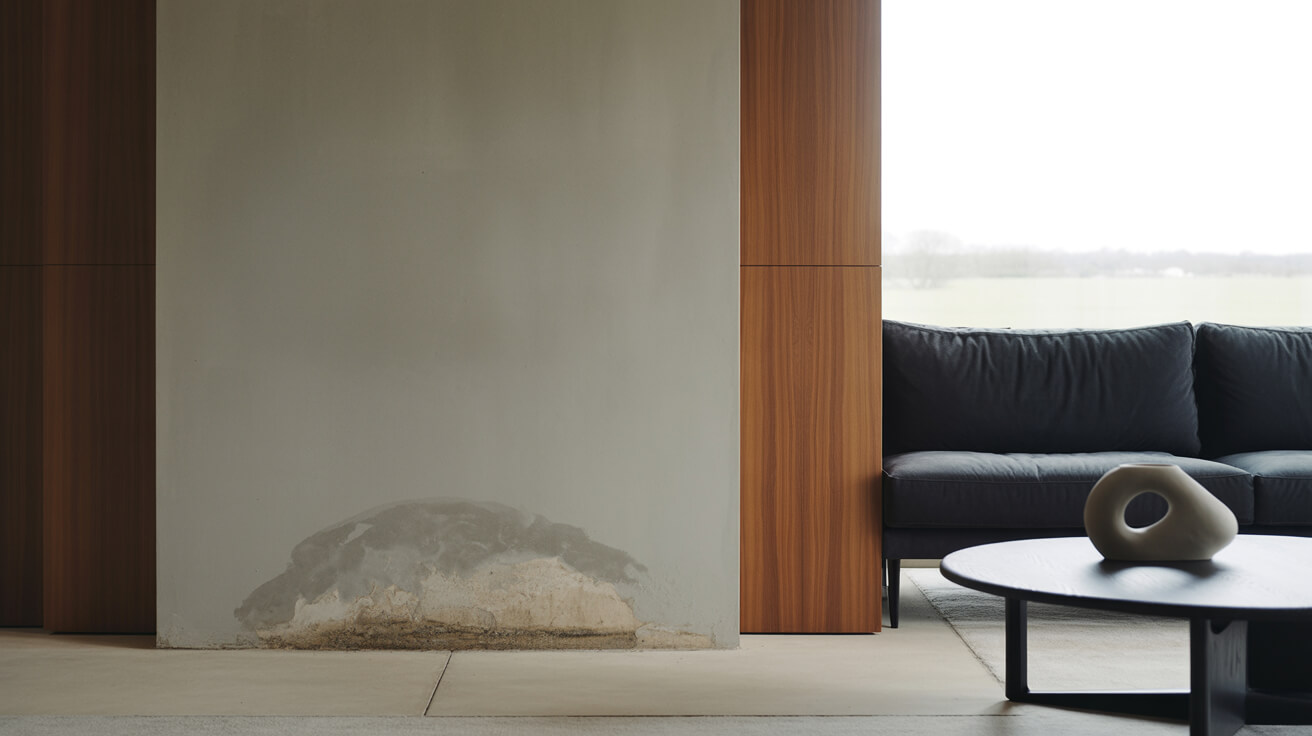
Detection begins with careful observation and a working knowledge of the predictable warning signs. These cues often appear subtle, especially in older homes where cosmetic issues can mask underlying decay.
Primary and Advanced Indicators
- Peeling, blistering, or soft-to-touch areas of plaster along the chimney breast.
- White, powdery substances (efflorescence) forming on surface or below decorative finishes.
- Persistent earthy, musty, or chemical odours localised to a room with a chimney.
- Tide marks often up to one metre from the base, signalling deeper moisture sources.
- Lifting wallpaper or painting that fails to adhere along chimney-adjacent walls.
- Deterioration of adjacent timberwork, skirting boards, or flooring—especially following periods of wet weather.
Table: Symptom Matrix for Chimney Breast Damp
| Visual Clue | Typical Cause | Urgency | Suggests Professional Review? |
|---|---|---|---|
| Tide marks | Rising damp | High | Yes |
| Peeling plaster | Condensation/Rain | Medium-High | Often |
| Salt crystals | Rising damp/salts | High | Yes |
| Damp odours | Condensation | Medium | If recurring |
| Bubbling paint | Multiple possible | High | Yes |
Recognising the Difference Between Cosmetic and Structural Issues
Not all marks are dangerous, but dismissing a recurring, worsening, or combined symptom leads to risk escalation. If you’re unsure—a professional moisture survey using calibrated instrumentation from Sussex Damp Experts provides objective, actionable reporting.
Why Do Heritage And Listed Buildings Demand Specialist Damp Solutions?

Older and listed properties have unique vulnerabilities and legal constraints. Generic fixes can destroy historic value, invalidate planning consent, or backfire—introducing new moisture traps with unintended consequences.
What Sets Historic Structures Apart
- Breathable Substrates: Lime mortar and heritage plasters are designed for permeability. Waterproof coatings and cement renders, while well-intentioned, often concentrate moisture in unseen locations.
- Regulatory Demands: Heritage works require consent; inappropriate treatments risk fines, remediation orders, or irreversible architectural loss.
- Complex Geometry: Deep reveals, multiple chimney flues, and party wall interfaces create niche paths for moisture to evade surface detection.
The wrong intervention may not just mask, but amplify risk—leaching damage into adjacent historic fabric.
Compliance and Preservation in Practice
Every intervention by Sussex Damp Experts within a listed context is governed by conservation principles, regulatory dialogue, and evidence-based selection of materials. This ensures compatibility, reversibility, and respect for your asset’s integrity and legal standing.
- Planning support, documentation, and regulatory liaison are included in all heritage projects.
- Selection of breathable, lime-based, and heritage-approved remedial products.
- Full accountability: work is documented for future surveyors, contractors, or heritage inspectors.
How Do Experts Diagnose And Survey Chimney Damp For Compliance?
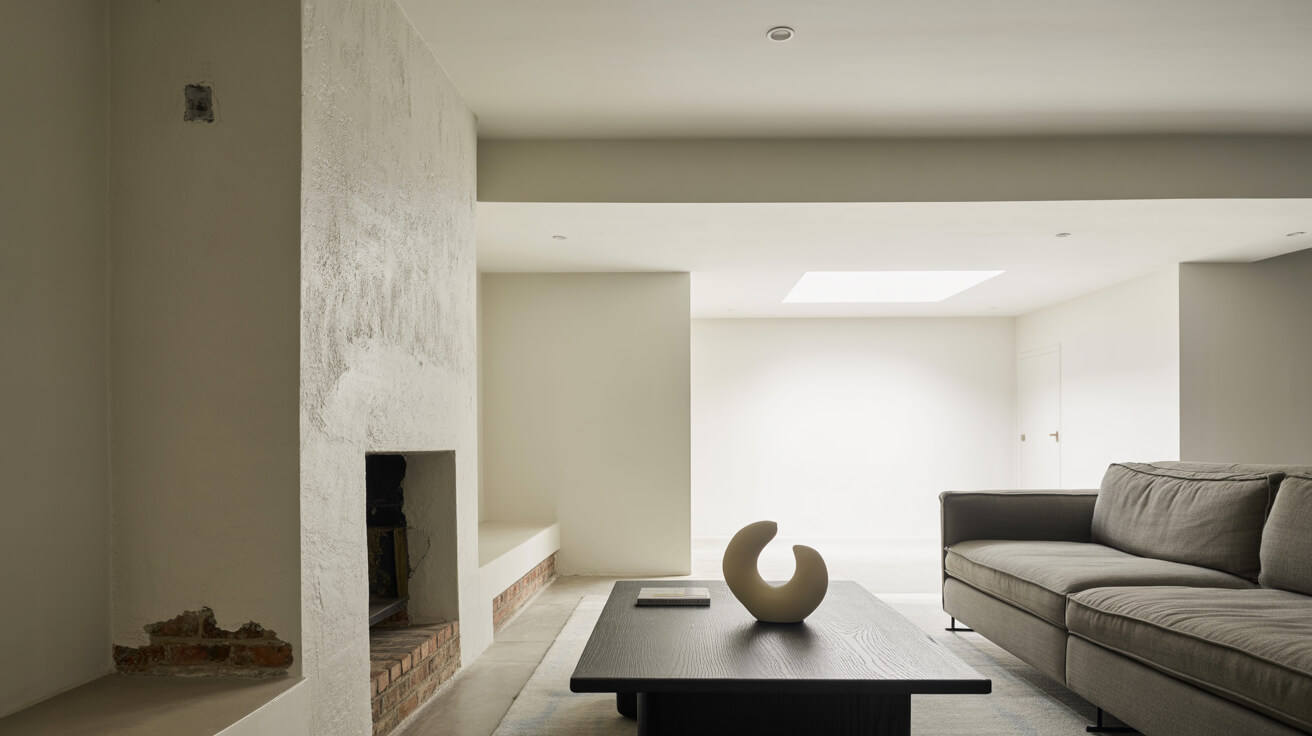
Expert diagnosis does not rely on intuition or single-tool readings. Precision is anchored by multi-modal inspection, comparative analysis, and a documented, traceable reporting process in line with modern property and compliance standards.
The Sussex Damp Experts Survey Protocol
- Initial assessment: Visual inspection, historical assessment, and context review.
- Quantitative moisture mapping: Digital metres, comparative baseline readings, and humidity assessment.
- Salt and contaminant analysis: Sampling and laboratory validation for suspected rising damp or prior remediation residues.
- Thermal imaging and borescope deployment: Confirming hidden leaks, blockages, or substrate saturation.
- Risk grading and photo documentation: All findings are graded by severity and mapped to compliance matrices (BS6576, PAS2035).
An evidence-based survey outlives its paperwork; it’s what makes your fix insurable, mortgageable, and contestable.
How Reports Become Recovery Roadmaps
Survey results are transformed into actionable roadmaps—each recommendation tied to observed data and compliance requirements. For property transactions, insurance claims, or tenant disputes, this paperwork is your most defensible asset.
How Are Lasting Damp Solutions Designed And Implemented?
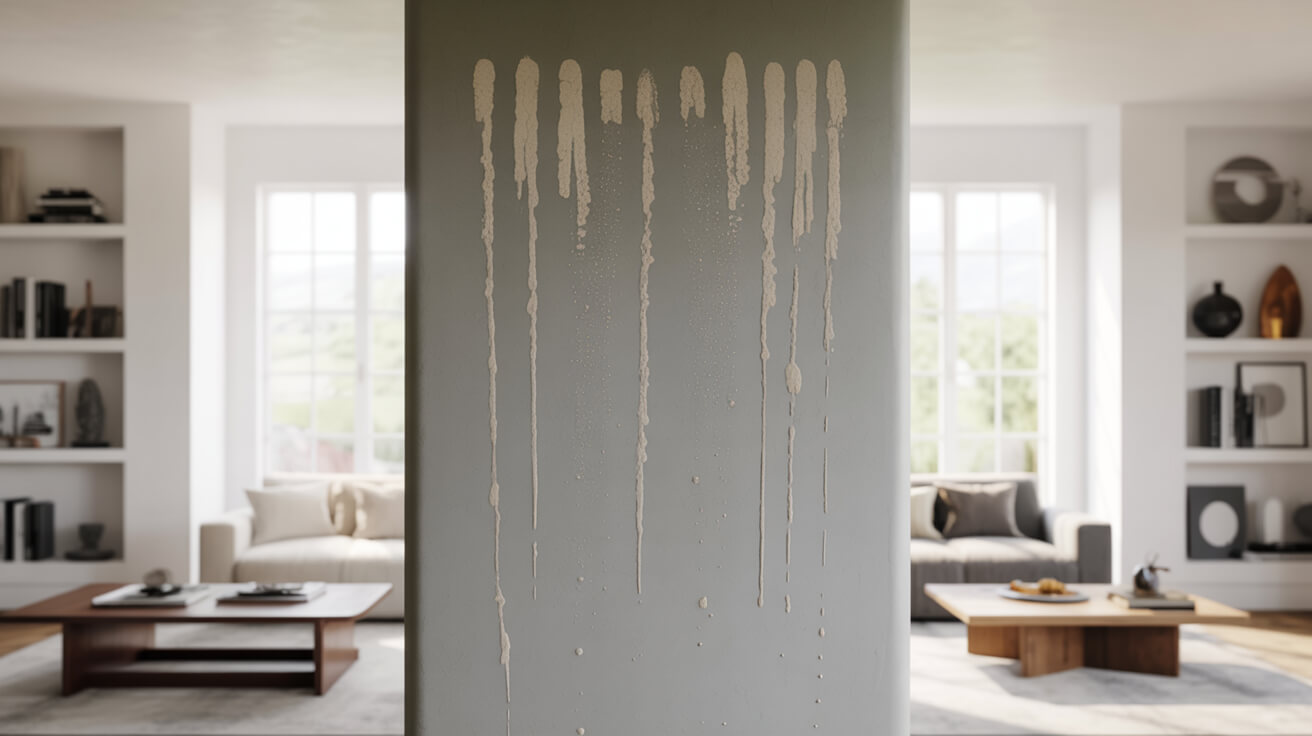
No two properties—especially where chimney damp is involved—call for identical treatment. Your solution must respond to unique material, regulatory, and occupancy demands.
Stepwise Damp Remediation Process
- Confirm cause: Never treat before underlying mechanism is validated.
- External repairs: Always remedy rainwater entry points before internal works.
- Enhance air movement: Where condensation is at fault, prioritise restoration of airflow.
- Salt/contaminant management: Remove, neutralise, and reinstate wall finishes as needed—respecting substrate compatibility.
- Heritage/protected asset preservation: Use only products and techniques compliant with conservation guidance.
- Aftercare: Monitor, maintain, inspect, and document for warranty, compliance, and resale scenarios.
Table: Solution Prioritisation by Issue Severity
| Problem Type | Action Sequence | Compliance Needed | Expected Lifespan |
|---|---|---|---|
| Rainwater ingress | Cap, repoint, seal, render | Building regs | 10–20 years + |
| Condensation | Unblock flue, vent, sealant | Regs if leased | 5–15 years |
| Rising damp/salts | DPC, plaster, salt inhibitor | BS6576, PAS2035 | 10+ years |
| Heritage/listed | Specialist, consent, lime | Conservation law | Indefinite w/ care |
Speed and Confidence with Multidisciplinary Integration
For complex, tenanted, or portfolio-listed properties, Sussex Damp Experts synchronise specialist skills—heritage masons, surveyors, planning consultants—to compress timelines, slash disruption, and secure warranty-backed, inspection-ready documentation.
Where To Access Guidance, Planning Support, And Regulatory Resources
Deep knowledge and third-party guidance are indispensable as you move from diagnosis to completed fix. You are expected to demonstrate accountability; knowing where to find trusted reference content, planning law, and formal support is a strategic asset.
Credible Sources You Can Rely On
- Property Care Association (PCA): Find a vetted list of qualified contractors.
- RICS: Guidance for surveyor-validated damp reporting.
- Historic England: Authoritative advice for listed or historic building interventions.
- HHSRS and Landlord & Tenant Act: Regulatory criteria for landlords and letting agents.
- Local authorities: Planning consent, dispute guidance, and compliance queries.
- Government and insurance portals: Download vacancy, repair, and guarantees forms for transaction or claim readiness.
Sussex Damp Experts: Beyond the Fix
Our advisory and liaison services de-risk your pipeline from planning to completion. All advice is traceable, referenced, and suitable for future compliance audits or transactional due diligence.
Book Your Free Consultation With Sussex Damp Experts Today
At any stage—from initial suspicion to decisive intervention—your property’s outcome hinges on rapid, informed, and accountable action. By engaging Sussex Damp Experts early, you align your interests with a team whose diagnostics, reporting, and remediation protocols have set standard for East and West Sussex and beyond.
Whether you’re a homeowner, asset manager, heritage steward, or prospective buyer, evidence-powered trust becomes your biggest asset. Secure your report, action plan, or compliance document now and unlock a future of complete, documented confidence in your building.
True property assurance starts with the first investigative step. The rest is lasting security.
Frequently Asked Questions
Why should you never ignore early signs of chimney breast damp?
Damp in a chimney breast is rarely just a blemish. The earliest stains, musty odours, or powdery white salts are warning shots and reflect damps silent assault what property owners miss until its too late: left unresolved, they quietly erode structural integrity, trigger energy loss, and open your wallet to spiralling costs. If you wait until plaster crumbles or joinery warps, it’s no longer a cosmetic challenge—it’s a full-spectrum threat to your property’s value and safety.
When superficial fixes lull you into a false sense of security
Many homeowners and landlords fall into a dangerous pattern: a splash of paint, a new wallpaper run, or a DIY moisture trap. These do nothing for the real source—defective flashings, breathing issues, or failed damp proof courses (DPC). By the time a surveyor flags a chimney breast as a “risk for ongoing damp migration,” the hidden repairs already dwarf the prevention costs. Persistent damp is high on the list of reasons for insurance claim denials or failed house sales and sits at the heart of countless tenant complaints.
The opportunity costs and silent pain of damp delay
- Insurers and lenders may flag, delay, or even refuse cover or mortgages on properties with unresolved damp issues.
- Unchecked chimney moisture can foster invisible rot—spreading beyond surface, into floors or neighbour walls, dragging in neighbour disputes and legal risk.
- For period properties, unauthorised “quick fix” works risk enforcement action, fines, or compromised heritage status.
The solution isn’t to wait for visible rot. Sussex Damp Experts decode damp’s root cause behind every early symptom, getting you back in control before costs or consequences multiply. Your vigilance becomes an asset: you secure long-term value, regulatory respect, and a dry, future-ready property.
What are the true causes of chimney breast damp—and why do so many fixes fall short?
No two cases of chimney breast damp are alike, but they’re almost always misunderstood unless unravelled with care. Moisture might enter through a fractured external capping or flashing; it could creep invisibly upward due to a failed, blocked, or missing DPC—or simply spiral from a lack of airflow that invites condensation to settle and salts to rise from below. Sometimes, all three work together, defying any one-size-fits-all fix.
Where most repairs lose the plot
Surface tanking, anti-mould paint, or off-the-shelf moisture absorbers disguise symptoms while the underlying issue escalates. Unventilated chimney stacks converted for modern living trap humidity behind “neat” plaster, quietly forming a breeding ground for decay. Heritage homes are especially vulnerable: modern cement renders or waterproof coatings, sold as an upgrade, commonly intensify the threat, locking water deep within soft historical brickwork and lime mortars.
| Cause | Identifying Clues | Standard “Quick Fix” (Ineffective) | Lasting Solution |
|---|---|---|---|
| Rainwater ingress | Damp after rain, streaks | Sealant, paint | Flashing/cowl fix, expert sealing |
| Condensation | Musty smell, sticky air | Air freshener, painting | Ventilation, chimney air brick, open flue |
| Rising damp/salts | White marks, tide lines | Tanking, DPC cream (no survey) | Salt analysis, DPC repair, cavity clearing |
Why expert diagnosis beats amateur guessing
You don’t need to guess. Sussex Damp Experts employ thermal cameras, salt and humidity profiling, and historic property logic to isolate the precise origin of the damp before proposing repairs—shielding you from the trap of recurrent bills and reputational headaches. When you know what you’re really up against, the fix finally works.
How can you tell if the signs in a chimney breast are harmless—or an urgent red flag?
Most owners aren’t experts. But the building’s signs are there for those with eyes tuned to risk:
- Peeling paint or plaster localised around the chimney breast, especially after heavy weather
- A cold, clammy, or noticeably musty smell when you enter the room
- White crystalline salt blooming in lines or patches on brick or render
- Bubbling paint or wallpaper refusing to lie flat, no matter how many times it’s replaced
- Tide lines creeping up from the skirting, unusually hard-to-dry patches
- Failing timberwork—soft skirting, spongy floors, swelling panels near the fire surround
Why these symptoms demand more than a DIY fix
Unaddressed, these clues signal not just surface decay, but deep-seated risk: capillary action can transfer rising damp inches above the floor, while poor ventilation fosters black mould or invisible fungi, putting health—and HHSRS compliance—at risk. Don’t assume that covering or drying guarantees resolution. If multiple warning signs dovetail, or if repairs repeatedly fail, independent surveying is the shield you need. Sussex Damp Experts surveyors will not only explain each clue, but precisely map moisture pathways, salt sources, and hidden building flaws—giving you the evidence for action before you’re faced with spiralling costs or regulatory challenges.
Why do heritage and listed buildings face unique dangers from damp—and why can’t you use ordinary repairs?
Heritage and listed buildings are as much historic evidence as they are habitable structures. Their very character—lime mortar, porous brick, period design—makes them exquisitely vulnerable to the wrong repair. Damp acts differently in these properties: water travels slower, treatments are often restricted by law, and consent covers not just methods but even execution sequence.
Unintended consequences of modern “upgrades”
Applying modern, waterproof coatings or tanking to an 18th-century chimney breast can be catastrophic. Trapped water has nowhere to escape, diffusing under floors or up to new places, while cement renders can fracture historic brickwork or force salts to erupt elsewhere. Property status and asset value hang in the balance—illegal interventions risk not just fines but devaluation and forced expensive remediations.
The compliance cascade
| Mistake | Consequence |
|---|---|
| Waterproof render | Accelerated brick spalling, rising salt |
| No listed consent | Regulatory action, expensive enforced undo |
| Generic DPC/chemicals | Heritage loss, insurance void, further decay |
Why navigating compliance demands expert support
Competent heritage damp resolution serves two masters: architectural legacy and present-day habitability. Sussex Damp Experts have heritage-trained, PAS2035/BS6576-accredited surveyors, ensuring every intervention protects and proves compliance. You gain not just a working repair, but traceable stewardship and peace of mind—a vital advantage for any listed property owner.
How do professionals ensure a diagnosis stands up to insurance, letting agents, or mortgage scrutiny?
An expert chimney breast damp assessment is more than a checklist. It’s a legally and financially recognised report: blending in-person inspection, digital moisture mapping, salt and humidity sampling, and intrusive survey where justified. Every reading is matched to BS6576, PAS2035, and, where relevant, TrustMark and heritage standards. This guarantees the evidence is not just thorough, but admissible.
What’s in a compliance-grade survey?
- Historic/contextual analysis
- Digital and visual moisture mapping
- Salt, air, and humidity lab tests
- Photography and mapping of all damage
- Narrative summary, with intervention roadmap and forecast
| Credential | Why it Matters |
|---|---|
| BS6576/PAS2035 survey | Accepted by lenders, insurers, authorities |
| TrustMark, PCA | Proven track record and regulatory licence |
| Routine review | Catches post-repair drifts before they recur |
How evidence shifts leverage in your favour
A documented, neutral survey shields you against future claims, legal challenge, or insurance loopholes. Sussex Damp Experts pass every test for letting, sale, rent, or portfolio review—empowering you to answer hard compliance questions with quiet confidence, not apologies. It’s not just a survey; it’s your property’s legal proof of diligence and care.
How do you eliminate chimney breast damp—permanently—without falling into the repeat-fix trap?
Permanent damp elimination always reflects the real cause, not wishful thinking. It’s surgical, not cosmetic. Repairs start at the top—capping, flashing, chimney stack integrity—move to the core airflow and DPC layer, then reach attenuated fixes on surfaces and internals.
Lasting repair demands discipline
- For rainwater ingress: repair cap/flashings, plus lime pointing (if heritage); verify by moisture metre after first rainfall.
- For condensation: restore or add ventilation, open flue brick, validate with humidity & temperature sensors.
- For rising damp/salts: precisely remove contaminated plaster to EN standard; instal, verify, and test DPC with salt neutralisation; staged, documented dry-down.
| Shortcut | Likely Outcome |
|---|---|
| Rapid painting | Trapped damp, mould, repeat cycles |
| Unchecked “damp proof” paint | Surface fails, cost escalation |
| Ignored legal context | Compliance fines, enforcement action |
Monitoring and aftercare aren’t optional in permanent repair: Sussex Damp Experts provide stepwise handover and annual checkup schedules. Your confidence now is built on full-chain, end-to-end expertise.
With every damp-free room, you’re not just protecting value—you’re writing your own property’s future.

