
 By
By  December 6, 2023


What Defines Permanent Mould Removal for Modern Buildings and Heritage Properties?
Reliable mould removal is the intersection of scientific diagnosis, material integrity, and ongoing compliance. For property owners, managers, and professionals in Sussex, the promise of a “permanent solution” is real—when guided by standards like PAS2035 and BS6576. Mould is neither cosmetic nor accidental; it signals disrupted moisture control, often hiding much larger issues within wall, floor, or roof assemblies. The hallmarks of a truly permanent result are specialty-led inspection, root-cause analysis, and aftercare that fits your property context—residential, commercial, or heritage.
Buildings tell their story in hidden gradients—understanding them early is worth more than patching late.
Why Health, Safety, and Asset Value Require More Than Temporary Fixes
Ignoring, masking, or shortcutting mould remediation leads to measurable costs: higher long-term maintenance, respiratory complaints among occupants (see NHS guidance), and asset devaluation—especially when property is subject to survey for sale or mortgage. In historic buildings or heritage properties, inexpert interventions risk irreversible fabric loss or official sanctions. To protect your tenure, reputation, and peace of mind, it’s essential to choose methods underpinned by industry certification and insurance-backed guarantees. Sussex Damp Experts offer not just an intervention, but an ongoing regime—documentation, follow-up checks, and guidance—aligning with legal, letting, and resale standards.
Trust signals to validate your choice:
- PAS2035 and BS6576-aligned methods
- Insurance and lender-recognised guarantees
- Formal documentation for letting, mortgage, or compliance needs
You invest once—your building benefits for years.
Why Do Mould and Damp Problems Persist in Sussex Properties?

The causes reach beyond singular leaks or seasonal changes. Persistent mould arises when construction science, lifestyle, and environment leave pockets of excess moisture, low airflow, or unmanaged condensation. Sussex’s building stock combines Georgian, Victorian, postwar and modern structures—each with unique risk dynamics from ground moisture entry, rain-driving exposures, to insulation upgrades trapping vapour.
Mitigating risk isn’t about fighting nature—it’s about matching your building’s design to its true environment.
Root Causes Across Property Types
Homeowners grapple with condensation in bedrooms and behind furniture; landlords face damp in external walls or below-grade spaces; agents and developers encounter composite risk in mixed-use or converted assets. Where a rising water table, flawed DPC, or damaged guttering is present, capillary action ensures moisture migration—unseen until damage becomes visible. Updated insulation that blocks breathability or lacks dedicated extraction worsens root issues, no matter how modern or expensive.
Table: Common Mould Triggers by Property Category
| Property Type | Typical Issue | Amplifying Factor | Best Practice Response |
|---|---|---|---|
| Heritage/Listed | Trapped moisture | Inappropriate tanking | Lime-based renders/ventilation |
| Modern Flat | Hidden condensation | Sealed windows | Mechanical ventilation |
| Older Family Home | Rising damp | Failed DPC | Survey, DPC upgrade, monitoring |
| Commercial Complex | Penetrating damp | Roof/fabric age | Proactive inspection/audit |
Address these at the system level, not just where symptoms bubble up. Early intervention assures stability and reduces downstream compliance risk.
How Can You Identify Hidden Mould Risks Before Structural or Health Consequences Appear?

Detecting mould is a matter of paying attention to what’s often rationalised away: subtle shift in indoor air, patchy paint, recurring allergies or coughs, or leaching in wall corners. For multi-tenanted properties, lack of direct observation amplifies the risk. Where visible, black spots or salt blooms are rarely the full story—see deeper using metres or inspection tools.
Diagnostic Approaches: From Sensory to Scientific
Tenants, landlords, and building managers can:
- Monitor relative humidity; above 65% persists, expect microbial risk.
- Employ moisture metres, available at most hardware stores.
- Log and photograph apparent defects, even when minor.
Professional diagnosis adds thermography, salt contamination maps, surface and air sampling, detecting issues at their invisible early stages. Everything is documented—timestamped photos, written summaries—meeting the expectations of local authorities or insurers if needed.
Solving the invisible keeps you from funding the visible.
By acting on first suspicion—not escalation—you protect property, health, and legal status. If you’re unsure, ask a certified damp expert for initial assessment.
How Does a Certified Inspection Provide True Mould Risk Assurance?
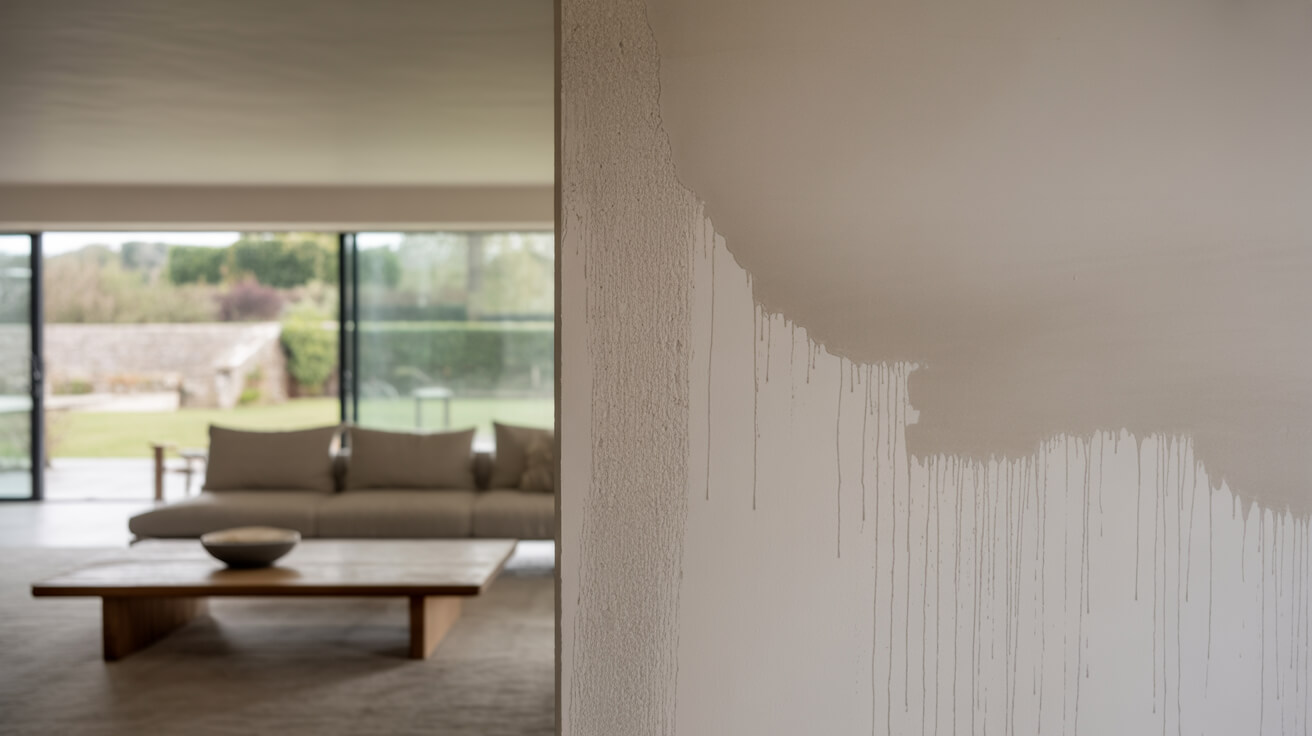
Regulation-compliant assessment isn’t about box-checking; it’s a rigorous multi-step sequence. Every proper survey gathers context: building age, repair history, living patterns. PAS2035 and BS6576 frame the stepwise inspection—starting with external factors and tracing to moisture gradients within.
Your Step-by-Step Professional Assessment Process
- Review of property history and prior treatments.
- Air and surface measurement, with high-precision tools (moisture metres, borescope, thermography).
- Mapping of substrate and assembly layers to locate unseen migration risks.
- Salt and chemical testing for rising or hygroscopic variants.
- Reporting with photographic, numerical, and narrative evidence—for mortgage, compliance, or audit records.
Proven practitioners (such as Sussex Damp Experts) deliver reports not just for you, but for future surveyors, authorities, or buyers—directly answering what caused the event, what prevents recurrence, and where ongoing oversight is needed.
Microquote, 60% scroll:
A good report finds the cause—a great one protects you from repeat.
How Is Lasting Mould Remediation Achieved Beyond Surface Cleaning?

Lasting success blends safe, compliant eradication with changes that stop recurrence. Inadequate or cosmetic treatment simply seeds future outbreaks.
Stepwise, Systematic Remediation
- Isolate the affected area using physical barriers to prevent spore transit.
- Apply accredited biocidal or fungicidal solutions to all exposed surfaces.
- Remove or repair compromised plaster; in period buildings, select lime or clay-based compatible renders.
- For ongoing control, engineer property-wide remedies: instal or service mechanical ventilation, redesign airflow for habitual spaces, and seal all substrate interfaces in compliance with regulatory guidance.
Proof Layering:
PAS2035 and BS6576 specify both method and aftercare. Sussex Damp Experts integrate these standards by delivering:
- Insurance-backed guarantee documentation
- Comprehensive post-repair logs for tenants and managers
- Free aftercare schedules customised to property type and risk profile
Every step that’s skipped is a repair waiting to be funded.
Choose systemic, not symptomatic, repairs. Ensure every remediation comes with named guarantees and aftercare timetables.
Where Do Mould Hotspots Lurk and What Challenges Make Prevention Ongoing?
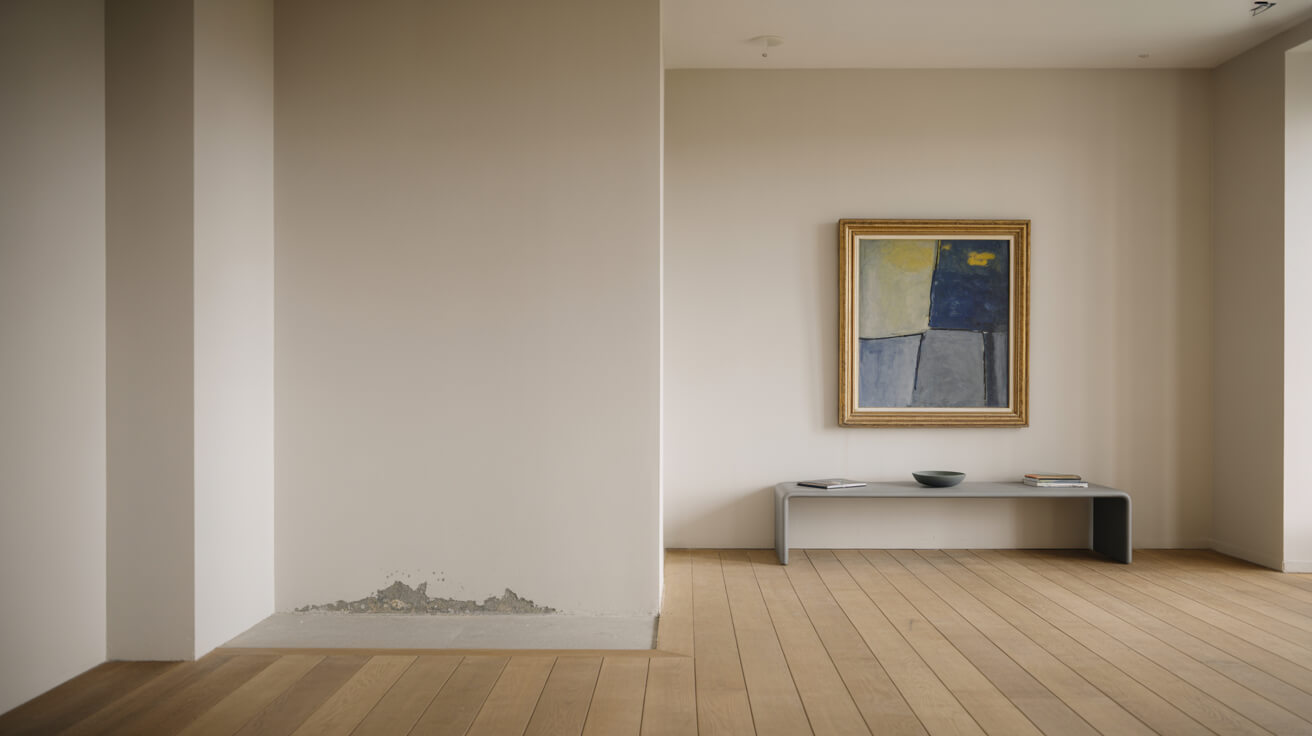
High-risk zones concentrate wherever airflow is naturally restricted or where water can enter but not exit. Examples include cellar corners, recesses behind wardrobes, within built-in storage, kitchen nooks, or beneath window sills. Insulation retrofits that cut off older bricks or floor assemblies from airflow create modern risk in historic fabric.
How Different Properties Face Unique Ongoing Threats
For heritage properties, impermissible materials or tanking that blocks breathability drive moisture into walls and timbers, fostering decay over months or years. Multi-unit, commercial, and larger homes see hot zones wherever maintenance is inconsistent—airbricks blocked, extractors out of service, or seasonal checks skipped. Inspection must be more than annual; smart businesses set seasonal reminders and stepwise inspection logs.
Key Measures for Ongoing Assurance:
- Check and maintain mechanical ventilation quarterly.
- Book periodic professional audits—every 12–18 months for higher risk assets.
- Record and update photographs for longitudinal tracking; more serious issues can then be flagged before they escalate.
A building only acts on what you monitor—make ongoing vigilance an accountable operation.
Can Compliance and Documentation Gaps Disrupt Your Use or Ownership?

Legal, insurance, and warranty issues are not secondary—they are often the primary source of cost escalation and tenancy failure. HHSRS mandates resolution of mould as a health hazard; PAS2035 and BS6576 define audit trails for local authorities, insurers, and lenders. Gaps in paperwork can stall tenancy agreements, trigger rent repayment orders, or reduce market value.
What Documents Shield You From Expensive Surprises?
- Dated, signature-stamped inspection and remediation reports
- Guarantee documentation, lender/insurer approved
- Photos, logs, and written aftercare instructions
- Annual service or checkup reminders to pre-empt future claims
Failing to prioritise documentation is a leading cause for claim denial or legal escalation when disputes arise. When you work with established specialists, every record is held in compliance with industry protocols and recoverable on request.
Table: Core Compliance Documents by Stakeholder
| Stakeholder | Required Document | Use Case | Frequency |
|---|---|---|---|
| Tenant/Occupier | Repair log/certificates | Proof for disputes | On-demand |
| Landlord/Agent | Audit-ready report | Letting/insurance/authority | Annual/issue |
| Local Authority | HHSRS form/photolog | Enforcement/closure/audit | As required |
| Heritage Manager | Method statement/consent | Conservation oversight | Project-based |
Compliance is the armour that protects your asset and your role as manager or owner—never leave it as an afterthought.
How Do Expert Consultations and Aftercare Support Secure Your Property Future?
An initial consultation sets a strategy that goes well beyond visible repair: mapping risk against asset type, climate, tenancy pattern, and documented compliance need. Only expert teams integrate all variables into a cohesive support plan—one that transcends piecemeal intervention.
“What Makes Professional Aftercare the True Value Multiplier?”
- Follow-up reviews remind you and your team of key seasonal risks.
- Post-remediation testing ensures interventions are fit for purpose long after the team departs.
- Live support lines and digital reporting keep documentation active and updated for new audits or sales.
Assets don’t manage themselves—your leadership is visible in what stays solved, not just patched.
Make Sussex Damp Experts your trusted ally in the continuum of property care. Ensure every action, from first inspection to ongoing aftercare, reflects both operational excellence and lasting asset value.
Frequently Asked Questions
What actually makes mould removal permanent—and why do standard treatments rarely last?
Genuine permanent mould removal comes from engineering out every hidden cause, not just brushing away stains. Most treatments fail because they aim only at the surface, never dealing with water ingress, missed condensation cycles, or tunnelled air movement through porous masonry. Without full diagnostic mapping and compatible repair—the combination of monitored substrate drying, salt analysis, and materials that let the building breathe—recurrence is inevitable. You may clean, bleach, or even redecorate, but if the microclimate and capillary draw remain, those spores lie in wait, multiplying out of view.
The Failure of Cosmetic Fixes
Where paint is reapplied or generic chemical sprays are used, you gain fleeting satisfaction while the underlying risk persists. This pattern drives landlord disputes, mortgage survey failures, and ongoing health complaints. Sussex Damp Experts’ approach is fundamentally system-rooted, with Proof Layering: PAS2035 and BS6576 standards taken as a baseline so no source, whether a bridging DPC or a leaking rainwater detail, is left unaddressed. A guarantee is only as robust as the aftercare, data logging, and monitoring that follows—solutions that most “quick fix” providers simply ignore.
A guarantee without deep cause tracing is a timer set to fail.
When protecting your home, investment, or compliance posture, only a holistic, evidence-tracked method stands up across seasons and outside scrutiny. The confidence of knowing your property has been mapped to the source is your true mark of resilience.
Why does mould return to certain buildings, even after repeated cleaning and damp proofing?
Mould recurrence is a signal that your property’s “moisture logic” was never really rewritten—a patch on the symptom, but not on the underlying ecosystem. The physics remain unchanged; water will always find the easiest route through weaknesses in external envelope, substrate bridge, or insufficient air flow. Each cleaning cycle risks smearing viable spores deeper, while “damp proofing” paints and barriers often trap moisture, setting the stage for bigger outbreaks.
The Science of Return: Microclimates & Missed Protocols
In heritage properties, cement-based tanking suffocates lime walls, increasing structural saturation. For newer builds, assuming sealed windows mean dry rooms simply drives condensation onto cold bridges or within cavities, feeding unseen colonies. Repetition is common:
- Tenants cleaning weekly, only to see ceiling spots reappear.
- Landlords repainting year after year due to tenant churn, but never addressing roof or plumbing runs.
- Businesses shutting sections due to “annual” damp.
A full system redesign is the only proven reset. Sussex Damp Experts diagnose and disrupt these moisture patterns, recalibrating through ventilation, moisture sensors, salt pathway mapping, and locally-relevant materials. With every risk traced to its end, your building’s mould story gets a new, permanent ending.
The cost of maintenance isn’t in the spend—it’s in accepting endless loops.
The mark of an asset prepared for inspection, occupancy, or sale? Low tolerated risk, and a professional who’s proven every detail works as advertised.
How can you detect hidden mould or damp before irreversible harm sets in?
Early detection shifts your posture from “damage control” to asset preservation, but it means reading subtle, inconvenient cues most owners or managers ignore. The earliest warnings are rarely dramatic. A single cold touch beneath a skirting board, a window that fogs when nobody is inside, minor salt blooms behind paint or rising at chimney breasts—each is a system message hinting at invisible cycles. Ignore them, and costs multiply as damage migrates into fabric, floor slab, and air quality.
Proactive Monitoring: Precision Tools, Human Pattern Recognition
Every building has a specific fingerprint:
- Victorian brickwork with “ghost” stains above the DPC line means capillary draw or rain penetration.
- Office units where coughs or respiratory complaints escalate during heating season signal air quality breakdown, not “just a cold”.
- Heritage flats with salt deposits or crumbling plaster need substrate analysis, not a cosmetic patch.
A hygrometer or digital moisture sensor—paired with Sussex Damp Experts’ comprehensive assessment protocol—transforms suspicion into rapid, actionable insight.
Ignoring a faint odour or wall blush trades pennies now for pounds in repair.
Asset owners and managers known for vigilance elevate their standing—and avoid the scrutiny that comes when an EHO, lender, or buyer appraiser finds what the occupier missed.
Why does a certified damp & mould survey change your legal, insurance, and access-to-funding status?
Certification isn’t red tape; it’s your force multiplier—turning what could be a point of friction with tenants, authorities, or buyers into an asset for leverage. A proper survey does more than produce photo evidence. It tells the narrative from source to outcome, referencing regulatory anchors (PAS2035, BS6576), and aligning with evolving compliance, rental, and lending standards. This kind of traceable documentation is the difference between fast resolution and a months-long legal acrimony.
The Role of Proof, Not Just Process
- Lender-accepted survey outputs provide “green light” status for property sales or equity release.
- HHSRS and council systems require not just action but an audit trail of risk identification, remediation, and aftercare.
- Tenant lawsuits often hinge on the presence of certified records, not promises or receipts.
Experts’ survey processes blend digital, visual, and narrative reporting to establish exactly what was done, why, and by whom. The resulting file becomes an insurance policy against future challenge—whether from regulators, insurers, or your own internal audits.
What can’t be traced becomes your liability during disputes.
A well-documented property is an asset that holds its value through ownership transitions and official review—real resilience, measured in paperwork, not just paint.
How does a professional remediation plan prevent recurrence—and why is aftercare your insurance policy against future risk?
Expert remediation steps beyond the initial fix to redesign your building’s “moisture metabolism.” Each risk point—leaking sills, failed air bricks, insufficient heating run—gets a solution chosen for that building’s real-world profile. Removal itself isn’t just about biocidal wipes (though these matter); it’s about:
- Restoring breathability in heritage walls and lime renders,
- Upgrading or recalibrating ventilation (from PIVs to modern extractors),
- Matching repair details to original construction for lasting integration,
- Issuing an aftercare regime—regular sensor checks, moisture logs, and tenant or occupant education.
Sussex Damp Experts integrate aftercare not as an upsell, but as a performance guarantee. Most outbreaks aren’t due to “the treatment didn’t work”—they’re the product of changing use, unmonitored upgrades, or lapsing maintenance. Aftercare identifies new risk before it becomes cost.
A structure without aftercare is a repair waiting to be funded again.
Think forward: only aftercare stands between status as “perpetual fixer” and reputation as “the manager whose assets never fail twice in the same way.”
Where does mould always try to come back, and how do you interrupt its favourite routes?
Mould finds opportunity wherever buildings are most likely to accumulate trapped water, suffer temperature drops, or lose air movement. Habitual hotspots include:
- Basement corners, cellars, and inadequately drained subfloors,
- Behind wardrobes or furnishings placed flush against cold exterior walls,
- Loft eaves with inconsistent insulation,
- Chimney breasts and window reveals (particularly in heritage or solid wall stock).
These environments amplify risk not just through their own weaknesses, but because they’re often out of sight, out of habits, and out of routine checks.
Interrupting mould’s march means intentionally surveilling and maintaining these zones, not once, but as a perpetual route on the building management map. Futureproofing comes from establishing a documented maintenance loop—with Sussex Damp Experts, it looks like both periodic moisture analytics and targeted physical interventions, tuned for your property’s construction, location, and history.
The strongest risk defence isn’t a material; it’s disciplined, system-level foresight.
Owners known for preemptive vigilance, rather than last-minute rescue, see longer asset life, fewer surprises, and a reputation for never being caught out by mortgage, insurance, or council challenge.

