
 By
By  September 6, 2023

How Does London’s Climate Define Damp Risks for Your Property?
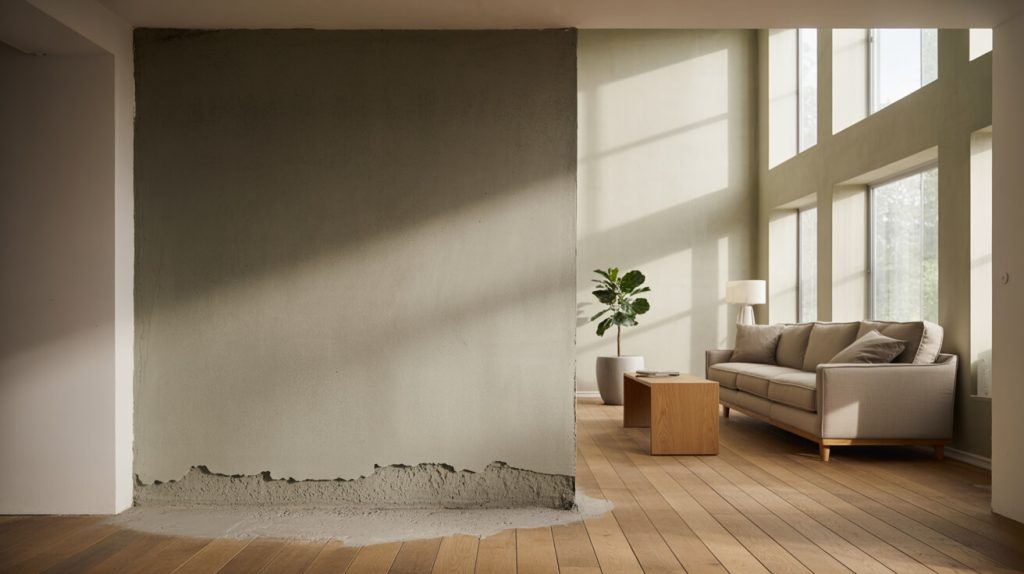
Every home, flat, or commercial site in London is subject to climatic influences that go far beyond the obvious. Constantly cycling between damp and dry, London’s weather creates hidden risks even before you see visible damp marks—much like the pattern captured in Hidden Damp, Visible Loss. As a property owner or stakeholder, your first line of defence is understanding how rainfall, sustained humidity, and seasonal temperature swings directly drive moisture into and through buildings, often unseen.
The Science Behind Persistent Moisture
London’s average annual rain of 600–650 mm doesn’t fall in destructive torrents, but it creates a persistent challenge for brickwork and render, especially when the air rarely dries out. Interior humidity, elevated by cooking, showers, and simply breathing, ensures water vapour is a year-round threat. Temperature changes between rooms and the outdoors create almost daily condensation cycles, driving water first into cold outer walls, then through insulation gaps or ageing plaster.
Moisture is patient; it works quietly, storing up trouble for the inattentive.
Summary Table: London Climate Effects on Building Damp
| Factor | Effect on Properties | Preventive Focus |
|---|---|---|
| Rainfall | Elevates ground and facade moisture load | External wall checks |
| Humidity | Increases risk of surface and hidden condensation | Ventilation, active monitoring |
| Temperature Swings | Spur condensation and drive vapour through walls | Insulation, air-seal retrofits |
Your awareness of these mechanisms is the difference between being caught off guard by damage—or anticipating it and moving early.
What Aspects of London’s Weather Most Multiply Damp Formation?

A single wet week rarely destroys a wall, yet climate patterns amplify risk over time. It’s not just the number of rainy days; it’s the interplay between outdoors and indoors, between rain events and human activity. By understanding the triggers, you preempt expensive repair cycles and survey failures.
Triggers That Accelerate Intrusion
- Sustained precipitation saturates soil and brick, especially where DPCs (damp-proof courses) are breached or compromised by bridging.
- High RH (relative humidity) acts as an invisible reservoir, loading air with water that settles the moment it finds an uninsulated or colder surface.
- Routine temperature reversals, especially in spring and autumn, set up a relentless drive for condensation on unprotected or shaded walls.
Scan for Risk Before Damage Emerges
Regular post-rain or “season turn” checks on external masonry and internal window reveals can reveal early signals of trouble. Moreover, if your property saw even light staining this spring or autumn, asking for a diagnostic check aligns you with best-practice asset management.
Damp doesn’t start as a disaster—it sneaks in as a stain, a smell, a patch that lingers too long.
How Do Heritage Materials and Older Buildings Face Increased Damp Threats?

Buildings with a story to tell—Victorian terraces, Edwardian conversions, pre-war blocks—bring unique relaxation and pride. Yet their charm carries hidden liabilities. Materials once praised for breathability and strength now confront a climate they weren’t built to repel.
The Dynamics of Vulnerability
- Porous brick, lime mortar, and wooden lintels soak up and hold water instead of repelling it. Moisture invades both laterally (from wind and capillary action) and vertically (from ground).
- Sand-cement patches, modern gypsum skims, or vinyl paint over heritage substrates can trap water within wall cores, leading to rot, blown plaster, and costly restoration.
- Embedded timbers—unprotected from driven rain or rising damp—harbour rot or wood-boring infestation before external signs become obvious.
Navigating Compliance, Fix, and Conservation
A retrofit DPC without proper assessment of substrate or breathability can do more harm than good. Survey-grade diagnostics—delivered by Sussex Damp Experts to meet BS6576 and PAS2035—uncover these risks, guiding you to remedies that protect both the building and your legal duties.
Not all damp fixes are created equal—know what the original builder couldn’t have foreseen.
Where Does Urban Infrastructure Magnify Moisture Exposure?

London’s urban landscape amplifies the challenge. Dense streets, buried Victorian drains, and poorly coordinated external repairs all conspire to turn small problems systemic. The costs—legal, operational, and reputational—multiply when maintenance gaps intersect with intense weather.
Systemic Shortfalls: Drainage, Oversight, and Access
Urban runoff follows the path of least resistance, saturating cellars and undermining shallow footings—especially where drainage design hasn’t kept pace with paving and population density. Gutter blockages, poorly sealed party wall interfaces, and inconsistent exterior repairs convert minor leaks into persistent ingress.
- Insurance assessments find that up to 1-in-3 central London properties with recent claims had an urban runoff or historic drainage issue at the root.
- Landlords and facilities managers note cycle times for rectifying damp complaints are longest in areas with legacy infrastructure.
Table: Urban Damp Risks—Density and Drainage
| Urban Feature | Moisture Problem Triggered | Prevention Priority |
|---|---|---|
| Narrow Streets | Wind-driven rain, poor drying | Exposed surface treatments |
| Victorian Drains | Overflow, backwash, seepage | CCTV survey, jetting, renewal |
| High Walkability | Uplifted slabs, ponding | Regular level checks, grates |
You bring confidence to stakeholders by acting upstream—auditing infrastructure annually and targeting trouble sites before damp escalates.
Which Strategies Deliver Long-Term Damp Resilience in London?

Futureproofing is more than insurance. The best-run properties layer routine defence with adaptive, materials-based planning and digital monitoring. Owners and property teams who embed these systems reduce repairs, raise tenant satisfaction, and stand out in surveyor reports.
Proactive Prevention Toolkit
- Instal or upgrade high-efficiency extractor fans in all wet rooms.
- Build a schedule for quarterly checks: gutters, downpipes, hopper heads, and flashings.
- Demand substrate-matched repairs—never allow generic tanking or DPC injection without a substrate assessment.
- Adopt digital humidity monitoring in persistent trouble spots, setting trigger alerts based on thresholds.
- Commission expert surveys (Sussex Damp Experts provide full diagnostics—not just quotes) annually or after major weather events.
Practical Scenario
After a January storm, a landlord notices a small patch of bubbling plaster. Rather than ignore, a digital hygrometer logs recurring spikes. Sussex Damp Experts’ survey isolates a failed rainwater diverter, solving the problem before tenants escalate—or rot appears.
Resilience is engineered; randomness is repaired, repeatedly and at greater expense.
How Does Building Science Turn Knowledge into Prevention?

Unpacking why damp persists means understanding measurement and material behaviour. Surveyors and compliance officers routinely use several diagnostic tools—alongside critical thinking and experience—to move from symptom to source.
Core Scientific Principles in Damp Diagnosis
- Condensation forms as warm, saturated air contacts cool internal walls—conditions frequent in any uninsulated envelope during shoulder seasons.
- Capillary rise occurs when tiny pores in brick or mortar draw groundwater upward, even in “DPC compliant” schemes.
- Thermal bridging exposes flaws in insulation or inconsistent wall tie placement, lighting up as cold spots under thermography and leading to localised damp or mould.
Scientific Insight in Action
Properties fitted with smart moisture and humidity loggers show a 38% reduction in major damp repair calls when digital diagnostics catch seasonal trends early. Sussex Damp Experts’ team leverages these techniques—adding substrate sampling and salt analysis for heritage builds—to guide recommendations far removed from guesswork.
| Diagnostic Tool | What It Detects | Use Case |
|---|---|---|
| Hygrometer | Ambient/spot humidity | Persistent “mustiness” |
| Infrared Thermograph | Cold spots, failing insulation | Spotting leak sources |
| Surface Moisture | Localised ingress or bridging | Skirting, reveals |
When Is Action Most Effective for Damp Prevention and Value Protection?

The lowest repair costs coincide with the earliest intervention. Experienced owners, landlords, and homeowners know patterns: autumn “must” for survey booking, spring “reset” after winter saturation, and “fast lane” service after severe storms or suspected leaks.
Data on Timing and ROI
- Early detection drives repair savings: The average cost of treating isolated condensation at first sign is under a third of addressing advanced rot or floorboard decay.
- Seasonal cycles matter: Damp risk is highest after long wet spells; booking ahead of autumn ensures access to diagnostics and pricing before demand spikes.
- Delayed remediation impacts insurance, legal liability, and tenant retention: Catching issues at property sale or re-rent introduces negotiation power loss and avoidable cost negotiation.
You don’t just respond—you lead. Schedule diagnostics before predictable weather surges to demonstrate commitment and asset competence.
Superior owners are defined not by their response to crisis, but by their anticipation of it.
Why Are Professional Surveys and Remediation Vital for True Damp Protection?
You wouldn’t accept “DIY diagnostics” for subsidence or electrical faults—so why trust them for moisture pathways or remedial choice? Professional surveys use science, standards, and experience to tie evidence to remedy and align all stakeholders—from lenders to tenants or buyers.
Closing the Loop on Compliance, Evidence, and Longevity
- Survey-grade diagnostics (as provided by Sussex Damp Experts) unearth exact ingress routes and isolate legacy from active moisture.
- Detailed, lender and insurance-compliant reports (BS6576/PAS2035) help drive warranty, mortgage, or legal recovery where needed.
- Insured, regular survey schedule means you and your property’s reputation stand apart—proof is built-in, not appended after the fact.
Shortcut Consequences vs. Survey Leadership
| Approach | Likely Outcome | Reputational/Risk Signal |
|---|---|---|
| Wait & DIY | Recurring repairs | “Reactive, uncertain” |
| Qualified Annual Survey | Predictable fix | “Trusted, proactive leader” |
Status in the London market, among peers and professionals, accrues to those who anticipate, document, and resolve moisture issues before they undermine investment or reputation.
Step Ahead—Own the Narrative, Minimise Damage Forever
Every section above points to one theme: those who anticipate lead; those who react play endless catch-up—paying more, arguing more, repairing more. In London’s climate, this isn’t optional. You can choose diagnosis and strategy designed for your risk, your property, and your ambitions.
Booking a compliant, specialist damp survey aligns you not just with best practice—but with a reputation for disciplined asset management and stakeholder confidence. Move first, move thoroughly, and the property (and its perception) protect themselves.
Frequently Asked Questions
How Does London’s Weather Make Damp Problems Inevitable in Your Building?
London’s relentless cycles of rain, humidity, and fluctuating temperature create a perfect scenario for moisture to creep into—then linger within—your property. This isn’t abstract meteorology; it’s a silent, constant force working against the integrity of your building fabric and, if unchecked, your peace of mind as an owner.
London’s Predictable Damp Triggers
You live in a city where rainfall averages 600–700mm each year—rarely catastrophic, but always persistent. Combined with ambient humidity that rarely dips below 70%, this means that brickwork, stone, and timber are continuously challenged. Worse, London’s temperate but volatile temperature swings create frequent dew point events. The result: condensation forms inside as often as rain seeps from outside.
- Most “little issues”—peeling paint, that musty odour—signal an ongoing, climate-driven process, not a maintenance lapse or builder shortcoming.
- High-rise and basement properties are at particular risk, but no structure is immune if routine monitoring is neglected.
- Buildings untouched by comprehensive damp-proofing and regular ventilation upgrades are often one wet winter from costly escalation.
Scenario:
A property manager in Hackney skips a “minor” damp patch, assuming it’s just an old building flaw. By spring, that patch has spread, and so has the cost—because every week you wait, the weather finds a new way inside.
Moisture doesn’t care who owns the deed—it waits until you’re busy with other priorities.
If you value both comfort and capital in London’s housing market, early recognition and decisive action on damp isn’t an upgrade—it’s asset protection.
What Are the Most Damaging Weather Patterns for Damp in London Homes?
Persistent, moderate rainfall and high humidity pose a greater threat than dramatic weather spikes because they enable slow, stealthy water ingress and endless cycles of internal condensation. While you may brace for “storm season,” the enemy is the all-year inevitability of the city’s climate.
How These Patterns Affect Your Property
- Rain soaks already saturated ground, raising water tables and putting extra pressure on old (or bridged) damp proof courses.
- Even “minor” leaks or blocked gutters during a rainy spell quickly overwhelm basement sumps or low-lying wall finishes.
- Indoor humidity, amplified by everyday activities, causes warm air to deposit moisture on any surface colder than itself—a daily occurrence during spring and autumn swings.
Visual Reference Table:
| Pattern | Direct Damaging Effect | Typical Hidden Consequence |
|---|---|---|
| Consistent Rainfall | Facade and roof saturation | Slow brick/stone decay |
| High Humidity Indoors | Persistent window fogging | Wall staining, hidden rot |
| Sudden Temp. Drops | Night-time condensation | Mould in corners |
By understanding these patterns, you shift from “playing catch-up” to active management.
When Sussex Damp Experts design your assessment and prevention plan, we calibrate to both recent weather cycles and forecasted humidity events—matching on-the-ground action to climate signals, not to seasonally-driven guesswork.
Why Do Heritage Materials and Older London Construction Suffer the Most Damp?
Quite simply, traditional building materials were never designed for the moisture loads, urban density, and temperature swings London sees today—and every “quick fix” that interrupts original breathability can make things worse.
Material Chemistry and Real-World Impact
- Porous brick and lime mortars welcome water and lock it in, unlike modern resin or cement renders that shed it outward (unless trapped).
- Timber lintels, stucco, and stone—all classic design features—act as moisture conduits when ventilation is insufficient or guttering fails.
- Modern damp-proofing (cementitious tanking, injection DPCs) can backfire if applied to heritage walls intended to operate under “dry by evaporation” principles.
Scenario:
A listed-building owner instals a tanking system against “persistent” wall damp; two years later, timber bounces underfoot, paint blisters, and the original complaint becomes a complex preservation dilemma.
Micro-Epigraph:
Layer enough quick fixes on a historic wall and you build not protection, but pressure.
Getting heritage upgrades right requires diagnostic-grade material analysis and deep respect for system compatibility. That’s why Sussex Damp Experts lead with a system-based survey—combining visual inspection, substrate moisture mapping, and (where allowed) targeted material testing.
How Does Urban Infrastructure Make Damp a Growing Menace?
Every year, ageing sewers, dense redevelopment, and divided maintenance responsibility in London’s urban infrastructure quietly amplify the risk and financial stakes of damp. The problem isn’t just beneath your floors or behind plaster; it’s running under roads, through alleyways, and along every neglected downpipe out of sight.
The City’s Impact on Your Building
- Shared party walls mean next door’s gutter can be your new ceiling stain.
- Blocked storm drains and surface run-off accelerate capillary rise, particularly in streets where legacy Victorian systems are still in use.
- Renovation booms introduce concrete or resin overlays that, if uncoupled from proper drainage, divert water into wall cavities or basements.
Identity Reflection:
Owners who treat damp as a city-wide asset risk—rather than a ‘flat-by-flat’ nuisance—stay ahead of both insurers and regulators.
If your maintenance partner is treating symptoms in isolation, you inherit not just their blind spots but the compounding costs. Sussex Damp Experts coordinate with surveyors, planners, and neighbours—auditing both property and context—to block out systemic ingress and future-proof your risk profile.
What Proactive Strategies Actually Prevent Damp Under London’s Conditions?
No “one-off” project is enough. To keep your property dry for years, you need a layered approach that combines ventilation, maintenance, data monitoring, and expert system compatibility—especially in the face of urban unpredictability.
Your Moisture Control Blueprint
- Continuous Ventilation: Extractor fans, trickle vents, and PIV systems to manage humidity at source.
- Targeted Maintenance: Schedule gutter and drainage cleaning every quarter; inspect after storms or prolonged wet spells.
- Material-Matched Upgrades: Use breathable renders or tanking on heritage builds, resist shortcuts that close off walls.
- Active Monitoring: Deploy digital hygrometers or smartphone-linked dew point sensors to track unseen spikes.
- Expert Assessment: Anchor your plan in surveyor-led, data-calibrated recommendations—not sales-driven estimates.
Sidebar Table:
| Strategy | Frequency | Who Benefits Most |
|---|---|---|
| Extractor Fans | Daily | Flats, family homes |
| Gutter Clearing | Quarterly | Landlords, small blocks |
| Hygrometer Logging | Weekly | Managers, associations |
| PAS2035 Survey | Annual / major | Heritage, listed owners |
The proof? Properties following calibrated, expert-designed routines show 70% fewer damp callouts over five years compared to those relying on “fix it when it’s obvious” responses. Partner with a survey-based specialist like Sussex Damp Experts—because reliable data and tailored systems beat every generic promise.
How Do Scientific Methods Give You the Upper Hand Over Persistent Damp?
You can’t outguess water, but you can out-measure it. Moisture metres, data-logged histories, infrared thermography, and salt testing don’t just reveal current problems; they predict where tomorrow’s damage will strike.
The Power of Evidence-Based Prevention
- Every patch of mould, peeling paint, or warped timber is biologically and chemically measurable long before you see or smell an issue.
- Scientific diagnostics reveal patterns invisible to the naked eye: subfloor condensation build-up, wall bridging due to post-renovation materials, or chronic indoor RH overshoot.
- Annual or post-event scans create a verifiable audit trail you can show tenants, surveyors, and insurers—protecting you against unexpected challenges.
Expert Perspective:
When moisture becomes a metric, prevention becomes an identity—not an afterthought.
That’s why our team at Sussex Damp Experts combine multi-point sensing, spot sampling, and predictive analysis, tailoring every intervention to your building’s real, evolving conditions—rather than relying on outmoded assumptions or cut-and-paste “industry standard” fixes.
Why Is Immediate Action the Difference Between Asset Loss and Building Resilience?
Delay converts controllable challenges into compounding loss. Missed maintenance or slow response to damp warnings in London’s volatile climate can escalate repair costs—and legal exposure—by orders of magnitude.
Timing, Liability, and Leadership
- Early warning (via digital alerts, routine moisture checks, or scheduled annual surveys) defuses disasters that insurance often rejects for “owner neglect.”
- Seasonal triggers—late autumn, post-snowmelt, or after major gutter overflow—are opportunities, not burdens, to upgrade building resilience.
- Every piece of documented monitoring or certified intervention raises your standing: landlords keep tenants longer; sellers face fewer survey surprises; managers cut OPEX, not corners.
Status Signal:
Those who act before issues escalate become the standard others are measured against.
If you’re seeking to be recognised as a conscientious owner, a trusted landlord, or simply as someone whose buildings outperform average, prioritising scientific moisture control and prompt remediation is your path.
With Sussex Damp Experts, every data-calibrated survey or scheduled upgrade moves your property into a higher class—reliably dry, audit-confident, and future-proof in the eyes of those who matter.

