
 By
By  July 11, 2025

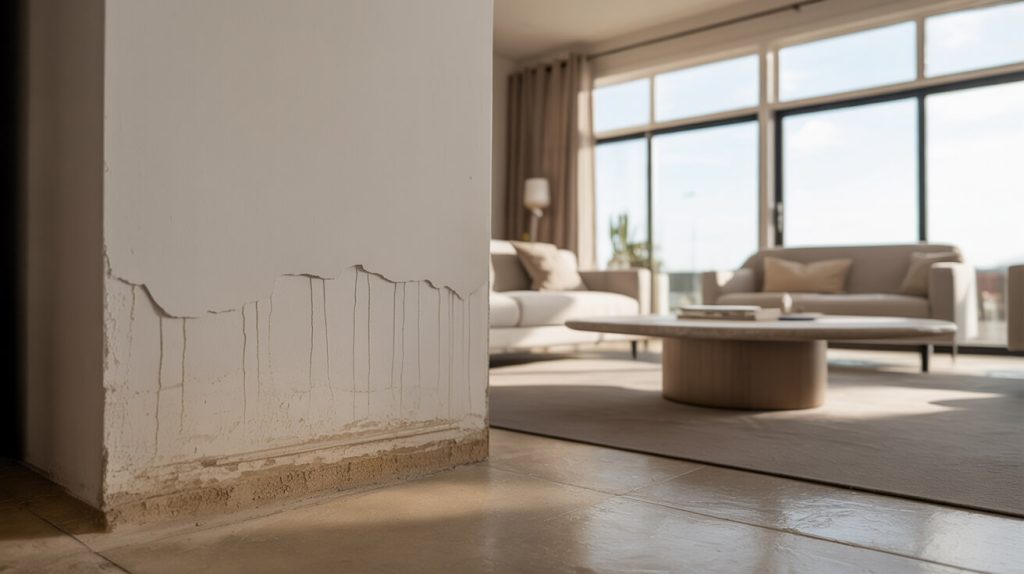
How to Identify Penetrating Damp: Immediate Warning Indicators
You rely on your property’s structure to protect your comfort, health, and financial security. Small signals—subtle dampness, bubbling paint, faint musty odours—often reveal far more than cosmetic issues. Penetrating damp is a physical breach, and understanding What Causes it means recognising how water enters through masonry, joinery, or failed seals, exploiting unmaintained materials or design vulnerabilities.
For homeowners, landlords, or managers, missing these warning indicators sets in motion a chain of consequences. Worse, treating them as low-priority maintenance routinely leads to spiralling cost and compliance exposure.
Recognising Early Warning Signs
Identify the earliest symptoms before they become complex repairs:
- Localised damp patches that darken after rain or change shape seasonally
- Bubbles, blisters, or peeling in paint and wallpaper near windows, on exterior walls, or at roof junctions
- Distinct mustiness that persists after ventilation or cleaning
- Crumbling timber skirting, warped floorboards, subtle shifts in surface texture
- Persistent cold spots on affected walls, even in heated rooms
- Recurring stains or patches after previous repair attempts
Walls don’t complain out loud. Minor signs escalate quietly, then suddenly trigger significant loss.
Dismissing these symptoms puts you at risk for valuation drops, rental disruption, or legal disputes. By acting on early signals, you protect your investment and reputation, reducing intervention costs and safeguarding family or tenant wellbeing.
Why Relying on Minor Fixes Fails
Treating surface marks with over-painting or generic DIY compounds often delays rather than prevents escalation. Professional assessment is the bridge to permanent resolution, and effective penetrating damp treatment depends on targeting the source rather than the symptoms. When uncertainty arises, expert damp surveyors use both technology and experience to pinpoint not only visible issues but also latent or hidden risks beneath your property’s surface.
What Causes Penetrating Damp in Houses and Heritage Properties?
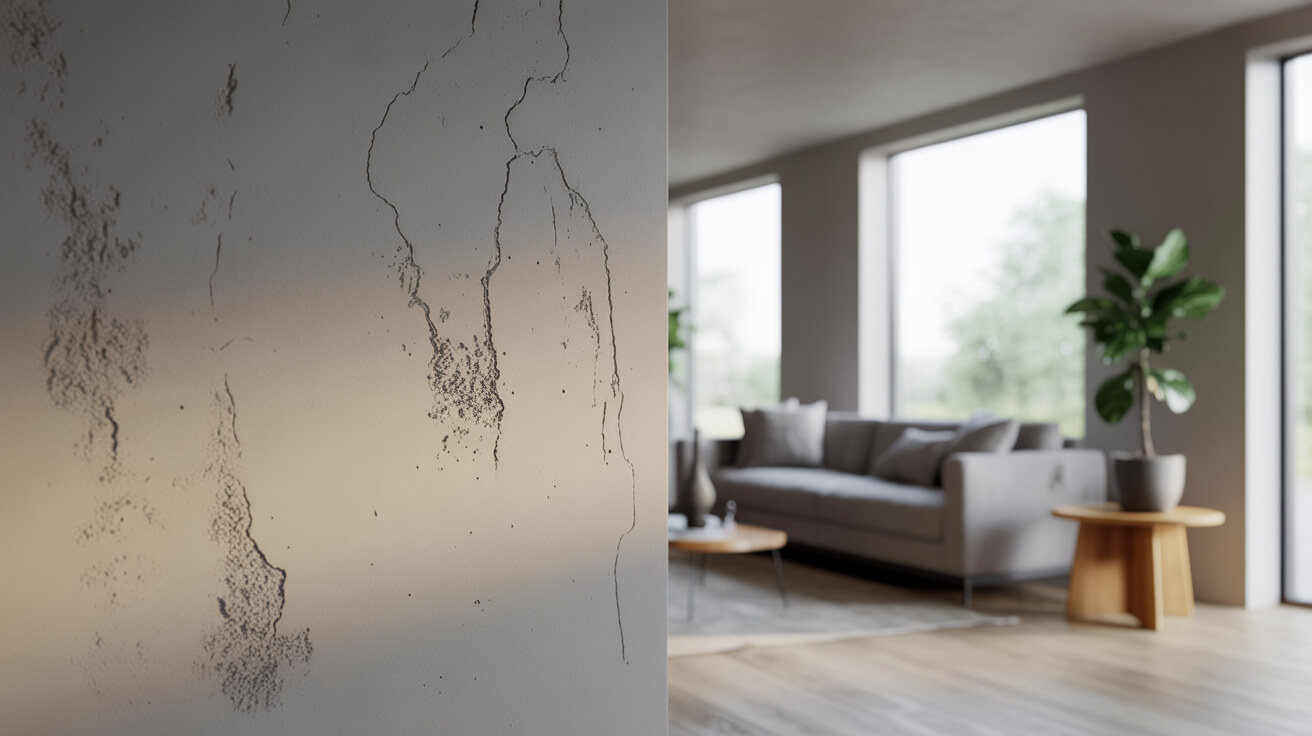
The sources of penetrating damp are as varied as the region’s architecture. Understanding how water gains entry, and why specific properties are at heightened risk, is essential to accurate diagnosis and effective penetrating damp treatment.
External Water Ingress: The Usual Suspects
Damp invades most commonly via:
- Aged or porous brickwork and mortar joints, especially when mismatched repair materials disrupt breathability
- Cracked, poorly maintained or missing render allows water to bypass protective barriers
- Overflowing or blocked gutters and downpipes channel water directly onto masonry at junctions and foundations
- Damaged roof coverings and failed flashing at abutments introduce hidden water flows
Hidden Internal Risks
Some causes aren’t apparent on routine inspection:
- Cavity wall insulation bridging due to debris, blocked vents, or hasty retrofitting
- Non-breathable modern renders trapping moisture into solid wall homes
- Renovation shortcuts that bypass substrate compatibility, particularly in listed or heritage buildings where lime mortar is replaced by impermeable cement
Environmental and Design Amplifiers
North and west-facing elevations suffer heavily during wind-driven storms. Dense vegetation, poor external drainage, or new landscaping can raise ground levels or direct water back toward walls.
Table: Common Causes vs. Affected Areas
| Cause | Most Affected Area | Urgency | Heritage risk? |
|---|---|---|---|
| Porous brickwork, failed pointing | Victorian homes, exposed | High | Elevated |
| Blocked gutters/overflowing downpipe | All | Medium | High |
| Cracked render | Cavity + solid | Medium | Variable |
| Modern render on lime walls | Heritage/listed | High | Maximum |
Knowing the why and where lets you intercept damage cycles before they take hold. Routine expert assessment, especially for heritage or complex properties, gives you the upper hand in both prevention and compliance.
How Can You Reliably Distinguish Penetrating Damp from Other Damp Types?

Symptom overlap frequently leads to false-positive repairs, wasted resources, and persistent risk. Accurate diagnosis ensures the solution matches the source, not just the surface symptom.
Penetrating Damp vs. Rising Damp vs. Condensation
Distinguishing features guide both managers and homeowners:
- Penetrating damp appears as patchy, localised marks—often mid-wall, after rain, or at junctions of windows, doors, or roofs. It doesn’t form a consistent horizontal band.
- Rising damp climbs from ground level, with characteristic tidal marks and potential salt efflorescence at lower wall zones, rarely breaching 1.2 metres.
- Condensation often presents as diffuse, misty surface or glass deposits, linked to internal humidity, insufficient ventilation, and rapid temperature drops.
Table: Clear Diagnostic Markers
| Distinguishing Feature | Penetrating | Rising | Condensation |
|---|---|---|---|
| Timing | Rain-driven | Any, slow | Cold-mornings |
| Pattern | Irregular | Horizontal | Diffuse |
| Salt marks | Rare | Common | None |
| Location | Any level | Low level | Surfaces |
| Recurrence | After rain | Persistent | Poor vents |
Reliable Methods of Confirmation
- Use calibrated moisture metres horizontally and vertically to spot consistent vs. patchy readings
- Apply salt analysis; only rising damp leaves characteristic nitrate deposits
- Deploy thermal imaging to expose cold, wet wall spots invisible to the naked eye
It’s not what you see initially—it’s what you confirm by measurement that dictates true risk management.
A PCA-accredited or fully-insured surveyor refines your findings, validates compliance, and reduces the cycles of failed fixes.
Where Are the Most At-Risk Zones for Moisture Entry?

No property is immune. Vulnerabilities shift by property age, construction method, and history of upgrades.
Key Risk Zones by Property Type
- Solid wall homes: All external faces, especially those exposed to prevailing weather
- Cavity wall buildings: Above and below DPC (damp proof course), especially where insulation bridging or tie corrosion exists
- Basements and cellars: Wall-floor junctions, near external stairs, and beneath patios where ground levels have shifted
- Heritage/listed buildings: Points of non-original repair, areas beneath windowsills where lime mortar was replaced
Scenario Walkthrough
For a Victorian terrace: repeated bubbling paint mid-wall in a front bay window, despite fix attempts, led to internal inspection discovering debris-blocked cavity trays. For a post-war semi: a patch at first-floor bedroom level traced to overflowing gutter directly above.
Preventative assessment of your structure’s inherent weak points, especially after upgrades or external landscaping works, is the surest way to maintain integrity.
Why Timely and Accurate Damp Diagnosis Matters for Compliance and Value
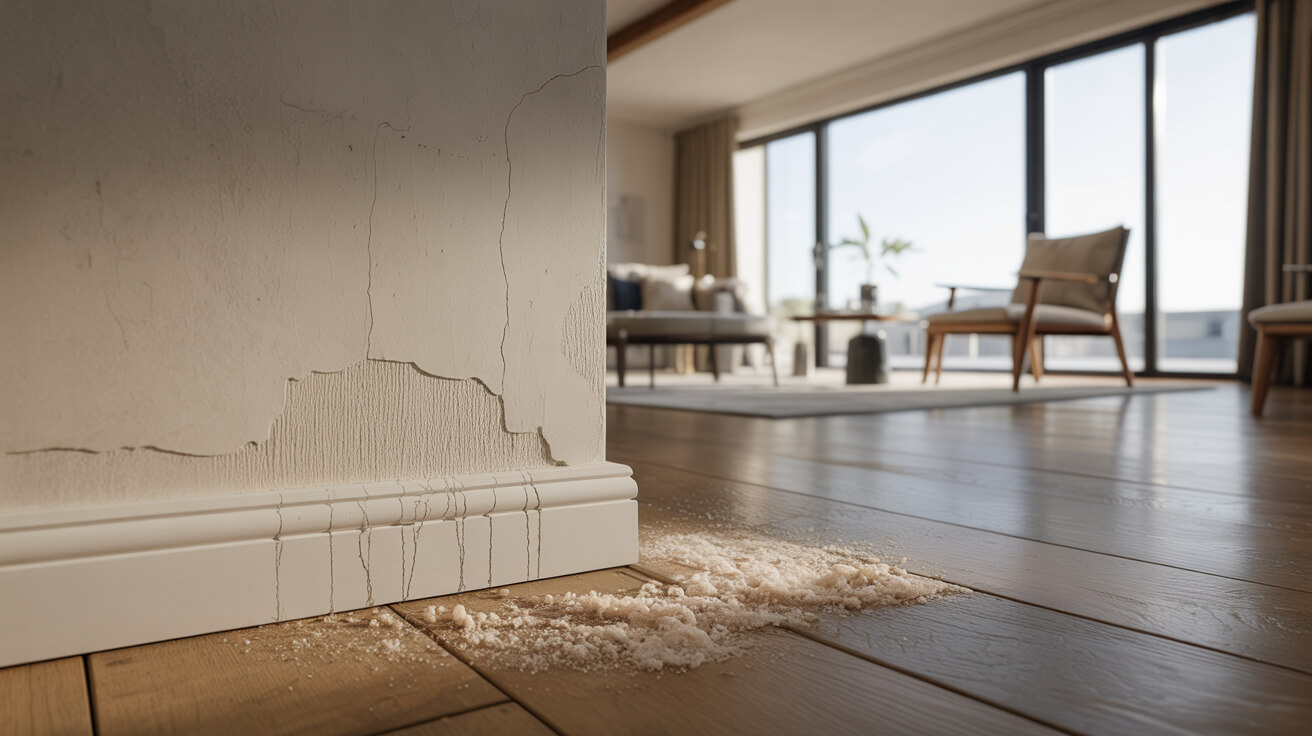
Each month of uncertainty not only risks material decay—it jeopardises your standing with lenders, insurers, and tenants. Property value preservation depends not just on action, but on accredited documentation.
Regulatory Reporting and Documentation
- Lenders demand proof of repair, especially for mortgage approvals and remortgages; reports must reference BS6576 or PCA standards
- Insurance claims are denied more often for unclear or non-standard fixes than for any other cause related to water ingress
- Local authorities require HHSRS compliance for landlord/agent properties; non-compliance can void rental income or trigger mandatory improvement notices
Steps to Secure Compliance
- Commission a professionally-written and fully-accredited diagnosis report
- Document all interventions and photographic evidence, including before/after moisture readings
- For heritage/listed properties, log all treatments, consent documentation, and product batch details
Recording each step instils confidence, streamlines claim processing, and cements your asset’s value. Sussex Damp Experts structure all reports to anticipate these stakeholder checks, smoothing your path to sale, insurance, or rental.
How Can Property Owners or Managers Identify Hidden or Escalating Structural Damage?
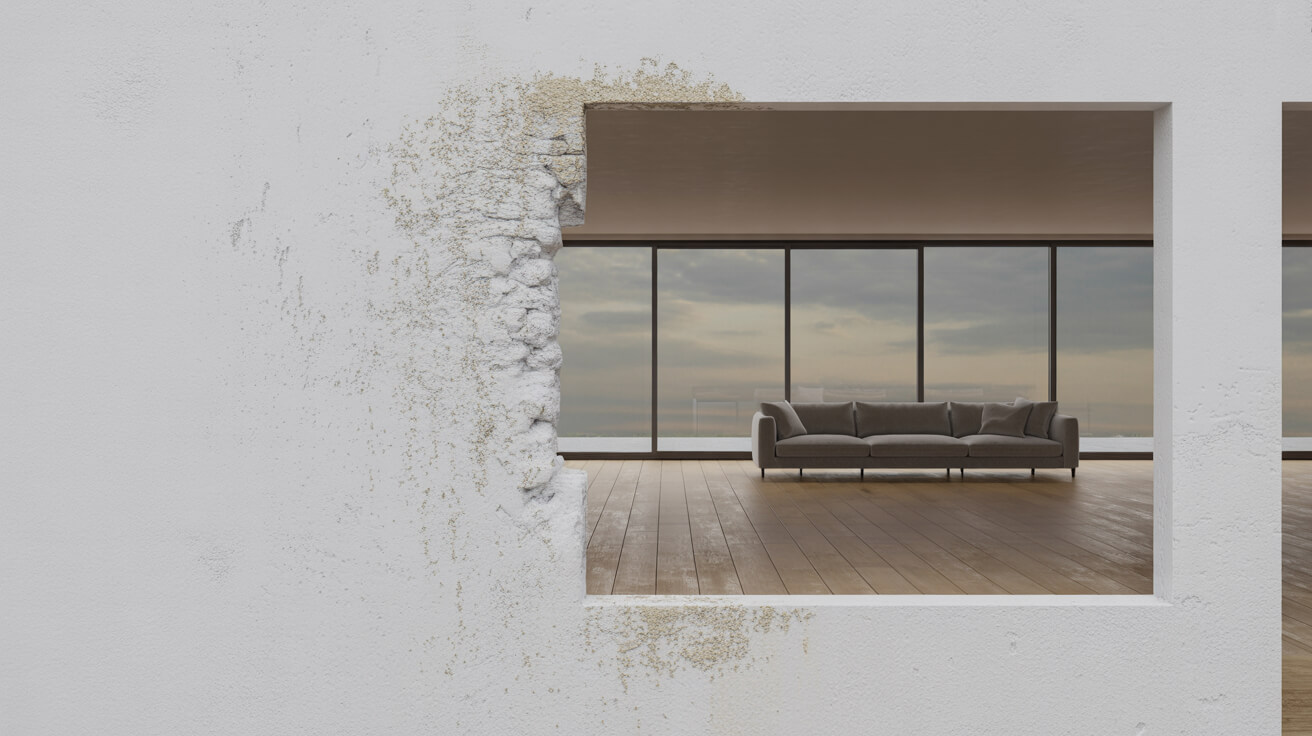
Not all damp is visible—and by the time symptoms show on the surface, sub-structure damage is often underway.
Tools and Signs Beyond the Surface
- Warped or sinking floors near external walls, especially after heavy seasons or flooding
- Subtle waves or bulges in lower wall plaster, resistant to sanding or re-plastering
- Musty or earthy smell persisting well past weather changes or cleaning
- Localised cold spots suggesting unaddressed thermal bridges or interruptions
Solution Pathways
Where suspicion persists:
- Deploy moisture map profiling to locate hidden clusters
- Initiate borescope inspections inside cavity or floor voids
- Schedule periodic reviews, especially after severe weather events or repairs
Your building’s biggest danger is the damage no one is seeking. Find it early, or let the cost climb unmonitored.
Can Professional Surveys and Remedial Works Ensure Lasting Results?
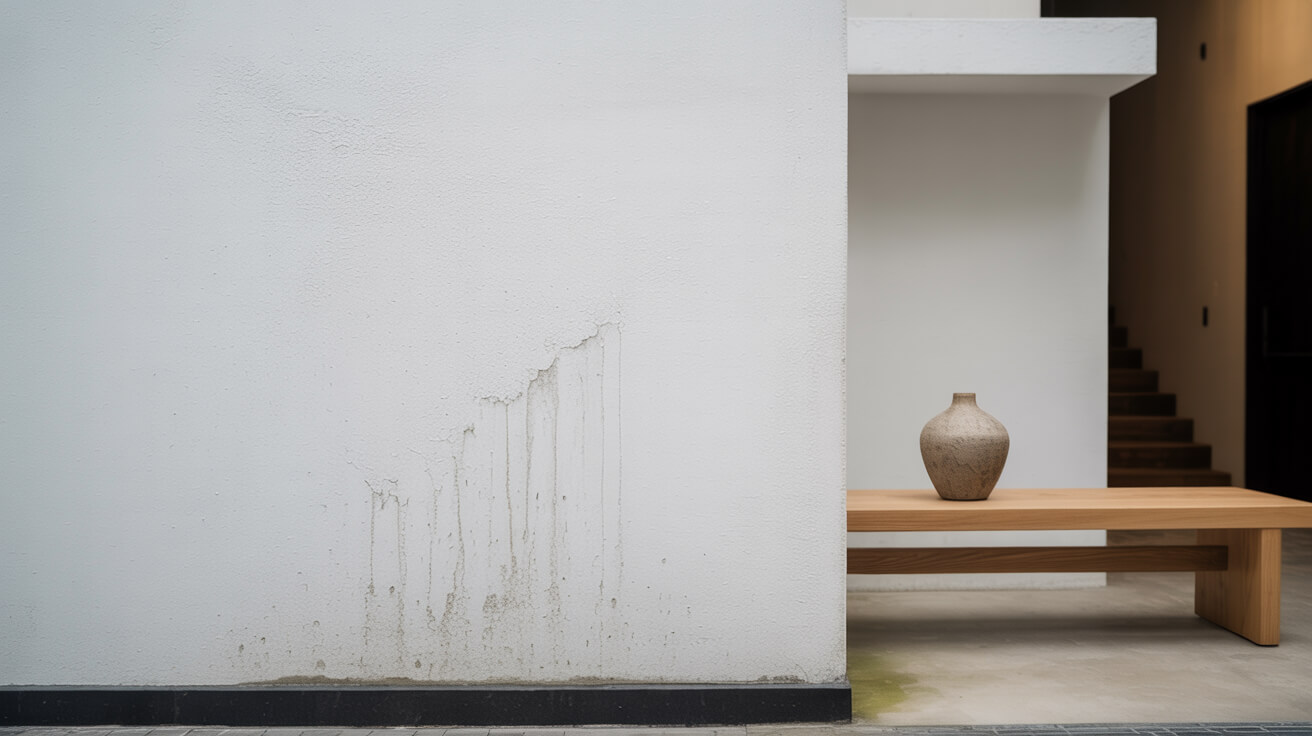
Surface fixes cycle back when the root cause remains. True risk mitigation is the combination of expert survey, solution-neutral recommendation, and full-compliance installation.
Professional Survey Process
- Physical and digital mapping, not just symptom documentation
- Stepwise evidence chain from risk to recommended intervention
- Warranty and aftercare plan personalised to property type and compliance needs
Value-Backed Remediation
- Only treatments traceable to certified standards (PCA, BS6576, PAS2035) deliver insurable, lender-accepted outcomes
- Asset owners and managers benefit from documentation to support future sale, letting, or management audits
- Heritage or unique properties receive system design compatible with conservation requirements
Calling a damp specialist isn’t expense—it’s investment in the standard you’re expected to keep.
Book Your Free Consultation With Sussex Damp Experts Today
Clarity is a decision; security is earned. You’ve seen where risk starts—and how it grows behind closed walls or unplanned upgrades. Now, act before the next survey, contract renewal, or seasonal event makes the choice urgent.
- PCA-backed assessment, insurer-recognised reports, and documentation for your next valuation
- Specialist pathways for heritage, basement, or commercial properties, with solutions tailored to your risk profile
- Trusted by property professionals and homeowners across Sussex, our process is transparent, rapid, and designed to anticipate every compliance and insurer question before it’s asked
Act now to maintain not just the surface, but your asset’s status, future value, and market confidence.
Frequently Asked Questions
What are the earliest and most reliable indicators of penetrating damp in your property?
The most telling signs often masquerade as minor cosmetic issues—randomly appearing stains, wallpaper just starting to bubble, or skirting boards that have softened at the edges. Their Early Warning value lies not in their drama, but in their consistency: they resist DIY treatment, often re-emerge after rainfall, and localise in places where your building’s defences have begun to slip.
Key Early Warning Signs:
- Patches of damp on external walls that darken after wet spells
- Paint or plaster bubbling, flaking, or showing tide-marks at seemingly random heights
- Subtle musty odours lingers even with ventilation
- Timber joinery (skirting, window boards) becoming soft or discoloured without direct plumbing leaks
- Localised cold spots detectable by hand or with an infrared thermometer
The mistake is to assume these are merely aesthetic: every early symptom is an invitation for escalating damage if left unchecked. Damp Diagnosis Matters for identifying when water ingress has begun, because once moisture gets in, structural timber and decorative finishes become staging grounds for decay and mould. Timely attention transforms what might have become an all-consuming repair project into a contained, manageable fix—and positions you as the owner or manager who anticipates issues before they cost you everything.
The reward isn’t in reacting quickly—it’s in never being surprised by a surveyor.
Modern damp surveys combine physical inspection with advanced methods, like digital mapping and material compatibility checks. Sussex Damp Experts recommend that every property stakeholder—not only owners, but landlords, agents, and facility managers—incorporate these observable markers into routine inspection workflows.
What are the underlying causes of penetrating damp and how do they differ depending on property age or type?
Water doesn’t care if your building is Victorian or a contemporary flat; it exploits whatever path you or time leave open. For homes built before the widespread use of cavity walls, lime mortar and breathable renders once combined to keep structures dry. When these are replaced with cement pointing or modern impermeable finishes, moisture finds new pathways—lateral migration, hidden pooling behind facades, decay in load-bearing timber.
Key Causal Nodes:
- Weathered Brick or Masonry: Porous stone, decayed pointing, mismatched patch repairs all allow rain to stream horizontally or downward behind the surface.
- Failed or Blocked Guttering: Overflow or pooling delivers a steady dose of penetration at eaves, wall heads, and vulnerable junctions.
- Roof Junctions & Details: Tiny cracks at leadwork, parapet walls, or flat roof abutments are the invisible sources that become next year’s claims or disputes.
- Poorly Designed Renovations: Insulation bridging cavities, solid wall upgrades without vapour checks, or window swaps that neglect original drip detailing—modern improvements often introduce new risk.
Influence of Age and Property Type:
| Property Era | Typical Danger Zones | Common Failures |
|---|---|---|
| Pre-WW2 Solid Wall | Facing elevations, chimney stacks | Cement repointing, paint layers |
| 1950s–1970s Cavity | Wall ties, insulation bridging | Blocked or debris-filled cavity |
| Heritage Listed | Render/roof interfaces, old joinery | Modern materials, lost breathability |
Early survey in heritage buildings prioritises non-invasive methods and ensures compatible repair—no quick fixes that undermine age-old resilience. For asset managers and landlords, property register audits and post-renovation reviews often identify these hidden failures as Early Warning Signs before they worsen. When in doubt, specialist inspection protocols map real-world risk directly to the unique history and context of the property.
How can you accurately distinguish penetrating damp from rising damp or condensation—and why does this Matter?
Failure to label the problem is the first domino in a chain of wasted repairs, regulatory headaches, and legal disputes. To understand What Causes these failures, it helps to note that penetrating damp, unlike rising damp, appears anywhere water can push laterally or down from above—not just climbing from the ground. Condensation, a common wintertime complaint, typically emerges in poorly ventilated corners or behind furnishings and lacks the pattern, salt, or external linkage seen in true building ingress.
Distinction Table:
| Feature | Penetrating Damp | Rising Damp | Condensation |
|---|---|---|---|
| Pattern | Random, after rain | Even, from base | Diffuse, glass/corners |
| Salt Residue | Absent/patchy | Wavy tide at base | None |
| Surface | Patch, vertical/horizontal | Band up to 1m | Mist/film, esp. windows |
| Linked to | External damage | Damp-proof failure | Habits/insulation gap |
A correct diagnosis isn’t an academic exercise—it’s a budget, legal, and warranty safeguard. Industry research (e.g., PCA, BS6576, RICS) notes 30% of remedial damp claims result from misdiagnosis or symptom confusion, showing why Damp Diagnosis Matters for landlords, buyers, and homeowners alike. Sussex Damp Experts’ moisture mapping and salt analysis protocols cut through visual noise, anchoring recommendations to measurable reality. For every misread symptom, countless hours and thousands in repair can be sidestepped. For landlords and buyers, this is compliance in action. For homeowners, it’s peace of mind—and in every case, it’s proof that you act before damage writes its own report.
Where are the most vulnerable zones for damp entry and what makes these areas especially risky?
Water seeks the path of least resistance, but it doesn’t always show up where you expect.
Vulnerable Zones
- North/West Facing Elevations: Stand up to the worst of the UK’s driving rain, showing earliest signs of staining or infiltration—often at window heads, parapets, or wall bases.
- Gutters, Downpipes, Valleys: Overflow dumps water along the wall or skips intended flashing entirely.
- Below Grade (Basements, Cellars): Hydrostatic pressure and misaligned drainage defeat even “modern” tanking when not harmonised with exterior conditions for the region.
- Window/Cill Junctions, Flat Roof Abutments: Small sealant gaps are all it takes for years of moisture to start carving a trail.
Multiple Scenarios, Common Themes
- Asset managers face entire property portfolios with recurring “mystery” patches, only to discover a shared external design flaw.
- Conservation areas restrict routine upgrades: an old repair passed inspection, but now seeps after every storm.
- Fast track renovations create new risk. A ground-level patio is built up, covering DPC and introducing direct ingress at the wall/ground junction.
Routine external surveys address more than aesthetic inspection—they preempt escalation, document maintenance progress, and create a baseline for any future claim or regulatory challenge. Our site analysis includes digital mapping, periodic monitoring, and material compatibility checks so no silent entry point escapes notice.
“Reliability isn’t measured by absence of calls—it’s measured by the consistency and accuracy of your property data register year over year.”
Why is prompt and compliant diagnosis so important for insurance, regulation, and property value?
Damp left to fester isn’t just a building’s problem—it becomes a compliance, insurance, and valuation issue, often with exponential cost. Surveyors, lenders, and tenants demand proof not only of repairs, but of accurate problem labelling and rectification.
Compliance and Value Impacts
- Insurance Claims: Most policies specify exclusion for “long-term ingress” or “maintenance issues.” Lack of inspection logs, repair scheduling, or compatible materials is a golden ticket for claim denial.
- Buyers & Sellers: Damp flagged on survey is a leading cause of mortgage delay. Resolution documentation isn’t just paperwork, it’s the difference between a smooth sale and an endless negotiation.
- Landlords & Commercial Owners: HHSRS and BS6576/2035 frameworks frame damp as a health and habitability risk—regulatory notices can escalate to enforcement action, fines, or enforced remedial orders.
By scheduling formal inspection, deploying accredited testing protocols, and maintaining digital evidence of findings and repair, you minimise future liability and enhance property “market ready” status—a kernel of control in the unpredictable world of property management.
Documentation is not clerical; it’s your most cost-effective asset safeguard.
What’s the process for uncovering hidden or escalating damp—and how should property owners, managers, or buyers proceed?
Unseen moisture migrates with patience: beneath floors, behind wall finishes, into ceiling voids and joinery. If you only react to visible stains, you miss the slow sabotage that becomes rot, infestation, or catastrophic failure.
Diagnostic Steps:
- Initial Inspection: Use of moisture metres across strategic grid points, thermal imaging, and substrate profiling—beyond the scope of visual checks.
- Scenario Analysis: Model water movement paths based on property layout, external defences, and recent renovations.
- Invasive/Confirmatory Testing: Where readings indicate, employ borescope, sample cut-out, or lab salt analysis.
- Scheduled Monitoring: After initial repair, annual or event-based checking ensures early pattern recognition and preempts large-scale intervention.
A recent case: a housing association flagged escalating maintenance costs with no visible cause. Full substrate and cavity mapping revealed improper insulation instal, trapping water behind finish and generating cyclical surface issues. Remediation wasn’t cheap, but every penny protected future OPEX and resident wellbeing.
Expert intervention is the difference between future-proofing and serial emergency repair. Our multi-tiered diagnostic process is rigidly structured, insurance-compliant, and recognised across residential, heritage, and commercial real estate sectors.
Can engaging a certified survey and remedial team provide lasting protection—not just short-term comfort?
Lasting security comes from action that’s as comprehensive as it is context-driven. Certified specialists—those who routinely pass BS6576, PAS 2035, and PCA audits—ensure every repair is mapped, justified, and documented for any stakeholder scrutiny.
What Clients Gain
- Regulatory-grade reports accepted by lenders, insurers, authorities
- Step-by-step aftercare tracking with guaranteed compliance (annual inspections, digital logs)
- Material selection tailored to context—never the “one size fits none” approach of commodity repair
- Warranty and aftercare plans recalibrated per risk: for a listed barn, that may mean vapour-open lime mortar; for a city flat, a membrane with a maintenance track record proven under real-world pressure
No repair is permanent unless it’s compatible, documented, and monitored. At Sussex Damp Experts, every project is a blueprint for future certainty—elevating your identity as a steward, not a stopgap. That difference is visible not only at the next survey, but in the operational smoothness, lowered risk, and compressed lifecycle cost of your properties over time.
True status isn’t in the repairs you list, but in the inspections and records you never have to explain.

