
 By
By  April 24, 2025


How to Get Rid of Woodworm at Home—Expert Guidelines for Effective Property Protection
Property damage from woodworm typically starts long before the first visible signs, affecting timber strength, building safety, and your investment’s value. If your goal is to protect your home, rental property, or heritage asset from loss and regulatory headaches, you need a methodical approach—one that combines early detection, scientifically-sound remediation, strict compliance, and ongoing vigilance.
Why Treating Woodworm Proactively Matters
When wood-boring beetle larvae infiltrate structural or decorative timber, the initial effects can seem trivial. Unfortunately, unchecked larvae permanence — even in minor items — can compromise entire floor systems or support beams, triggering surveyor flags and insurance denials. For property managers, this risk includes tenant safety claims and council directives. For heritage stewards, even minimal errors in repair strategy introduce irreversible material loss or compliance disputes.
Immediate Stakes for You and Your Property
- Missed signs frequently lead to later-stage collapse or large-scale replacement.:
- Loan, sale, or rental processes stall or fail with untreated woodworm.:
- A minor oversight on a report can become a financial or reputational liability.:
To prevent these outcomes, Sussex Damp Experts delivers a precision framework rooted in regulated industry standards, accepted by insurers, surveyors, and conservation authorities throughout Sussex and beyond.
Neglecting a single beam can jeopardise an entire asset portfolio.
Actively engaging with early-stage woodworm prevention and eradication enables owners and managers to maintain value, avoid legal disputes, and ensure ongoing compliance with UK property standards. Each step below aligns with proven techniques recognised both within and beyond the local real estate ecosystem.
Woodworm Identification Checklist—Recognising Early and Advanced Signs
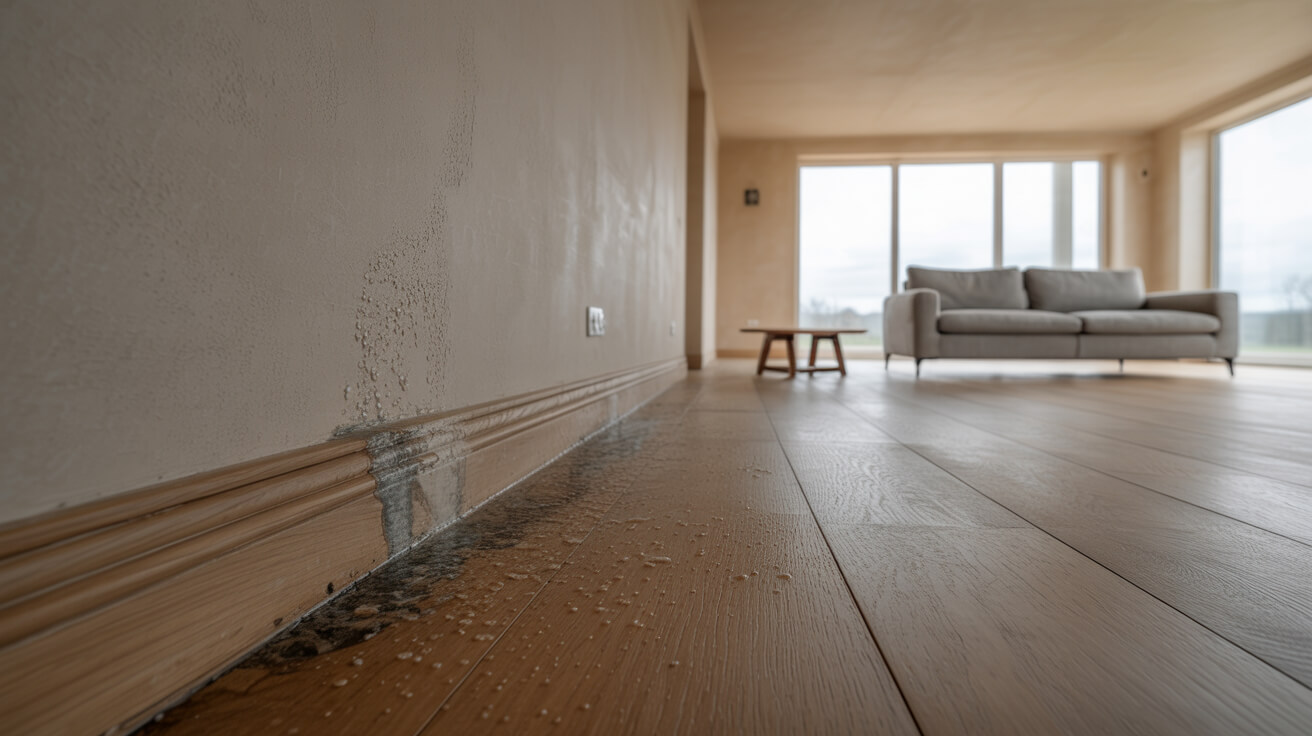
Spotting woodworm early requires a trained eye for subtle details that separate an isolated cosmetic mark from active infestation. The identification process must be precise—whether you’re managing a Victorian home, multiple rental units, or a contemporary property with timber features.
Assessing Timber for Infestation—Visual and Tactile Cues
- Exit holes: Small, clean 2–3mm holes (often in clusters) indicate recent beetle emergence. These are typically found in skirting, joists, roof timbers, or beneath older furniture.
- Powdery dust (frass): Pale, fine sawdust near holes reveals active woodworm larvae or recent beetle exit.
- Soft or brittle wood: Timbers that give way under pressure or sound hollow when tapped are likely compromised.
- Dead beetles or larvae casings: Their presence, particularly in spring or early summer, strengthens the evidence of ongoing activity.
Differentiating Active from Dormant or Historic Signs
Relying on visual judgement alone is hazardous. Aged exit holes can persist for decades; fresh, sharp-edged holes with frass suggest active infestation. Be aware, however, that professional-grade tools such as moisture metres, thermal cameras, or borescopes are required for proper status auditing—especially in floors, roof spaces, or load-bearing structures.
Rapid Inspection Cheatsheet
- Inspect lofts, cellars, skirting, and out-of-sight areas regularly.
- Use a handheld torch, screwdriver, and notepad to record any suspect finds.
- Capture photographs and consistent notes—these are essential for insurance, landlord-tenant disputes, or conservation reporting.
A downloadable compliance-ready woodworm checklist is available for all clients of Sussex Damp Experts—streamlining communication with surveyors, mortgage lenders, and tenant representatives.
You don’t lose a sale or endure regulatory pain from holes you’ve found; only from the ones you didn’t know to look for.
Causes and Risk Factors for Woodworm Infestation—Property Science Explained

Understanding why woodworm targets your property is essential for eradication and prevention. Infestation rarely occurs at random; patterns emerge from environmental, biological, and maintenance-linked vulnerabilities.
Wood and Environmental Variables
Timber with chronic moisture problems serves as the foundation for most outbreaks. Causes span from poor ventilation, ongoing leaks, and condensation to historical dampness trapped during previous repairs or substandard interventions.
Key Environmental Triggers
| Building Context | Main Risk Factor | Preventable? | Recurrence Risk |
|---|---|---|---|
| Heritage Properties | Limited treatment options, historic damp | Conditional | High without formal aftercare |
| Rental Properties | Unmonitored leaks, late tenant reporting | Yes | Medium to high |
| Basements/Lofts | Sub-floor/cold-bridging, hidden water | Yes | Persistent (w/ poor airflow) |
| New-Build Timber | Untreated surfaces, fast construction | Yes | Medium |
Different beetle species may have unique timber or climate preferences. Common furniture beetle thrives in softwood; deathwatch beetle and house longhorn favour hardwoods, often those within historic buildings.
Repair and Renovation Vulnerabilities
Failure to treat end grains, improper sealing after renovations, and insulating over damp wood without drying are recurring factors. Past DIY treatments using inappropriate chemicals can lock in moisture, turning minor issues into long-term problems.
Woodworm chooses your least-monitored corner. Prevention starts with the science of your property, not generic advice.
Step-by-Step Guide to Inspecting for Woodworm—DIY and Professional Protocols

Timely, thorough inspection forms the backbone of any successful woodworm mitigation strategy. Consistency, documentation, and escalation protocols are mandatory, not optional.
Structured Inspection, Documentation, and Reporting
- Zone definition: Break property into logical zones—lofts, ground floor, exterior, furniture.
- Surface checks: Displace stored items. Inspect visible and hidden timber surfaces.
- Depth check: Probe suspect timbers with a screwdriver, noting any softness or excessive give. Listen for hollow notes.
- Moisture measurement: Use a moisture metre on timber in vulnerable locations; high readings correlate with active risk.
- Photo evidence: Photograph any irregularities, referencing location and context.
- Log findings: Document ALL discovery dates, even absence of issues.
Compliance and Next Steps
If recurring signs, property changes hands, or HHSRS or insurance applications are in play, escalate findings for professional assessment. Sussex Damp Experts supply surveyor-ready inspection logs and can escalate compliant reporting direct to regulatory and insurance bodies.
The property owners who can point to a full documented trail never lose negotiations, insurance claims, or council cases.
Best Woodworm Treatment Methods—Comparing DIY, Chemical, and Professional Options

Choosing the right treatment isn’t simply an economic decision; it’s a risk management act influencing the future safety and value of your asset.
Diagnostic-Driven Remediation Choices
- DIY treatments: Useful for superficial, very recent, easily accessible outbreaks. Boron and permethrin-based solutions may neutralise larvae near the surface but provide little certainty for deep or layered infestations.
- Professional solutions: Employ diagnosis, precision-controlled chemicals (where safe), heat application, and aftercare compatible with UK Heritage and landlord requirements.
- Heritage or listed remediation: Involves specialist low-toxicity chemicals, non-destructive testing, and council/curatorial oversight.
Treatment Method Comparison
| Method | Use Case | Risks/Constraints | Documentation |
|---|---|---|---|
| DIY Spray | Small surfaces | Missed larvae, surface only | None |
| PCA/TrustMark Pro | Structural/multiple | Higher initial cost, downtime | Guarantees, certs |
| Heritage-Safe | Listed buildings | Needs pre-approval, costlier | Council approval |
Ongoing Monitoring and Guarantees
No single treatment is permanent if systemic risk factors recur. Only a warranty-certified approach with scheduled aftercare audits locks in long-term safety. Our documentation ensures acceptance with insurance providers, surveyors, councils, and buyers.
Recurring Infestations and Persistent Risks—Advanced Prevention and Aftercare

Woodworm is not a problem that disappears with a single application or fleeting fix. Sustained protection and compliance require strategic aftercare and environmental management.
Aftercare Systems for Resilient Properties
- Annual or semi-annual checks: Monitor previously treated zones and stress points.
- Ongoing moisture management: Use dehumidifiers, sensors, and proper ventilation.
- Scheduled documentation: Update and log every inspection or intervention.
- Tenant, owner, and agent communication: Regular disclosures—especially after repairs or in ex-affected areas—avoid disputes and ensure compliance.
Why Do Recurrences Happen?
Incomplete initial fixes, environmental lapses, or inadequate aftercare let infestation return—often under warranty-excluding circumstances. Thorough recordkeeping is your best defence: for insurance, future sale, or legal scrutiny, nothing beats a complete log.
Woodworm never asks permission to come back. Every neglected report entry is an open invitation.
Professional Help for Woodworm—Compliance, Safety, and Certification Thresholds
Some scenarios demand escalation before risk becomes loss. Regulatory, insurance, or resale-driven triggers often require a documented, accredited professional.
Compliance Criteria Requiring Specialist Intervention
- More than one room/floor affected
- Evidence in structural or load-bearing timbers
- Heritage/listed status—conservation compliance needed
- HHSRS, landlord responsibilities, or rental handover
- Any insurance or council demand for certification
Proof and Reputation: Professional Guarantee
An accredited provider should deliver you:
- Surveyor- or council-ready documentation
- Acceptable certifications: PCA, TrustMark, heritage references
- Warranty and post-treatment inspection schedule
- Transparent, insurance-aligned reporting
- Project not marked ‘complete’ until close-out criteria are fully met
Deciding on Your Best Path
| When to escalate | Certification Required | Long-term value driver |
|---|---|---|
| Multi-unit find | HHSRS/insurance/council | Retain letability |
| Heritage claim | Curatorial input | Avoid irreparable damage |
| Pre-sale | Lender/mortgage doc | Unquestioned sale |
| Commercial | Pro audit & aftercare | Zero business downtime |
Sussex Damp Experts are trusted to deliver valid, regulation-ready, transferable certification direct to agents, landlords, and heritage advisors as standard.
Book Your Free Consultation With Sussex Damp Experts Today
Knowing your risk and addressing it with licenced expertise empowers you to secure your property’s market value, compliance status, and peace of mind. With Sussex Damp Experts, you gain access to surveyor-calibrated inspection, insurance-approved reporting, and warranty-backed intervention—trusted by owners, buyers, managers, and local authorities alike.
Our team operates throughout Sussex and its surrounds with decades of forensic experience in every property type, from suburban semi to listed estate. You have a single point of control for all woodworm diagnosis, rapid reporting, treatment, compliance, and aftercare—simplifying every audit, negotiation, and warranty.
Connect today to receive documented audit protection, compliant aftercare, and future-proof market value for your building. Enhance your reputation as an owner, manager, or advocate of regulated assets—and join the group who no longer leaves woodworm risk to chance.
Frequently Asked Questions
What physical and environmental signs warn you of active woodworm in your property?
Early-stage woodworm tests everyone’s observational discipline—the infestation’s first marks are minute, but their cost is structural.
Timber doesn’t plead; it signals.
- Spotting a scatter of tiny, sharp-edged round holes (2–3 mm across) in skirting boards, beams, or under furniture means larvae have already emerged and mated.
- Crumbly, pale frass (powder-fine, not gritty) means woodworm is currently feeding.
- Hollow notes when tapped, or wood softening beneath gentle pressure, betray internal tunnels.
- Dead beetles, especially after late spring, mean adult colonies survived undisturbed through the season.
Visual checks are only half the story:
Insurance investigators, surveyors or asset managers expect traceable evidence. Photographs, timestamped inspection logs, and regular humidity readings are your best shield.
For heritage, listed, or commercial spaces:
Moisture-driven outbreaks hide behind finishings, inside voids, or under recently remediated areas. That’s why property managers schedule regular, protocol-driven timber surveys—risk is measured by what you don’t see, not what’s obvious.
Letting casual oversight cost you a floor or a tenancy is a cultural shortcut: the homes that avoid major loss are the ones whose owners, landlords, or managers act at the 2mm mark, not when daylight comes through the ceiling.
If you need surveyor-grade reporting or non-destructive confirmation, our services fuse advanced moisture diagnostics and building lifecycle insight into every check.
Why do certain homes and buildings get hit by woodworm, and what really drives recurrence?
Woodworm is not destiny, it’s a consequence of environmental neglect, construction oversight, or missed maintenance. The myth: old buildings rot, new builds are safe. The reality: wherever timber is humid, unprotected, and unwatched, infestation arrives.
High-risk triggers:
- Persistent dampness—think leaking gutters, under-vented crawlspaces, or fast, closed-up renovations.
- Timbers left untreated or re-sealed before fully dry.
- Not keeping pace with moisture intrusion post-storm or even basic spill mismanagement.
Heritage and listed buildings?
Conservation incentives often prohibit modern chemical treatments or heavy repairs, while historic porous mortars and lime-based plasters hold residual moisture. That risk is compounded in long-unoccupied, hard-to-inspect sites.
Recurrence is the natural result where only surface treatments get applied, or the structural ecosystem is ignored—moisture returns and so do the beetles. Insurance adjusters know this; so do lending surveyors.
The spaces you can’t easily reach are always the ones that cost most come resale, audit, or tenant dispute.
Our treatments look past tired myths, mapping biology directly to the science of moisture control, substrate behaviour, and life-of-building asset stewardship.
How do you run a reliable woodworm inspection that doesn’t miss the hidden outbreak, or undermine your compliance or investment value?
Anyone can photograph a hole—but fixing missed or misdiagnosed timber is what truly kills resale.
Every effective woodworm inspection follows a system:
- Log every visible timber in each room and transitional space—beams, joists, under stairs, attic hatches.
- Tap-surface probe, noting movement, sound difference or surface collapse (especially where chimney breasts meet floor voids, or in outbuildings).
- Use a moisture metre—anything above 18% in old stock or new fit-out is a permanent warning light.
- Record all findings with geotagged images (required for most landlord register, sale, or letting claim audits).
- Apply a checklist habit: revisit each room quarterly (homes), monthly (housed or listed), or every audit cycle (let/rented/commercial stock).
Missing this cycle—worse, not documenting it—is equivalent to leaving doors unlocked and wondering why insurance won’t pay out.
60% scroll marker:
A property manager asked: ‘Do twice-yearly checks even make a difference?’ It was the only reason their asset stayed insurable after a tenant’s undisclosed leak flooded the subfloor.
Layer your inspections with aftercare logs. Sussex Damp Experts issue compliance-grade, lender- and council-accepted timber reports and aftercare schedules on every engagement—providing buyers, managers and asset owners bulletproof assurance.
Which woodworm treatment methods genuinely solve the problem—DIY, chemical, or professional protocols?
Timber pests do not respect quick fixes.
Superficial sprays or “off-the-shelf” solutions touch only the surface. The risk isn’t the visible hole—it’s the undetected larvae deeper in your structure, evolving silently while you trust in the promise of a scented can.
| Solution | Best For | Risks | Compliance Fit |
|---|---|---|---|
| DIY boron/permethrin | Tiny/isolated outbreaks | Surface-only, misses depth | Weak |
| Surface-applied sprays | Furniture or visible wood | Recurrent outbreaks, false fix | Rarely accepted |
| Professional protocol | Timber + compliance/sites | Full asset, verified closure | Lender/council proof |
| Heritage-compliant | Listed/protected assets | Slow, requires approvals | Conservation, legal |
Professional protocols always begin with environmental moisture mapping, substrate profile, and expose/monitor cycles. Only then do full-timber treatments—foam, injectable, or vapour-phase—guarantee closure and recurrence avoidance.
For assets under management, landlords, housing associations or where insurance mandates historic, surveyor-respected documentation, compliance is not optional. Failed audits or missing aftercare logs make future coverage or transaction friction inevitable.
We engineer treatments as part of your building’s lifecycle—turning each closure into proof point for the next audit, buyer query, or asset survey.
Why do woodworm outbreaks return—and how do you lock in protection, not just a temporary solution?
Woodworm re-emerges in properties where the treatment window ends with a signature, not a system. If you treat larvae in May, control the moisture in July, but ignore autumn humidity or winter leaks, you’re pre-paying for recurrence.
Asset security is a scheduled event, not a crisis mandate.
- Instal moisture sensors or data loggers in high-risk areas
- Schedule annual full-space checks—required for listed or managed properties
- Retain aftercare documentation; audit all post-treatment issues for insurance trigger history
- Inform tenants/managers/staff of the correct escalation routines
Compliance is a moving target.
Aftercare isn’t an upsell—it’s rear-guard action against surveyor rejection, warranty disputes or voided claims. The best asset portfolios run aftercare as a process: “log, scan, prove, renew.”
Our aftercare schedules are proof-ready: you hand over logs, reports, and supporting evidence at sale, audit or reinsurance, not have to reconstruct history. Control is earned through habit, not one-off chemistry.
When should you step back and bring in an accredited expert for woodworm—beyond your own best efforts?
Stepping away from DIY takes humility; accredited oversight is how your property—and your identity as a diligent owner or professional—is protected.
Mandatory intervention is not a sign you failed; it’s how you avoid regulatory escalation and protect your future self from legal, transactional, or insurance risk:
- Multiple rooms affected, or signs in structural areas
- Heritage listings restricting interventions
- Compliance or asset register cycles—landlords, councils, associations, multi-tenant blocks
- Insurer, mortgage lender or buyer requests
- Surveyor-documented recurring cases
Look for PCA, TrustMark or equivalent certification, as well as local computation and building science experience.
Timed, traceable reporting and asset handover are part of protection, not premium.
“Your future claims, asset stability and succession depend on the choices you make at detection, not at closure.”
Sussex Damp Experts deliver not just solutions but identity insurance: verified, locally committed, and compliance-architected for every decision fork.

