
 By
By  March 29, 2025


Do You Need a Window Condensation Absorber?
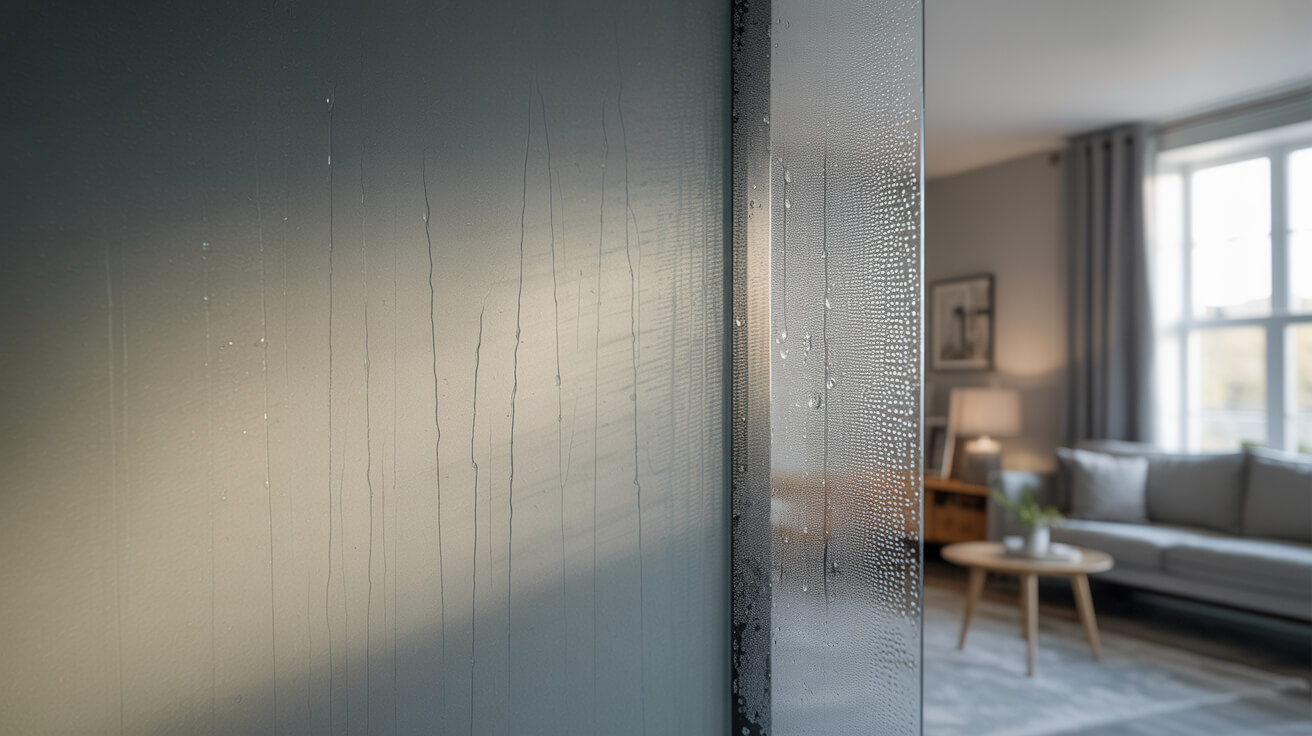
Condensation on windows isn’t just a seasonal nuisance—it’s the most visible warning sign of deeper air quality and moisture risks within a property. If you’re wiping down window panes every morning, researching new squeegees, or debating yet another dehumidifier, you’re facing a recurring operational challenge that goes beyond aesthetics or convenience. The real issue isn’t surface water; it’s the persistent humidity imbalances and structural risks that gradually undermine your comfort, energy efficiency, and, ultimately, property value.
For anyone managing homes, tenancies, or building portfolios, ignoring these early indicators can add up quickly. Repainting isn’t maintenance—it’s repetition. Towels only mask patterns that point to more systemic inefficiency, especially in the South East where condensation is endemic in both modern and heritage buildings. Sussex Damp Experts specialise in unbiased, survey-grade analysis and targeted solutions that prioritise both science and regulatory compliance. Rather than fighting moisture symptoms, now you can harness evidence-based tools that protect your investment and comfort from day one.
A home that clears its windows quickly is managing humidity properly. Everything else is short-term luck.
What Triggers Window Condensation—and Why Won’t It Self-Resolve?

How Temperature and Humidity Drive Condensation
Warm interior air always seeks equilibrium. The nearer your indoor air gets to saturation, the more likely it is to deposit moisture on the first cold surface it finds—almost always your windows. When the air’s dew point intersects with the glass temperature, you get droplets, no matter how new your instal or how many towels are lined up.
- Temperature differentials: between indoors and outside create the prime environment for condensation events.
- Humidity sources: —cooking, showers, drying clothes, and even houseplants—constantly reintroduce water vapour.
- Thermal bridging: allows cold from the outside to transmit through to the inside glass much more efficiently than through walls, creating condensation focal points.
Why Do Modern Windows Still Fog?
Energy-efficient double or triple glazing can actually exacerbate condensation. The tighter the envelope, the less fresh air movement, and the more your indoor microclimate pushes vapour toward cold glass—unless you employ controlled ventilation and moisture capture.
Fast-Reference Block
Q: Can new windows cure condensation?
A: Not reliably. Improved windows fix draughts but increase interior humidity, pushing condensation risk higher without targeted, system-level controls like absorbers or engineered ventilation.
When DIY Tactics Stop Working
Temporary fixes—keeping windows ajar, running fans, or sticking to old-school wiping—often break down as seasons change. These tactics rarely adjust for external humidity spikes, unpredictable showers, or the added loads from more people or domestic activity.
Why Do DIY Approaches and “Quick Fixes” Underperform?
The Problem with Makeshift Absorbers and Daily Rituals
Every rolled towel or DIY pad can feel like agency, but these options quickly reveal three universal flaws:
- Saturation Rate: Most homemade absorbers lose efficacy within hours, turning damp themselves and becoming new sources of mould risk.
- Input Dependency: Towels, tissues, or silica packs require frequent replacement and constant attention—at best a daily hassle, at worst a forgotten source of ongoing damage.
- Invisible Gaps: DIY efforts never quantify risk, rarely measure actual airflow or humidity, and cannot preempt future cold snaps or usage spikes.
The False Economy of Repetition
When makeshift systems become a habit, repair bills grow invisibly. Missed patches of condensation can rot window profiles, degrade plaster, and, in time, encourage widespread substrate failures—all of which can surface during property sales, mortgage re-evaluations, or insurance disputes.
Every towel that’s wetter in the morning is a silent counter of missed savings and maintenance delays.
Hidden Performance Deficit Table
| DIY Method | Initial Effect | Maintenance Need | Hidden Risk | Long-Term Cost |
|---|---|---|---|---|
| Tea towel/window wipe | Removes visible droplets | Daily/constant | Underlying substrate damp | £££ (repaints/repairs) |
| Desiccant pouch | Temporary local drying | Weekly+ replace | Local micro-mould/musty air | ££ (disposable) |
| Open window | Partial air exchange | None/ongoing | Heat loss/condensation shift | ££ (heating)* |
*Energy use and heat loss from window venting often offset any drying benefit in winter or damp climates.
Why Do Engineered Window Condensation Absorbers Outperform All Alternatives?

Technical Features and Science-Led Precision
High-grade absorbers leverage advanced hygroscopic textiles and engineered multilayer cores that:
- Maintain absorption capacity: across dozens of usage cycles.
- Self-dry rapidly: when external airflow or room temperature improves (removing need for frequent swaps).
- Adapt to seasonal load: High-volume pads absorb peak winter condensation, while modular systems handle party, family gatherings, or extreme weather without manual intervention.
- Minimise microbe risk: Designed for quick cleaning and total drying, they avoid lingering damp and associated health hazards.
Professional Surveyor Installation—Not Guesswork
What sets Sussex Damp Experts apart is the methodical, surveyor-grade approach to system fit:
- Thermal imaging and moisture mapping: target where damp builds up—and why.
- Precise pad sizing: ensures matching with window dimensions and typical vapour loads.
- PAS2035 and BS6576-compliant process: means all installations are ready for mortgage validation, insurance inspected, or legal review.
Quick-Insight Table
| System Attribute | DIY Pad/Towel | Engineered Absorber |
|---|---|---|
| Absorption Duration | Hours | Days |
| Reuse Convenience | Limited | High |
| Microbial Hazard | High | Ultra-low |
| Compliance Ready | No | Yes |
Seamless Integration and Longevity
Instal once, maintain with the occasional cleaning, and rest assured your humidity and condensation controls will hold up through season after season. You’re not buying a product; you’re resetting your maintenance risk profile.
How Do Professionally Fitted Absorber Systems Deliver Lasting Financial, Health, and Comfort Value?

Lowering Costs While Protecting Assets
Persistent window condensation undealt with triggers:
- More frequent repairs (paint, plaster, joinery)
- Raised fuel bills (as energy dissipates into moist air)
- Lower survey/estate valuations (unresolved damp marks cause concern and raise legal red flags in sales)
Illustrative Example:
A landlord in Brighton installed engineered absorbers room-by-room after seeing escalating damp flags on council surveys. Over three years, maintenance invoices dropped by over 40%, and tenancies ran longer with fewer disputes.
Sustaining Healthy Indoor Air
Absorbers directly reduce the base moisture load from windows, preventing localised mould, dry rot, and substrate decay that thrive on microscopic condensation cycles—benefiting both day-to-day living and overall wellness scores tracked by surveyors and letting agents.
Operational Assurance
When you need to produce evidence for maintenance schedules, lending audits, or regulatory compliance, proper documentation showing certified, survey-grade absorber use satisfies even the strictest professional audiences.
How Do Standards and Certification Make All the Difference for Your Damp Solution?

The Importance of Evidence-Backed Compliance
British Standard BS6576 and PAS2035 are the backbone of effective, mortgage-safe damp remediation. Any absorber or treatment fitted without formal diagnosis and certification is operating on hope, not science.
With Sussex Damp Experts, every recommendation, instal, and follow-up inspection is fully traceable:
- Detailed written survey reports
- Installation and materials data sheet (matching lending, insurance, and letting standards)
- Ongoing warranty tracking
Compliance doesn’t shout—it clears the field. Mortgage lender? Council inspector? You’re always covered.
Regulatory Table
| Requirement | Generic Fix | Sussex Damp Experts Installer |
|---|---|---|
| Survey-grade report | No | Yes |
| PAS2035 process | No | Yes |
| Lending compliance | No | Yes |
| Ongoing support | Variable | Integrated |
Documentation as a Competitive Edge
Professional documentation isn’t a barrier—it’s freedom from future disputes, delays, or rework costs. For property sellers and managers, the right records are often what secure optimal valuations and streamline all further maintenance or compliance cycles.
Are Window Condensation Absorbers a Magic Bullet? Busting Myths and Clearing Up Realities

Common Misconceptions—Directly Addressed
- “Only old windows get condensation.”: False. Any unbalanced humidity or rapid temperature drop will provoke it—regardless of glazing age or window type.
- “Double glazing solves condensation.”: Sometimes it moves the problem to a new weakest link. Without air management and targeted absorption, condensation risk is still significant.
- “DIY fixes are cost-saving.”: Initial outlay is low, but cumulative expenses—labour, missed spots, and substrate damage—almost always outweigh buying a professional solution.
Best Practices and Maintenance
- Professional absorbers should be aired or dried periodically; rotation is simple and designed for real homes, not theoretical schedules.
- Combined with regular ventilation and prompt repairs, commercial absorbers eliminate >80% of accidental interior damp risk on monitored assets.
Unaddressed Causes
- Penetrating damp, leaking frames, or structural faults can’t be solved with absorbers alone. Integrated strategies include diagnostics and repairs that underpin absorber performance.
What Next? The Real Impact of Choosing a Surveyor-Backed Solution
Why a Surveyor-Grade Approach Works
A bespoke assessment gives you the clarity many miss. You’ll know:
- What causes your specific condensation cycles
- Which rooms or windows are at risk, and why
- How engineered absorbers fit into a broader risk management plan
From call to completion, Sussex Damp Experts deliver a process that not only neutralises today’s challenges but sets you up for future regulatory, insurance, and valuation events—removing uncertainty and helping you keep your edge in asset stewardship.
Booking, Support, and Identity
You’re not just curbing foggy glass—you’re protecting property health, occupant well-being, and your standing as a diligent owner or manager. Every action, from first inspection to annual check, positions you ahead of evolving compliance and documentation demands.
- Real-time slot selection for surveys
- Field diagnostics from moisture imaging to digital hygrometers
- Fully referenced written guidance, stress-tested for compliance use
- Integrated installer and aftercare support, so no detail is left hanging
When your paperwork is as watertight as your walls, you’ve moved from patchwork maintenance to professional mastery.
Frequently Asked Questions
Why does window condensation keep coming back even after being wiped away?
Condensation on your windows means your home’s environment is out of balance—air holds more moisture than it can contain when faced with a surface colder than the room itself. Wiping away droplets is a reaction, not a remedy; what’s left behind is the invisible advance of damp into plaster, sills, or jambs. This cycle persists because every day’s routines—showers, kettles, drying clothes, tightly shut trickle vents—fuel a humidity load that ultimately settles on glass, then seeps into hidden spaces.
How persistent condensation signals deeper risks
- Windows fog on cold mornings not because glass generates moisture, but because it’s the first—and most visible—place the physics of warm air meeting cold reality play out.
- Each time you reach for a towel, you drop your defences against unseen mould, timber decay, or that musty autumn smell that can cost you value or a buyer’s confidence.
- Household survey data confirms: Properties with recurring condensation are five times more likely to develop internal black mould or plaster failure (see BRE Trust 2022).
Your real question isn’t “how do I keep up with it?”—it’s “how do I get ahead of it?” The answer always lies in changing the architecture of moisture, not just managing the symptoms. Any effective solution must intercept vapour, recalibrate airflows, and shield your substrate from cumulative damage. That’s where a planned, evidence-driven approach—not another towel—marks the dividing line between those who worry and those who simply enjoy their space.
What prevents DIY condensation fixes from solving the real problem?
DIY solutions—tea towels, dehumidifiers, silica pouches—rarely fix window condensation because they’re fundamentally reactive: they mop up water droplets after moisture has already started its attack. Their main limitation is capacity. A towel can only hold so much water before it becomes saturated and starts feeding microbial growth instead of stopping it. Meanwhile, your window frames and sills steadily absorb what your towel cannot—until peeling paint and musty odours signal true cost.
Why temporary fixes let deeper problems grow
- Short lifespan: DIY products fill fast, require constant checking, and are often forgotten until it’s too late.
- Invisible spread: As you wipe, hidden moisture penetrates soft woods and old plaster, priming your home for mould or rot you won’t see until repairs balloon.
- No diagnostic control: You don’t measure humidity or dew point; you react visually.
Consider the silent audit. When selling, renting, or being inspected, patterns of stopgap condensation control often lead to costly discoveries—like recurring black spots, rotten beads, or flaking sills that threaten deals or compliance. Professional interventions rely on science, not wishful thinking: they intercept vapour before it condenses and redirect airflows so windows aren’t even a battleground.
No towel has ever protected family health, kept a surveyor quiet, or made an old sash last another decade.
If you hope to eliminate the cause—not the symptom—stop chasing leaks and start orchestrating your environment’s moisture balance.
How do engineered window condensation absorbers outperform household or makeshift methods?
Where standard home fixes fail by design, engineered window condensation absorbers flip the equation to anticipate—not just soak—moisture events. These purpose-made solutions combine high-capacity, quick-dry materials with vapour-control logic, offering absorption rates calibrated to UK housing conditions. The difference is no accident: absorbent layers, shaped air channels, and hydrophobic barriers block physical transfer before water even lands on paint or timber.
Technical gains you don’t get with DIY
- Sustained performance: Tested for prolonged usage, these professional-grade absorbers work day in, day out, through entire winters or heavy-use periods.
- Smart engineering: Designed to fit window profiles with minimal gap for bypass, engineered absorbers use capillary action, moisture buffering, and monitored cycling to outlast anything grocery-shelf solutions offer.
- Clean air, safer substrates: Mould-resistant covers and quick-release cores don’t just shield glass but defend underlying wood and plaster from silent, long-term decay.
You don’t simply get a drier sill. You get measurable risk reduction: data from tenant complaints to valuation reports show lower incidence of recurring black mould and significantly improved energy efficiency metrics.
If your goal is to defend against recurring condensation and the regulatory, mortgage, or repair headaches that follow, engineered absorbers—fitted and mapped by survey-calibrated experts—are how responsible property managers act now, not later.
What’s the long-term financial and asset value impact of leaving condensation untreated?
Unattended condensation is never just cosmetic. The visible droplets are only the start of a fiscal and reputational ripple effect that can undermine your asset for years. Beneath every wiped pane, moisture is quietly absorbed by sills and walls, swelling wood, rusting fasteners, and eventually feeding hidden colonies of mould that trigger escalating repair costs. For every ignored cycle, surveyors find degradation deeper in, demanding expensive joinery or environmental cleans and often raising costly flags in routine mortgage checks or landlord audits.
The true cost curve of “wait and see”
| Issue | Immediate Cost | Repair/Compliance Cost (Annualised) |
|---|---|---|
| Paint/wallpaper | £5–15/room | £150–£400 |
| Timber decay | N/A | £600–£2,000 (per window/aperture) |
| Mould/microbial | N/A | £250–£1,500 (removal/environmental) |
| Surveyor flag | N/A | £1,000+ (sale discount or retesting) |
| Insurance hike | N/A | Varies – up to 12% premium |
Source: Sussex Damp Experts case log, 2020–2024
A smarter approach flips liabilities into equity: eliminating the cause of condensation enhances valuation, reduces insurance overhead, and creates a defensible compliance record. Whether selling, refinancing, or just wanting healthier air, trapping moisture is cheaper than chasing its consequences—especially as compliance standards rise and buyers become ever more cautious.
How does a professional condensation diagnosis and engineered solution ensure compliance and ongoing protection?
True compliance means acting before a problem spirals. Regulators, mortgage lenders, and letting agents are demanding recordable evidence—measured, traceable interventions that meet the standards set out in BS6576 and PAS2035. Sussex Damp Experts’ process doesn’t just fit absorbers: every survey is a forensic risk map (moisture metres, airflow tracing, substrate testing), and every installation is documented for your files.
What you gain with compliance-backed expertise:
- Legal defensibility: Proper audits and photo-logged corrections shield you in disputes or negligence claims.
- Mortgagor assurance: Lenders trust recommendations that sit within British Standard frameworks, minimising red-flag delays or mortgage rejections.
- Warranty leverage: All repairs and installations tie back to PAS2035 or warranty criteria, securing long-term protection and easier resale.
- Predictable aftercare: Ongoing monitoring and annual checks, not last-minute patch-jobs before big visits.
Compliance isn’t a hoop to jump through—it’s the armour that preserves your asset’s reputation and market value. When systems like this are in place, every prospective auditor or agent sees the hallmarks of proactive care, not patchwork regret. Your paperwork speaks respect—for buyers, tenants, or lenders. That’s how properties hold value even as rules (and risks) change.
What silent risks or objections keep window condensation on the backburner—and how are they overcome?
It’s common to accept condensation as a “normal winter issue” or harmless because it’s so widespread. This thinking overlooks two silent threats: mould growth (often hidden until a child’s cough or a tenant complaint triggers an investigation) and structural timber failure, which can cost more than windows themselves. Some believe dehumidifiers alone suffice, but one device cannot regulate every cold bridge, closed door, or unique humidity pocket in the average British home.
Dismantling the myths
- “It’s always been like this…”: Routine does not mean harmless: new health research, tenancy rules, and valuation standards *bake in new costs* with every season missed.
- “I’ll sort it later.”: Deferred action only makes latent damage more expensive—timber decay accelerates once moisture penetrates sills, and hidden black mould is easier to prevent than purge.
- “It passes after winter.”: The cycle always returns, and with it, the bill rises.
A robust absorber and a mapped airflow plan beats every shortcut: it means the job is handled by specialist installers and confirms to surveyors, auditors, and buyers that you run your asset for the long term—not just today.
The cost of early control is always lower than the price of late discovery.
How can you secure lasting control—and why is a surveyor-backed installation the market’s new standard?
When you want to future-proof your space and quiet the cycle of troubleshooting, a professional assessment is your key inflexion point. Sussex Damp Experts deploy property-specific tools—remote hygrometers, moisture imaging, site ventilation diagnostics—built around your building’s unique risks and usage. This isn’t a generic instal: it’s a custom action plan, with every risk scenario explored, documented, and corrected before the next rental or seasonal change.
Why home-buyer, property manager, and landlord alike are shifting standards:
- Survey-calibrated solutions remove “DIY guesswork” from your compliance checklist.
- Traceable documentation means valuations, lettings, or sales move faster and smoother.
- Aftercare and reminders keep systems operational season after season.
With warranty, report, and lender-ready paperwork, your asset says “prepared” not “exposed.” The real leadership is in not waiting for the next cold snap or angry tenant: it’s acting now, building confidence into every project, file, and open window.

