
 By
By  March 16, 2025


Why Damp Proofing Myths Cost You More Than Moisture Ever Will
Damp problems aren’t cosmetic or seasonal—they signal a flaw in how your building keeps out the elements. Many owners write off that persistent patch or peeling skirting as “nothing urgent,” instead of asking what that moisture or staining reveals about what water’s doing inside your walls. In reality, every unsolved damp issue puts your structure, health, and future resale at risk. When you rely on secondhand advice or easy fixes, you may set yourself on a path of repeating failures and rising repair costs, all while missing what surveyors, insurers, and buyers see immediately: untreated moisture is evidence you’ve lost your building’s defensive war.
Damp proofing is precise, evidence-driven, and context-specific. It requires the right diagnosis, proper moisture management systems, and, critically, a commitment to interventions that match both your building’s age and your future plans. Ignoring these realities leads to myths—false beliefs that spread faster than any patch of black mould. Your due diligence doesn’t just safeguard your property; it lifts your standing with lenders, tenants, and peers.
Damp Proofing—What Matters Most?
Modern damp proofing means managing:
- Rising damp: Moisture from the ground due to DPC failure or bridging.
- Penetrating damp: Rain or leaks moving in through weak points or damaged render.
- Condensation: Surface water from daily living and poor airflow trapping humidity.
- Hygroscopic damp: Salts or contaminated plasters pulling moisture from humid air.
Regulatory benchmarks like BS6576 and PAS2035 shape how effective damp control is planned, actioned, and verified. The price of ignoring evidence? Recurring repairs, lower survey scores, or claims denied when you need them most. Sussex Damp Experts don’t just fix the visible—they build systems aligned with both standards and your asset’s long-term health.
An unchecked damp patch isn’t just a sign of moisture—it’s a question mark on your judgement as an owner or manager.
Is a Minor Patch Harmless? Defining Damp Control
The core of every effective approach:
- Map all moisture movements—don’t guess.
- Align every action to regulatory standards for survey and resale value.
- Use diagnosis to set and escalate urgency—right from symptom to solution.
Which Damp Type Puts Your Asset Most at Risk?
Damp Treatment Cost Calculator
- 1 Property
- 2 Damp Type
- 3 Details
- 4 Estimate
Estimated Total Cost
£2,400 – £3,800
Based on 2 rooms with moderate rising damp in a semi-detached property
| Item | Estimate |
|---|
How This Compares
This is a guide estimate based on typical Sussex projects.
Get an accurate, no-obligation quote from our surveyors.
Assuming you know the source of moisture is the easiest way to guarantee costly mistakes. Each variant of damp affects both the structure and finances differently—what causes a top-floor window stain rarely matches the biology of a chilly, musty basement.
Damp Type Comparison Table
| Damp Type | Cause | Common Symptom | Long-Term Effect |
|---|---|---|---|
| Rising damp | Groundwater by capillarity | Skirting stains, plaster fallout | Plaster degradation, DPC bridging, devaluation |
| Penetrating damp | Rain, leaks, damaged fabric | Localised patches, spalling | Rot, masonry decay, interior loss |
| Condensation | Humidity, poor airflow | Water beads, window mould | Mould outbreaks, respiratory risk |
| Hygroscopic damp | Salt/contaminant chemistry | Efflorescence, patchy recurring marks | Failure-to-dry, accelerating decay |
Professional-grade tools—moisture metre gradient mapping, salt testing, and thermal imaging—enable you to separate surface readings from bulk water problems. Accurate diagnosis isn’t about gear, but about interpreting patterns and evidence for the right repair every time. When Sussex Damp Experts provide a survey, you receive not just measurements but a plan that stands up in court, at resale, and under insurance review.
Quick-Reference Block
No two damp stories are the same: right diagnosis is the difference between a fix and another cycle of disruption.
Why False Beliefs Make Damp Problems Multiply

Myths become reality every time someone repeats what “worked last time”—even if it never worked at all. Legacy techniques like blanket tanking, or the quick rollout of bitumen paints over old brickwork, persist because they sound plausible and seem to save money up front. But failing to account for changing building codes, new construction materials, and real-world evidence traps owners in a cycle of repairs with no end in sight.
Legacy DIY fixes and online forums often amplify these errors. Most quick tips are disconnected from regulation, don’t scale across property types, and fail at the first challenge—a change of season, a humid summer, or a compliance check by a buyer’s surveyor. Sussex Damp Experts see the real cost of these shortcuts: walls that must be stripped and replastered, DPCs redone, or cases where buyers simply walk.
Most damp failures don’t start with water. They start with myth and neglect.
Are All Damp Treatments Created Equal?
- Legacy methods decay because they aren’t matched to modern risks.
- DIY often omits risk-proof diagnosis and compliance mapping.
- Marketing-driven “solutions” rarely bear the scrutiny of a surveyor or council officer.
Smart owners look to research-validated methods and real before/after evidence, not hearsay.
How Many Times Should You Pay for a ‘Permanent’ Fix?

Some DIY methods mean you’ll pay not once—but every few years. Home remedies and retailer sprays might mask symptoms, but recurring stains or stuck humidity tell the real story. These patterns signal a cycle: superficial drying, followed by relapse, then major intervention and costs.
Major Recurrence Drivers
- Incomplete root cause isolation (guessing at type, not measuring).
- Use of non-compliant or incompatible products (e.g., standard plaster after treatment).
- No aftercare plan or routine monitoring.
Ask yourself: How much did your last “cheap” fix really cost? Owners using diagnostic first, standards-backed plans typically invest less over 5–10 years than anyone repeating the home repair cycle. When Sussex Damp Experts design a treatment, our methods eliminate the two biggest hidden costs: loss of confidence and surprise rework.
| DIY Fix | Risk of Recurrence | Cost Over 5 Years | Surveyor Acceptance |
|---|---|---|---|
| Retails sprays & tanking | High | High (repeat calls) | Low (often fails) |
| Standard plaster repairs | Very high | Very high | Denied |
| Professional diagnostics + regulated system | Minimal | Lowest | Fully accepted |
Quick-Reference Block
Cutting initial costs often multiplies disruption and voids guarantees. Regulatory alignment up front is the real cost-saving move.
Why Good Damp Proofing Always Requires a Maintenance Plan

Forgetting about damp after “the fix” is wishful thinking—and the source of many expensive revisits. True permanent control depends on scheduled inspections and active, documented aftercare. Neglect erases investment and brings penalties: survey failure, insurance exclusions, or structural decay haunting future buyers.
Creating a Long-Term Damp Plan
- Schedule annual checks for moisture rebound, substrate condition, and ventilation effectiveness.
- Maintain logs of system checks, service intervals, and repairs.
- Confirm all work meets BS6576, PAS2035, and product warranty terms.
Ongoing Inspection Checklist
| Aftercare Action | Frequency | Benefit | Owner Action |
|---|---|---|---|
| Moisture metre spot checks | Annual | Catches reoccurrence early | Owner/inspector |
| Ventilation system test | Annual/Biannual | Guards against condensation | Professional |
| Warranty verification | 3–5 years | Maintains eligibility | Owner/contractor |
| Surveyor review (for sale) | Prior to listing | Assures value, smooths sale | Professional |
The Sussex Damp Experts aftercare approach integrates your building’s context, ensuring regulatory alignment and elevating your asset’s reliability for future decisions.
Why Modern Damp Proofing Outperforms Old-School Approaches
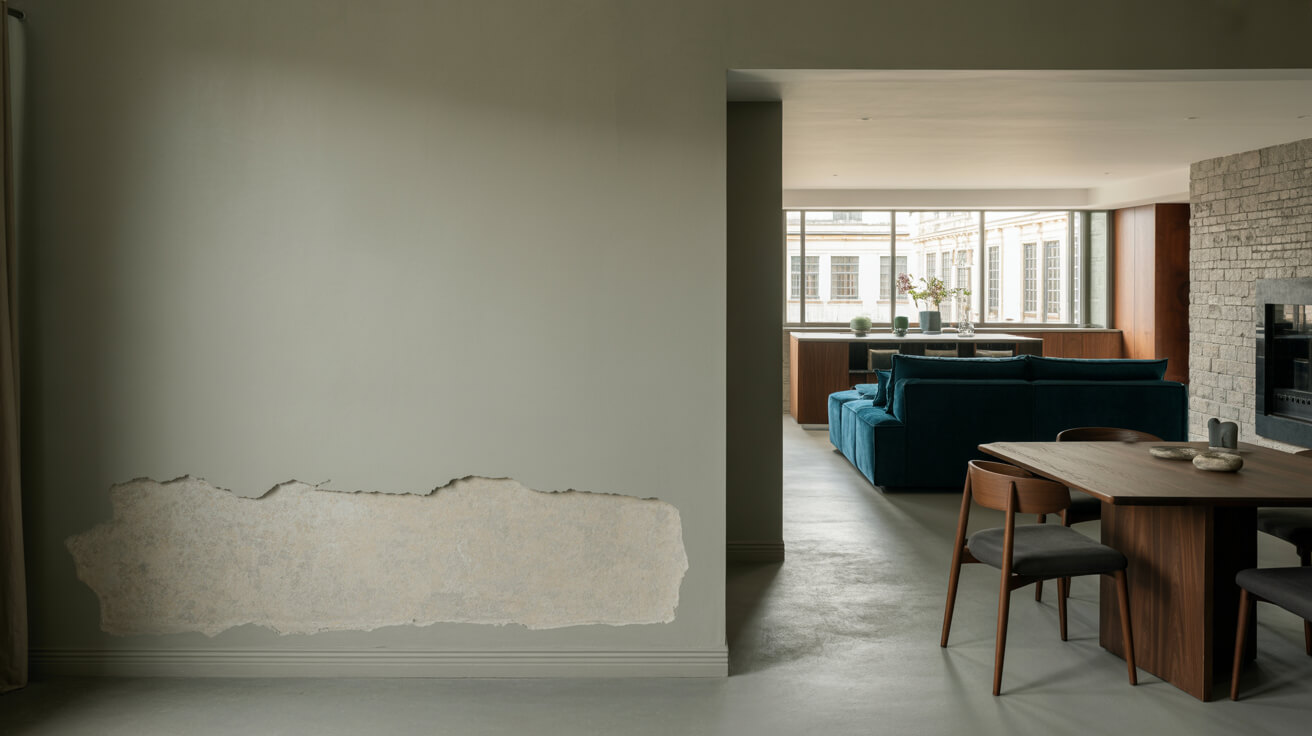
Upgraded methods now promise reliable fixes that last with less site disruption, lower environmental impact, and higher resale value. The playbook Sussex Damp Experts use is different because it is built for compliance, documentation, and audit—not just “drying out.”
Old vs. New: Damp Proofing Methods Table
| Approach | Disruption Level | Surveyor Approval | Warranty Strength |
|---|---|---|---|
| Cement tanking | High | Often challenged | Weak (incompatible substrate) |
| DIY spray | Minimal | Refused | Little/none |
| Chemical DPC injection | Minimal | Accepted | Strong (when proven on spec) |
| Diagnostics + hybrid system | Minimal | Fully accepted | Max (aligned to all systems) |
Modern methods use diagnostics to map sources, environment to guide treatments, and compliance standards to ensure outcomes—a process anchored by proprietary testing, certified installers, and documented aftercare pathways.
Vignette (Scroll Engagement)
A landlord called after another ‘unbeatable tanking solution’ failed six months post-refurb. Our investigation found untreated bridging and salts—within weeks of real intervention, moisture rebounded to safe thresholds, and the tenancy was protected.
Where Should You Look When Evidence Matters More Than Marketing?

When your decisions affect structural integrity, insurance, or future sales, verified information is your first defence—not online opinions or branded shortcuts.
What Sets Real Damp Proofing Guidance Apart?
- Citations: Always check for regulatory alignment—BS6576, PAS2035, and HHSRS.
- Diagnostics: Look for service records that combine moisture mapping, substrate tests, and salt analyses.
- Documentation: Require service logbooks, aftercare trackers, and warranty benchmarks.
Information Source Table
| Source Type | Proof of Quality | Usability/Trust |
|---|---|---|
| Proprietary sales content | Rarely transparent | Low |
| Expert-led compliance papers | Full references, standards | High |
| Academic studies | Data, neutral review | High |
| Regulatory guidance | Direct, enforceable claims | Highest |
Sussex Damp Experts ground every project in evidence—never assumption.
When Immediate Professional Analysis Secures Your Investment
Every unaddressed myth, shortcut, or hesitancy delays a secure outcome. Whether you need a council-compliant survey or readiness for sale, action with standards-backed professionals leads to the only result that matters: an asset that stands scrutiny.
Scheduling a property survey with Sussex Damp Experts positions you as a proactive owner or manager. Our reports don’t simply check a box; they open market avenues, maintain warranties, and protect both investment and reputation.
Don’t just fix damp. Cement your legacy as a property owner with outcomes that withstand any due diligence.
Raise Your Standard: Choose Damp Solutions That Future-Proof Value
Every lesson and insight in these sections points to one rule—your decisions set the tone not only for the life of the building, but your standing among peers, tenants, lenders, and future buyers. The wisest action is to rely on compliant, evidence-based guidance and solutions that guarantee more than a surface-level win. Reach out to Sussex Damp Experts, and put both your property and your reputation on solid ground.
Frequently Asked Questions
What is damp proofing, and why do so many myths linger in the industry?
Damp proofing is the backbone of your property’s health, designed to halt water’s relentless crawl through walls, floors, and legacy repairs by understanding what water’s doing inside your building fabric. It isn’t a one-size spray or a ‘try this and hope’ solution—it’s the science of diagnosing, interrupting, and permanently managing moisture migration using proven, standards-based approaches. When the industry still recycles half-truths and outdated fixes, your investment’s biggest risk is not in misunderstood technique—it’s in the comfort of “everyone says so.”
How modern damp proofing rewrites the risk game
- Capillary action, thermal bridging, atmospheric humidity, and even misguided renovations each create unique vulnerabilities in your building—no two structures follow the same failure script.
- Damp proofing combines pre-emptive diagnosis (including moisture and salt mapping, pressure calculations, and substrate analysis) with targeted, context-driven interventions—BS6576 and PAS2035 demand nothing less.
- Insurers, lenders, and surveyors look for traceable, documented proof of robust moisture control. Cosmetic fixes might look impressive in the short run, but rarely survive a lender’s or buyer’s scrutiny.
The most expensive issue isn’t the patch you see—it’s the false confidence that lets you ignore what water’s doing inside your walls.
Why honest, forensic methods outperform old myths
- Proper damp proofing is always systemic—isolating the precise cause and matching it to a best-fit, warranty-backed treatment.
- “DIY tested and proven” might bring temporary relief, but rarely holds up under a damp surveyor’s torch or legal review.
- Your property deserves more than quick remedies—it warrants documented control that stands up to mortgage scrutiny, tenant complaints, and year-on-year occupancy.
Modern service providers distinguish themselves not just by what they repair, but by how they prevent recurrence. When you commit to professional, standard-aligned systems, you sidestep the fatigue—and hidden costs—that come from myth-driven shortcuts. Your next move shapes the health and value of your portfolio for the next decade, not just the next season.
How do different damp types silently sabotage your building’s long-term value?
Each damp type is an adversary, evolving with your building’s structure and environment—yet most owners still misdiagnose the threat and overspend fixing the wrong problem. Rising damp wicks moisture upwards from the ground, leaving crystalline salt maps and rotting skirtings in its wake. Penetrating damp targets lateral breaches, exploiting render cracks or ageing brick. Condensation flourishes where ventilation stutters, often tricking you into blaming leaks or external causes. Hygroscopic damp is even trickier: legacy salts in plaster hoard ambient moisture and redeposit “solved” patches as new stains when the weather changes.
Critical ways damp destroys value—unless you isolate the true cause
- Asset owners who misread symptoms (e.g., confusing condensation with rising damp) throw resources at the wrong battlefront: —allowing structural and hygiene risks to multiply.
- Surveyors and mortgage lenders penalise repeat issues: , knowing they indicate surface-level treatments, not root-cause elimination.
- DIY diagnostics rarely account for nuanced failures: —such as bridging, latent salt, or airflow deadzones—leading to under-treated vulnerabilities.
| Damp Type | Signature Symptom | Long-Term Effect | Proper Diagnosis Tool |
|---|---|---|---|
| Rising damp | Salt bloom, skirting rot | Plaster & timber decay | Conductivity/salt test, moisture probe |
| Penetrating damp | Localised patches, decay | Masonry/ceiling collapse | Infrared/borescope, history analysis |
| Condensation | Beads, black mould | Mould, respiratory risk | Hygrometer, dew point mapping |
| Hygroscopic damp | Patch reappearance | Recurring internal weather events | Salt mapping, core samples |
Your next repair shouldn’t just address symptoms—it should anticipate tomorrow’s threats
“Professional assessment isn’t about hardware,” says a facilities manager, “it’s about knowing where to look, who pays if you miss it, and which survey will reveal the truth under pressure.”
That peace of mind is why your process should outpace the problem—because every day damp is misunderstood, you quietly degrade property value and erode the trust of stakeholders who expect you to act decisively.
Why do outdated myths keep failing owners, managers, and investors—despite all progress?
Building failures don’t start with a damp patch—they start when the wrong story gets repeated just enough times to become gospel. Legacy techniques and old builder’s wisdom often find their way onto digital forums, selling the comfort of a quick fix over the humility of forensic investigation. Costly errors abound, from bitumen tanking in heritage walls to slapping gypsum onto salty brick. Every shortcut risks amplifying hidden problems, not eliminating their source.
The real cost of DIY “wisdom” and skipped proof
- Underestimating the power of standards: Modern regulations demand evidence, not anecdotes, for mortgage approval, tenancy, or insurance cover. “It always worked before” is a myth that doesn’t survive a buyer’s legal review.
- Lenders and regulators catch on quickly: Untraceable repairs and missing documentation flag properties as high risk, delaying sales and trapping capital in “safe” but unsellable investments.
- Regulatory shifts move the goalposts: PAS2035 and BS6576 compliance is a moving target—today’s accepted practice may be tomorrow’s liability if you don’t keep up.
When a property manager said ‘it was good enough for the last owner,’ we showed them a timeline where missed maintenance meant six figures in collapsed value.
If your goal is to break the cycle, rely on expertise that scrutinises not just the repair, but the evolving story of building science. Your best defence is a system that adapts, documents everything, and never relies on yesterday’s confidence tricks.
How do DIY attempts actually multiply the lifetime cost of damp, instead of solving it?
Every “quick win”—from retail-grade DPC gels to last-minute paint jobs—locks future budget into endless retreat and repair. The reality is that DIY rarely offers the diagnostic accuracy, regulatory mapping, or tailored material choices needed to guarantee true moisture control. “Just try it yourself for now” often means the full repair will double down in cost, and invite risk for surveyor or tenant complaints.
Why professional methods break the cycle:
- Compliance from the start: Every intervention fits the evolving matrix of BS6576, PAS2035, and mortgage lending benchmarks.
- System-level mapping: Damp experts track airflow, salt patterns, insulation overlaps, and substrate age—then integrate fixes coherent with the full lifecycle of the building, not the shelf life of a product.
- Warranty, not wishful thinking: Sussex Damp Experts engineer systems that survive warranty queries, regulatory audit, and (most importantly) the next owner’s due diligence.
- Proof in the numbers: Properties that skip DIY and go straight to evidence-led, surveyor-backed intervention average half the repair spend over 10 years, and unlock easier access to insurance and lending in stressful times.
I gambled on quick fixes and lost, says a renovation contractor. The cost wasn’t just the repairs—it was the trust lost with every call-back and the sale I never closed.
The quicker you align with compliance-backed diagnostics, the sooner damp becomes a memory, not a recurring line item.
How does ongoing maintenance and strict compliance transform your asset from liability to legacy?
The genius of successful damp proofing isn’t in how fast it dries, but in how well it stands up after years of environmental, human, and legislative stress. Properties that quietly drop out of compliance—through skipped checks, lost documentation, or slow leaks—slide from high-value assets to hidden risk pools. The moment maintenance is treated as an afterthought, the door opens to all the failures you worked so hard to avoid.
What a permanent maintenance system looks like:
- Annual reviews: Moisture mapping, airflow checks, salt migration logs—attested, traceable, and ready for any due diligence.
- Documented interventions: Every repair or treatment tracked with photo evidence, spec codes, and compliance references.
- Immediate adaptation to regulatory updates: Using PAS2035 and BS6576 as your baseline, not your ceiling.
| Maintenance Layer | Frequency | Compliance | Owner’s Stake | Value Outcome |
|---|---|---|---|---|
| Moisture check | Annual | BS6576 | Retain | Fewer repeat repairs |
| Vent/airflow review | Annual | PAS2035 | Elevate | Minimised condensation |
| Documented repairs | Ongoing | All regs | Secure | Boost resale/survey value |
| Warranty audit | Every 2–5y | Warranty | Future-proof | Ensures cover open |
Just as every failed shortcut leaves a legacy, so does every documented, proactive step towards compliance. Your status in the eyes of buyers, tenants, and lenders is forged not by claims—but by systems proven to withstand years of challenge.
How are new technologies and standards turning damp proofing from art to science—and why does that matter for you?
Sustainable, evidence-driven damp management begins the moment guesswork is left behind in favour of digital and predictive systems. Precision instruments—moisture metres, wireless sensors, thermal cameras—now make the invisible actionable in ways yesterday’s contractor never imagined. Materials aren’t chosen for marketing gloss but for their harmony with airflow, substrate age, and compliance pathways.
What lifts modern damp proofing above tradition?
- Remote monitoring means catch-and-correct before issues escalate: , not after you notice a stain months down the line.
- Hybrid systems: —combining targeted DPC, cavity venting, and heritage-safe plaster—preserve value for every owner in the chain, not just the current one.
- Integration with building management systems (BMS): ties damp alarms into broader decision frameworks—moving you from firefighter to strategic leader.
- Sustainability and compliance are no longer buzzwords: —they’re the criteria lenders, buyers, and insurers demand. Sussex Damp Experts position your asset as a forward-proof investment, not a later-stage problem hiding beneath “presentable” surfaces.
Every upgrade to your monitoring or remediation system is a line in your asset’s story—evidence that you are building value, not simply avoiding decay.
How can decisive expert action turn the page from recurring risk to enduring confidence?
The rarest trait in the property sector is not knowledge—it is the willingness to act on it before it feels “necessary.” Liquidity, reputation, and family health are all downstream of whether you act before, or after, a survey or tenant highlights a problem.
A call to Sussex Damp Experts brings more than a quote—it adds a line of defence against noncompliance, surprise devaluation, or end-stage remediation. Evidence-based diagnosis, compliance tracking, and documentation don’t just dry out your wall—they reinforce your standing as a property leader committed to asset reliability, risk reduction, and future-proof value.
Nobody cares who painted over a damp patch—but every stakeholder cares who scheduled the solution that never failed again.
What you set in motion today—documented, justified, and expert-led—reshapes your property’s story and status. That’s the difference between a repeating problem and an asset no surveyor can fault.

