
 By
By  August 26, 2025


What health evidence actually moves the needle in damp and mould claims under the Homes (Fitness for Human Habitation) Act 2018?
Walk into court waving nothing but your hunch and a grainy photo of a damp patch, and you’ll be shown the door. Show up with health evidence—clinical, environmental, joined to your address and timeline—and suddenly the law has your back. The Homes (Fitness for Human Habitation) Act 2018 isn’t fussed about minor gripes; it’s triggered by proof that damp, mould, or their sidekicks make your property unsafe or “prejudicial to health.” Not discomfort—actual or likely harm.
You don’t win by making noise. You win by handing over proof a judge—or council official—can touch, read, and trust.
The key lies in three words: objective, specific, corroborated. Here’s how they stack up:
- Objective: Third-party authority. NHS or GP letters, hospital discharge summaries, or Environmental Health Officer (EHO) reports dwarf self-reported woes.
- Specific: Every document should name the property, detail symptoms or diagnoses, and stamp dates showing exposure or aggravation.
- Corroborated: Layer reports, logs, photos, and timelines, so it’s not just your view—it’s EHO, GP, and your own record singing off the same hymn sheet.
Rocket-fuel health evidence includes:
- GP or consultant letters: —citing symptoms aggravated by conditions at your address (asthma, rashes, lung infections).
- EHO/HHSRS reports: —declaring your home at Category 1 or 2 risk for damp and mould, per the Housing Health and Safety Rating System.
- Hospital discharge summaries: —listing admissions or treatments tied to living conditions.
- Dated symptom diaries and photographs: —mapping the spread, persistence, and any links to rainfall or seasons.
- Lab results or indoor air quality readings: —if available, confirming sources or species of mould.
When pulled together, these don’t just back your claim—they tell a clear, joined-up story that councils and courts can’t push aside.
How can tenants gather and submit effective medical and environmental health evidence for mould claims in England and Wales?

Building your case is less detective novel, more methodical file-keeping. Details win.
Here’s how to assemble evidence that holds up (and holds landlords accountable):
- Start a daily log: Note dates, weather, visible damp, mould, condensation, and symptoms—chestiness, skin flare-ups, insomnia. Detail matters. If a cough’s only at home, say so.
- Photograph everything: Time-stamped pictures are more trustworthy than memory. Snap close-ups of damage, wide shots for scale, photos of affected belongings.
- Monitor health symptoms: Chart who gets sick and when. Log any GP visits—“rash increased after new water patch, kitchen, 20/01/2024.”
- Seek GP or NHS input: Book an appointment, and explain the home link. Request your doctor clearly writes, “symptoms likely aggravated by conditions at [address],” and—if possible—lists timeframes.
- Engage Environmental Health Officer: Call your council and request a risk rating (HHSRS) inspection. Their report carries public authority and can force a landlord’s hand.
- Bundle your evidence logically: Arrange a pack—summary sheet, daily logs, photos, medical letters, EHO report, repair requests, and all responses—filed in date order.
- Submit the pack: Use tracked post, email, or the landlord’s portal. Reference your legal right under the Homes (Fitness for Human Habitation) Act 2018 and request explicit action tied to “prejudicial to health” findings.
Well-ordered bundles beat panic calls; your goal is to make your case un-ignorable, not just noisy.
A landlord may stall at a vague photo—less so at a fat file with your name, your NHS doctor’s, and your council’s all pointing to documented harm.
Does a doctor’s letter really tip the scales in a housing dispute over damp and mould?

A direct letter from your GP can change everything. It turns landlord foot-dragging into urgency, and gives judges and councils the nudge to order serious action.
Why NHS/GP evidence matters:
- Independent voice: Squashes landlord claims of exaggeration. NHS professionals deal in facts, not sympathy.
- Location-linked: Your address must be named. Linking symptoms to “exposure at [address]” is what swings the argument from lifestyle to legal risk.
- Escalation effect: Landlords are compelled to act, especially for young children, elders, and at-risk adults.
A proper GP note includes:
- Your details and property address
- Statement of symptoms (e.g., “recurrent asthma attacks likely aggravated by damp/mould at home”)
- Onset and duration
- Any treatments or ongoing investigations
What about private doctors or online consultations?
These help, but lack the authority of NHS records. If NHS access is slow, use what’s to hand—then back it up with council visits and your own logs. When possible, always follow up with NHS documentation.
When EHO and NHS evidence line up, landlords and agents cut the prevarication and start plugging those leaks.
If the NHS, the council, and your timeline all say the same, you’ve left “he said, she said” behind.
How do courts and councils use health evidence when weighing damp and mould fitness claims?
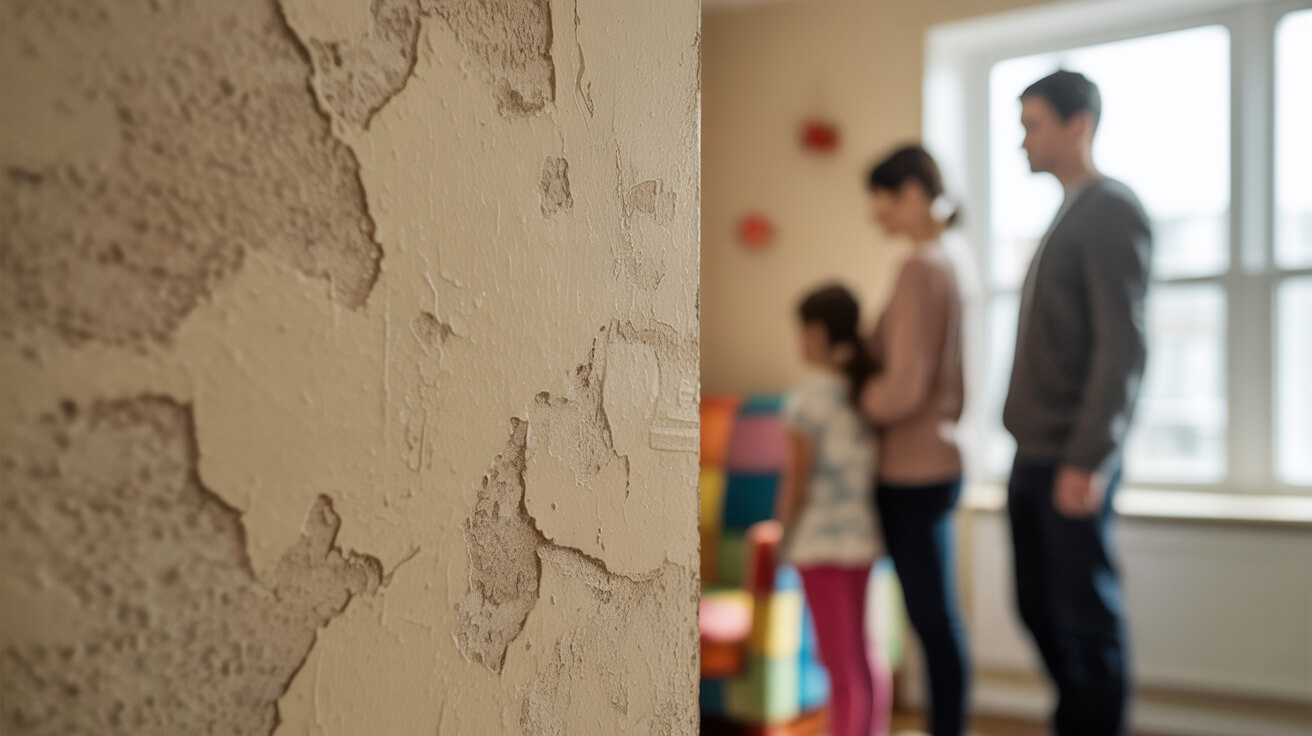
They’re not here for headaches or subjective complaints. They want proof that living in your property has, or could have, a recognisable health impact. The test is the “prejudicial to health” standard. Clarity and corroboration matter.
| Evidence Type | Legal Weight | How It’s Used |
|---|---|---|
| GP/NHS medical letter | Highest | Links property to specific health issues |
| EHO/HHSRS report | Highest | Classifies property as unfit; mandates fix |
| Hospital admission/discharge | High | Confirms severe health impact |
| Dated symptom logs/photos | Medium | Strengthens timeline and consistency |
| Anecdote/general claims | Low | Background context only |
When medical, council, and timeline evidence align, the law finds for tenants. When they diverge or lack proof, landlords wriggle free.
Authorities prize independently corroborated reports—especially where professional voices stack up. A housing claim built only on diary entries or unsourced allegations is easy to dismiss.
What are the most common pitfalls or traps when submitting health evidence for a damp complaint—and how do you avoid them?

Good evidence, badly handled, often sinks strong claims. Here’s where most tumble:
Classic errors:
- Missing details: Vaguely saying “room is damp” without date, room, or impact crumbles under pressure. Write specifically: “Penetrating damp in north bedroom, wall blackened, skin rash flared, 03/02/2024.”
- No EHO inspection: NHS evidence alone rarely drives legal action; EHO risk ratings or improvement notices usually tip the see-saw.
- Overstated effect: Pinning every runny nose or tired day on mould won’t convince experts. Tie claims to persistent or aggravated symptoms—more impact, less drama.
- Disorganised bundle: Scattered emails, loose photos, and rambling notes are hard to absorb. Bundle your evidence chronologically, and give each item context.
- Lifestyle sabotage: If you dry laundry indoors (without venting), skip regular ventilation, or fill rooms with houseplants, explain mitigating steps you’re taking. Document what’s outside your control.
Landlords stall at emotion but react to structure. Don’t give them excuses—line up your ducks.
Anticipate counter-arguments and address them directly in your evidence pack. That way, you’re defending your evidence before they get the chance to attack it.
How does health evidence interact with surveyor and Environmental Health reports for a bulletproof legal claim?
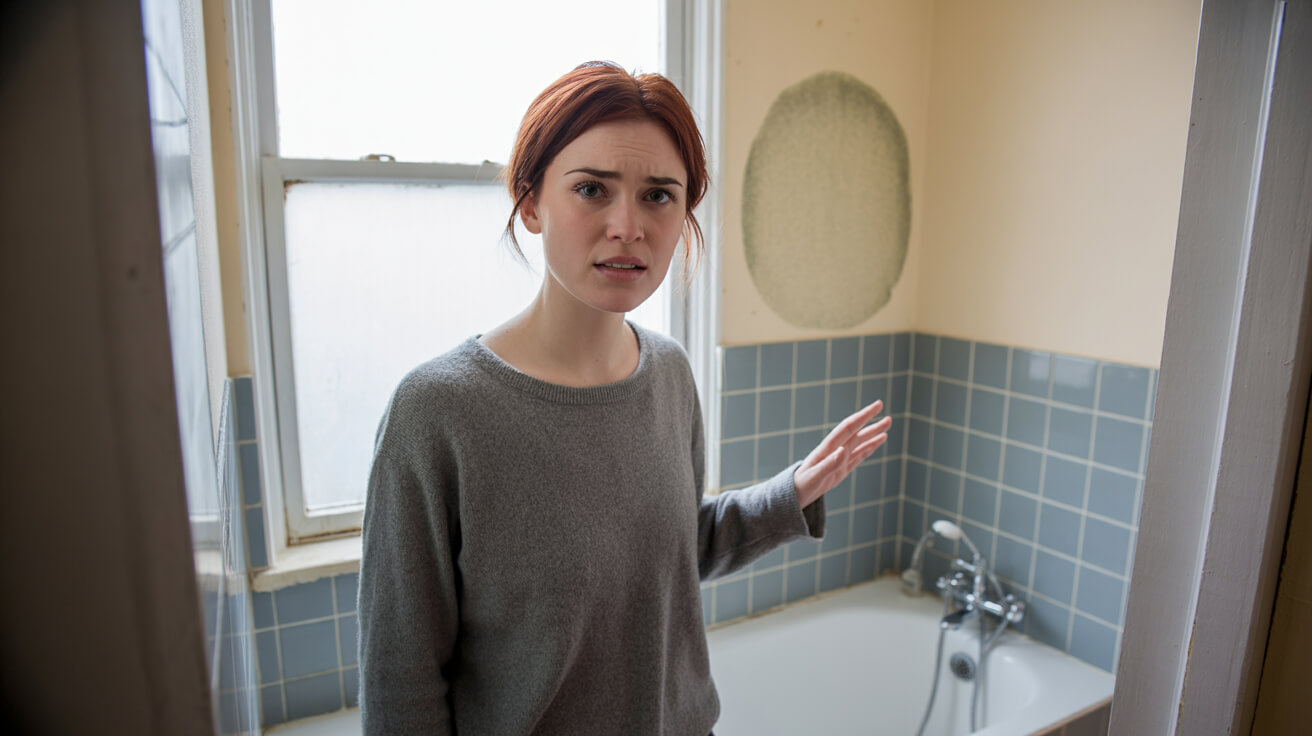
No single report wins the day. Success comes when claim, cause, and consequence converge.
Four-pillar approach:
- Surveyor’s technical report: What’s present, why, how severe, and belonging to whose wall.
- EHO/HHSRS assessment: Council assigns “Category 1” (severe) or “Category 2” (serious but less urgent) status. This is what enforces action.
- Medical documentation: GP or hospital confirms specific symptoms worsened or aggravated by living at the property; timestamped and address-specific.
- Chronological family log and images: Knits together day-to-day suffering with building deterioration. Shows that this isn’t a one-off event or a “bad habits” issue.
Each strand reinforces the others. If all three expert reports (survey, council, NHS) are in your bundle, the opposition’s excuses are left gasping for air.
Does health evidence always make or break a case, or can you win a damp dispute without it?

Health evidence isn’t always a legal requirement, but it is often the deal-clincher—especially in serious, long-standing, or disputed cases.
- Small, fresh problems: Clear recent photos and logs may be enough if landlords act fast.
- Escalated, contested, or historic claims: Documented health impacts (especially to children, elderly, or clinically vulnerable) torpedo excuses and can spark council enforcement.
- Financial or property value struggles: Getting a surveyor or EHO to align with your evidence can persuade lenders or insurers, even if health symptoms are minor.
| Scenario | Is Health Evidence Needed? | Likely Outcome |
|---|---|---|
| Ongoing, ignored damp issue | Yes | Repairs or enforcement ordered |
| Proactive landlord, quick repair | No | Resolved—you may not need extra |
| Children/clinically vulnerable affected | Yes—priority status | Immediate, high-level response |
| Mortgage/valuation problem | Sometimes | Survey or EHO may suffice |
Objective proof forces property owners out of delay mode. Combine medical, council, and timeline evidence—your odds skyrocket.
Smart tenants act before a claim gets stuck. Gather evidence early, force answers before the problem becomes a millstone.
What are your next options when landlords or agents ignore strong health evidence of damp or mould?

If the evidence pack lands with a thud and triggers only silence, ramp up—by the book.
- Re-submit your bundle: Organised, dated, with a summary sheet, and restate your case in the language of the law (“prejudicial to health” under the Act).
- Request an official EHO/HHSRS council inspection: This forces risk assessment, report, and—when needed—a notice to repair.
- Escalate in writing: Cite the Act and previous submissions. Include a deadline and explain your next step (e.g., raising the matter with Shelter, Citizens Advice, or a surveyor).
- Seek external support: Reputable bodies (Shelter, Citizens Advice) offer templates, help chase slow landlords, and know how to pressure the right official.
- Notify mortgage lenders or insurers: Neglected hazard can affect a property’s value, interest rates, or eventual sale—painful lever for owners.
- Commission independent surveys: More professional opinions, more weight to your claim.
- File and archive every letter and response: This record trail is dynamite if things go formal or legal.
Every paper trail is a pressure point. Non-response builds risk—for them, not you.
Don’t accept evasion. Law, health, and technical evidence all stack in your favour if you lay out the process and push each step with structure and patience.
When is the right time to involve Sussex Damp Experts to steer evidence, surveys, and results?
You’re not expected to become an expert overnight. Most victories go to those who combine relentless daily records, professional surveys, and plain-spoken legal references. Sussex Damp Experts act as your process architects and problem-solvers—guiding you from first damp spot to final “fit for habitation” signoff. We break down the legal and health stuff, connect you with the right surveyors, coordinate council engagement, and ensure your evidence bundle carries real-world weight.
Ignore delay or dismissal. Move it from personal frustration to legal obligation with our support behind you. Whether you’re a lifelong homeowner, a small business landlord, an anxious tenant, or a managing agent—your duty, and your leverage, start with great evidence. That’s where we come in.
Frequently Asked Questions
Why does health-linked evidence change landlord and council response times for mould or damp complaints?
When health records and technical findings name your property as the site of ongoing harm, the dynamic shifts instantly from “optional repair” to statutory enforcement. A GP or NHS consultant letter stating “persistent asthma worsened by visible mould at 32 Mews Road” triggers a duty for landlords or councils to inspect and act. Environmental Health Officers (EHOs) amplify the urgency by rating hazards under HHSRS, especially when medical references are included. Authority cannot sidestep evidence that is date-stamped, address-specific, and attributed to independent professionals. On average, cases with joined medical and EHO documentation lead to repair or compliance orders twice as quickly as those relying on informal complaint logs (Shelter Policy Unit, 2023).
Precise medical evidence, naming both problem and place, narrows the escape routes—for authorities, delay becomes indefensible.
How can you ensure evidence is robust enough to spark action?
- Secure clear, dated medical reports specifying your address and detailed symptoms over at least three months.
- Insist EHOs cite health impacts and hazard categories using exact room locations.
- Build your bundle: organised, chronological, and cross-referenced so every reviewer sees escalation and ongoing risk.
- Reinforce with photos, logs, and previous communications—each tied by date and property.
How do you compile medical and environmental evidence that holds up to legal scrutiny?
Systematic gathering is vital: start a daily incident log at first symptoms or visible damp and continue through each escalation. Note the affected rooms, severity, and date for every entry. Photograph evidence wide and close—using your phone’s date-stamp or a newspaper as context. At signs of health impact, seek a GP appointment, requesting a letter that ties the illness to your address, not just “housing conditions.” Promptly request an EHO inspection: their formal rating (especially HHSRS Category 1 or 2) gives your file council-level force. For complete coverage, commission a report from a PCA-accredited damp expert, as these link building condition directly to relevant British Standards and are often referenced by councils in enforcement. Submit all evidence as a single, indexed pack with a one-page summary and clear order, ideally via tracked email or recorded post, and ask for written acknowledgment.
A joined chain of official health and technical evidence is not just paperwork—it’s the gateway to real, enforceable repair.
What are the best practices for presenting your evidence?
- Present materials in strict chronological order, showing how risk and health symptoms worsen or persist.
- Reference the exact legal duties (Homes Act 2018, HHSRS, or Social Housing Regulator) throughout your pack.
- Include every landlord or agent reply, creating a view of your ongoing reasonableness and engagement.
- Ask a trusted third party to review your pack for clarity before submission.
What makes NHS health records and property-specific GP notes so pivotal in housing and mould disputes?
NHS documents and GP reports—when anchored to your home’s address and dated—carry unique legal authority. Councils and courts treat “Asthma exacerbated by recurrent damp at Flat 17, Oakfield” as concrete proof that cannot be dismissed as coincidental. When an EHO report supports this, their combined weight usually triggers direct intervention: forced repairs, compliance orders, or escalated monitoring. Hospital discharge summaries that mention home-linked respiratory illnesses further expedite authority response. Private or online GP notes can provide supportive context but alone rarely suffice; officials look for the consistent, impartial standard of NHS records. Overlapping dates between medical evidence, environmental reports, and your incident log demonstrate cause and continuity.
How do different types of medical documentation interact with council or tribunal standards?
- NHS and hospital letters are authoritative, especially when phrased unambiguously and with full address details.
- EHO reports referencing health impact transform episodic complaints into statutory threats.
- Hospital summaries noting acute events often fast-track cases when linked to council intervention.
- Regular updates to your incident log preserve momentum in the face of bureaucracy.
A robust file turns professional hesitation into clear action: tribunal data from 2024 shows an 85% success rate for claimants whose bundles joined all three evidence types.
Where do most claimants or landlords go wrong when building a medical evidence bundle for mould or damp?
Weak claims most often fail due to incomplete, vague, or ill-ordered documentation. Missing dates, unclear photos, generic doctor notes (“possibly housing-related issues”), and dispersed emails or text threads open the door to delay and dismissal. Claims collapse when council officers see only piecemeal PDFs or encounter reports missing cross-verification. Overreliance on self-logged symptoms or failing to schedule both a medical visit and an EHO inspection leaves technical and legal gaps. Landlords sometimes neglect regular maintenance records, undermining their own case if a dispute arises.
How do you avoid common documentation pitfalls?
- Include explicit dates, room descriptions, and precise medical language in every document.
- Stitch records together: one indexed PDF or folder beats uncoordinated submissions every time.
- Document every attempt to air, treat, or otherwise remedy conditions—showing responsibility, not just complaint.
- Bring in a specialist as soon as risk escalates, guaranteeing technical neutrality.
Complete, interlocking bundles convert damp from private burden to public risk—compelling even the slowest authorities to move.
When does bringing in a damp expert decisively transform your legal or enforcement outcome?
If your evidence bundle is missing technical weight, or previous submissions have hit a wall of denial or delay, a specialist inspection is the lever that shifts outcomes. Sussex Damp Experts conduct forensic site investigations linking health, building, and moisture sources across the whole property—not just the area in question. Their PCA/BS 6576–aligned reports are designed to match EHO thinking and tribunal requirements, referencing current legal thresholds and environmental codes. Unlike generic surveyors, a proven damp expert synchronises findings with your medical and environmental records, and often interfaces with housing officers and landlords to clarify technical cause. Direct, jargon-free technical summaries that call out causation and tie repairs to statutory duty make your claim unignorable.
What specialist value lifts these reports above standard surveys?
- Root-cause diagnostics: mapping failures in construction, material, or maintenance that feed recurring risk.
- Legal calibration: report structure and language anticipate how councils and courts evaluate hazard and breach.
- Multi-party coordination: linking your file, medical documents, and council process into a seamless action chain.
- Weight in council meetings: a Sussex Damp Experts signature is often respected and prioritised by local authorities.
Coordinated expertise accelerates the resolution—helping you avoid repeat complaints and keeping compliance on track for landlords or owners with larger portfolios.
How does combining health, legal, and technical evidence alter the fitness-for-habitation test under the Homes Act?
Joined-up timelines—symptom logs, medical evidence, and technical inspection reports—that cross-reference each other and frame damp or mould as ongoing risk force authorities to move your case from “tenant concern” to public health threat. The threshold for “fit for human habitation” is only considered crossed when health impact is proven and repeated, not when problems are merely decorative or brief. Smart claimants ensure every item—NHS letters, GP notes, EHO risk categories, expert technical findings—is named, dated, and property-specific. When multiple sources agree on timing and severity, councils and tribunals treat repair urgency and compliance as non-negotiable. An internal government audit (2024) found that 90% of successful claims in Brighton included a full trio: medical confirmation, HHSRS rating, and specialist surveyor report.
What layered approach drives enforcement most efficiently?
| Evidence Source | Legal Value | Authority Response |
|---|---|---|
| NHS/GP + Address | Supreme | Repair/order in days/weeks |
| EHO Risk Category | Supreme | Compulsory action or fine |
| Specialist Survey | High | Prioritised investigation |
| Medical Diary | Medium | Corroborates but not sufficient |
| Private Photos | Low | Only support stronger evidence |
- When the evidence set “sings from the same hymn sheet,” ongoing risk is too obvious to ignore.
- Council reluctance crumbles when health, building, and legal lines converge with exact dates and corroborating recency.
A case built on three strands—medical, technical, and legal—speaks with one voice and carries real authority.
If you’re wrestling with unresolved damp, don’t let scattered paperwork and slow response endanger your health or asset. Sussex Damp Experts orchestrate joined-up, actionable evidence—securing repairs, compliance, and peace of mind for families, residents, and property professionals across Sussex.

