
 By
 January 7, 2026


What “lasting” really means (kill-time vs residual protection vs reinfestation risk)
When you ask how long woodworm treatment lasts, you are really asking three different questions at once: how quickly woodworm treatment methods kill the current infestation, how long the chemical continues to protect the timber, and how long any written guarantee remains valid. You get much clearer answers when you separate those three clocks instead of looking for a single “years on the label” number.
1. Kill-time: how fast treatment deals with the insects you already have
In a typical UK home, modern liquid woodworm treatments are designed to kill larvae feeding in the outer zone of the timber and adult beetles that try to chew their way out through treated surfaces. In plain terms, you want the existing problem shut down quickly so you are not chasing fresh dust and new holes month after month.
For most common furniture beetle infestations:
- The killing action starts as soon as larvae or adults contact treated wood.
- The practical result is that once treatment has dried and the area is back in use, any larvae still feeding in the treated zone should die when they reach it.
What usually throws people is that the visible signs lag behind the biology. With common furniture beetle, adults that were already fully formed just under the surface at the time of treatment may still emerge, so you can see new holes and the odd beetle even though the treatment has already done its work deeper in the wood. That does not mean the treatment has failed; it means you are watching the tail-end of the old infestation play out while the treated timber becomes a dead end for anything still feeding.
2. Residual protection: how long the treated timber stays hostile to woodworm
Residual protection is about how long the active ingredient remains at an effective level inside the treated zone of the wood. You care about this because you do not just want today’s beetles gone; you want future larvae to find the timber “hostile” for as long as is sensible for the building and budget.
In very broad terms:
- Modern surface insecticides: used indoors are usually described as offering protection for “several years” under dry, sheltered conditions. Realistically, think in the order of five to ten years as a working range, assuming good coverage and no significant wetting or damage to the treated surface.
- Boron-based gels, rods or pastes: placed within the timber can remain present for a very long time in dry wood, because the active does not evaporate. In many internal situations, that can be effectively the life of the timber—provided moisture stays under control so it is not leached out.
None of this means “you never have to think about it again.” Residual life assumes:
- the right parts of the timber were actually reached, and
- the environment stays within sensible moisture levels.
Change either of those and the same product can “last” very different lengths of time. Two lofts can use the same can of treatment and get very different results simply because one is dry and well ventilated, and the other sits above a damp, unventilated void.
3. Guarantee term: how long someone promises to stand behind the work
A contractor’s guarantee is a legal document, not a chemistry report. It normally says something along the lines of:
- “If active woodworm recurs in the treated timbers within X years, we will retreat those timbers subject to these conditions.”
Key points:
- Length: – ten to twenty years is common for professional woodworm treatment, sometimes thirty for specific schemes.
- Scope: – it usually applies only to the specific timbers and areas listed in the report, not to the whole building.
- Conditions: – guarantees nearly always exclude new damp problems, inaccessible areas, new timbers introduced later, and alterations that block access.
A twenty‑year guarantee does not mean the chemical will definitely be active for twenty years. It means someone is prepared to take responsibility, within tightly defined boundaries, for that period. Your risk is managed by both the quality of the work and the clarity of that paperwork, not just the number printed at the top.
4. How Sussex Damp Experts think about “lasting” results
From a practical point of view, “lasting” means:
- the active infestation is brought under control,
- future reinfestation risk is kept low by controlling moisture and access, and
- you have paperwork that explains what was done, where, and on what terms.
That is the frame Sussex Damp Experts use when advising you, rather than pointing at a single number and hoping it covers every scenario in your loft, floors and walls. You get a clear view of those three clocks—kill‑time, residual protection and guarantee term—so you can make decisions that hold up over time instead of relying on optimistic promises.
Before you treat: is it active woodworm or historic damage?
You get the best value from any treatment when you start by asking a simple question: is the woodworm active now, or are you mostly seeing old damage? Historic exit holes are common in older UK housing, and they do not always justify spraying or drilling simply to “make it look treated,” regardless of the woodworm treatment methods being considered. If you skip this step, you risk paying for chemicals where monitoring and moisture work would have been enough.
1. Simple checks that help you tell “historic” from “likely active”
When you first spot tiny holes in a beam, floorboard or skirting, it is natural to assume the worst. Before you rush into treatment, it helps to slow down and look for a few concrete signs that distinguish old scars from a live problem:
- Fresh frass: – this is the fine, talc‑like bore dust woodworm push out. Fresh frass tends to be pale and loose, sitting in small heaps or collecting on surfaces directly below the holes. Old frass is darker, compacted and often stuck in place by paint or general grime.
- Crisp vs weathered holes: – recently formed holes usually have sharp, clean edges. Older holes soften over time, especially if they have been repainted, stained or knocked about during decorating.
- Seasonal context: – in the UK, many species emerge in the warmer months. Seeing one or two beetles at a window in late spring or early summer is not unusual; seeing multiple beetles, fresh dust and brand‑new holes outside that period is more suggestive of an ongoing problem.
For example, if you lift a board in a 1930s semi and find one plank covered in old, darkened holes but no fresh dust anywhere on the joists below, that usually points to long‑dead activity. In that situation, a calm inspection and some moisture readings often show that monitoring and moisture control are more proportionate than rushing into blanket treatment. You deal with the real risk, not just the visual nerves.
If you are buying or selling, a specialist timber report will normally comment explicitly on whether woodworm is considered active, inactive but with some uncertainty, or clearly historic. That distinction has a big impact on what is proportionate, how you negotiate, and whether you are paying once for the right fix or paying twice for over‑cautious work.
2. Why “possible woodworm” on a survey doesn’t always mean treatment now
Surveyors tend to be cautious. Faced with:
- limited access (no lifted boards, fitted carpets, boxed‑in timbers), and
- visible old holes,
they often flag “possible woodworm” and recommend a specialist timber survey.
This is not the same as saying “you definitely have an active infestation.” It is a way of saying:
- “There is evidence of previous attack and I could not fully inspect, so someone needs to look more closely.”
A sensible response is:
- Clarify the evidence: – photos of the affected areas, any fresh dust, and the wider context (loft, subfloor, furniture, etc.).
- Get moisture readings: – if timbers are dry and well ventilated, long‑standing, inactive holes are common and often tolerable.
- Decide on proportionate next steps: – monitoring, targeted treatment, or—in some cases—no immediate action beyond moisture control.
We can help you draw that line clearly so you do not treat where you do not need to, and you do not ignore risk where you do. The goal is a proportionate plan you can stand behind when a surveyor, buyer or insurer asks, “Why did you choose that route?”
How long each treatment method really lasts (and where each one fails)
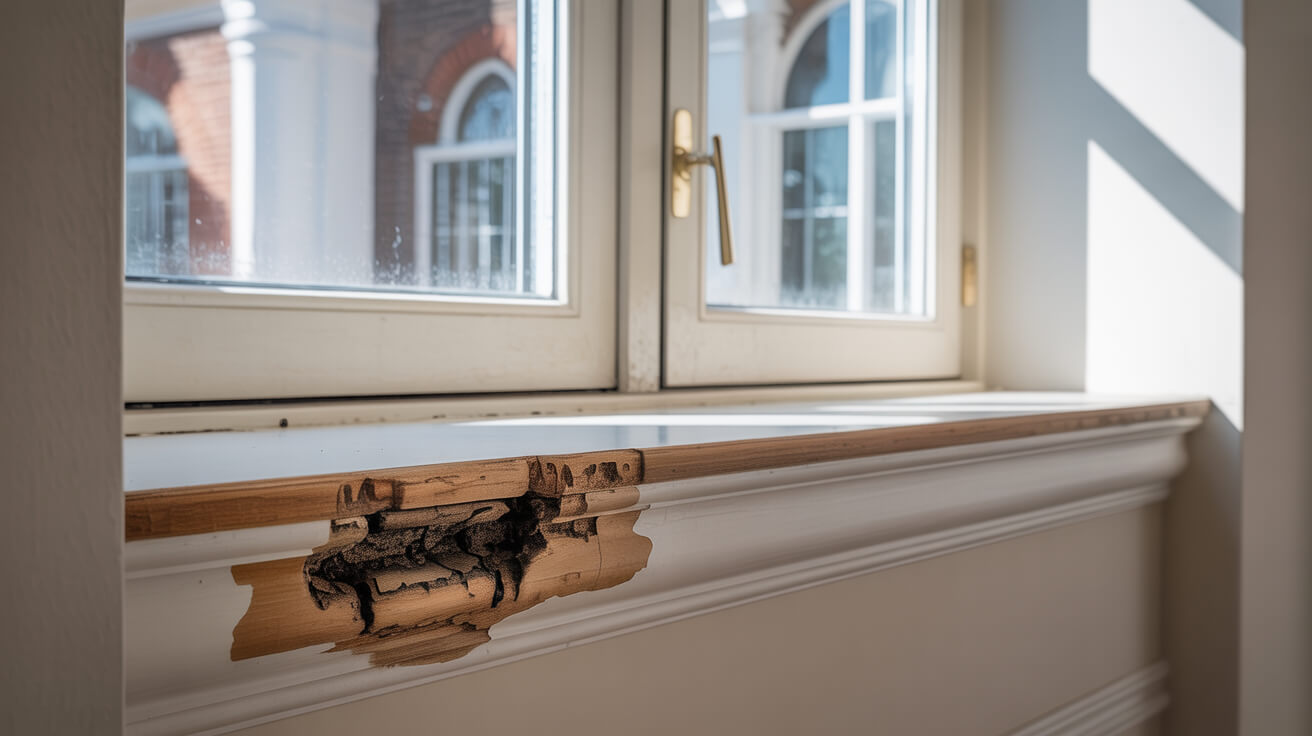
Different treatments “last” in different ways. Understanding what each method actually does—and where it cannot perform—stops you expecting a simple spray to solve problems in thick, hidden or damp timbers. You avoid disappointment by matching the method to the reality of the structure, not just the brochure.
1. Surface brush/spray treatments
For many lofts, floors and accessible structural timbers, brush‑on or spray‑on liquids are the standard approach. When they are used in the right place and applied properly, they give you a solid first line of defence.
You can think of them as creating a treated shell:
- The liquid soaks into the outer few millimetres of the timber surface.
- Larvae feeding in that zone, or adults chewing through it, are killed.
- As long as that treated shell remains intact, reasonably dry and unwashed, it offers residual protection.
They fail early when:
- coatings or grime stop the liquid soaking in,
- not all faces are reached (for example, only the underside of a joist is treated, not the ends set into the wall), or
- dampness or abrasion damages the treated surface.
In other words, longevity is as much about coverage and conditions as it is about the product name. A well‑planned, well‑executed surface treatment on dry, accessible timbers can buy you many years of protection. A quick spray over dirty, damp, half‑hidden wood can lose its value in a fraction of that time.
2. Deep‑delivery gels, rods and injection systems
Where timbers are thicker, moisture‑affected, or partly hidden, contractors often specify boron‑based gels, pastes, rods or drilled injection. Here you are not just painting the skin; you are pushing protection into the body of the timber.
Here the aim is to:
- introduce the active ingredient deeper into the timber section, not just on the surface;
- take advantage of the way some products move with moisture inside the wood; and
- protect zones that a simple surface spray would struggle to reach.
These methods are particularly useful for:
- joists bearing into damp walls,
- built‑in beams and lintels, and
- areas with a history of decay as well as insect attack.
In dry internal conditions, the active can remain effective inside the timber for many years. The main failure modes are:
- poor drilling layout (so the active never reaches key risk areas),
- ongoing damp that moves the chemical out of the target zone or leaches it away, and
- later alterations that slice off or box in the treated sections.
If you want this kind of treatment to “last”, you need three things: a good drilling design, moisture under control, and future works that respect where the protection actually sits.
3. Heat and fumigation: strong kill, limited residual
Heat treatment and fumigation are sometimes suggested for severe or awkward situations (for example, when a lot of fitted furniture is affected or access to structural timbers is very limited). They can feel attractive because they offer a “big hammer” solution.
Both work on a clear principle:
- Heat: – raising the timber and air temperature to a level that kills all life stages present.
- Fumigant gas: – holding a toxic gas at a lethal concentration for a set exposure period.
Crucially:
- The effect is powerful but short‑lived.
- Once temperatures fall back to normal or the gas is fully ventilated, they do not leave a residual barrier in the timber.
That means:
- They can bring a bad situation under control quickly,
- but future protection still depends on moisture control, access improvements and, often, follow‑up treatments targeted at specific timbers.
For most UK homes, these methods are reserved for unusual cases. A careful survey usually reveals a more targeted combination of surface and deep‑delivery treatments that will last better in normal domestic conditions, without the disruption and cost of whole‑house heat or gas work.
Why longevity varies so much between buildings (moisture, ventilation, coatings, timber type, and access)
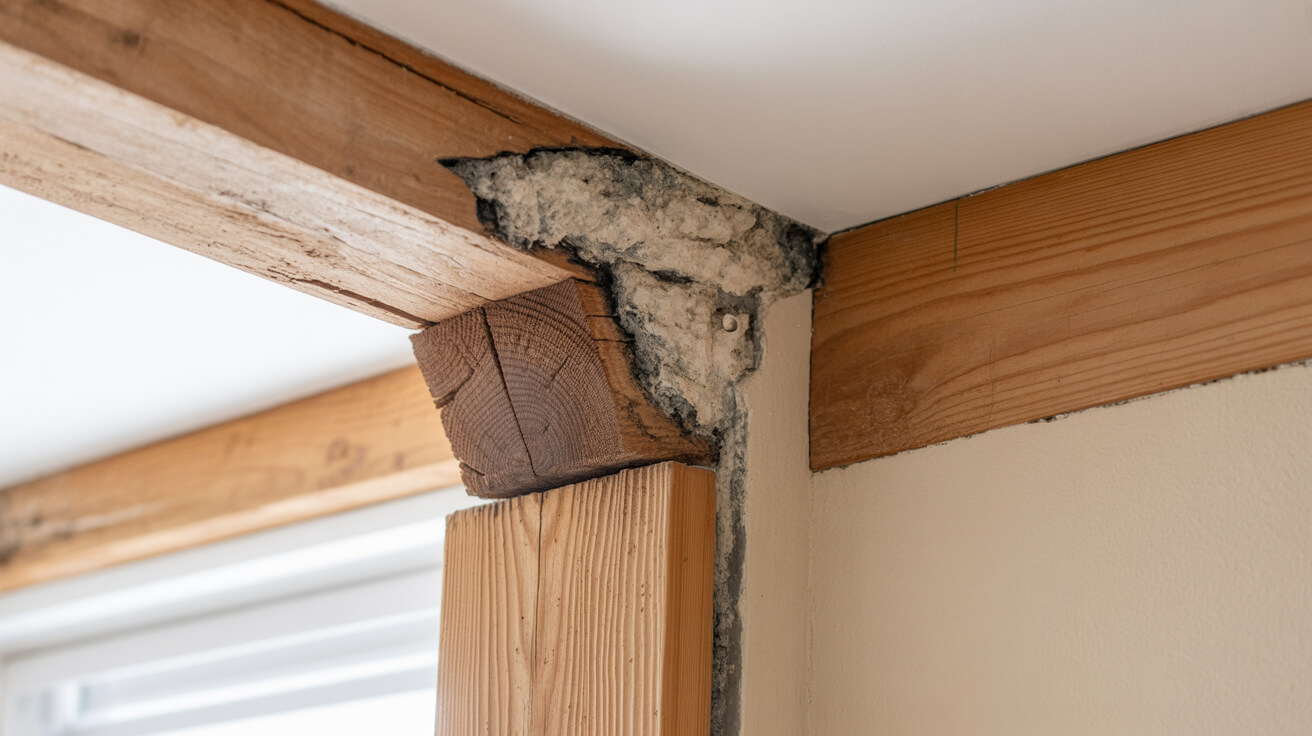
Two houses can use similar products and methods and get very different outcomes. The difference is rarely the label; it is usually the building. If you do not factor in moisture, ventilation, coatings, timber type and access, you end up blaming the treatment for what is really a design or maintenance issue.
1. Moisture and ventilation: the main on‑switch for trouble
Woodworm and decay fungi share one basic preference: timber that stays too damp for too long. If you get moisture wrong, you keep switching the problem back on, no matter how good the initial treatment was.
Important points:
- Once moisture content in the wood regularly sits above roughly the high‑teens to low‑twenties percent, biological risk increases.
- Leaks, bridged damp‑proof courses, defective gutters, condensation in cold voids and poor underfloor ventilation all create pockets where timber behaves very differently from the rest of the structure.
- Even a good treatment effectively becomes a delay rather than a cure if those conditions are left untouched.
Improving:
- roof and gutter maintenance,
- underfloor and roof‑void ventilation, and
- insulation and air‑tightness details that avoid cold, stagnant corners
often adds more “years of safety” than changing product brands ever will.
Think about a typical mid‑terrace where the front room floor sits over a cold, poorly ventilated void while the loft above is dry and airy. You could use the same treatment product in both places, but the underfloor joists near a leaking gulley will stay at risk far longer than the loft timbers that dry quickly after rain. If you fix the gulley and the ventilation, you extend the life of both the timber and the treatment.
2. Coatings, timber type and access: why some areas always need more thought
Coatings and finishes:
- Film‑forming paints and varnishes block absorption if they are in place before treatment. Unless they are stripped back or carefully perforated, liquid treatment may sit on top rather than entering the wood.
- After treatment, some breathable finishes can help protect the surface, but heavy, non‑breathable coatings can hide future problems and complicate inspection.
Timber type and section:
- Sapwood: (the outer, younger part of the tree) is generally more vulnerable and more permeable than heartwood. Many softwoods used in joists and rafters have a large proportion of sapwood, which is why they are so often attacked.
- Thicker sections or built‑in ends take longer for any treatment, moisture or heat to reach; they also tend to fail more severely once damaged.
Access and construction:
- Party‑wall pockets, boxed‑in stair strings, deep floor voids and built‑in ends are all places where treatment is harder to apply and inspect.
- Unless access is created, these untreated refuges are where future problems tend to re‑appear.
A realistic view of “how long treatment lasts” therefore has to include:
- how dry you can keep the structure, and
- how fully you can actually reach and maintain the timbers in question.
When we survey, we flag these weak spots explicitly so you know which areas are genuinely “sorted” and which areas are “watch and manage” rather than pretending everything is equal.
How to tell treatment worked (without panic‑retreating)
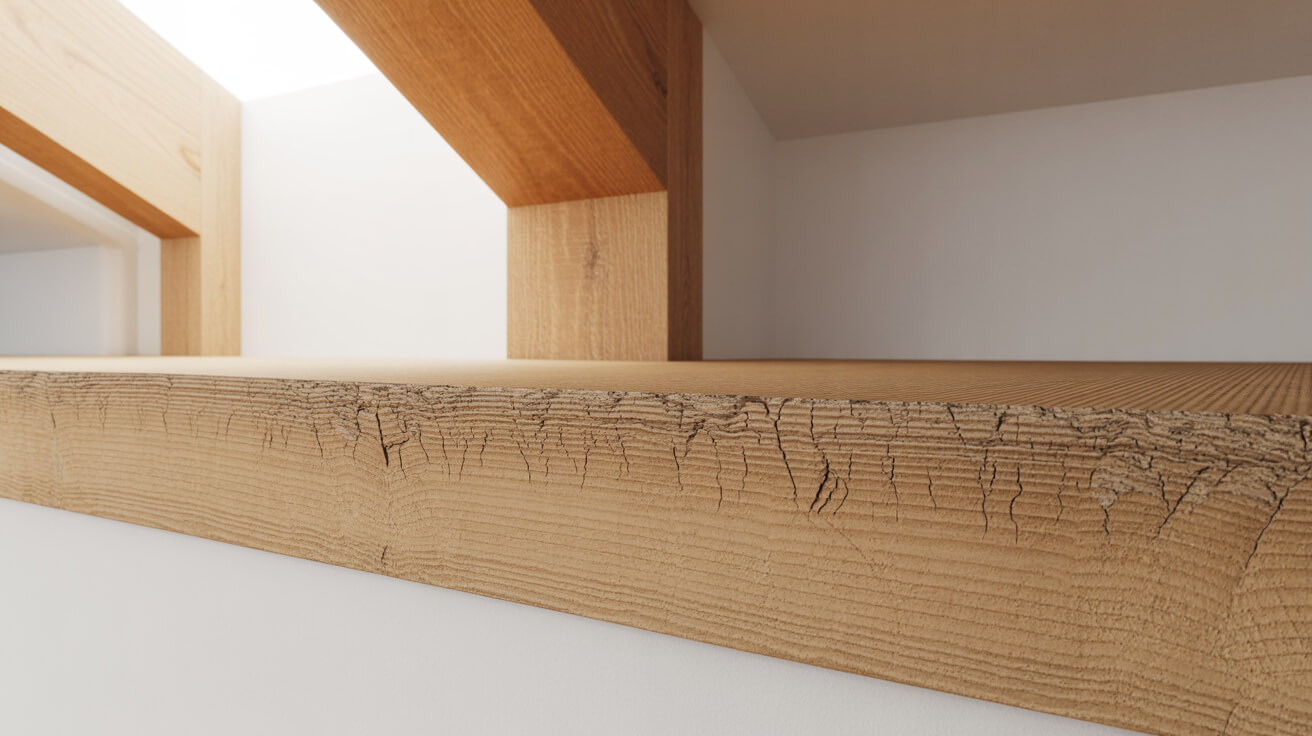
Once treatment is done, you naturally want reassurance that it has worked and will last. The challenge is that the visual signs change slowly, and some activity after treatment is normal. If you judge success too quickly or too harshly, you can end up paying for repeat treatments you do not need.
1. What “inactive” looks like in the real world
In practical terms, you can think of timber as inactive or low‑risk when:
- you do not see new, pale frass or crisp‑edged holes on cleaned and monitored surfaces over at least one emergence season;
- moisture readings in key areas are trending in the right direction or already in a safer band; and
- there are no other signs of widespread decay or structural distress.
This is different from “no holes visible at all.” Old exit holes remain. They may be present in large numbers in very old buildings, even when the infestation died out many years ago. Your aim is not to erase history; it is to be confident that new damage is not quietly accumulating.
2. A simple monitoring routine that avoids over‑reacting
A straightforward, low‑tech approach can give you good confidence without turning you into a full‑time inspector:
-
Baseline
After treatment, clean accessible areas where dust collects and take clear photos of representative sections (for example, a beam face or joist run). Mark a few reference areas discreetly so you can compare like‑for‑like. -
Check through the next flight season
In the following spring and summer, look for:
- new dust on previously cleaned surfaces,
- obviously new holes in your reference photos, and
- live beetles, especially in quantity.
- Record what you find
Jot down dates and what you observed. Even a short note on your phone with accompanying photos is useful if you ever need to speak to a specialist, a future buyer or a surveyor.
In practice, that might mean you checking the loft once a month over the summer, taking photos of the same three joists each time and noticing that nothing changes. When you look back six months later, the lack of new dust or holes in those photos is often more reassuring than memory alone. You are not guessing; you are looking at evidence.
- Re‑inspect when something changes
Re‑inspection makes most sense when:
- you see persistent fresh frass in the same areas,
- there is a new damp problem (for example, a roof leak or plumbing issue), or
- building works have exposed new timbers or altered voids.
Used this way, monitoring helps you avoid unnecessary repeat chemical treatments while still catching genuine problems early. We build this kind of evidence‑based follow‑up into our approach, so you are not left judging success on reassurance alone or panicking every time you see an old hole.
Specification that maximises longevity (scope, access, moisture actions, and verification)

The way a treatment is specified on paper often determines how long it will last in practice. A good specification is not just “spray loft” or “treat floors”; it explains where, how, and under what conditions. If the front‑end thinking is vague, the back‑end performance will be too.
1. Getting the scope and access right
A robust survey and specification should spell out:
- Which timbers and areas are in scope: – named elements (loft joists, first‑floor joists in specific rooms, stair strings, lintels, roof trusses) rather than vague room labels.
- What access will be created: – which boards will be lifted, which boxing‑in will be opened, and where inspection holes or pockets will be formed.
- Where limitations remain: – for example, timbers that could not be fully exposed because of structural, legal or conservation constraints.
That clarity allows you to:
- see where the treated “envelope” really is, and
- understand where long‑term risk is being managed by monitoring and moisture control rather than direct treatment.
In other words, you know exactly what you are paying to protect, what is realistically out of reach, and how that shapes the lifespan you should expect from the work.
2. Pairing treatment with moisture and safety actions
To maximise longevity, the specification should also address:
- Moisture sources: – fixing leaks, managing rising damp, improving underfloor and roof ventilation, and tackling condensation drivers around the affected areas.
- Environmental conditions during application: – basic health and safety, re‑entry times, ventilation requirements, and any special measures for children, pets or sensitive occupants.
- Verification: – the readings and records that will be taken before and after treatment (for example, moisture content in sample timbers) and what will be photographed.
At completion, you should receive:
- a written record of the diagnosis and method,
- a list or plan of treated areas,
- any relevant measurements (such as moisture readings where taken), and
- photos or notes: confirming key access and coverage points.
We work to that kind of survey‑led, documented approach so that “how long it lasts” is anchored to an honest picture of what was done and what the building can reasonably support. You are buying a system, not just a product and a promise.
Proof & paperwork: what guarantees mean, what they exclude, and what lenders typically want

When you are buying, selling or remortgaging, the way woodworm treatment is documented can be almost as important as the technical work itself. The paperwork is what future surveyors, lenders and buyers actually see, so it needs to tell a clear, credible story.
1. Reading guarantee wording with the right questions
When you see “ten‑year” or “twenty‑year” guarantees, it helps to ask:
- What, exactly, is guaranteed?: Usually it is the cost of re‑treating the same timbers if active woodworm is found within the term, not compensation for any wider damage.
- Which timbers are covered?: Guarantees are normally limited to the specific elements listed in the original report or certificate.
- On what conditions?: Common exclusions include:
- timbers that were inaccessible or not exposed at the time,
- new damp problems arising after the work,
- new timbers introduced during later alterations, and
- removal or damage of coverings that allowed treatment access originally.
An insurance‑backed guarantee adds a third party who may honour the contractor’s promise if that firm stops trading, but it still follows the same scope and exclusions. You get more security about the promise itself, not a blank cheque for any future issue involving wood.
2. Paperwork that keeps surveyors and lenders comfortable
Surveyors and lenders are usually looking for evidence, not magic wording. In practice, what works best is a small, coherent pack that shows:
- a specialist timber report describing the findings, likely species, activity assessment, moisture context and limitations;
- a specification and completion note explaining what was treated, how, and when;
- any guarantee or insurance‑backed guarantee documents with clear terms; and
- supporting photos or diagrams that match the described areas.
When that pack is available:
- valuers and conveyancers can see that the risk has been understood, addressed and documented;
- future buyers have less reason to worry or renegotiate; and
- you have a clearer basis for judging how long the treatment is likely to remain relevant, given the building’s condition.
We are used to preparing reports and treatment records in a way that fits these expectations, particularly when a transaction is time‑sensitive. That means less back‑and‑forth between solicitors, fewer last‑minute surprises, and a clearer link between what you paid for and the risk you have actually reduced.
Book Your Consultation With Sussex Damp Experts Today
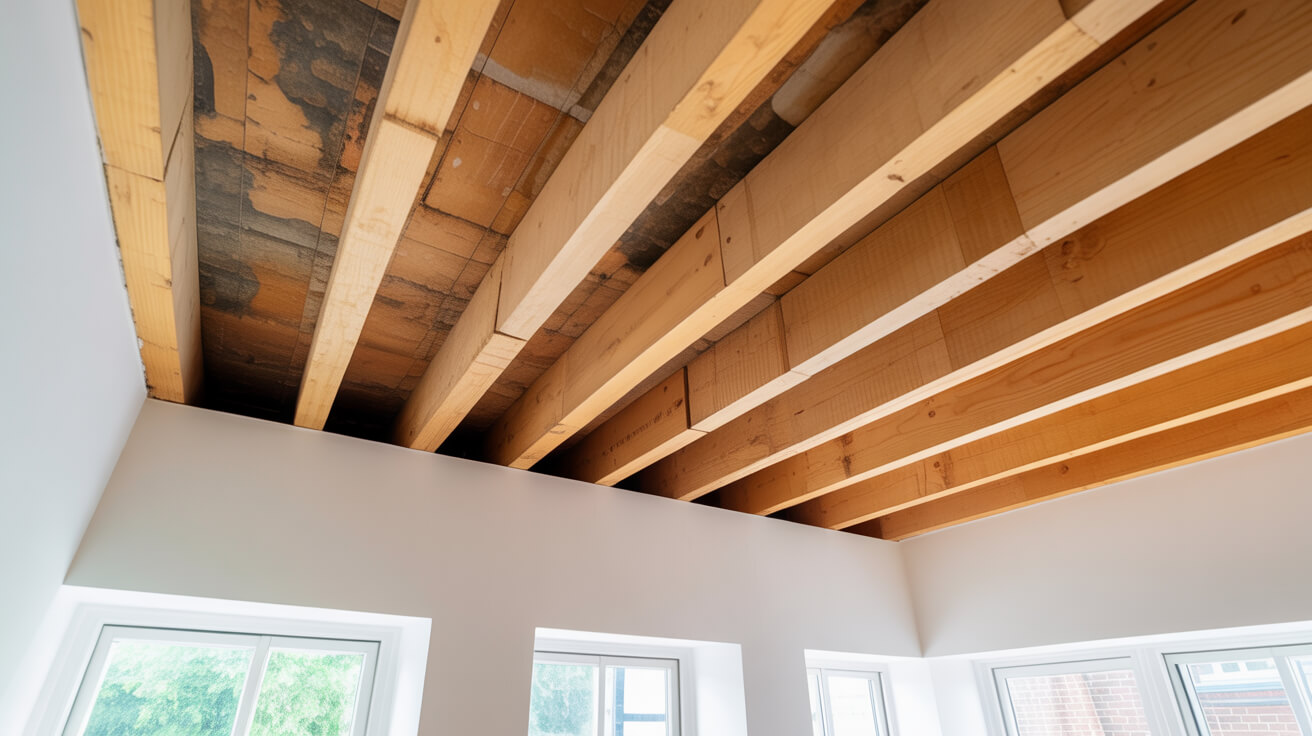
When you are trying to work out how long woodworm treatment will last in your home, what you really need is less guesswork and more clarity about your specific timbers, conditions and risks. You do not want a sales pitch; you want a plan that stands up to time, surveys and real‑world moisture.
1. Start with low‑friction, evidence‑led triage
You do not have to jump straight to invasive work. A sensible sequence is:
- share clear photos of the suspected areas and a short description of what you have seen so far;
- let a specialist look for clues of historic vs likely active attack; and
- decide whether simple monitoring, a survey visit or immediate treatment is the right next step.
From there, we can carry out:
- a survey‑led inspection with moisture profiling and access notes, and
- a dated written report that defines what “lasting” should mean for your building—kill‑time, residual expectation and reinfestation controls.
That gives you and any other stakeholders (buyers, lenders, family members) the same clear picture to work from. Instead of arguing over “how bad it looks”, you are making decisions from the same set of facts.
2. Move to a plan you can act on with confidence
If treatment is justified, you should know in advance:
- which timbers will be treated and how access will be created,
- what moisture or ventilation work is recommended alongside treatment,
- what kind of guarantee and documentation you will receive, and
- what simple monitoring you should carry out afterwards.
We can help you make those decisions in a structured way, so you are not left choosing between “do nothing” and “spray everything” without understanding how long either option will really protect your home. You move from vague worry about holes and dust to a defined set of actions, timescales and responsibilities.
If you are ready to move from worrying about holes and dust to having a clear, evidence‑based plan, arrange a consultation with Sussex Damp Experts and let a specialist quantify the risk drivers—especially moisture and access—that truly determine how long your woodworm treatment will last.
Frequently Asked Questions
How long should you expect professional woodworm treatment to last in your home?
You can usually expect a well‑designed professional woodworm treatment in dry, accessible timbers to give you long‑term protection, but there isn’t one honest “X‑year” answer that fits every house.
The three “clocks” that really control lifespan
Once you strip away brochure language, you’re managing three separate timeframes:
- Kill speed: how quickly the current infestation is stopped. Modern insecticidal surface treatments normally deal with emerging adults over the next flight season once they contact the treated zone.
- Residual chemistry: how long the active ingredient remains effective in the treated band of timber. In typical UK conditions, surface‑applied insecticides on dry, sheltered timbers can remain useful for several years, while deep‑delivery boron systems can stay present for the life of the timber if moisture is controlled.
- Guarantee period: how long the contractor promises to return and re‑treat specified timbers if the problem reappears. In the UK, timber treatment guarantees are often 10–20 years, but this is a legal promise tied to named areas and conditions, not a laboratory measure of how long woodworm treatment “lasts”.
Dryness, ventilation and access make more difference than any label claim. Timbers that stay reasonably dry and well ventilated, with treatment reaching joist ends, built‑in bearings and hidden pockets, almost always remain more stable than damp, boxed‑in sections, even when the same product has been used.
If you want confidence rather than a marketing number, the lifespan needs to be based on your actual structure, not a generic claim. Sussex Damp Experts design each woodworm treatment around your specific timbers, moisture profile and access, then back it up with clear paperwork so you know which elements are covered, for how long, and on what basis.
If you see yourself as the kind of owner who wants to deal with woodworm once and then stop thinking about it, booking a survey‑led woodworm and moisture assessment with Sussex Damp Experts before the next flight season is usually the most straightforward way to get a durable, documented plan.
How can you tell if the woodworm you see is still active or just historic damage?
The most reliable way to separate active woodworm from long‑dead attack is to watch what happens over time, rather than reacting to old exit holes on sight.
Practical signs that point towards recent activity
Historic woodworm damage is extremely common in older UK buildings and doesn’t automatically mean you need timber treatment. Signs that suggest more recent or ongoing attack include:
- Fresh, pale dust: new, powdery frass collecting under or on timbers after you’ve cleaned the area.
- Sharp‑edged exit marks: newly formed holes tend to look clean and bright; older ones usually darken and soften at the edges.
- Seasonal timing: new signs that appear in line with typical flight seasons (often spring into late summer) are more suspicious than changes in deep winter.
- Pattern and context: one or two boards with scattered holes above otherwise sound, dry joists often point to historic issues, whereas clusters across damp, poorly ventilated areas deserve more attention.
If you’re buying or selling, or your insurer or lender is nervous about “woodworm noted” on a report, guessing based on a quick look leaves you exposed in negotiations.
Why an independent woodworm survey often pays for itself
A structured, independent woodworm survey turns a vague worry into an evidence‑based decision. Sussex Damp Experts can classify what you’re seeing as active, uncertain or clearly historic and explain what that means in plain language for you, your surveyor and any lender involved.
If you’d rather be able to show a buyer, agent or managing agent a calm, written verdict instead of debating photographs and opinions, arranging a survey‑led woodworm and moisture assessment with Sussex Damp Experts is usually the simplest way to get to a clear yes/no answer without drifting into unnecessary blanket treatment or risky inaction.
What makes one woodworm treatment last longer than another in a home like yours?
In most homes, the way the building behaves has more impact on how long woodworm treatment lasts than the brand name on the product.
Why building conditions do more than the label
Several controllable factors change how long protection really holds:
- Timber moisture: sections that sit mostly below the high‑teen to low‑twenties percent moisture range are far less attractive to insects and decay. Ongoing leaks, condensation or poor sub‑floor ventilation shorten the useful life of any timber treatment.
- Access and coverage: if application only reaches the visible faces of joists and not the tucked‑away ends in damp walls, voids or pockets, you leave untreated refuges where future attack can restart.
- Existing coatings and finishes: thick paints, varnishes or bitumen layers can block absorption and stop treatment reaching the zone where larvae are feeding, no matter how good the specification sounds.
- Timber type and condition: sapwood‑rich softwood, heavily notched joists, or sections that have already lost a lot of strength often need deeper, better‑planned treatment and, sometimes, reinforcement rather than chemistry alone.
Two properties can use similar products yet have very different outcomes over five to ten years simply because one owner improved underfloor ventilation and fixed minor leaks, while the other left everything damp and boxed in.
Turning a product into a long‑term woodworm solution
If you want the money you spend on professional woodworm treatment to keep working for you, the design has to start with your structure and moisture, not just the beetle species. Sussex Damp Experts fold moisture control, access planning and timber condition into a survey‑led specification so the chosen method matches how your building actually behaves.
If you see yourself as the kind of landlord, owner or managing agent who would rather pay once for a proportionate, long‑view solution than drift into repeat treatments or avoidable structural repairs later, asking Sussex Damp Experts for a survey‑led woodworm and damp assessment is a very sensible next step.
How do you know if woodworm treatment has worked or needs doing again?
You judge whether woodworm treatment has worked over at least one emergence season, not in the first week after the vans have left.
What “inactive” realistically looks like
In most domestic situations, a successful professional woodworm treatment looks like this:
- No new dust or holes in reference areas: cleaned sections you’ve photographed remain free from fresh, light‑coloured dust and obviously new exit marks through the next spring and summer.
- Stable moisture readings: spot checks with an appropriate moisture metre, where practical, show timbers in a safer range and no spreading damp problems.
- No spreading pattern: you don’t see new signs appearing on previously quiet timbers away from the area that was treated.
It’s common to see the odd late-emerging common furniture beetle or a fresh exit hole shortly after work; many of these adults were already nearly formed in the timber before treatment was applied. That on its own does not mean the whole job has failed or needs repeating.
A clear monitoring habit before you pay for more work
A short, structured check‑in routine can stop you buying extra work you don’t need and also stop you missing a small, active problem that is starting to grow:
- Clean and photograph a few representative areas once work is complete, so you have a clear starting point.
- Look over those specific spots during the next flight season for new dust or clearly new exit marks, rather than scanning the whole building at random.
- Pay attention to any new damp issues, leaks or building works that expose additional timber or change ventilation.
If you see repeated, fresh activity in monitored areas or rising moisture where there was none before, that is the moment to get another opinion rather than simply buying more insecticide. Sussex Damp Experts can re‑inspect, interpret what you are seeing and, if needed, adjust the original plan. If you prefer decisions on whether to retreat or leave well alone to be based on measured evidence instead of worry, asking for that kind of follow‑up assessment is usually money well spent.
What should be in a solid woodworm treatment specification and guarantee?
A solid woodworm specification and guarantee should tell you exactly what was treated, how it was treated, and under what conditions it is expected to last, rather than just quoting a headline number of years.
What a good professional woodworm specification includes
Clear paperwork should give enough detail that another surveyor, lender, buyer or managing agent can understand the work years later. As a minimum, look for:
- Named timbers and zones: specific joists, beams, lintels, stair strings or roof members in clearly identified rooms or areas, not vague “whole floor” or “roof treated” labels.
- Access arrangements and limits: what will be lifted or opened, and what remains concealed or excluded because it cannot be reached without major disruption.
- Moisture and ventilation actions: any recommendations or works to keep treated timbers dry enough for both the timber and the treatment to remain effective.
- Completion record: method used, products, treated zones, moisture readings where appropriate, and photographs that show before and after condition.
Guarantee documents should then sit on top of that technical story, explaining which elements are covered for re‑treatment, for how long, and under what exclusions (for example, new leaks, inaccessible areas, later alterations or newly introduced timbers). Aligning this kind of paperwork with good practice under standards such as BS 6576 and what most UK lenders expect is often what keeps transactions, refinancing and any future claims smooth.
How Sussex Damp Experts make paperwork work for you
Owners, landlords, agents and property managers rarely want to become timber specialists; they just want to be able to answer “what was done, where, and why it should last” without stress, especially when surveyors, insurers or buyers start asking questions.
Sussex Damp Experts issue survey‑led reports and treatment specifications that spell this out in plain English, backed by photographs and readings. If you want your future self, your managing agent or a buyer’s surveyor to be able to pick up your file and nod rather than question it, commissioning that level of documentation and guarantee structure at the start of a woodworm treatment project is one of the safest decisions you can make.
When is it better to call Sussex Damp Experts than to keep watching and waiting?
It usually makes sense to involve a specialist when the situation has moved beyond curiosity and into structural, legal, survey or transaction risk.
Situations where “wait and see” becomes the risky option
Watching and waiting can be reasonable where timbers are dry, damage clearly looks historic and nobody else is pressing for answers. It becomes much less safe when:
- You see fresh, light‑coloured dust or clearly new exit marks appearing in reference areas after you have cleaned them.
- Structural timbers such as joists, beams, lintels or roof members are affected, especially where there is visible loss of section or deflection.
- A survey has flagged possible woodworm, but access into voids, floor zones or roof spaces has been limited.
- You are buying or selling and a general survey has raised “woodworm” as a concern without a specialist diagnosis.
- You are a letting agent, estate agent or managing agent who needs to keep both landlord and tenant calm when a report mentions woodworm and damp, and you currently have nothing more than a few photographs and opinions.
Left alone in these situations, a modest problem can turn into cut‑back, sistering or replacement costs, or become the reason a mortgage offer is delayed, a retention is applied or a buyer tries to reopen the price.
What you gain by bringing Sussex Damp Experts in early
When you involve a specialist early, you are really buying clarity, documentation and options. Sussex Damp Experts can:
- Triage from photographs and a short description to separate likely historic marks from situations that genuinely need on‑site inspection.
- Carry out a survey that combines timber condition, moisture profiling and access notes into a clear written diagnosis you can share with surveyors, lenders and insurers.
- Set out a treatment and moisture‑control plan that is proportionate to your building and budget, with realistic expectations on how long the result should last and what is excluded.
- Provide lender‑ and surveyor‑friendly paperwork that reduces the chances of last‑minute surprises in a sale, refinance or tenancy renewal.
If you see yourself as the kind of owner, landlord, agent or buyer who would rather make one calm, evidence‑based decision about woodworm and then move on, arranging a survey‑led woodworm and moisture assessment with Sussex Damp Experts before the next flight season or transaction milestone is usually the most sensible way to protect both the structure and your position.

