
 By
 March 13, 2026


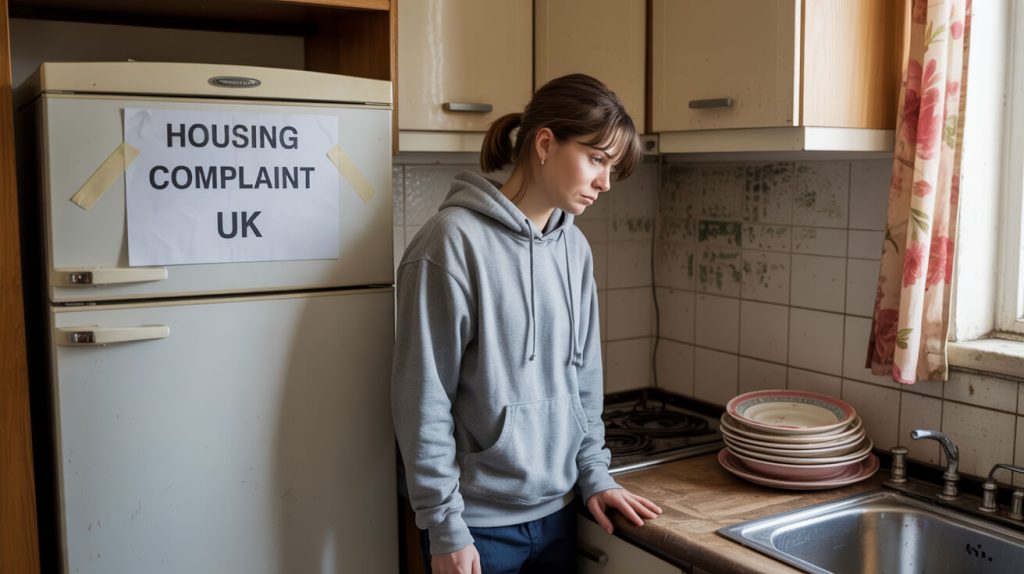
What a missed damp appointment means
A missed damp appointment isn’t just inconvenient; late arrival, cancellation, and a true no-show each trigger different next steps, evidence, and refund/complaint routes. Your quickest route also depends on who booked the contractor—you or your landlord—because the named customer usually controls rebooking, complaints, and payment escalation.
Your aim is simple: protect the property, keep the damp: – Moisture issue moving, and build a paper trail you can reuse. This is general UK information, not legal advice. (UK processes can differ across England/Wales, Scotland, and Northern Ireland—especially for housing complaints and enforcement—so use local guidance where relevant.)
A missed visit is annoying; a missing paper trail is expensive.
No-show vs late arrival vs cancellation
A “missed appointment” isn’t one event, so label it accurately to keep your escalation clean and consistent.
- Late arrival: – You receive an update and an ETA (estimated time of arrival) still makes sense today.
- Cancellation: – They confirm they will not attend your booked slot.
- No-show: – Nobody attends, and you can’t get a clear update after the slot ends.
Once you choose the category, repeat the same core sentence in every message: booked window, no attendance, your contact attempts, and any response. That’s what third parties scan for.
Quick decision line: Late (credible ETA) → wait/confirm. Cancelled → rebook + terms. No-show → written complaint + refund/dispute options.
Why damp delays matter (damage and disruption)
Damp rarely stays still; while you wait, staining spreads, paint blisters, plaster softens, salts appear, and materials stay wet. Delays also increase disruption, because small repairs can become bigger “making good” once finishes and joinery deteriorate.
There’s also a cost trap: time pressure can push you into “quick treatments” that mask symptoms (sealing/replastering) while the real cause (leaks, defects, bridging, ventilation) remains. That’s how people end up paying twice.
Safety first: If there’s immediate danger, deal with that before admin. Keep people away from wet electrics, buzzing sockets, sparking, water near the consumer unit, or overheating. Don’t touch wet electrical fittings.
- For life-threatening emergencies, call 999.
- If you suspect a gas emergency, use the UK’s official gas emergency contact route (via the published National Gas Emergency details).
- For electricity-supply emergencies, contact your electricity network operator via their published emergency contact route.
Two common situations: you hired them vs landlord arranged
Everything hinges on one question: who is the customer on paper (quote, invoice, works order). In rentals, that may be your landlord, council/housing association, or managing agent—even if you waited in and chased.
- If you hired the contractor, you can set rebooking terms, request a refund, and escalate via your payment method.
- If your landlord arranged the contractor, progress is usually fastest when you report the miss through the landlord’s official repairs channel so it’s logged against the right reference.
Some social landlords run missed-appointment compensation schemes (voucher/credit), but eligibility typically depends on the miss being recorded correctly in their system.
Immediate steps to take today
Damp Complaint Escalation Guide
Select the stage you’re at now. We’ll show you what to do next, with template letters and key deadlines.
-
💬 Informal Report
-
📝 Stage 1 Formal Complaint
-
🚫 Stage 1 Response Received
-
📈 Stage 2 Escalation
-
⚖ Housing Ombudsman
-
⚖ Legal Action
Need professional evidence for your complaint? A Section 11 survey report carries significant weight with ombudsmen, councils, and courts.
Book a Survey for Evidence →Fast progress comes from three actions: make a few reasonable contact attempts, lock the facts into a written timeline, and take low-risk steps to protect the area. The goal is to stop drift and build a clean record you can forward.
Contact attempts and a reasonable waiting window
Once the agreed window has clearly passed, allow a short buffer (especially for AM/PM slots). After that, focus on few, clear, recorded actions—not endless unlogged calls.
Use this checklist soon after the missed arrival window has passed:
Step 1: Check the confirmation
Confirm date, time window, address, access notes, and job reference.
Step 2: Call once for an ETA
Ask for a revised arrival window; note the name or team.
Step 3: Send one text
State address and booked window; request an ETA or cancellation confirmation.
Step 4: Send one email
Restate facts and ask for a written response today.
Step 5: Record your attempts
Save times, numbers, voicemails, portal messages, and screenshots.
Step 6: Set a clear cut-off
State when you will treat it as a no-show and request rebooking/refund steps.
Make the cut-off specific (e.g., “If I don’t hear by 5pm…”). If they turn up after that and you still want the visit, proceed only after confirming the revised time in the same email chain.
Document everything (photos, messages, timelines)
Good documentation turns a bad day into an evidence pack a third party can scan quickly (manager, landlord repairs team, agent, card provider, finance provider, council officer).
Save as screenshots/PDFs where possible:
- Appointment confirmation: – Email/text/portal screenshot with reference and time window.
- Chase evidence: – Call logs, texts, emails, names spoken to, promised call-backs.
- Dated photos: – Wide shot for context, then close-ups of staining or mould.
- Timeline note: – Booked window, missed slot, chase attempts, replies received.
- Knock-on costs: – Time off work, childcare, parking, extra heating, equipment hire.
If a portal fails, screenshot the error and email the same report so the history exists outside the portal. If a landlord/agent is involved, copy them early so it’s clearly live.
Protect the property while you wait
Protect the home without locking yourself into the wrong fix: keep actions low-risk, reversible, and non-structural until the cause is confirmed—especially if you’re a tenant.
Practical steps that often help without committing to a treatment:
- Ventilate: – Use extractors; short purge ventilation after cooking/showers.
- Reduce moisture load: – Lid pans; avoid indoor drying without ventilation.
- Move belongings: – Pull furniture off cold external walls; lift fabrics away from damp areas.
- Contain drips: – Use containers; protect floors; empty safely and regularly.
- Avoid cosmetic cover-ups: – Don’t paint over damp patches to “tidy up.”
These steps buy time; they don’t diagnose the cause. If mould is present, avoid actions that spread spores (e.g., vigorous dry brushing/sanding). Keep cleaning gentle, and keep children/vulnerable people away. If you’re worried about symptoms, speak to a pharmacist or GP (general practitioner).
Template message (edit brackets):
Hello. We had a damp: – Moisture appointment booked for [date] during [time window] at [address]. No one attended and I have not received an update. Please confirm today whether you can still attend, and if not, provide a new appointment date and time window. If you cannot rebook promptly, please confirm your refund/cancellation process. Thank you.
If you hired the damp contractor directly
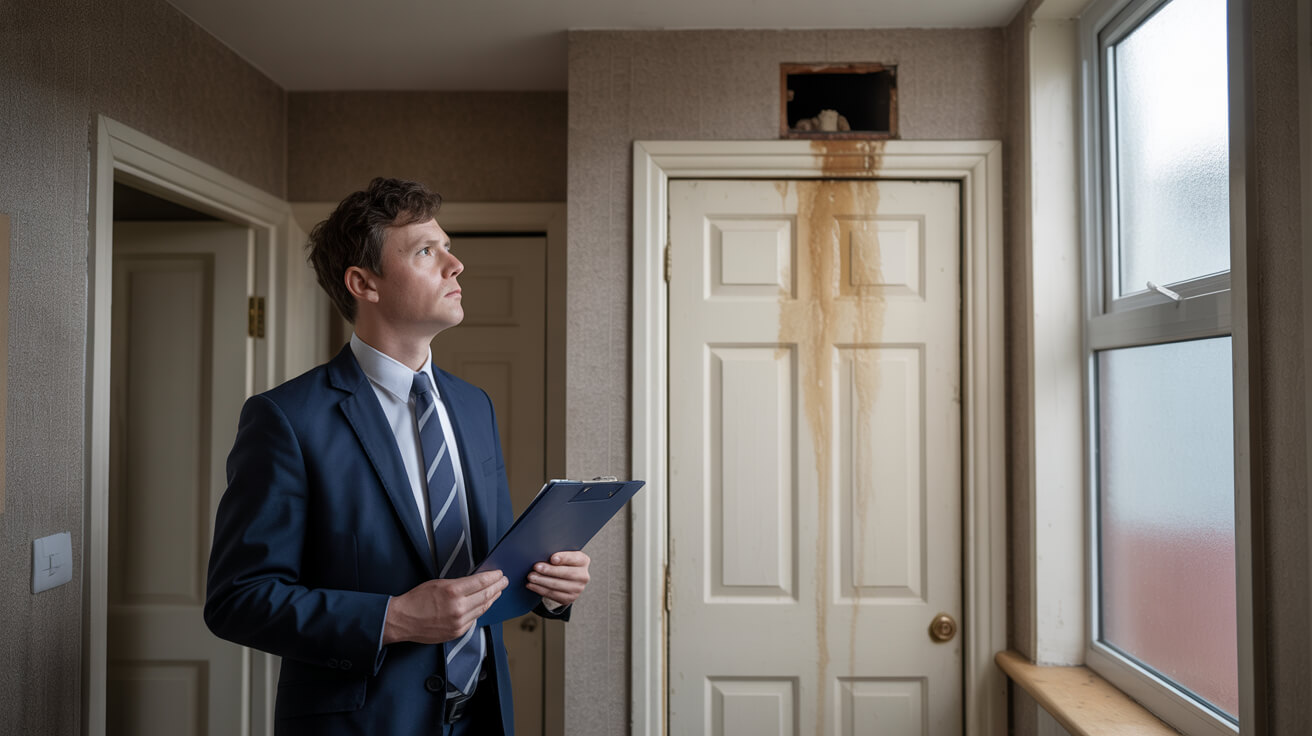
When you hired the contractor, keep everything tied to what was agreed and ask for one clear remedy in writing. A missed visit can be a diary problem, but repeated no-shows or poor communication also warn of wider issues in damp work, where correct diagnosis and scope matter.
Check your paperwork: quote, scope, dates and payment terms
Start by confirming what you actually bought: inspection, written report, quote-only visit, or remedial works. Disputes drag when you think you paid for a report but the trader says it was “just a look.”
Check:
- Scope: – What will be inspected, and what is excluded.
- Output: – Written report, photos, readings, or verbal guidance only.
- Timing: – Fixed time, arrival window, or “any time today.”
- Payments: – Deposit amount, stages, and what each stage covers.
- Cancellation: – Rebooking rules, admin fees, refund terms.
- On-the-day contact: – Who updates you, and how delays are handled.
If the scope is vague (“treat damp in lounge”), treat that as a risk. Before accepting a new date, ask for scope in plain English: what will be checked, what you’ll receive, and what counts as extra.
Your rights when a service isn’t delivered as agreed
Under the Consumer Rights Act 2015 (services must be provided with reasonable care and skill, with remedies available where appropriate), if you paid for a service and it wasn’t provided (or isn’t provided properly), you can ask the trader to put it right. Depending on the facts, that can include re-performing the service within a reasonable time and without significant inconvenience, or a price reduction/refund.
Because outcomes depend on the contract, what was actually promised (inspection vs report vs works), and the circumstances, treat this as a framework—not a guarantee. If the amount is significant or the dispute is complex, consider independent advice.
You don’t need legal wording to be effective. You need: what was agreed, what didn’t happen, and what you want next.
How to ask for a refund or rearrangement
Short, written, and deadline-driven wins; keep it in one email chain if possible.
Step 1: Review what was agreed
Confirm the booked window, scope, outputs, and what your payment covered.
Step 2: Write a formal email/letter
State the missed visit; attach confirmation; keep the tone factual.
Step 3: Set the outcome you want
Request a confirmed rebooked date/window, or a refund for the undelivered visit.
Step 4: Set a response deadline
Use a date that reflects your urgency.
Step 5: State your next step
Say you will use the complaints route and payment-provider routes if ignored.
Deposits and staged payments: avoid paying more until you have a firm plan in writing. If they ask for extra money to “hold a date” after a no-show, ask for the rebooking and cancellation terms in writing first.
If you’re tempted to go straight to public reviews, pause: resolve it in writing first, and keep any public comments factual.
How to recover money you’ve already paid

Money recovery moves quickest when your next step matches how you paid and your evidence pack is easy to scan. Start with the company’s complaints route; many providers expect that first. Then escalate based on card/finance/bank transfer.
Start with the company’s own complaints route
A written complaint forces a decision rather than another “we’ll call you back.” Put it in writing and label it a complaint.
Keep it structured:
- Identify the booking (date, window, address, reference).
- State what happened (no attendance, no confirmed update).
- State what you want (rebook by a date, or refund route).
- State your deadline (a date, not “ASAP”).
- Request a written reply (even if they also phone you).
If they offer a new date, ask them to confirm who will attend, the arrival window, and how delays will be communicated.
A good complaint reads like a checklist, not a diary.
Card payments and finance: escalation routes
If you paid by card, your provider may offer a dispute process (often described using chargeback-style language). Availability and eligibility depend on your provider, the product, and the facts—so follow their process and ask what evidence they require. Your position is usually stronger if you can show you gave the trader a reasonable chance to put it right.
If your payment involved a regulated finance provider and you complain to them, escalation may be possible if you’re unhappy with the response or if there is no response within 8 weeks; for eligible cases, the Financial Ombudsman Service process (including commonly published contact details) is typically part of the next-stage route.
Confirm the route fits your product and situation before relying on it; not every missed appointment becomes a finance complaint.
| How you paid | Practical next step | Evidence that matters most |
|---|---|---|
| Card | Raise provider dispute after written complaint | Proof of booking, no-show timeline, complaint email |
| Finance | Complain to provider; escalate if unresolved after 8 weeks | Agreement, payments, complaint record, outcome requested |
| Bank transfer | Push trader complaint; consider formal letter steps | Terms, invoice, proof of transfer, chase history |
| Cash | Focus on trader complaint and written admissions | Receipts/messages, witness notes, your timeline |
When to consider formal dispute steps
Move to formal steps when chasing fails and your written complaint doesn’t produce a fair response. Build a pack a third party can scan:
- Agreement and scope: – Quote, booking details, and any terms.
- Proof of payment: – Receipt, card record, bank confirmation, finance summary.
- Complaint record: – Your complaint email, your deadline, and their replies.
- Timeline: – Booked window, no attendance, brief list of chase attempts.
- Outcome request: – Refund or replacement service.
Depending on value/urgency, “formal” may mean a final written letter setting out what you want and by when, before considering small-claims-style options. If you’re unsure what’s proportionate, independent consumer guidance can help keep the ask accurate and realistic.
If you want a calmer route before spending more, this is also a sensible point to seek an independent damp assessment so you can brief any replacement contractor with confidence.
If your landlord arranged the damp contractor

When your landlord arranged the contractor, the quickest progress comes from getting the miss logged in the landlord’s repairs system, then following their escalation path. Your leverage is the landlord’s repair duties and service standards—not a direct consumer contract with the damp firm.
(Processes vary across the UK. Complaint stages, ombudsman routes, and enforcement pathways can differ in Scotland and Northern Ireland, so check the right scheme for your nation and landlord type.)
Report the missed visit to the landlord in writing
Report the missed appointment through the landlord’s official channel (portal, repairs email, repairs line). You want a traceable entry, not a verbal update.
Use this tenant-focused step list:
Step 1: Notify immediately in writing
Include date, time window, address, and any repair reference.
Step 2: Attach key evidence
Add photos and any appointment confirmation you have.
Step 3: Request a replacement appointment
Ask for a new date, arrival window, and day-of updates.
Step 4: Ask for a repair plan
Request investigation steps and repair steps, with target dates.
Step 5: Keep a single record trail
Reply on the same ticket or email thread each time.
If the landlord has a missed-appointment compensation scheme (voucher/credit), ask what must be recorded on the job log to claim.
Social housing timelines and what evidence to keep
For social housing, damp and mould response is often discussed under Awaab’s Law guidance for tenants (including examples of response timeframes). The key practical point is this: timelines and escalation usually start once the problem is formally reported through official channels.
Some landlords publish internal targets (which vary and can change). If you see example targets like “24 hours” or “10 working days,” treat them as landlord-specific policy targets, not universal rules—verify what applies to your landlord and what is current.
Keep dated photos, copies of reports, and notes of impact you’ve already raised. If the contractor misses again, add that missed visit to the same repair record so the pattern is visible.
Escalation routes if nothing happens
Escalate step-by-step using the landlord’s process so you don’t restart from scratch each time. Frame it as both a damp issue and a service failure: missed appointment, lack of communication, delay, and no clear plan. Ask for a written outcome with dates and named actions.
If you rent from a social landlord and the complaint remains unresolved, escalation can move toward the Housing Ombudsman after you complete the landlord’s complaint stages (or receive the end-stage response). Outcomes depend on the scheme’s remit and your evidence.
When and how to complain to the council

Council routes can help when damp or mould isn’t being addressed, but the right path depends on housing type and local authority scope. You usually get a cleaner response if you submit a brief, dated timeline with clear photos and what you’ve already reported.
Environmental Health: what it can cover
Councils may provide Environmental Health and/or other housing-related reporting routes, and responsibilities/thresholds vary by local authority. You may be redirected between teams depending on categorisation and local powers.
For damp and mould in rented housing, councils may consider severity and what steps you’ve taken (what you reported, to whom, and when). If there’s a visible defect (active leak, broken extractor, defective guttering, blocked air bricks), include it.
Councils also differ in what each form accepts, so check criteria rather than assuming one route covers everything. For example, Brighton & Hove publishes an Environmental Health enquiries and complaints route with guidance on how to submit issues.
Routes for mould and damp depending on housing type
Many councils separate routes by tenure because their role changes depending on whether they’re enforcing standards or acting as landlord:
- Private renters: – Notify your landlord/agent first, then escalate if unresolved.
- Council tenants: – Use council repairs first, then the council complaints route.
- Homeowners: – Use advice and independent inspection rather than enforcement.
Micro-scenario: you’re a private tenant, your agent booked a contractor, and nobody arrived. A short email with photos, dates, and the missed slot turns it into a logged repair failure that’s harder to “lose.”
What to submit: evidence and a clear timeline
Keep it observable and verifiable; avoid declaring a diagnosis (e.g., “rising damp”) unless a competent report confirms it.
Include:
- Timeline (first noticed, reported, appointments booked, missed visits, replies).
- Photos showing location/severity (dated if possible).
- Copies of messages to landlord/agent and responses.
- Reference numbers (repair job, complaint number, inspection booking).
If you need help completing a council Environmental Health form, many councils provide a support inbox and phone option for form assistance. Example format only: an email like environmental.health@yourcouncil.gov.uk and a number obtained via your council switchboard. Use your own local authority’s details so your report reaches the right team.
Switching to a new damp contractor safely

Switching contractors is safer when you tighten scope, confirm what you’re buying (inspection/report/works), and structure payments so money follows delivery. A no-show can push you to “whoever is available,” but an independent assessment can prevent unnecessary work—especially in older or heavily altered buildings.
What to check before rebooking (scope, diagnosis, guarantees)
Damp can look similar on the surface, so ask how they distinguish causes and what evidence supports their conclusion. Confirm the deliverable: diagnosis visit, written report, quote for works, or a combination.
A useful conversation focuses on how they separate:
- Condensation-related damp: – Moisture load, ventilation, cold surfaces, heating patterns.
- Penetrating damp: – Rainwater ingress, guttering, pointing, cracks, external defects.
- Plumbing leaks: – Pressurised leaks, waste leaks, intermittent failures.
- Rising damp-like patterns: – Including bridging, salts, ground levels, and plaster issues.
Best test question: what did they see that supports the conclusion, and what did they rule out? If it becomes a product pitch, ask for the inspection basis in writing before approving treatment.
| Option | Best for | Watch-outs |
|---|---|---|
| Independent survey/report | Clarity before spend; evidence for disputes | Needs a defined scope and competent inspection |
| Remedial works quote | Straightforward jobs with confirmed cause | Risk of treating symptoms if diagnosis is rushed |
| Same firm does both | One point of contact end-to-end | Ask how diagnosis avoids sales bias |
Guarantees: ask what’s covered, what paperwork you receive, and what can void it. If it can’t be explained plainly, treat it as marketing until proven.
Vetting checklist to reduce no-shows
Attendance improves when the booking process is explicit, especially after you’ve already had a no-show. Make dates, access, and communications clear before you agree a slot.
Before you agree a date:
- Written quote: – Clear scope, outputs, exclusions, and site address.
- Named point of contact: – One person responsible for updates.
- Confirmed date/window: – Date, arrival window, and delay update method.
- Insurance evidence: – Appropriate cover for the proposed work.
- Guarantee terms: – Written coverage and key exclusions.
Then use “booking hygiene”:
- Reconfirm: – Message 24–48 hours before the visit, and restate access details ([tenant responsibilities guidance commonly recommends reconfirming shortly before appointments](https://www.lbhf.gov.uk/housing/housing-policies/council-housing-damp-and-mould-policy/7-tenant-responsibilities)).
- Agree updates: – Confirm how delays will be communicated on the day.
- Confirm access: – Keys, parking, alarms, and on-site contact details.
If you want help scoping the visit (so you buy the right inspection, not the wrong “treatment”), Sussex Damp Experts can triage your symptoms and help you define what evidence a contractor should gather before recommending work.
How to avoid paying twice for the same problem
Avoiding double payment comes down to scope control, evidence control, and payment structure. Share photos and your timeline for context, but let the next contractor inspect independently.
Structure payments so money follows delivery:
- Keep a deposit proportionate to admin and reserved time.
- Use staged payments tied to written milestones.
- Pay only after each milestone is met and evidenced.
- Get cancellation terms agreed in writing before paying.
Watch for duplicate scope: if one quote includes “damp treatment” and another includes “replastering,” check whether both include the same prep/making-good.
If you rent, get landlord/agent approval before any invasive work begins.
Book Your Consultation With Sussex Damp Experts Today
Progress starts when you lock down two facts: who booked the contractor and what happened during the agreed window. Then push for one clear outcome in writing: confirmed rebooking details, a refund route for an undelivered visit, or (for tenants) a logged repair plan with dates. Put safety first if wet electrics, active leaks, or gas concerns are present.
When you contact us, having this ready helps us triage quickly:
- Your postcode and whether you own, privately rent, or are in social/council-managed housing.
- A few clear photos (with dates).
- Your timeline (booked window, missed visit, chase attempts, replies).
- Any prior reports, quotes, or repair references you already have.
If your home is social housing or council-managed, you’ll usually still need to follow your landlord’s official reporting and complaints route alongside any independent advice. If you’re unsure where to report mould and damp, local council resources can help, and the correct route often depends on tenancy type and UK nation.
Choose Sussex Damp Experts when you want an evidence-led diagnosis, plain-English reporting, and a process you can share with a landlord, agent, or builder. If you’d prefer neutral routes, you can also consider independent surveyors and general consumer advice services before committing to remedial work.
Frequently Asked Questions
How long should I wait before treating a damp contractor as a no-show?
Treat it as a no-show once the agreed slot plus a short buffer has passed and you can’t get a clear update.
- If you were given a specific time (e.g., 10:00), many people treat it as failed after 20–30 minutes with no message.
- If you were given a time window (e.g., 9–12), wait until the end of that window, then allow around 30 minutes while you make one contact attempt.
How do fixed times differ from time windows?
A fixed time is a clear miss point. A window allows for overruns. Once the window and your buffer pass, record it as a no-show.
How can you set a clear cut-off in writing?
Before the end of the slot, send: “Our damp survey was booked between 9–12. If I don’t hear from you by 12:30, I’ll need to rearrange.” That creates a written cut-off.
Can I claim compensation when a damp contractor or landlord’s repair appointment is missed?
Sometimes, but it usually depends on the contract/policy and proof of loss.
With a private contractor, the most straightforward outcome is often a refund of any survey fee, call‑out charge, or deposit where no inspection or work took place. Extra payment for inconvenience alone is less common. Your case improves if you can show specific loss (unpaid leave, childcare, travel).
For landlord-arranged repairs, some social landlords/councils run missed-appointment schemes, but private landlords often do not.
When is a straightforward refund most realistic?
Ask for a refund for the visit that didn’t happen and attach proof of payment and booking confirmation.
What evidence helps if you want more than a refund?
Keep costs you actually paid: wage slips for unpaid leave, childcare invoices, travel/parking receipts, and dated messages confirming the booking and no-show.
What can I do if my landlord keeps booking damp contractors who don’t turn up?
Show a pattern and escalate calmly through the landlord’s process.
Each time a visit is missed, message the same day with date/time/window and “no attendance.” Keep photos showing progression (fresh mould, flaking paint, damaged plaster, harm to belongings).
Calm, consistent records often speak louder than a single angry email.
How should you present repeated no-shows to your landlord?
After two or three failed appointments, send a short summary: dates, what happened, and attach prior messages/photos. Ask for a named owner, a firm date/window, and how day-of updates will work.
Who else can you involve if nothing changes?
Follow the landlord’s formal complaint stages. For social housing/council properties, there may be an ombudsman route once internal stages finish. For severe cases, local authority enforcement/Environmental Health may also help, depending on your area and tenure.
Should I hire my own damp contractor if my landlord’s one never shows up?
It can give clarity, but it can also leave you paying the bill and create tenancy disputes.
If your landlord is responsible for repairs, they normally choose the contractor. Instructing your own without agreement can trigger disputes about cost, access, and authorisation.
What are the main risks of instructing your own contractor?
The biggest risk is not being reimbursed. Unauthorised changes can also cause disputes, especially in flats or managed blocks.
When might instructing your own survey still make sense?
A report-only survey can help if agreed first. Ask in writing: “If I commission an independent damp survey for information only, will you consider the findings?” Get written permission before any work starts, and seek advice before spending significant money.
Who should I complain to if I’ve already paid for a damp survey that never happened?
Start with the trader’s complaints route, then escalate via your payment provider if needed.
Write to the contractor: the booked survey did not happen; you want a full refund. Include booking details, no-show messages, and proof of payment. Give a clear deadline (e.g., 14 days) and keep copies.
How do you escalate beyond the contractor?
Escalate based on how you paid. Card providers may offer a dispute process for non-delivery; some finance providers and payment platforms have formal complaint/buyer-protection routes. Ask what evidence they require and send it as a bundle.
When do ombudsman or court-style options become relevant?
If the contractor belongs to a trade body or ADR (Alternative Dispute Resolution) scheme, that may be an option after internal complaint. For smaller sums where nothing works, some people consider small-claims-style routes. Get current guidance if you’re unsure about costs, risks, or wording.
Why is it risky to stop paying rent because damp repairs or appointments are delayed?
Stopping rent is risky because arrears and eviction action can follow even if your damp concerns are valid.
Rent is usually treated as separate from repairs. If you stop paying, your landlord can often take action based on arrears alone, which can move faster than any damp complaint and weaken your position.
What can happen if you withhold rent over damp?
You can fall into formal arrears, trigger warnings/notices, and shift the dispute from “repairs” to “non-payment,” which is typically safer ground for the landlord. It may also affect credit and future renting.
What are safer ways to apply pressure?
Keep paying rent, but intensify repair action: use the landlord’s complaint process, keep evidence, copy in the agent, and consider Environmental Health for serious cases. Speak to a housing adviser/solicitor before changing how you pay rent.

