
 By
By  August 26, 2025


Can Tenants Really Claim Compensation for Damp and Mould Under the Defective Premises Act 1972?
Damp doesn’t knock at the door—it slips quietly in, eroding the integrity of a property and often upending your peace of mind before you realise what’s at stake. If you’re a tenant living with persistent musty smells, patches of black mould, or stained walls, you might wonder whether this is simply part of renting or crosses into breach of law. The Defective Premises Act 1972 doesn’t dabble in theory; it sets out clear duties for landlords to keep homes healthy and habitable. When those responsibilities are neglected, you are not left powerless—you have legal means and strategic tools to claim compensation. Sussex Damp Experts stands behind tenants across East and West Sussex, guiding you with evidence-ready surveys, British Standards-backed reports, and the kind of support that turns frustration into leverage for repair and redress.
Damp always costs more than it appears—health, asset value, and control often seep away before anyone reacts.
What Are the Early Signs of Damp and Mould—and When Is Landlord Neglect a Legal Breach?

Damp rarely announces itself in a dramatic fashion. Most tenants first notice the subtle signals: a persistent musty odour near skirting boards, windows dripping with condensation in the morning, or small black spots forming in the coldest room corner. Even flaking paint, salt stains rising up walls, or warped window ledges can be early warnings that moisture is at work beneath the surface. It’s in these moments—before black mould blooms or timbers buckle—that responsibility already sits with your landlord to act.
Legally, the bar isn’t set at disaster. Once moisture issues emerge that impact your health or comfort, the Defective Premises Act 1972, reinforced by modern benchmarks like the Homes (Fitness for Human Habitation) Act 2018, obligates your landlord to maintain the property in a habitable state. The onus is not on you to prove what’s causing the problem—only that your home fails to keep you comfortably dry and safe. According to Shelter UK, tenants exposed to persistent damp or mould are over 50% more likely to develop respiratory illness than those in dry homes (“The Impact of Poor Housing on Health”—Shelter, 2023).
Landlords sometimes claim your lifestyle is to blame—suggesting you simply need to “open the window more.” However, when damp stems from building defects, failed damp-proofing, worn flashing, or systematic ventilation failures, excuses don’t hold. If reports are ignored or only cosmetic fixes turn up, you’ve crossed from inconvenience into breach of statutory duty.
No one’s obliged to ‘put up with’ discomfort—a safe, dry, mould-free home is not an upgrade, it’s your legal right.
What Exactly Must Landlords Do—and How Do You Know They’ve Crossed the Line?
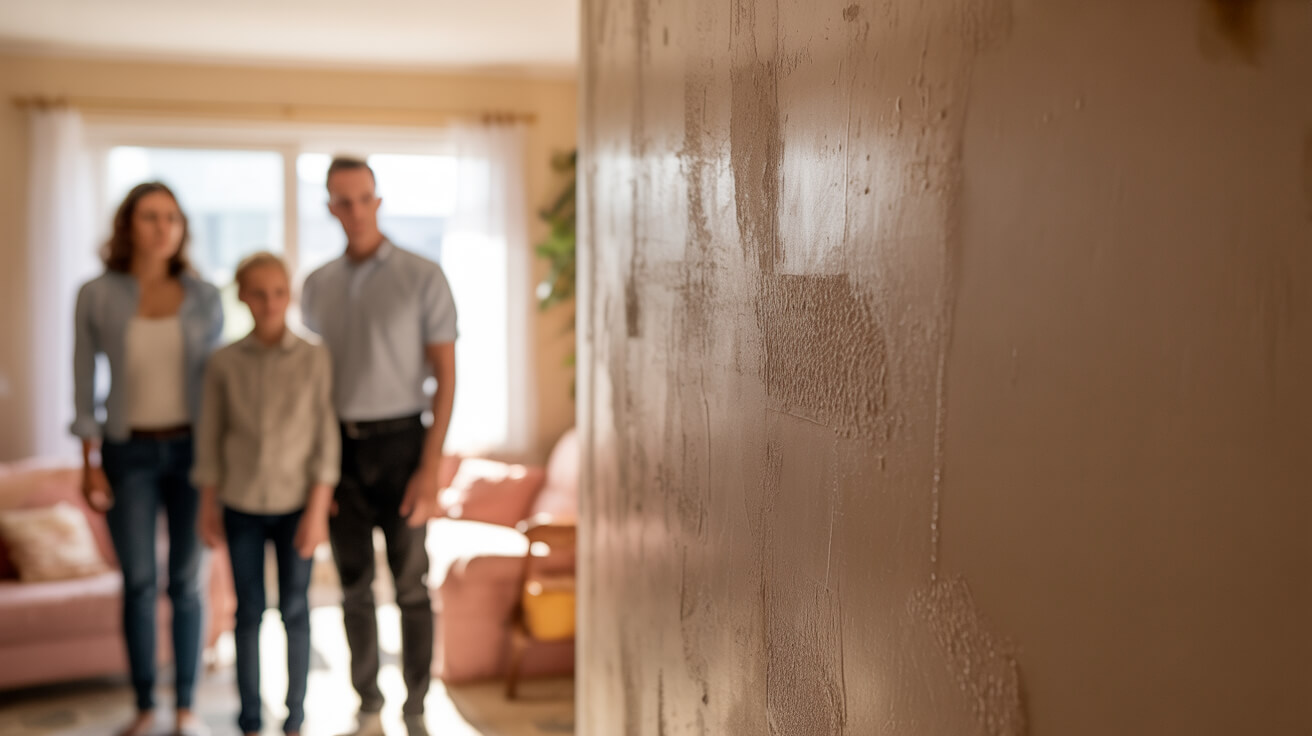
A landlord’s duty isn’t finished after a handyman once-over or by handing out a leaflet. By law, they must ensure your property meets the “fit for human habitation” requirement at the start of your agreement and throughout your tenancy. The Defective Premises Act 1972 places a duty of care on landlords to prevent harm from property defects—including those that cause damp and mould (Defective Premises Act 1972, s.4).
A “defect” covers a wide range: fractured damp-proof courses, leaking pipes, water ingress from worn external brickwork, or ventilation failures due to faulty extractor fans. Even minor changes—a window continually misting or a patch of wall staying cold and damp—can tip the scale. The legal system doesn’t require a catastrophe; persistent hazards to health or comfort meet the threshold.
Building Regulations Part C specifically covers moisture and water ingress, while the Housing Health and Safety Rating System (HHSRS) lists damp and mould as priority hazards. If your landlord ignores written notification, delays proper inspection, or attempts to patch over problems without genuine repairs, these are clear breaches. The law does not accept painting over black mould as a fix—this signals avoidance, not resolution.
When ignored, local authorities can intervene. They wield powers to issue improvement notices, insist on documented repairs, levy fines, or, in persistent cases, conduct the remedial work themselves and recover costs from the landlord.
What Kind of Evidence Wins and Loses a Damp & Mould Compensation Claim?

The legal system is guided by evidence, not sympathy. The strongest claims pull together clear, systematic proof, including:
- Dated photographs and videos: showing when and how damp or mould spread, with an emphasis on progression over time.
- Medical letters: from your GP linking symptoms like respiratory trouble, persistent coughs, skin irritation, or aggravated asthma to damp exposure.
- Correspondence records: , such as emails or written notes logging communications with your landlord, letting agent, or the council. Verbal reports carry less weight unless followed up in writing.
- Independent surveyor reports: referencing British Standards (BS 6576 for rising damp or BS 8102 for waterproofing basements), or inspection notes using official HHSRS scores.
- Cost documentation: —for example, receipts for damaged household items, increased energy bills from extra heating, or expenses from emergency accommodation.
Successful files are chronological. Create a timeline: note each new symptom, date every contact or repair, and save responses (or lack thereof). Courts and councils consistently favour tenants who produce a clear “paper trail” over those reliant on memory.
A sample evidence pack might contain:
- Photographic progression (timestamped, at least monthly)
- Medical evidence referencing symptoms aggravated by the living conditions
- Copies of emails, letters, and official council communications
- Surveyor’s technical report specifying breaches of BS 6576 / 8102 or unhabitable HHSRS scores
- Receipts for property or personal goods damaged
A structured file demands action where a hundred requests go ignored—date-stamped, standard-based, and impartial.
What Compensation Is Available—and How Is It Calculated?

Compensation aims to restore your situation as if the landlord had fulfilled their duty. Eligible outcomes include:
- Enforced, robust repairs: —not just quick fixes, but permanent rectification of moisture issues.
- Replacement cost for damaged belongings: —if items are ruined by damp, claim their full or current value with receipt proof.
- Financial payout: —for distress, discomfort, health impact, and inconvenience suffered while the property was in a neglected state.
- Legal expenses: —should your claim have to go to court and you prevail.
- Partial or full rent reimbursement: —especially where rooms or the whole property became unlivable during the issue.
The amount you can claim varies with the severity and duration of the damp problem, quality of supporting evidence, and actual losses incurred. Minor inconvenience claims may result in a few hundred pounds; chronic, health-affecting cases or those causing extensive property damage regularly yield awards between £1,000 and £6,000 in Sussex. Documented, repeated breaches or a clear pattern of avoidance by a landlord can push awards higher still.
Earlier, well-collated evidence typically speeds up landlord negotiation—avoidance often gives way to settlement once presented with a credible, standard-backed claim file.
How Does the Compensation Process Work—From First Complaint to Outcome?

Resolving your situation and claiming compensation is a stepwise process:
1. Notify and Document
Put your concerns in writing. Describe symptoms, provide current photos, and set reasonable expectations for response—typically within two weeks for non-immediate issues.
2. Formalise with a “Letter Before Action”
If mild efforts prompt only cosmetic fixes or seven-day silence, escalate. Explicitly name the legal grounds: “Defective Premises Act 1972 / Fitness for Human Habitation Act 2018,” and refer to standards breached (BS 6576, HHSRS).
3. Escalate to Authorities
Contact your local Environmental Health or council housing office. They’ll inspect, can issue improvement notices, and document deficiencies in official records. Inaction by your landlord can result in the council arranging repairs and recovering costs.
4. Prepare for Court or Tribunal
If all else fails, courts or the First-tier Tribunal can compel landlords to comply and award compensation. Your submitted evidence and council involvement are your strongest leverage.
The law also protects whistleblowers: once you’ve made a written complaint, landlords cannot legally retaliate with eviction or intimidation—especially when a council or tribunal is involved.
Formal, referenced, and impartial evidence fast-tracks the move from being ignored to getting resolved.
How Do You Ensure Repairs Permanently Fix the Issue—Not Just The Symptoms?

A common mistake is mistaking speed for substance. Surface-only repairs—like overpainting, “quick-dry” sprays, or covering over visible stains—rarely solve the underlying cause. Ensure you:
- Insist repairs are certified by a competent surveyor referencing British Standards
- Request post-repair photos and a follow-up report or inspection
- Continue routine damp monitoring—moisture metres or annual survey can reveal relapses before they escalate
- Retain all documentation for use in deposit or further legal disputes
- Obtain formal guarantees (ideally insurance-backed) on structural or significant internal repairs
Professional, reputable contractors deliver warranty documents and aftercare plans as standard. If a landlord delays, delivers partial work, or refuses independent confirmation, remember: the burden of proof in all disputes is now on you to show ongoing impact.
Why Do Tenants Across Sussex Work with Sussex Damp Experts for Damp Claims?
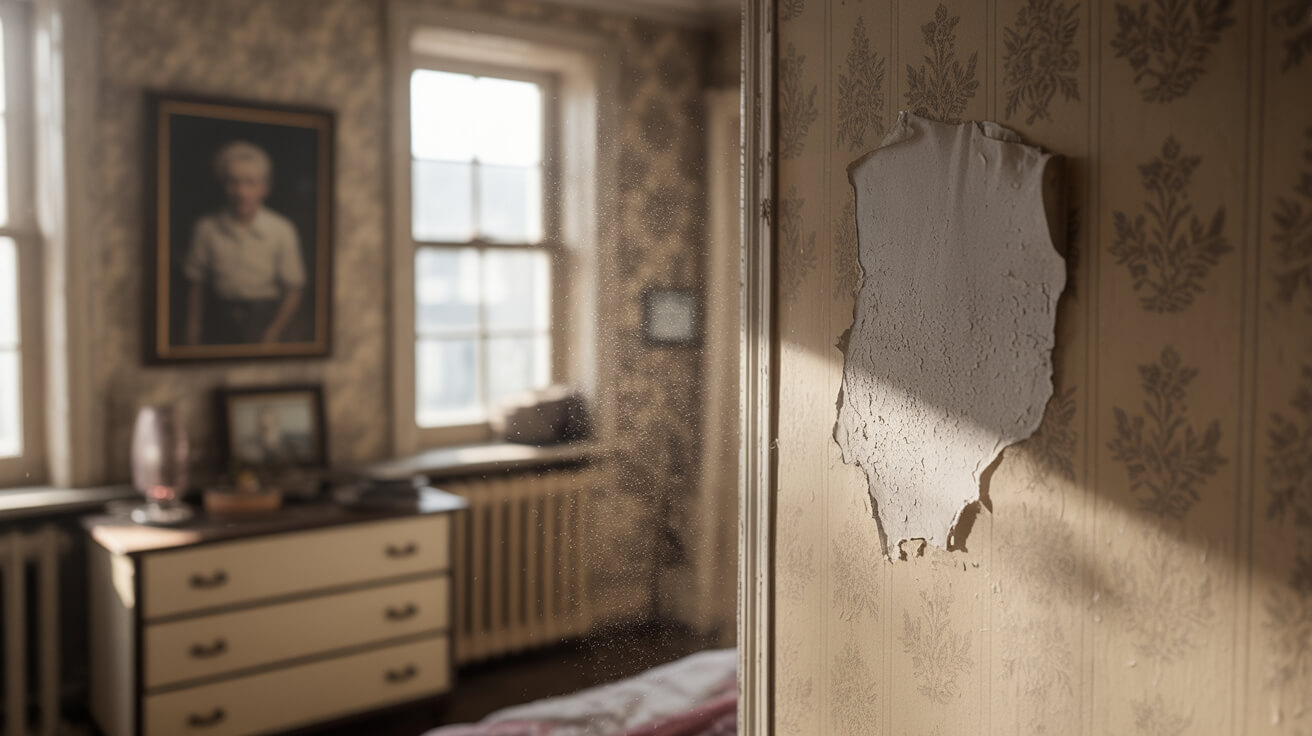
Successful tenants act systematically and trust in expert guidance, not online advice threads. Here’s why Sussex Damp Experts is a preferred choice:
- Every assessment is performed by surveyors certified to BS 6576 / BS 8102 / PAS 2035, so reports stand up in council, legal, or insurance arenas.
- Our documentation translates technical survey findings into legal explanations—clear “cause and breach” statements.
- Homeowner, landlord, or agent: our reporting is tailored for impact and clarity, accepted by local authorities and courts throughout Sussex.
- We provide not just evidence, but templates for escalation, cover letters, and checklists for every step.
- Post-repair, we remain involved: follow-up moisture measurement and ongoing support protect deposit and well-being long after the issue is “fixed.”
Clients routinely secure full repairs, replacement of ruined contents, and successful compensation claims (including deposit recovery) using our formal, impartial reporting. Strategic preparation—not posturing—turns evidence into outcomes here.
Getting results isn’t about arguing harder—it’s about arming yourself with evidence that no one can ignore.
How Do You Take Your Rights—and Your Home—Back from Damp?
Living with damp is not a tenant’s burden or responsibility. The law, best practice, and the practical reality all point in one direction: you are entitled to a safe, dry home, and to compensation when that standard fails. Sussex Damp Experts is equipped to help—whether you’re logging first symptoms or deep in dispute—with British Standards-aligned surveys, evidence kits, and plain-English, actionable guidance.
Book a survey and let our team handle everything from inspection, through documentation, to escalation. We’ll guide you through each stage, help you build an ironclad file, and remain available for post-repair checks, deposit disputes, or landlord negotiations.
Rest assured—this isn’t wishful thinking. Well-evidenced claims, expertly presented, shift even the most stubborn landlords from excuse to solution.
Don’t settle for apologies—secure the outcome you can prove, and a standard of living that’s protected.
Frequently Asked Questions
Why do many landlord damp claims collapse before payout is even on the table?
Too often, compensation for damp fails because the groundwork for evidence collapses before a letter even reaches court. Landlords, agents, or insurance adjusters can sidestep the issue if the trail of responsibility blurs between genuine building faults and “lifestyle” damp—things like shower steam or drying socks on radiators. What secures your claim isn’t the extent of the mould, it’s a methodical story: dated warnings, written repair requests, independent survey data, plus photos and logs that chronicle exactly when the damage started and how the response stalled. Under the Defective Premises Act 1972 and Homes (Fitness for Human Habitation) Act, the burden shifts once a tenant can show the property failed, a repair was due, and neither timeline nor warning were vague.
“Timelines win battles that photographs alone never will. The story behind the stain is what gets you paid.”
What are the pressure points where claims often break down?
- No precise log of first notification—verbal reports get lost, written evidence changes the game.
- Failure to escalate—lacking emails or letters that show the issue wasn’t fixed fast enough.
- Weak or absent surveyor involvement—third-party opinion anchored in BS6576 or BS8102 standards steers legal outcomes.
- Gaps between symptom onset and action—tenants must mark the moment problems arise and when help was sought.
How do you move disputes from “dead end” to success?
- Get a survey that distinguishes structural issues from “condensation” or “tenant habits”—look for expert logs on salt profiles, moisture metres, and substrate failures.
- Build a chronological file: photos, any expense receipts (replacement bedding, damaged possessions), medical reports if relevant, and a diary of communication attempts.
- Tie the impact back to building defects: did a faulty gutter go unrepaired for weeks? Has the same patch been “fixed” three times only to return?
When you anchor your case in forensic evidence—dated, impartial, and cross-referenced to building standards—insurers and landlords find it harder to wriggle out of their responsibilities. Even minor issues gain weight when the story is airtight.
How does expert evidence neutralise “lifestyle blame” and tip outcomes in tenant disputes?
Landlords often default to blaming tenants for condensation, even when symptoms point elsewhere. A BS6576-accredited report is worth more than ten opinions, because it distinguishes between structural failings and ordinary household moisture. Experts use salt analysis, thermal imaging, calibrated metres, and substrate tests to show whether moisture is rising up from brickwork or tracking from exterior breaches—impossible to cause through habits alone.
“When you prove the wall is sick, nobody can pin blame on the patient.”
Which signs separate “tenant life” from building defect?
- Moisture readings that spike mid-wall or at skirting boards, rising with capillary action—not patches from steamy showers.
- Long-term wetness or visible salt blooms that resist ventilation and regular cleaning.
- Forensic commentary (with photos) referencing BS6576, PAS2035, or HHSRS criteria—language courts, councils, and insurers check for swiftly.
- Patterns occurring in unheated or poorly insulated spots, or places with known substrate quirks.
How do you prepare evidence that holds up under legal scrutiny?
- Make sure every reading, log, and photo is dated, location-tagged, and consistent with standards.
- Include before-and-after comparative imagery for work tried and “fixed”, supporting the timeline.
- Ensure reports cite the protocol: “Salt test per BS6576 confirms rising damp at 0.5m,” not simply “patch appeared.”
By elevating proof above the anecdotal, disputes focus on duty and remedy, not routine. When surveyors are fluent in standard codes and diagnostic chains, lifestyle claims fade to background noise.
Which strategies consistently drive higher compensation for damp and mould claims in the UK?
Successful compensation cases run on two rails: comprehensive evidence of the problem’s impact, and explicit linkage back to landlord omission or failed repair. It isn’t enough to complain about damage—you have to catalogue losses, health incidents, and inconvenience with the kind of specificity that sidesteps argument. Claims supported by receipts for ruined possessions, logs of lost rent or room use, and medical records for mould-induced illness stack up quickly. UK courts and Environmental Health value quantifiable loss—“discomfort” turns into pounds only when it’s backed by dates, evidence, and proof the landlord had a real chance to intervene.
“The strongest claim isn’t the loudest—it’s the best documented.”
What evidence and process boost compensation awards?
- Logs of tenant reports, including escalation steps (first email, second warning, formal letter).
- Photos and receipts for each item replaced or room missed out on.
- Time diary tying disruption (missed days, hotel stays, lost work) directly to the defect.
- Health notes: cough, asthma, or skin flare-ups backed by GP or hospital correspondence.
- Professional open-market valuations for damaged valuables, furniture, or electronics.
Table: UK Compensation Benchmarks (2024)
| Claim Zone | Critical Evidence Needed | Typical Award Range |
|---|---|---|
| Belongings replaced | Photos, receipts, valuations | £100 – £2,500+ |
| Rent depreciation | Survey, unusable room report | 10–50% of monthly rent |
| Health/discomfort | Medical notes, tenancy logs | £500 – £6,000+ |
| Loss of amenity/move | Diary, receipts, time statements | £200 – £3,500+ |
Landlords settle or lose fastest where the paper chain is thick and the technical report stacks up—especially when standard codes are cited at every turn.
When is it essential for agents and landlords to commission a formal damp report—and what are the hidden returns?
Preventive action outweighs repair firefighting every time. For landlords and agents, scheduling a diagnostic survey isn’t just a defensive move—it saves cash, caps legal risk, and shields reputation. The earliest sign of trouble—a tenant’s report, survey red flag, or pattern of repairs failing—calls for an independent BS6576/BS8102-grade diagnosis. Many lenders, insurers, and councils will demand exactly this after a complaint or during purchase or letting cycles.
“A watertight survey in January can spare you a legal flood in December.”
Where does the value show up?
- Accelerated insurance responses and smoother claim settlements—most policies require a standards-tethered report for claims above a certain threshold.
- Mortgage and sale peace of mind—buyers and lenders scrutinise technical evidence, and a specialist sign-off unlocks stalled deals.
- Fewer improvement notices or council warnings—enforcement officers look for responsible property care, not just temporary patch jobs.
- Lowered compensation risk—showing you acted fast and professionally takes the wind out of “delay” arguments.
Which triggers justify immediate commissioning?
- Recurrent problems in the same room or zone—sign of structural not incidental moisture.
- Inheritance or new management of property with a known damp history.
- Shift in law or insurance rules (e.g., PAS2035-linked funding, HHSRS enforcement) requiring evidence-based compliance.
With Sussex Damp Experts, the output is more than a report: it’s a legal and financial firewall, readable by everyone from council inspectors to buyers and tenants.
What legal and regulatory changes in 2024 are tightening the net around damp liability?
The environment for landlords has shifted—2024 brings less tolerance for “sorry, we’re sorting it” and more demand for visible, logged compliance. The Homes (Fitness for Human Habitation) Act 2018 is now “default law,” cited in nearly every council enforcement. Updated HHSRS hazard scoring, PAS2035 retrofit protocols, and expanded BS8102 basement regulations mean an old damp excuse is now a new legal violation.
“Red tape used to be about paperwork—now it’s about proactive proof, or you pay the price.”
Critical 2024 legal levers:
- Fitness for Habitation Act: Damp is now a notifiable defect, fast-tracked for action.
- HHSRS: Damp, mould, and related health risk assessment count double in enforcement.
- PAS2035: Full-building moisture risk analysis now expected in most social, heritage, or funded works.
- BS8102: Any substructure work or waterproofing now needs evidence-standard installation and reporting—no more hidden tanking jobs.
- Section 11, Landlord & Tenant Act: Keeps duties continuous, also covering newly flagged problems.
- Insurance: More policies tier premiums by the speed and thoroughness of survey compliance.
What does this mean on the ground? Landlords and property managers must move from reactive “fix as broken” to backward-timed, standards-based survey and log chains. Gaps and delays don’t just risk compensation—they now attract improvement notices, fines, and tenant-driven court action.
How do homebuyers, sellers, and agents defend property value against surveyor “damp flags” or mortgage delays?
Nothing scuppers a house sale in Sussex like a damp flag on the valuation survey. Mortgage lenders and buyers alike get twitchy—lenders may put the deal on hold pending repair proof, and buyers demand steep price reductions or guarantees. The most robust defence is a full technical diagnosis, carried out ahead of listing or viewings, with warranties and photographic evidence filed and ready.
“Get your ducks—timelines, logs, guarantees—in a row, and nobody can freeze your transaction in the drizzle.”
What steps turn “problem property” into “prime asset”?
- Commission a BS6576/BS8102 surveyor—not just a builder’s note, but a standards-anchored report with technical metrics.
- Curate all paperwork: historic repairs, invoices, insurer correspondence, and warranty details. A clean paper trail means faster decisions.
- Take and archive before-and-after photos, showing finished work in context—not just a patch of shiny plaster.
- Ensure any guarantees are insurance-backed, clearly dated, and attached to your file.
| Mortgage-Block Remover | Immediate Effect |
|---|---|
| Recent expert survey | Faster, safer mortgage offers |
| Warranty docs | Reduces price pressure |
| Visible repair trail | Confidence for buyers/agents |
| Proactive logbook | Defuses suspicion at viewings |
A Sussex Damp Experts inspection serves as your lead shield—removing the “damp risk” box at the start, not the finish. Whether you’re buying, selling, or arranging a let, the right technical evidence lets you escape negotiation hell and cement value.
Ready to resolve, prove, or prevent damp disputes at the highest professional standard?
Book your survey with Sussex Damp Experts and receive impartial, standards-led reports ready for lenders, insurances, agents, and the courts. Don’t wait for trouble—get airtight evidence, clarity, and true long-term protection today.

