
 By
By  August 26, 2025

Are You Legally Entitled to a Damp and Mould-Free Home in the UK?
Damp and mould aren’t simply minor nuisances—they’re legal flashpoints in the world of British housing. Whether you own, let, manage, or rent, every patch of black mould or lingering mustiness signals a breach of what’s now a national entitlement: fit, safe, and healthy housing. The Decent Homes Standard 2006 set down in law that nobody should put up with damp and mould. These issues aren’t bonuses—they’re basic rights, and landlords are on sharp notice to deliver.
You’re not bargaining for decent conditions; you’re entitled to them—by law.
For tenants—private or council—or buyers gearing up for a survey, this flips the script. The old days of landlords fobbing you off with half-promises are gone. Under the Housing Health and Safety Rating System (HHSRS), local authorities no longer treat damp as trivial; it’s a flag for rapid response and possible enforcement action. Black mould on your bathroom ceiling, a wall that always feels wet, or a persistent musty smell are now more than unpleasant—they’re a failure of legal minimums. If you own or invest in property, this means your asset’s market readiness is tied directly to how you deal with moisture—insurance, sales, and mortgage approval all depend on documented compliance.
Where Do Your Damp and Mould Rights Stand?
British housing law is clear: your right to a safe, dry home isn’t negotiable. If your property suffers from persistent damp or mould—whether visible black spots or the silent creep of rising damp—you’re armed with enforceable rights and a statutory enforcement pathway.
Your local council is obliged to investigate complaints, your landlord must act, and—increasingly—mortgage lenders and insurers demand hard evidence of compliance. This isn’t simply a tick-box exercise, but a matter of public record, enforceable by inspection, financial penalty, and, if necessary, legal action.
What Triggers a Landlord’s Legal Duty to Fix Damp or Mould?

In the eyes of British law, not all damp is created equal. The line is drawn at “serious”—that’s not an aesthetic judgement, but a health and safety one. Category 1 hazards under HHSRS mark the point where living conditions move from uncomfortable to dangerous. At that point, landlords have a duty that isn’t merely administrative—it’s urgent, binding, and cannot be postponed.
A Category 1 hazard isn’t a negotiation: it triggers a legal clock you can hold your landlord to.
So what does that mean in practice? If mould returns after cleaning, water stains keep reappearing, whole rooms never lose their chill, or your asthma flares up whenever you’re home, it’s likely that legal standards have been breached. Here’s the key: only a qualified environmental health officer or surveyor gets to make that call—not your landlord, letting agent, or well-meaning family friend.
What Counts as Serious Damp or Mould Under the Law?
- Persistent condensation: that leads to visible black mould or salt deposits
- Rising damp: that leaves tide marks on ground floors
- Penetrating damp: from faulty roofs, cracks, or defective pointing
- Rooms with ongoing mustiness: , discolouration, or surfaces that rarely feel dry
- Symptoms or health complaints: (asthma, cough, immune problems) that align with damp conditions
If you witness these signs, you’re not required to buy specialist metres or hire a private lab. You need photographs, written complaints, and when possible, independent survey evidence.
If the same patch of mould keeps coming back after you clean it, it’s not your fault—it’s a breach of your rights.
How Do the Decent Homes Requirements Enforce Damp-Free Living?
The Decent Homes Standard sets out four legal essentials for every rented property. Fall short on any, and the property fails the “fit for habitation” test:
- Freedom from Serious Hazards: Damp and mould that risk health fail outright.
- State of Good Repair: Broken roofs, wet walls, or windows that don’t keep rain out breach the bar.
- Modern Facilities: Kitchens, bathrooms, and drains must be up-to-date to prevent moisture build-up.
- Efficient Heating and Insulation: If a house can’t stay warm or dry, it fails—no matter what’s on the paperwork.
Fail just one of these requirements and your home is officially unfit under UK law.
Any quick fix that simply hides mould or dries out a wall without real repairs will not satisfy the Decent Homes bar. It’s outcomes, not effort, the law judges. As a tenant, buyer, or landlord, you should expect repairs that last—the law does, too.
What If Repairs Don’t Last or Keep Failing?
Temporary patches—like dehumidifiers instead of ventilation upgrades, or anti-mould paint over active leaks—don’t count. A home that looks dry but remains cold, or “needs windows open all year,” still fails the Decent Homes check. That’s your early warning to act: repeated symptoms mean the root cause wasn’t fixed—and legal rights stay on your side.
How Dangerous Are Damp and Mould in British Homes—And Why Does the Law Care?
Forget the old story that “mould is just unsightly.” Government, NHS, and the World Health Organisation all agree: prolonged exposure to damp and mould increases your risk of asthma, bronchitis, allergic reactions, and even serious lung infections—especially in children, the elderly, and the immunocompromised (gov.uk; NHS; WHO).
If breathing at home is harder—or a child is always coughing—damp could be the real cause.
British housing laws were rewritten to reflect this. When your GP connects health problems to poor indoor air, or a child’s cough won’t shift, it becomes a statutory health crisis, not a matter of decor. Your home isn’t supposed to make you sick—and landlords can’t afford to say it’s “just an eyesore.”
Does Medical Evidence Change the Game?
Absolutely. If you or your family have records of health complaints likely caused or worsened by damp, it accelerates the council’s enforcement and turns up the legal pressure on landlords. School or health visitor observations count too—all raise the risk profile, putting landlords or property managers under greater statutory obligation to act fast.
What Deadlines Apply When You Report Damp or Mould?
The clock ticks from the moment you make a formal complaint—be it a call, email, or written note. Landlords and councils then have set timeframes to act:
- Emergencies (major leakage or hazardous mould): Repairs within 24–72 hours, by law.
- Routine Damp Issues: The landlord must show real progress—booking repairs, not just vague promises—within 30 days of being notified.
Lost days aren’t just inconvenient—they can convert a routine complaint into a failure to comply, with legal consequences.
Documentation is key. Photographs, a log of your correspondence, and records of phone calls underline your credibility and build a case for enforcement. If nothing is resolved, escalation to the council’s environmental health team is your next stop—and they possess legal muscle to force repairs or even arrange them directly, billing the landlord for the result.
What If the Landlord Ignores or Delays Fixing the Problem?
Councils are empowered to step in. Legal notices, enforced inspections, and repairing defects “in default” (at the landlord’s expense) are all on the table. Repeated failure by a landlord to fix the problem can trigger fines, hit property values, and even lead to criminal liability.
Can Landlords Blame “Tenant Lifestyle” For Mould or Damp in Your Home?
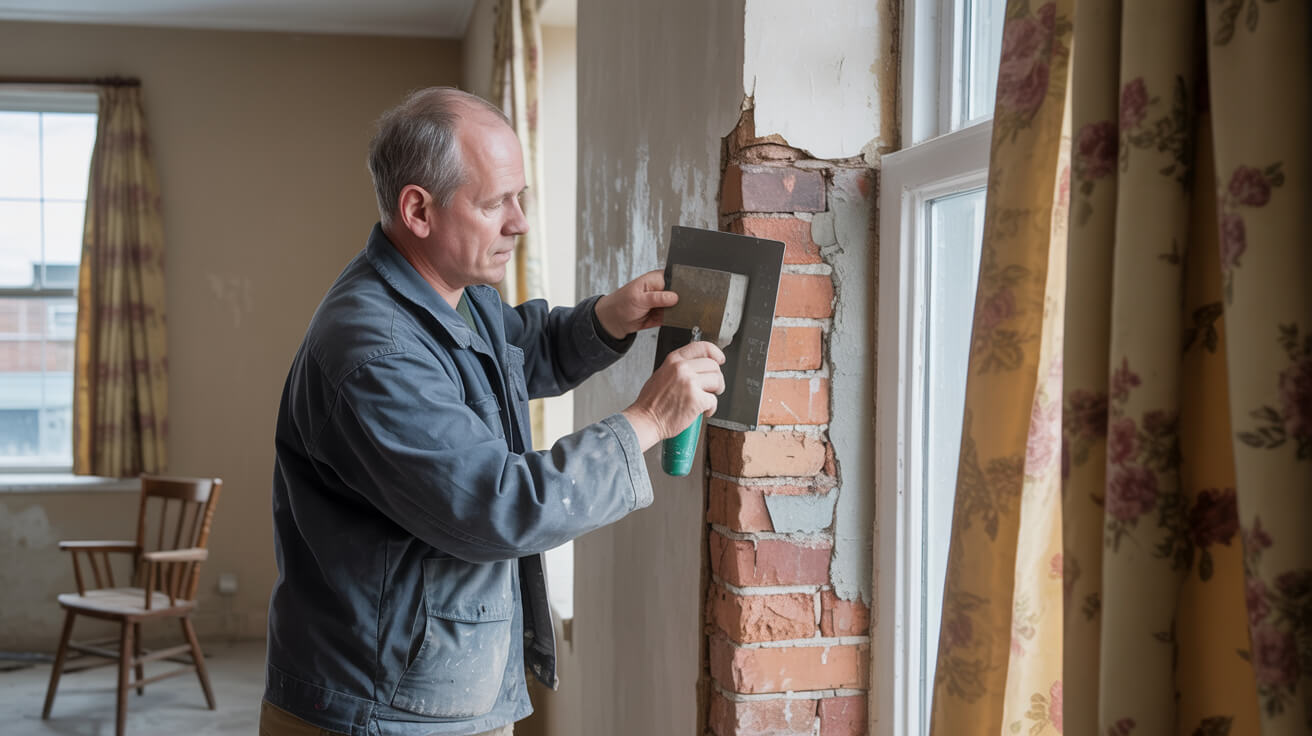
For decades, “tenant lifestyle”—clothes drying indoors, not opening windows, too many showers—was the go-to landlord defence. No more. Regulations now force landlords to prove, with clear evidence, that the sole cause is resident behaviour, not property failings, leaky roofs, or poor insulation.
Landlords must prove you caused the problem—all other roads lead to their repair and expense.
Unless independent investigation establishes that occupant actions are solely and directly to blame, the assumption is that the responsibility falls on the landlord or owner. Energy conservation, winter shut-in, or ordinary family living are not grounds to ignore repairs—especially if mould or damp persists despite such efforts.
When Could the Blame Shift to Tenants?
Only if you’ve repeatedly received written warnings, deliberately blocked vents, or tampered with ventilation—all clearly documented—could responsibility shift away from the landlord. Even then, if the building fabric or services play any part, your protection remains.
What Should a Proper Damp and Mould Survey Actually Cover?

A professional fix begins with a professional diagnosis. Anyone can spot stains; only accredited surveyors can determine causes and recommend long-term, standards-compliant solutions. Here’s what separates a patch-up job from bulletproof remediation:
- Forensic Surveys: Using moisture metres, salt analysis, and thermal cameras to map damp in detail, not guess.
- Root Cause Reporting: Identifying if it’s rising damp, leaks, condensation, or substrate failure—then formally documenting it.
- BS Compliance Repairs: All works should conform to BS 6576 (rising/penetrating damp) and BS 8102 (waterproofing below ground), plus Building Regs Part C.
- Photographic & Paper Trail: A true professional delivers before/after visual documentation and warranty packets recognised by councils, lenders, and insurers.
- Post-Repair Monitoring: Guidance on keeping your property dry, tips for ventilation, and optional scheduled moisture checks.
An evidence-backed, standards-driven repair does more than fix walls—it secures legal and financial peace of mind.
Proper reporting and robust documentation are your friends in case of disputes—with landlords, local councils, insurance, or mortgage lenders. Anything less puts your health and financial security at unnecessary risk.
Why Does This Detail Matter for Mortgages, Insurance, and Sale?
Because mortgage approvals, insurance policies, and council sign-off now routinely demand documentary proof of a standards-driven solution. If your survey or repair lacks credible, standards-based evidence, you could lose access to financing, insurance claims, or sale opportunities—even if DIY attempts “look fine.”
How Do Sussex Damp Experts Go Beyond Compliance for Homeowners and Landlords?
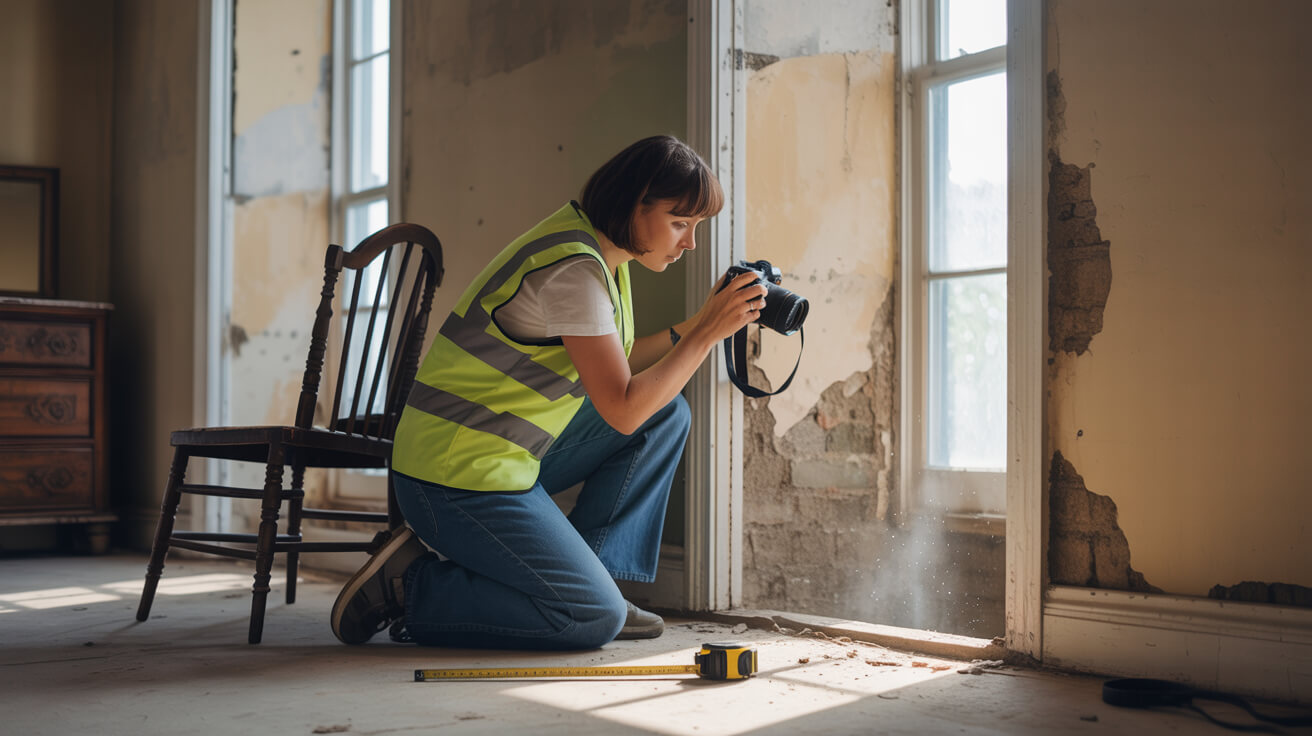
Most general builders scrape, patch, and hope for the best. Sussex Damp Experts start with diagnosis by accredited specialists and finish with warranty-backed repairs. Expect a process that’s legal, technical, and resolutely practical:
- Deep Diagnostic Surveys: Moisture gradient mapping, substrate analysis, and forensic investigation—not just “sniff tests.”
- Every Fix to British Standards: Treatments mapped to BS 6576 or BS 8102, documented against your specific site challenges.
- Full Compliance Kit: Your records include diagnostic evidence, before/after proof, and certificate-level warranties—satisfying councils, mortgage lenders, and insurers.
- Transparent and Timely: Communication throughout is clear and honest, with real timelines—no fudge, no weeks of guessing.
- Post-repair Aftercare: Guidance, monitoring, and support mean no repeat drama.
Our survey and report chain ends disputes before they start, satisfying both legal and financial authorities.
The point isn’t just to defend against complaints or legal headaches—it’s to truly futureproof your asset. From initial inspection to long-term maintenance, Sussex Damp Experts keep you (and your home or tenants) protected, document-ready, and one step ahead of trouble.
What Steps Should You Actually Take Right Now If You Suspect Damp or Mould?
Time is the real enemy—delay gives damp a head-start, risking your health and your bank balance. Here’s your action blueprint:
- Record Evidence: Take clear photos, date logs, and note symptoms or recurring patches.
- Raise the Alarm: Contact your landlord or managing agent in writing. Keep all correspondence documented.
- Request a Standards Survey: Demand a BS 6576 / BS 8102 accredited assessment; turn down cosmetic or “quick fix” offers.
- Seek Official Help: If the issue persists, report it to your council’s environmental health team; request an inspection.
- Secure Warranted Repairs: Only settle for remedies backed by formal documentation—protects you with lenders, insurers, and council enforcement.
Papering over cracks keeps the problem around; evidence and expertise shut it down—for good.
Don’t settle for temporary relief or hollow apologies. The stakes—your health, your property value, and your legal protection—demand lasting solutions, not short-term cover-ups.
Why Acting Now With Sussex Damp Experts Means Peace of Mind
Damp ignores wishful thinking. With councils, lenders, and insurers tightening standards, a missed fix can spiral—from health setbacks to resale nightmares and legal exposure. Sussex Damp Experts offer more than a patch; they deliver confidence, compliance, and long-term safety. One inspection sets you on the path to a proven, lasting, and legally defensible result—giving you, your tenants, or your buyers the security no temporary fix can match.
Demand a survey that works for you in court, not just at face value. Book your full diagnostic assessment today and turn your damp problem into documented peace of mind—for years to come.
Frequently Asked Questions
Why do councils, not landlords, set the bar for damp and mould hazards?
Only a local council or qualified housing surveyor—not a landlord, letting agent, or handyman—has the legal mandate to decide if damp or mould breaches health standards. The process runs on the Housing Health and Safety Rating System (HHSRS), where certified inspectors document hazards using precise measurements and medical risk factors, not appearance alone. If your living space crosses the “Category 1 hazard” threshold—like persistent black mould in a bedroom, moisture causing health complaints, or unsafe structural damp—the council’s enforcement power is automatic. Their inspection is forensic, using calibrated moisture metres, humidity checks, and direct questioning about residents’ health and building use.
A council’s evidence-driven finding—Category 1—puts the repair problem squarely on the landlord’s plate.
How does an official damp inspection unfold?
- Inspectors move beyond superficial signs by using tools—moisture metres, hygrometers, borescopes.
- Every room is checked, but attention intensifies on bedrooms and living areas with visible staining, decay, or health-linked concerns.
- Surveyors reference legal frameworks like the Housing Act 2004 and technical codes (BS 6576, BS 8102) to ensure findings stick when challenged.
Why do specialist reports accelerate action?
- Independent firms such as Sussex Damp Experts provide mapped, timestamped readings and a diagnosis anchored in British Standards, cutting through claims of “tenant lifestyle.”
- Councils fast-track their notice and can escalate to penalty enforcement with robust evidence.
Can a landlord overrule a council decision?
- No. Statutory findings trump private opinions. Councils may even perform repairs (“works in default”) and recover costs if landlords delay.
When do landlords have to act on damp, and what sets the repair clock ticking?
Landlords have a forced duty to act the moment a damp hazard is formally identified by either a council inspector or an accredited independent surveyor—there is no legal buffer to delay repairs “pending further monitoring.” The trigger is a risk designation as a Category 1 hazard under the Housing Act or HHSRS. Once that threshold is met, typical deadlines are unambiguous: 24–72 hours for emergencies (such as live leaks, black mould threatening health, or damaged electrics) and within 30 days for all other repair work with direct health or fabric impact. Documentation and aftercare are mandatory for lasting compliance.
Paint jobs and dehumidifiers don’t buy extra time—only permanent repairs count for the law.
What issues force landlords into urgent action?
- Black or green mould anywhere someone sleeps, especially children’s rooms.
- Repeated reports of damp patches, musty odours, or wall decay—accompanied by health complaints.
- Structural defects, failed DPCs, roof/gutter leaks, or blocked drains causing visible water entry or material damage.
- Tenant’s own evidence showing persistent problems, despite following reasonable living advice.
Legal consequences for delaying repairs
- Statutory notices, enforced repairs (at owner expense), rent repayment orders, fines, and—where neglect is extreme—criminal prosecution.
- Records of delays sink future mortgage or insurance prospects and raise red flags with managing agents and councils.
How can you prove the damp isn’t your fault—and put legal responsibility on your landlord?
Establishing who’s responsible for damp and mould swings on the “paper trail.” Time-stamped photographs, a clear record of all communication about repairs, and an independent, accredited damp report make your evidence almost unchallengeable. Under recent housing law, especially the Decent Homes Standard and Homes (Fitness for Human Habitation) Act, the burden is now on the landlord to show that a tenant’s actions—like blocking vents or excessive drying indoors—are the true cause. If you’ve followed advice, ventilated rooms, kept up normal heating, and issues remain, responsibility passes to the property owner.
The strongest defence is relentless documentation and independent diagnosis—no more blame games.
The most conclusive evidence includes:
- Dated, sequential photographs charting worsening damp and mould.
- All correspondence: emails, online requests, or written letters that went unanswered.
- Damp survey reports rooted in British Standards (e.g., BS 6576) mapping the physical source—rising damp, penetration, condensation, or DPC failure.
- Recordings of recurring symptoms or environmental health referrals, especially if linked to property conditions.
How do Sussex Damp Experts reinforce your report?
- Their professional surveys synthesise technical findings, legal codes, and mapped data—arming you for robust negotiation with landlords, councils, banks or insurers.
What repairs do landlords have to complete, and how is full compliance demonstrated?
Repairs must address both source and symptom. Anything less than solving the physical route of moisture—fixing failed DPCs, resolving roof or gutter leaks, tackling broken heating or sub-floor damp, and remediating contaminated plaster—falls short. Emergency repairs have a 24–72 hour window, while less urgent but legally-notifiable work, including fixing salt-stained walls or collapsed sealant, must be fully resolved within 30 days. Checklists and “tick-box fixes” do not count; every stage, from diagnosis to sign-off, must reference official standards such as BS 6576 or BS 8102.
Proper repairs leave a legal and technical trail—cosmetic cover-ups are easy to challenge.
Repair process milestones that tick every compliance box
- Tenant or surveyor flags the issue with visual and written evidence.
- The landlord commissions a repair aligned with the cause—not just the visible staining.
- All work is conducted by appropriately qualified, insured professionals; documentation includes photos, receipts, and official aftercare packs.
- Post-completion, monitoring or follow-up visits are arranged to ensure no recurrence.
Penalties for inadequate or slow repairs
- Local authorities can require repayment of rent, fine the owner, or compel further works—at increased cost and reputational damage.
- Repeat issues place landlords on local authority compliance watchlists, impacting lending and insurance.
What does a legally water-tight damp report require for councils, insurers, and mortgage lenders?
A gold standard report provides: clear root cause diagnosis, mapped moisture measurements, photographic series (“before/after”), specific references to British Standards (BS 6576 for rising damp; BS 8102 for waterproofing; PAS 2035 for retrofit), and evidence of proper fix—not just advice. Lenders, insurers, and council housing officers expect this level of detail whenever property fitness, a mortgage’s security, or tenant health is in play.
When a specialist report speaks the language of the law, the burden shifts instantly—patch jobs lose traction.
What makes Sussex Damp Experts’ surveys trigger official action?
- Scientific proof of source—e.g., capillary rise, failed building detail, subsoil ingress, condensation risk.
- Detailed specification of repair and precise legal/regulatory references on every page.
- Photographs and mapped metre readings showing the full treatment path.
- Clear aftercare instructions, warranty information, and compliance documentation.
How lenders and insurers use these reports
- Banks and insurers will not release funds or close sales on properties at risk without this formal, data-driven survey—making robust documentation the gatekeeper for safe, secure home ownership.
Which authorities can help if your landlord refuses repairs, and what steps force urgent resolution?
Begin with your local council’s Environmental Health team—every tenant has the right to a formal damp risk inspection, which sets the statutory repair deadline in motion. If you’re in a council or housing association home and repairs stall, escalate to the Housing Ombudsman. For all tenancies, an accredited independent survey (e.g., from Sussex Damp Experts) provides evidence that councils, insurers, and even courts respect. Backing from renters’ unions or legal aid organisations can level the playing field for negotiations and claims.
Taking decisive action with evidence forces the issue—landlords cannot ignore statutory enforcement without consequences.
Key escalation tactics for effective results
- Keep written records of every request and official response.
- Log weekly photo updates of the problem and health symptoms.
- Submit a formal complaint letter (templates are widely available) to escalate the issue.
- Commission an accredited specialist survey if initial requests go unanswered.
- When Category 1 hazards remain unaddressed, councils can intervene, repair directly, and recover full costs.
The Sussex Damp Experts advantage at escalation
- Their accredited, regulation-cited reports are recognised at every level—council, insurer, mortgage provider—often bringing swifter compliance or financial resolution than tenant-only complaints.
Step into the role of informed owner or tenant—secure evidence, command compliance, and protect your health or property investment by booking a legal-grade survey with Sussex Damp Experts. Your peace of mind is enforceable by law.

