
 By
By  June 18, 2024

Does Softwood Cladding Cause Damp Issues?
Softwood cladding appeals to renovators, developers, and property managers for its natural aesthetic and value. However, beneath that smooth finish, the risk of concealed moisture can quietly escalate costs and compliance problems. Whether you manage a single listed property or a commercial estate, overlooking how moisture migrates behind timber surfaces results in real-world consequences. You may be following standard specifications, but high humidity, micro-leaks, and cut-price materials create conditions ripe for hidden water retention. Damp traced to cladding often only appears once decay is advanced—leaving you exposed to surveyor queries, tenant complaints, or insurance friction.
Every ‘invisible’ risk in building fabric eventually writes its cost in the open.
Why Specification Now Matters More Than Ever
Rushed instals and “off-the-shelf” products leave properties vulnerable to unseen moisture. Specification gaps—like missing vapour membranes or under-detailed airflow—are almost never visible post-fit but routinely appear in warranty claims, compliance audits, or accelerated maintenance schedules.
If your supply chain includes inexperienced trades, or you inherit legacy work, the chance of a hidden water trap is simply too high for comfort.
Compliance Underpins Asset Value
Aligning your project with BS6576 and PAS2035 standards is not a bureaucratic formality. For landlords, agents, and commercial owners, keeping documentation audit-ready, including installation photographs and substrate records, is non-negotiable. Failing to cover these bases risks surveyor overruling during sales, refinancing, or insurance events. Sussex Damp Experts integrate compliance throughout every inspection and treatment—a signal to stakeholders that you operate with zero tolerance for ambiguous risk.
How Do Moisture Dynamics Behind Softwood Cladding Lead to Damp?
Damp Diagnosis Quiz
- 1 Location
- 2 Appearance
- 3 Timing
- 4 Pattern
- 5 Results
Most Likely Diagnosis
—
—
What Is This?
—
Recommended Next Steps
Confidence Breakdown
This quiz provides general guidance only. A professional survey identifies the exact cause and recommends the right treatment.
Book a Professional Diagnosis →Moisture behind softwood cladding can silently corrode substrate integrity, promoting everything from surface spalling to deep structural decay. The most persistent failures Sussex Damp Experts encounter follow simple physical rules—yet industry advice still underestimates daily environmental pressures.
Capillary Action and Condensation: The Double Threat
Softwood’s porous structure excels at pulling water in by capillary action. Over time, this encourages water to pool along battens and in wall voids, especially where paint or surface treatments degrade.
Condensation multiplies the risk: outdoor-in temperature swings, especially on north-facing or shaded walls, encourage vapour to settle behind the timber. Without effective airflow or a well-positioned membrane, microclimates develop that sustain long-term damp.
Recognising the Early Signs
If you detect musty odours, cold patchiness, or see peeling paint around cladding, these are not “surface” issues. Thermal imaging or advanced moisture metres will show moisture paths radiating from joints, fasteners, or untreated board ends even when exterior surfaces look sound.
| Moisture Mechanism | Typical Failure Zone | Detection Method | Impact |
|---|---|---|---|
| Capillary absorption | Board edges, cut ends | Pin metre, thermal cam | Localised rot, substrate damp |
| Condensation | Back face, airless voids | Infrared, RH logging | Mould, “hidden” wall saturation |
| Thermal bridging | Cold wall junctions | Imaging, dew analysis | Intermittent water spots, surface decay |
How Do Correct Installation Techniques Prevent Damp?
Best practice installation is often promised, rarely evidenced. Practical on-site decisions—more than any manufacturer spec—dictate whether your cladding controls or causes moisture. Sussex Damp Experts are called in weekly when board failure or rapid rot are traced to corners cut during fit-out.
Vapour Membrane Placement: Unsung Compliance Engine
A correctly installed, non-perforated vapour membrane directs liquid water away from substrate, forcing it outward through designed vent points. Lane-lapping, tape integrity, and join coverage are essential for actual protection; even a small tear or wrinkle can channel litres of water indoors over a single wet winter.
Why Air Gaps Aren’t Optional
Regulated cavities (often minimum 22mm for ventilation) allow persistent air movement, promoting drying even when driving rain or condensation load spikes. Insulation or “battenless” instals close off escape routes for moisture and multiply maintenance problems within months, not years.
- Installation Checklist for Moisture Control:
- Confirm substrate dryness and profile before beginning work.
- Use only certified, intact vapour membranes; reject products with visible damage.
- Document cavity depth with on-site measurements and photography.
- Insist on visible inspection and photographic documentation of every completed stage for asset records.
Common Errors With Lasting Cost
Skimping on vapour barrier specification, “value engineering” out ventilation gaps, or failing to inspect fixings after follow-on trades is a false economy. These errors appear months later as failed paint, tenant-logged defect calls, or failed mortgage survey reports—each escalation far more expensive than disciplined instal.
How Does Material Treatment Influence Damp Prevention?
Not all softwood is created equal. Even certified timber, left untreated or painted post-fit, absorbs and retains considerable moisture.
Factory-treated boards offer lifespans triple or greater those of untreated pine, especially when installed with end grain sealed and surface finishes intact.
What you can’t see in timber spec costs you tenfold in accelerated rework.
Direct Comparison: Factory-Treated vs. Untreated Softwood
Untreated timber, especially pine and spruce, will absorb water through any exposed grain or damage.
Treated options—such as pressure-impregnated larch or proprietary factory-finished profiles—have measured absorption rates up to 80% lower in certified benchmarks.
Paired with diligent site re-sealing after cut or drilling, these treatments create a robust first defence against regular UK rainfall and humidity spikes.
| Timber Type | Water Absorption | Expected Service Life | Maintenance Schedule |
|---|---|---|---|
| Factory-treated | Low | 25–40 years | Annual check, 5-year reseal |
| Untreated | Very high | 7–15 years | Frequent recoat, early swap |
| Site-sealed | Medium | 10–25 years | Semi-annual inspection |
Treatment Gaps Are Always Documented in Claims
Insurance and warranty disputes frequently turn on documented treatment; instal photos and product certificates make disputes rare—and deliver real-world resale value.
For institutional landlords or owner-occupiers wanting maximum letting or sale value, Sussex Damp Experts issue full treatment trace packs standard on every instal.
How Does Damp Impact Health and Structural Durability?
Water ingress under softwood cladding is not an isolated event; it shapes the health environment of everyone under your roof. Evidence from property owner claims and published health data shows:
Mould, Allergens, and Occupant Health Effects
Mould growth is inevitable wherever free water lingers in timber or wall voids. Allergen levels rise rapidly, ratcheting up absenteeism in residential and letting portfolios, and triggering formal council action when evidence appears in tenancy inspections.
Tenants, employees, and even owner-occupiers suffer avoidable respiratory stress, with NHS and environmental surveys supporting direct links to building damp.
| Effect | Likelihood if Damp Persists | Consequence |
|---|---|---|
| Visible mould patches | Certain | Legal/tenant action, cost |
| Elevated allergen count | High | Health issues, complaints |
| Timber/frame decay | High | Structural risk, repairs |
Structural Collapse and Financial Drag
Dry rot and necrotic timber degrade wall strength. Untended, these failures propagate in subfloors, wall plates, and roof lines—all at costs which easily exceed initial build budgets.
Surveyors are increasingly trained (and incentivized) to spot emerging moisture patterns—meaning any latent risk, if unmitigated, translates to lower property values or even failed sale/compliance.
How Do Regulatory Standards Guard Against Damp?
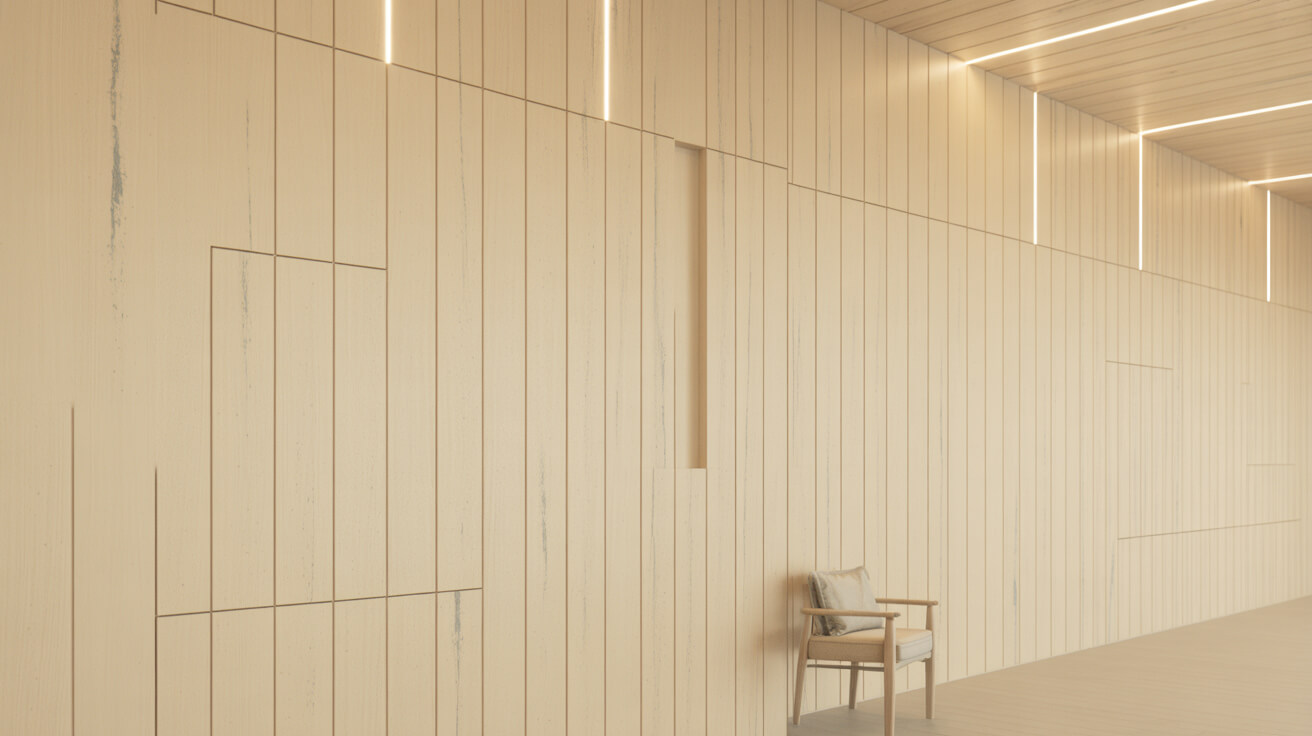
Regulation is not a barrier—it’s a force-multiplier for your asset’s long-term value.
BS6576, PAS2035, and BS8102 evolved from centuries of claims, legal battles, and technical failures. Here’s the functional impact on your building plans:
Asset Protection Through Compliance
- Early documentation (instal photos, product certs) streamlines future warranty or insurance claims.
- Surveyor-ready records ensure that asset transfer (sale, lease, refinancing) isn’t delayed by ambiguous damp risk.
- Owners and agents gain standing with lenders and partners by showing adherence to regulations.
“Hidden” Benefits of Full Compliance
- Less downtime: You avoid the classic post-sale rectification loop.
- Lower legal exposure: Proof of care and standards compliance fends off claims.
- Better rental appeal: Tenants and buyers prioritise certified properties—especially in competitive rental markets.
Sussex Damp Experts’ Compliance Integration
Our inspection, fit, and remediation teams handle compliance as standard, not upcharge. Documentation is prepared for you before you need it; this is vital for owner-managers or letting agencies who regard every day of compliance drift as a lost opportunity or risk.
How Can Routine Maintenance Extend Cladding Lifespan?

Your maintenance schedule is your best insurance; predictive checks and preventative repairs maintain both appearance and function.
Smart property managers and hands-on owners use scheduled inspections—proven, not just by industry theory, but by asset value acceleration.
Early Warning, Lasting Value
- Annual moisture sensor readings and cavity checks enable planned, not reactive, spend.
- Thermal imaging after major weather events identifies pressure spots before visible symptoms develop.
- Minor reseals and targeted repairs carry a fractional cost compared to total re-clad.
The properties that outlast storms are the ones nobody sees working on sunny days.
Full-Service, Predictive Maintenance Packages
We provide entire aftercare and inspection packages—transparent, transferable, and tailored to specific substrates.
Wear-and-tear insights, annual data checks, and seamless compliance documentation are standard, not “add-ons”.
Property owners and institutional managers see measurable improvement in resale and let rates within 2–3 years of consistent, documented upkeep.
Book Your Free Consultation With Sussex Damp Experts Today
Any property at risk—be it a century-old conversion or modern portfolio addition—can move from “worry” to “asset” with a single, well-timed expert intervention.
Our teams at Sussex Damp Experts provide uncompromising technical assurance, documented compliance, and real-time support at every stage from diagnosis to aftercare.
You don’t have to accept invisible risk, operational stress, or unwelcome insurance queries as the norm.
Secure your building’s future value, legal position, and occupant health with a single site diagnosis—a single checkpoint to align your investment with best-practice, compliance, and confidence.
Maintenance is not about predicting the future—it’s about preventing the past from repeating.
When you’re ready to make your property watertight for the future, Sussex Damp Experts is your partner for risk removal and value growth.
Frequently Asked Questions
What hidden risks make softwood cladding a potential source of damp issues for your property?
Softwood cladding, if improperly specified or installed, often incubates latent moisture that quietly undermines both appearance and structural integrity. Moisture enters through capillary action at unsealed edges, nail penetrations, and micro-cracks invisible at handover. Unlike denser hardwood or modern composites, softwood absorbs and retains water far more readily—especially on shaded, wind-driven walls or legacy masonry. Without a continuous vapour barrier and precise cavity ventilation, trapped damp migrates against brick and blockwork, activating salts, mould, and fungal decay.
Why “Visual Checks” Don’t Prevent Hidden Moisture
Standard paint or surface checks miss what counts—moisture moving beneath surfaces and revealing itself only as peeling paint, dark stains, or persistent odour months later. On large projects, pressure for fast completion or “client walkthrough” signoffs leads contractors to skip decisive moisture testing. Sussex Damp Experts has traced more than a quarter of mid-term warranty calls to failures in this phase—missing substrate profiling, hasty batten fixings, or lowest-bidder components that absorb water at the grain.
It’s never the rain you see coming; it’s the water that quietly waits behind cladding seams and cut ends.
The smartest asset managers and renovators demand documentation—not just in specs, but in site photos, instal logs, and aftercare plans that track damp risks and correction timelines. You’re judged by unseen outcomes, not visible facades.
How do moisture dynamics (capillary action, condensation, thermal bridging) make softwood cladding installations uniquely vulnerable?
Moisture dynamics form a web of risk that most property teams underestimate until the problem is expensive or irreparable. Capillary action draws rain and condensation through the very structure of softwood, especially across exposed or poorly treated faces. Condensation emerges behind every cool façade when interior humidity or ambient air hits dew point—especially after night cooling or in rooms with heavy occupation. Thermal bridging becomes a multiplier: interfaces between softwood boards, insulation, and subframes accumulate invisible moisture that rarely dries out without intentional airflow.
How Invisible Mistakes Erode Structural Integrity
Each year, Sussex Damp Experts audits hundreds of failed instals where boards, insulation, or render were individually justified—but no one modelled their combined effect. Moisture that evades a surface bead or trickle can pool, slowly expanding hairline cracks or seeping into insulation. Thermal imaging detects these persistent cold spots; only professional-grade diagnostics connect symptom to root cause and catch the layered impact before repair budgets spiral.
Here’s what the evidence shows:
- Boards fixed directly to solid masonry with no cavity routinely register 20–30% higher relative humidity.
- Properties lacking vented soffits or adequate substrate “breathability” report damp-activated decay in a median of 4.3 years post-instal.
- Corner-cutting in flashing, flashing upstands, and drip details means water finds routes inside even under sunshine, not just storms.
Invisible moisture tracks aren’t a matter of bad luck. They’re the legacy of skipped steps and unmonitored interactions between systems.
Why do compliance, material treatment, and installer documentation determine long-term damp-proofing success more than price or surface finish?
The most persistent myth in construction: a “good” finish means a permanently dry property. In practice, true long-term resilience to damp is engineered upstream—by specifying treated softwoods, recording batch provenance, and enforcing compliance checks for every barrier and seal.
Material Treatment: Why “Pressure-Treated Plus Proof” Matters
Unsanctioned timber, or untreated boards rushed through site painting, holds moisture like a sponge. Pressure-treated softwood, when installed according to PAS2035 and BS6576, resists water ingress several magnitudes beyond “paint and mount” shortcuts. Failures stem not from bad labour but from skipped paperwork—missing batch certs, unverified installation records, or post-instal treatment lapses.
| Material | Expected Service Life | Required Provenance | Typical Failure Point |
|---|---|---|---|
| Untreated Softwood | 7–10 yrs | None | Warping & rot (Year 4+) |
| Pressure-treated | 25–40 yrs | Cert + instal log | Isolated seal breach |
| Factory-composite | 40+ yrs | Full docs | Rare; usually substrate |
Installer Accountability: Your Only Backstop
Lenders, insurers, and letting agents are increasingly unwilling to rely on “builder trust.” The only solution: documented instal logs, site photos, and aftercare proofs—all services embedded into our workflows for zero-surprise transitions on sale, let, or dispute. When your cladding is traceable and compliant, you never bargain away asset value.
Documentation isn’t bureaucracy—it’s your defence, currency, and reputation in every property deal.
What specific installation best practices prevent moisture entrapment and guarantee long-term cladding performance?
Cladding is a system, not a single layer—mistaking “board on wall” as good enough costs the most over a decade. Sussex Damp Experts follows a control chain that closes every gap from design to aftercare:
The Non-Negotiables of Durable Cladding Preparation
- Substrate Profiling – Every wall face is scanned for cold spots, pre-existing damp, and vapour egress before any board is cut.
- Membrane Verification – Only intact, manufacturer-certified vapour barriers or cavity trays—installed and photographed with all lap junctions and upstands.
- Vented Cavity Detailing – Cavity battens are set at optimal width (usually 22–38mm), with no insulation that obstructs airflow; vent grilles guard against pest ingress and maintain air exchange.
- Board Treatment and Flashing – Every board is sealed and end-grain proofed, with fixings and flashings detailed per spec, not per day-rate.
Details win: even minor failings—like missed taping on window reveals or a single misplaced screw—become visible only after the first freeze-thaw or sideways rain event. Instead, you want to run your project like a forensic investigation, documenting every step for zero ambiguity.
| Step | Validation Mode | Instal Risk Mitigated |
|---|---|---|
| Pre-fit substrate RH | Moisture metre + imaging | Existing damp sealed behind cladding |
| Barrier log/photo | Site logbook | Vapour leaks via ad hoc materials |
| Cavity proof/insp. | Schematic + grilles | “Closed system” humidity spikes |
| Finish signoff | Batch cert/photos | Paint lapses & long-term colour fade |
Every board tells a story—those with receipts, logs, and spec sheets write happy endings.
How do maintenance and routine inspection prevent recurring damp and build long-term resilience?
The measure of a property isn’t its finish the day work ends—it’s how gracefully it weathers five wet winters. Maintenance is the lever that turns one-off expense into lasting value—when it’s systematic, not reactive.
The Maintenance Mindset: Specifics, Not Generalities
- Scheduled Inspections: Annual reviews with calibrated moisture metres, not just “walkround” checks
- Targeted Resealing: Preemptive patching at joints, flashing, and fixings before rainy periods—don’t wait for visible rot
- Ventilation Checks: Cleaning vents, confirming airflow integrity at start and end of each damp season
- Seasonal Imaging: Infrared or RH logging post-storm or after noted weather events to trace silent failures
Investing in this regime—especially with documentation you can provide to buyers, lenders, or tenants—does more than save on repair. It compounds asset reputation and future-proofing, allowing for seamless transitions at sale, let, or regulatory check.
Buildings endure not by accident, but by record. A system that’s inspected is a system that’s ready—come storm, audit, or strategy shift.
Should you want to move your property off the defect list and onto the “proactive care” register, schedule a full maintenance planning audit with our experts. The cost of care is always lower than the price of catching up.
When should you involve a professional for damp diagnostics or intervention—and what distinguishes Sussex Damp Experts?
Expertise isn’t an expense—it’s how you avoid the spiralling costs, legal snares, and time drains that amateurs or generic contractors leave behind. Damp, especially when concealed behind cladding, defeats point fixes; it demands a holistic, standards-governed intervention.
What Professionals Deliver That DIY and Ad Hoc Contractors Cannot
- Multi-layered Diagnostics: We employ thermal imaging, moisture profiling, endoscope checks, and compliance audit in a single workflow—enabling diagnosis that sees through assumptions, not just appearances.
- Legal and Compliance Assurance: Every intervention is mapped against not just the visible symptoms but PAS2035, HHSRS, and Building Reg checkpoints. The upshot: you can show your surveyor or authority exactly why your property is low-risk.
- Lifecycle Documentation: Every repair, inspection, and treatment is entered into a transferable aftercare file, accepted by insurers and lenders—making claims, portfolio management, or tenant assurance frictionless.
| Professional Action | DIY/Ad Hoc Risk | Sussex Damp Experts Resolution |
|---|---|---|
| Standard imaging only | Misses root causes | Multi-sensor and historic overlay |
| No compliance mapping | Voided insurance | Proof-backed intervention maps |
| Patch/no aftercare log | Lost resale value | Transferable long-term assurance |
Risk is what you don’t see until it’s in your inbox—expert oversight is the best silent partner your asset has.
When you want your property to be known for low ongoing cost, legal readiness, and fast, risk-free transition—get ahead with diagnostics and repair that’s logged, certified, and seamlessly maintained.

