
 By
By  May 5, 2024

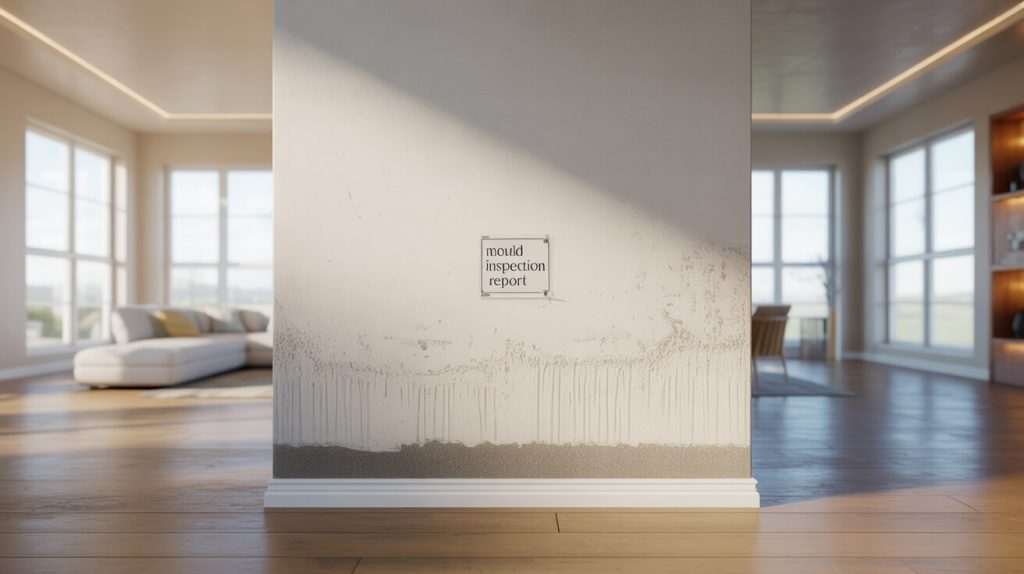
How to Treat Rising Damp Effectively: Your Trusted Roadmap to a Lasting Solution
Rising damp is more than a basic building maintenance issue—it’s a persistent structural, financial, and regulatory risk for property owners, buyers, and facilities managers. Signs of Rising Damp, such as a persistent mark near your floor, a recurrent musty odour, or even a minor patch of bubbled plaster, should never be ignored. The real cost is not the initial stain, but the compound damage, regulatory jeopardy, and peace-of-mind erosion that sets in when the real cause is left unchecked or wrongly “fixed.”
What distinguishes a permanent fix from endless repairs is a joined-up approach: professional forensic diagnosis, only proven, standards-compliant repairs, and monitoring that closes the loop. If you want to futureproof your home, asset, or portfolio—and avoid both spiralling costs and compliance failures—your solution needs to pass the test of time, regulation, and ROI.
Early action on building moisture is a statement of ownership—not just maintenance.
The Value of a Science-Led, Compliant Process From the Outset
Your path to peace of mind starts the moment you shift from hoping a cheap fix will hold, to demanding an evidence-based repair plan. With Sussex Damp Experts, you secure not just a survey or repair but an audit trail ready for any buyer, lender, or tenant dispute. That’s how property managers signal leadership and homeowners futureproof family comfort and asset value—right from the first site visit.
What Are the Early and Advanced Signs of Rising Damp?
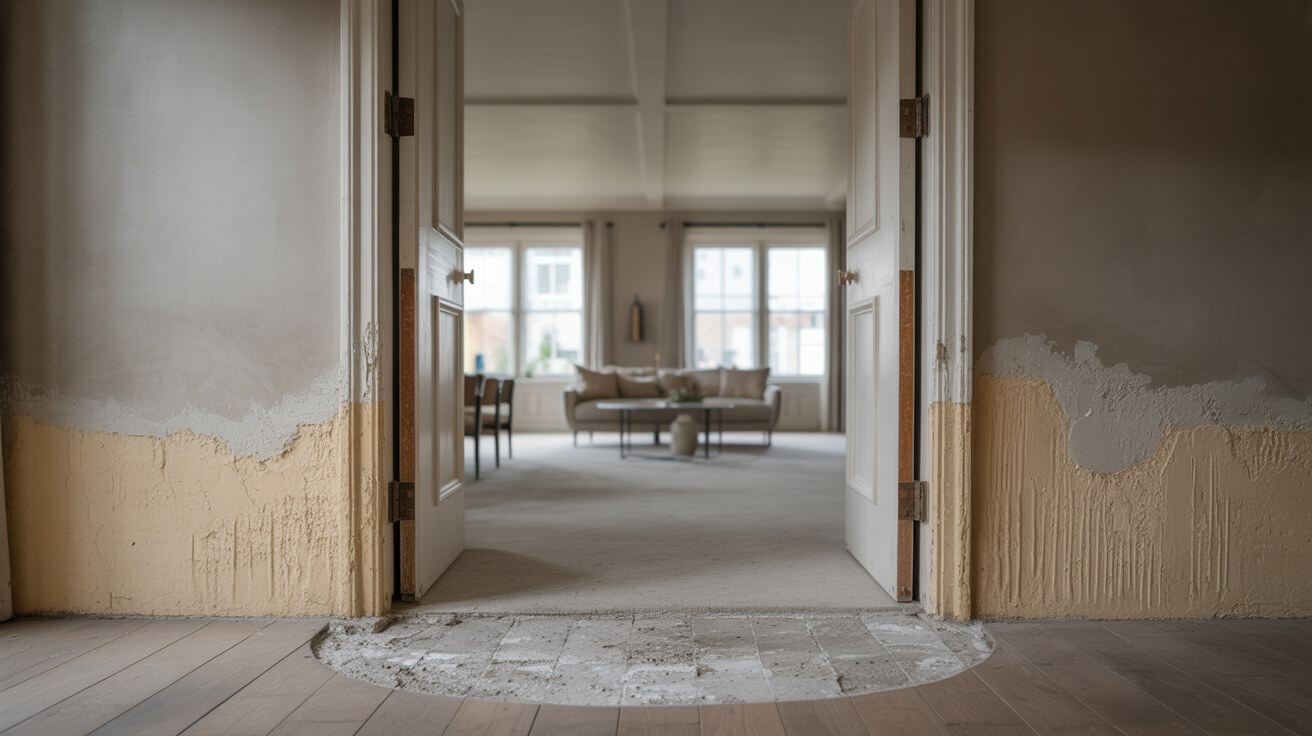
Proactive identification of rising damp is the single most effective strategy for risk and cost control. Owners and agents who catch problems early lock in a far easier—and less expensive—repair path. By contrast, misreading or ignoring symptoms all but guarantees escalation to health, legal, or resale issues.
What Should You Watch For?
Recognise these symptoms to act before the real costs bite:
- Salt marks or “tide lines” up to a metre high on ground-floor walls.
- Peeling or bubbling paint and loose wallpaper in affected zones.
- Persistent musty odours that linger after weather changes.
- Black mould or visible decay at skirting boards and flooring.
- Recurring patches, especially after surface-only repairs.
Condensation and general humidity can mimic early signs, but rising damp always has ground-level progression, often “returning” to the same area after DIY attempts or cosmetic cover-ups.
| Damp Type | Key Signs | Risk if Ignored | Common Misdiagnosis |
|---|---|---|---|
| Rising Damp | Tidal salts, lower wall | Structural, legal | Condensation, leaks |
| Condensation | Window/ceiling mould | Health (mould exposure) | Rising damp, leaks |
| Penetrating Damp | Patchwork, mid-high staining | Internal leaks, rot | Rising damp, condensation |
Recognising the right symptom pattern is the first access point to an effective, warranty-backed solution. A survey with Sussex Damp Experts always includes a site-specific, annotated mapping with photos and moisture measurements at multiple heights—exactly what mortgage lenders, agents, and insurers need for their files.
Why Is Accurate Diagnosis Essential to Lasting Treatment?

Misdiagnosis fuels most repeat repairs, compliance disputes, and failed insurance claims. Surface-level assumptions—such as guessing condensation when salts prove otherwise—cause repair budgets to double and prolong disruption.
What Defines a Standards-Led Survey?
- Full moisture mapping: Calibrated metres at 3+ wall heights per room.
- Salt/chemical analysis: To confirm capillary action (rising damp) versus lateral ingress or leaks.
- Depth profiling and core samples (where needed): Crucial for heritage and composite wall types.
- Documented external assessment: Checks DPC bridges (e.g., garden beds, raised drives).
- Comprehensive photographic record: For dispute resolution and proof for lenders.
Key Diagnostic Steps Compared
| Step | DIY Shortfall | Professional Standard |
|---|---|---|
| Visual Inspection | May miss capillary pattern | Height-logged, salt-stained |
| Moisture Testing | Often single point or guess | Calibrated, multi-point fence |
| Salt Analysis | Rarely done | Routine, decisive step |
| Evidence Recording | Lacks dispute documentation | Full, audit-ready digital log |
A standards-driven report by Sussex Damp Experts is your document of record—especially for landlords, portfolio managers, and heritage custodians facing regulatory or insurance scrutiny.
How Do UK Standards and Regulations Influence Treatment Options?

Your chosen solution is only as robust as its compliance alignment. BS 6576, PAS2035, TrustMark accreditation, and HHSRS guidance define not just what repairs are valid—but what’s insurable, what passes a survey, and what will stand up in legal or resale challenge.
Who Needs to Prioritise Compliance?
- Landlords: Risk fines, rent repayment orders, or uninsurable assets without full HHSRS/TrustMark compliance.
- Buyers/sellers: Surveyor sign-offs and mortgage approvals depend on compliant documentation, not anecdote.
- Heritage/portfolio estates: Local authorities and planning bodies scrutinise methodology and aftercare well beyond repair.
- Commercial managers: Portfolio-level compliance and group claims depend on the right paper trail.
Regulation Matrix
| You Are… | Must Have… | Common Pitfall |
|---|---|---|
| Landlord | HHSRS, TrustMark report | Failures from unaccredited repairs |
| Heritage Owner | PAS2035, Conservation method | Illicit tanking, non-breathable finish |
| Portfolio Manager | Group documentation, aftercare | Non-standardised method mix |
| Buyer/Seller | Lender-accepted documentation | Unsupported claims, failed completions |
Neglecting these toughened rules means paying for the same work more than once, fighting regulatory headwinds, or worst—ending up without legal cover.
Every repair is a risk—unless it’s issued with standards, proof, and aftercare embedded.
How Do the Best Rising Damp Treatments Deliver Permanent Results?

No two properties are alike, nor are two rising damp solutions. The best repairs blend methodical diagnosis, property-specific treatment, and explicit compliance—in sequence, not in isolation.
What Does a Permanent Repair Pathway Involve?
- Precise diagnosis: Verifiable reports and photographic evidence.
- Repair planning: Accounting for substrate, ventilation, external factors.
- Barrier reinstatement: Instal or renew chemical/physical DPC to BS6576.
- Bridging removal: Address ground level, render, or internal obstructions.
- Plaster/system renewal: Always breathable, salt-resistant; never just patch.
- Aftercare and documentation: Maintenance plan, warranty, annual re-inspection.
- Portfolio/heritage nuance: Contextual compliance for multi-unit or listed sites.
Method & Warranty Comparison Table
| Method | Context | Pro Guarantee | Limits |
|---|---|---|---|
| Chemical DPC | Most modern, some heritage | Yes | High salt/water table limits |
| Physical DPC | Major refurb | Yes | May require structural work |
| Breathable Plaster | All, heritage preferred | Yes | Must follow salt-removal |
| Internal Insulation | Heritage/commercial | Yes | Only with compliance |
Securing Sussex Damp Experts means ensuring every stage is handled by accredited personnel, with full proof, system sign-off, and lender-friendly paperwork.
When Should Maintenance and Monitoring Be Prioritised?

Every effective damp fix needs ongoing vigilance. Owners and property professionals who fade after repair are often those facing surprise recurrence, warranty voids, and missed compliance marks.
What Prolongs the Life of Your Investment?
- Annual checks by your surveyor or trusted treatment provider.
- Automated moisture sensor monitoring in high-risk or portfolio settings.
- Routine gutter and drain clearing, plus ground-level checks for bridges.
- Guaranteed documentation and photo records—keep originals for audit, sale, or insurance.
- Quick reporting of new symptoms, even minor.
Smart aftercare isn’t optional: it is the backbone of sustainable property value—especially when compliance, insurance, or group management comes into play.
Where Are the Challenges and Opportunities in Heritage, Commercial, and Portfolio Properties?

Regulatory and technical hurdles multiply with asset scale, heritage designation, or multi-use environments. What holds for a single terrace in Brighton may breach rules—or simply fail entirely—on a Georgian listed block or a retail park.
What Do Commercial, Heritage, and Portfolio Owners Need?
- Conservation-approved system selection (lime, breathable, non-VOC fixings)
- Non-invasive diagnostics with full digital reporting
- Portfolio-level aftercare contracts with documenting upgrades, not just repairs
- Evidence of multi-disciplinary compliance (PAS2035, BS6576, local authority sign-off)
- Digital audit trails for every decision, report, and after-action
Stepping up to this challenge means working with a supplier whose systems, credentials, and reporting scale as your portfolio does—not “one-project” contractors who may disappear when fresh surveys or insurance events arise.
| Asset Type | Compliance Priority | Opportunity for Smart Management |
|---|---|---|
| Heritage/Listed | Conservation, PAS2035 | Avoid invasive interventions |
| Commercial | Warranty, group compliance | Central monitoring, upgrade triggers |
| Multi-unit | Audit trace, standard docs | Group servicing, cost leverage |
You’re judged as much by your paperwork as by your repairs. Build a relationship with a team whose compliance, data, and craft are always as proactive as yours.
Book Your Free Consultation With Sussex Damp Experts Today
The best time to solve damp is before risk becomes defeat—whether in lost value, compliance action, or failed handover. Sussex Damp Experts offers a consultation that delivers more than surface-level advice: you receive an actionable survey report, compliance-grade documentation, and a tailored plan that fits your asset profile—from home to heritage block, retail site to residential portfolio.
Your next step isn’t a leap—it’s a decision to reclaim certainty. Book a survey, get your proof, and protect what matters most: the trust placed in you by tenants, buyers, teams, or your family. Invest in a fix that will stand up to scrutiny now, and every time your property is seen, surveyed, or inherited in decades ahead.
The properties that command respect are those managed with documentation, foresight, and a refusal to settle for repairs that don’t last.
Frequently Asked Questions
What Are the Unmistakable Early and Advanced Signs of Rising Damp You Can’t Afford to Miss?
Rising damp reveals itself through a set of stubborn patterns that, if ignored, quietly sabotage your property’s fabric and value. When you first notice tide marks climbing the lower wall, salty crystals under the paint, or a musty odour that resists every cleaning effort, these are all classic Signs of Rising Damp rather than cosmetic annoyances. They signal moisture slowly wicking upwards, unchecked, from below ground level, targeting the core of your building’s structure.
Recognising the Hidden Patterns
Unlike fleeting condensation or random water ingress, rising damp consistently attacks from the skirting up, often plateauing at a distinct horizontal line—typically not higher than a metre. The giveaways:
- Salt stains and efflorescence in crisp, horizontal bands.
- Flaking or bubbling paint, brittle wallpaper, and powdery plaster at or near the base of external walls.
- Degraded skirting boards and timbers, especially after a wet season.
- Persistent, earthy odours even after airing out the rooms.
- Walls that seem permanently cold or tacky, with repeated “blossoming” after redecoration.
Rarely do these signs appear all at once. Most owners first notice a small, stubborn patch that expands as the months pass, despite every DIY intervention. This is capillary action in motion—a law of physics, not fate.
Watch for believability traps: condensation and leaks can mimic the visual signature of rising damp, but lack the relentless, upward creep and characteristic salt bloom. The true tell is recurrence: when surface fixes fail repeatedly, rising damp’s root cause is almost always to blame.
A BS6576-accredited assessment from Sussex Damp Experts uses calibrated moisture metres and salt sampling, providing legal-proof, photo-tagged evidence that goes well beyond surface guesswork. Protecting your walls isn’t just about aesthetics—it’s defending your largest asset from an invisible, escalating threat.
Why Does Accurate Diagnosis Decide Your Outcome—and Why Do DIY Fixes So Often Backfire?
Without precise diagnosis, attempts to stop rising damp are little more than guesswork. Most repair costs skyrocket, not because the original issue was severe, but because each misdiagnosis compounds the damage, drags out disruption, and drains confidence at every step.
Breaking the Cycle of Failed Solutions
What derails so many property owners isn’t a lack of concern—it’s an overreliance on generic troubleshooting or one-size-fits-all advice from non-specialist contractors. Painting over damp, installing cheap DPC creams, or tanking with waterproof render—these tactics ignore substrate interactions, neglect existing salt loads, and routinely skip root-cause mapping.
For landlords and agents, misdiagnosis brings audit failure, repeat tenant complaints, and (worst of all) compliance action. Heritage asset stewards risk conservation notices or insurance denials if a well-meaning builder skips proper surveying. Each redecoration, each warranty claim rejected due to “owner error,” is a lesson in the cost of expediency over expertise.
The Hallmarks of Proper Diagnosis
- Multi-level moisture mapping and core analysis.
- Targeted salt and chemical assays.
- Clear separation of rising damp from condensation and penetrating moisture.
- Digital photo logs, compliance checklists, and credentialed surveyor sign-off.
- Diagnostic protocols aligned with BS6576, PAS2035, and mortgage/surveyor requirements.
A report from Sussex Damp Experts arms you with not just a fix, but with asset-proofing documents that satisfy lenders, buyers, and legal authorities—transforming repair from a cost centre into a value guarantee. In damp proofing, the right beginning prevents a lifetime of do-overs.
How Do UK Standards and Regulations Influence the Right Damp Solution For Your Asset?
Ignoring legal and market compliance in damp treatment can turn a resolvable nuisance into a costly liability. UK legislation—from HHSRS to the Landlord and Tenant Act, PAS2035 for heritage, and outright prohibition of certain materials in conservation zones—shapes every valid repair and aftercare process.
The Compliance Matrix
For landlords, missing a required aftercare check or employing an uncertified contractor can mean everything from insurance claims denied to prosecution under fitness-for-habitation laws. Developers and asset managers risk sales collapse and forced work orders if documentation lapses are discovered at exchange.
A treatment is only permanent if it’s accepted by the people who define the future of your asset:
| Stakeholder | Non-Negotiable Standards | Unique Compliance Burdens |
|---|---|---|
| Landlord | HHSRS, TrustMark, BS6576 | Annual check/renewal, tenant reporting |
| Buyer/Seller | Lender-accepted evidence, mortgage clearance | Pre-sale survey, rapid compliance response |
| Heritage | PAS2035, conservation law, permeable systems | Materials/systems only by listed approval |
| Portfolio | Universal digital record, aftercare sync | Audit trace, collective action risk |
Compliance is more than a box-tick; it’s a contract with every regulator, lender, and tenant. Only teams like Sussex Damp Experts, with locally logged and regulation-mapped credentials, secure results that stand the test of law and time. “Routine” repairs deployed without thorough compliance testing should be a relic.
What Process Ensures Rising Damp Is Permanently Solved—Not Masked For Another Year?
True longevity in damp proofing is engineered, not improvised. Permanent repairs use methods mapped to both the physical process at work and the compliance boundaries of your building class.
Engineering Out Recurrence
- Confirm the cause via accredited survey—salts, DPC, core samples.
- Implement DPC renewal—not generic treatments—using system-matched chemical injection or physical barriers (as per BS6576/PAS2035).
- Strip contaminated plaster and renew with breathable, salt-resistant materials.
- Address ground, drainage, or bridging as dictated by diagnostic findings.
- Validate the building with post-completion monitoring and warranty documentation.
- Integrate aftercare into the compliance cycle.
Quick-fix methodologies—like underpowered tanking, damp paint, or cut-rate DPC creams—may offer temporary satisfaction but consistently fail at 12–24 month horizons, triggering warranty disallowance, resale standoffs, or new survey flags.
Sussex Damp Experts align every repair sequence to building use, history, and regulatory need, with written warranties and evidence you can hand down to the next generation or next owner. Reliable damp proofing is less about optimism and more about keeping options open—resale, refinance, or referral—because you solved it right.
When Should Maintenance and Monitoring Be Prioritised If You’re Serious About Value Preservation?
Just as skipping regular car servicing costs more after a breakdown, the value of your damp repairs depends on habit, not hope. Warranty protection, insurance validation, and sustained asset desirability all hinge on a cycle of verification, not just installation.
What Real-World Aftercare Looks Like
- Scheduled annual or seasonal professional inspections (booked with Sussex Damp Experts or via qualified networks).
- Sensor-driven or spot-check monitoring via moisture metres for at-risk walls.
- Drainage and ground-level checks after major rainfall, landscaping, or building works.
- Maintaining a living evidence file—photographs, invoices, compliance certificates, and after-action reports.
Neglecting inspection or letting minor symptoms ride ends up multiplying costs, voiding guarantees, and breaking trust with tenants, lenders, or regulatory authorities. Asset managers, landlords, and heritage stewards who treat documentation as optional are the first penalised when problems recur or audits land.
When aftercare is normalised, repeat costs become the exception—and your team’s reliability and status soar above “firefighter” landlords or reactive owners.
Where Do Complex Properties Demand Specialist Damp Expertise and Audit-Proof Approach?
Rising damp headaches double when asset class, regulation, or conservation comes into play. A heritage cottage, commercial block, or multi-unit portfolio each carry technical requirements and compliance steps generic “damp fixers” simply can’t match.
The Specialist’s Playbook
- Heritage buildings require lime systems, vapour-permeable materials, and conservation-body pre-approval. Skipping this isn’t just a risk—it’s often illegal.
- Commercial or portfolio managers must integrate compliance sync with building management systems—or risk top-down audit failures that undo site-level progress.
- Listed or portfolio-purchase assets need unified records, batch-checks, and an asset “health record” demonstrable to insurance or buyer review.
- Tenant-focused landlords with multiple sites must harmonise renewal for schedule, regulation, and cost—saving effort and face when issues land.
Not every repair is equal, but every documented asset is future proofed.
Seek providers like Sussex Damp Experts who publish a trail, log every step, and unfold a process that fits future surveyors, not just today’s claims. The mark of a responsible property leader is integration—never improvisation—across legacy, portfolio, and compliance.

