
 By
By  April 4, 2024

Rising Damp – Understanding, Risks, and Immediate Solutions
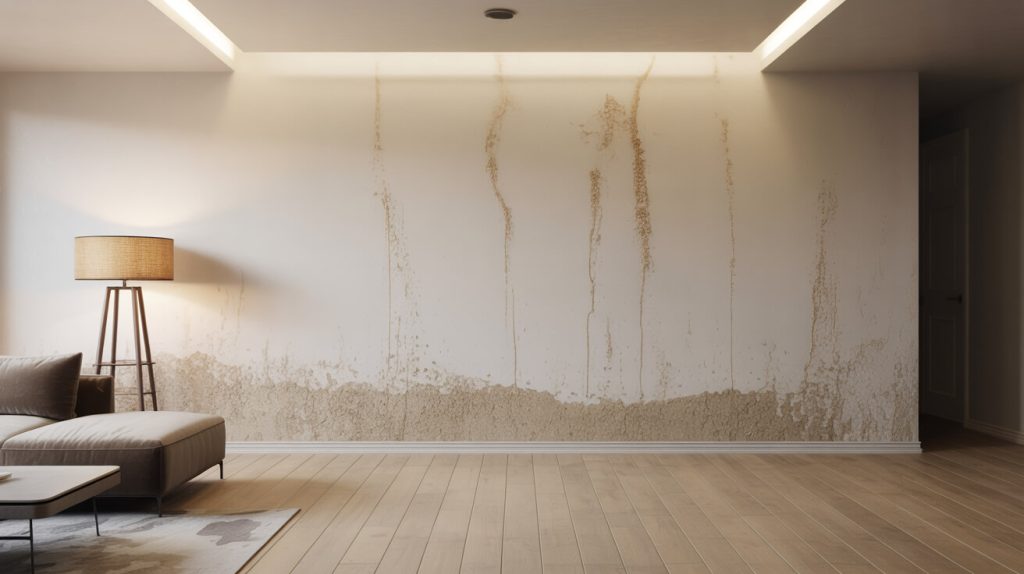
Rising damp is a moisture-driven threat to property assets, occupant well-being, and legal obligations. You can identify it by characteristic signs—tide marks, paint blistering, persistent musty odours—most commonly within one metre of a wall’s base. Whether you manage a Victorian terrace with historic finishes, a renovated buy-to-let, or a commercial block, untreated rising damp rarely stays contained or cheap; its effects compound financially, structurally, and compliantly the longer you ignore them.
Property owners in Sussex who take action early find that investigation leads to decisive, cost-curbing solutions—not years of plaster repairs, insurance disputes, or surveyor headaches. Our priority is providing reliable, science-based diagnostics and tailored solutions, enabling you to restore, protect, and future-proof every square metre.
Damp in the walls quietly grows into doubt in your investment—unless you address the cause, not just the stain.
What Is Rising Damp?
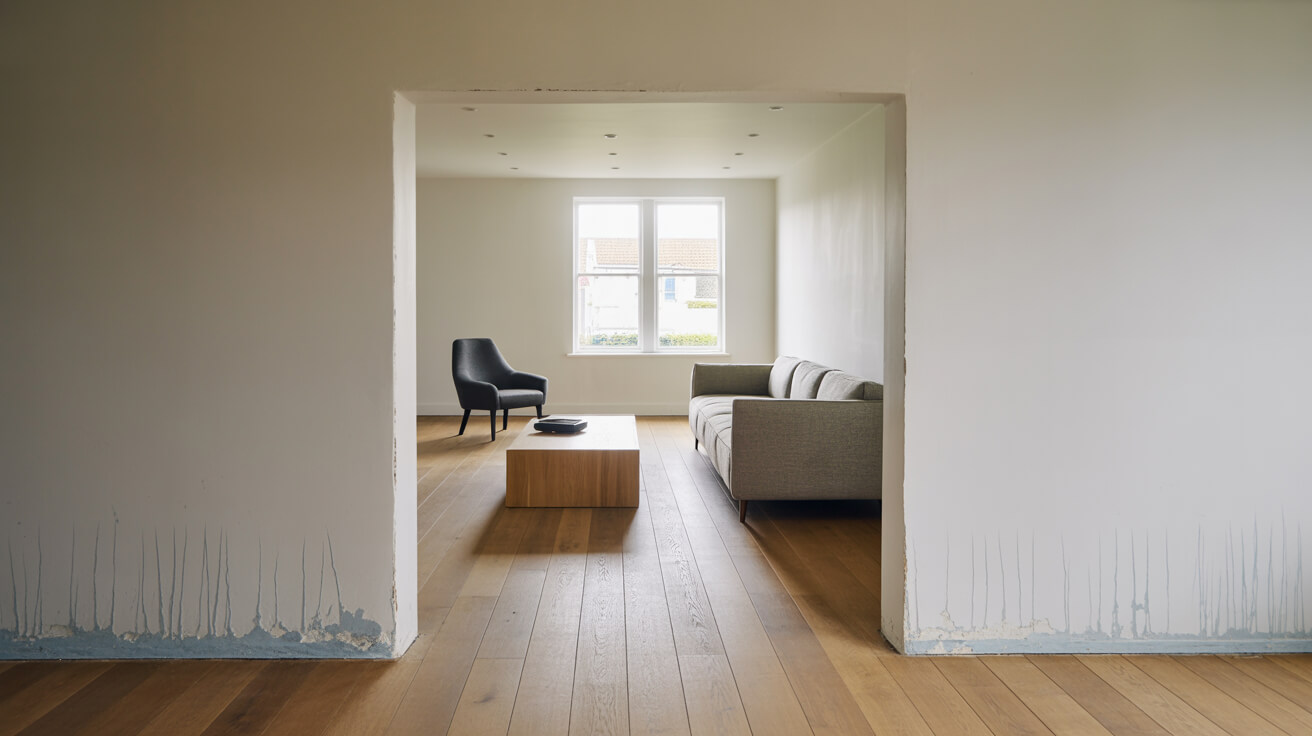
Rising damp is caused by ground moisture ascending through masonry by capillary action. It’s defined by tide marks, salt deposits, and surface or substrate deterioration from base to waist height.
Rising damp occurs when groundwater rises up into unprotected masonry, leaving tide marks up to one metre high, damaging finishes, and requiring expert diagnosis for effective treatment.
Immediate Implications for Your Property, Family, or Portfolio
Untreated, this type of damp always spreads. The risk is not just visual but systemic—impacting health, energy bills, asset value, and your compliance with regulations like HHSRS or building insurance mandates. Sussex Damp Experts brings advanced moisture mapping, compliance documentation, and tailored reports, providing the answers, support, and guarantees landlords, managers, and buyers demand.
Where Rising Damp Manifests and High-Risk Property Zones
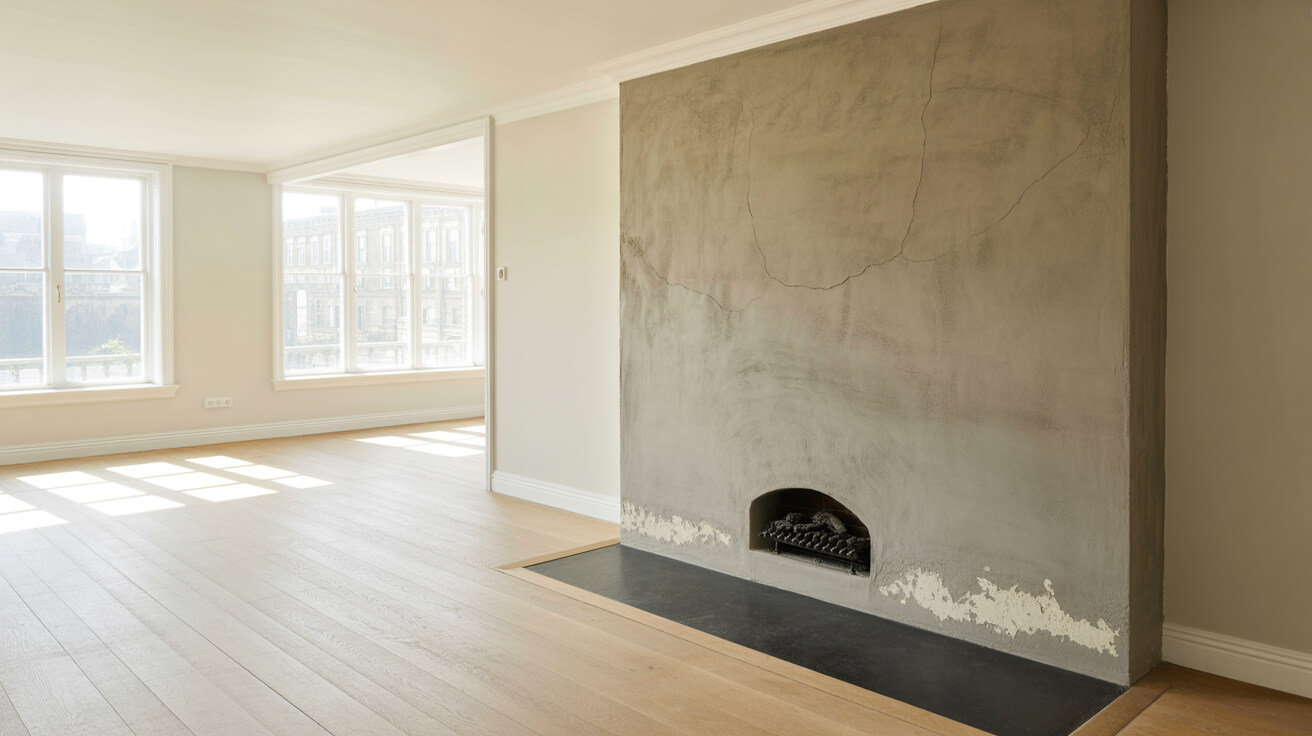
Regardless of construction style, no property in Sussex is completely immune. The environments most prone to escalating damp problems are often those you interact with daily—ground floors, cellars, party walls, and spaces recently altered or renovated.
Proactive building managers audit locations where vulnerability is greatest—not just where decay is visible but where breaches, bridging, or environmental changes aren’t obvious to the naked eye. Heritage properties and modern extensions pose very different, but equally serious, risks for moisture ingress.
Where Does Rising Damp Most Often Appear?
You’ll find this problem at wall bases, particularly:
- Where external ground levels slope towards the property.
- Around timber floor junctions, under skirting, or beside internal walls with alterations.
- In cellars, basements, or under suspended floors where ventilation is poor.
- In buildings with old or breached DPCs (slate, bitumen), or where cavity insulation has been introduced incorrectly.
Rising damp most frequently starts at ground-level external and internal wall bases, hidden behind skirting, or in cellars and parts of the property affected by landscaping or groundworks.
Table: Key High-Risk Zones by Property Type
| Building Type | High-Risk Damp Zones | Common Triggers |
|---|---|---|
| Pre-1920s Terraces | Wall bases, behind original skirting | Bridged/absent DPC, raised ground |
| Post-war Cavity Properties | Floor-wall junctions, party walls | Blocked vents, plaster bridging |
| Heritage/Listed Buildings | Around chimneys, lime render | Cement pointing, landscaping changes |
| Flats & Conversions | Shared walls, sub-floor ducts | Cavity debris, ventilation flaws |
If you’re unsure, our services map every vulnerable area, providing a full damp risk report for insurance, compliance, or pre-purchase negotiations.
When one area is affected, it’s rarely the only place rising damp is at work. Under the right conditions, any overlooked corner can become a future loss.
How to Confidently Identify Genuine Signs and Distinguish Damp Types
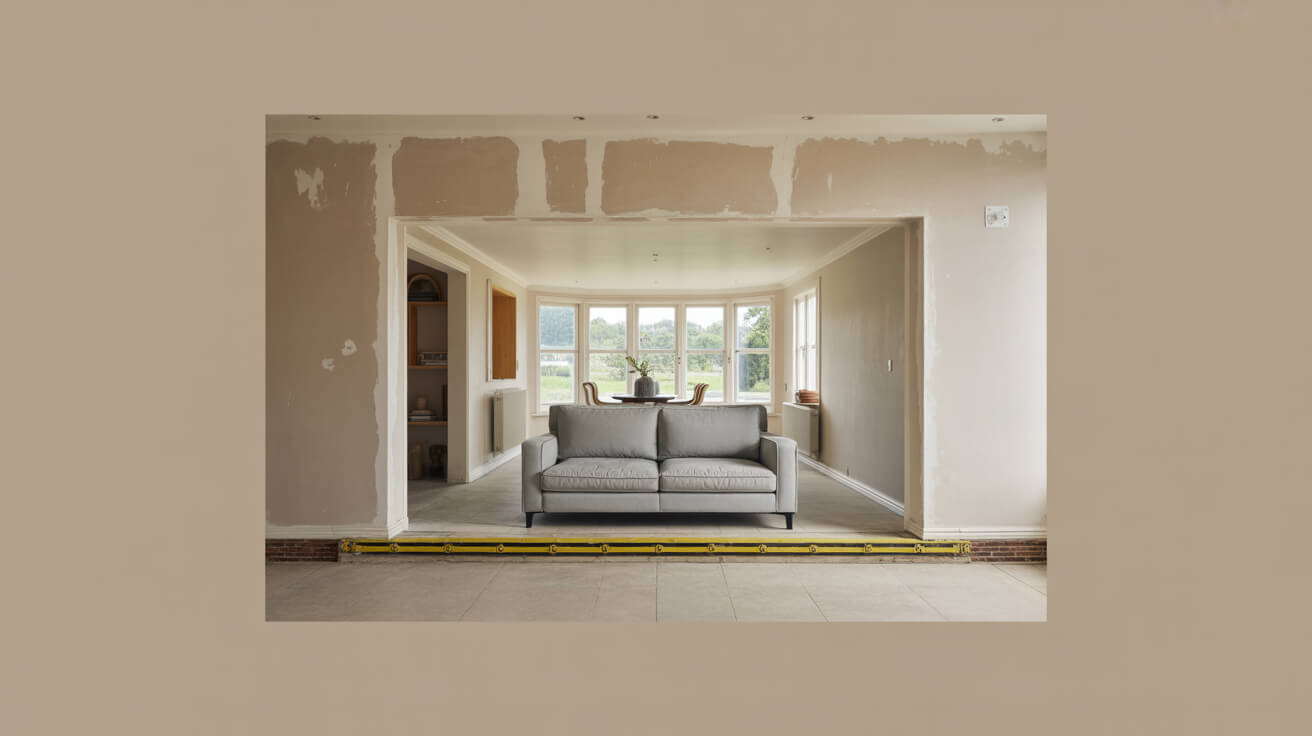
Misdiagnosis is the main driver of wasted budgets and recurring renovations. Tide marks, surface damage, or discoloured skirting are clues—but only advanced testing, salt analysis, and moisture profiling isolate true rising damp from condensation, leaks, or bridging.
Property owners often rely on look-and-feel, yet superficial fixes (or visual guesswork) rarely succeed. Each damp scenario calls for its own validation method, and treating the symptom (often by simply repainting) all but guarantees pain down the line.
What Are the Clear Signals of Rising Damp—And How Do They Differ?
Key identifiers:
- Tide marks up to one metre with salty, powdery residue.
- Plaster or paint blistering, especially in patches at or near the floor.
- Persistent musty odours.
- Softness or decay in skirting/flooring adjacent to affected walls.
Horizontal salt deposits, crumbling plaster at ground level, and decayed skirting usually indicate rising damp, but require laboratory salt analysis and calibrated moisture readings to rule out other sources.
Table: Quick Reference—Symptoms by Damp Type
| Symptom | Rising Damp | Condensation | Penetrating Damp |
|---|---|---|---|
| Tide mark (1m high) | Yes | Rare | No |
| Salts on surface | Yes (nitrates, chloride) | No | No |
| Musty odour (base) | Sometimes | Occasional | Occasionally |
| Wall feels ‘cold’ | Often | Yes (cold walls) | Varies |
| Associated rainfall | No direct link | No | Yes (leaks) |
DIY metres and kits can be fooled by recent patching or surface water. Our process always uses laboratory salt tests, multi-point readings, and non-invasive thermography as foundation steps.
What Causes Rising Damp and Major Contributing Factors
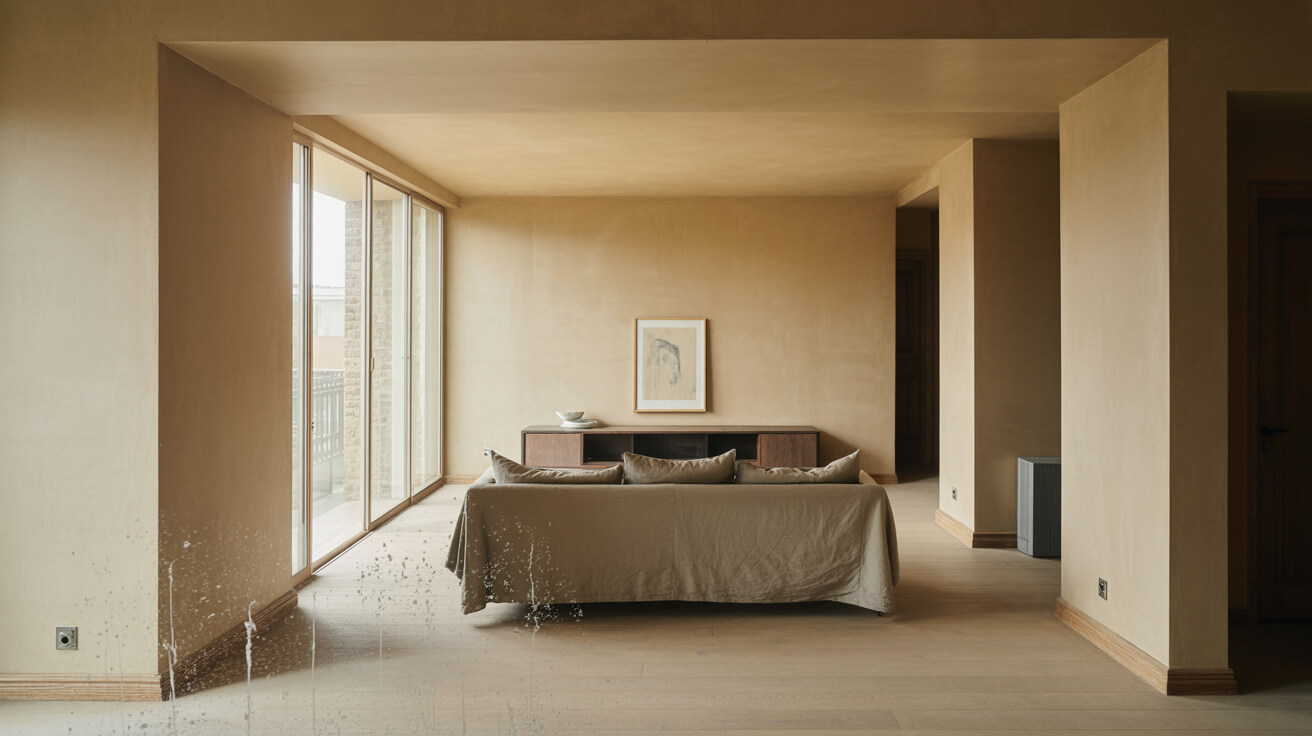
This problem never develops randomly; it is the result of failed defences or unintended construction errors—most of which go unrecognised until after damage is done. Each property has a unique risk recipe, from landscape alterations to DPC breaches or bad repairs.
Effective solutions emerge by tracing each cause to its source, which may precede any visible symptom by months or years. Understanding these triggers is the first step towards reliable, survey-ready remediation.
What Are the Most Common Roots of Rising Damp?
- Absent, defective, or bridged damp proof courses.
- Raised ground levels after renovations or external landscaping.
- Cement-based renders or plasters trapping moisture inside.
- Cavity wall debris after conversion or upgrades.
- Poor repairs with generic waterproofers or incompatible finishes.
Most cases of rising damp in Sussex result from physical DPC loss, bridging by materials/groundworks, or surface finishes that trap moisture rather than allow it to evaporate away.
Why Do ‘Quick Fixes’ or Common Upgrades Fail to Prevent Damp?
Many homes experience rising damp after insulation retrofits, garden redesign, or DIY tanking. While intent is positive, these efforts often introduce new weaknesses—bridging over DPCs, blocking underfloor ventilation, or covering crucial escape paths.
Sussex Damp Experts perform forensic examinations that account for property age, upgrades, build history, and current regulations, so your repairs address the real cause from the start.
Why Timely Remediation Prevents Damage and Mitigates Legal Liabilities
Every month you wait after confirming rising damp can triple future expense. Beyond cost, delay exposes you to compliance breaches, failed tenancies, insurance denials, and depreciating property values—all of which escalate once evidence is on record.
Does Early Damp Action Really Save You Money and Headaches?
Absolutely. Interventions tied to early detection prevent:
- Wood rot and decay that demand major structural works later.
- Disputes or void periods from failing HHSRS or tenancy inspections.
- Surveyor ‘red flags’ that slow or kill sales.
- Loss of rental income once damp is cited in formal complaints.
All data shows that rapid response to rising damp cuts project and legal costs, protects asset value, and keeps tenants (and their claims) out of court.
Waiting for wet skirting to dry out is never a winning property strategy.
Table: The Cost of Delay vs. Swift Intervention
| Delay (Months) | Average Repair Cost | % Properties Getting Legal Claims |
|---|---|---|
| 0–3 | £1,200 | 5% |
| 4–6 | £2,300 | 22% |
| 7–12 | £3,600+ | 45% |
The longer you delay intervention, the greater the audit risk and reputational drag—especially for landlords and property managers.
How Professional Diagnosis and Remedial Solutions Ensure Success
Successful long-term fixes require more than spot treatments. Diligent assessment, rigorous documentation, and compliant works are now mandatory for maintaining asset value and legal safety—especially for heritage stock, portfolio landlords, or pre-sale scenarios.
Our process is benchmarked to BS6576, PAS2035, and every serious institutional requirement, and every plan is designed for both immediate effect and future proof.
What Makes Specialist-Led Damp Proofing So Much More Effective?
- Diagnostic mapping using laboratory salt, moisture, and substrate tests.
- Guided specification: selecting the right DPC (chemical, physical), salt-resistant replastering, and verified compatibility with heritage or modern structures.
- Documentation for surveyors, lenders, and insurers, ensuring value preservation.
- Annual aftercare with full warranty—a Sussex Damp Experts standard.
Only a certified, QA-led workflow connects damp diagnosis, compliant repair, and resale insurance—in one chain of support.
How does Sussex Damp Experts Deliver Life-Long Damp Protection?
Our team tracks every intervention, warranty, and inspection through a single record, supporting owner, manager, and future purchaser alike. This compliance and care chain maintains trust, assures insurance compatibility, and speeds up the next property transaction—or portfolio audit.
What National Standards, Regulations, and Legal Duties Apply
The compliance landscape for rising damp is stricter than at any point in UK property history. Surveys and repairs are now routinely scrutinised against formal frameworks, and failing to meet requirements can stall projects and undermine transactional certainty.
Landlords, agents, and buyers cannot rely on informal approaches. Our solutions align with every relevant statute and code, so your property always passes the test—from council audits to insurance renewals.
Essential Standards and Laws in Damp Proofing
| Framework / Act | Applies to… | Role |
|---|---|---|
| BS6576 | All damp properties | Defines diagnosis/treatment protocol |
| PAS2035 | Retrofit, social stock | Ensures grant-level compliance |
| HHSRS | All rentals | Tenant health and safety framework |
| Landlord & Tenant Act 1985 | Rentals only | Fitness, habitability requirements |
| Local Planning/Conservation | Heritage/listed | Controls permitted works |
BS6576 and PAS2035 are the main UK standards for diagnosis, treatment, and warranty of rising damp; HHSRS is mandatory for rentals, with additional legal considerations impacting resale, letting, and grant funding.
Compliance: The Non-Negotiable Advantage
You never want to explain a failed inspection, voided warranty, or delayed sale due to incomplete documentation. Our reports provide a paper trail meeting every standard, and we partner with property teams, heritage boards, and local authorities to keep your records— and reputation—strong.
Book Your Free Consultation With Sussex Damp Experts Today
Executing the right fix for rising damp begins with your choice to work with a certified, compliance-oriented expert. Our services are personal—each survey is tailored to your needs, with transparent pricing and survey-ready documentation provided from the outset.
Every scenario benefits:
- Homeowners restore value, health, and peace of mind.
- Landlords eliminate compliance doubts and tenant escalation.
- Buyers and sellers close on their timelines, with lender-friendly certification.
- Asset managers, agents, and heritage custodians gain a robust audit trail and zero legal stress.
Reaching out places you at the front of Sussex’s asset-protectors—those who refuse to let hidden water dictate outcomes.
Those who document their vigilance, not just their repairs, are the ones whose properties endure and appreciate—whatever the weather brings next.
Frequently Asked Questions
How Do I Know If My Property Has Rising Damp or Something Less Serious?
You can spot real rising damp through a signature pattern of vertical salt marks, blistering paint within the lowest metre of internal walls, and a persistent musty odour. These signs differ from surface condensation or random water leaks, which often appear as isolated stains or patchy mould higher up. True rising damp leaves unmistakable tide marks and softens or decays skirting boards or flooring close to ground level.
Recognising Authentic Damp: The Owner’s Checklist
- Tide marks or powdery salt stains running horizontally and low
- Decaying, crumbling, or delaminated skirting boards
- Stubbornly musty air that doesn’t shift with heating or airing
- Plaster visibly bubbling or falling away from the brickwork
- Moisture metre readings that *rise evenly from floor to waist height* in strips or bands
Using a basic metre can reveal surface moisture, but only a qualified specialist will confirm the upward profile and sample for ground-derived salts that are invisible to the naked eye. Cosmetic treatments and overpainting rarely solve rising moisture—real solutions require a forensic survey, salt analysis, and an understanding of your property type.
You don’t discover damp because the walls look bad. You discover it because the building is quietly telling you it’s changing from the feet up.
Waiting for more obvious signs may add repair costs and risk a failed survey—precise diagnosis is your strongest defence.
What Are the True Causes of Rising Damp—And Do ‘Quick Fixes’ Ever Work?
The typical source of rising damp is a failed, missing, or bridged damp proof course (DPC)—the barrier below your walls that’s supposed to block upward moisture flow. Sometimes it’s a decades-old slate or bitumen layer now disrupted by settlement, landscaping, or modern renovations. Other times, external ground levels rise (think: new patios, flower beds, or a careless builder’s debris) until they make the original barrier useless.
Underlying Mechanisms (Data Table)
| Cause | How It Triggers Damp | Hidden Escalators |
|---|---|---|
| Failed/missing DPC | Creates open channel upward | Retrofits/plaster bridging, historic settlements |
| Raised ground/external | Overwhelms original barrier | Paving/concrete laying, garden modifications |
| Bridged cavities | Moisture by-passes wall gap | Old insulation, mortar droppings from conversions |
| Impervious materials | Seals in rising moisture | Cement rendering, bitumen overcoats |
Quick hacks—surface waterproofing, generic cavity injections, or painting over stains—fail because they don’t break the core moisture route or remove ground salts that continue drawing up water. Sussex Damp Experts’ process always begins with root-cause forensics and provides a tailored repair plan—ensuring long-term resilience and proof for future agents, buyers, or insurers.
A fast patch often leads to a slow failure. Lasting outcomes depend on tracing causes, not just treating appearances.
Why Does Ignoring Damp Multiply the Cost—And What’s the Real Risk to Health and Value?
Unattended rising damp isn’t a static threat. Over months or seasons, water, salts, and fungi infiltrate your walls, sub-floors, and timber frame. This not only accelerates surface decay—peeling paint, crumbling brick and render—but also sets in motion a chain of legal and financial consequences.
Real-World Risks and Escalation
- Wood decay: Wet or dry rot silently undermines joists and floors
- Black mould: Triggers asthma and respiratory complaints, especially for children and the elderly
- Mortgage/sale loss: Most lenders and buyers refuse properties with documented rising damp
- Landlord liability: HHSRS and tenant legislation penalise unremedied issues—voids, fines, or claims follow
| Wait Time | Avg. Repair Cost* | Tenancy/Mortgage Fail Rate |
|---|---|---|
| 3 months | £1,150 | 15% |
| 6 months | £2,300 | 27% |
| 12 months | £4,500+ | 41% |
*Based on post-survey landlord cases, 2023
By acting fast—commissioning a professional inspection and solution—you preserve asset value, keep tenants (and stakeholders) safe, and avoid ceding the future of your building to chance.
Every property devalues in silence before a single repair is booked. Detection is security for your lifestyle, your sale, and your tenancy.
What Do Professional Damp Surveys and Remediation Actually Involve?
A credible damp survey is a multi-stage protocol, involving precise moisture mapping, salt testing, and a full forensic assessment of your walls, floors, insulation, and surrounding ground. Forget a quick glance and a metre; real surveys check every risk factor, integrating design, history, and likely recurrence triggers.
Step-by-Step Protocol
- Profile scan using calibrated metres
- Salt analysis: Chlorides and nitrates confirm true ground moisture
- DPC verification: Checking for presence, depth, continuity
- Substrate inspection: Probing for bridging, hidden rot, and failed repairs
- Solution design: Pairing correct DPC (chemical or physical), salt neutralising, and breathable re-plastering
All results are documented in a surveyor-grade report with references to BS6576, suitable for lenders, sales, or council compliance. Remedial works—whether a new DPC, ventilation upgrade, or heritage-safe amendments—should be both warranted and accompanied by aftercare, including scheduled checks and on-call support.
Choosing Sussex Damp Experts means you never face paperwork gaps or compliance surprises—our team stays your advocate, certifying quality from assessment to aftercare.
Which Laws and Standards Really Matter—and How Can You Ensure Compliance?
Unlike surface leaks, rising damp issues are heavily regulated. The British Standard BS6576 dictates inspection, diagnosis, and repair. For landlords, the HHSRS sets legal fitness for human habitation, and PAS2035 governs repairs that might be grant-funded or affect insulation systems. Heritage property? Now you add planning constraints and demands for breathability and reversible intervention.
Standards and Statutes Table
| Rule/Statute | Who/What It Governs | Non-Compliance Consequences |
|---|---|---|
| BS6576 | All UK properties, diagnosis/repair | Lender/insurer rejection |
| PAS2035 | Retrofit/energy upgrades | Grant voided, survey failure |
| HHSRS | Rentals, tenant safety | Fines, voids, forced repairs |
| Building/Heritage Law | Listed, conservation buildings | Planning refusal, legal action |
| Insurance/Mortgage Req | All major property finance | Rejected claims or offers |
Sussex Damp Experts never cut corners; our reports, solutions, and warranties always map to required codes and accreditations—making your property audit-proof and future-ready.
Compliance is more than dodging fines—it’s future-proofing your asset and assuring every stakeholder who’ll ever touch your property.
How Do I Secure Expert Help Without Delay or Hassle—And What Can I Expect After?
Booking a true specialist is about more than plugging a leak. Real protection happens when a team who knows the rules, the science, and the consequences audits your property, explains every action, and stands behind it with proof and aftercare.
Booking & Aftercare Benefits
- Next-day call and scheduling, minimal waiting
- Jargon-free reports, suitable for surveyors, lenders, buyers, local authorities
- Guaranteed DPC installation, salt neutralising, re-plastering, and annual review
- Heritage and commercial experience, with solutions tailored to each setting
Our team handles all planning, technical reporting, and insurance/finance documentation—so you spend less time in meetings and more building your real priorities. With Sussex Damp Experts, your repair isn’t just fixed. It’s documented, certified, and ready for the lifetime of your ownership or management.
Winners in property aren’t just quick—they document every improvement, every move. That’s what secures trust, grants, and high-value deals.
Choose the standard others measure by—secure your investment, your reputation, and your peace of mind now.

