
 By
By  April 1, 2024


What Is Rising Damp, And What Can I Do?
Rising damp is a persistent moisture problem originating from the ground—water travels vertically through walls or floors by capillary action. Unlike Rising Damp from Condensation, it typically presents as flaking paint, salt stains, or tide marks emerging from skirting boards or ground-floor walls, signalling that your property is absorbing water it cannot disperse. This escalation isn’t a cosmetic setback; it often indicates a breakdown in critical building defences like a damp proof course (DPC), especially if your property predates modern systems or has undergone renovations that altered original structures.
Ignoring these indicators impacts far more than surface appearance. Your building’s fitness, value, and ability to pass mortgage or tenancy inspections hinge on proper moisture control and reporting. The real question is not just how damp arrived, but how to verify the source, implement an effective solution, and document your action for future asset protection.
Why Early Recognition and Remediation Matter
Timely intervention insulates you from:
- Structural decay of plaster, masonry, and load-bearing components.
- Regulatory breaches (e.g., HHSRS, Fitness for Habitation) risking fines or litigation.
- Delays or price discounts in property sales due to survey failures.
- Recurring maintenance loops and avoidable insurance exclusions.
Key Insight Table: Visible Damp, Hidden Costs
| Symptom | Immediate Cost | Long-Term Consequence | Stakeholder Risk |
|---|---|---|---|
| Tide marks | Plaster redecorating | Accelerated wall/floor decay | Sale, Let, Refinance |
| Salt bloom | Cleaning, treat spot | Salts reappear, broader rendering needed | Compliance failure |
| Peeling paint | Cosmetic repaint | Ongoing investment, covers true damage | Reputation, Value |
Your response must be rapid, auditable, and ideally carried out by an accredited expert—one who recognises property context, regulatory needs, and material compatibility. Sussex Damp Experts’ certified survey ensures your action is verifiable, with a result you can rely on for lenders, insurers, and regulatory agencies.
Which Signs Reveal True Rising Damp—Not Just Condensation or Random Moisture?

Correct diagnosis is the foundation of effective treatment. Generic moisture, condensation, plumbing leaks, and rainwater ingress mimic rising damp, so accurate detection matters—especially for owners, buyers, and compliance officers.
Primary Diagnostic Indicators
- Horizontal tide marks or moisture bands: Consistently rising from ground-floor skirting to around one metre high.
- Crumbly or de-bonded plaster: Plaster softens or delaminates at base level.
- Salts (efflorescence): Fine white powder or crystalline bloom as water evaporates.
- Decay in skirting boards and joinery: Wood softens or darkens at wall junctions.
- Persistent musty odour or black mould: Especially after wet weather, concentrated at base of walls rather than random positions.
How Professional Surveyors Confirm
Technical damp surveys include:
- Moisture metre profiling: Readings traced vertically up affected walls.
- Salt analysis: Confirming presence of nitrates/chlorides tied to groundwater, not internal leaks.
- Visual mapping: Pinpointing areas most vulnerable to missed insulation, DPC bridging, or improper renovations.
Persona Compass
Property managers and seasoned homeowners know visual inspection isn’t enough for compliance or transaction records. Sussex Damp Experts’ survey findings are formatted to satisfy lenders, insurers, or tenancy officers—and prevent disputes before they start.
The difference between a minor repair and a recurring liability is always in the specification—and in the paperwork.
Why Does Rising Damp Carry Structural, Financial, and Legal Risks?

Allowing rising damp to persist guarantees more than patch-up costs. The long-term impacts are cumulative and can fundamentally alter the risk profile of your property or portfolio.
The True Price of Delay
- Structural weakening: Persistent water breaks down wall ties, timber joists, and floorboards, reducing load capacity.
- Health hazards: Statistically increased respiratory complaints, especially among vulnerable groups, trigger legal risk for landlords and property managers.
- Surveyor trigger points: Mortgage providers regularly refuse completion on properties with unresolved rising damp flagged in pre-purchase or refinancing surveys.
- Compliance issues: Failing HHSRS checks or housing fitness audits renders your tenancy legally vulnerable; council action, tenant claims, and forced ‘works in default’ are a growing reality.
- Insurance complications: Non-compliant or undocumented repairs can void claims, delaying cover or payouts in event of further damage.
Quantified Impact Table
| Risk Type | Escalation Path | Cost Multiplier (Est.) | Proof Layer Needed |
|---|---|---|---|
| Structural | Plaster → masonry → timber failure | 1x → 4x+ | Survey (+ photos) |
| Financial | Spot repair → full wall replacement | 1x → 5x+ | Warranty, reports |
| Legal | Tenant complaint → council enforcement | 1x → 10x (fines/repairs) | Accredited survey |
How Sussex Damp Experts Safeguard Your Assets
Our compliance-led protocols ensure no ambiguity or shortcut. You receive a full assessment, remediation plan, and documentation designed to keep your asset, transaction, or tenancy regulation-proof.
What Actually Causes Rising Damp—And Where Is It Most Likely To Start?
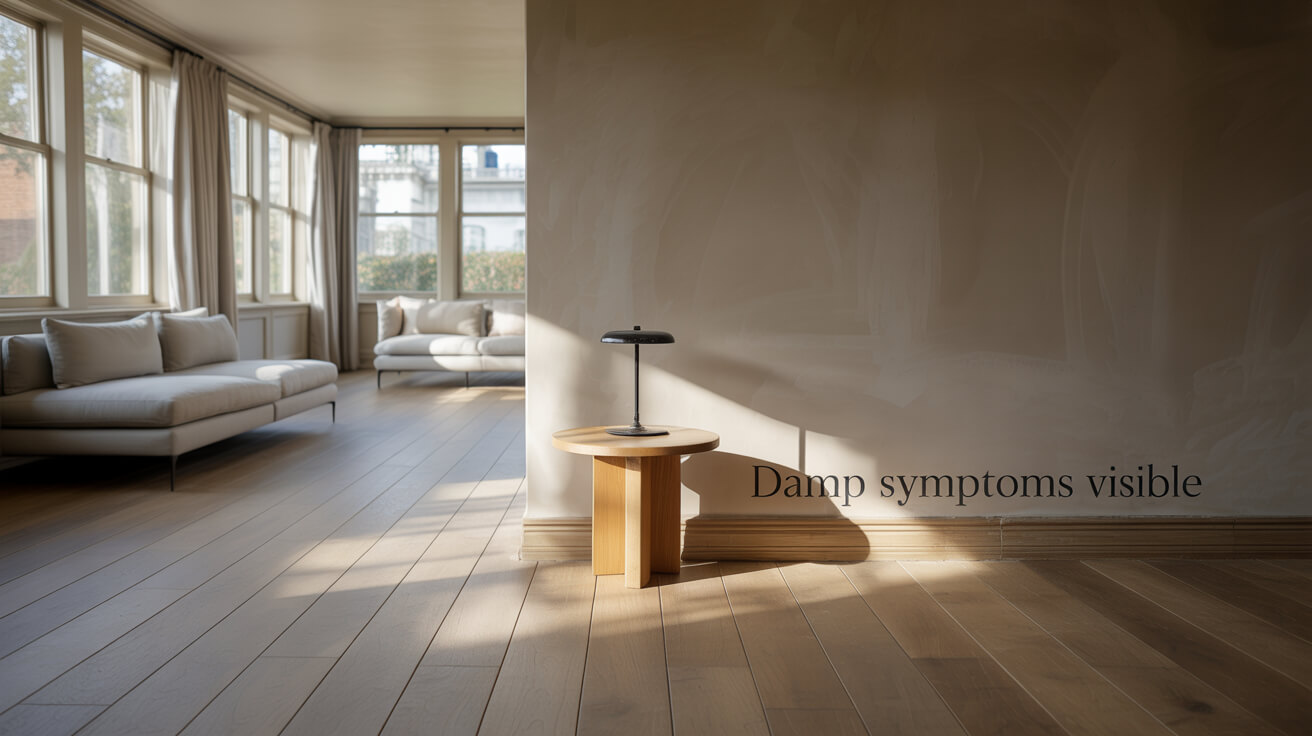
Different buildings, locations, and histories alter the probability of rising damp. Recognising which risk factors apply to your site delivers both immediate prevention and long-term resilience.
Core Causes by Property Type
- Failed or absent DPCs: Common in pre-1950s stock, rural conversions, or after major renovations.
- Porous substrates: Brick, stone, lime/prism mortars, and unsealed concrete.
- Garden and external regrading: Elevated soil or hard standing outside lowers DPC efficacy.
- Bridged construction: Internal works, retro-fit insulation, or external render detours moisture past existing barriers.
- Poor ventilation: Retains internal humidity, exacerbating damp effects.
Contrast Table: Old vs. Modern Buildings
| Risk Factor | Heritage/Pre-War | Modern/New Build |
|---|---|---|
| DPC Quality | Often absent | Standard, but can be bridged |
| External levels | Variable, at risk | Usually correct, but altered in extensions |
| Substrate Porosity | High | Lower |
| Ventilation | Poor | Adequate if maintained |
| Regulatory fit | Low | High if maintained |
Why Precision Matters
Applying general solutions without material and context awareness results in more damage—especially in listed properties subject to conservation and planning rules. Our surveys specify methodology to certified standards, always aligned with context—be it Victorian brick, Sussex stone, or newbuild materials.
Where Are the Highest Risks Found—And How Can They Be Accurately Diagnosed?

While patterns tend to favour external walls and ground-floor corners, local construction, external grading, and maintenance records create risk pockets that standard checks often miss.
Key Investigation Points
- Chimney breasts, alcoves, basements, cellars, ground-level party walls.
- Porch or side room additions where DPC continuity is most susceptible.
- Junctions with altered landscaping, blocked airbricks, or high external paving.
- Commercial/portfolio properties: Multi-unit blocks with linked substrates or party walls.
Floor Plan Risk Table
| Building Feature | Vulnerability | Diagnostic Approach |
|---|---|---|
| Basement corners | High | Thermal/moisture mapping |
| External wall ends | Moderate | DPC, soil, plinth check |
| Chimney/alcove | Medium-High | Salt mapping, airflow |
| Added rooms/levels | Variable | Historical works review |
Practical Steps for Asset Managers
- Adopt a digital record of all interventions, photos, and work guarantees.
- Mandate site-wide, not symptom-level, surveys for lease renewals, sales, or insurance updates.
- Engage a provider with documented experience in portfolio/multi-unit surveying; demand multi-format reporting.
If you’re responsible for asset value or compliance and need certainty, Sussex Damp Experts provides systematic mapping and layered reporting—whether you own a single let, heritage site, or a multi-unit freehold.
When Is Professional Damp Diagnosis Non-Negotiable?
While visual checks and quick-fixes occasionally mask minor moister issues, statutory and portfolio-level compliance, as well as sale or occupancy transition events, demand decisive, documented expert intervention.
Red Flags Requiring Professional Action
- Multiple, expanding areas of damp across zones or at height.
- Repeated repair failures or pattern of rapid recurrence.
- Sale, refinance, or tenant move-in stalls due to survey fail or compliance query.
- New symptoms coincide with major works (e.g., landscaping, retrofitting, DPC bridging).
- Listed, heritage, or commercial buildings—where loss, enforcement, or tenant health risk multiply.
Readiness Checklist
- Consolidate records: previous work, images, historic surveys.
- Capture all damp-affected areas, internal and external.
- Compile evidence of recent property changes or weather events.
- Book a survey with clear, standards-oriented deliverables.
Real prevention sits not in what you see, but what your paperwork proves—across time, tenants, and inspections.
Prompt action with an accredited partner such as Sussex Damp Experts is the only realistic route to verified, lender- or council-ready compliance.
Which Solutions End Rising Damp—And What Makes Them Reliable?
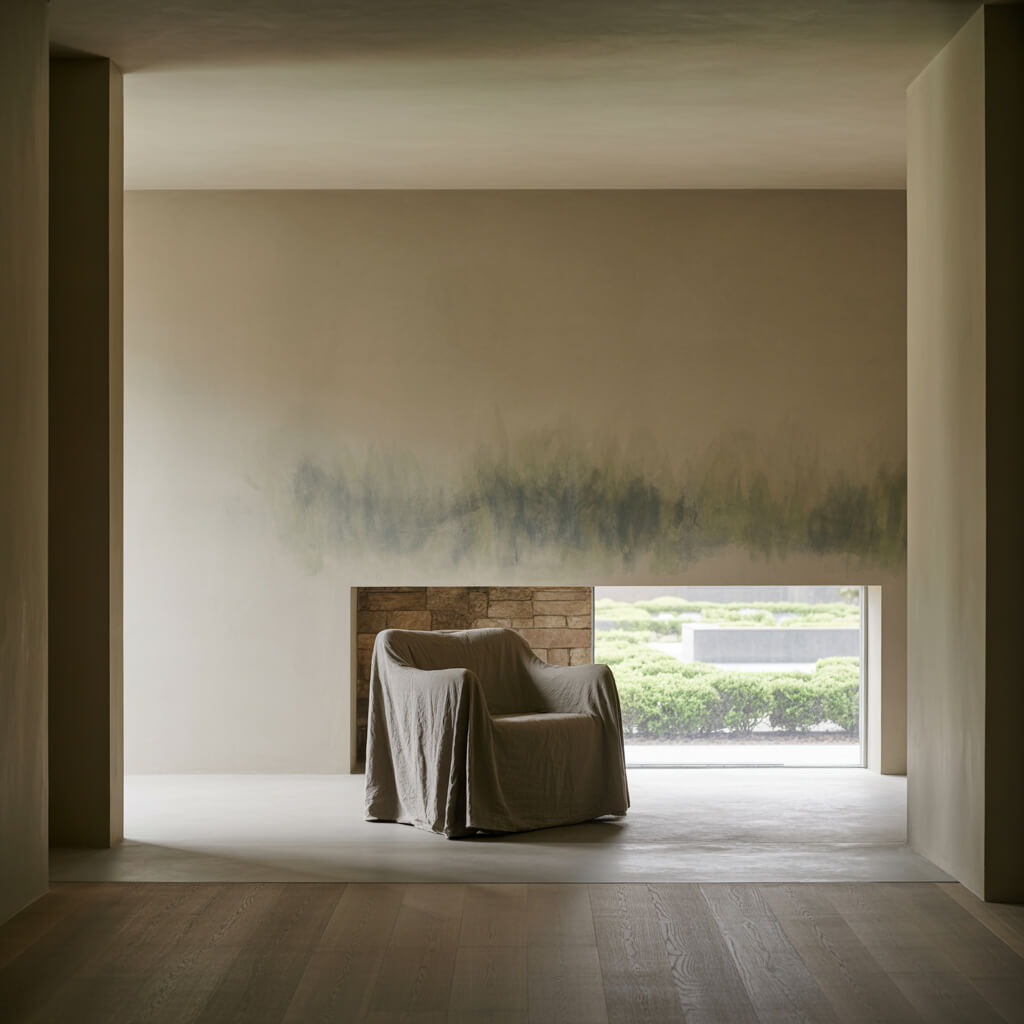
The core challenge with rising damp is that partial measures—painting over, over-plastering, relying on generic tanking, or random DPC injections—do not deliver lasting results or survive compliance review.
Integrated Remedy Path
- Targeted chemical DPC injection: Applied to identified zones, matching wall/substrate needs.
- Physical DPC reinstatement for listed/heritage assets: Minimal intervention, regulation proof.
- Complete removal and replacement of salt-contaminated finishes: For walls and joinery; always reinstated with breathable or compatible products.
- Sealed membrane/barrier solutions: As required for cellars, basements, or severe cases.
- Post-instal monitoring and warranty: Scheduled site check-ins, moisture tracking, and rapid-response support from initiation onward.
Warranty Matrix Table
| Solution Type | Time to Implement | Suitable For | Included Warranty |
|---|---|---|---|
| Chemical DPC | 2–3 days | Most walls, all builds | 10+ years |
| Physical DPC | 7–14 days | Heritage/listed only | 25+ years |
| Salt-resistant finish | 3–5 days | All | 5–10 years |
| Monitoring & aftercare | Ongoing | All | Included |
Insist on a written guarantee that stipulates both method and result, plus evidence that solutions fit both the technical requirements and regulatory landscape of your property. Sussex Damp Experts deliver traceable, compliance-backed, and warranty-proven remedial action.
Book a Certified Rising Damp Survey—Your Stake in Long-Term Building Value
Securing a survey isn’t just administrative box-ticking. It’s reputational and financial defence—a demonstration to lenders, insurers, buyers, tenants, and enforcement bodies of your asset’s resilience.
What You Secure
- Accredited, standards-compliant reporting.
- Solutions that respect architecture, occupancy, and regulatory frameworks.
- Ongoing aftercare, performance monitoring, and direct access to advice.
Be the property owner, manager, or steward whose name is synonymous with diligence, safety, and value retention. Sussex Damp Experts are your practical, forensic, and trusted partner for every phase of the damp detection and remediation journey. The decision to act is your statement of leadership—backed by compliance, data, and results.
It’s only a legacy problem if you inherit it. Decide for yourself when that chain breaks.
Frequently Asked Questions
What Is Rising Damp—And Why Should You Care About More Than Stains?
Rising damp is water drawn upward from the ground through your property’s walls or floors, exploiting capillary action in brick, stone, or mortar. It carries salt, destroys finishes, and quietly undermines the health, value, and compliance status of your asset—yet its early signs are routinely ignored or underestimated.
Unmasking the Real Threat Beneath the Surface
Not every damp patch signals rising damp, but this particular menace is predictable—symptoms escalate from minor cosmetic distress to structural decay, regulatory noncompliance, and even increased insurance exclusions. Horizontal “tide marks” along skirting boards, persistent musty odours, or softening plaster mean your property’s defences are failing. In listed or heritage buildings, unnecessary mistakes can cause irreplaceable loss.
Letting gradual damp fester guarantees future expense—not just for owners and managers, but for tenants, buyers, or anyone with a long-term stake. Where swift action and documented diagnosis exist, you remain in control.
Procrastination is expensive—ownership is proof.
Key Impacts Table
| Impact Type | Short-Term Effect | Long-Term Risk |
|---|---|---|
| Appearance | Stained paint/plaster | Premature wall finish loss |
| Structure | Timber swelling | Wall, floor, or joist decay |
| Financial/Operational | Annoyance | Value reduction, failed transactions |
| Compliance/Legal | Tenant complaint risk | Prosecution under rental law |
| Health | Discomfort, odour | Chronic asthma/allergy risk |
Ownership means remaining ahead of the problem. Seek confirmation—a specialist survey by Sussex Damp Experts translates ambiguous symptoms into actionable decisions, fully documented for insurers, lenders, or compliance review.
How Can You Distinguish Rising Damp from Condensation or Leaks?
Diagnostic clarity is your greatest asset. True rising damp climbs in regular, symmetrical bands from ground level, bringing distinctive salt bloom—not random, patchy wetness, nor the fuzzy upper corner mould of condensation. The hallmark is predictability: regular tidal staining, lower wall crumbling, and increasingly persistent odour, no matter how much you ventilate or redecorate.
Checklist: Recognising Authentic Rising Damp
- Tide marks: Horizontal bands typically up to 1–1.2 metres
- Flaky paint or bulging plaster beneath windows and on ground-floor exteriors
- Crystalline salt residue; returns within days of cleaning
- Timber, especially skirting or flooring, softening at wall base
- Persistent, ground-focused musty odour—worse during wet weather
- Ineffective results from repeated repainting or surface-only repairs
Three Pitfalls to Avoid:
- Don’t confuse condensation (top-down, room or window corners) with rising damp (bottom-up).
- Leaks or penetration damp cause irregular, localised patches—true rising damp follows gravity and capillarity.
- If DIY remedies repeatedly fail, you’re treating appearance, not cause.
Diagnostic Tools
Professional diagnosis includes:
- Vertical moisture profiling with calibrated metres
- Salt analysis (for nitrate/chloride compositional proof)
- External DPC, ground level, and substrate investigation
A survey aligned to PAS2035 or BS6576 standards—routine at Sussex Damp Experts—delivers photographic, digital, and material evidence for every scenario.
No pattern, when consistent with rising damp, should go undocumented; hesitation costs more than a consultation.
Why Does Rising Damp Undermine Your Property’s Value, Health—and Legal Standing?
Left unchallenged, rising damp becomes more than an eyesore: it is a fiduciary and compliance risk with long tentacles. As the decay advances, underlying timber, wall ties, and plasters degrade; recurring symptoms flag your property in surveys, regulatory checks, or insurance renewal.
Structural and Commercial Implications
- Unstable substrates: Crumbling mortar and plaster require not just repair, but substrate replacement.
- Escalating maintenance cycles: Ignoring underlying causes leads to expensive, repeating cycles of superficial repair and failure.
- Tenant and buyer attrition: In rentals, fitness for habitation and HHSRS rules demand swift action—or trigger fines, rent withholding, or council-mandated repairs.
- Failed sales or refinancing: Mortgage lenders and surveyors are trained to spot unresolved damp, which instantly flags your asset for devaluation or contract suspension.
- Health claims: For property managers and landlords, prolonged mould risk enables tenant claims under duty-of-care regulations and the Environmental Protection Act.
Proof Points
- Stat: Nearly 43% of mortgage delays in buildings over 60 years old cite unresolved damp as a root cause (UK Homebuyers Survey, 2024).
- Case Scenario: “Delayed action forced a landlord to fully replaster three flats—costing 6x more than a single, early expert assessment would have cost.”
Momentum always favours those who prioritise traceable intervention over cosmetic comfort. The moment your property becomes ‘that one with the damp problem,’ you lose control of negotiations, tenant relationships, and even long-term asset liquidity.
A property’s real equity is always defined by its paperwork and its protection.
Where and Why Does Rising Damp Begin—And What Makes Some Properties So Much Harder to Defend?
Rising damp is a confluence of your property’s past, its materials, and its environment. It targets the overlooked interfaces—where original damp proof courses are breached, or where modern interventions have unwittingly created new weaknesses.
Likeliest Locations
- Pre-1950s homes lacking original DPC or with solid stone/brick construction
- Walls adjacent to raised gardens, patios, side extensions, or altered exterior ground heights
- Junctions where original lime plaster meets cementitious render or additions
- Basements and semi-basements suffering from water table fluctuations or inadequate drainage
- Heritage or listed buildings utilising traditional materials, often incompatible with modern “remedies”
Old vs. New: A Comparative Table
| Property Type | Risk Profile | Diagnostic Nuance |
|---|---|---|
| Victorian / Edwardian | High, due to lime mortars | Breathable solutions only |
| 1950–2000 stock | Variable; bridged DPC risk | Conventional DPC/creams |
| Heritage/Listed | Extremely high; no modern DPC | Conservation-led approach |
| New Build (post-2000) | Lower, unless groundworks flaw | Check for construction shortcut |
Nuanced Diagnosis Demands Expertise
Repairs for a heritage cottage are a world apart from those for a portfolio of brick flats. Insist on surveyor standards that mirror your property’s context—Sussex Damp Experts draw on project libraries covering every construction era, ensuring all interventions harmonise with today’s codes and tomorrow’s expectations.
_Design, materials, and maintenance routines either insulate your asset for the future, or write the next chapter in a builder’s case study of avoidable loss._
When Should You Move from Watching and Waiting to Immediate Professional Action?
Procrastination only multiplies the threat to value and compliance. If your property shows multiple recurring patches, salt bloom returning after each cleaning, or damp crossing through different walls after failed repairs, home remedies are no longer your friend.
Non-Negotiable Signals for Expert Intervention
- Repeated symptoms after DIY or handyman ‘fixes’
- Recurrence within months—even in different weather cycles
- Emerging tenant or buyer complaints, or survey red flags pre-sale or refinance
- Any council, tenant, or legal escalation referencing housing compliance (Fitness for Habitation, HHSRS, Environmental Protection Act)
- Heritage/listed properties, or commercial blocks with asset portfolio risk
Professional Assessment: What to Expect
- Moisture mapping, external and internal
- Salt, substrate, and render compatibility checks
- Plain-English lab report with images and explicit action plan
- Warranty- and insurance-compliant documentation
Professional diagnosis from Sussex Damp Experts means you never pay twice.
Ownership is proven by the act of getting ahead—not waiting until you’re forced to catch up.
What Distinguishes Lasting Damp Solutions From Repeated, Expensive Failure?
Permanent resolution is not the result of branding or one-size-fits-all cures. It is the outcome of diagnosis matched to context, remedy linked to materials, and ongoing monitoring—the same standards lenders, insurers, and heritage bodies demand.
Profile of a Repeat-Proof Solution
- Root cause analysis: Not just addressing symptoms, but tracing origins with forensic precision.
- Full substrate replacement or repair: Removing original sources of salt or moisture pathing.
- Context-matched systems: Heritage processes (lime plaster, capillary breaks), modern membranes, resin injections, and tailored re-plastering.
- Written warranty and lifecycle support: Paperwork you can show any buyer, lender, or council representative—complete with aftercare instructions and inspection schedule.
Ladder of Longevity Table
| Action | Short-Term Relief | Lasting Value |
|---|---|---|
| DIY paint/replaster | ✓ | ✗ |
| Chemical DPC, if matched to wall/floor type | ✓ | ✓/✗ |
| Substrate/salt removal | ✓ | ✓ |
| Conservation-led, evidence-matched repair | ✓ | ✓ |
| Full paperwork and aftercare | ✓ | ✓✓ |
Only the right diagnosis, intervention, and follow-up secure your asset. Sussex Damp Experts’ reputation comes from projects where “problem property” became “alert-ready asset”—and where our paperwork silenced every future question.

