
 By
By  August 26, 2025


Are You Ready for a Section 11 Damp or Mould Claim? What Every Sussex Landlord Must Know
If you own or manage rental property in Sussex—whether it’s a single buy-to-let or a mixed-use block—damp or mould isn’t just a nuisance. It’s the sharpest threat to your reputation, your cash flow, and your legal footing. Under Section 11 of the Landlord and Tenant Act 1985, every report of moisture, flaking plaster, or black mould puts you under a microscope. Inaction, “good enough” repairs or a missing paperwork chain will cost you: regulatory penalties, repayment claims, even a threat to your letting licence. In Sussex, with its coastal moisture and old housing stock, a casual brush-off or a patch-up job can drain your budget and make you the landlord tenants warn each other about.
One hidden patch of mould isn’t just a stain; it’s a five-alarm signal for enforcement.
Why the worry now? Because today’s tenants know their rights. Housing officers in Brighton, Lewes and across Sussex are trained to flag landlords who lag behind, and online posts about “damp slumlords” travel fast. Section 11 is not a guideline but a legal line in the sand—you must keep the “structure and exterior” in good repair, and you must act fast from the moment you hear about a problem. Forget “just try airing the room out.” If you lack robust evidence, clear action logs, and technical signoff, expect trouble. This guide cuts through confusion and talks straight: what triggers your legal liability, why quick fixes fail, and what real defence looks like in Sussex.
What Triggers Landlord Liability for Damp and Mould Under Section 11?

The law expects you to anticipate and prevent damp or mould issues, not just scramble once a ceiling discolours. Under Section 11 Damp or mould problems are judged by the condition of the structure, exterior, and building services. The moment damp or mould arises because of a failed damp proof course (DPC), cracked render, leaky roofs, busted drains, or external defects, you’re in the firing line. Courts and local authorities don’t buy “tenant lifestyle” excuses unless you’ve got hard evidence showing the building passes all technical and statutory tests.
Key Triggers Under Section 11:
- Rising or penetrating damp due to broken DPC, gaps in brickwork, gutter leaks, or poor flashing
- Black mould, salt rings or bulging plaster, signifying structural or weatherproofing failure
- Condensation linked to defective ventilation, inadequate heating, or insulation gaps—unless you’ve proven the system is complaint-ready
Council teams and surveyors dig below the surface. They want reports referencing BS6576 (damp proofing) and BS8102 (basement waterproofing). Don’t expect to sidestep liability by blaming “tenant misuse,” especially if there’s missed maintenance, unresolved leaks, or a Cosmetic repair masking a structural defect. Instead, for every symptom—spongy skirting, tell-tale musty odour, surface salts—see it as a neon sign declaring your statutory responsibility. If your response isn’t up to standard, enforcement will follow (Shelter, RICS).
Waiting for someone to push you is the fastest route to a council fine or rent repayment order.
Surface the causes, address them with technical clarity, and park the finger-pointing—because in Sussex, the burden sits squarely with the landlord.
Why a Quick Fix or Verbal Promise Won’t Defend You: Building an Ironclad Evidence Chain
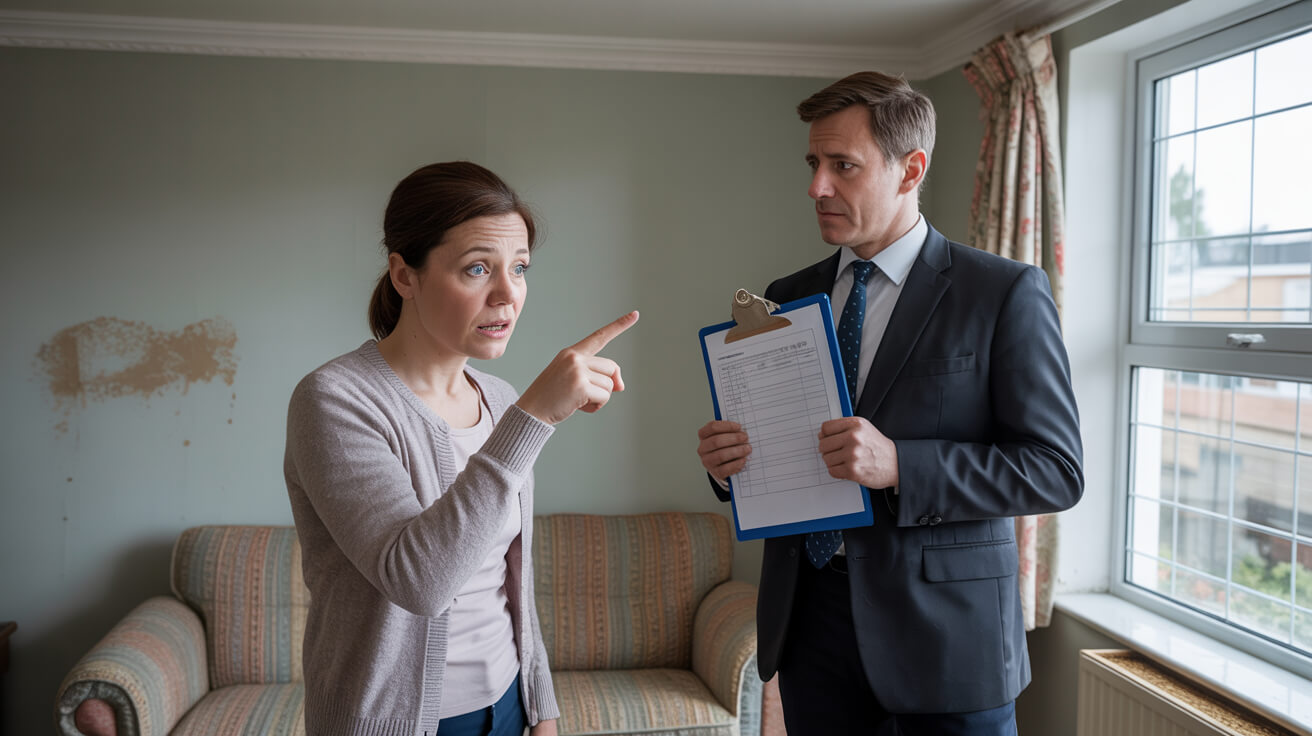
A dashed-off “we’ll send a decorator next week” or a half-hearted extract fan instal means nothing when a dispute lands at the council’s desk or in tribunal. Defending yourself means compiling a robust, auditable chain of evidence—one that traces every step, every fix, and every communication with a forensic eye. Courts and regulators don’t care about good intentions or repair receipts that lack detail. They want standards, signoff, and proof.
Essential Proof Components For Defending a Section 11 Damp or Mould Allegation
- Date-stamped photographic record: Not just a before-and-after, but a full sequence—start, strip-out, fix, sign-off, and post-repair drying logs.
- Written communication history: Store every email, letter, WhatsApp, and SMS in order. Document each promise, action, and tenant response.
- Specialist surveyor reports: Independent, RICS or PCA-accredited surveyors tie findings directly to industry benchmarks (BS6576, BS8102, PAS2035). These reports are worth their weight in lost rent.
- Detailed work breakdowns: Who did what, when, with what materials. Named contractors, DPC installer guarantees, plumber receipts, product spec sheets—keep them all.
- Aftercare, warranty and maintenance plans: Instructions for dehumidifier use, vent checks, or periodic inspections—issued in writing, with handover to tenants and reminders logged.
Strong documentation is your shield; confidence and memory are not.
Cutting corners on this process leaves you exposed. In listed buildings or heritage properties, the standard goes even higher—compliance must be airtight, and surveyor evidence isn’t optional (nwl-legal.com). The courts and council will plug documentation gaps with their own reading of events, almost never to your benefit.
How Does a Section 11 Damp Claim Unfold Start to Finish?
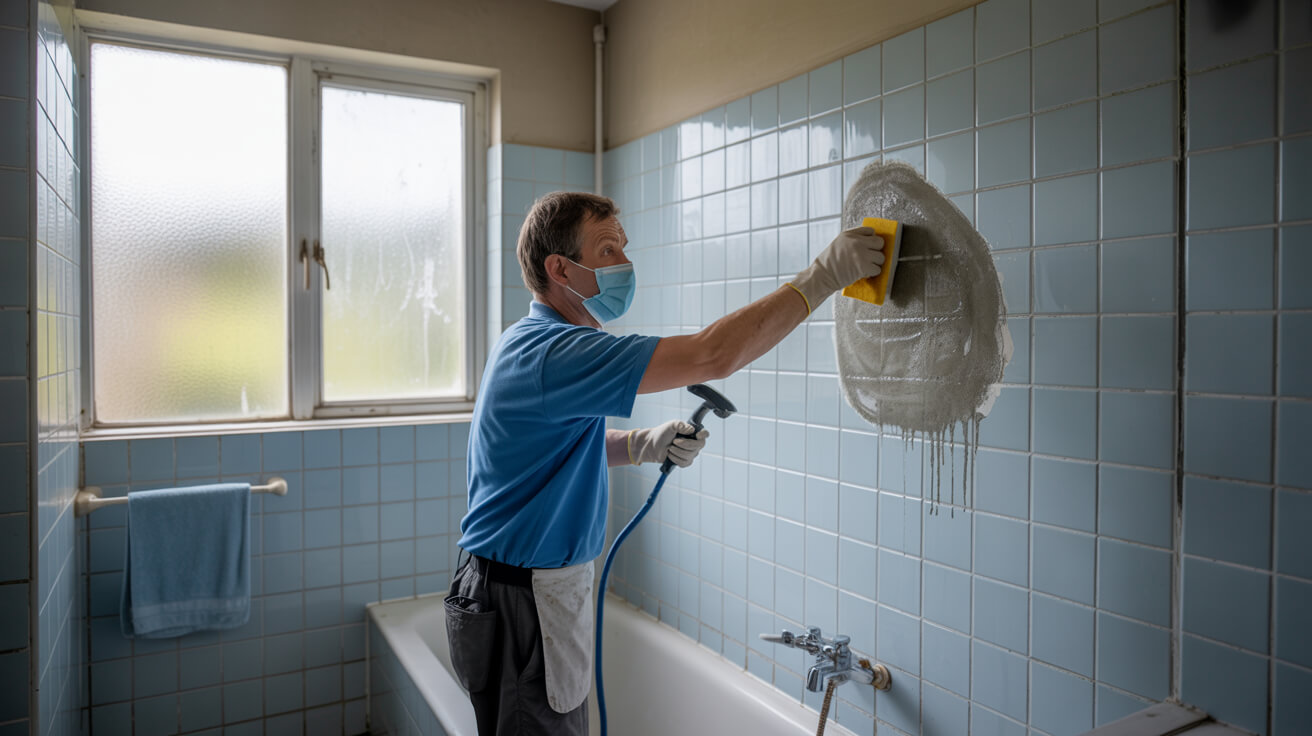
From the first “We’ve got black mould in the hall” text to a formal Notice of Disrepair, your legal clock is ticking. There’s no “maybe later.” Section 11 is enforced on “reasonable behaviour and timescale”—which means you’re judged against a professional, not just “a landlord doing their best.” Miss a step, delay an inspection, or leave a gap in your communication? The cost can be months of lost rent, forced repairs, or even an order to pay the tenant back.
Step-By-Step: Surviving a Section 11 Damp or Mould Report
- Acknowledge and clarify everything—every report gets a written response, timeline for inspection, and a proposed scope, not just a promise. Email beats phone every time.
- Commission a professional diagnosis—ideally from a surveyor or PCA technician. Demand root cause, not surface “find-and-fix.”
- Log every repair, with supporting media—fixing DPCs, rerouting drainage, plastering, tanking—document each remedy, no matter how minor.
- Stay transparent and keep tenants in the loop—issue update reports after each intervention, and record that these were communicated.
- Deliver, record, and supervise aftercare—target a signed handover note, scheduled check-ins, and real-time humidity logs where warranted.
A missing survey or repair slip lets Council reclassify your case as a statutory nuisance overnight.
Failure to maintain this chain is what council legal teams exploit to win. Enforcers look for the gap, and wherever you stop, they take the narrative forward.
How to Defend Yourself at Tribunal or Against a Rent Repayment Order
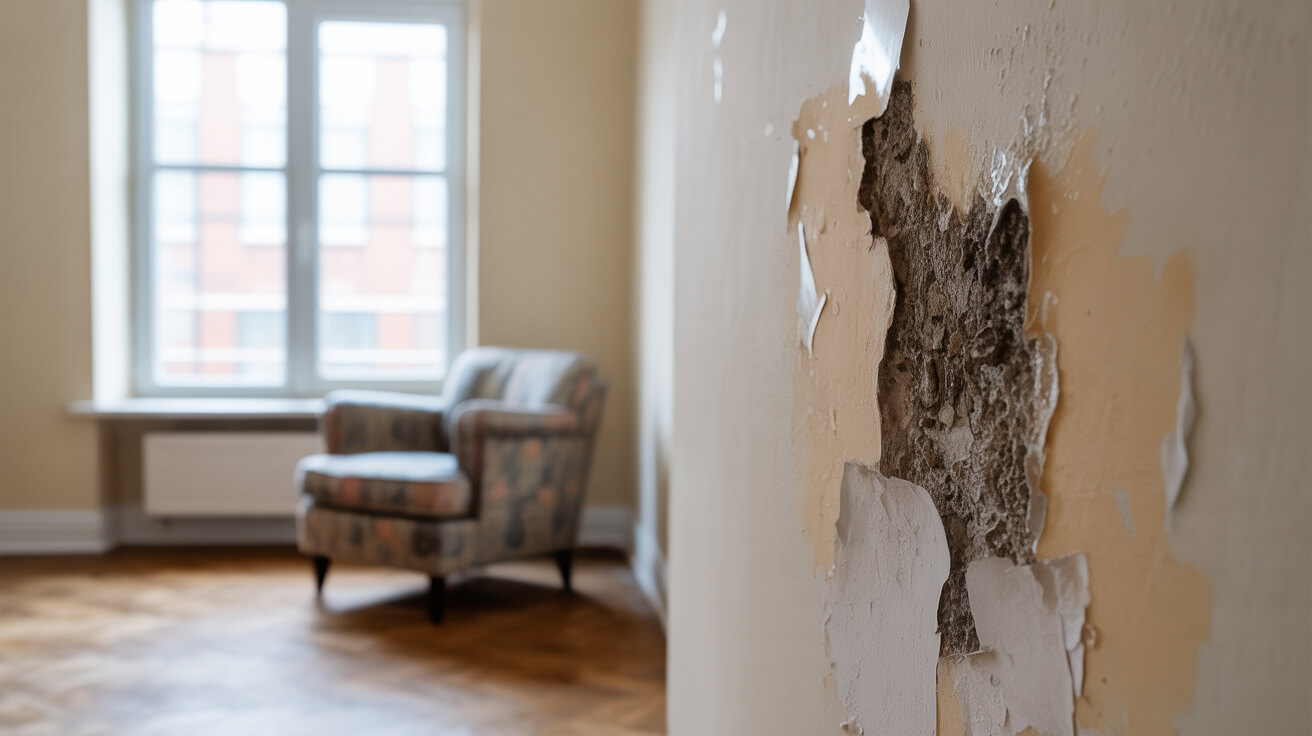
When a claim escalates, your defence rides on the quality and completeness of your paperwork. Judges, tribunals, and insurers want black-and-white evidence tied to British Standards—plus a transparent process. The bar is set by what is “reasonable” for a professional operator.
Your Defence “War Chest” Should Include:
- Regulated, standards-based surveyor reports: Point-by-point, referencing BS6576, BS8102, or PAS2035 where appropriate.
- Moisture readings and imaging: Thermal cameras, borescopes, and calibrated metres. Supplement with date-stamped progress shots.
- Tracked warranty trails: Link original complaint to completed works, then to aftercare visits. Each connection makes your case harder to dispute.
In the eyes of the law, a calibrated surveyor’s reading trumps a builder’s memory or a we always fix it story.
Skip any part and you open the door to counterclaims, repeat enforcement, or extra fines—not to mention days in court you’ll never get back.
How (and When) Is Tenant Behaviour Relevant in Damp and Mould Disputes?

“Tenants never open the window,” “They block the vents with drying racks”—these explanations may be true in parts. But by law, unless you’ve proven the fabric, ventilation, and heating systems all meet or exceed requirements, judges and councils don’t want to hear it. Tenant behaviour matters, but never as a substitute for your own compliance.
How to Use Tenant Behaviour Defensively—If at All:
- Document compliance first: You must show photos, system certifications, and environmental records proving the structure, heating, and airflow meet modern standards.
- Measure and verify: Use sensors, technician logs, and real occupancy data to show where issues arise. Speculative claims fall flat.
- Seek expert analysis: Neutral reports that clarify cause—linking them to HHSRS and moisture standards—strengthen your case.
If you skip any landlord-side fix, or fudge a report, tribunals will see “tenant blaming” as a stalling tactic—and hand the decision to the tenant.
You’re judged by what you can prove—what you fixed, not just what you say.
This process not only shields you, it shows the tribunal you take your responsibility seriously. Anything less, and you’re back in the firing line.
The Real Costs of Ignoring Section 11 Damp and Mould Risks

These risks aren’t theoretical—they compound fast in real money, reputation, and long-term asset value.
- Unsold or devalued properties: RICS damp flags freeze sales and can force a five-figure drop in asking price.
- Regulatory penalties: Councils can demand rent repayments, trigger enforced repairs, and levy fines without court delays ([UK Legislation Section 11](https://www.legislation.gov.uk/ukpga/1985/70/section/11/latest)).
- Compensation claims: Late responses empower tenants to reclaim months of rent—even if they’ve already moved out.
- “Category One Hazard” black marks: HHSRS and Fitness for Human Habitation rules cut landlords off from new tenancies—especially with health risks tied to damp.
- Lasting online reputation damage: Google and Trustpilot reviews create a record no amount of discounting can erase.
You lose value—fast—by treating a statutory claim as another call-out instead of a business-threatening event.
Move quickly and rigorously, and you’re insulated from much of this. Letting it slide exposes you to years of financial setbacks and lost market standing.
Why Sussex Damp Experts Is Your First Line of Defence for Section 11 Compliance

Sussex Damp Experts is not a decorator—our work starts with the exact surveys, forensic maps, and standards-driven reports local authorities demand. Our edge is in the fine detail:
- Forensic, surveyor-grade diagnostics: Moisture gradient mapping, salt tests, borescope images—our kit uncovers hidden faults, not just obvious ones.
- Reports that “speak the language” of enforcement: Every conclusion is pegged to BS6576 and PAS2035, so auditors and insurance teams have no leeway.
- Chains of custody, chain of care: Tenant complaint to solution to aftercare and warranty—all mapped, all auditable.
- Defence advocates, not just fixers: We liaise with council teams, submit proof to insurers, and provide supporting packs should the case escalate.
- Long-haul aftercare: Practical, compliance-aligned handover on drying, aftercare, humidity controls, and next steps—plus scheduled follow-ups.
One clear, standards-backed survey saves more grief and cash than months of see what happens.
Your worst weeks are our routine cases. We don’t guess or cover up—we build evidence files that close arguments down.
Protect Your Property and Position—Contact Sussex Damp Experts Today
The biggest losses in property management come from waiting—hoping the next tenant won’t “notice” the damp, or that a quick painted-over patch will hold. The smarter strategy: preempt the entire risk by commissioning a professional, evidence-driven assessment. Sussex Damp Experts delivers from day one:
- Full, compliance-grade survey and reporting—BS6576, PAS2035, and beyond
- Lawyer- and insurer-ready sign-off, so any dispute lands on the “solved” pile, fast
- Practical workflow: tenant comms, diagnostics, fix, aftercare, and all paperwork handled
Skip a step now, pay the price later—early, robust action is what winning landlords do.
Call Sussex Damp Experts and shift from reactive to robust. It’s not just another repair—it’s the front line for your reputation, your licences, and your entire business model.
Frequently Asked Questions
What turns a routine damp issue into legal trouble for landlords—even without clear evidence of fault?
A landlord becomes legally exposed when any damp or mould in a property could reasonably stem from the building’s structure, its permanent fixtures, or system failures—and legal exposure starts as soon as a tenant reports the problem, not after a full diagnosis. If there’s even a chance the building envelope or installed systems (like gutters, drains, or plasterwork) could be to blame, the Landlord and Tenant Act 1985 (Section 11) expects you to take coordinated, well-documented action. Uncertainty is not a “get-out clause”; the legal default is to assume structural liability until disproved by independent, standards-led inspection. This means you can’t wait until every possibility is exhausted—councils demand to see ongoing diagnostic steps, interim safety measures, and transparent repair efforts. Delayed fact-finding or relying on casual assessments (rather than PCA-accredited or BS6576-backed surveyors) is what courts call “systemic neglect.”
When it comes to damp, the cost of silence is usually written in enforcement notices—not second chances.
How is a landlord’s structural responsibility actually demonstrated?
- Commission independent, standards-based surveys and reference outcomes in writing.
- Time-stamp every action, from initial tenant report to each interim repair attempt.
- Keep a full set of photos, readings, and communication logs linking complaints, investigations, and solutions.
Do courts ever side with the landlord in complex cases?
Only if your evidence chain is watertight—rule out structural faults, show impartial diagnostics, and document every tenant discussion. The law expects the owner to go deeper, faster, and more methodically than the tenant.
When does “reasonable timescale” for landlord action on damp endanger compliance?
The legal clock starts ticking as soon as a damp or mould issue is reported—typically, you’re expected to acknowledge a complaint in writing within 24 to 72 hours, escalate to specialist survey within a week, and initiate clear steps for investigation and repair immediately after. What really matters is the rhythm of your response: any unexplained lag or break in progress becomes a point of liability. Local authorities and housing officers judge compliance by records, not intentions; in health-sensitive tenancies (children, elderly), speed is even more heavily scrutinised and “urgent cases” are counted in hours, not days. Every repair, temporary fix, tenant update, and expert engagement is clocked by the council—if you miss a beat, enforcement soon follows.
Delays compound risk: each day without visible action weighs heavier than a week of coordinated effort.
What is a defensible action plan for landlords?
- Written confirmation to the tenant within 48 hours.
- Arrange expert survey or inspection inside 7 days—or sooner for vulnerable occupants.
- Log all diagnostic and remedial steps, noting advice given and tenant responses.
- Implement interim measures (dehumidification, ventilation upgrades) while root cause is found.
Why don’t good intentions count?
Because only logged, time-stamped evidence shields you. Oral promises and ad-hoc fixes vanish in the audit.
How can landlords bulletproof their case if a council or tribunal investigates their response to damp or mould?
Landlords can shield themselves from legal fallout by compiling a granular audit trail of every event, test, and fix linked to the damp issue. Effective defence rests on “evidential clarity”—this means capturing photographic proof at each stage (not just the final repair), archiving written communications with tenants and professionals, and appending every formal report or material sample with referenced standards. Independent, third-party damp surveys (PCA, RICS) should cite BS6576, BS8102, or PAS2035. Organise every invoice, aftercare instruction, and warranty by intervention date. If an independent party can step through your records—from the first sign of damp to full remediation—without encountering ambiguities or gaps, you’re on solid ground for both councils and insurers.
Records that walk from complaint to cure—without a stumble—stand up in every courtroom.
Which evidence elements truly matter?
- Date-stamped photos and survey data from first alert to job sign-off.
- Documented actions (diagnostics, interventions, communications).
- Explicit safeguard measures for tenants taken during repairs.
- Aftercare and warranty details distributed in writing.
Where do most landlords trip up?
Patchy notes, vague repair records, or missing tenancy exchanges. If months disappear between steps, allegations of neglect take hold.
Why do landlords so often lose damp disputes—even if they feel proactive?
Councils and courts default to siding with tenants unless presented with an unbroken series of standard-referenced actions and independent diagnostics. The legal system starts with the principle that structural issues are the landlord’s to rule out—not the tenant’s to prove. Any missing survey, incomplete audit, or allowance for quick cosmetic fixes (like painting over mould or “venting” a complaint without inspection) is seen as negligence. Even where tenant actions (such as blocked vents or indoor drying) are suspected, these must be corroborated by a formal, impartial report confirming no building defect is present. Only when every base standard is demonstrably met—BS6576 for rising damp, HHSRS health scoring, maintenance logs for insulation and ventilation—can the balance tip in the property owner’s favour.
If your trail isn’t watertight, expect the tide of decision to flow against you.
What are typical audit gaps that doom a landlord’s case?
- No evidence of timely, compliant survey (BS6576, PAS2035, or PCA badge).
- Vague or no logs of system checks (heating, guttering, insulation).
- No written proof of aftercare or warranties provided to the tenant.
- Disconnected series of fixes—no standards referenced or professional sign-off.
Why is standards alignment so decisive?
Because it’s objective and instantly verifiable; regulators give far more weight to documented compliance than to intention or effort alone.
What stack of costs—financial and reputational—can landlords expect by delaying Section 11 damp responsibilities?
Landlords who put off or shortcut their legal duties see escalating costs: fines from £2,500 to £30,000 per breach, rent repayment orders demanding up to 12 months’ refund, council-mandated repairs charged back with penalties, mortgage caution flags or outright refusals, and public blacklisting that lingers for years. Missing or careless documentation invites insurance denials—claims of “previous damage” or “unproven repair” are routinely rejected by providers. Buyers, agents, and tenants all do their own digital homework; unresolved damp drops property value, prolongs voids, or blocks refinancing overnight. Under “Awaab’s Law” and tightening health rules, reputational hits spread quickly—one recorded enforcement can ripple across letting, sales, and insurance relationships.
Neglecting damp today multiplies tomorrow’s costs by factors you rarely see until a notice arrives.
Which specific money risks hit first?
- Fines run from a few thousand up to £30,000 per regulatory breach.
- Rent repayments up to a yearly maximum, regardless of “intent to fix.”
- Public compliance failures reduce asset value, halt mortgages, and void insurance.
- Ongoing noncompliance can push your name onto rogue landlord registers and local authority enforcement lists.
How do proactive landlords minimise these risks?
Order independent, expert damp surveys now; record everything; provide crystal-clear aftercare guidance to tenants; and track every action with digital logs. Council checklists are built to find gaps, so resolve them before you’re under scrutiny.
How do external damp surveys and PCA-backed reports settle liability for landlords (and protect against insurance and regulatory fallout)?
External, standards-based damp surveys serve as the linchpin in nearly every disputed case: these reports unambiguously determine whether the cause is structural, system-related, or environmental, which is often central in a Section 11 Damp or mould dispute, and bring clarity to all parties fast. Qualified experts use a suite of tools (moisture mapping, borescopes, salt analysis, and thermal imaging) to diagnose both visible and “invisible” damp origins. They link repairs to British Standards (BS6576 for rising damp, PAS2035 for retrofit compliance, BS8102 for below-ground) and provide clear, actionable advice that councils and insurers almost always accept as decisive. For landlords, this means fewer drawn-out disputes, faster closure of risk, and improved insurability. When every inspection, remedy, and warranty stands up to national scrutiny and is written into your records, Section 11 headaches are replaced by peace of mind.
Standards do the heavy lifting—expert surveys are the dam that holds back the flood.
What’s the Sussex Damp Experts advantage?
You receive not just a diagnosis, but end-to-end risk closure and warranty-backed peace of mind—your compliance, your asset value, and your tenant relations all in one shot.
Table: Why PCA-Recognised Surveys Yield Results
| Survey Feature | Legal Impact | Insurer/Council Benefit |
|---|---|---|
| BS6576/PAS2035 Cited | Landlord risk shifts to tenant | Claims, disputes often fast-tracked |
| Full audit log | Proves timely response, action | Lifts repudiation blocks |
| Aftercare clearly set | Tenants have clear risk instructions | Prevents return cases, repeat claims |
Your records either let damp slip through the cracks or keep your property, reputation, and business watertight—choose your path.
Leave nothing to guesswork. For properties that won’t just pass inspection but stand up under scrutiny, schedule an expert damp survey with Sussex Damp Experts. Every compliance, every repair, every signature—delivered, logged, and warranteed for the long haul.

