
 By
By  February 17, 2024


Why Is the Mixing Paddle Red 140mm x 600mm the Benchmark for Trustworthy Results?
Effective building work never leaves material consistency to chance. Mixing Paddles sized at 140mm by 600mm, with a reliable hex shank and robust powder-coated finish, are not accessories—they’re the operational backbone for homogenous plaster, cement, render, or waterproofing slurries. When every batch comes out lump-free and uniform, your workflow accelerates and client satisfaction becomes as predictable as the mix.
The Advantage Starts with Project Readiness
You juggle materials, deadlines, and site surprises. Even one poor mix can risk a schedule spiral or a finish that underperforms. By prioritising a trade-standard paddle, you step into your job certain your mix won’t let you down.
Most avoidable project headaches begin with quiet compromises on the basics.
Professional-Grade for Every Role
No matter your perspective—home renovator, site supervisor, landlord, or specialist in heritage works—the right tool eliminates second-guessing. It guards against inconsistent batches and builds confidence in every material application, from lime plasters in listed properties to tanking slurries in new builds.
At-a-Glance: The Non-Negotiables
- Material compatibility: Plaster, render, tanking, paint, waterproofing
- Drill fit: 10mm+ chuck, variable speed
- Batch volume: Suitable for both DIY and trade jobs
- User base: Homeowners, contractors, property managers, architects
How Does Engineering Quality in Mixing Paddles Prevent Long-Term Issues?
Property Purchase Damp Checklist
Tick every issue you spot during the viewing:
Want certainty before you commit? A pre-purchase damp survey could save you thousands.
Book a Pre-Purchase Damp Survey →Design Details That Pre-Empt Failure
Quality starts with the core: stainless or powder-coated tool steel for corrosion resistance, seamless welds that don’t fatigue under drill torque, and an extended shaft that safeguards your grip and reach. Your paddle isn’t a “one job, one season” disposable—it’s built for repeated field use, frequent cleans, and the rigours of demanding sites.
Ergonomic and Safety Features
The 600mm shaft keeps hands away from the mixing zone, reducing splash risk. A non-slip grip, coupled with high-visibility red powder coat, enables efficient retrieval in cluttered stores or dusk-lit sites. Every design choice shaves seconds off prep, reduces operator strain, and drives reliability.
Downtime and excuses are minimised when your equipment stands up to real conditions—no matter the user or environment.
Table: Feature Comparison
| Feature | Red 140x600mm Paddle | Budget Paddle | Hand Mixing |
|---|---|---|---|
| Lifetime Jobs | 50+ | 5–8 | 1–2 |
| Batch Uniformity | Always | Inconsistent | Rare |
| Wrist Fatigue | Low | Medium | Very High |
| Clean-Up | Quick (powder-coat) | Moderate | Tedious |
Why Are Size and Shape Your Insurance Policy for Proper Mixing?
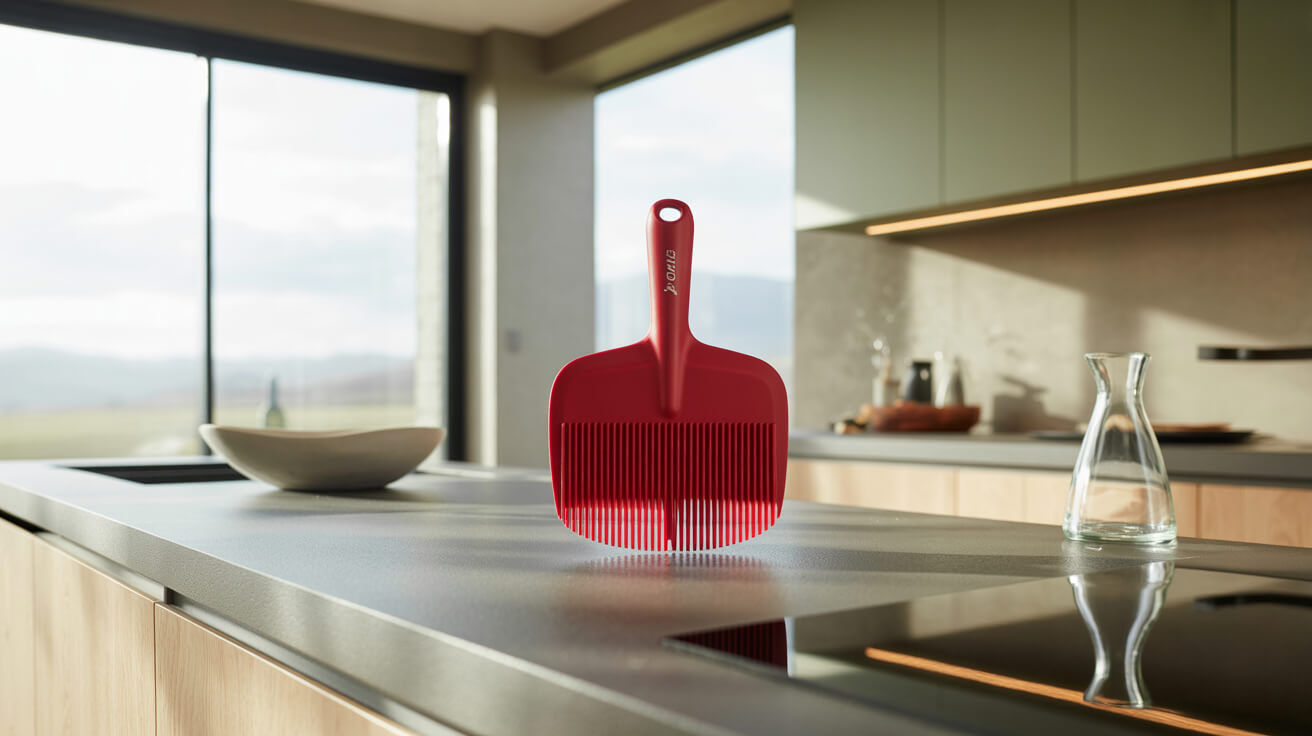
Does Size Matter? Absolutely—Batch by Batch
A 140mm diameter head achieves the optimal vortex, ensuring powder, aggregate, and water blend thoroughly. The 600mm reach means you never scrape hands or shortchange your batch depth. Overlook these specs, and you risk “dead spots” of unmixed powder or over-mixed glop sticking to bucket sides.
Universal Fit Across Project Scenarios
Whether you are prepping small renovation batches or running tanking slurry in heritage basements, this paddle’s dimensions are validated for broad utility—no more guessing mid-job if your gear matches site needs.
Batch Volume and Material Flow: Key Specs
- 140mm diameter: Suitable for 10–30L batches
- 600mm length: Fits standard site buckets, deep mixing
- Reinforced blade shape: Reduces risk of unmixed pockets
Is Drill Compatibility Still the Most Overlooked Failure Point?
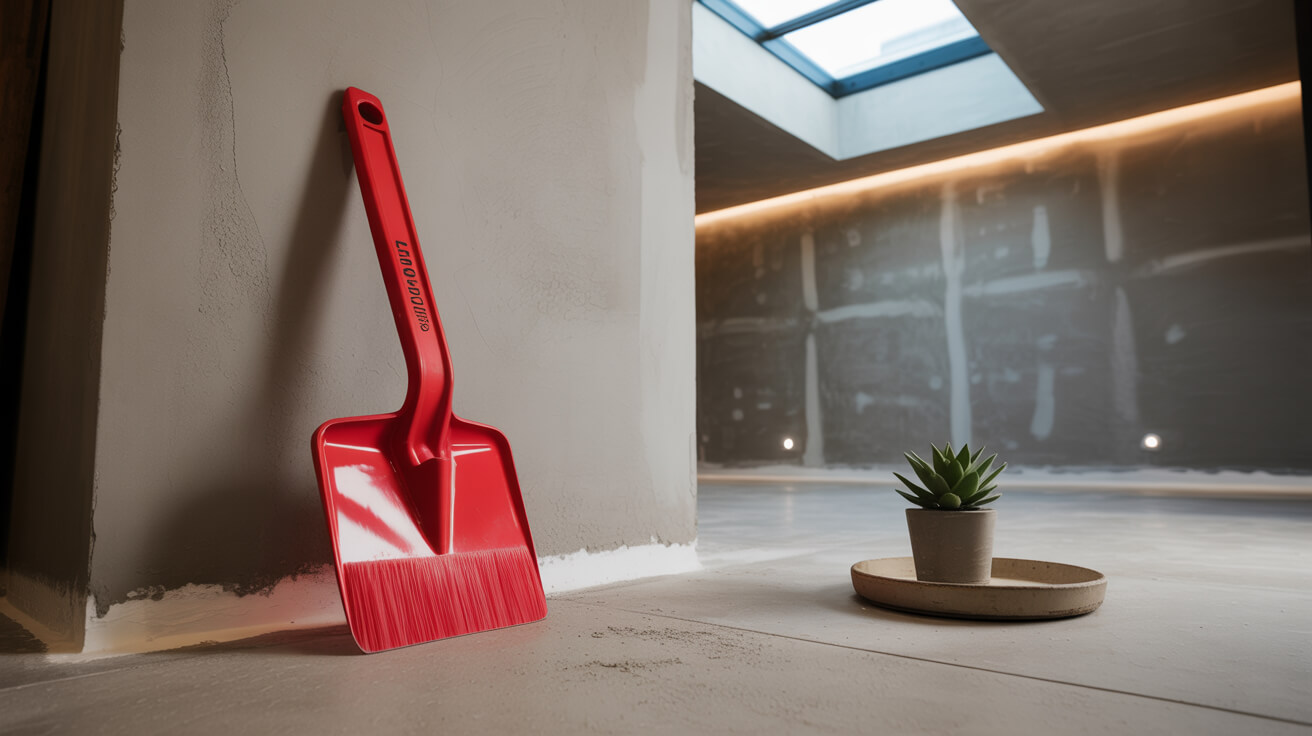
The Silent Saboteur: Tool Mismatch
Your paddle means nothing if it doesn’t match your drill in torque, chuck size, and RPM. The Red 140mm x 600mm paddle aligns with 10mm+ chucks. Variable speed, 500rpm max, is a universal for all finish-specific mixes: tanking slurry, plaster, floor coatings. Fail to match, and you risk tool breakage, batch loss, or warranty breaches—issues that hit your bottom line or reputation directly.
The cost of neglecting fit and RPM is downtime and repairs that cut deeper than the material bill.
Drill/Accessory Checklist
- Minimum 10mm chuck:
- Variable speed trigger:
- Cordless?: Bring spare batteries for heavy tasks
- Check torque: Minimum 18V drill for dense slurries
Table: Drill & Paddle Matching
| Drill Type | Compatible? | Ideal Application | Cautions |
|---|---|---|---|
| 18V+ Cordless | ✔ | Plaster, paint, tanking slurry | Swap batteries for bulk |
| Corded (10mm+) | ✔ | Large/continuous batches | Watch cable placement |
| Cordless <10mm | ✖ | None | Risk of chuck slip |
| Paddle <140mm/600mm | ✖ | None (for slurries/plaster) | Under-mix, hand strain |
Where Does This Paddle Surpass Others in Property and Heritage Applications?
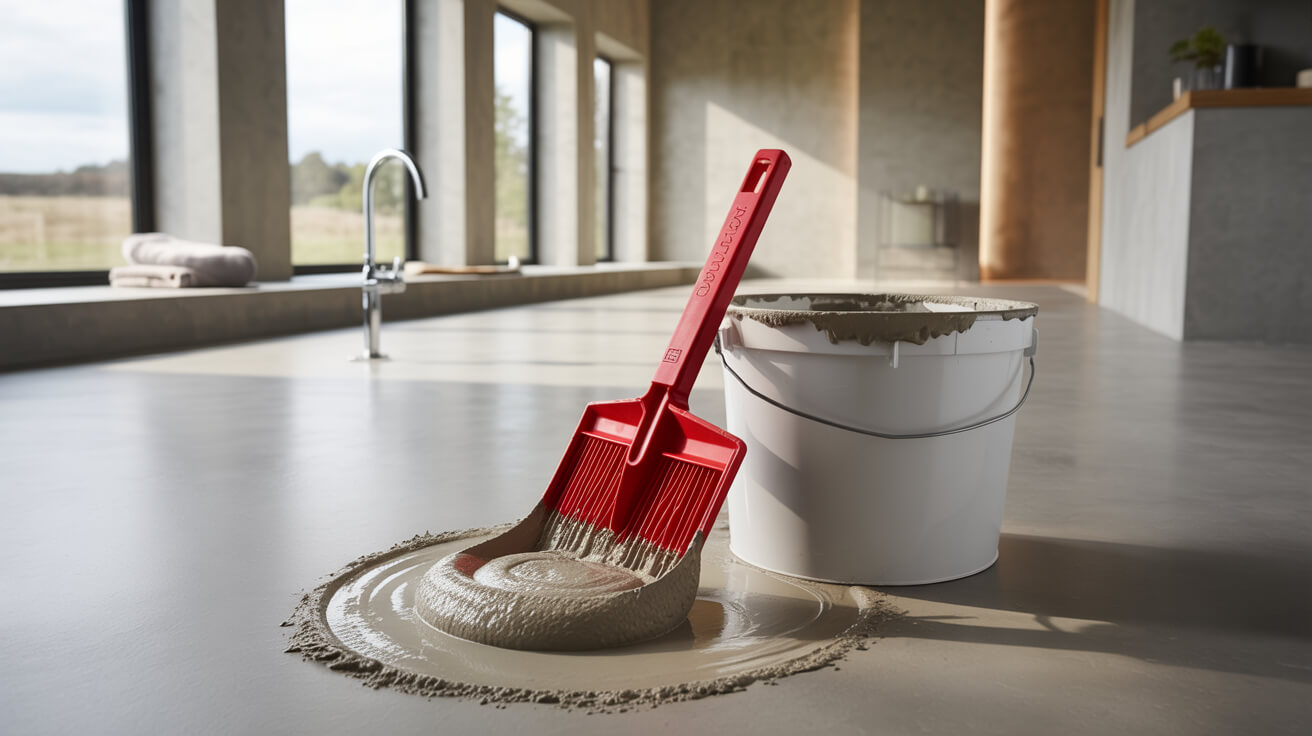
Context: Modern, Historic, and Commercial Jobs
No single project profile covers the range of demands as residential retrofits, listed building conservation, and commercial property upgrades. The 140mm x 600mm paddle earns universal trade respect for blending difficult materials without residue, flex, or blade fatigue. It never scratches period substrates or contaminates lime renders, so you avoid batch-to-batch surprises.
Case-Specific Benefits
- Heritage structures: Batch consistency for lime/specialist plasters; blade design prevents substrate abrasion
- Commercial upgrades: Speed and repeatability across consecutive rooms; fast clean-down between material shifts
- Landlord/agent: Zero excuses from sub-contractors; clear specification on compliance paperwork
Multi-Scenario Highlight Table
| Application | Paddle Edge | What You Avoid |
|---|---|---|
| Lime render/heritage | No blade flecking | Surveyor rejections, rework |
| Tanking/cementitious | Full depth blending | Voids, premature failure |
| Floor coatings/paint | Even finish, no streaks | Hand-mixing fatigue, poor finish |
How Are Tool Choices Embedded in Compliance and Assurance Frameworks?

More Than Words: The Real Cost of Non-Compliance
Regulators, insurers, and local authorities now audit not just materials but tool specification, process logs, and even batch photos. Specifications demand proof—BS6576, PAS2035, HHSRS—where the right paddle is not a nice-to-have; it’s a stated requirement, with insurance and handover at risk for non-conformance. Ignore, and you lose more than a refund—you forfeit approval, resale value, or coverage.
Embedded Trust: Documented from the Start
Sussex Damp Experts back every specification with product codes, usage recommendations, and support—all recorded as part of your compliance or maintenance protocol.
Best Practice Assurance: Sample Table
| Compliance Area | Paddle’s Role | Failure Consequence |
|---|---|---|
| Damp proofing BS6576 | Named on paperwork | Warranty void, insurance loss |
| Heritage PAS2035 | Verified, non-abrasive tool | Conservation status risk |
| Landlord HHSRS | Consistent, labelled batches | Disrepair, tenant litigation |
Why Is Maintenance the Foundation of Jobsite Reliability?

Clean. Dry. Inspect. Repeat.
Every overlooked cycle—rushing back to the van, paddle “clean enough for tomorrow”—shortens tool life, creates material cross-contamination, and stores up project disruption. Pro-level maintenance is the difference between predictable output and failures that cost nights and weekends. When you respect the tool, your site respects your process.
Maintenance Protocol in Three Steps
- Rinse immediately after mix completes, before batch hardens.
- Dry thoroughly, inspect for weld or blade fatigue.
- Store off the ground, away from corrosive or wet environments.
Maintenance Impacts Warranty—And Compliance
It’s not just advice. Leading brands and insurers tie tool care to claims or support eligibility. Expect to see tool logs requested on major jobs or compliance disputes.
What Changes with Sussex Damp Experts as Your Strategic Partner?
Not Just a Stockist—A Reputation Enabler
When you choose Sussex Damp Experts, you don’t just get a tool. You get access to minds who have troubleshot, certified, and reclaimed failed jobs after others blamed “the materials.” Every paddle or tool we recommend is embedded in a protocol tested across listed retrofits, commercial upgrades, and landlord portfolios.
Raising The Standard: Identity and Support
Being the one who anticipates—not reacts—makes you stand out to tenants, clients, buyers, and surveyors. That’s the lived difference between “fixes” and robust upgrades or approvals that earn trust with every reference.
No one who invests in proven tools and shared expertise gets caught explaining a missed detail at handoff.
Progression, Not Churn
You step into the group of asset protectors and finishers who don’t just close jobs—they elevate every property and stakeholder reputation, batch by batch. When your team, practice, or organisation commits to working with Sussex Damp Experts for moisture management and mixing, you demonstrate a traceable, leader-driven standard for the sector.
Frequently Asked Questions
What Hidden Risks Does Using the Wrong Mixing Paddle Create in Damp Proofing and Building Repairs?
The overlooked risk in moisture control isn’t just slow progress or aching arms—it’s irreparable job failure, whether by substrate incompatibility, failed waterproofing, or compliance slips. Reaching for a generic or undersized paddle invites unmixed sediment, weak slurry adhesion, and patchy finishes that will haunt your project months later.
Choosing the correct 140mm x 600mm option from the wider range of Mixing Paddles isn’t about convenience; it shields your property from untold callbacks, surveying disputes, and wasted material spend. If you’ve ever seen tanking slurry separate mid-batch, or plaster drag dry against your trowel, the culprit is usually a misfit between tool and mix. For heritage jobs, batch uniformity becomes not just a pride factor but a legal obligation—trapped air, inconsistent hydration, or splashy corners will void guarantees and raise red flags with insurers.
By ensuring every batch is homogenous and properly cured—thanks to the paddle’s reach and torque transfer—you guard your timeline, asset value, and, crucially, reputation. When the tools match the standards, every cure, waterproofing bond, and finish speaks in your favour, not as a footnote of warning to the next contractor.
How Does Paddle Design and Size Influence Consistency, Compliance, and Compliance Longevity?
Every curve and weld on this paddle is engineered to erase risks you’re expected to anticipate: cold joints, lumpy compounds, air inclusion, and edge creep that become visible when it’s too late to fix. The extended 600mm shaft keeps your hands and drill chuck safely above deep buckets, maintaining hygienic and ergonomic workflows—while the 140mm head delivers an ideal blend vortex for modern and traditional plaster, cementitious mixes, and tanking slurries.
A powder-coated finish offers durable corrosion safety, critical when working in legacy basements or high-humidity refuges. Its red skin isn’t for style points but jobsite survival: you’ll never lose it after a break, and your next operator finds the tool stay-ready, not lost in the clutter or doubled up in cost.
Consider what happens when a paddle flexes or welds snap under a heavy batch: not just tool loss but potential project slowdowns, insurance query, or rework the team never priced in. The choice to specify robust, EN-standard construction is a risk management, not a luxury.
| Feature | Professional Paddle 140mm x 600mm | Generic / DIY Paddle |
|---|---|---|
| Head Size | 140mm (full vortex, batch capacity) | ≤100mm (slow, uneven) |
| Shaft Length | 600mm (deep mix reach & safety) | ≤400mm (mess, fatigue) |
| Compatibility | 10mm+ variable drills | Few (often slips/strips) |
| Finish | Powder coat/anti-corrosive | Paint/thin lacquer |
| Visibility | Red (jobsite ready) | Dull/grey |
Who Actually Benefits When Paddle Size, Weight, and Drill Match the Project Demands?
Confusion about whether “big” means “better” often hides the truth: project scale, substrate type, and batch size fundamentally decide the paddle. For you, the builder racing through tenant upgrades, a 140mm x 600mm paddle enables large-batch, consistent slurry in time-pressured environments—less bucket-swap, more uptime. For heritage pros restoring lime mortars, it means consistent hydration and air entrainment—meeting both conservation officer’s specs and insurance fine print.
Letting agents and facilities managers see cost control, speed, and quality converge when their contractors stick to proven paddle-drill combos. If you’re running heavy damp works, the right paddle takes cementitious or resin compounds from stubborn to flowable, every time. For smaller DIY repairs, this isn’t “overkill”—it’s the margin between patching and outright renewal if your first batch fails.
Every refurbishment, survey pass-off, or warranty claim down the line becomes simpler, predictable, and safer when you refuse to gamble with tool compatibility and batch economics.
Why is Drill Compatibility and Variable Speed More Than a Technical Detail?
Matching your paddle to the wrong drill creates silent, escalating losses: slippage, inconsistent rotation, overheating, and batch burnout. A 140mm paddle requires not just a 10mm+ chuck and good jaws, but a variable speed drill capable of reliable, controlled mixing up to 500rpm—anything lower, you risk incomplete blends; anything higher, and you introduce air, separate chemicals, and destroy the slurry’s performance envelope.
You’re not only protecting equipment. For heritage damp proofing and modern waterproofing, over-torque, static mixing, or fitment error can tank batches worth hundreds, break warranty chains, or even render insurance null for failing survey. Sizing the right torque, checking chuck wear, and running a speed check is the mark of a competent operator and a project manager who values completion over routine tool churn.
If tools only get checked after the first painful slip, you’re already incurring silent workflow taxes—add them once, subtract them forever with a single compatible setup.
Which Projects and Materials Are Unlocked, Secured, or Accelerated by the Professional Mixing Paddle?
Every project unlocks new opportunity—and risk—when batch consistency is non-negotiable. For multi-unit refurbishments with tight lease timeframes, this paddle reduces cure cycles and guarantees the uniformity maintenance contracts demand. In listed basements, where every mix must breathe and conservation notices require proof, you gain instant compliance with every documented batch spec. In high-traffic landlord properties, batch size scales up without banning operator comfort or increasing material waste.
Materials most improved by the right paddle:
- Tanking slurries (PermaSEAL, Limelite, proprietary waterproofing)
- Breathable lime and specialist heritage plasters
- Cementitious overlays and paints for moisture-sensitive repairs
- Heavy waterproofing, wall waterproofing, and resin-based damp treatments
Your next batch’s reliability depends on today’s tool decision, not tomorrow’s repair contingency fund.
How Does Maintenance Protocol Transform Both Tool Lifespan and Project ROI?
Skipping post-job rinse, allowing powder to set inside the paddle, or leaving it to rust after a wet handover reduces tool ROI by an order of magnitude. A paddle left poorly cleaned breeds contamination, batch separation, and early workflow failures—never mind corrosion voiding manufacturer warranties and vendor returns.
Every team should create or follow a care protocol:
- Rinse immediately after use, removing all residues/
- Dry fully before storage, inspecting for micro-cracks or weld wear.
- Store in a ventilated, upright rack—not buried in tool buckets.
This is not time spent; it’s downtime averted. You guarantee compliance, performance, and capital asset retention, and when site audits arise, your processes validate not only your diligence but your professional standing. On recurring projects, Sussex Damp Experts advisory ties these best practices seamlessly into every service—bringing maintenance full circle into site success, not as a rote task but as a business discipline.
What Happens to Project Outcomes When You Align With Sussex Damp Experts?
The biggest unclaimed ROI in damp proofing, moisture management, or asset preservation isn’t the last stage of instal—it’s the preemptive, system-driven advisory that keeps you in control from specification to close-out. Sussex Damp Experts exist as a multiplier to every stage, from tool selection to final cure, blending forensic diagnostics, PAS2035/BS8102-readiness, and real-world retrofit guidance to ensure your compliance and confidence at every step.
You no longer chase warranty claims, rush post-failure insurance reports, or explain away recurring batch mistakes. You signal to suppliers, tenants, and surveyors that you and your asset base live in the “de-risked” pool—a league defined by asset value retained, not lost to correction cycles.
Be the company, team, or homeowner whose damp and building repairs are a model for others—instead of yet another callback story on the contractor circuit.

