
 By
By  August 26, 2025


Why Do 2025 Updates Make Damp and Mould a Legal Minefield for Your Property?
Damp and mould are no longer just a cause for grumbling or spot repairs—the 2025 Environmental Protection Act rewrites the game. Your property can now become a regulatory target the moment a single patch of mould shows, a musty whiff lingers, or persistent condensation creeps back after cleaning. Every property owner, landlord, agent, or manager is on the hook: the law now classifies damp and mould not as cosmetic quirks, but as bona fide statutory health hazards, equal to issues like dangerous wiring or unsealed asbestos.
If your property smells damp, it’s not a little annoyance—it’s a compliance red flag under the new law.
What’s triggered this turn? Section 79 of the revised Act broadens “statutory nuisance” to explicitly cover any form of damp and mould with health implications, whether you can see it, smell it, or a tenant merely reports feeling unwell. A cough, a sudden rash of peeling paint, a persistent must—these are grounds for formal intervention, not just a shrug and a phone call to a decorator.
Local authorities now have a statutory duty to respond actively, not just assess, ticking off forms. The investigation toolkit is serious: calibrated moisture metres, thermal imaging to catch cold bridges and hidden water ingress, salt and spore sampling, and on-the-spot air quality logs. Council teams won’t accept half-baked explanations, painted-over stains, or claims you “never received the email.” Expect penalties to escalate rapidly for any delay, lost documentation, or slapdash attempts to cover up the problem.
What does this mean for your property?
- If there’s visible mould, odour, or unexplained condensation—your legal liability is live, regardless of intent.
- Every issue must be tracked, remediated, and documented in a way that would impress a forensic accountant.
- Unlimited fines, forced repairs, rent repayment, and public registers of non-compliance are now standard tools for enforcement.
Ignoring this new landscape or treating damp as a minor maintenance job? That’s now a shortcut to legal trouble, higher costs, and reputational damage that spreads long after the stains fade.
Who Can Raise the Alarm—And What Counts as Evidence Against You Now?

The 2025 update doesn’t just make the rules stricter—it lowers the bar for action. Now, literally anyone can file a complaint: the tenant, a neighbour, a letting agent, a GP, a visitor, or even a tradesperson carrying out unrelated work. You no longer have privacy behind property lines; complaints cross that line, and the law backs them up.
From the moment a complaint is logged, the clock is ticking—and only robust, documented action stands between you and a formal breach.
Here’s the shift:
- Any complaint must trigger a prompt, evidence-based council investigation: . Hearsay or minor reports can’t be swept aside.
- Technical proof is king: Moisture gradient mapping across suspect walls and floors, thermal images that expose that cold, wet cavity you assumed was dry, and laboratory analysis of any salt or spore deposits.
- Air and health data count: Medical records, even a letter from a GP linking breathing issues to mould, carry more weight than ever.
- Transparent photographic logs: Councils now require visual documentation from first report through to full remediation, with timestamped “before, during, after” images.
Excuses no longer save the day. “I asked the cleaner, and she said it was fine,” or “Our system didn’t log the email” no longer prevent enforcement. From first notice, you’re expected to compile an unbroken chain of evidence: notification, diagnosis, chosen remedy, results, and aftercare all recorded and ready for inspection.
Miss any part of this “paper chain,” and the law presumes you’re in breach—penalties, council action, and lost income follow rapidly.
How Have Deadlines and Penalties Tightened for Ignoring Damp Repairs?
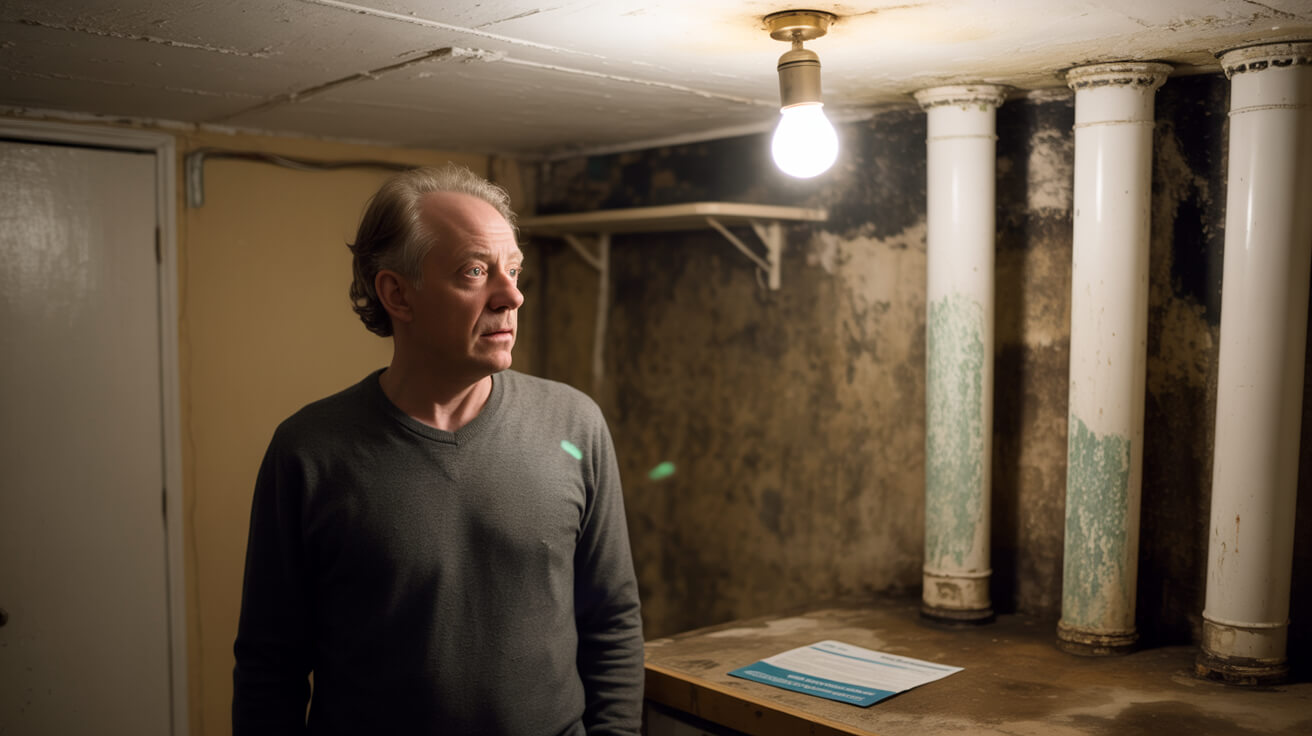
For years, a warning letter or half-hearted remedial job could buy you time—even enough to sell up and sidestep lasting fixes. The 2025 EPA overhaul ends that leeway cold. Council powers have expanded and expectations for pace are ruthless. Enforcement actions are now fast, decisive, and have escalating consequences for the hesitant or ill-prepared.
An abatement notice can demand proof of action within 7 days. Miss it, and fines, public records, and forced repairs all start stacking up.
The sequence now looks like this:
- Every complaint, no matter how minor, is centrally logged; health-linked concerns are pushed to the top of the triage.
- Council investigations are mandatory and data-driven. If a professional diagnoses health risk, councils issue repair or abatement orders—often with just a week’s deadline for substantial evidence of action.
- Ignoring these or cutting corners leads straight to unlimited fines, council-led repairs at your cost, rent repayment claims, and naming-and-shaming in public registers.
- Lender and insurer alerts are also the new norm. Repeated breaches are flagged—your mortgage and insurance rates, even your ability to sell, are on the line.
You’re now held to a “whole-building” remediation and documentation standard—not just a dab of paint or hardware-store anti-mould spray. Skimp on a quick fix, or fudge the paperwork, and future stakeholders—buyers, lenders, surveyors—will see it in your file.
How Does Awaab’s Law Accelerate Response Demands and Set a New Minimum?

Awaab’s Law emerged from public fury after tragic deaths linked directly to untreated mould in social housing. This isn’t only a problem for big landlords: Awaab’s Law rewrites the expectations for every property, public and private, rented or owned. There’s now a statutory baseline for action:
- 24 hours: to start making a property safe if health is at stake,
- 14 days: to complete a root-cause investigation and return documented findings.
Meet the new minimums—or face public breach records, loss of trust, and compounding enforcement actions.
These requirements aren’t empty aspirations. Councils audit large landlords and regularly check up on smaller operators, too. Every delay is registered, every shortcut flagged, every missed appointment logged as non-compliance.
Even if you’re not a social landlord, if your lender, insurer, or a buyer’s solicitor checks your file, they’re demanding action and documentation to Awaab’s Law standards. Any gap—“We were away,” “The tenant didn’t reply”—is now explicitly your problem.
Proactive, professionally documented remediation is your only safe path.
Can Condensation, Faint Smells and “Hidden” Mould Now Open You to Legal Risk?

The world of “only act when you see green fuzzy stuff” is gone. The Housing Health and Safety Rating System (HHSRS) and local council standards treat condensation, musty smells, and even high humidity as triggers for urgent investigation. No visible mould? No reprieve—if your air is damp and guests cough after visiting, that’s now a risk worth acting on.
A cold corner, persistent window fog, or unexplained must all grab council attention just like an obvious black patch.
Triggers that councils and lenders now treat as red flags:
- Regular window condensation, cold and draughty rooms, or “sweating” walls—even behind large items like wardrobes.
- Reports of coughing, asthma, or other respiratory issues, especially in children or sensitive adults, matched to moisture data.
- Salt stains, peeling paint, or background humidity above 60% flagged during any survey.
If you try to patch over these with unskilled or quick-fix “solutions,” you’re actually proving non-compliance. All signals now point straight to a need for professional diagnosis, full documentation, and scientific follow-up.
What Are Your Obligations for Repairs, Paperwork, and Finance Under the 2025 Act?
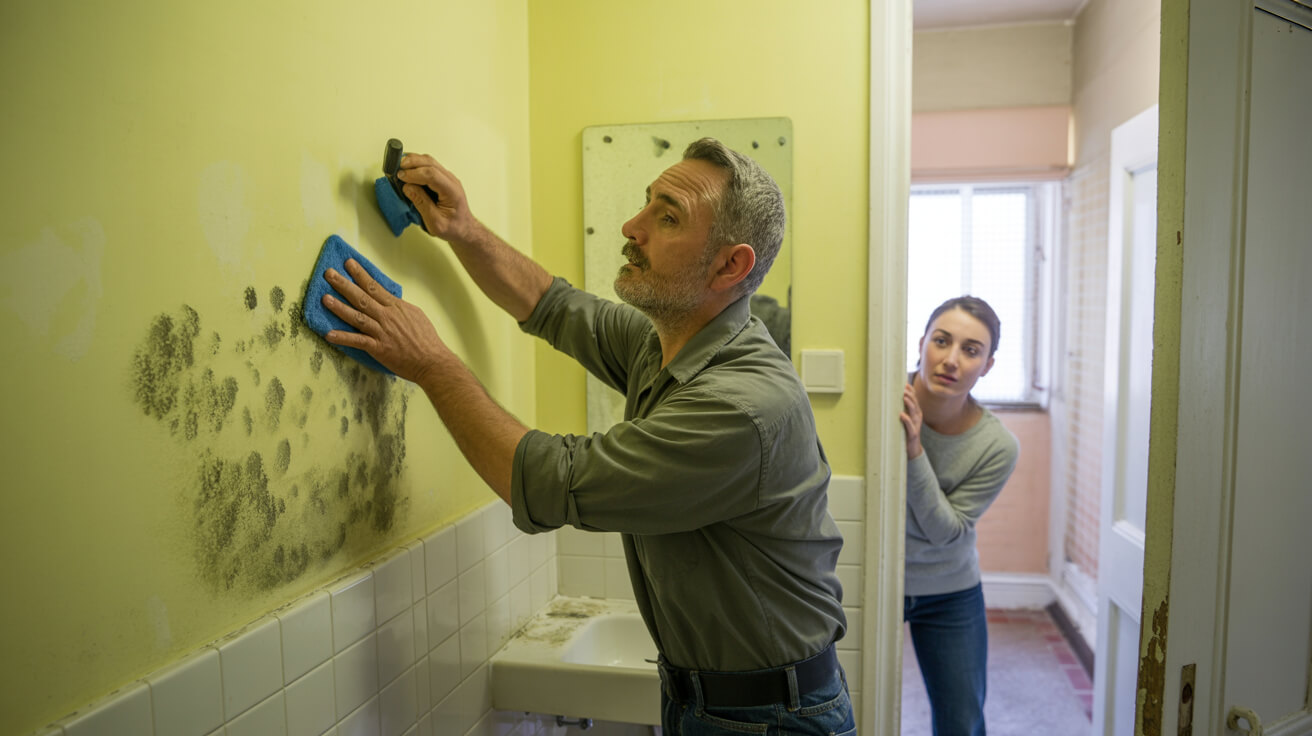
You now need to treat every point of entry—every isolated patched brick, every blocked air brick, every swapped-out bathroom fan—as part of a legal and financial chain of responsibility. Lenders, insurers, and new buyers do not look kindly on undocumented, friend-done, or unaccredited fixes.
If you don’t have a PCA-accredited survey, full invoice log, and warranty for every job, expect lenders and insurers to block, not bless your sale or claim.
Impacts of missing or substandard proof:
- Mortgage refusals: —Until you can show accredited repair, mortgage lenders routinely pause or kill deals outright.
- Insurance denials: —No warranty or documented surveyor sign-off? Expect your claim to be tossed, especially for repeat issues.
- Public non-compliance marking: —Your property becomes a legal “known risk,” which follows you, your tenants, and future sales.
Each repair must begin with root-cause identification, be executed by a qualified professional, and end with a full documentary chain: survey, remedial plan, proof of works, material spec, and ongoing aftercare logs. Your liability ends only where this evidence chain is watertight.
How Do You Shield Yourself with Robust Paperwork and Science-Led Evidence?

Gone are the days when a single invoice or “all sorted” text message could see you through a survey. You now need an integrated, science-back, audit-ready evidence chain—precisely what insurers, mortgage lenders, and councils require.
- Comprehensive, PCA-qualified survey report: —This must detail the diagnosis, the precise root cause, and the specific treatment plan. Environmental sampling data—moisture levels, spore counts—anchors the narrative to science, not opinion.
- Photographic evidence throughout: —Each repair, upgrade, or check-in is documented with time-stamped images—before, during, and after works.
- Product and method records: —List every DPC product, waterproofing membrane, and installer name and guarantee.
- Invoice and aftercare ledger: —From initial engagement to yearly check-ups, every stage is shown in sequence. If there’s a gap—surveyor’s missing, receipt ambiguous—you may not meet compliance.
Only a surveyed, step-by-step, warranty-backed chain unlocks finance, prevents legal action, and keeps non-compliance off your public record.
Lenders, buyers, and authorities accept only robust chains; ad-hoc fixes, missing details, or unclearly marked images signal higher risk and set off further checks.
Why Choose Sussex Damp Experts—Built-In Compliance, Evidence, and Peace of Mind

Navigating this storm of new rules and tight deadlines means you need a moisture partner who brings more than chemicals and plaster—someone who stands ready to defend your repair in court, at a survey, or during a lender review. Sussex Damp Experts have built their reputation not on speed alone, but on bulletproof, audit-ready, and regulator-accepted documentation and fixing.
Every survey, repair, and aftercare cycle prioritises:
- BS 6576, BS 8102, and PCA standard alignment: , ensuring work is already familiar and trusted by lenders, councils, and sector auditors.
- Only PCA-accredited professionals on the job: , so your repairs are signed off by people whose authority gets recognised.
- Every stage documented: Surveys, action plans, photographic proof, material batch numbers, and aftercare reviews all logged, date-stamped and warranty-backed.
Hundreds of owners and councils trust Sussex Damp Experts—our compliance and scientific clarity survive inspection, audit, and legal testing alike.
This isn’t a “repair and run.” It’s full lifecycle support: answers for lenders, documents for council, peace of mind for you.
Secure Your Property, Your Finance—and Your Reputation: Book a Science-Driven Survey
The risk of “fix it later” thinking is now bigger than ever: council scrutiny, blocked mortgages, insurance delays, and ongoing legal headache lurk behind every unproven job. You risk your health, your finances, and your status as a reliable property owner.
Let Sussex Damp Experts show you the only legal-proof path: science-led, surveyor-signed, regulator-accepted documentation. Our process builds a compliance shield for every stakeholder: owner, manager, buyer, or finance provider.
Take action—book your comprehensive survey and evidence chain. Sleep well, knowing your property’s protection is built to outlast every regulatory twist, every inspector’s checklist, and every damp-weather warning.
Frequently Asked Questions
What new legal standards turn damp and mould into priority enforcement risks from 2025, and how does this change inspection on the ground?
From 2025, statutory changes mean even faint signs of condensation, suspicious odours, or a single health complaint can spark formal property investigations. Local authority environmental health teams now treat persistent moisture as a Category 1 hazard, not a cosmetic issue. They’re compelled to act on digital moisture data, doctor’s notes, or repeated tenant complaints—no longer waiting for dramatic outbreaks. The new code focuses on early signals: a consistently steamy window, persistent chill behind a wardrobe, or even unexplained children’s coughs.
Enforcement isn’t optional. Under Section 79 of the Environmental Protection Act, damp and mould now carry the same force as structural neglect—triggering council action within a strict 7-day window. Inspectors arrive with calibrated metres, thermal cameras, and legal backing for rapid entry if risk is suspected. You’ll often be notified of a statutory nuisance before you see visible black mould yourself.
Enforcement has moved from ‘fix it when we see it’ to ‘prove it isn’t happening’—even suspicion can trigger an investigation.
Homeowners, landlords, property managers, and agents are held to the same standard. Complaints from neighbours, health workers, or tenants don’t have to be proven in advance—the onus is now on you to demonstrate active moisture control. Delays feed into public compliance registers and raise lender and insurer scrutiny. The new reality: “Proactive evidence” isn’t just smart, it’s legally expected.
How inspection triggers and response times have changed (2025+):
| Event type | Authority Response | Target Deadline |
|---|---|---|
| Tenant/GP complaint | Full inspection | 72 hours–7 days |
| Digital moisture alert | Site test/monitoring | 7 days |
| Odour or condensation | Fast-track follow-up | Immediate to 2 days |
| Repeat concerns | Ongoing council tracking | Ongoing |
What paperwork and evidence now define legal, lender, and council compliance after a damp or mould risk is found?
Property defence in the eyes of the law is no longer about patch-up jobs or unsigned receipts. You’re expected to keep a meticulous, time-stamped archive for every action: digital moisture mapping, surveyor-grade diagnostics (with root-cause evidence), photographic before-and-afters, and aftercare logs. All these must align to published BS 6576/8102 standards and be accessible for up to six years.
Insurers and lenders are now just as exacting as local councils. They want verifiable proof, not verbal reassurance or “cash-in-hand” paperwork. Without the right records:
- Insurance claims may be denied after any recurring damp episode.
- Lenders may mark a property down or reject mortgages.
- Council officers may issue public abatement orders and penalties.
Relying on an unverified damp proofer or skipping survey steps skips your own safety net. Council officers, mortgage surveyors, and agents increasingly share compliance records—one weak link can stall an entire sale or refinancing process.
A single missing survey or unlogged aftercare visit turns small maintenance into a compliance crisis for years.
Proof isn’t a bonus—full record chains (moisture readings, diagnostics, repair logs, post-care) are now checked as a matter of course.
What councils, lenders, and insurers want to see:
| Compliance Document | Used By | What it Protects |
|---|---|---|
| Digital moisture map | Council, lender, agent | Verifies diagnosis |
| Accredited survey | Buyers, insurers | Documents root cause + plan |
| Formal contractor bill | Lender/council | Proves certified solution |
| Aftercare monitoring | Owner, tenant, insurer | Proves lasting result |
How quickly must your team act on damp reports, and what delayed responses now mean for fines, liability, and saleability?
The 2025 regime drops long grace periods. When a tenant, GP, or letting agent files a damp or mould complaint, the window for documented inspection and remedial action is just 7–14 days. Councils must investigate, issue legal notices, and—if proof is lacking or results cosmetic—move to public enforcement and abatement.
Delaying response, papering over symptoms, or skipping paperwork now risks public defect listings—visible to lenders, buyers, and insurers. The cost of waiting compounds: penalty notices, enforced repair fees, rental income recovery, and lasting asset devaluation all follow missed deadlines.
Every day you delay, the clock ticks: not just in fines, but in lost reputation and blocked finance options.
Landlords and agents of all sizes face the same scrutiny, whether managing one flat or an entire block. Habitual procrastination or repeated infractions can see you red-flagged for years, risking lowered asset values and future lending roadblocks.
What happens when a damp complaint lands?
| Step | Required Action | Risk if Delayed |
|---|---|---|
| Report received | Act in 7 days | No risk—if evidence given |
| Notice issued | Prove fix in 7–14 days | Fine, defect record |
| Proof missing | Abatement/re-inspection | Forced works, extra cost |
| Repeat issue | Supply full archive | Lender/insurer penalties |
Early, evidence-rich response is now essential for legal protection and to keep your asset “off the radar” for enforcement.
What are the new response and documentation rules under Awaab’s Law, and how do they impact both social and private landlords?
Awaab’s Law hardwires strict timelines: risk found in a social home? You must make the property safe within 24 hours and repair the underlying problem inside 14 days. Every action—inspection, repair, aftercare—must be certified, sequenced, and logged in records accessible to both regulators and buyers. The “get around to it” approach is formally dead.
Private landlords and letting agents are now subject to the same scrutiny, with councils and lenders benchmarking their assessments to Awaab’s standards. Repeat delays, missing reports, or aftercare gaps can result in public blacklisting, blocked refinancing, and even managed handovers to council contractors—at your expense.
A missing file or delayed remedial visit no longer slips through the cracks. Today, paperwork and pace are watched as closely as repairs.
Letting agents and property managers face reputational risk if timelines or logs are incomplete—asset value and market access hinge on compliance habits, not just intention. The industry norm is shifting: if you can’t prove duty of care, the law assumes negligence.
Awaab’s Law enforcement and lender expectations (2025+):
| Stage | Timeline | What Follows Delay |
|---|---|---|
| Initial risk | Safe in 24 hours | Legal breach, flagged |
| Full remedy | Repair in 14 days | Audit, stricter review |
| Post-repair care | Monitoring logged | Loss of lender/market trust |
| Private lets | Mirror these rules | Lender/council scrutiny |
Can condensation, faint odour, or odd stains trigger enforcement—even if no black mould is visible—and how has the risk profile changed?
New rules target “moisture distress” of every kind, not just unsightly outbreaks. Regular window fogging, unexplained marks, cold spots, or mustiness are officially “enough” for Category 1 investigation. Surveys confirm that in nearly half of recent legal cases, visual fungus was absent—yet persistent symptoms still flagged a property as high risk.
Councils and lenders formally link even intermittent warning signs to health risks and potential value loss. Ignoring these—hoping minor patches “just go away”—is now seen as negligence with immediate legal, financial, and reputation stakes. The new “smell, test, or timing” criteria mean false confidence can no longer shield owners; early warning signs must be logged and remedied with evidence.
- Persistent condensation zones (windows, behind beds, cold corners)
- Musty smell in one or more rooms—particularly among tenants, children, or after renovations
- Unexplained marks, salt residue, or patchy paint
Life after 2025 is about silence broken by audit: that small, musty patch can open a compliance file overnight.
Buyers and lenders actively check for these “soft risks” in surveys, and councils err on the side of early intervention. Treat every moisture warning as a formal deadline, not just a sign to “keep an eye on it.”
How does Sussex Damp Experts now guarantee lender, insurer, and council confidence—and why does their approach stand out under post-2025 compliance?
Sussex Damp Experts sets the benchmark by integrating accredited diagnostics, photographic documentation, forensic monitoring logs, and robust aftercare—all mapped to BS 6576/8102 standards. Each inspection uses advanced thermal and moisture-mapping tools, root-cause analysis, and humidity diagnostics, with the entire process digitally archived for six years.
Every remedial action is certified with comprehensive before-and-after evidence—ready-made for lender, insurance, and council review. The company’s aftercare pipeline includes annual monitoring, responsive maintenance, and ventilation scans—data that insurance underwriters and council surveyors increasingly rely on.
- Accredited surveyors flag issues *before* they become council priorities.
- Preparation for mortgage, sale, or audit is built in—not an afterthought.
- Documentation and long-term aftercare aren’t just compliance checkboxes; they’re a property’s “reputational soft armour”.
Expert records aren’t just about ‘job done’—they’re about future-proofing every asset against unknown regulatory, lender, or tenant tests.
Taking Sussex Damp Experts’ approach now means fast, frictionless access to refinancing, insurance renewal, and legal defence. Save yourself years of audit risk and asset stress—book a compliance-grade survey or aftercare review to lock in modern property security and reputation.

